Latin Averroism
Latin Averroism centers Siger of Brabant here and connects Latin university reception of Averroes with Aristotelian demonstration, unity of intellect, eternity of the world, and the contested relation between philosophy and Christian doctrine.
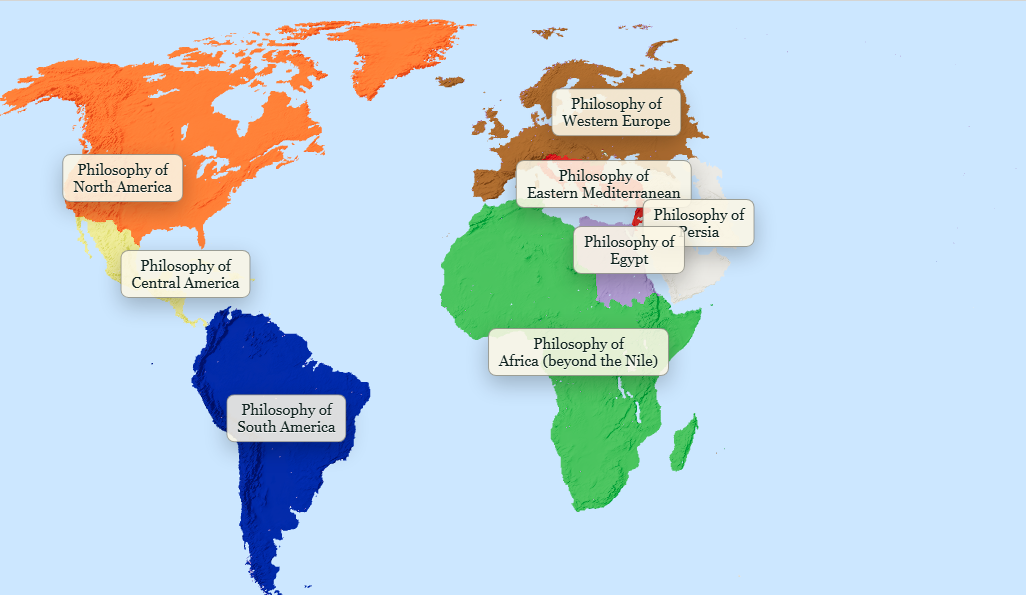

Structural Factors
- Shared Core Claims
- Latin Averroism names a Latin scholastic reception of Averroes in which Aristotelian demonstration, the unity of intellect, the eternity of the world, natural necessity, and the autonomy of philosophical reasoning became central points of university controversy. The so-called double truth label is treated as contested reception language rather than as a simple school doctrine.
- Shared Methods
- Scholastic disputation, commentary reading, Aristotelian curriculum analysis, Latin reception history, condemnation history, anti-Averroist critique comparison, and source/catalog review across reference entries, public text surfaces, manuscript rows, and modern scholarship.
- Shared Lineage
- This page preserves Siger of Brabant as the linked philosopher. The school context includes Averroes/Ibn Rushd as source context, Aristotle as curricular authority, the Paris arts faculty, Aquinas anti-Averroist critique, and the 1270 and 1277 condemnations without adding Averroes, Aristotle, Aquinas, Boethius of Dacia, or other scholastic figures as linked philosophers.
- Shared Problems
- Unity of intellect, agent and possible intellect, eternity of the world, philosophical demonstration, reason and doctrine, double truth reception, natural necessity, De anima interpretation, university arts teaching, condemnation, and the boundaries between philosophy and theology.
- Shared Vocabulary
- Latin Averroism, Averroes, Ibn Rushd, Siger of Brabant, Aristotle, Commentator, unity of intellect, possible intellect, agent intellect, eternity of the world, double truth, De anima, Paris arts faculty, condemnation, 1270, 1277, scholasticism, and Aristotelianism.
- Shared Historical Context
- Latin Averroism belongs to medieval Latin university philosophy, especially thirteenth-century Aristotelian reception. It draws on Arabic-to-Latin transmission of Averroes, Paris arts-faculty disputes, Aquinas critique, ecclesiastical condemnations, and modern scholarship on Averroism and Latin scholasticism.
Defining Axes
- Doctrine
- Aristotelian demonstration mediated by Averroes, unity of intellect debates, eternity of the world, natural necessity, and the contested autonomy of philosophical reason.
- Method
- Commentary, scholastic disputation, university curriculum reconstruction, condemnation history, anti-Averroist comparison, and source/catalog review.
- Lineage
- Averroes and Aristotle as source context, Siger of Brabant as linked philosopher, Paris arts faculty as institutional context, Aquinas as critic, and 1270/1277 condemnations as reception context.
- Subject Focus
- Philosophy of mind, metaphysics, natural philosophy, medieval Aristotelianism, philosophy and theology, university intellectual history, and reception of De anima.
- Geography / Culture
- Medieval Latin Europe, especially Paris university culture, with Arabic-to-Latin philosophical transmission and later scholastic reception.
- Historical Reaction
- A disputed scholastic reception of Aristotle and Averroes that provoked anti-Averroist critique and condemnation over intellect, eternity, necessity, and the limits of philosophical teaching.
Internal Structure
- Foundational Texts
- Source evidence includes SEP and IEP Averroes rows, Britannica Averroes and Latin Averroism rows, New Advent and Encyclopedia.com entries, Jewish Encyclopedia and MuslimPhilosophy context, DARE/Thomas-Institut resources, public text surfaces, Wikisource and Gutenberg rows, Open Library and WorldCat catalog rows, PhilPapers and PhilArchive rows, Routledge, Cambridge, Oxford, Brill, De Gruyter, SIEPM, Morgan manuscript context, Siger, unity of intellect, and Aquinas anti-Averroist context.
- Core Vocabulary
- Latin Averroism, Averroes, Ibn Rushd, Siger of Brabant, Aristotle, Commentator, unity of intellect, possible intellect, agent intellect, eternity of the world, double truth, De anima, Paris arts faculty, condemnation, 1270, 1277, scholasticism, and Aristotelianism.
- Metaphysics
- The metaphysical focus is the interpretation of Aristotelian nature, necessity, eternal motion, cosmic order, and the relation between philosophical demonstration and doctrinal constraints.
- Epistemology
- Knowledge is framed through Aristotelian demonstration, commentary, reasoned disputation, university teaching, and the contested relation between philosophical conclusions and theological authority.
- Ethics
- Ethics is secondary on this school page; the central issues are intellect, metaphysics, natural philosophy, philosophical autonomy, institutional teaching, and the reception of controversial Aristotelian claims.
- School Method
- The method combines Siger-centered school evidence with Averroes and Aristotle source context, anti-Averroist reception rows, condemnation context, public text surfaces, library catalogs, manuscript rows, and scholarship while excluding image and broad Islamic-philosophy takeover rows.
- Internal Debates
- Internal issues include whether Latin Averroism is a coherent school label, how to interpret the double truth charge, how Siger reads intellect and eternity, how Averroes is received in Latin contexts, and how to distinguish philosophical demonstration from theological doctrine.
- Successors
- Latin Averroism shaped later medieval debates over intellect, Aristotelianism, scholastic method, university teaching, philosophy and theology, and Renaissance and modern accounts of Averroes reception.
External Classification Context
- History of Philosophy
- Belongs to medieval philosophy, scholasticism, Aristotelianism, philosophy of mind, metaphysics, philosophy and theology, Latin reception of Arabic philosophy, and university intellectual history.
- Philosophy of Philosophy
- Defines philosophy as disciplined Aristotelian demonstration and commentary within a contested institutional boundary between arts-faculty reasoning and theological authority.
- Intellectual History
- Connects Siger of Brabant, Averroes, Aristotle, Paris university culture, Aquinas critique, the unity of intellect controversy, the eternity debate, and the 1270/1277 condemnations.
- University Classification
- Classify under Latin Averroism, medieval philosophy, scholasticism, Aristotelianism, philosophy of mind, metaphysics, philosophy and theology, and reception of Arabic philosophy in Latin Europe.
- Classical Sources
- Evidence includes SEP, IEP, Britannica, New Advent, Encyclopedia.com, Jewish Encyclopedia, MuslimPhilosophy, DARE/Thomas-Institut, OLL, Yale and Notre Dame text/context rows, Wikisource, Gutenberg, Open Library, WorldCat, PhilPapers, PhilArchive, Routledge, Cambridge, Oxford, Brill, De Gruyter, SIEPM, and Morgan rows.
- Sociology of Knowledge
- The source set documents Latin Averroism through Averroes and Siger reference rows, university reception context, anti-Averroist critique, public text and catalog rows, manuscript/scholarship rows, and reception-history evidence, while image rows, broad Arabic/Islamic philosophy rows, Avicenna context, generic Scholasticism, and unrelated Aristotelian takeover rows stay held out.
Linked Philosophers

Siger of Brabant
1240 CE – 1284 CE
Brabant (Low Countries)
Paris arts master and radical Aristotelian associated with Latin Averroism, the unity of intellect controversy, metaphysics, logic, natural philosophy, and the autonomy of philosophical teaching.
Other Voices
Reference entries, public text surfaces, catalog rows, and scholarship connected to Latin Averroism, Averroes, Siger of Brabant, Aristotelian university reception, unity of intellect, eternity of the world, double truth, De anima, Aquinas anti-Averroist critique, and the 1270/1277 condemnations.