Philosophy School
Logical Positivism
Logical Positivism centers Rudolf Carnap here and connects verification, logical analysis, scientific language, anti-metaphysics, logical empiricism, and Vienna Circle context.
Period
Modern History1800 CE – 1944 CE
Era
Long 19th Century1870 CE – 1913 CE
Begin
1891 CE
End
1970 CE


Structural Factors
- Shared Core Claims
- Logical Positivism treats meaningful inquiry as bound to logic, empirical testability, scientific language, and the rejection or reconstruction of metaphysical claims. This page centers Carnap while using logical empiricism and Vienna Circle context as school evidence.
- Shared Methods
- Logical analysis, formal-language construction, empiricist testing, verification-oriented critique, analysis of scientific theories, inductive logic, semantic reconstruction, archive and work-surface review, and catalog and scholarship comparison.
- Shared Lineage
- This page preserves Rudolf Carnap as the linked philosopher. The school context includes the Vienna Circle, logical empiricism, analytic philosophy, verificationism, physicalism, Carnap work surfaces, and later analytic reception without adding Schlick, Neurath, Reichenbach, Ayer, Mach, Quine, or Vienna Circle figures as linked philosophers.
- Shared Problems
- Verification, meaning, scientific language, logical syntax, logical empiricism, anti-metaphysics, physicalism, protocol and unity-of-science context, analytic-synthetic distinction, inductive logic, scientific theories, semantics, probability, and Quinean critique.
- Shared Vocabulary
- Logical Positivism, logical empiricism, Rudolf Carnap, Vienna Circle, verification, anti-metaphysics, scientific language, logical syntax, Aufbau, physicalism, protocol sentences, analytic-synthetic distinction, inductive logic, scientific theories, and logical analysis.
- Shared Historical Context
- Logical Positivism developed in the Vienna Circle and related logical empiricist networks, with Carnap central to formal-language, scientific-theory, semantics, probability, and anti-metaphysical programs. Its later reception includes analytic philosophy and Quinean critique.
Defining Axes
- Doctrine
- Verification, empiricism, scientific language, anti-metaphysics, logical syntax, physicalism, logical empiricism, and formal reconstruction of philosophy and science.
- Method
- Logical analysis, formal-language construction, verification-oriented critique, archive review, work-surface comparison, catalog review, and scholarship synthesis.
- Lineage
- Rudolf Carnap as linked philosopher; Vienna Circle and logical empiricism as source context; analytic philosophy and Quinean critique as reception context.
- Subject Focus
- Meaning, science, logic, language, metaphysics critique, physicalism, scientific theories, inductive logic, semantics, probability, and analytic-synthetic distinction.
- Geography / Culture
- Central European Vienna Circle context, German-language and English-language analytic philosophy, Pittsburgh archive evidence, and later international analytic reception.
- Historical Reaction
- A modern empiricist and logical reaction against speculative metaphysics, unclear philosophical language, and untestable claims, seeking philosophy continuous with scientific method.
Internal Structure
- Foundational Texts
- Source evidence includes SEP Carnap, logical empiricism, Carnap on inductive logic and scientific theories, IEP Carnap and Logical Positivism, Britannica Carnap, logical positivism and Vienna Circle, Encyclopedia.com, Carnap.org bibliography, Digital Pitt, University of Pittsburgh archives, Carnap work surfaces, Internet Archive, Fitelson, Open Library, WorldCat, HathiTrust, Google Books, PhilPapers, JSTOR, Cambridge Core, analytic philosophy context, verificationism, physicalism, analytic-synthetic distinction, and Quine reception rows.
- Core Vocabulary
- Logical Positivism, logical empiricism, Rudolf Carnap, Vienna Circle, verification, anti-metaphysics, scientific language, logical syntax, Aufbau, physicalism, protocol sentences, analytic-synthetic distinction, inductive logic, and scientific theories.
- Metaphysics
- Logical Positivism rejects or reconstructs traditional metaphysics through meaning criteria, logical analysis, scientific language, and empiricist testability, while physicalism and scientific unity provide key context.
- Epistemology
- Knowledge is approached through empirical confirmation, verification, logical reconstruction, inductive logic, scientific theories, protocol and observation language debates, and the relation between formal systems and experience.
- Ethics
- Ethics is not the center of this school page; the school identity here turns on meaning, science, anti-metaphysics, language, formal method, and the status of value and metaphysical claims under verificationist scrutiny.
- School Method
- The method combines Carnap reference rows, Vienna Circle and logical empiricism context, Carnap archive rows, work surfaces for major Carnap texts, library catalog rows, scholarship rows, and analytic reception context.
- Internal Debates
- Internal issues include verification and confirmation, protocol sentences, the analytic-synthetic distinction, physicalism, unity of science, inductive logic, semantics, the relation between logical positivism and logical empiricism, and Quinean criticism.
- Successors
- Logical Positivism influenced analytic philosophy, philosophy of science, semantics, formal epistemology, scientific theory analysis, and later debates over verification, analyticity, physicalism, and empiricism.
External Classification Context
- History of Philosophy
- Belongs to analytic philosophy, philosophy of science, logical empiricism, empiricism, philosophy of language, epistemology, semantics, formal logic, and twentieth-century intellectual history.
- Philosophy of Philosophy
- Defines philosophy as clarification, logical reconstruction, and critique of language and scientific concepts rather than speculative metaphysical system-building.
- Intellectual History
- Connects Carnap, Vienna Circle, logical empiricism, verificationism, physicalism, analytic-synthetic distinction, Carnap archives, Carnap works, analytic philosophy history, and Quinean reception.
- University Classification
- Classify under Logical Positivism, logical empiricism, analytic philosophy, philosophy of science, philosophy of language, formal logic, epistemology, empiricism, and twentieth-century philosophy.
- Classical Sources
- Evidence includes SEP, IEP, Britannica, Encyclopedia.com, Carnap.org, Digital Pitt, University of Pittsburgh archives, Pittwire, Cambridge Core, Open Library, WorldCat, Internet Archive, HathiTrust, Google Books, PhilPapers, JSTOR, Fitelson, and analytic philosophy context rows.
- Sociology of Knowledge
- The source set documents Logical Positivism through Carnap reference rows, Vienna Circle and logical empiricism context, archives, work surfaces, catalog rows, scholarship, and reception context, while image rows, Kripke rows, Ordinary Language Philosophy rows, Mach-centered Positivism rows, broad analytic search rows, and Akriyavada/search spillover stay held out.
Linked Philosophers
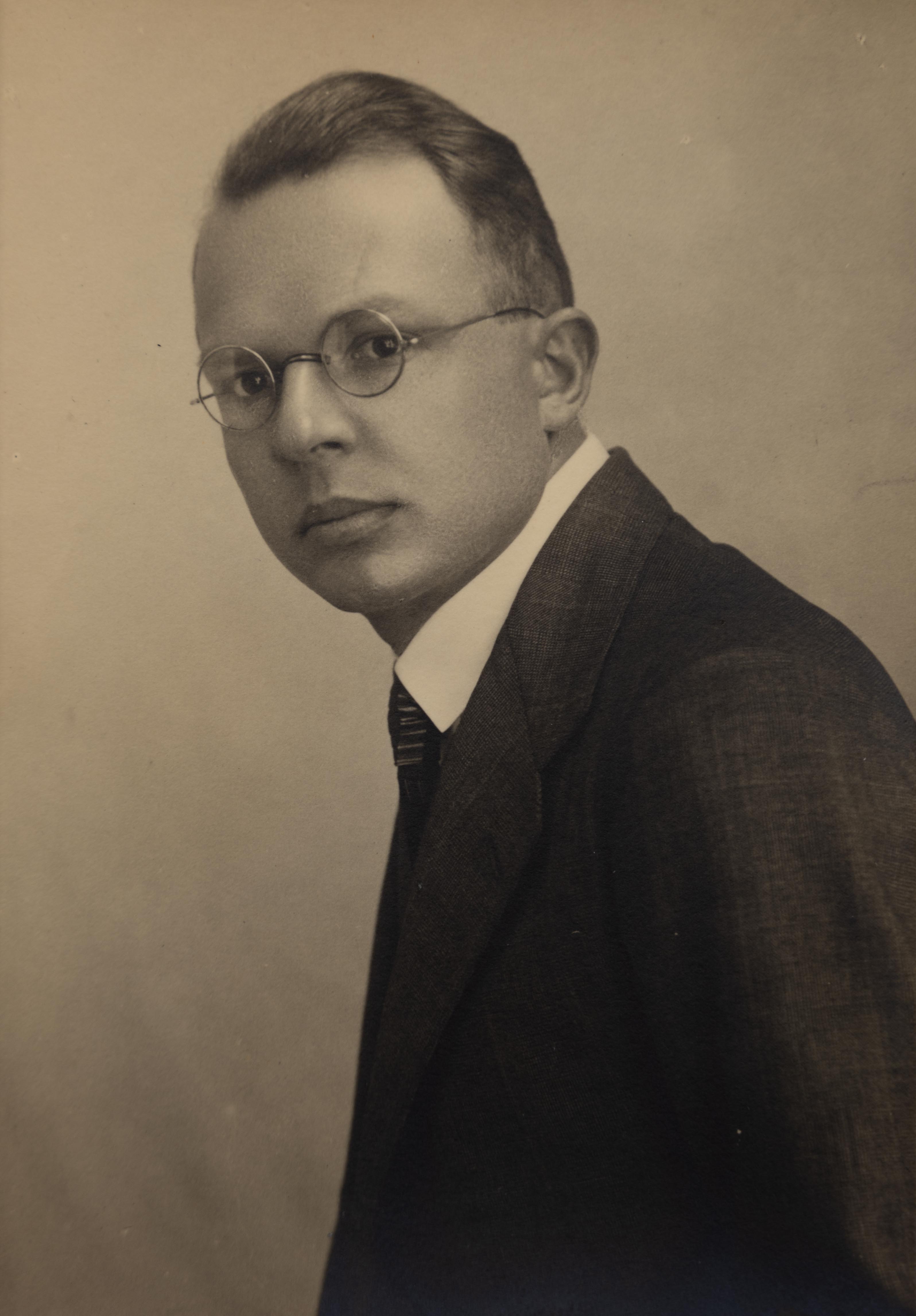
Rudolf Carnap
1891 CE – 1970 CE
Ronsdorf, Wuppertal
German-American logical empiricist of the Vienna Circle, Aufbau construction theory, anti-metaphysics, physicalist language, logical syntax, semantics, linguistic frameworks, confirmation theory, inductive logic, probability, theoretical terms, and scientific philosophy.
Other Voices
Reference entries, archive rows, work surfaces, catalog rows, and scholarship connected to Logical Positivism, Rudolf Carnap, logical empiricism, Vienna Circle, verification, anti-metaphysics, physicalism, analytic-synthetic distinction, and scientific language.