Milesian School
The Milesian School names the early Ionian natural inquiry associated with Thales, Anaximander, Anaximenes, and later Milesian-style cosmology.
Structural Factors
- Shared Core Claims
- The Milesian School seeks natural explanations for an ordered cosmos. Its thinkers ask for an arche or originating principle and explain change, earth, heavens, life, soul, and weather through water, the apeiron, air, motion, condensation and rarefaction, and later intelligence or breath rather than mythic genealogy.
- Shared Methods
- Observation, rational reconstruction, cosmological speculation, geometry, astronomy, geography, doxographic testimony comparison, and careful handling of fragmentary reports from Aristotle, Diogenes Laertius, and later source traditions.
- Shared Lineage
- The main lineage runs from Thales of Miletus to Anaximander of Miletus and Anaximenes of Miletus. Diogenes of Apollonia is retained as a later Milesian-style natural philosopher who continues the air/breath/intelligence pattern in a fifth-century setting.
- Shared Problems
- Originating principle, natural explanation, water, apeiron, air, condensation, rarefaction, motion, earth, stars, meteorology, soul, breath, intelligence, living bodies, geography, astronomy, and the status of fragmentary testimonia.
- Shared Vocabulary
- Milesian, Ionian, arche, physis, kosmos, water, apeiron, air, aer, condensation, rarefaction, motion, earth, stars, soul, breath, nous, intelligence, natural explanation, doxography.
- Shared Historical Context
- Sixth-century BCE Ionian inquiry at Miletus marks one of the earliest Greek attempts to explain the world as an intelligible natural order. Later reports preserve the line through Aristotle, Diogenes Laertius, mathematical and astronomical traditions, and modern Presocratic scholarship.
Defining Axes
- Doctrine
- Naturalistic cosmology and principle-seeking: water for Thales, apeiron for Anaximander, air and condensation/rarefaction for Anaximenes, and air/breath/intelligence in Diogenes of Apollonia.
- Method
- Observation, geometrical and astronomical reasoning, natural explanation, doxographic reconstruction, and comparison of testimonia rather than reliance on mythic genealogy.
- Lineage
- Thales, Anaximander, Anaximenes, and Diogenes of Apollonia as a later continuation of Milesian-style physical explanation.
- Subject Focus
- Metaphysics, cosmology, natural philosophy, astronomy, geography, meteorology, philosophy of science, and early philosophy of soul.
- Geography / Culture
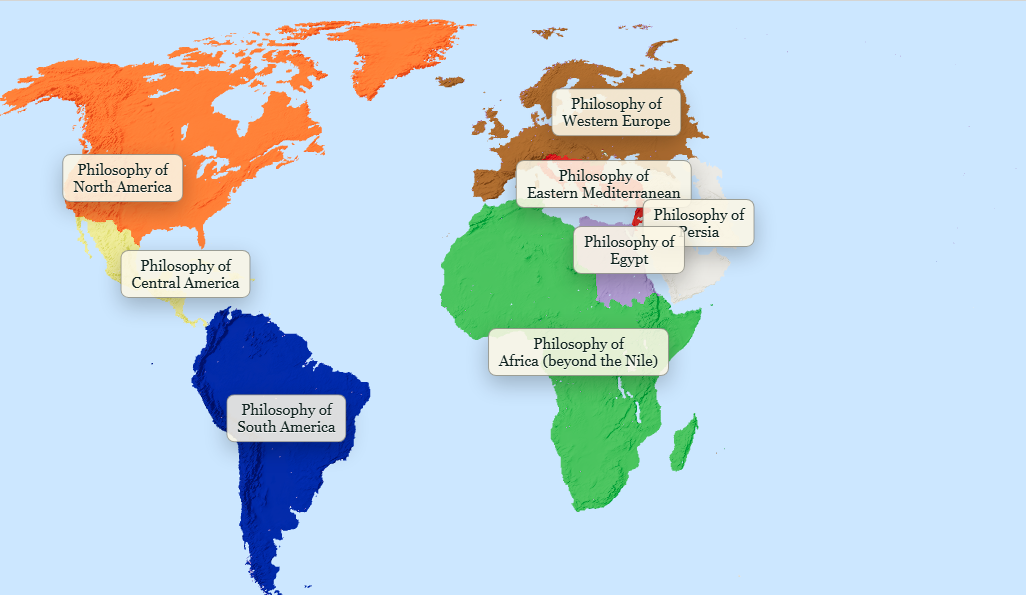
- Ionian Greek philosophy centered on Miletus in Asia Minor, with later Apollonia/Black Sea context for Diogenes and broader Presocratic reception.
- Historical Reaction
- Reaction against mythic cosmogony and supernatural intervention by treating the world as a kosmos with intelligible natural principles.
Internal Structure
- Foundational Texts
- No complete Milesian work survives. Evidence rests on testimonia, fragments, Aristotle, Diogenes Laertius, Perseus and Gutenberg surfaces, SEP/IEP/Britannica context, and modern Presocratic scholarship.
- Core Vocabulary
- arche, physis, kosmos, water, apeiron, air, aer, condensation, rarefaction, motion, earth, stars, soul, breath, intelligence, natural explanation, testimony, fragment.
- Metaphysics
- Explains reality through a primary principle or unlimited source and through physical processes rather than mythic divine succession.
- Epistemology
- Depends on inference from appearances, observation, mathematical reasoning, and later testimony, while acknowledging that the source base is fragmentary and mediated.
- Ethics
- The school is not primarily ethical; its significance lies in inquiry, explanation, and the intellectual shift toward nature as an intelligible order.
- Method
- Builds cosmological accounts from natural principles and then uses testimony, analogy, mathematics, geography, and observed change to reconstruct early physical theories.
- Internal Debates
- Includes whether the arche should be water, the apeiron, air, or intelligent air; how literal the reports are; how much depends on Aristotelian reconstruction; and whether Diogenes of Apollonia belongs inside the Milesian line or only as a later continuation.
- Successors
- Successors include later Presocratic cosmology, Heraclitean and Eleatic reactions, pluralists, atomists, Aristotelian natural philosophy, and the larger history of science and natural explanation.
External Classification Context
- History of Philosophy
- Belongs to early Greek Presocratic philosophy and to the beginning of Western natural philosophy, cosmology, and rational inquiry into nature.
- Philosophy of Philosophy
- Shows philosophy emerging as a search for intelligible natural principles and explanations that can be argued about, compared, and revised.
- Intellectual History
- Connects Ionian urban culture, Miletus, astronomy, geometry, travel, geography, Near Eastern knowledge contexts, later doxography, and modern Presocratic editions.
- University Classification
- Classify under ancient Greek philosophy, Presocratic philosophy, natural philosophy, metaphysics, philosophy of science, cosmology, and history of astronomy/geography.
- Classical Sources
- Evidence includes Aristotle, Diogenes Laertius, Perseus, Gutenberg, SEP Presocratic Philosophy, IEP entries for Thales, Anaximander, Anaximenes, and Diogenes of Apollonia, Britannica, PhilPapers, MacTutor, World History Encyclopedia, and place/gallery references.
- Sociology of Knowledge
- The school is reconstructed through later doxography, textbook classification, fragment collections, cataloging, image-source curation, and the modern habit of grouping early Ionian inquirers as Milesian natural philosophers.
Linked Philosophers
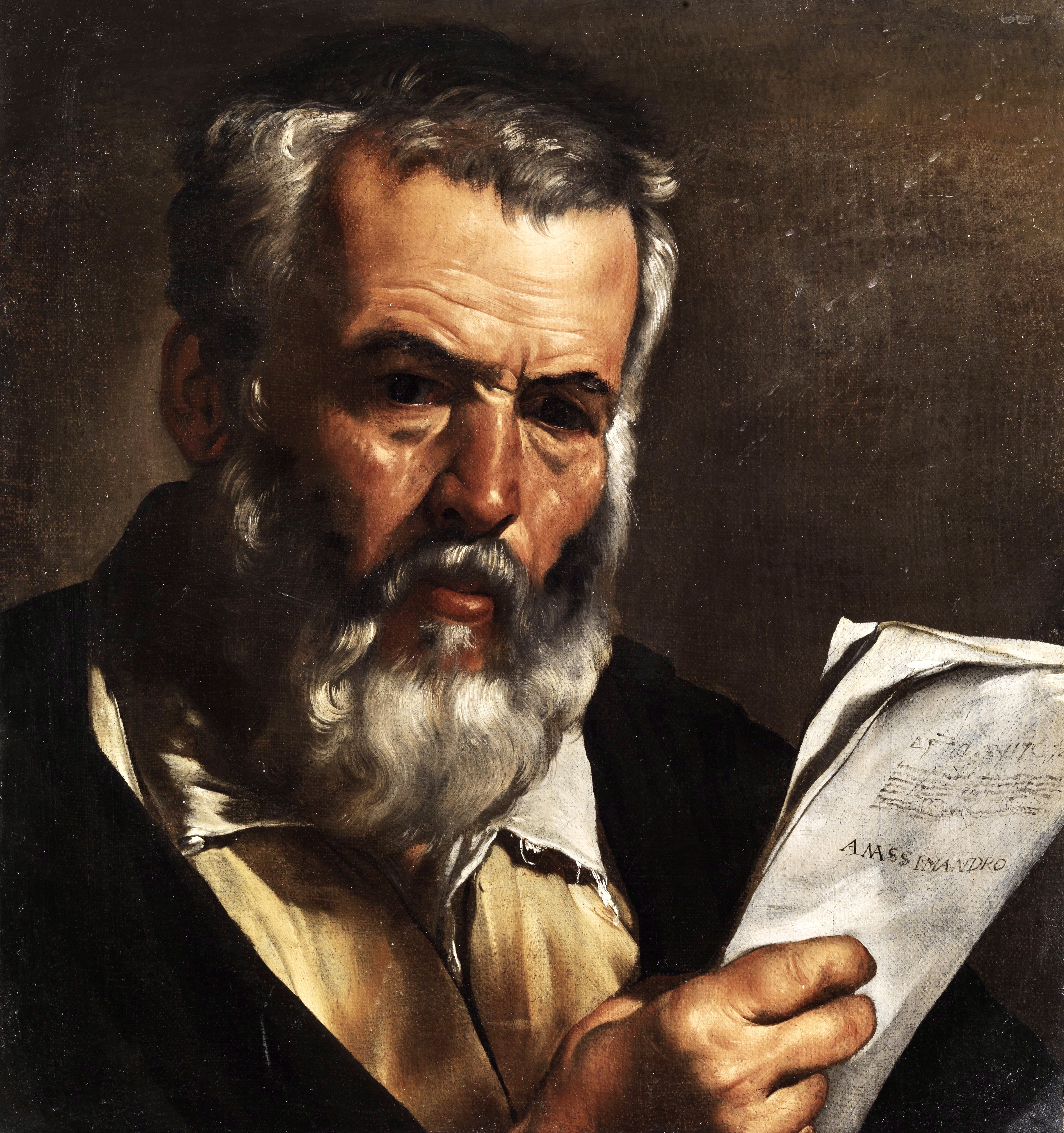
Anaximander of Miletus
610 BCE – 546 BCE
Miletus (Ionia)
Ionian Greek philosopher from Miletus whose apeiron, natural necessity, cosmology, map tradition, and early prose inquiry shaped Presocratic metaphysics and natural philosophy.
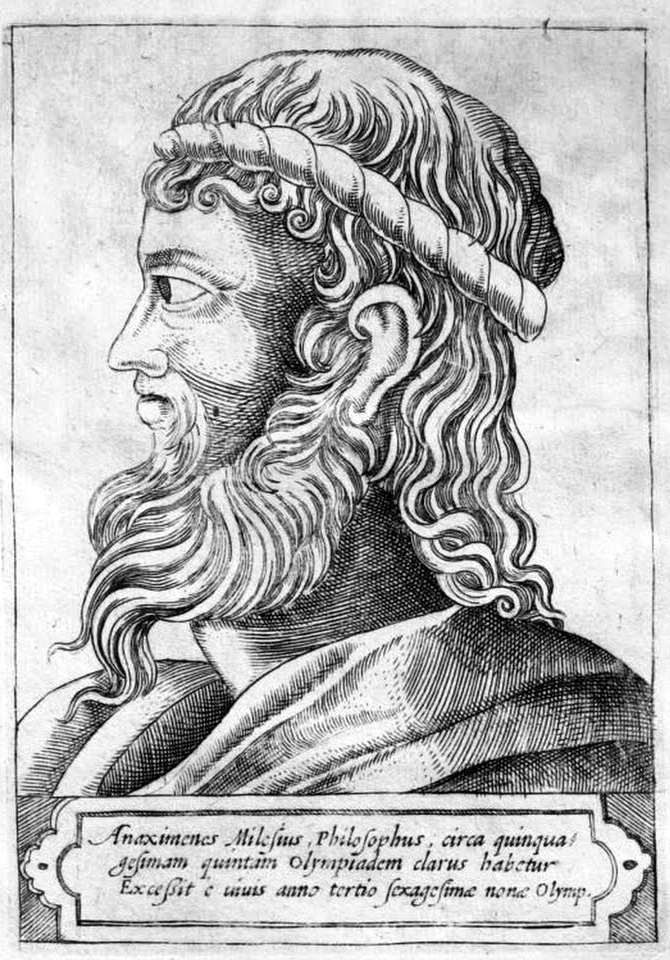
Anaximenes of Miletus
586 BCE – 526 BCE
Miletus (Ionia)
Ionian Greek philosopher from Miletus whose air-arche, rarefaction and condensation theory, soul-breath analogy, and natural explanations of change shaped Milesian and Presocratic philosophy.
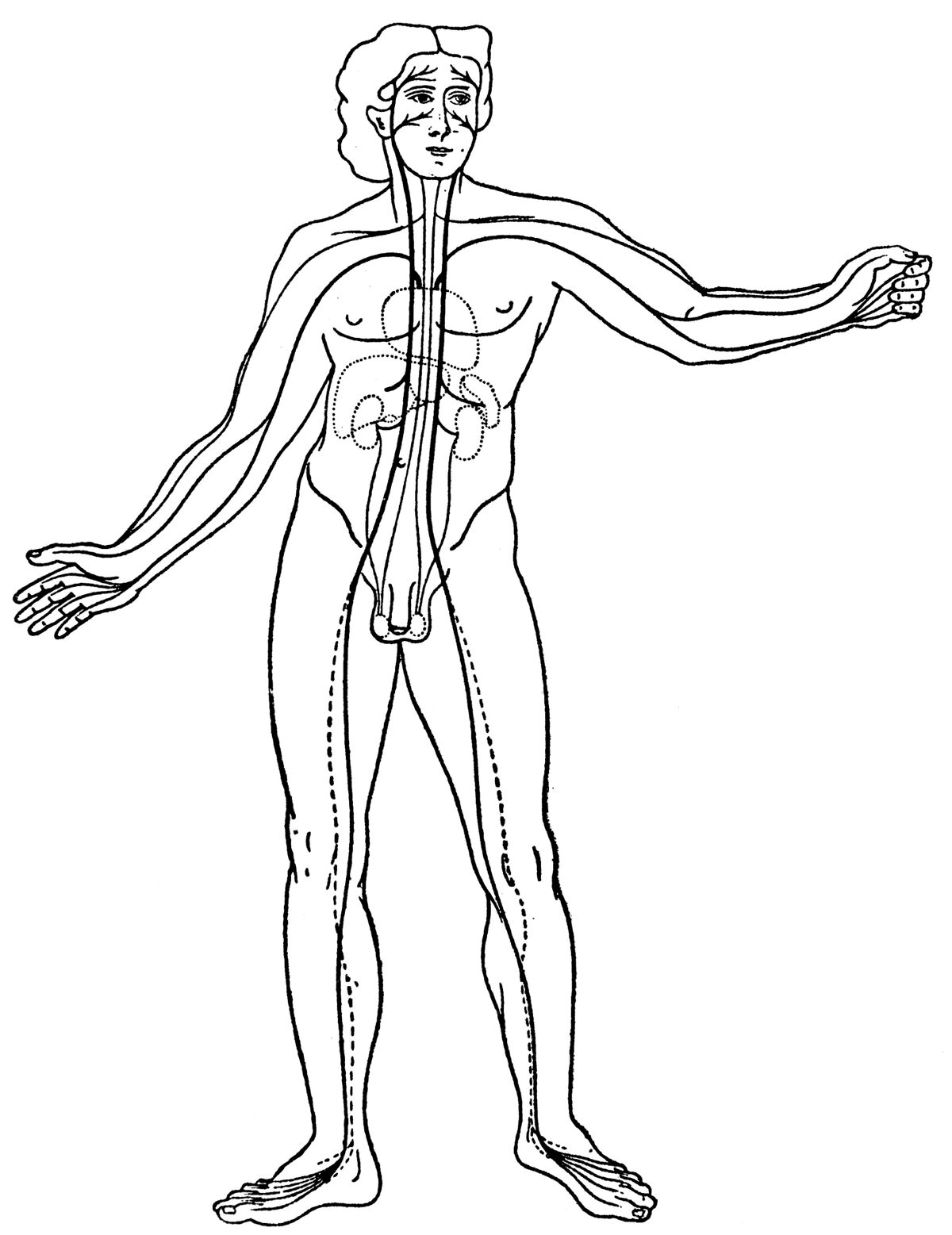
Diogenes of Apollonia
460 BCE – 400 BCE
Apollonia Pontica, Thrace
Presocratic natural philosopher from Apollonia Pontica whose surviving fragments explain cosmos, soul, perception, physiology, and divine intelligence through air.
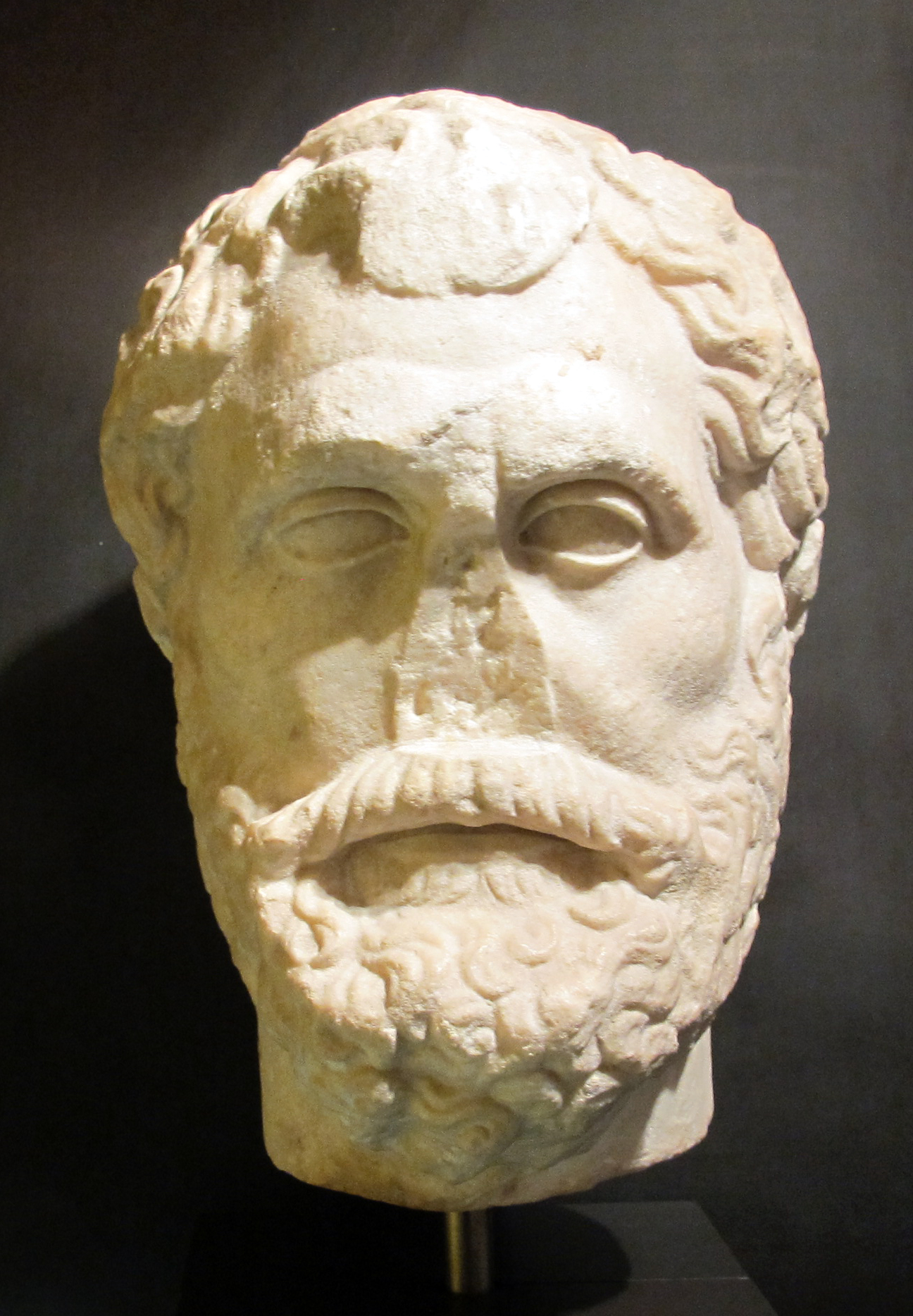
Thales of Miletus
624 BCE – 546 BCE
Miletus, Ionia
Milesian natural philosopher and sage of water as arche, earth on water, natural explanation, astronomy, geometry, eclipse tradition, magnet/soul testimony, and Seven Sages reception.