Mimamsa
Mimamsa names the Vedic hermeneutic and ritual-philosophical school associated with Jaimini and Śabara, centered on dharma, injunction, language, action, and the authority of the Veda.
Structural Factors
- Shared Core Claims
- Mīmāṃsā treats the Veda as authorless and reliable, and it holds that dharma is known chiefly through Vedic injunction. Ritual action, linguistic authority, apūrva, and the self-validating force of cognition explain how prescribed acts can have unseen results without making scripture depend on a divine author.
- Shared Methods
- Vedic exegesis, close commentary, analysis of injunctions, rules for sentence meaning, pramāṇa theory, conflict resolution among passages, and comparison of the Mīmāṃsā Sūtra, Śabara Bhāṣya, and later Kumārila and Prabhākara interpretations.
- Shared Lineage
- The school is anchored in the Mīmāṃsā Sūtra of Jaimini and the Bhāṣya of Śabara. Later major lines include Kumārila Bhaṭṭa and Prabhākara, with Pūrva Mīmāṃsā standing in relation to Vedānta or Uttara Mīmāṃsā while retaining its own ritual, linguistic, and epistemological focus.
- Shared Problems
- Dharma, Vedic authority, authorless scripture, ritual obligation, apūrva, sacrifice, sentence meaning, command, duty, self, liberation, sound, testimony, pramāṇa, perception, inference, postulation, non-cognition, and the relation between ritual action and unseen result.
- Shared Vocabulary
- Mimamsa, Mīmāṃsā, Pūrva Mīmāṃsā, Jaimini, Śabara, Śabara Bhāṣya, Kumārila, Prabhākara, dharma, Veda, śruti, yajña, vidhi, mantra, brāhmaṇa, apūrva, pramāṇa, śabda, svataḥ-prāmāṇya, arthāpatti, abhihitānvaya, anvitābhidhāna.
- Shared Historical Context
- Mīmāṃsā develops within Brahmanical scholasticism as a systematic defense and interpretation of Vedic ritual authority. It shapes classical Indian debates over language, knowledge, duty, textual interpretation, and the relation between ritual orthopraxy and metaphysical explanation.
Defining Axes
- Doctrine
- Vedic injunction and dharma: the school centers on the authority of authorless Vedic sentences and the obligation-bearing force of ritual prescriptions.
- Method
- Hermeneutic and epistemological analysis: Mīmāṃsā reasons through textual rules, pramāṇas, commentary, linguistic theory, and debate over sentence meaning and ritual action.
- Lineage
- Jaimini and Śabara define the core source line, with Kumārila and Prabhākara as later interpretive branches and Vedānta as a closely related but distinct counterpart.
- Subject Focus
- Philosophy of language, epistemology, ethics, philosophy of religion, metaphysics of action, ritual theory, and scriptural hermeneutics.
- Geography / Culture
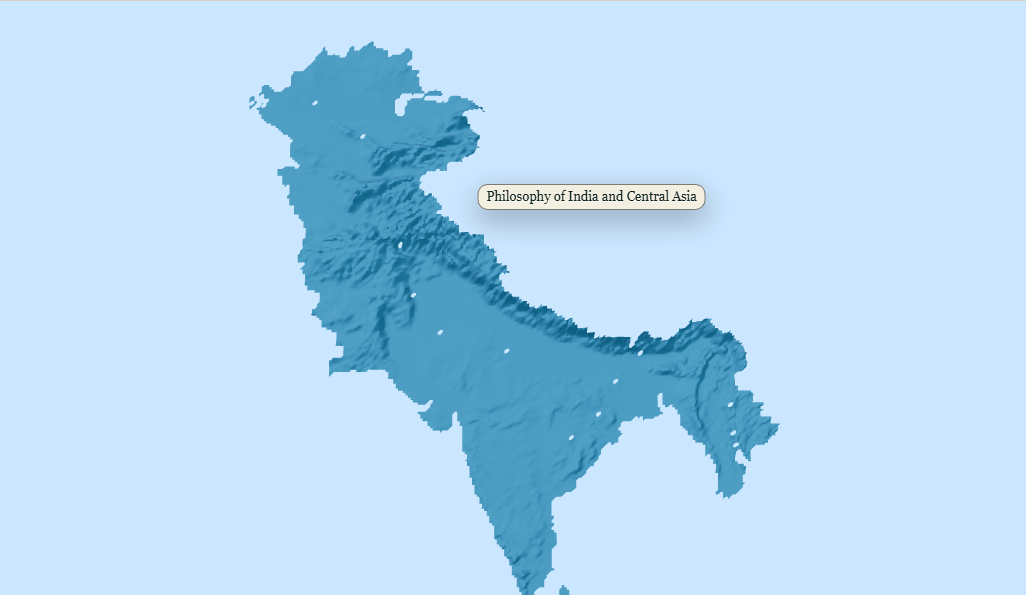
- Classical Indian Brahmanical scholastic culture, centered on Sanskrit Vedic interpretation and later transmitted through commentarial, manuscript, catalog, and modern academic traditions.
- Historical Reaction
- A defense of Vedic ritual authority against rival Buddhist, Jain, materialist, theistic, and Vedāntic accounts of knowledge, action, liberation, and scriptural meaning.
Internal Structure
- Foundational Texts
- Foundational sources include the Mīmāṃsā Sūtra of Jaimini, Śabara Bhāṣya, later Kumārila and Prabhākara materials, Vedic injunction passages, GRETIL and Internet Archive text surfaces, catalog records, and modern reference scholarship.
- Core Vocabulary
- dharma, Veda, śruti, apūrva, vidhi, niyoga, yajña, mantra, brāhmaṇa, pramāṇa, śabda, arthāpatti, anupalabdhi, svataḥ-prāmāṇya, abhihitānvaya, anvitābhidhāna, bhāṣya, Pūrva Mīmāṃsā.
- Metaphysics
- Explains ritual efficacy through apūrva and action rather than a creator God, while treating self, duty, and unseen result as topics tied to ritual and linguistic authority.
- Epistemology
- Develops a detailed pramāṇa theory including perception, inference, comparison, postulation, non-cognition in later accounts, and especially verbal testimony as Vedic authority.
- Ethics
- Centers ethics on dharma as obligation disclosed by Vedic injunction, so practical normativity is bound to ritual prescription, duty, and the disciplined interpretation of authoritative text.
- School Method
- Reads Vedic passages as a structured legal-ritual system, classifies sentence types, resolves conflicts, identifies injunctions, and connects linguistic form to prescribed action and unseen result.
- Internal Debates
- Major debates include Kumārila versus Prabhākara on sentence meaning, intrinsic validity, pramāṇa lists, the status of apūrva, whether God is needed, the meaning of ritual obligation, and the relation between Mīmāṃsā and Vedānta.
- Successors
- Mīmāṃsā influences Vedānta, Dharmaśāstra, Indian logic and epistemology, Sanskrit hermeneutics, philosophy of language, ritual theory, and modern scholarship on Hindu philosophy and Vedic interpretation.
External Classification Context
- History of Philosophy
- Belongs to classical Indian philosophy as the Pūrva Mīmāṃsā system, a major orthodox school focused on Vedic ritual exegesis, language, knowledge, and dharma.
- Philosophy of Philosophy
- Shows philosophy as disciplined interpretation of inherited authoritative texts, where logical, linguistic, and epistemological tools are built to clarify what counts as duty and knowledge.
- Intellectual History
- Connects Vedic ritual culture, Sanskrit scholasticism, Brahmanical debate, Buddhist and Jain criticism, manuscript transmission, colonial editions, catalog records, and modern Indological scholarship.
- University Classification
- Classify under Indian philosophy, Hindu philosophy, orthodox Brahmanical systems, philosophy of language, epistemology, ethics, philosophy of religion, hermeneutics, and ritual theory.
- Classical Sources
- Evidence includes Britannica entries for Jaimini, Mimamsa, and Mimamsa-sutra, IEP Hindu Philosophy and Mīmāṃsā, GRETIL Jaimini, Internet Archive Mīmāṃsā Sūtra and Śabara Bhāṣya rows, Open Library, WorldCat, PhilPapers, Wisdom Library, Treccani, CiNii, and selected manuscript/gallery references.
- Sociology of Knowledge
- The school is reconstructed through Sanskrit commentary traditions, public-domain editions, manuscript cataloging, reference entries, searchable library metadata, and modern academic classification of Indian philosophical systems.
Linked Philosophers
Jaimini
350 BCE – 300 BCE
Indo-Gangetic region, exact birthplace unknown
Early Indian Mīmāṃsā philosopher credited with the Mīmāṃsā Sūtra, a foundational sūtra text on dharma, Vedic injunction, authorless scripture, ritual action, pramāṇa, śabda, and the interpretation of sacred language.

Śabara Svāmin
100 BCE – 1 BCE
Indian subcontinent, exact birthplace unknown
Early Mīmāṃsā commentator whose Śabara Bhāṣya shaped Indian philosophy of language and religion through its analysis of Vedic injunction, dharma, śabda, pramāṇa, ritual action, and scriptural authority.
Other Voices
Source entries, public text surfaces, catalog rows, manuscript and gallery references, and scholarship connected to Mimamsa, Mīmāṃsā, Jaimini, Śabara, Vedic hermeneutics, dharma, apūrva, ritual action, and pramāṇa theory.