Nietzscheanism
Nietzscheanism names the philosophical inheritance centered on Friedrich Nietzsche's critique of morality, revaluation of values, will to power, eternal recurrence, perspectivism, nihilism, genealogy, self-overcoming, tragedy, and critique of metaphysics.
Structural Factors
- Shared Core Claims
- Nietzscheanism centers critique of inherited morality, revaluation of values, will to power, eternal recurrence, perspectivism, life-affirmation, nihilism, genealogy, self-overcoming, the Übermensch, tragedy, and suspicion of metaphysical consolation.
- Shared Methods
- Aphorism, genealogy, philology, psychological diagnosis, cultural critique, polemic, literary-philosophical style, historical comparison, and close reading of Nietzsche's published works and Nachlass-sensitive source traditions.
- Shared Lineage
- The school is centered on Friedrich Nietzsche, with German philology, Schopenhauer, Wagner, Greek tragedy, anti-systematic modern philosophy, existentialist reception, post-structural reception, and later moral and political theory as context.
- Shared Problems
- Nihilism, ressentiment, slave morality, master morality, will to power, eternal recurrence, the Übermensch, amor fati, Dionysian and Apollonian art, genealogy, perspectivism, ascetic ideal, truth, morality, culture, and revaluation.
- Shared Vocabulary
- Nietzscheanism, nihilism, ressentiment, slave morality, master morality, will to power, eternal recurrence, Übermensch, amor fati, Dionysian, Apollonian, genealogy, perspectivism, ascetic ideal, revaluation, life-affirmation.
- Shared Historical Context
- Nietzscheanism develops from Nietzsche's nineteenth-century German philological, cultural, aesthetic, and moral critique, then becomes a major source for twentieth-century existentialism, critical theory, post-structuralism, moral psychology, aesthetics, and political philosophy.
Defining Axes
- Doctrine
- Revaluation, nihilism, life-affirmation, will to power, eternal recurrence, perspectivism, critique of morality, critique of metaphysics, self-overcoming, and the Übermensch.
- Method
- Genealogy, aphorism, philology, psychological diagnosis, cultural critique, polemical style, literary-philosophical experimentation, and close comparison of Nietzsche texts and scholarship.
- Lineage
- Friedrich Nietzsche is the sole linked philosopher in this pass, with Schopenhauer, Wagner, Greek tragedy, German philology, existentialist reception, and post-structural reception kept as contextual lineages.
- Subject Focus
- Ethics, moral psychology, aesthetics, political philosophy, metaphysics critique, philosophy of culture, philosophy of religion, philosophy of history, and literary-philosophical style.
- Geography / Culture
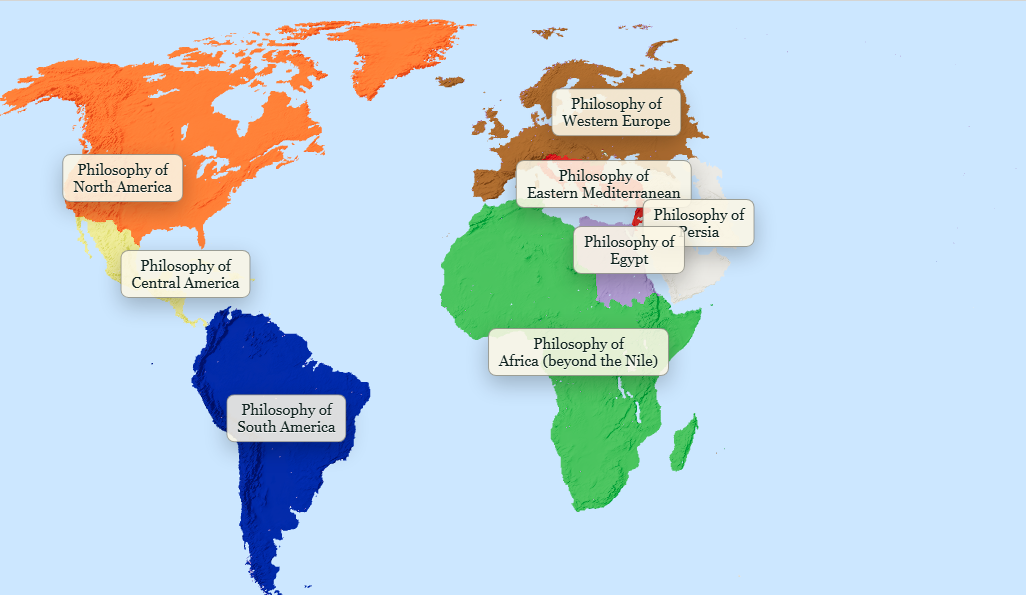
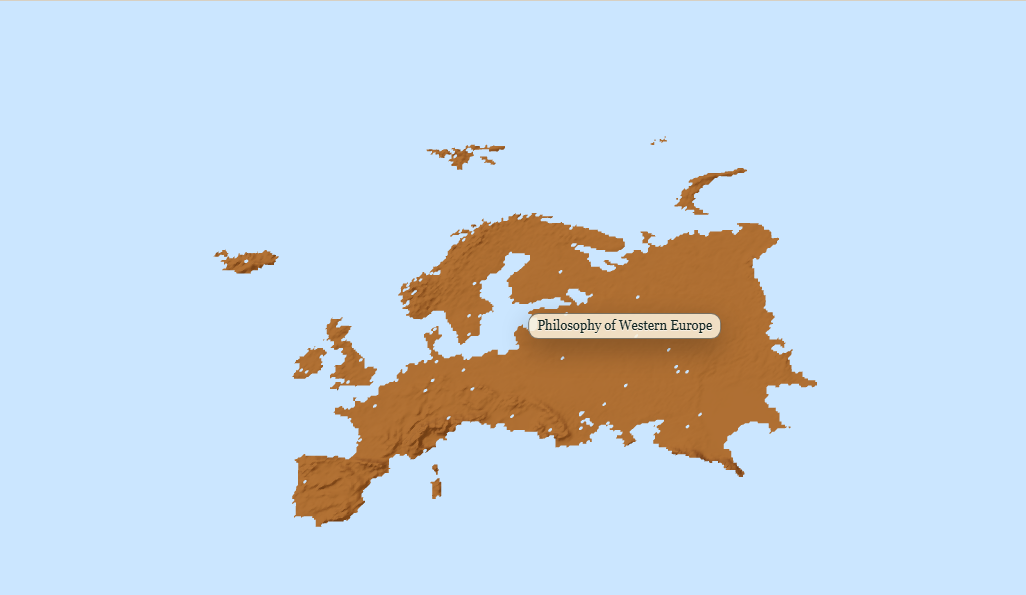
- Nineteenth-century German-speaking Europe, classical philology, modern European culture critique, and later global academic reception of Nietzschean themes.
- Historical Reaction
- A reaction against Christian-moral inheritance, Platonist-metaphysical consolation, Schopenhauerian pessimism, German cultural nationalism, scientific reductionism, and complacent modern morality.
Internal Structure
- Foundational Texts
- Foundational evidence includes Nietzsche's major published works and public text surfaces, SEP Nietzsche, SEP Nietzsche's Aesthetics, SEP Nietzsche's Moral and Political Philosophy, IEP Nietzsche, IEP Nietzsche's Ethics, Nietzsche Source, and catalog rows for Nietzsche's works.
- Core Vocabulary
- nihilism, ressentiment, slave morality, master morality, will to power, eternal recurrence, Übermensch, amor fati, Dionysian, Apollonian, genealogy, perspectivism, ascetic ideal, revaluation, life-affirmation.
- Metaphysics
- Uses critique rather than system-building, challenging stable metaphysical guarantees, otherworldly consolations, and moralized accounts of truth while developing perspectivism, becoming, interpretation, and will to power.
- Epistemology
- Treats knowledge as perspectival, interpretive, historically conditioned, embodied, and bound up with drives, values, language, psychology, and cultural forms.
- Ethics
- Critiques inherited moral vocabularies, especially slave morality, ressentiment, guilt, pity, and the ascetic ideal, while testing alternatives around self-overcoming, life-affirmation, nobility, creation of values, and amor fati.
- School Method
- Builds philosophical force through compressed aphorism, historical genealogy, philological memory, psychological exposure, rhetorical reversal, literary form, and repeated re-reading of Nietzsche's own texts.
- Internal Debates
- Debates include the status of will to power, whether eternal recurrence is doctrine or test, how to read the Übermensch, Nietzsche's politics, his relation to naturalism, his critique of truth, and the limits of posthumous Nachlass evidence.
- Successors
- Shapes existentialism, depth psychology, critical theory, post-structuralism, genealogy, twentieth-century aesthetics, moral psychology, political theory, and later debates over nihilism and value creation.
External Classification Context
- History of Philosophy
- Belongs to modern European philosophy and German intellectual history, while connecting classical philology, tragedy, moral philosophy, critique of religion, and later continental philosophy.
- Philosophy of Philosophy
- Shows philosophy as diagnosis, critique, style, and value-creation rather than neutral system, using literary form and genealogy to unsettle inherited concepts.
- Intellectual History
- Connects Nietzsche's published works, digital scholarly editions, public-domain text catalogs, reference entries, bibliographies, and library catalogs with later scholarly reception.
- University Classification
- Classify under Nietzscheanism, modern philosophy, continental philosophy, ethics, aesthetics, moral psychology, political philosophy, philosophy of religion, metaphysics critique, and philosophy of culture.
- Classical Sources
- Evidence includes SEP Nietzsche, SEP Nietzsche's Aesthetics, SEP Nietzsche's Moral and Political Philosophy, IEP Nietzsche, IEP Nietzsche's Ethics, Britannica, Encyclopedia.com, Nietzsche Source, Digital Critical Edition of Nietzsche's works and letters, Project Gutenberg, Routledge, PhilPapers, and WorldCat rows.
- Sociology of Knowledge
- The school is documented through Nietzsche's published and edited textual corpus, digital critical editions, public-domain text indexes, encyclopedia entries, academic bibliographies, library catalogs, and later reception scholarship.
Linked Philosophers
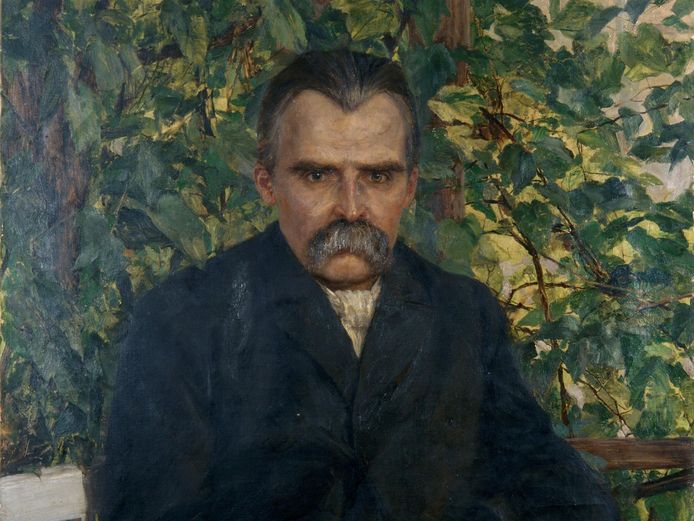
Friedrich Nietzsche
1844 CE – 1900 CE
Röcken, Saxony, Prussia
German philosopher of genealogy, perspectivism, tragedy, value creation, nihilism, and the critique of Christianity whose work reshaped modern ethics, aesthetics, psychology, and continental philosophy.
Other Voices
Source entries, public text surfaces, catalog rows, and scholarship connected to Nietzscheanism, Friedrich Nietzsche, critique of morality, revaluation of values, will to power, eternal recurrence, perspectivism, nihilism, genealogy, self-overcoming, tragedy, and the Übermensch.