Nyaya
Nyaya names the Indian school of logic, epistemology, debate, and liberation-oriented realism centered on reliable knowledge through pramāṇas, the Nyāya Sūtra, Vātsyāyana's Nyāyabhāṣya, and later Nyāya traditions.
Structural Factors
- Shared Core Claims
- Nyaya argues that reliable knowledge arises through pramāṇas, that objects and selves are real, that inference and testimony can be disciplined, that debate exposes error, and that liberation depends on true cognition and removal of false understanding.
- Shared Methods
- Sūtra and commentary analysis, pramāṇa theory, five-member inference, debate classification, Sanskrit textual comparison, testimony comparison, category analysis, and close handling of doubt, example, reason, fallacy, and defeat.
- Shared Lineage
- Akṣapāda Gautama and the Nyāya Sūtra anchor the school; Vātsyāyana and the Nyāyabhāṣya shape its commentary tradition; later Nyāya and Navya-Nyāya extend its logical and epistemological techniques. The linked Vedic Gautama (Rāhūgaṇa) is preserved as a distinct textual/cultural context figure, not merged with Akṣapāda Gautama.
- Shared Problems
- Means of knowledge, perception, inference, comparison, testimony, doubt, debate, proof, fallacy, defeat, realism, self, liberation, language, absence, universals, causation, and the relation between true cognition and suffering.
- Shared Vocabulary
- Nyaya, Nyāya, pramāṇa, pratyakṣa, anumāna, upamāna, śabda, hetu, pakṣa, sādhya, vyāpti, tarka, vāda, jāti, nigrahasthāna, padārtha, Nyāya Sūtra, Nyāyabhāṣya.
- Shared Historical Context
- Nyaya develops within classical Indian philosophical debate, using logic and epistemology to test metaphysical, linguistic, religious, and liberation claims. It interacts with Buddhist, Jain, Mīmāṃsā, Vedānta, and Vaiśeṣika traditions while later Navya-Nyāya refines technical analysis.
Defining Axes
- Doctrine
- Reliable cognition through pramāṇas, realism about knowable objects, inference discipline, debate theory, analysis of error, and liberation through removal of false cognition.
- Method
- Sūtra/commentary interpretation, pramāṇa analysis, inference structure, debate taxonomy, Sanskrit source comparison, textual testimony, and scholastic refinement.
- Lineage
- Akṣapāda Gautama, the Nyāya Sūtra, Vātsyāyana, the Nyāyabhāṣya, later Nyāya, Navya-Nyāya, and preserved Rigvedic Gautama (Rāhūgaṇa) context as a distinct linked figure.
- Subject Focus
- Epistemology, logic, metaphysics, philosophy of language, philosophy of religion, debate theory, Indian philosophy, and liberation-oriented rational inquiry.
- Geography / Culture
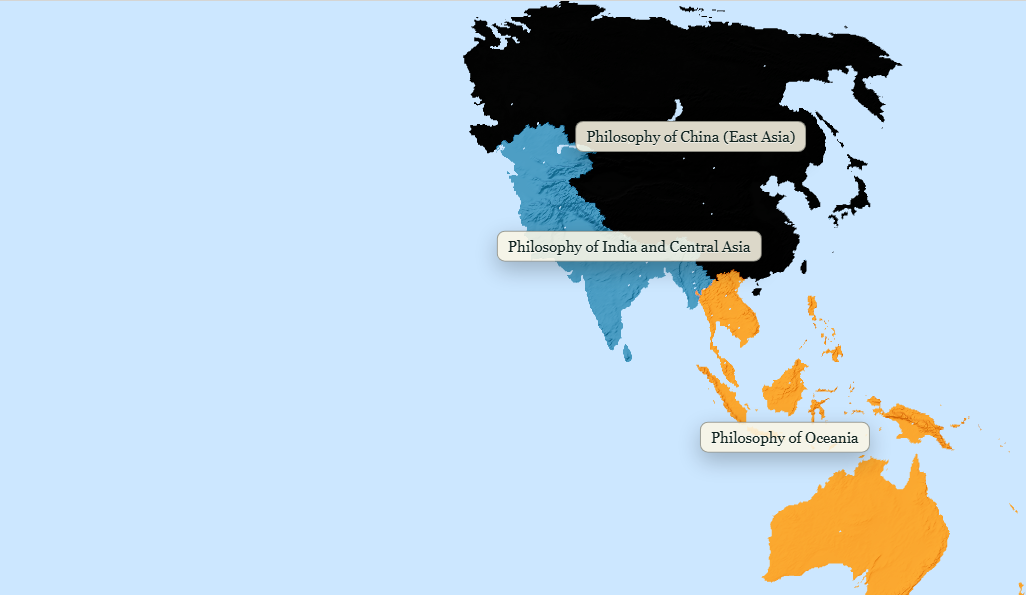
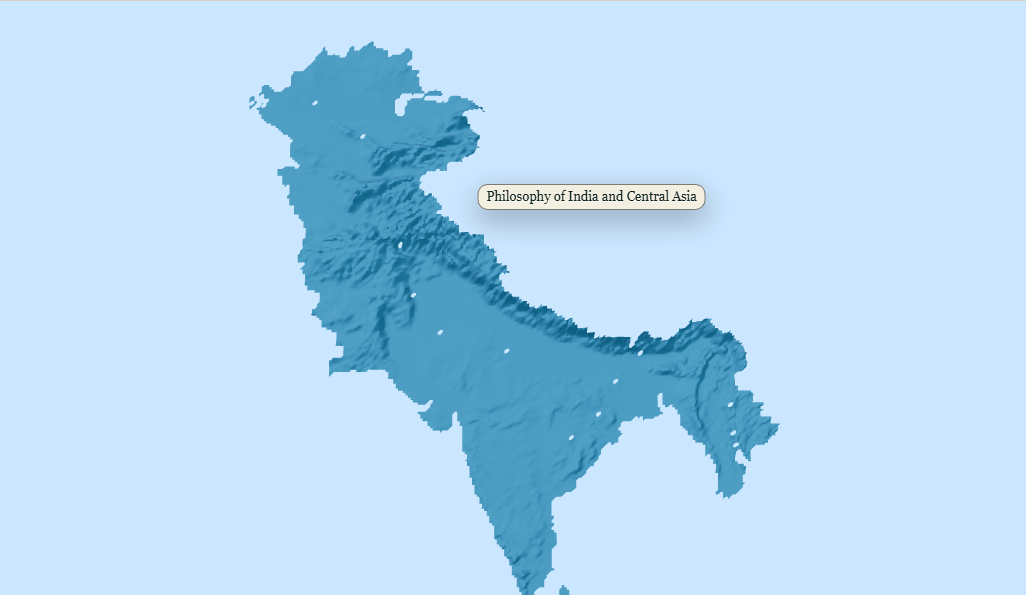
- Classical and medieval South Asian Sanskrit scholastic culture, with later manuscript, commentary, and modern academic transmission.
- Historical Reaction
- A reaction against untested belief, weak inference, verbal confusion, fallacious debate, and rival epistemological claims from Buddhist, Jain, Mīmāṃsā, Vedānta, and materialist opponents.
Internal Structure
- Foundational Texts
- Foundational evidence includes the Nyāya Sūtra, Vātsyāyana's Nyāyabhāṣya, GRETIL and SARIT text surfaces, IEP and Britannica Nyāya rows, Routledge Akṣapāda Gautama context, SEP Indian argument and logic context, and catalog rows for Nyāya texts.
- Core Vocabulary
- pramāṇa, pratyakṣa, anumāna, upamāna, śabda, hetu, pakṣa, sādhya, vyāpti, tarka, vāda, jāti, nigrahasthāna, padārtha, Nyāya Sūtra, Nyāyabhāṣya.
- Metaphysics
- Supports a realist ontology of knowable objects, selves, categories, relations, absence, causation, and liberation, while often coordinating with Vaiśeṣika categories without collapsing this page into Vaiśeṣika.
- Epistemology
- Centers four accepted pramāṇas: perception, inference, comparison, and verbal testimony, together with analysis of doubt, error, cognition, memory, and the conditions of successful knowledge.
- Ethics
- Ethics is secondary to epistemology and liberation here; the school treats right cognition and disciplined debate as part of removing suffering and reaching apavarga.
- School Method
- Works through aphoristic sūtras, layered commentary, debate lists, examples, reasons, fallacy analysis, textual comparison, and precise classification of cognition and argument.
- Internal Debates
- Debates include how to define perception, how inference depends on pervasion, how testimony gains authority, whether absence is knowable, how Nyāya relates to Vaiśeṣika, and how later Navya-Nyāya technical language should be read.
- Successors
- Shapes later Nyāya, Navya-Nyāya, Sanskrit logic, Indian epistemology, debate theory, philosophy of language, and comparative work on argumentation and analytic method in early modern India.
External Classification Context
- History of Philosophy
- Belongs to Indian philosophy, orthodox Sanskrit schools, pramāṇa theory, logic, metaphysics, and liberation-oriented debate, with cross-tradition argument against Buddhist, Jain, Mīmāṃsā, Vedānta, and materialist positions.
- Philosophy of Philosophy
- Shows philosophy as a disciplined method for testing knowledge claims, arguments, words, debate moves, and metaphysical commitments under conditions of disagreement.
- Intellectual History
- Connects encyclopedia entries, Sanskrit text corpora, manuscript and edition projects, library catalogs, public scans, scholarly bibliographies, and source rows for Akṣapāda Gautama, Vātsyāyana, Rāhūgaṇa context, Nyāya Sūtra, and Nyāyabhāṣya.
- University Classification
- Classify under Nyaya, Nyāya, Indian philosophy, epistemology, logic, metaphysics, philosophy of language, philosophy of religion, debate theory, and Sanskrit scholasticism.
- Classical Sources
- Evidence includes Britannica, IEP, Routledge, GRETIL, SARIT, Open Library, WorldCat, Internet Archive, PhilPapers, SEP Indian argument and logic context, Wisdom Library, LOC authority/catalog rows, and Rigveda context rows for the distinct Gautama (Rāhūgaṇa) link.
- Sociology of Knowledge
- The school is documented through Sanskrit sūtra and commentary transmission, manuscript and edition projects, public text repositories, library catalogs, scholarly indexes, reference entries, and modern comparative work on Indian logic.
Linked Philosophers
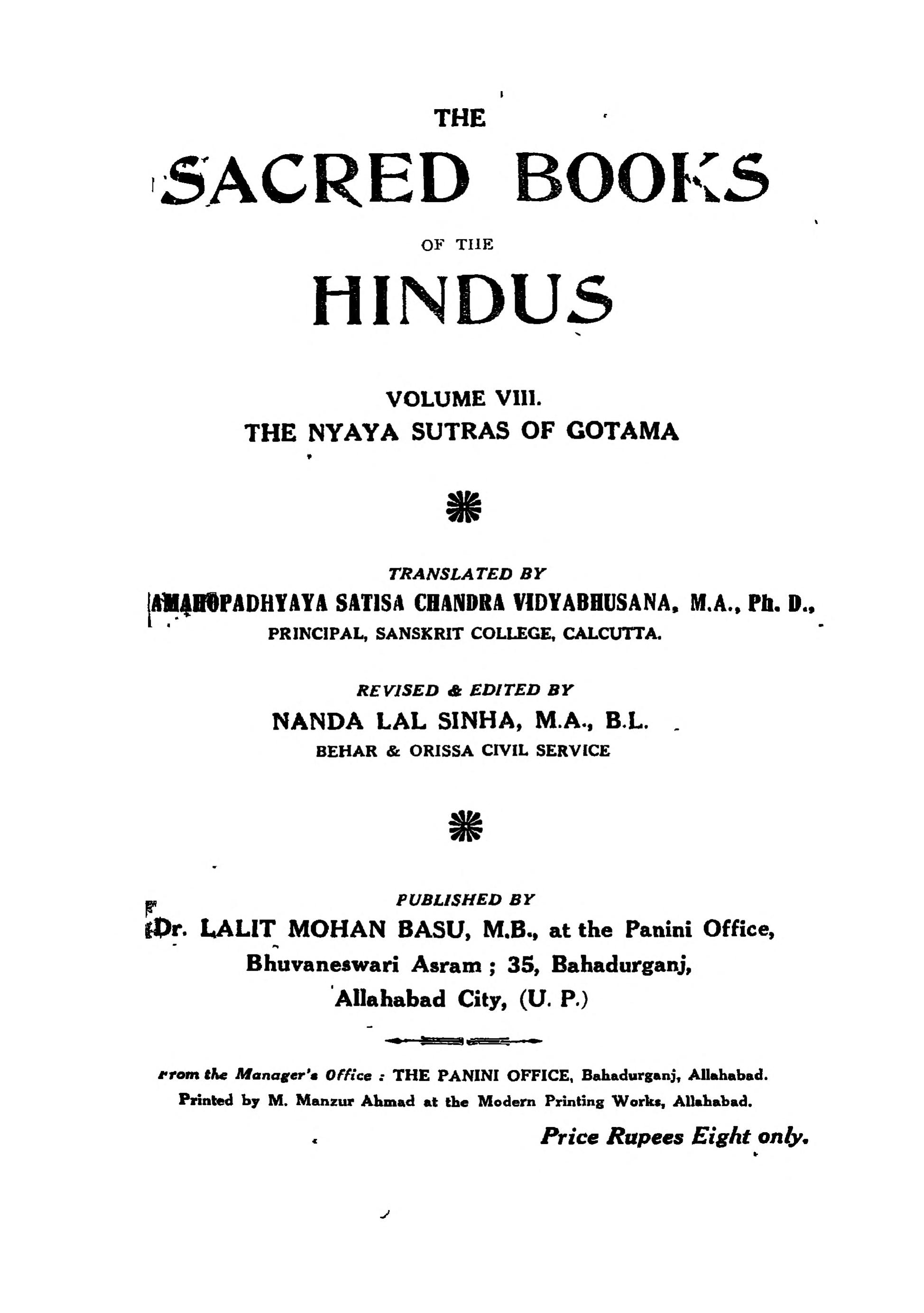
Gautama (Akṣapāda)
200 BCE – 100 BCE
Indo-Gangetic region / early Nyāya milieu
Early Nyāya philosopher traditionally credited with the Nyāya Sūtra, whose analytic program systematized inference, debate, valid knowledge, realist categories, self, error, and liberation.
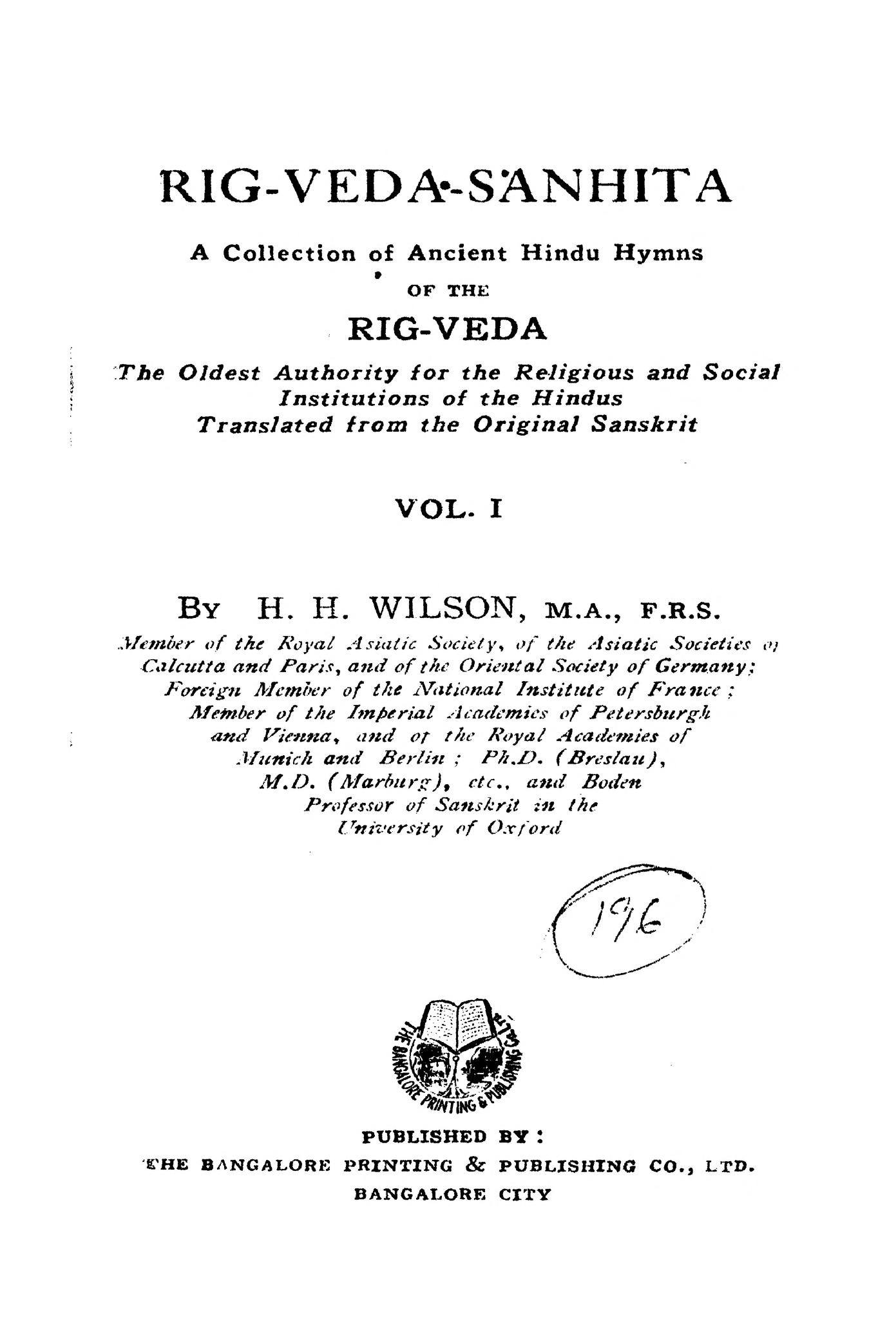
Gautama (Rāhūgaṇa)
1500 BCE – 1200 BCE
Indo-Gangetic / early Vedic region
Rigvedic seer associated with the Gotama Rāhūgaṇa hymn block, whose transmitted hymns join praise, sacrifice, speech, divine agency, kingship, auspicious life, and cosmic order.
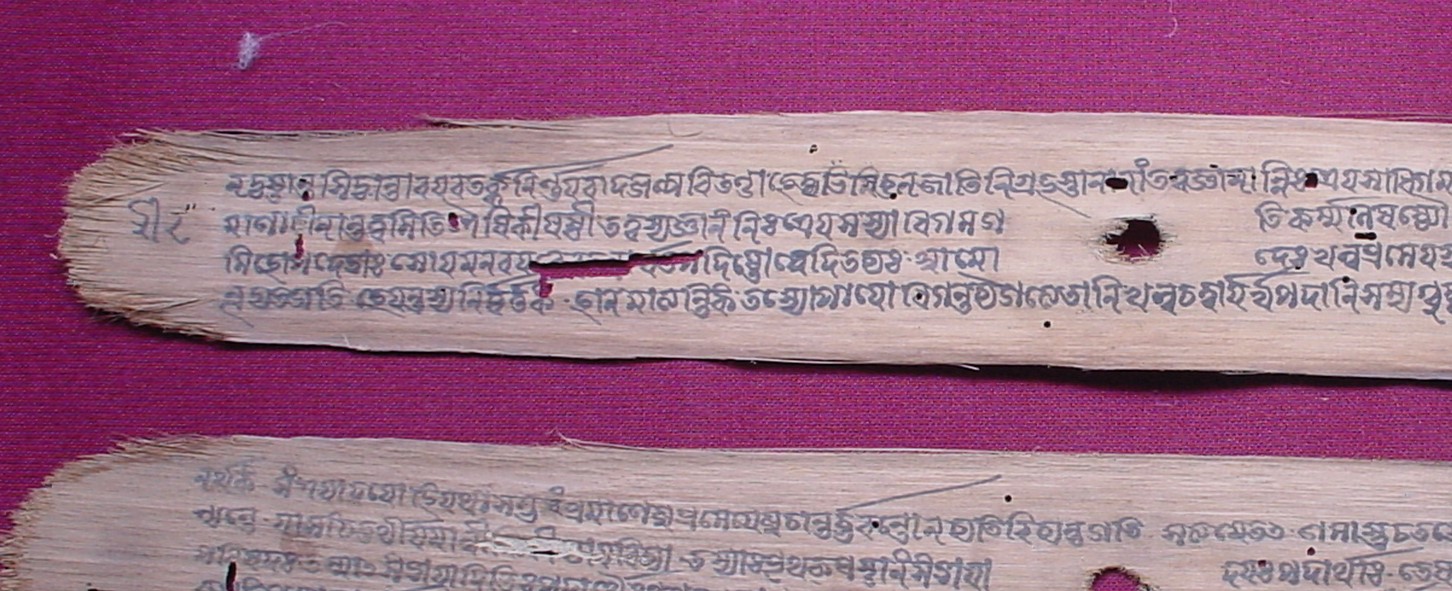
Vātsyāyana
390 CE – 460 CE
Indo-Gangetic scholastic milieu; exact birthplace unknown
Classical Nyāya commentator identified with the Nyāyabhāṣya, whose analysis of pramāṇa, debate, inference, testimony, self, and liberation made Sanskrit logical inquiry central to Indian philosophy.
Other Voices
Source entries, public text surfaces, catalog rows, manuscript context, and scholarship connected to Nyaya, Nyāya, Akṣapāda Gautama, Gautama (Rāhūgaṇa), Vātsyāyana, pramāṇa theory, inference, debate, Nyāya Sūtra, Nyāyabhāṣya, and Sanskrit logical traditions.