Phenomenology
Phenomenology studies experience as it is lived and disclosed, centering intentionality, consciousness, embodiment, worldhood, temporality, perception, meaning, and the lifeworld through Husserl, Heidegger, and Merleau-Ponty.
Structural Factors
- Shared Core Claims
- Phenomenology treats consciousness and experience as meaning-bearing and world-involving. Its shared claims include intentionality, lived experience, embodiment, worldhood, temporality, perception, intersubjectivity, and the lifeworld as the field in which things appear as meaningful.
- Shared Methods
- Phenomenological description, reduction and bracketing, eidetic analysis, hermeneutic interpretation, existential analytic, embodied perception analysis, and close reading of major texts by Husserl, Heidegger, and Merleau-Ponty.
- Shared Lineage
- Husserl is the founder of phenomenology; Heidegger transforms it through hermeneutic and existential analysis of Dasein and being-in-the-world; Merleau-Ponty develops embodied and perceptual phenomenology centered on the body, flesh, and lived world.
- Shared Problems
- Intentionality, consciousness, appearance, meaning, perception, embodiment, worldhood, temporality, Dasein, being-in-the-world, lifeworld, intersubjectivity, noesis/noema, horizon, language, history, and the relation between description and interpretation.
- Shared Vocabulary
- Phenomenology, intentionality, epoché, reduction, bracketing, noesis, noema, lifeworld, Dasein, being-in-the-world, embodiment, perception, flesh, horizon, temporality, intersubjectivity, hermeneutics, and existential analytic.
- Shared Historical Context
- Phenomenology emerges in early twentieth-century European philosophy with Husserl and develops through Heidegger and Merleau-Ponty into hermeneutic, existential, and embodied analyses of experience, world, perception, and meaning.
Defining Axes
- Doctrine
- Experience is not a neutral inner object but a structured, intentional, embodied, temporal, and world-disclosing field in which meaning appears.
- Method
- First-person description, reduction, eidetic variation, hermeneutic interpretation, existential analytic, embodied perception analysis, and close textual commentary.
- Lineage
- Husserlian foundation, Heideggerian hermeneutic/existential transformation, and Merleau-Pontian embodied and perceptual development.
- Subject Focus
- Philosophy of mind, metaphysics, epistemology, ontology, hermeneutics, aesthetics, language, embodiment, temporality, perception, and meaning.
- Geography / Culture
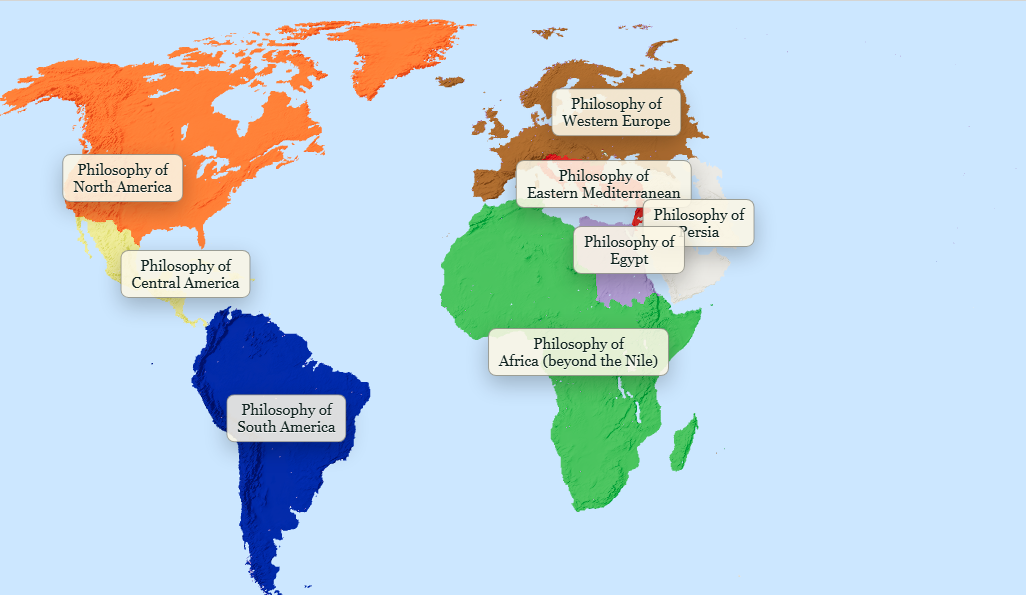
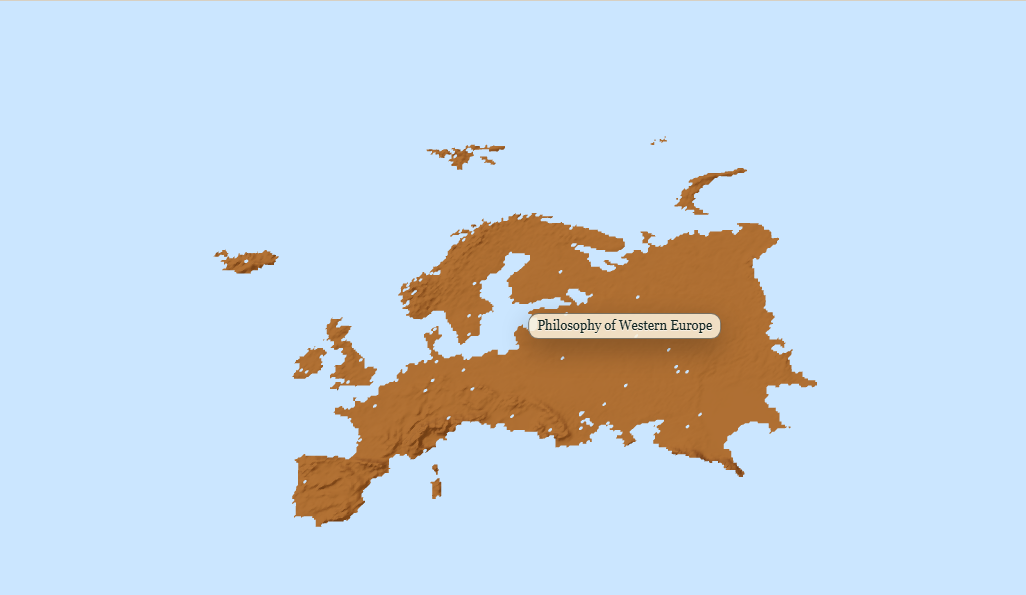
- Twentieth-century continental European philosophy centered in German and French traditions, with institutional contexts around Husserl Archives, Heidegger scholarship, and Merleau-Ponty reception.
- Historical Reaction
- A reaction against psychologism, naturalized reductions of consciousness, detached epistemology, and abstract accounts of subject and object, while later transforming into existential, hermeneutic, and embodied approaches.
Internal Structure
- Foundational Texts
- Source evidence includes school-level SEP, IEP, and Britannica phenomenology rows, Husserl materials on intentionality and reduction, Heidegger materials on Being and Time, Dasein, hermeneutics, and technology, and Merleau-Ponty materials on perception, embodiment, consciousness, and the flesh.
- Core Vocabulary
- Intentionality, epoché, reduction, bracketing, noesis, noema, lifeworld, Dasein, being-in-the-world, embodiment, perception, flesh, horizon, temporality, intersubjectivity, and hermeneutic phenomenology.
- Metaphysics
- Phenomenology asks how being, world, body, time, and meaning are disclosed in experience rather than reducing them to detached substances or merely external objects.
- Epistemology
- Knowledge is approached through the structures of appearing, evidence, perception, horizon, embodiment, intersubjectivity, and the disciplined description or interpretation of experience.
- Ethics
- Ethics is not the center of this school page, but phenomenological attention to embodied agents, worldhood, intersubjectivity, and historical meaning becomes important for later ethical and social uses of the tradition.
- School Method
- The school method moves from Husserlian description and reduction through Heideggerian hermeneutic analysis and Merleau-Pontian attention to the lived body, perception, and the sensible world.
- Internal Debates
- Internal tensions include transcendental versus existential phenomenology, descriptive versus hermeneutic method, subjectivity versus world-disclosure, consciousness versus embodiment, and whether reduction, interpretation, or perception is the best point of entry.
- Successors
- Phenomenology shapes existentialism, hermeneutics, deconstruction, critical theory, feminist philosophy, philosophy of mind, cognitive science, theology, aesthetics, medicine, architecture, and social theory, while this page keeps the linked philosopher set to Husserl, Heidegger, and Merleau-Ponty.
External Classification Context
- History of Philosophy
- Belongs to modern and contemporary continental philosophy, post-Kantian responses to consciousness and meaning, early analytic/continental divergence, hermeneutic ontology, and twentieth-century debates over perception, embodiment, and world.
- Philosophy of Philosophy
- Shows philosophy as disciplined attention to how things appear, how meaning is constituted or disclosed, and how first-person and interpretive analysis can clarify the basic structures of experience.
- Intellectual History
- Connects encyclopedia rows, institutional archives, public text and catalog surfaces, scholarship indexes, and source rows documenting Husserl, Heidegger, Merleau-Ponty, and the wider phenomenological movement.
- University Classification
- Classify under phenomenology, continental philosophy, philosophy of mind, metaphysics, epistemology, ontology, hermeneutics, philosophy of language, aesthetics, and twentieth-century European philosophy.
- Classical Sources
- Evidence includes SEP Phenomenology, SEP Husserl, SEP Heidegger, SEP Merleau-Ponty, IEP Phenomenology, Britannica Phenomenology, Husserl Archives, Heidegger Gesellschaft/Circle context, Collège de France and BnF rows, Open Library, WorldCat, PhilPapers, and Internet Archive rows.
- Sociology of Knowledge
- The school is documented through encyclopedias, archives, institutional records, public bibliographies, source catalogs, authority files, scholarly indexes, and public text or scan rows rather than through image or source-management records.
Linked Philosophers
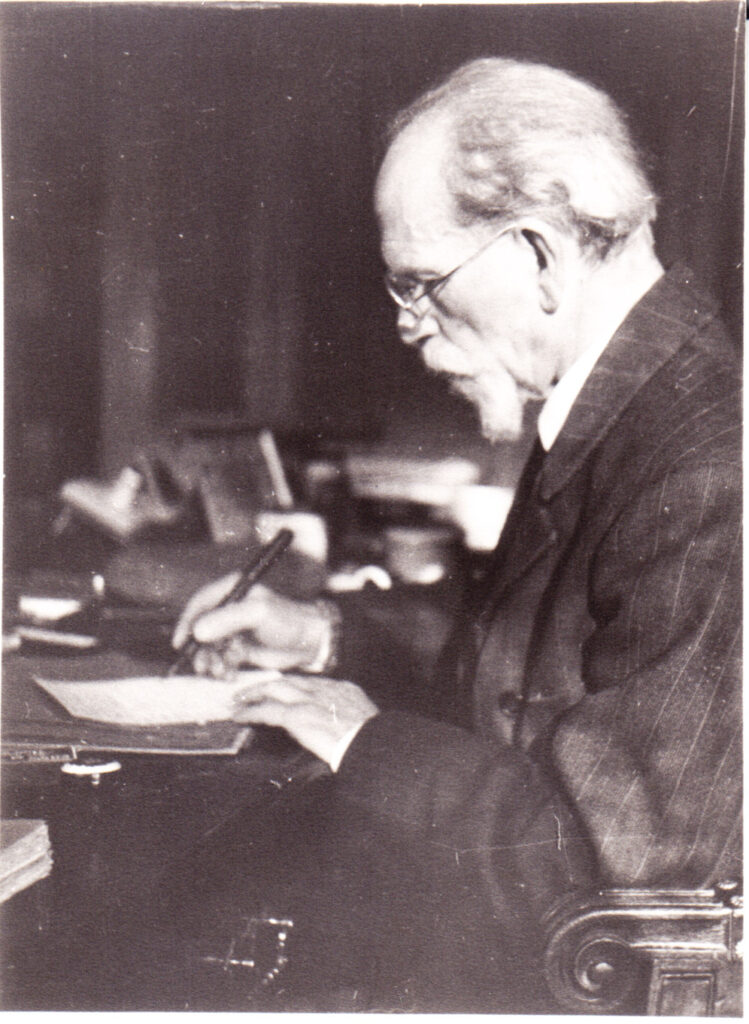
Edmund Husserl
1859 CE – 1938 CE
Prostějov (Prossnitz), Moravia
Founder of phenomenology, trained in mathematics and logic, whose work on intentionality, epoché, consciousness, meaning, evidence, and the lifeworld reshaped twentieth-century philosophy.
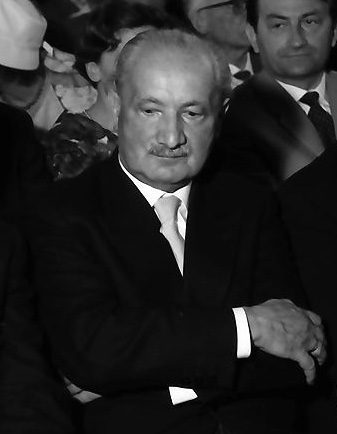
Martin Heidegger
1889 CE – 1976 CE
Meßkirch, Baden, German Empire
German phenomenologist and hermeneutic ontologist whose Being and Time, Dasein analysis, critique of metaphysics, art, technology, language, and late Ereignis thinking reshaped twentieth-century philosophy.
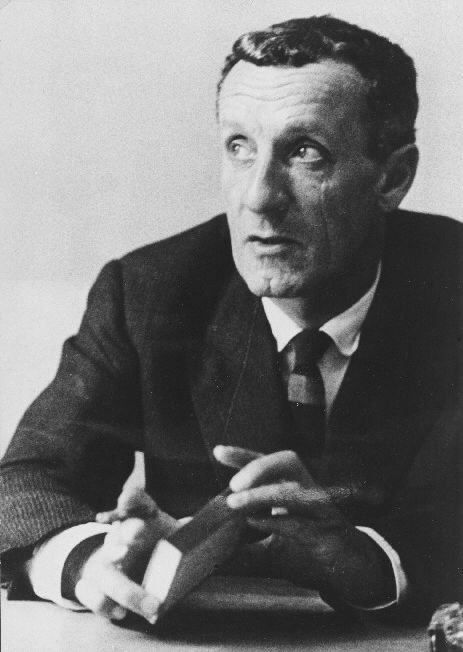
Maurice Merleau-Ponty
1908 CE – 1961 CE
Rochefort-sur-Mer
French philosopher of existential phenomenology, embodied perception, lived body, intersubjectivity, language, aesthetics, politics, nature, and the late ontology of flesh.
Other Voices
Source entries, public text surfaces, catalog rows, public scans, and scholarship connected to Phenomenology, Husserl, Heidegger, Merleau-Ponty, intentionality, reduction, Dasein, embodiment, perception, and lifeworld.