Philosophy School
Positivism
Positivism names the scientific and empiricist effort to ground knowledge in experience, description, and the methods of the sciences, centered here on Ernst Mach.
Period
Modern History1800 CE – 1944 CE
Era
Long 19th Century1870 CE – 1913 CE
Begin
1838 CE
End
1916 CE

Structural Factors
- Shared Core Claims
- Positivism grounds knowledge in experience and scientific inquiry, treats metaphysical speculation with suspicion, and favors economical descriptions of phenomena over claims about unknowable substances. In Mach's version, sensations or elements are the starting point for analyzing physics, psychology, and knowledge.
- Shared Methods
- Empirical analysis, philosophy of science, psychophysics, historical analysis of physics, conceptual economy, critique of metaphysical abstraction, public text comparison, and documented reconstruction of Mach and later positivist reception.
- Shared Lineage
- This page preserves Ernst Mach as the linked philosopher. It treats nineteenth-century scientific positivism, Mach's empirio-criticism, and the Vienna Circle and logical empiricism as reception and classification context rather than as added linked philosophers.
- Shared Problems
- Experience, sensation, elements, scientific description, metaphysics, verification, observation, theory, economy of thought, objectivity, physical theory, psychology, causation, positivist method, logical positivism, Vienna Circle reception, and logical empiricism.
- Shared Vocabulary
- Positivism, empirio-criticism, sensation, elements, economy of thought, science, anti-metaphysics, verification, observation, description, physics, psychophysics, logical positivism, Vienna Circle, and logical empiricism.
- Shared Historical Context
- Positivism developed in nineteenth-century scientific and philosophical debates over experience, science, metaphysics, and social knowledge. Mach became an important bridge into twentieth-century logical positivism and logical empiricism, especially through Vienna Circle reception.
Defining Axes
- Doctrine
- Knowledge should be tied to experience, scientific description, and economical conceptual organization rather than to speculative metaphysics or hidden substances.
- Method
- Empirical description, critique of metaphysics, conceptual economy, historical analysis of science, psychophysical comparison, and public source reconstruction.
- Lineage
- Ernst Mach as the linked philosopher; nineteenth-century positivism, empirio-criticism, Vienna Circle, logical positivism, and logical empiricism as school context.
- Subject Focus
- Epistemology, philosophy of science, physics, psychology, perception, method, anti-metaphysics, and the history of analytic and scientific philosophy.
- Geography / Culture
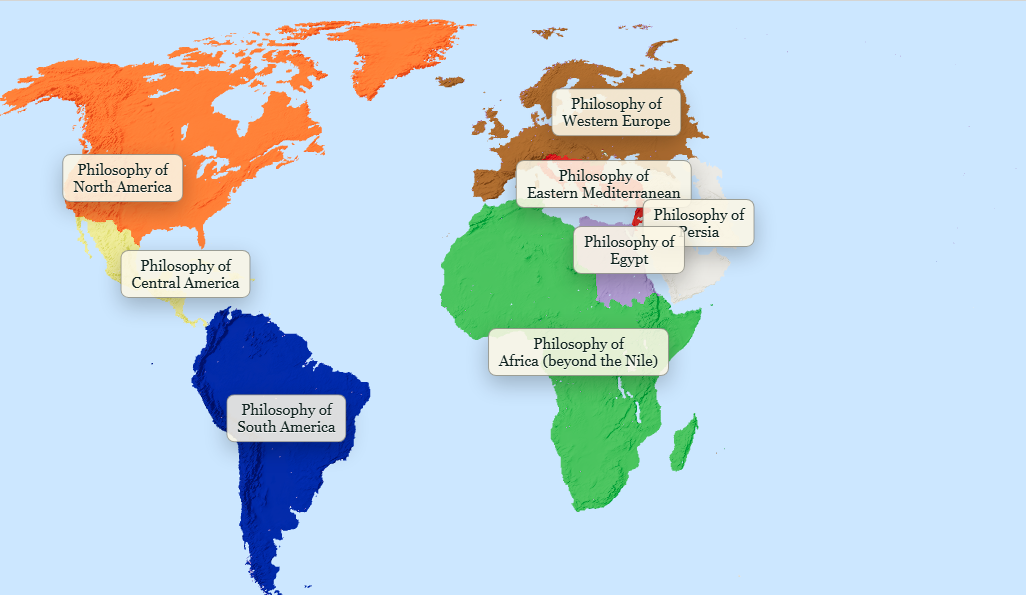
- Central European scientific and philosophical culture around Mach, with broader nineteenth-century positivist and twentieth-century Vienna Circle reception.
- Historical Reaction
- A reaction against speculative metaphysics and substance-language, favoring science, experience, observation, and economical description.
Internal Structure
- Foundational Texts
- Source evidence includes SEP Ernst Mach, SEP Vienna Circle, IEP Logical Positivism, SEP Logical Empiricism, Britannica and Routledge rows, University of Vienna, Deutsches Museum archive, Gutenberg Popular Scientific Lectures, Marxists text rows, and catalog rows from Internet Archive, Open Library, PhilPapers, and WorldCat.
- Core Vocabulary
- Experience, sensations, elements, empirio-criticism, economy of thought, science, observation, anti-metaphysics, verification, logical positivism, Vienna Circle, logical empiricism, physical theory, psychology, and philosophy of science.
- Metaphysics
- Positivism resists metaphysical claims that go beyond possible experience or scientific description. Mach's analysis treats objects and selves through complexes of elements or sensations rather than through unknowable underlying substances.
- Epistemology
- Knowledge is approached through experience, observation, scientific method, and economical organization of concepts. Later logical positivist and logical empiricist reception sharpened these concerns into verification, language, and scientific-theory debates.
- Ethics
- Ethics is not the center of this school page; the emphasis is on scientific knowledge, method, experience, anti-metaphysics, and the classification of Mach within positivist and logical-empiricist reception.
- School Method
- The school method combines public encyclopedia rows, Mach text surfaces, institutional biography/archive rows, catalog evidence, and context from SEP, IEP, Britannica, Routledge, and Vienna Circle/logical empiricism sources.
- Internal Debates
- Internal tensions include whether positivism should be understood as scientific method, empirio-criticism, social philosophy, verificationist language analysis, or logical empiricism, and how Mach's anti-metaphysical physics relates to later Vienna Circle programs.
- Successors
- Mach influenced debates in logical positivism, logical empiricism, philosophy of science, psychology, physics, and analytic philosophy. Carnap and other Vienna Circle figures remain reception context here, not linked philosophers in this pass.
External Classification Context
- History of Philosophy
- Belongs to modern and contemporary philosophy of science, empiricism, anti-metaphysical method, analytic philosophy background, Vienna Circle reception, and logical empiricism.
- Philosophy of Philosophy
- Shows philosophy as clarification of experience, scientific concepts, and method, with metaphysical vocabulary tested against observation, use, and explanatory economy.
- Intellectual History
- Connects Mach biography, institutional archives, public text surfaces, catalog records, Marxists text rows, encyclopedia sources, and logical positivism/logical empiricism context rows.
- University Classification
- Classify under Positivism, empiricism, philosophy of science, epistemology, analytic-philosophy background, logical positivism, logical empiricism, and modern European philosophy.
- Classical Sources
- Evidence includes SEP Ernst Mach, SEP Vienna Circle, SEP Logical Empiricism, IEP Logical Positivism, Britannica, Encyclopedia.com, Routledge, Treccani, University of Vienna, Deutsches Museum, Project Gutenberg, Marxists, Internet Archive, Open Library, PhilPapers, and WorldCat rows.
- Sociology of Knowledge
- The source set documents positivism through public scholarship, institutional biography, public text repositories, catalog rows, and reception-context sources, while image rows, legal-positivism spillover, Carnap-centered rows, and Machiavelli false hits remain held out.
Linked Philosophers
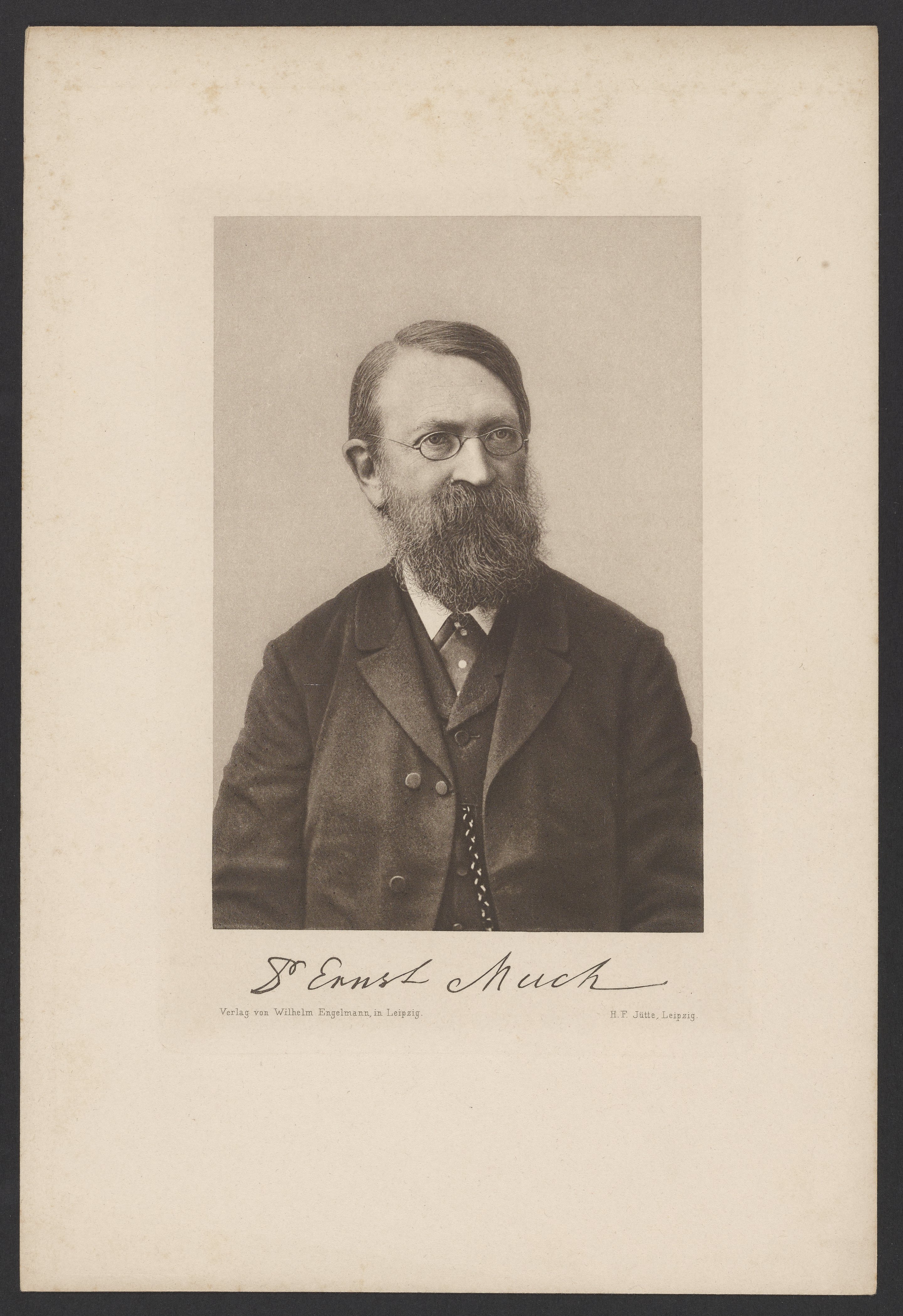
Ernst Mach
1838 CE – 1916 CE
Chrlice / Chirlitz, near Brno
Austrian physicist and philosopher from Moravia whose anti-metaphysical empiricism, analysis of sensations, historical criticism of mechanics, and economy of thought shaped modern philosophy of science.
Other Voices
Source entries, public text surfaces, catalog rows, public scans, and scholarship connected to Positivism, Ernst Mach, empirio-criticism, sensations, economy of thought, science, anti-metaphysics, Vienna Circle, logical positivism, and logical empiricism.