Reform Confucianism
Late Qing and early modern Chinese Confucian reform current associated with Kang Youwei and Liang Qichao, reinterpreting Confucius, New Text learning, constitutional monarchy, institutional reform, national renewal, public education, civilizational survival, and modern political transformation.

Structural Factors
- Shared Core Claims
- Reform Confucianism holds that Confucian learning is not merely antiquarian orthodoxy but a living resource for institutional change, moral renewal, constitutional government, public education, and national survival under modern crisis.
- Shared Methods
- The school uses classical reinterpretation, New Text philology, historical argument, reform memorials, journalism, translation, comparative politics, institutional design, educational advocacy, public persuasion, and synthesis of Confucian moral ideals with modern constitutional and national concepts.
- Shared Lineage
- Reform Confucianism develops from Confucius, Mencius, Gongyang and New Text traditions, Qing evidential learning, statecraft scholarship, Wei Yuan, Feng Guifen, Self-Strengthening debates, Kang Youwei, Liang Qichao, the Hundred Days Reform, and later constitutionalist and New Confucian currents.
- Shared Problems
- Central problems include how Confucianism can respond to imperial crisis, whether classics authorize reform, how to preserve moral civilization while adopting modern institutions, whether China should become constitutional, how to educate citizens, and how tradition can support nationalism and progress.
- Shared Vocabulary
- Key terms include reform Confucianism, bianfa, New Text, Gongyang, Datong, constitutional monarchy, minquan, public opinion, national people, citizen, education, progress, self-strengthening, statecraft, Confucian religion, great unity, reform, and modernity.
- Shared Historical Context
- Reform Confucianism arose in late nineteenth- and early twentieth-century China amid imperial pressure, defeat by Japan, treaty-port knowledge, missionary and translation networks, constitutional debates, the 1898 Hundred Days Reform, exile politics, journalism, and Qing attempts to survive modern state competition.
Defining Axes
- Doctrine
- Doctrinally, the school is defined by the claim that Confucian tradition contains resources for progressive institutional reform, moral universalism, public education, constitutional politics, national strengthening, and even utopian world unity.
- Method
- Its method is exegetical and political: reread classics for reformist authority, diagnose institutional weakness, compare foreign models, write memorials and newspapers, mobilize public opinion, and translate Confucian moral language into modern political programs.
- Lineage
- The lineage runs from classical Confucianism and Gongyang New Text learning through late Qing statecraft and Self-Strengthening reform to Kang Youwei, Liang Qichao, constitutionalist reformers, republican debates, modern Confucian renewal, and contemporary discussions of political Confucianism.
- Subject Focus
- Reform Confucianism focuses on Chinese philosophy, Confucianism, political philosophy, constitutionalism, education, nationalism, philosophy of history, ethics, social reform, religion and politics, modernity, public opinion, and intellectual history.
- Geography / Culture
- The school is centered in late Qing China, especially Beijing, Guangdong, Shanghai, treaty ports, reform societies, and exile networks in Japan and overseas Chinese communities, with later influence in East Asian and global Chinese political thought.
- Historical Reaction
- Reform Confucianism responds to Western imperialism, Qing military weakness, Japanese modernization, conservative orthodoxy, examination culture, treaty-port print capitalism, Christian and liberal ideas, Self-Strengthening limits, and debates over revolution versus constitutional reform.
Internal Structure
- Foundational Texts
- Foundational texts include Kang Youwei's reform writings, New Text interpretations of Confucius, The Book of Great Unity, memorials for institutional reform, Liang Qichao's journalism and political essays, writings around the Hundred Days Reform, late Qing constitutional documents, and later studies of modern Confucian reform.
- Core Vocabulary
- Core vocabulary includes Confucius, classics, reform, change, institution, constitution, monarchy, people, citizen, nation, public, education, morality, progress, unity, Datong, New Text, Gongyang, statecraft, civilization, and survival.
- Metaphysics
- Reform Confucianism is not primarily metaphysical, but it often treats historical change, moral order, human perfectibility, and Confucian universalism as grounds for rethinking political institutions and civilizational development.
- Epistemology
- Its epistemology combines classical learning, evidential scholarship, historical comparison, translated knowledge, journalism, public debate, and practical statecraft, judging knowledge by its capacity to clarify crisis and guide reform.
- Ethics
- Reform Confucian ethics emphasizes public responsibility, benevolence, civic education, moral transformation, service to the people, loyalty reinterpreted through national survival, and the extension of Confucian care into modern citizenship and world unity.
- Method
- The school proceeds through classical commentary, reform memorials, essays, newspapers, lectures, study societies, translation, comparison with foreign institutions, and public argument linking moral tradition to institutional renovation.
- Internal Debates
- Internal debates concern reform versus revolution, monarchy versus republicanism, Confucian religion versus ethical tradition, New Text versus Old Text authority, cultural preservation versus Westernization, Kang's utopian universalism, and Liang's shift toward nationalism and constitutional modernity.
- Successors
- Successors include late Qing constitutionalism, republican political thought, Chinese nationalism, New Culture critiques of Confucianism, modern New Confucianism, political Confucianism, East Asian constitutional debates, and contemporary discussions of Confucian democracy and civil society.
External Classification Context
- History of Philosophy
- Reform Confucianism is a central modern Chinese philosophical current that joins classical interpretation, political reform, national crisis, education, and modernization, showing how Confucian thought entered modern debates over state, people, and progress.
- Philosophy of Philosophy
- The school treats philosophy as practical cultural and political renewal: inherited learning must be reinterpreted so it can diagnose crisis, guide institutions, and educate persons for a changed historical world.
- Intellectual History
- The tradition links Qing statecraft, evidential learning, New Text scholarship, Self-Strengthening, treaty-port print culture, 1898 reform, exile journalism, constitutionalism, nationalism, republican debate, and later Confucian revival.
- University Classification
- Classify Reform Confucianism under Chinese philosophy, modern Confucianism, Qing intellectual history, political philosophy, constitutionalism, philosophy of education, nationalism, modernization theory, East Asian philosophy, and intellectual history.
- Classical Sources
- Classical sources include the Confucian classics, Gongyang Commentary, Mencius, New Text traditions, Qing statecraft writings, Kang Youwei, Liang Qichao, late Qing reform memorials, journalism, constitutional documents, and modern scholarship on Chinese reform thought.
- Sociology of Knowledge
- Reform Confucianism spread through academies, memorials, study societies, newspapers, treaty-port presses, translation bureaus, reform networks, exile publications, overseas Chinese communities, schools, constitutional debates, and modern university scholarship.
Linked Philosophers
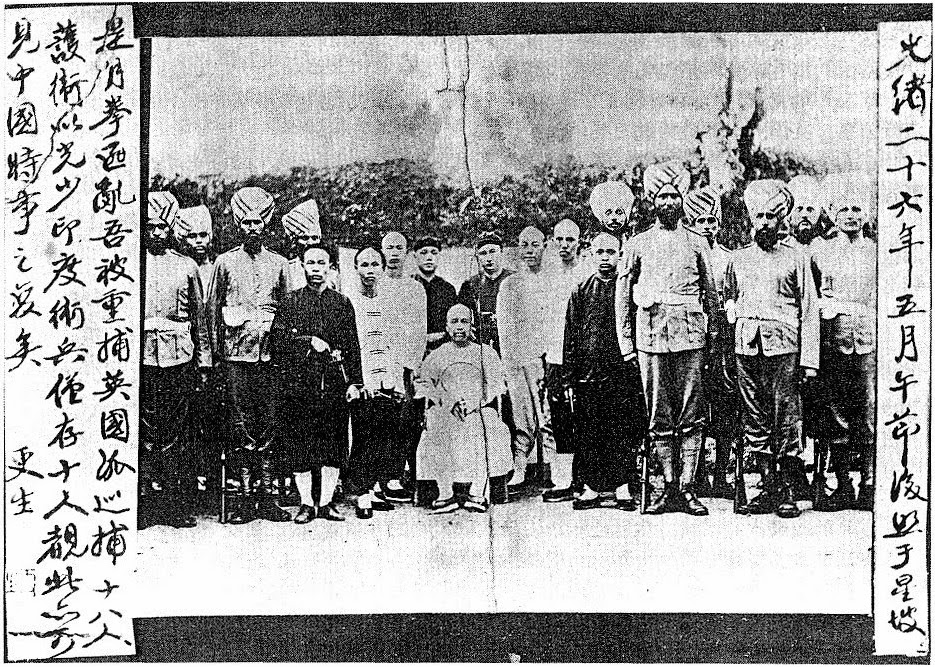
Kang Youwei
1858 CE – 1927 CE
Su Village, Danzao, Nanhai County, Guangdong, now Nanhai District, Foshan
Late Qing Confucian reformer whose New Text Confucianism, constitutional monarchism, Confucian religious reform, Datong utopianism, and calligraphy theory reshaped modern Chinese political and philosophical debate.
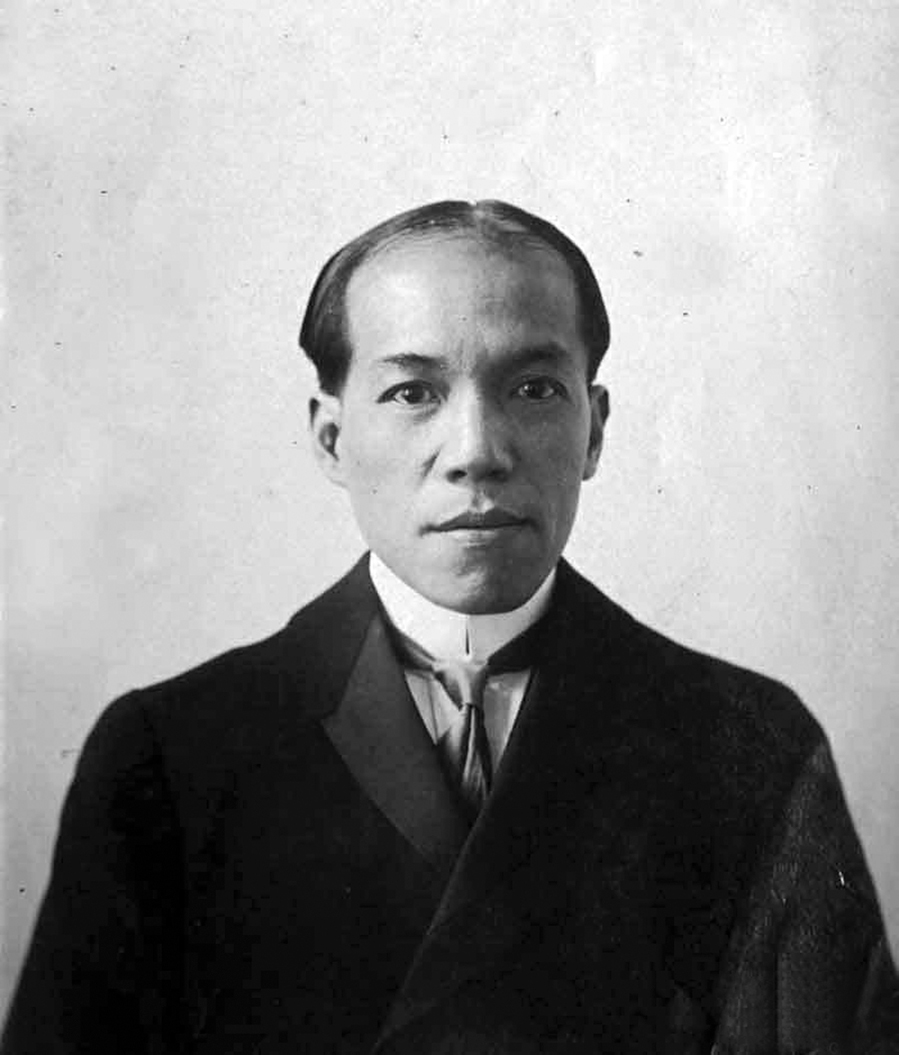
Liang Qichao
1873 CE – 1929 CE
Xinhui, Guangdong
Cistercian monk, abbot of late Qing and early Republican reformism, and medieval Christian philosopher-theologian whose theology of love, humility, grace, free choice, mystical ascent, monastic ethics, scriptural exegesis, and ecclesial counsel shaped scholastic, monastic, and political theology.