Rhineland Mysticism
Late medieval Christian mystical current of the Rhine region associated with Meister Eckhart, Johannes Tauler, Heinrich Suso, Dominican preaching, vernacular theology, inner detachment, the ground of the soul, divine birth, apophatic theology, contemplative union, and pastoral reform.
Structural Factors
- Shared Core Claims
- Rhineland Mysticism holds that the soul is called beyond images, possessions, and self-will into detachment, humility, and union with God. The divine ground exceeds concepts, yet can be encountered inwardly through grace, contemplative poverty, and transformed love.
- Shared Methods
- The school uses sermons, spiritual counsel, vernacular German theology, Latin scholastic distinctions, apophatic negation, scriptural exegesis, allegory, introspection, pastoral direction, meditative practice, exemplary lives, and paradoxical language about God and the soul.
- Shared Lineage
- Rhineland Mysticism develops from Augustine, Pseudo-Dionysius, Neoplatonism, Bernard of Clairvaux, Victorine spirituality, Dominican scholasticism, Albertus Magnus, Beguine and monastic piety, Meister Eckhart, Johannes Tauler, Heinrich Suso, the Friends of God, and later German mystical reception.
- Shared Problems
- Central problems include how the finite soul can be united with God, how to speak of an unknowable divine ground, whether detachment threatens moral action, how vernacular mystical teaching remains orthodox, and how suffering, humility, grace, and love transform the person.
- Shared Vocabulary
- Key terms include Rhineland Mysticism, detachment, Abgeschiedenheit, Gelassenheit, ground, Seelengrund, divine birth, Gottesgeburt, breakthrough, spark of the soul, inner poverty, apophasis, union, contemplation, annihilation of self-will, suffering, grace, and love.
- Shared Historical Context
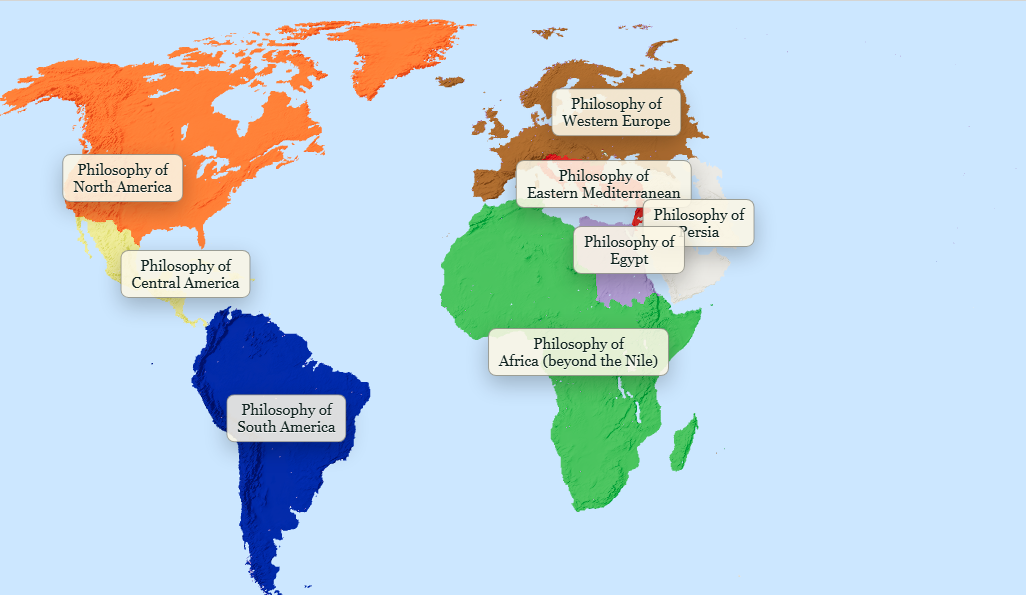
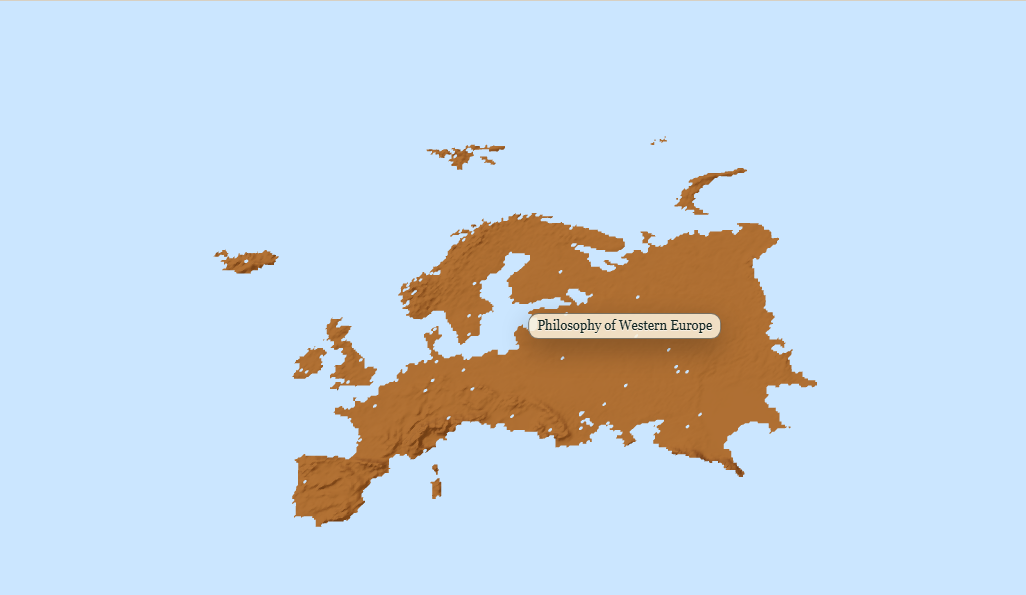
- Rhineland Mysticism flourished in the thirteenth and fourteenth centuries around Cologne, Strasbourg, Basel, and the Rhine valley, amid Dominican schools, urban lay piety, women's religious communities, Beguine spirituality, pastoral preaching, plague, reform anxiety, and disputes over vernacular theology.
Defining Axes
- Doctrine
- Doctrinally, Rhineland Mysticism is defined by apophatic theology, the soul's ground, detachment from created images, divine birth in the soul, union with God by grace, ethical transformation, and the tension between daring mystical language and ecclesial orthodoxy.
- Method
- Its method is contemplative and pastoral: preach to lay and religious audiences, interpret Scripture inwardly, strip concepts by negation, guide souls through suffering and detachment, and translate scholastic theology into practical spiritual counsel.
- Lineage
- The lineage runs from Dionysian negative theology, Augustinian inwardness, monastic affective piety, and Dominican scholasticism through Eckhart, Tauler, Suso, the Friends of God, Theologia Germanica, Devotio Moderna, Reformation reception, and modern studies of Christian mysticism.
- Subject Focus
- Rhineland Mysticism focuses on mystical theology, metaphysics of God and soul, spiritual anthropology, ethics of detachment, pastoral theology, language and apophasis, suffering, contemplation, vernacular religious literature, medieval philosophy, and Christian spirituality.
- Geography / Culture
- The school is centered in the medieval Rhineland and Upper German regions, especially Cologne, Strasbourg, Basel, Constance, and Dominican and lay religious networks, with later reception across German, Dutch, Catholic, Protestant, and modern scholarly contexts.
- Historical Reaction
- Rhineland Mysticism responds to scholastic theology, urban devotional hunger, Beguine and lay religious movements, ecclesiastical suspicion of unregulated mysticism, plague-era pastoral crisis, and the need to make learned theology spiritually transformative for non-university audiences.
Internal Structure
- Foundational Texts
- Foundational evidence includes Meister Eckhart's German and Latin sermons, Tauler's sermons, Suso's Little Book of Truth and Little Book of Eternal Wisdom, Theologia Germanica, Friends of God writings, Dominican pastoral materials, and later manuscript and printed mystical collections.
- Core Vocabulary
- Core vocabulary includes God, Godhead, ground, soul, spark, birth, breakthrough, detachment, letting-be, poverty, image, nothingness, grace, love, suffering, humility, contemplation, union, inwardness, sermon, and vernacular theology.
- Metaphysics
- Rhineland mystical metaphysics emphasizes the incomprehensibility of God, the distinction and relation between God and Godhead, the soul's deepest ground, participation, divine presence, and the paradox that union with God requires detachment from every created image and possessive self.
- Epistemology
- Its epistemology treats ordinary concepts and images as limited before God, using negation, inward experience, Scripture, contemplative practice, and spiritual transformation to move from discursive knowledge toward wisdom grounded in grace and union.
- Ethics
- Rhineland mystical ethics centers on detachment, humility, patience, compassion, obedience rightly understood, love of God and neighbor, purification of self-will, acceptance of suffering, and active service flowing from contemplative union rather than spiritual vanity.
- Method
- The school proceeds through preaching, confession, spiritual letters, vernacular treatises, exempla, theological paradox, apophatic discipline, attention to affective experience, and guidance of souls in ordinary urban, conventual, and lay devotional settings.
- Internal Debates
- Internal debates concern whether Eckhart's language is speculative theology or heterodox mysticism, how Tauler and Suso soften or preserve Eckhartian themes, whether detachment implies passivity, how to read the Friends of God, and how much later reception reshapes the tradition.
- Successors
- Successors include Theologia Germanica reception, Devotio Moderna, German spiritual literature, Reformation appropriations by Luther and others, Catholic mystical theology, modern Christian spirituality, comparative mysticism, and contemporary scholarship on apophatic language and medieval vernacular theology.
External Classification Context
- History of Philosophy
- Rhineland Mysticism is a major late medieval bridge between scholastic metaphysics, vernacular theology, Christian mysticism, and pastoral spirituality, showing how philosophical accounts of God, soul, language, and knowledge became practices of transformation.
- Philosophy of Philosophy
- The school treats philosophy and theology as lived wisdom: conceptual distinction matters because it trains the soul to release false images, receive divine life, and embody love rather than merely possess doctrine.
- Intellectual History
- The tradition links Dominican universities, urban preaching, women's religious communities, Beguine and lay devotion, manuscript circulation, ecclesiastical scrutiny, plague-era pastoral concern, German vernacular literature, Reformation reception, and modern mysticism scholarship.
- University Classification
- Classify Rhineland Mysticism under medieval philosophy, Christian philosophy, mystical theology, philosophy of religion, apophatic theology, German medieval literature, ethics, metaphysics, spiritual anthropology, and intellectual history.
- Classical Sources
- Classical sources include Augustine, Pseudo-Dionysius, Bernard, the Victorines, Albertus Magnus, Meister Eckhart, Johannes Tauler, Heinrich Suso, Theologia Germanica, Friends of God materials, Dominican sermon collections, manuscript traditions, and modern critical editions.
- Sociology of Knowledge
- Rhineland Mysticism spread through sermons, confession, Dominican houses, convents, lay devotional circles, manuscript copying, vernacular compilations, spiritual biographies, printed mystical books, Reformation controversies, religious orders, and university medieval studies.
Linked Philosophers
Heinrich Suso
1295 CE – 1366 CE
Constance or Überlingen, Swabia
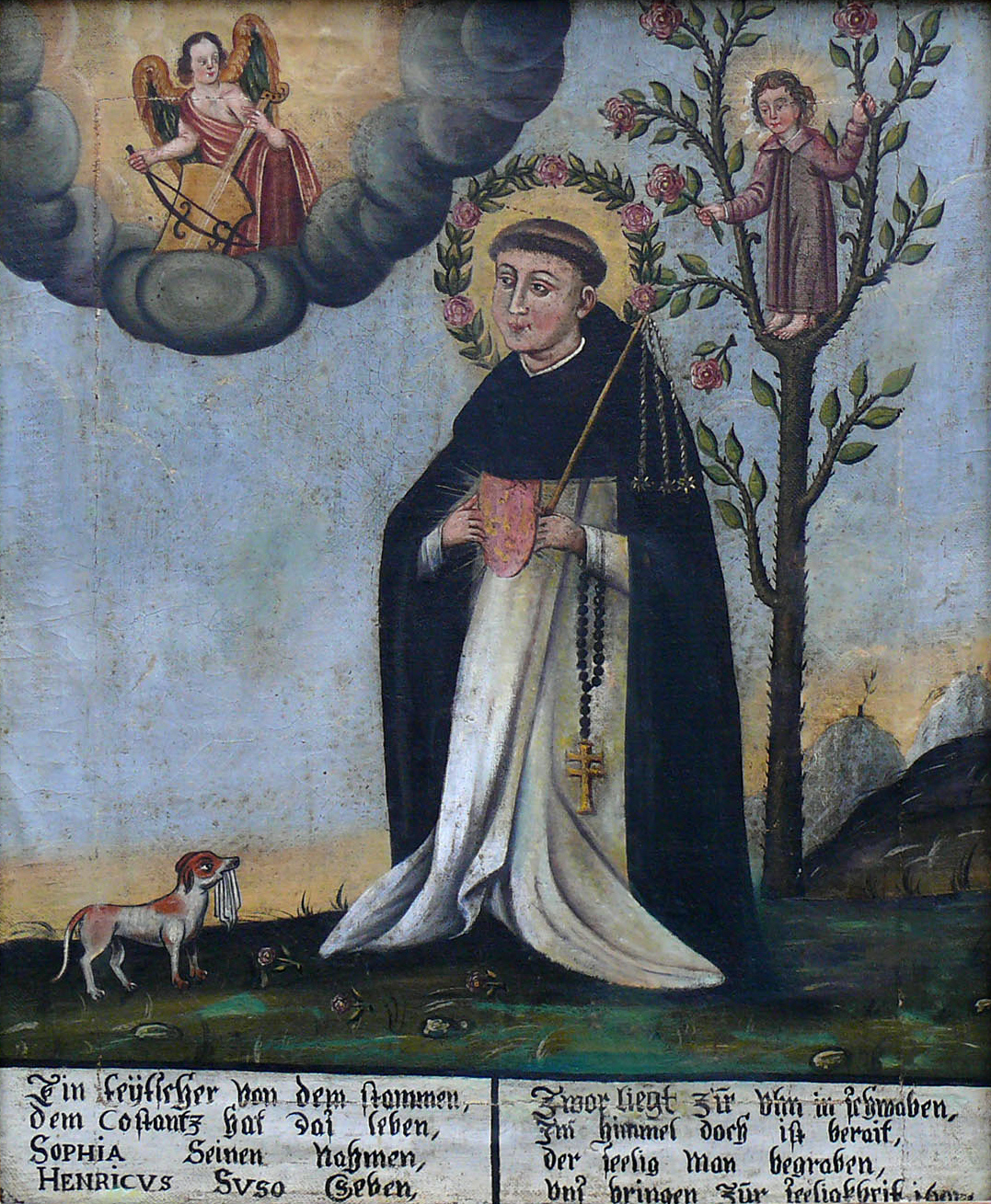
German Dominican mystic and philosopher of Eternal Wisdom whose Exemplar, Life of the Servant, Little Book of Truth, Little Book of Eternal Wisdom, and Horologium Sapientiae join mystical metaphysics, interior transformation, affective ethics, suffering, counsel, and the limits of religious language.
Johannes Tauler
1300 CE – 1361 CE
Strasbourg, Alsace
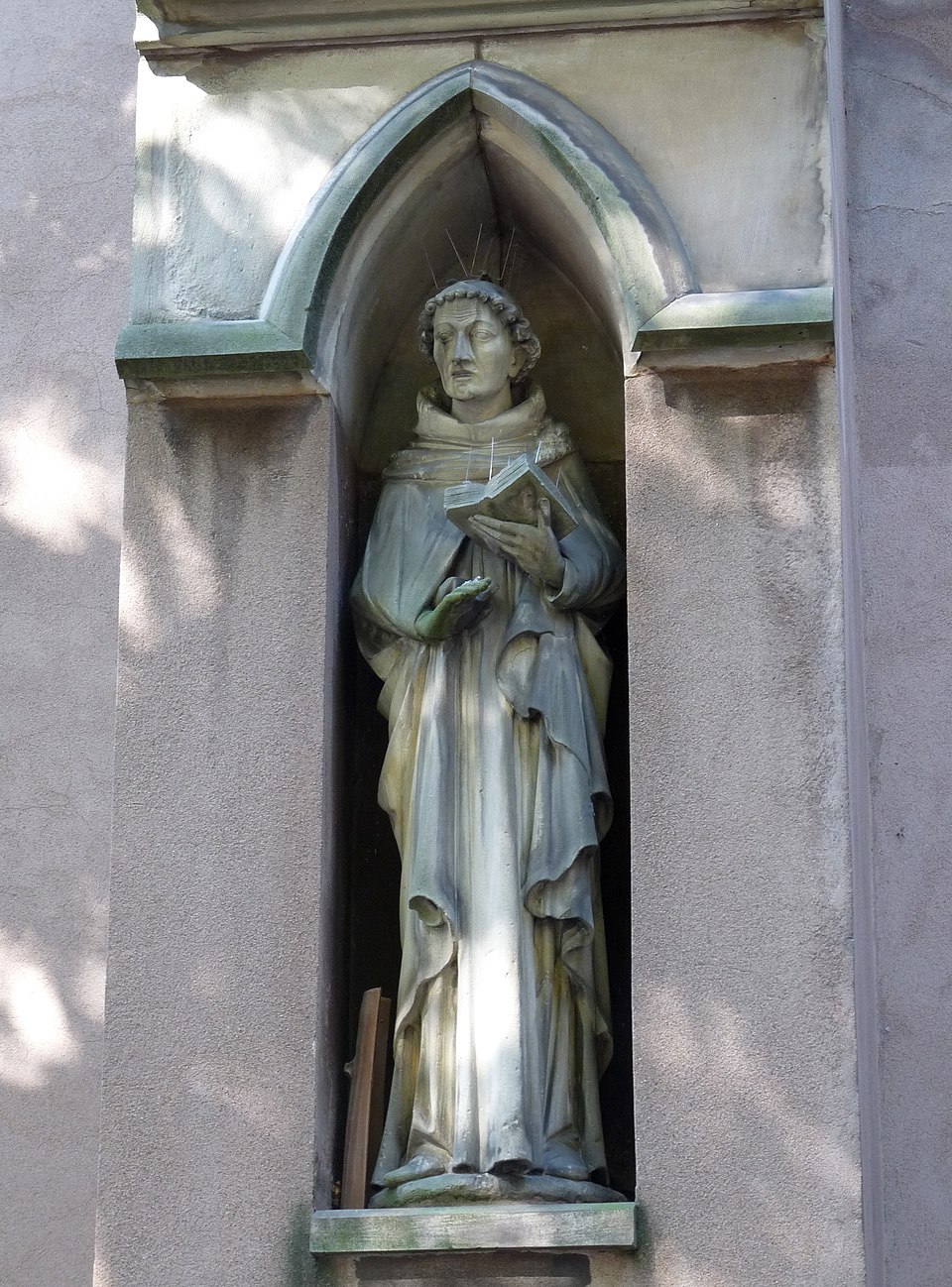
Alsatian German Dominican mystic of Strasbourg whose sermons and spiritual letters shaped Rhenish mystical theology through divine birth, detachment, the ground of the soul, contemplative discipline, and practical spiritual counsel.