Philosophy School
Sage Philosophy
Contemporary African philosophical movement associated with Henry Odera Oruka, documenting and critically interpreting the reflective thought of non-academic sages through interviews, oral traditions, philosophic sagacity, moral reasoning, metaphysics, personhood, community, and debates over African philosophy.
Period
Contemporary History1945 CE – 2065 CE
Era
World War Era1914 CE – 1944 CE
Begin
1944 CE
End
1995 CE
Structural Factors
- Shared Core Claims
- Sage Philosophy holds that rigorous philosophical reflection can occur outside written academic institutions, that selected African sages articulate critical arguments rather than merely repeat communal folklore, and that oral wisdom can be documented, questioned, and evaluated philosophically.
- Shared Methods
- The school uses interviews, dialogue, translation, oral-history collection, conceptual analysis, contextual interpretation, comparison of sages' arguments, critique of ethnophilosophy, field research, hermeneutics, and engagement with African professional philosophy.
- Shared Lineage
- Sage Philosophy develops from African oral intellectual traditions, debates over ethnophilosophy, Tempels, Mbiti, Hountondji, Wiredu, Oruka's University of Nairobi project, Kenyan sage interviews, and later work by Presbey, Masolo, Graness, Ochieng, and African philosophy scholars.
- Shared Problems
- Central problems include whether oral reflection counts as philosophy, how to distinguish folk wisdom from critical sagacity, how translation changes argument, whether African philosophy needs written texts, how sages reason about God, personhood, death, freedom, equality, community, and justice.
- Shared Vocabulary
- Key terms include sage philosophy, African sage philosophy, philosophic sagacity, folk sage, philosophic sage, ethnophilosophy, professional philosophy, oral tradition, interview, dialogue, communal wisdom, critical reflection, personhood, ubuntu, Luo japaro, and African philosophy.
- Shared Historical Context
- Sage Philosophy arose in postcolonial African philosophy, especially Kenya in the 1970s and 1980s, as philosophers challenged colonial claims that African cultures lacked rational philosophy and sought methods for preserving and analyzing oral intellectual traditions.
Defining Axes
- Doctrine
- Doctrinally, Sage Philosophy is defined by the claim that individual sages within oral cultures can offer reflective, critical, and reasoned positions on metaphysical, ethical, religious, and social questions, not merely anonymous collective worldviews.
- Method
- Its method is dialogical and documentary: identify sages, conduct interviews, record oral reasoning, translate and contextualize claims, distinguish popular wisdom from critical argument, and test those arguments within African and global philosophical debate.
- Lineage
- The lineage runs from African oral wisdom and elder consultation through postcolonial debates over ethnophilosophy, Oruka's Sage Philosophy project, published sage interviews, critiques by professional African philosophers, and later comparative and decolonial scholarship.
- Subject Focus
- Sage Philosophy focuses on African philosophy, oral philosophy, epistemology of testimony, ethics, metaphysics, personhood, philosophy of religion, political philosophy, community, methodology, decolonial thought, translation, and the sociology of knowledge.
- Geography / Culture
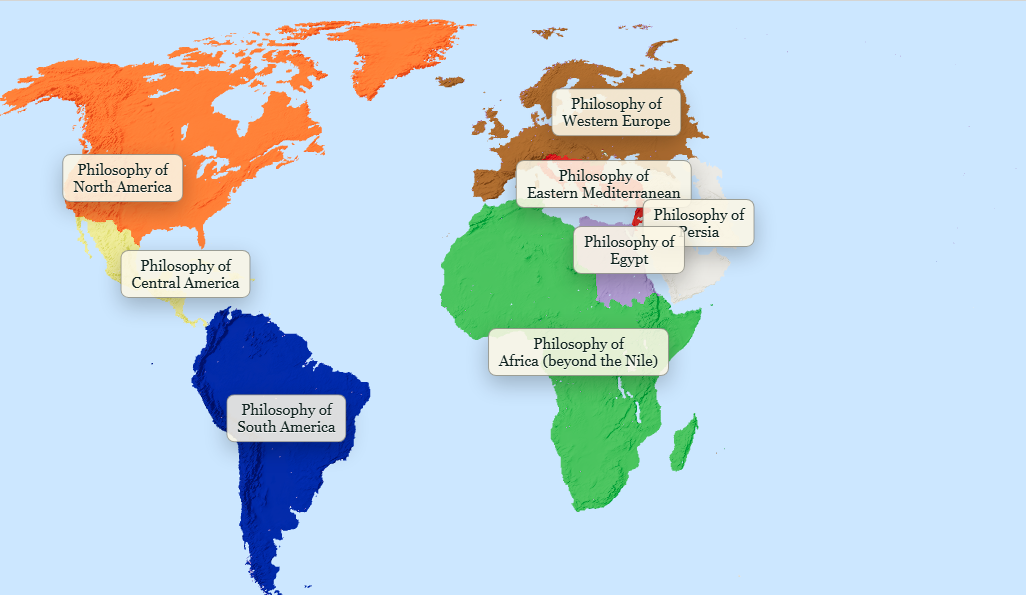
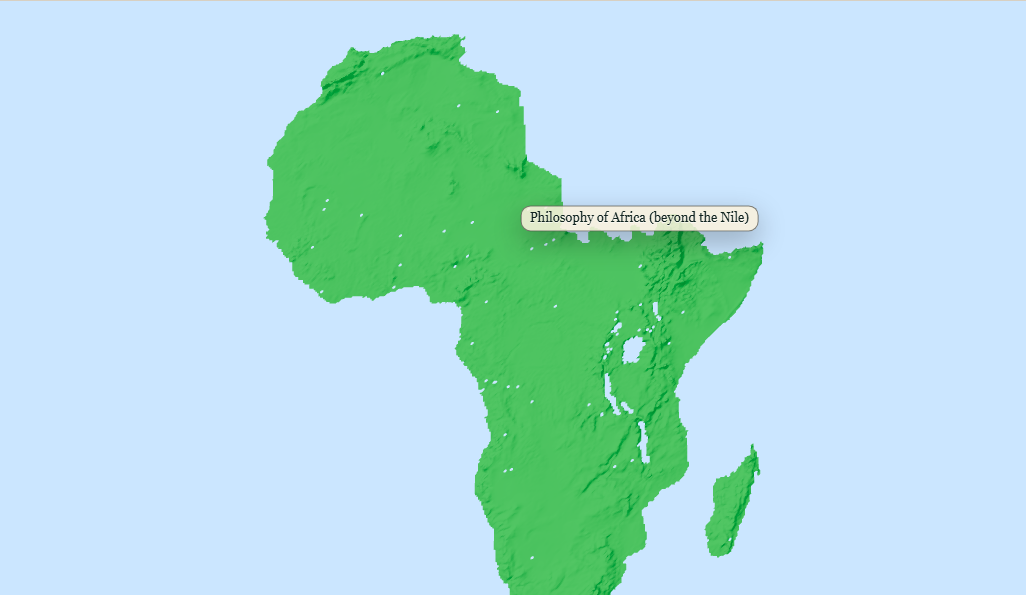
- Sage Philosophy is centered in African oral and postcolonial intellectual contexts, especially Kenya and the University of Nairobi, while extending to wider sub-Saharan African traditions, diasporic African philosophy, and global debates over orality and philosophy.
- Historical Reaction
- The school responds to colonial denials of African rationality, ethnophilosophy's tendency to treat cultures as collective subjects, professional philosophy's textual bias, missionary and anthropological mediation, and the need to recognize named African thinkers within oral traditions.
Internal Structure
- Foundational Texts
- Foundational texts include Oruka's writings on four trends in African philosophy, Sage Philosophy: Indigenous Thinkers and Modern Debate on African Philosophy, interviews with Kenyan sages, IEP and SEP entries on African Sage Philosophy, and later studies by Presbey, Masolo, Graness, and Ochieng.
- Core Vocabulary
- Core vocabulary includes sage, wisdom, sagacity, interview, oral tradition, ethnophilosophy, professional philosophy, folk philosophy, critical reflection, argument, community, elder, person, God, death, freedom, equality, justice, translation, and decolonization.
- Metaphysics
- Sage Philosophy investigates metaphysical claims articulated by sages about God, spirits, death, ancestors, personhood, causality, nature, community, and reality while asking how oral formulations can be interpreted without reducing them to folklore or theology.
- Epistemology
- Its epistemology centers on oral testimony, memory, dialogue, translation, communal knowledge, individual critical judgment, and the standards by which interview material can become philosophical evidence rather than ethnographic data alone.
- Ethics
- Sage Philosophy emphasizes moral counsel, communal responsibility, justice, equality, freedom, elder wisdom, critique of domination, practical judgment, and the capacity of oral sages to reason about everyday and ultimate human goods.
- Method
- The school proceeds by selecting acknowledged sages, recording conversations, distinguishing reflective argument from inherited proverb, preserving named voices, analyzing claims, and placing oral reasoning into debates about African philosophy and global philosophy.
- Internal Debates
- Internal debates concern whether Oruka romanticizes sages, whether interviews impose academic categories, how to separate folk and philosophic sages, whether oral thought can be individual authorship, and how Sage Philosophy differs from ethnophilosophy, anthropology, or professional philosophy.
- Successors
- Successors include African oral philosophy research, decolonial philosophy, fieldwork-based philosophy, comparative oral traditions, African epistemology, ubuntu and personhood debates, studies of indigenous knowledge, and renewed attention to non-textual philosophical practices.
External Classification Context
- History of Philosophy
- Sage Philosophy is a major twentieth-century African intervention in the history of philosophy, challenging the assumption that philosophy requires written texts and showing how oral intellectual traditions can sustain critical individual reflection.
- Philosophy of Philosophy
- Sage Philosophy treats philosophy as reflective argument wherever it occurs, asking who counts as a philosopher, what counts as a text, and how philosophy should recognize oral, communal, and interview-based modes of reasoning.
- Intellectual History
- The tradition links African oral cultures, colonial anthropology, missionary scholarship, postcolonial universities, Nairobi philosophy, debates over ethnophilosophy, African professional philosophy, oral history, and global decolonization of the philosophical canon.
- University Classification
- Classify Sage Philosophy under African philosophy, Africana philosophy, oral philosophy, decolonial philosophy, epistemology, ethics, philosophy of culture, comparative philosophy, postcolonial thought, and methodology of philosophy.
- Classical Sources
- Classical sources include Oruka's sage interviews, African oral traditions, proverb and elder discourse, Tempels's Bantu Philosophy as a debated precursor, Mbiti, Hountondji, Wiredu, Masolo, Presbey, and contemporary African philosophy scholarship.
- Sociology of Knowledge
- Sage Philosophy survives through interviews, recordings, oral memory, university fieldwork, African philosophy curricula, edited volumes, journal debates, translation practices, preservation projects, and modern efforts to credit named thinkers beyond written archives.
Linked Philosophers
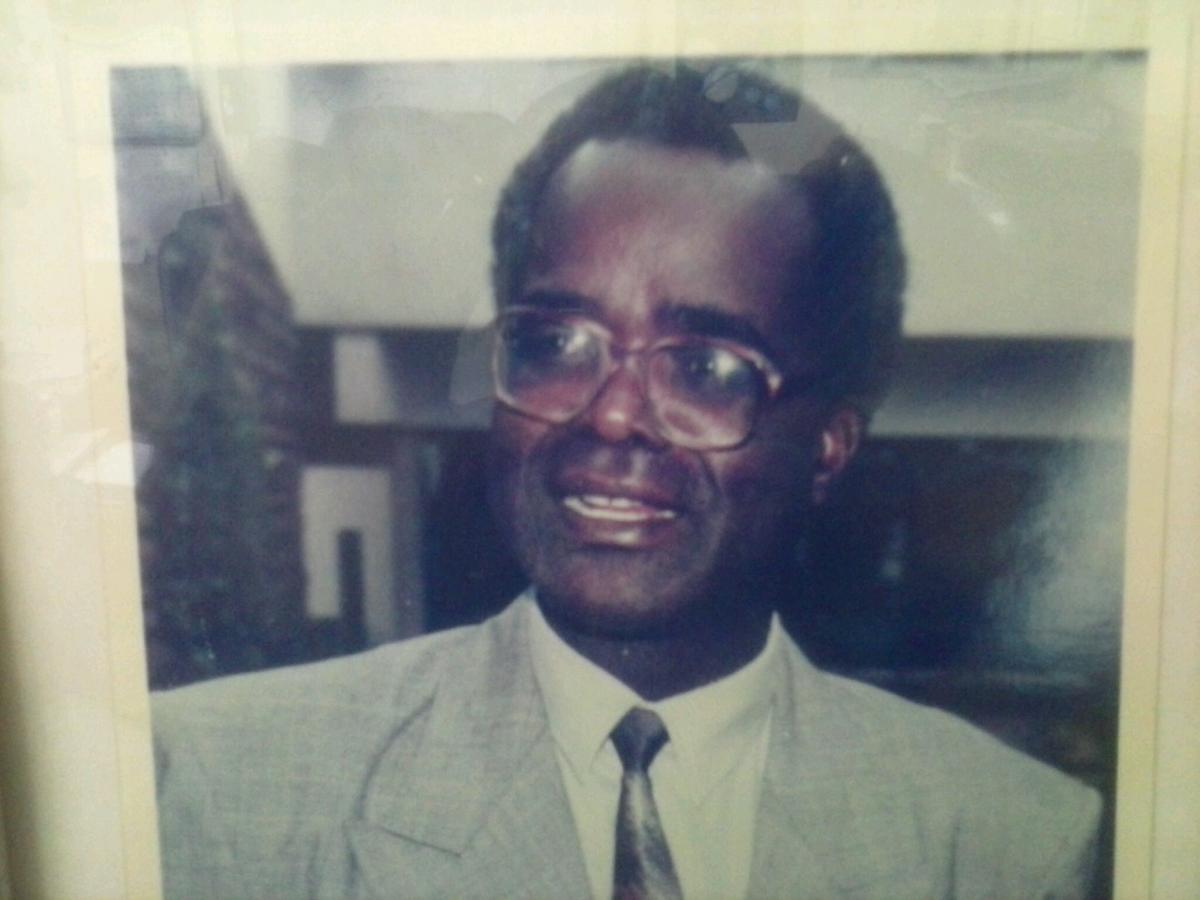
Henry Odera Oruka
1944 CE – 1995 CE
Masiro-Nyang'ungu, Ugenya, Siaya County
Kenyan philosopher of sage philosophy whose work on philosophic sagacity, oral reason, liberty, punishment, human minimum ethics, ecology, law, religion, and public African philosophy helped define contemporary debates about African philosophical method.