Philosophy School
Statecraft School
Late imperial Chinese practical-political school associated with jingshi statecraft, Qing reform thought, classical learning for governance, institutional repair, fiscal and military policy, geography, frontier knowledge, and Wei Yuan's response to dynastic crisis.
Period
Modern History1800 CE – 1944 CE
Era
Long 19th Century1870 CE – 1913 CE
Begin
1794 CE
End
1857 CE
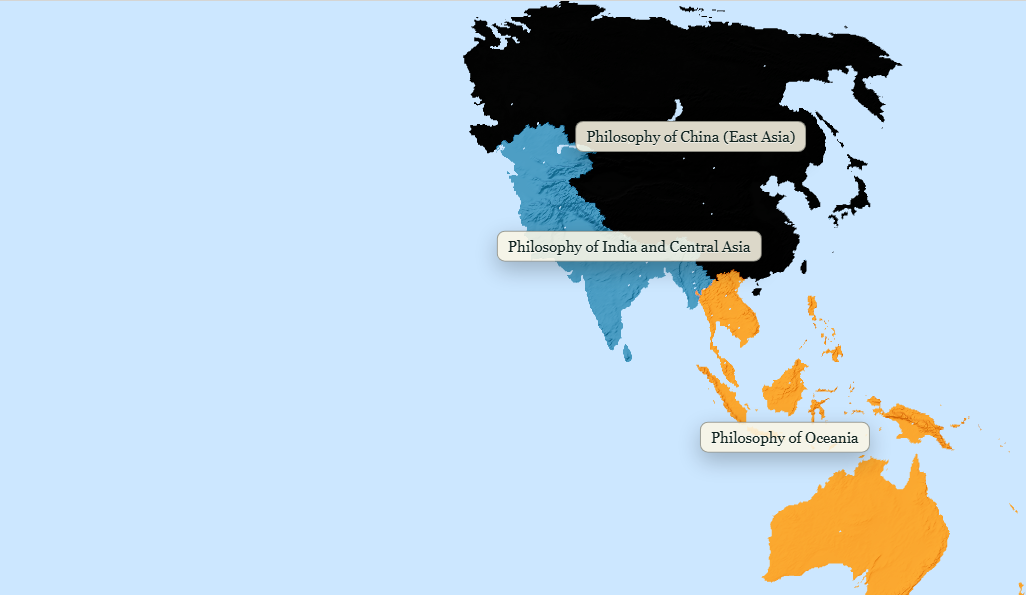
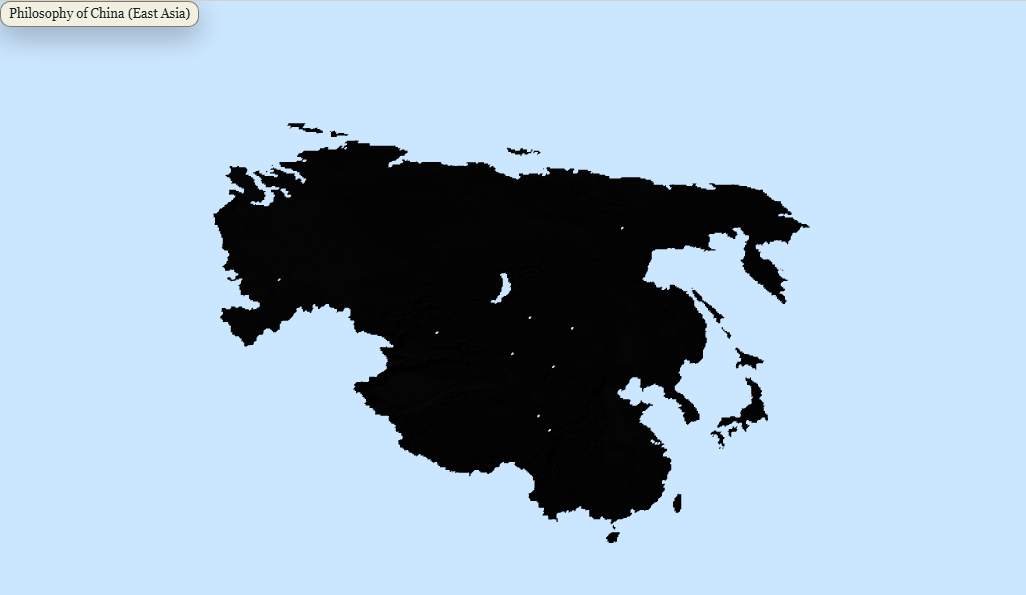
Structural Factors
- Shared Core Claims
- The Statecraft School holds that scholarship should serve ordered government and public need. Classical learning, historical inquiry, administrative knowledge, and practical policy should be joined to strengthen institutions and respond to concrete crises.
- Shared Methods
- The school uses historical geography, evidential scholarship, policy essays, memorial writing, institutional history, fiscal and military analysis, classical commentary, compilation, empirical observation, and comparative study of foreign states and technologies.
- Shared Lineage
- Statecraft thought develops from Confucian ideals of ordering the world, Song and Ming practical learning, Gu Yanwu, Huang Zongxi, Wang Fuzhi, Qing evidential scholarship, Gong Zizhen, Wei Yuan, Lin Zexu's policy circle, and late Qing reform currents.
- Shared Problems
- Central problems include dynastic decline, official corruption, fiscal strain, river conservancy, grain transport, salt administration, frontier defense, maritime threat, opium, foreign military pressure, bureaucratic inertia, and the relation between classical ideals and practical reform.
- Shared Vocabulary
- Key terms include jingshi, statecraft, practical learning, ordering the world, institutions, rites, law, administration, geography, frontier, defense, maritime affairs, evidence, classics, reform, governance, public utility, wealth, strength, and crisis.
- Shared Historical Context
- The Statecraft School became prominent in Qing China, especially during eighteenth- and nineteenth-century pressures on the empire, when scholars and officials sought practical remedies for institutional weakness and foreign challenge.
Defining Axes
- Doctrine
- Doctrinally, the school is defined by Confucian public responsibility, practical use of learning, institutional reform, historically grounded policy, administrative realism, and the claim that scholarship must answer the needs of the state and people.
- Method
- Its method is archival, empirical, and policy-oriented: gather records, compare institutions, study geography, analyze fiscal and military systems, write reform proposals, and connect classical norms to administrative action.
- Lineage
- The lineage runs from classical Confucian governance ideals through Song-Ming practical learning, Ming-Qing loyalist and evidential scholarship, Gu Yanwu, Huang Zongxi, Gong Zizhen, Wei Yuan, Lin Zexu, and late Qing self-strengthening reform.
- Subject Focus
- The school focuses on political philosophy, philosophy of governance, institutional design, administrative ethics, historical knowledge, geography, military policy, economic policy, classical hermeneutics, and reform under crisis.
- Geography / Culture
- Statecraft School thought is centered in late imperial Chinese literati, official, and Qing administrative culture, with attention to provinces, frontiers, maritime zones, Central Asia, Southeast Asia, and Western powers.
- Historical Reaction
- Statecraft thought reacts to perceived sterile textualism, dynastic decline, social disorder, fiscal and military breakdown, the Opium War, Western maritime expansion, and the need to convert scholarship into usable policy.
Internal Structure
- Foundational Texts
- Foundational texts include statecraft anthologies, Gu Yanwu's political and evidential writings, Huang Zongxi's Mingyi daifang lu, Gong Zizhen's essays, Wei Yuan's Haiguo tuzhi and Shengwu ji, Lin Zexu's dossiers, and late Qing reform writings.
- Core Vocabulary
- Core vocabulary includes government, order, world, utility, classics, evidence, institution, administration, finance, military, river, grain, salt, frontier, sea, foreign affairs, reform, wealth, strength, people, and public responsibility.
- Metaphysics
- Statecraft School thought is not primarily metaphysical; it assumes a Confucian moral-political order in which human institutions, historical circumstances, and practical governance must be aligned with public responsibility.
- Epistemology
- Its epistemology values usable knowledge: classical learning, historical evidence, geographical information, administrative records, direct observation, and comparative inquiry are judged by their capacity to guide action.
- Ethics
- Statecraft ethics centers on responsibility to the people, loyal service, public-minded scholarship, frugality, institutional integrity, practical benevolence, and the moral duty to address suffering and disorder.
- Method
- The school proceeds by diagnosing concrete problems, collecting evidence, reading classics historically, studying institutions, compiling policy knowledge, and proposing reforms that officials can apply.
- Internal Debates
- Internal debates concern the balance of classical orthodoxy and practical innovation, evidential scholarship and policy use, Chinese institutions and foreign knowledge, moral cultivation and administrative technique, and reform within or beyond inherited dynastic structures.
- Successors
- Successors include late Qing self-strengthening, reformist Confucianism, modern Chinese political thought, institutional reform discourse, nationalist state-building, and modern scholarship on Qing statecraft and practical learning.
External Classification Context
- History of Philosophy
- The Statecraft School is a major strand of late imperial Chinese practical philosophy, showing how Confucian learning, historical inquiry, and political reform were mobilized under institutional and geopolitical crisis.
- Philosophy of Philosophy
- The school treats philosophy as public service: learning is valuable when it clarifies institutions, repairs governance, and turns moral insight into usable action.
- Intellectual History
- The tradition links Confucian classics, Qing evidential scholarship, literati official culture, frontier studies, maritime geography, Opium War crisis, state reform, and nineteenth-century Chinese encounters with global power.
- University Classification
- Classify Statecraft School under Chinese philosophy, Confucianism, political philosophy, history of political thought, Qing intellectual history, practical learning, administrative ethics, and East Asian intellectual history.
- Classical Sources
- Classical sources include Confucian classics, dynastic histories, institutional compendia, statecraft anthologies, Qing evidential scholarship, Wei Yuan's writings, Gong Zizhen's essays, and policy documents around Lin Zexu and the Opium War.
- Sociology of Knowledge
- Statecraft School thought spread through literati networks, official memorials, private academies, policy anthologies, manuscript and print circulation, provincial administration, reform circles, and later historical scholarship.
Linked Philosophers
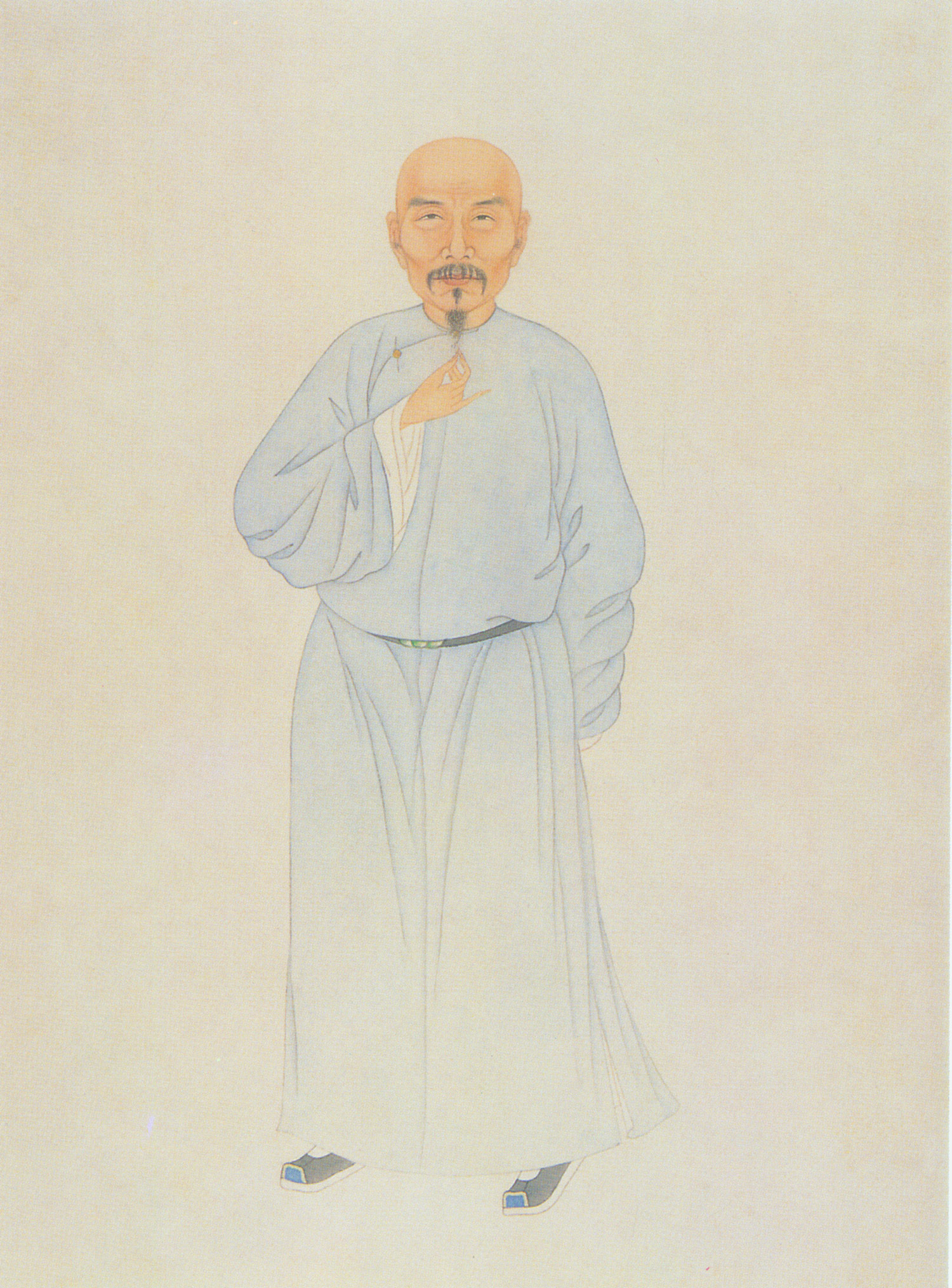
Wei Yuan
1794 CE – 1857 CE
Shaoyang, Hunan, Qing China
Late Qing Chinese statecraft thinker, historian, and geographer whose works joined Confucian practical learning, maritime defense, foreign geography, and reform-minded strategies for learning from foreign powers.