Philosophy School
Twelver Shiʿi Philosophy
Islamic philosophical and theological tradition rooted in Twelver Shiʿi doctrines of imamate, occultation, rational kalām, law, ethics, Avicennan philosophy, Illuminationism, and later Safavid and post-Safavid metaphysical synthesis.
Period
Medieval History500 CE – 1499 CE
Era
High Medieval1000 CE – 1299 CE
Begin
1201 CE
End
1274 CE

Structural Factors
- Shared Core Claims
- Twelver Shiʿi Philosophy holds that divine guidance continues through the line of twelve Imams, that reason and revelation cooperate in theology, and that metaphysics, ethics, law, and spiritual authority are shaped by imamate and occultation.
- Shared Methods
- The school uses kalām argument, Qurʾanic and hadith interpretation, uṣūl al-fiqh, Avicennan demonstration, ethical treatise, commentary, disputation, philosophical theology, and later synthesis with Illuminationist and mystical metaphysics.
- Shared Lineage
- The lineage runs from early Shiʿi teaching on imamate through Twelver kalām, al-Mufīd, al-Murtaḍā, al-Ṭūsī, Naṣīr al-Dīn al-Ṭūsī, al-ʿAllāma al-Ḥillī, Safavid philosophers, the School of Isfahan, Mullā Ṣadrā, and later seminarian philosophy.
- Shared Problems
- Central problems include imamate, divine justice, occultation, authority, reason and revelation, prophecy, eschatology, free will, law, ethics, metaphysics of being, Avicennan inheritance, and the relation between philosophy and Shiʿi theology.
- Shared Vocabulary
- Key terms include imāma, walāya, ghayba, ʿaql, naql, kalām, uṣūl, fiqh, ʿadl, nubuwwa, maʿād, ijtihād, marjaʿiyya, ḥikma, wujūd, tashkīk, maʿṣūm, ḥadīth, and wilāyat.
- Shared Historical Context
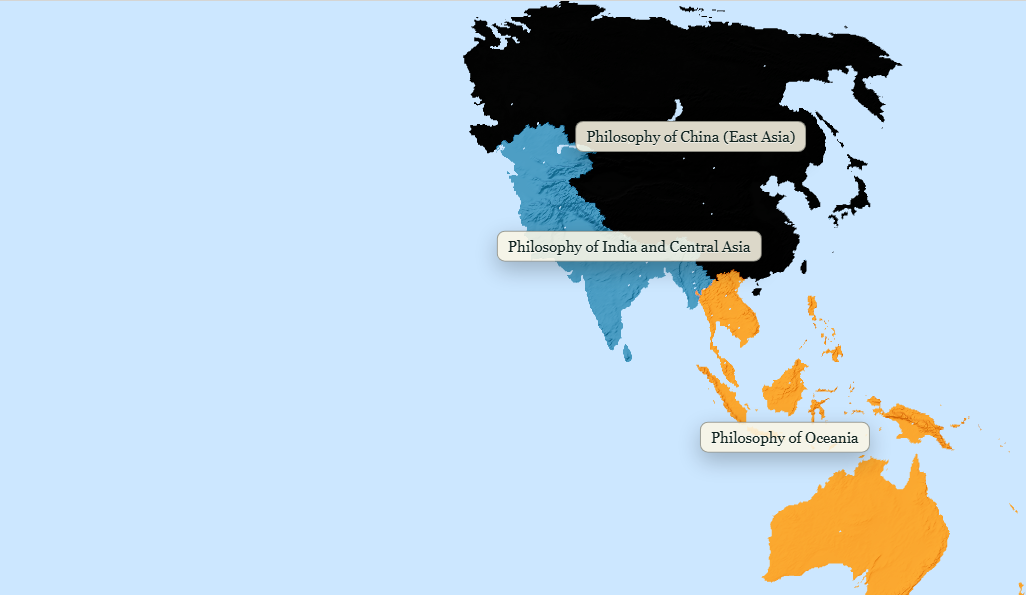
- Twelver Shiʿi philosophy developed across Iraq, Iran, and wider Persianate Islam, especially through medieval kalām, Mongol-era scholarship, Safavid state formation, Isfahan philosophy, and modern seminary and university contexts.
Defining Axes
- Doctrine
- Doctrinally, the school is defined by imamate, occultation, divine justice, rational theology, scriptural authority, jurisprudential reasoning, and the philosophical integration of Avicennan, Illuminationist, and Ṣadrian metaphysics.
- Method
- Its method combines rational proof, textual interpretation, legal-theological analysis, commentary on classical philosophical texts, ethical synthesis, debate with Sunni kalām and philosophy, and later metaphysical system-building.
- Lineage
- The lineage runs from early Imami Shiʿi theology through medieval Baghdad and Hillah scholarship to Naṣīr al-Dīn al-Ṭūsī, ʿAllāma al-Ḥillī, Safavid Isfahan, Mullā Ṣadrā, Qajar and Najaf seminaries, and modern Shiʿi philosophical theology.
- Subject Focus
- Twelver Shiʿi Philosophy focuses on theology, metaphysics, ethics, political authority, jurisprudence, epistemology, philosophy of religion, eschatology, scriptural interpretation, and the place of reason in religious life.
- Geography / Culture
- The school is centered in Iraq, Iran, and Persianate scholarly networks, with major intellectual centers in Baghdad, Hillah, Ṭūs, Najaf, Qom, Isfahan, Mashhad, and later global Shiʿi seminarian communities.
- Historical Reaction
- Twelver Shiʿi thought responds to Sunni kalām, Muʿtazilism, Ashʿarism, Ismāʿīlī philosophy, Avicennan philosophy, Mongol-era political rupture, Safavid confessionalization, and modern debates over authority and reason.
Internal Structure
- Foundational Texts
- Foundational texts include Shiʿi hadith collections, works of al-Mufīd and al-Murtaḍā, al-Ṭūsī's theological and legal writings, Naṣīr al-Dīn al-Ṭūsī's Tajrīd al-iʿtiqād and Akhlāq-i Nāṣirī, ʿAllāma al-Ḥillī's commentaries, and later Ṣadrian works.
- Core Vocabulary
- Core vocabulary includes Imam, occultation, authority, guardianship, justice, reason, transmission, theology, jurisprudence, proof, demonstration, soul, being, substance, accident, essence, existence, resurrection, law, ethics, and wisdom.
- Metaphysics
- Twelver Shiʿi metaphysics often works through Avicennan and later Ṣadrian categories, analyzing being, essence, soul, causation, resurrection, divine unity, immaterial intellect, and the metaphysical meaning of guidance and authority.
- Epistemology
- Its epistemology combines reason, transmitted report, juristic principles, philosophical demonstration, trustworthy authority, and seminary debate over certainty, probability, testimony, and rational obligation.
- Ethics
- Twelver Shiʿi ethics links virtue, justice, spiritual discipline, communal obligation, jurisprudence, imamate, and philosophical accounts of the soul, with Naṣīr al-Dīn al-Ṭūsī's ethical synthesis as a major classical model.
- Method
- The school proceeds through theological proof, legal reasoning, commentary, systematic treatise, comparison with rival schools, preservation of transmitted teachings, and integration of philosophy into Shiʿi intellectual life.
- Internal Debates
- Internal debates concern the balance of reason and transmission, Akhbārī versus Uṣūlī method, philosophy's legitimacy, political authority during occultation, the scope of ijtihād, and the relation between kalām, falsafa, and ʿirfān.
- Successors
- Successors include Safavid and post-Safavid Islamic philosophy, the School of Isfahan, Ṣadrian philosophy, modern Qom and Najaf philosophical theology, Shiʿi political thought, and contemporary Islamic philosophy.
External Classification Context
- History of Philosophy
- Twelver Shiʿi Philosophy is a major Islamic philosophical-theological tradition linking imamate, rational theology, Avicennan metaphysics, ethics, jurisprudence, and later Iranian Islamic philosophy.
- Philosophy of Philosophy
- The school treats philosophy as disciplined rational inquiry in service of theological truth, ethical formation, and the interpretation of divine guidance under conditions of historical absence and authority.
- Intellectual History
- The tradition links medieval kalām, Shiʿi hadith and law, Mongol-era scholarship, Persian ethical literature, Safavid philosophy, seminary disputation, and modern Islamic philosophical renewal.
- University Classification
- Classify Twelver Shiʿi Philosophy under Islamic philosophy, Shiʿi studies, philosophy of religion, theology, ethics, political theology, jurisprudence, metaphysics, Persianate intellectual history, and medieval philosophy.
- Classical Sources
- Classical sources include Twelver hadith collections, works by al-Mufīd, al-Murtaḍā, al-Ṭūsī, Naṣīr al-Dīn al-Ṭūsī, ʿAllāma al-Ḥillī, Safavid philosophical texts, Mullā Ṣadrā, and later seminary commentaries.
- Sociology of Knowledge
- Twelver Shiʿi philosophy survives through seminaries, jurist networks, manuscript copying, commentary traditions, shrine-city scholarship, Persian and Arabic teaching, state patronage, modern universities, and transnational Shiʿi communities.
Linked Philosophers
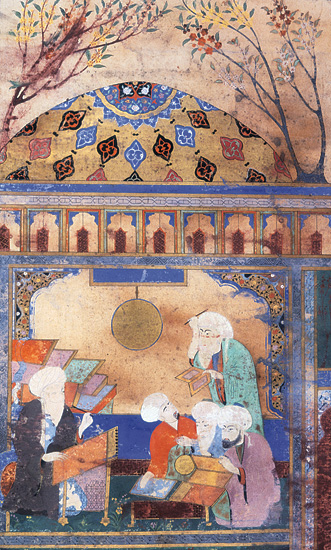
Nasir al-Din al-Tusi
1201 CE – 1274 CE
Tus, Khorasan
Persian polymath of Avicennism, Shi i theology, ethics, logic, mathematics, astronomy, Maragha Observatory, the Tusi couple, and Ilkhanid scholarship.