Vaisheshika
Classical Indian realist and atomist school associated with Kaṇāda and Praśastapāda, analyzing reality through categories, substances, qualities, motion, universals, inherence, particularity, atoms, selves, and liberation through true knowledge.
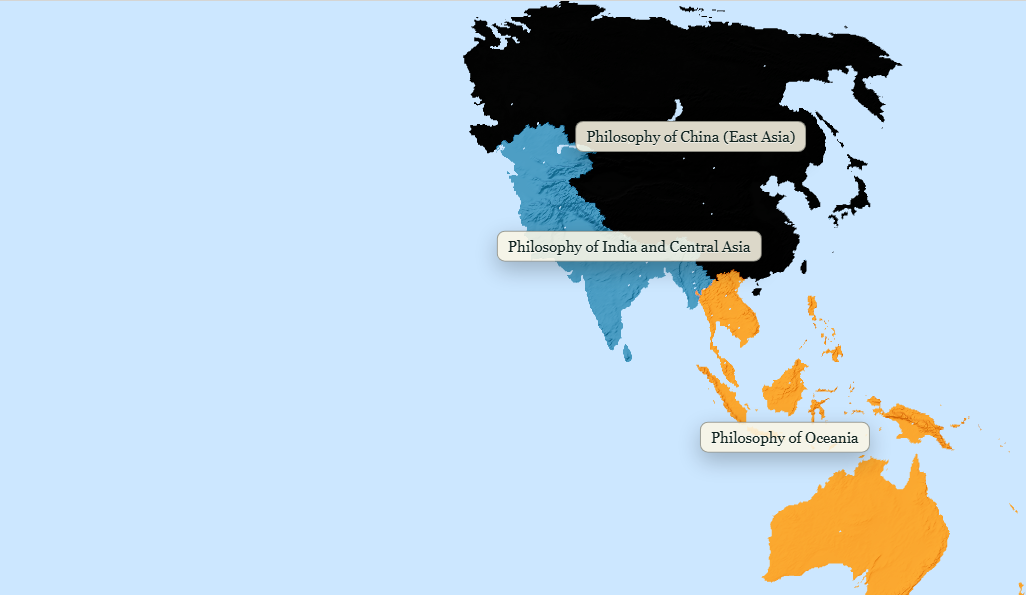
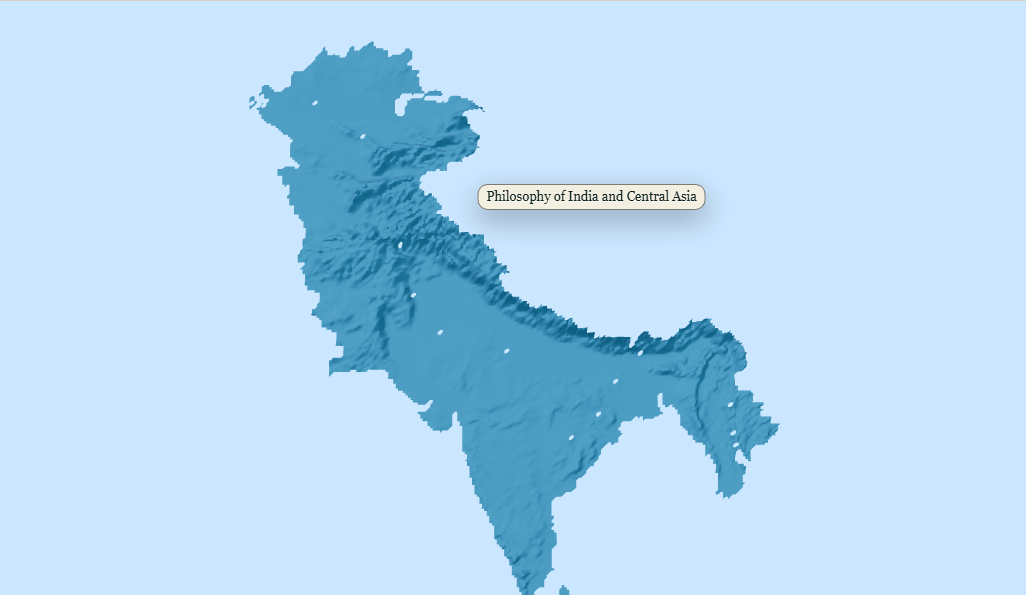
Structural Factors
- Shared Core Claims
- Vaisheshika holds that reality can be classified into fundamental categories and that objects, selves, atoms, qualities, actions, universals, inherence, and particularities are real. Liberation depends on true knowledge of these categories and release from karmic bondage.
- Shared Methods
- The school uses aphoristic sutra, categorical analysis, ontology, inference, realist metaphysics, commentary, definition, enumeration, debate with Buddhist and Jain rivals, and later Nyaya-Vaisheshika epistemological synthesis.
- Shared Lineage
- Vaisheshika begins with Kaṇāda's Vaisheshika Sutra, is systematized by Praśastapāda's Padārthadharmasaṅgraha, and develops through commentaries by Vyomaśiva, Śrīdhara, Udayana, Śaṅkara Miśra, and later Nyaya-Vaisheshika scholastics.
- Shared Problems
- Central problems include what exists, how substances bear qualities, how atoms combine, how universals and particulars are real, how inherence connects entities, how selves know, and how correct metaphysical knowledge supports liberation.
- Shared Vocabulary
- Key terms include padārtha, dravya, guṇa, karma, sāmānya, viśeṣa, samavāya, abhāva, paramāṇu, ātman, manas, ākāśa, kāla, dik, pṛthivī, ap, tejas, vāyu, adṛṣṭa, dharma, and mokṣa.
- Shared Historical Context
- Vaisheshika emerged as one of the six orthodox Indian darśanas, developed an early atomist and categorical metaphysics, and later merged closely with Nyaya in a shared realist school of logic, epistemology, and ontology.
Defining Axes
- Doctrine
- Doctrinally, Vaisheshika is defined by padārtha classification, atomism, realism about substances and qualities, universals, particularity, inherence, selves, unseen karmic force, and liberation through true knowledge.
- Method
- Its method is analytical and classificatory: identify categories, define substances and qualities, distinguish relations, explain composition, infer unseen entities, and defend realism through argument and commentary.
- Lineage
- The lineage runs from Kaṇāda and the Vaisheshika Sutra through Praśastapāda, Vyomaśiva, Śrīdhara, Udayana, Śaṅkara Miśra, and later Nyaya-Vaisheshika thinkers who integrated ontology with epistemology and theism.
- Subject Focus
- Vaisheshika focuses on metaphysics, ontology, atomism, substance theory, categories, universals, relations, philosophy of nature, epistemology, self, liberation, and debates over realism.
- Geography / Culture
- Vaisheshika developed in classical South Asian Sanskrit intellectual culture and circulated through Brahmanical scholastic, Nyaya, Buddhist, Jain, and later Hindu philosophical debate.
- Historical Reaction
- Vaisheshika responds to ritual, cosmological, and metaphysical questions in early Indian philosophy and later develops in debate with Buddhism, Jainism, Samkhya, Mimamsa, Vedanta, and Nyaya.
Internal Structure
- Foundational Texts
- Foundational texts include the Vaisheshika Sutra, Praśastapāda's Padārthadharmasaṅgraha, Vyomavatī, Nyāyakandalī, Kiraṇāvalī, Upaskāra, and later Nyaya-Vaisheshika commentarial works.
- Core Vocabulary
- Core vocabulary includes category, substance, quality, action, universal, particularity, inherence, absence, atom, self, mind, space, time, direction, earth, water, fire, air, ether, unseen force, merit, demerit, and liberation.
- Metaphysics
- Vaisheshika metaphysics treats the world as composed of real substances bearing qualities and motions, with eternal atoms, selves, space, time, direction, ether, and mind forming an ordered realist ontology.
- Epistemology
- Vaisheshika originally emphasizes perception and inference, later absorbing Nyaya's fuller pramāṇa theory while treating true cognition of categories as essential for metaphysical understanding and liberation.
- Ethics
- Vaisheshika ethics links action, merit, demerit, karmic residue, unseen force, suffering, and liberation, treating correct knowledge and disciplined life as conditions for release from bondage.
- Method
- The school proceeds through sutra statements, category lists, definition, commentary, examples, inferential defense, comparison with rival systems, and increasingly technical Nyaya-Vaisheshika scholastic argument.
- Internal Debates
- Internal debates concern the number of categories, the status of absence, the nature of inherence, the role of God, the relation to Nyaya, the reality of universals, and how atoms combine into perceptible objects.
- Successors
- Successors include Nyaya-Vaisheshika scholasticism, Navya-Nyaya realism, Indian theories of substance and universals, comparative atomism, and modern scholarship on Indian metaphysics and philosophy of science.
External Classification Context
- History of Philosophy
- Vaisheshika is a major Indian realist school and one of the clearest classical attempts to build a systematic ontology of substances, qualities, relations, atoms, selves, and categories.
- Philosophy of Philosophy
- Vaisheshika treats philosophy as analytic classification of what exists: liberation and understanding require disciplined knowledge of reality's basic categories.
- Intellectual History
- The tradition links early Indian atomism, Sanskrit scholastic taxonomy, Nyaya epistemology, Buddhist and Jain debates over realism, and later Indian discussions of ontology and natural philosophy.
- University Classification
- Classify Vaisheshika under Indian philosophy, metaphysics, ontology, atomism, philosophy of nature, philosophy of science, epistemology, Hindu philosophy, and history of categories.
- Classical Sources
- Classical sources include the Vaisheshika Sutra, Praśastapāda's Padārthadharmasaṅgraha, Nyāyakandalī, Vyomavatī, Kiraṇāvalī, Upaskāra, Nyaya texts, and Buddhist and Jain critiques of Vaisheshika realism.
- Sociology of Knowledge
- Vaisheshika survived through Sanskrit commentary, scholastic debate, manuscript copying, Nyaya integration, monastic and courtly learning, colonial translation, university study, and modern comparative philosophy.
Linked Philosophers
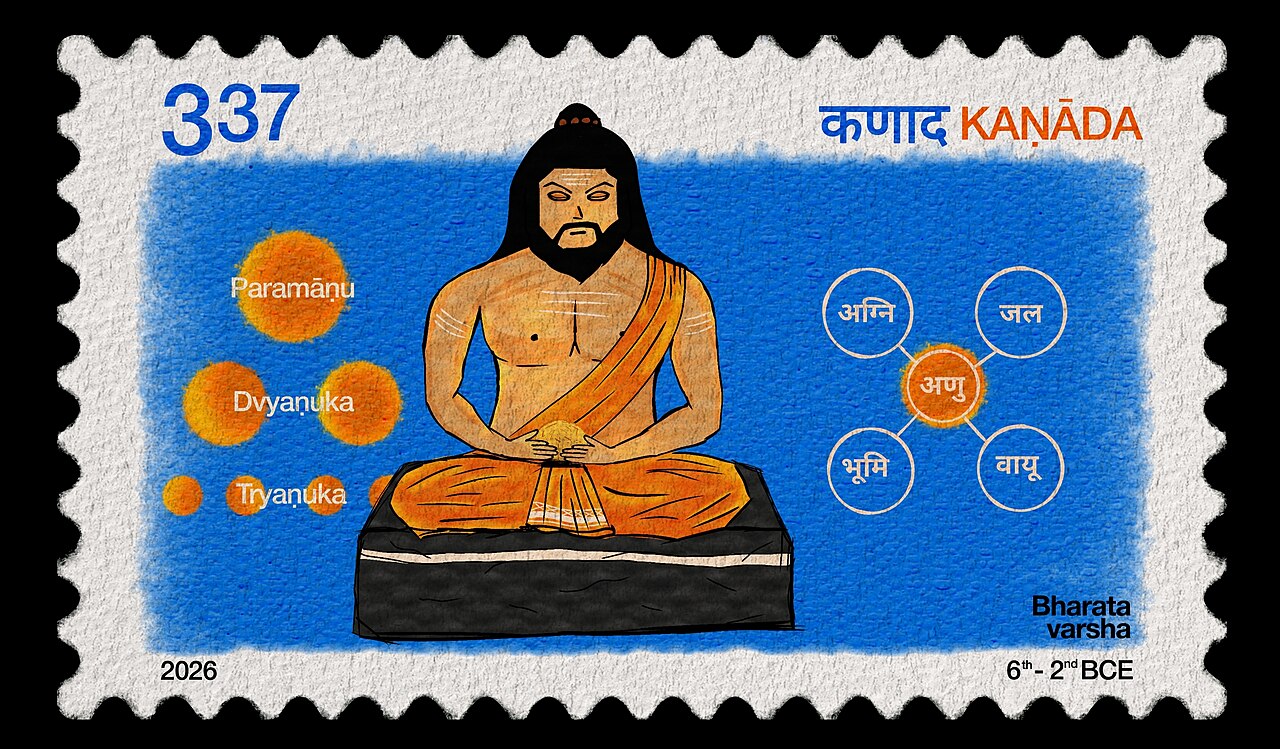
Kaṇāda (Ulūka)
100 CE – 200 CE
probably northern India or the Indo-Gangetic region; exact birthplace unknown
Early Vaiśeṣika philosopher traditionally credited with the Vaiśeṣika Sūtra, where atomism, substances, qualities, motion, universals, inherence, dharma, and liberation are organized into a realist category system.
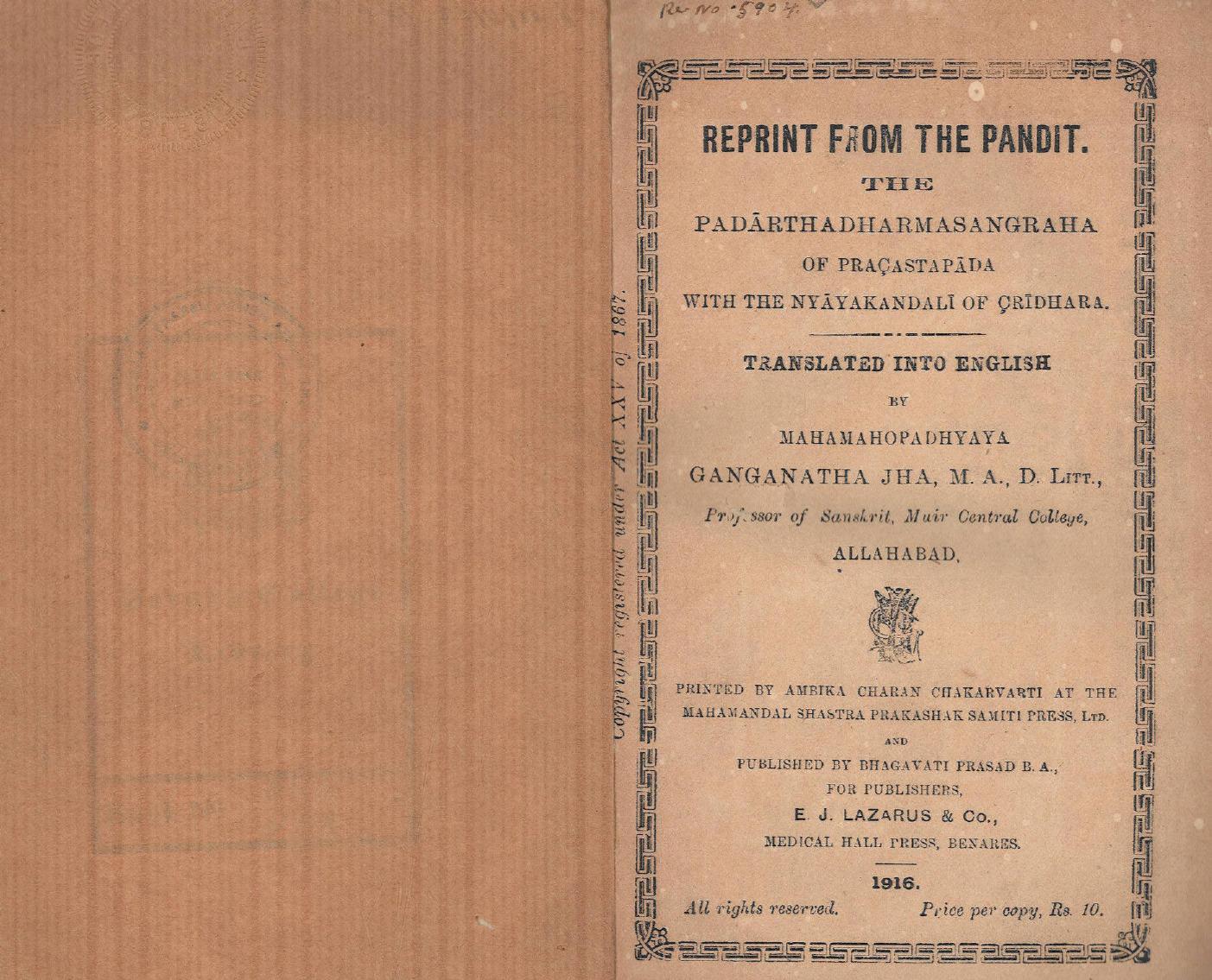
Prasastapada
530 CE – 560 CE
Indo-Gangetic region (Vaisheshika scholasticism)
Vaisheshika scholastic philosopher of Padartha Dharma Sangraha, Prasastapada Bhashya, padartha taxonomy, substance, quality, motion, universal, particularity, inherence, pramana, atomism, and Nyaya-Vaisheshika realism.