Vedic Tradition
Early Indo-Aryan Sanskrit tradition of revealed Vedic hymns, ritual recitation, priestly lineages, cosmic order, sacrificial practice, seer-poets, oral transmission, and the textual background from which later Indian philosophy emerged.
Structural Factors
- Shared Core Claims
- The Vedic Tradition treats sacred speech, ritual order, cosmic truth, and inherited recitation as authoritative ways of sustaining relations among humans, gods, ancestors, natural powers, and the ordered world.
- Shared Methods
- The tradition uses oral memorization, metrical hymnody, sacrificial performance, priestly specialization, mantra recitation, genealogical attribution, ritual exegesis, cosmological speculation, and commentary through Brahmana, Aranyaka, and Upanishadic layers.
- Shared Lineage
- Vedic tradition runs through rishi lineages and family hymn collections associated with figures such as Agastya, Atri, Bharadvāja, Dīrghatamas, Gṛtsamada, Kaṇva, Kutsa, Prajapati, and Viśvāmitra, then through Brahmana, Shrauta, and later Vedic schools.
- Shared Problems
- Central problems include how speech has sacred force, how sacrifice sustains order, how hymns address divine powers, how ritual knowledge is transmitted, how seers know, and how ritual cosmology turns toward later questions of self, being, and liberation.
- Shared Vocabulary
- Key terms include Veda, shruti, rishi, mantra, sukta, yajna, rta, brahman, deva, soma, agni, indra, hotr, adhvaryu, udgatr, brahmana, aranyaka, upanishad, gotra, chandas, svaha, and dakshina.
- Shared Historical Context
- Vedic tradition belongs to the second and first millennia BCE Indo-Gangetic and northwestern South Asian world, with orally preserved Sanskrit hymns, ritual schools, priestly families, and later philosophical transformations in the Upanishads and darshanas.
Defining Axes
- Doctrine
- Doctrinally, the school is defined by sacred speech, ritual efficacy, cosmic order, seer authority, sacrificial reciprocity, divine address, and the gradual movement from hymn and rite toward metaphysical reflection.
- Method
- Its method is oral, liturgical, and exegetical: memorize precisely, recite metrically, perform ritually, preserve lineage, classify texts, interpret sacrificial meaning, and extend ritual insight into cosmological and philosophical thought.
- Lineage
- The lineage runs from Rigvedic seer-poets and family hymn collections through Vedic ritual specialists, Brahmana exegetes, Aranyaka speculation, early Upanishadic teachers, Mimamsa defense of Vedic authority, and later Hindu philosophical reception.
- Subject Focus
- The school focuses on sacred language, ritual, cosmology, divine powers, moral and cosmic order, oral transmission, priestly knowledge, proto-metaphysics, hermeneutics, and the formation of later Indian philosophical vocabulary.
- Geography / Culture
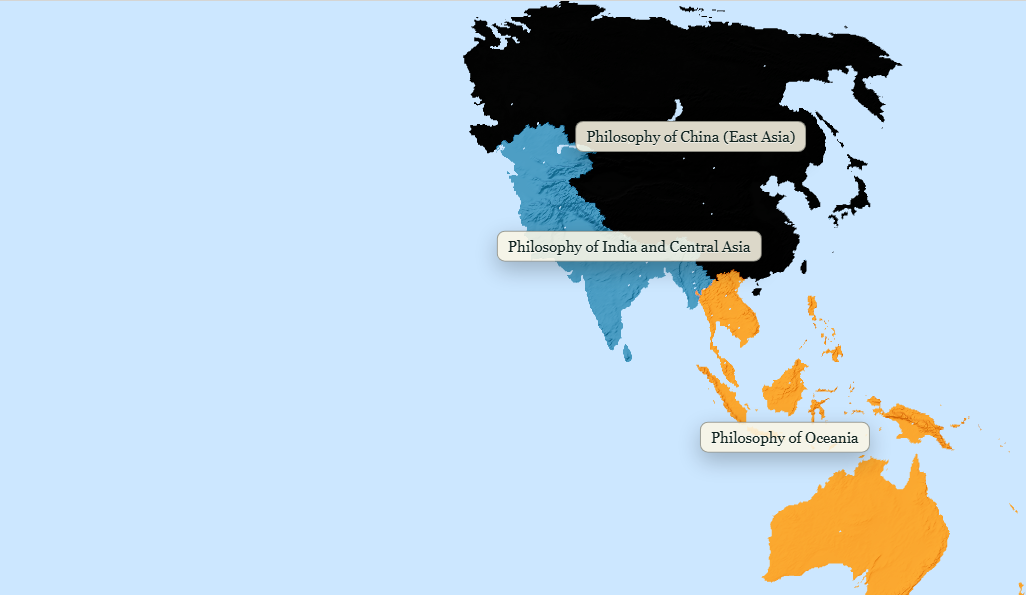
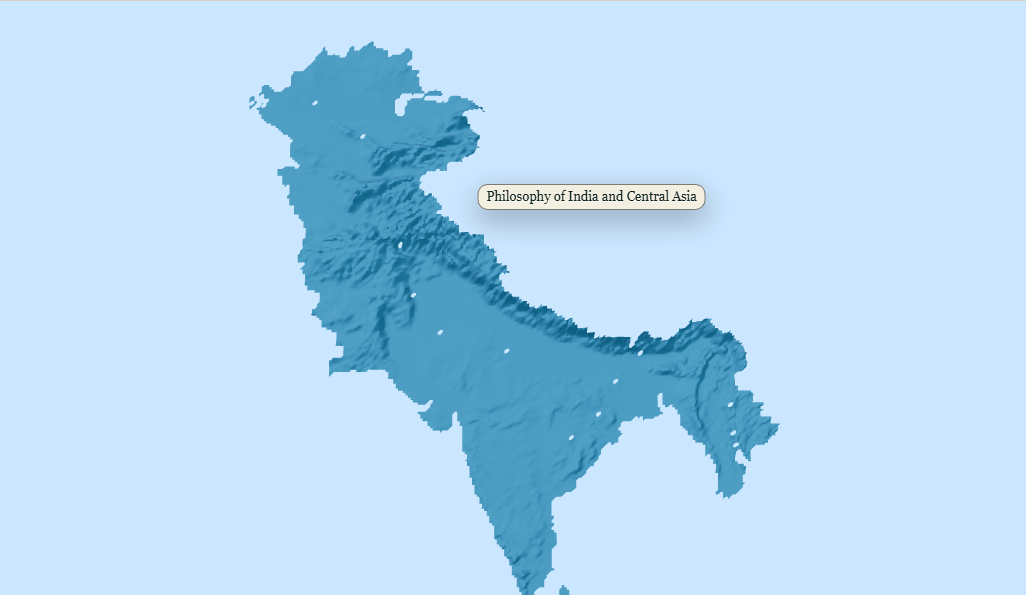
- Vedic tradition developed in ancient South Asian Indo-Aryan communities, especially northwestern and Indo-Gangetic regions, and circulated through Sanskrit oral lineages, ritual schools, and later Hindu textual culture.
- Historical Reaction
- Vedic tradition precedes and frames later Indian philosophical debates, while later Upanishadic, Mimamsa, Vedanta, Buddhist, Jain, and materialist traditions respond to its claims about authority, ritual, speech, self, and liberation.
Internal Structure
- Foundational Texts
- Foundational texts include the Rigveda, Samaveda, Yajurveda, Atharvaveda, Brahmanas, Aranyakas, early Upanishads, Shrauta materials, and preserved rishi-attributed hymn cycles.
- Core Vocabulary
- Core vocabulary includes revelation, hearing, hymn, seer, speech, meter, fire, offering, sacrifice, order, truth, priest, chant, formula, lineage, recitation, god, soma, breath, self, world, and cosmic origin.
- Metaphysics
- Vedic metaphysics begins with ritual and poetic accounts of cosmic order, divine agency, fire, speech, sacrifice, origin hymns, and the interdependence of visible rites and invisible powers.
- Epistemology
- Vedic epistemology privileges heard revelation, memorized transmission, inspired seeing, ritual expertise, correct recitation, and inherited authority, while also opening space for speculation about knowledge, speech, and reality.
- Ethics
- Vedic ethics centers on ritual obligation, truthfulness, generosity, hospitality, lineage duty, priestly discipline, respect for cosmic order, and the moral weight of correct speech and action.
- Method
- The school proceeds through oral preservation, teacher-student transmission, ritual specialization, hymn attribution, recitation rules, sacrificial manuals, exegetical prose, and inherited interpretive communities.
- Internal Debates
- Internal debates concern the relation between hymn and ritual, gods and cosmic principles, speech and meaning, sacrificial action and knowledge, priestly roles, textual layers, and the transition from Vedic rite to Upanishadic speculation.
- Successors
- Successors include Brahmanical ritual schools, Mimamsa, Vedanta, Upanishadic philosophy, Sanskrit grammar, Hindu theology, later epic and Puranic reception, and modern scholarship on Vedic literature and religion.
External Classification Context
- History of Philosophy
- Vedic tradition is the deep textual and ritual background for much Indian philosophy, providing vocabulary, authority claims, cosmological motifs, and early questions that later darshanas reinterpret or contest.
- Philosophy of Philosophy
- Vedic tradition treats knowing as preserved, recited, enacted, and inherited: philosophy begins within disciplined speech, ritual practice, and the authority of transmitted insight.
- Intellectual History
- The tradition links oral textual preservation, Sanskrit philology, ritual specialization, family lineages, early South Asian religion, Upanishadic metaphysics, and later debates over scriptural authority.
- University Classification
- Classify Vedic Tradition under ancient Indian philosophy, Vedic studies, Hindu studies, Sanskrit literature, philosophy of religion, ritual theory, hermeneutics, oral tradition, and intellectual history.
- Classical Sources
- Classical sources include the four Vedas, Brahmanas, Aranyakas, early Upanishads, Shrauta and Grihya materials, rishi-attributed hymns, and later Mimamsa and Vedanta discussions of Vedic authority.
- Sociology of Knowledge
- Vedic tradition survives through oral recitation lineages, priestly families, ritual schools, memorization disciplines, manuscript preservation, Sanskrit pedagogy, temple and household practice, and modern philological scholarship.
Linked Philosophers
Agastya
1500 BCE – 1200 BCE
Southern peninsular India (traditional)
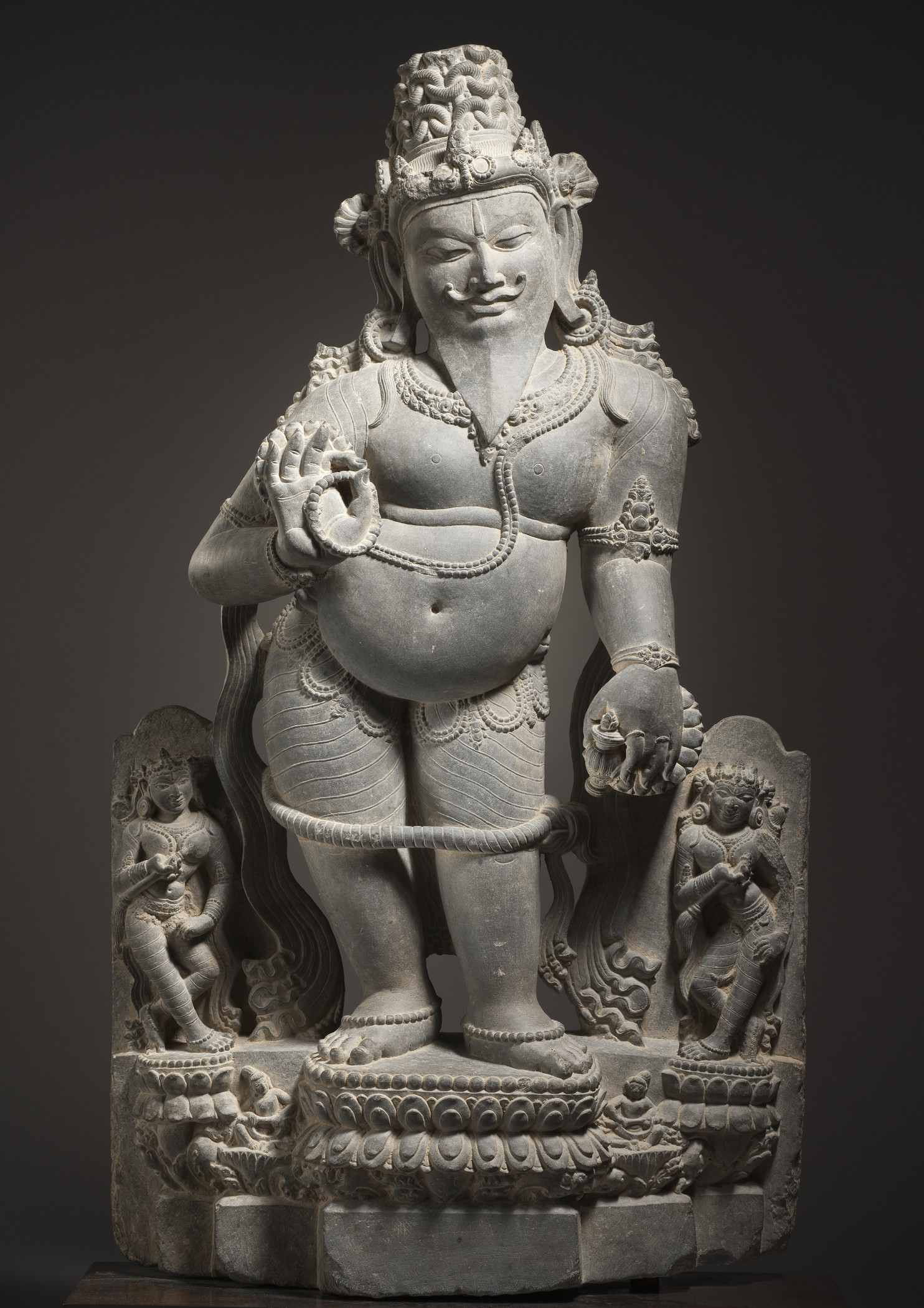
Vedic and pan-Indian sage whose broad tradition links hymnic authority, ascetic discipline, grammar, natural knowledge, and religious philosophy.
Atri
1500 BCE – 1200 BCE
Indo-Gangetic region (Vedic heartland)
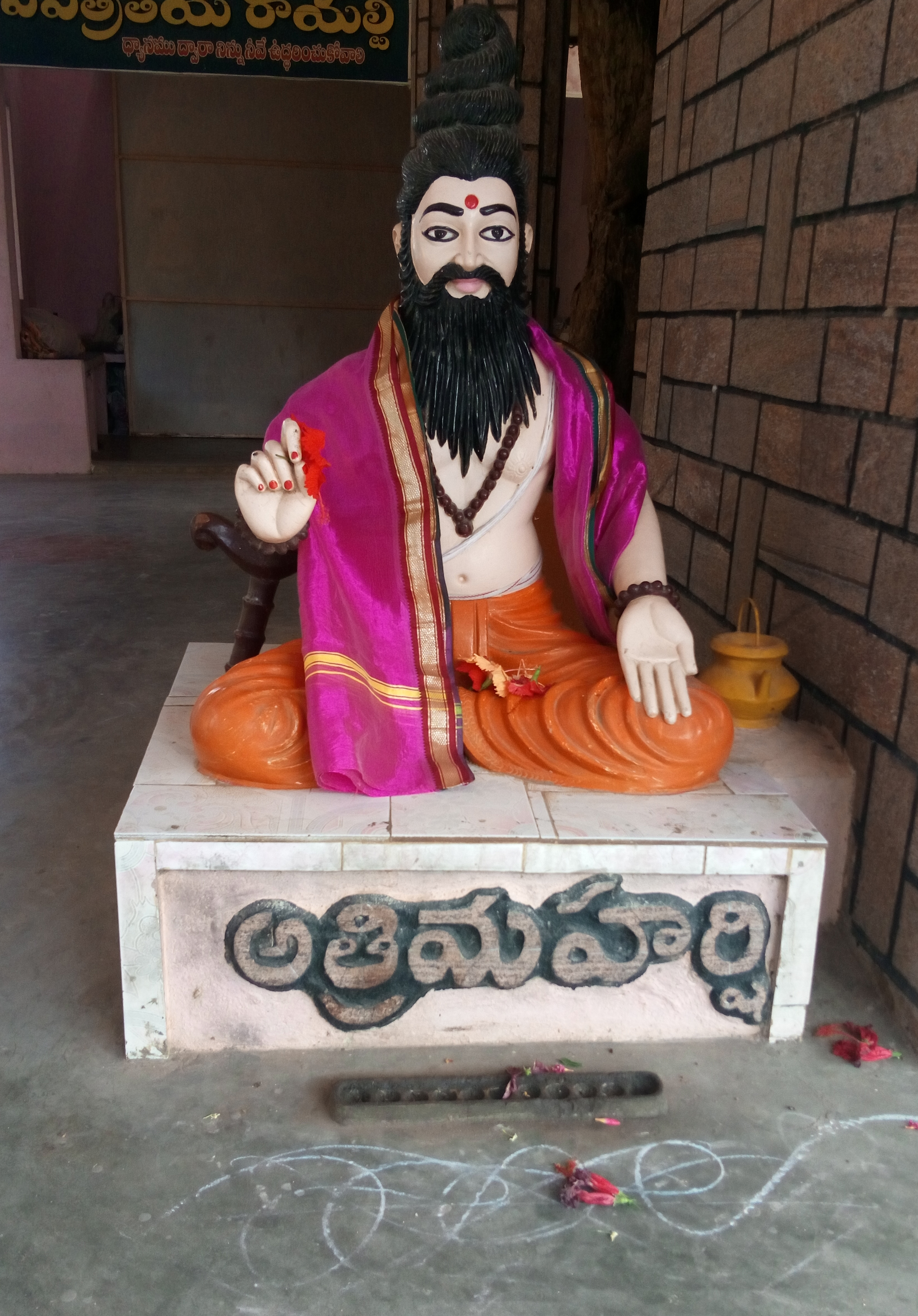
Vedic rishi and Atreya-lineage seer associated with Rigveda Mandala 5 whose hymns join ritual praise, cosmic order, truth, healing, restraint, compassion, natural observation, and Vedic theology.
Bharadvāja
1280 BCE – 1200 BCE
Indo-Gangetic region (traditional)
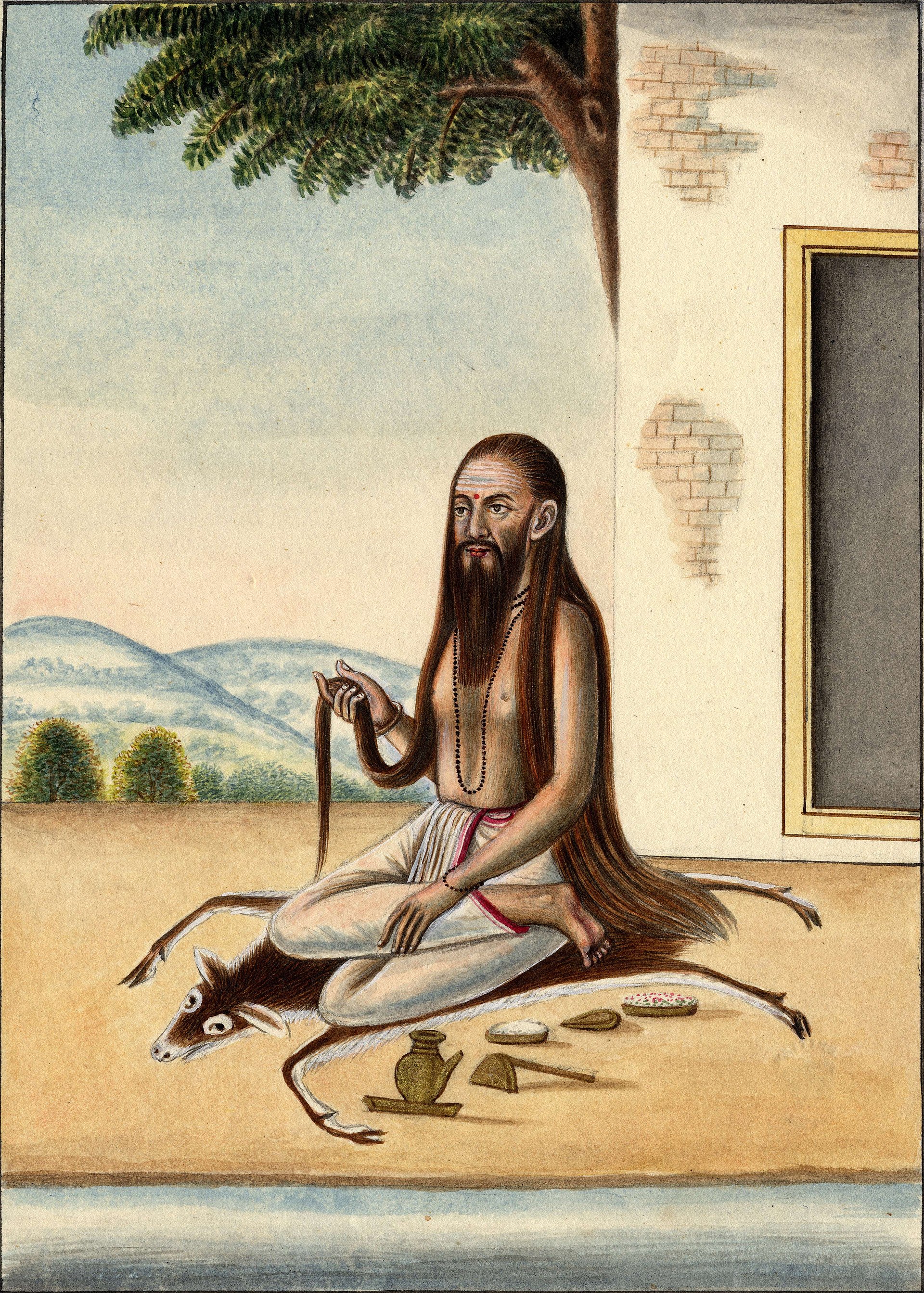
Vedic rishi and Bharadvāja-family seer associated with Rigveda Mandala 6 whose hymns to Agni, Indra, Sarasvatī, Pūṣan, the Aśvins, dawn, cosmic order, and ritual power shaped Vedic theology, sacred speech, sacrificial ethics, poetic knowledge, and early Indian philosophy of religion.
Dīrghatamas Āucathya
1135 BCE – 1065 BCE
Eastern Indo-Gangetic region (Anga tradition)
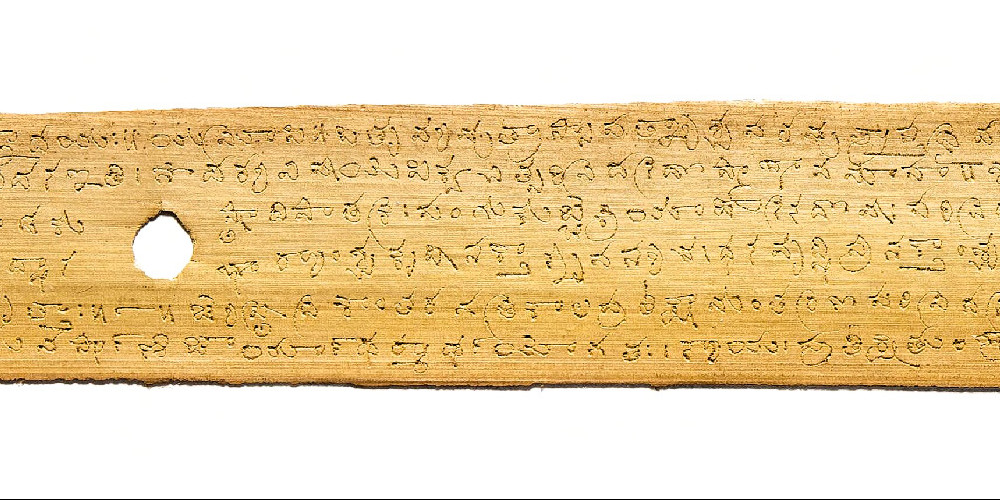
Rigvedic seer associated with hymns 1.140-1.164, especially the riddle-cosmology of 1.164, where speech, mind, number, divine multiplicity, and hidden order become philosophical poetry.

Gṛtsamada
1280 BCE – 1200 BCE
Indo-Gangetic region (Vedic tradition)
Rigvedic seer associated chiefly with the Mandala 2 hymn family, where sacred speech, rta, ritual knowledge, poetic form, and Vedic cosmology meet inside early Indian religious-philosophical reflection.
Kaṇva
1200 BCE – 1100 BCE
probably northern India or the Ganges-Yamuna/Mālinī river tradition; exact birthplace unknown
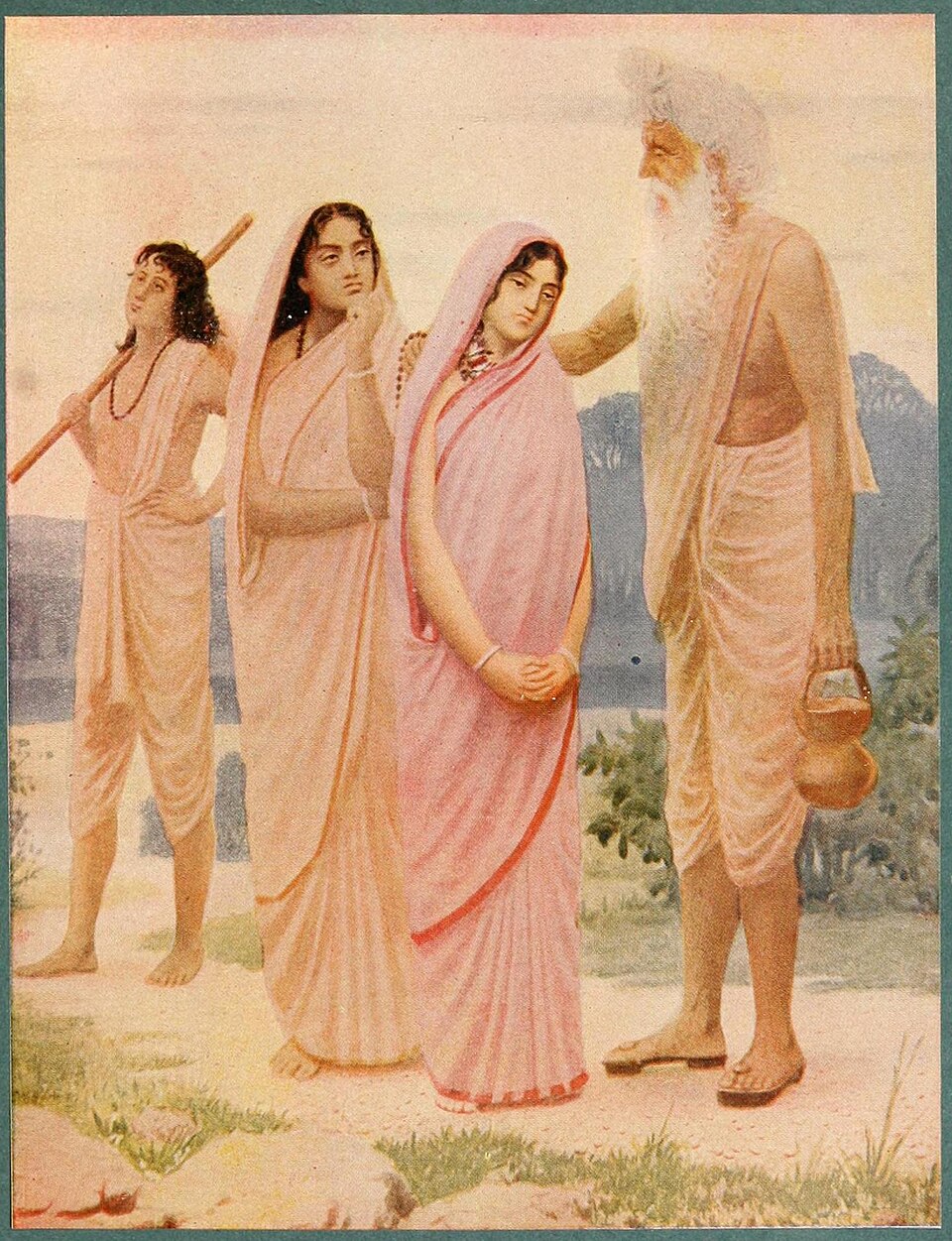
Vedic rishi and Kaṇva lineage figure associated with Rigvedic hymnody, sacred speech, ritual praise, Kāṇva transmission, and the Śakuntalā āśrama tradition.
Kutsa Āṅgirasa
1200 BCE – 1100 BCE
Indo-Gangetic region, exact birthplace unknown
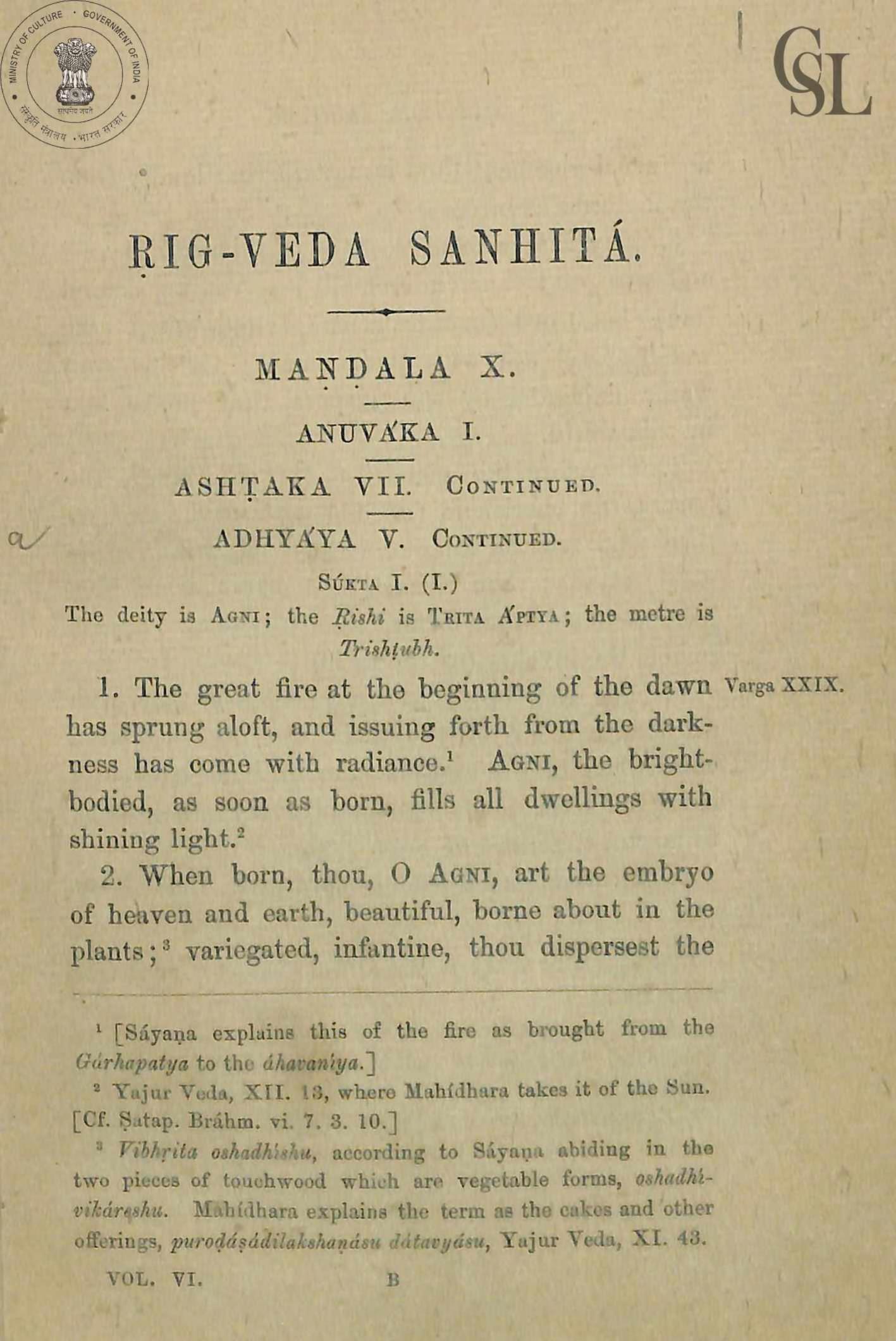
Vedic rishi and Āṅgirasa lineage figure associated with Rigvedic Indra hymnody, sacred speech, ritual praise, śruti transmission, and early Hindu religious philosophy.
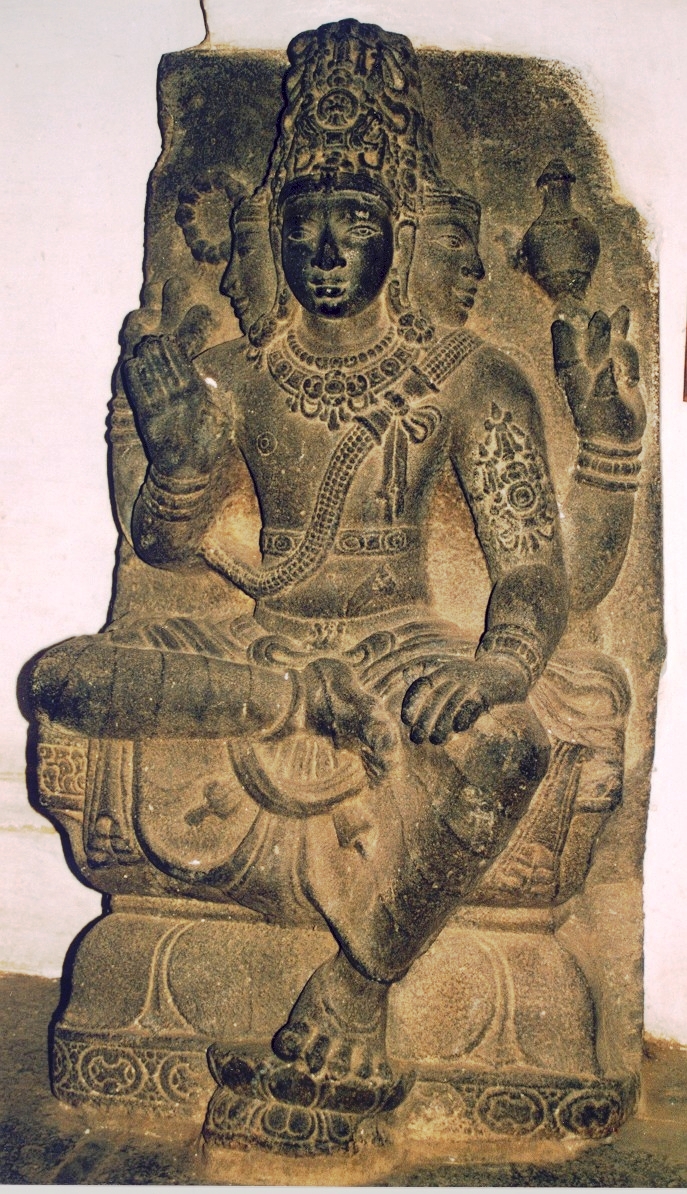
Prajapati
1200 BCE – 800 BCE
Indo-Gangetic Plain (Vedic tradition)
Vedic creator figure and lord of creatures whose profile joins Hiranyagarbha, Prajapati, tapas, Vac, yajna, sacrifice as creation, Brahmana ritual cosmology, Daksha, Brahma identification, and later Hindu reception.
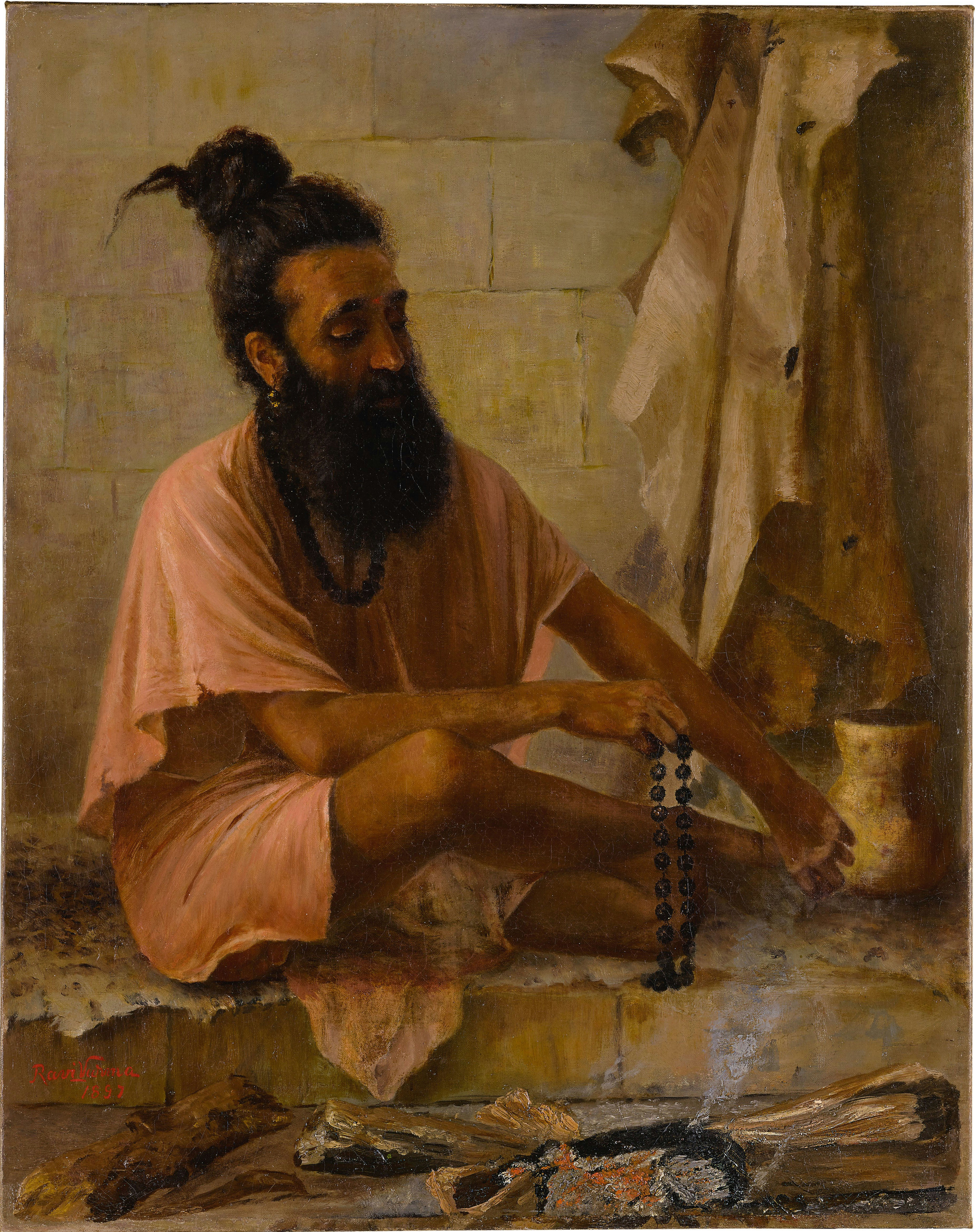
Viśvāmitra
1265 BCE – 1195 BCE
Rigvedic Bharata-Kuśika milieu; Vipāś-Śutudrī/Sarasvatī-Punjab horizon, exact birthplace unknown
Rigvedic rishi of the Bharata-Kuśika horizon whose Mandala 3 hymn blocks make mantra, sacred speech, ṛta, yajña, tapas, and divine-human mediation central to early Vedic ritual philosophy.