Philosophy School
Victorine School
Twelfth-century Parisian Augustinian school centered at the Abbey of Saint-Victor, joining liberal arts pedagogy, scriptural exegesis, sacramental theology, symbolic reading of creation, contemplative ascent, and scholastic-mystical formation.
Period
Medieval History500 CE – 1499 CE
Era
High Medieval1000 CE – 1299 CE
Begin
1096 CE
End
1141 CE

Structural Factors
- Shared Core Claims
- The Victorine School holds that learning, Scripture, created signs, moral discipline, and contemplation belong to one ordered path of restoration. Philosophy and the arts prepare the mind for theological understanding and spiritual ascent.
- Shared Methods
- The school uses monastic pedagogy, liberal arts classification, literal and spiritual exegesis, theological summae, diagrams, ark and temple imagery, sacramental analysis, meditative reading, and disciplined contemplative practice.
- Shared Lineage
- Victorine thought develops from Augustinian theology, Boethian arts classification, monastic reading, Pseudo-Dionysian hierarchy, William of Champeaux's Parisian setting, Hugh of St. Victor, Richard of St. Victor, Andrew of St. Victor, Achard, Godfrey, Walter, and Thomas Gallus.
- Shared Problems
- Central problems include how knowledge restores fallen humanity, how created things signify divine order, how Scripture should be read, how sacraments mediate salvation, and how reason, learning, affect, and contemplation cooperate.
- Shared Vocabulary
- Key terms include Didascalicon, discipline, lectio, memoria, sacrament, sign, ark, restoration, creation, contemplation, hierarchy, charity, literal sense, spiritual sense, liberal arts, mechanical arts, theology, exegesis, and wisdom.
- Shared Historical Context
- The Victorine School flourished in twelfth-century Paris at the Abbey of Saint-Victor, between monastic theology and emerging scholastic university culture, and helped shape medieval pedagogy, exegesis, mystical theology, and sacramental thought.
Defining Axes
- Doctrine
- Doctrinally, Victorine thought is defined by Augustinian restoration, symbolic creation, sacramental mediation, ordered learning, scriptural centrality, and the movement from knowledge through virtue toward contemplation.
- Method
- Its method is pedagogical and contemplative: organize the arts, train reading, interpret Scripture, distinguish signs and sacraments, form moral discipline, and guide the soul toward divine wisdom.
- Lineage
- The lineage runs from Augustine, Boethius, Pseudo-Dionysius, and monastic lectio through William of Champeaux and the Abbey of Saint-Victor to Hugh, Richard, Andrew, Achard, Godfrey, Walter, Thomas Gallus, Bonaventure, and later mystical theology.
- Subject Focus
- The school focuses on pedagogy, philosophy of education, theology, exegesis, metaphysics of signs, sacramental thought, mystical ascent, anthropology, memory, contemplation, and the organization of the sciences.
- Geography / Culture
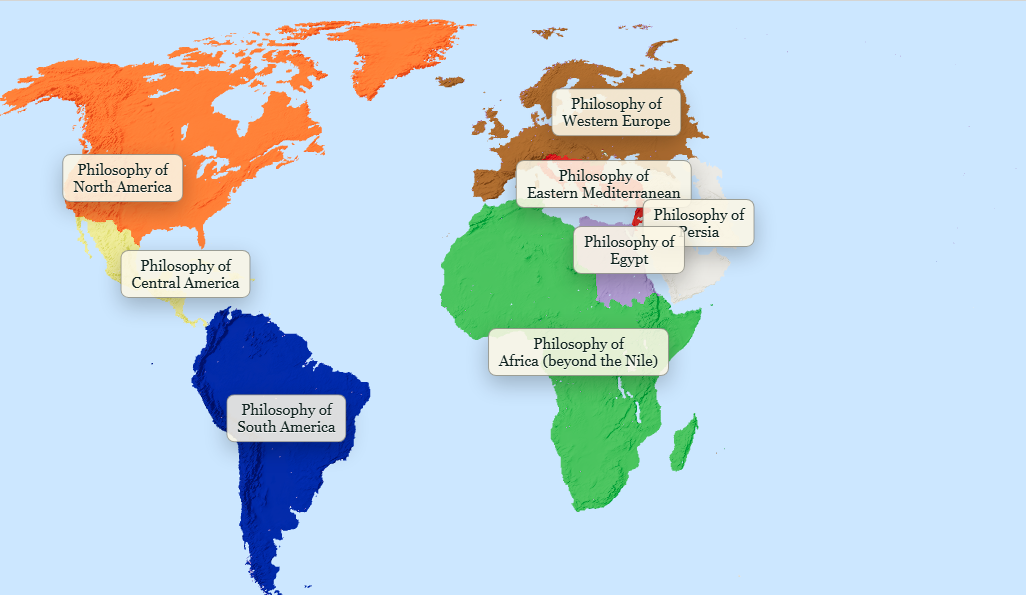
- Victorine thought is centered in the Augustinian abbey of Saint-Victor in Paris and belongs to the Latin Christian intellectual culture of twelfth-century Western Europe.
- Historical Reaction
- Victorine thought responds to the growth of Parisian schools, dialectical controversy, monastic reform, Abelardian disputation, and the need to integrate secular learning with theological and contemplative formation.
Internal Structure
- Foundational Texts
- Foundational texts include Hugh's Didascalicon, De sacramentis christianae fidei, commentaries on Scripture and Dionysius, Richard's Benjamin works and De Trinitate, Andrew's biblical commentaries, Godfrey's Microcosmus, and Thomas Gallus's Dionysian writings.
- Core Vocabulary
- Core vocabulary includes reading, teaching, discipline, restoration, creation, sacrament, sign, symbol, contemplation, ascent, ark, hierarchy, charity, memory, liberal arts, mechanical arts, Scripture, theology, literal sense, and spiritual sense.
- Metaphysics
- Victorine metaphysics treats creation as an ordered field of signs in which visible things disclose invisible truth and human knowledge participates in the restoration of the soul toward God.
- Epistemology
- Victorine epistemology combines ordered study, memory, scriptural reading, rational distinction, symbolic interpretation, and contemplative insight, with learning valued because it transforms the knower.
- Ethics
- Victorine ethics centers on disciplined study, humility, charity, obedience, reform of desire, communal religious life, and the moral preparation required for contemplation.
- Method
- The school proceeds by ordered curriculum, careful reading, commentary, theological synthesis, symbolic diagrams, meditative exercise, and the movement from exterior signs to interior understanding.
- Internal Debates
- Internal debates concern the relation between dialectic and contemplation, literal and spiritual exegesis, Hugh's broad valuation of secular arts, Andrew's literal biblical method, Richard's speculative theology, and Walter's criticism of scholastic dialecticians.
- Successors
- Successors include later Victorine theology, Bonaventure, medieval mystical theology, scholastic sacramental thought, Dionysian reception, Christian pedagogy, and modern scholarship on monastic learning and twelfth-century intellectual culture.
External Classification Context
- History of Philosophy
- The Victorine School is a major twelfth-century bridge between monastic theology and scholastic philosophy, showing how liberal learning, exegesis, and contemplation were organized before the mature universities.
- Philosophy of Philosophy
- Victorine thought treats philosophy as ordered formation: inquiry is not merely argument but disciplined reading, memory, moral reform, and contemplative orientation toward wisdom.
- Intellectual History
- The school shaped Parisian intellectual culture, theology of signs and sacraments, medieval curricula, biblical interpretation, mystical theology, and the Christian reception of the liberal and mechanical arts.
- University Classification
- Classify the Victorine School under medieval philosophy, Christian philosophy, scholasticism, mysticism, philosophy of religion, theology, hermeneutics, philosophy of education, and intellectual history.
- Classical Sources
- Classical sources include Augustine, Boethius, Pseudo-Dionysius, monastic rules and biblical commentary traditions, Hugh's Didascalicon and De sacramentis, Richard's contemplative theology, and later Victorine texts.
- Sociology of Knowledge
- Victorine thought spread through abbey schooling, manuscript copying, Augustinian canon regular communities, Parisian teaching, biblical commentary, theological compendia, and later scholastic and mystical reception.
Linked Philosophers
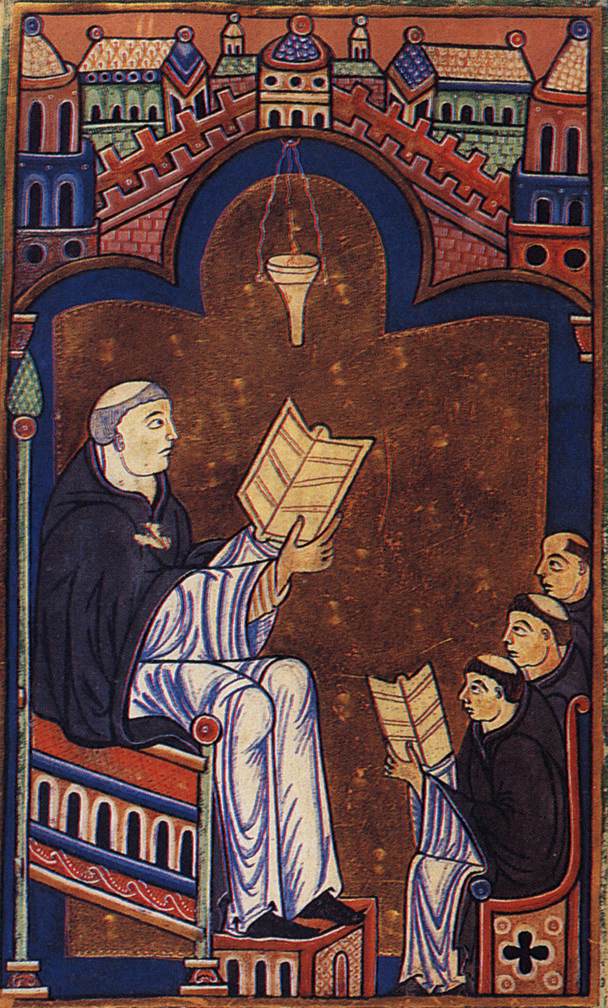
Hugh of St. Victor
1096 CE – 1141 CE
Saxony, probably the Harz/Hamersleben region
Saxon-born Victorine philosopher and theologian whose Didascalicon, De sacramentis, ark imagery, arts curriculum, symbolic exegesis, and contemplative psychology joined learning to spiritual restoration.