Philosophy School
Yoga
Classical Indian philosophical school grounded in Patanjali's Yoga Sutras, Samkhya metaphysics, disciplined concentration, ethical restraint, and the liberation of purusha from prakriti through cessation of mental fluctuation.
Period
Ancient History3000 BCE – 499 CE
Era
Classical Antiquity500 BCE – 499 CE
Begin
350 CE
End
450 CE
Structural Factors
- Shared Core Claims
- Yoga holds that suffering arises from ignorance, affliction, karmic residue, and misidentification of purusha with prakriti. Liberation comes through stilling mental fluctuations, disciplined practice, dispassion, discriminative knowledge, and samadhi.
- Shared Methods
- The school uses sutra commentary, ethical discipline, meditative training, concentration, breath and sense regulation, phenomenological introspection, and practical soteriological instruction.
- Shared Lineage
- Yoga inherits ascetic, Upanishadic, and meditative traditions, is philosophically paired with Samkhya, and is classically organized through Patanjali, the Yoga Sutras, the Yogabhashya, Vyasa, Vachaspati Mishra, and Vijnanabhikshu.
- Shared Problems
- Central problems include mental fluctuation, affliction, karma, rebirth, liberation, embodied discipline, yogic perception, the relation between purusha and prakriti, and the role of Ishvara.
- Shared Vocabulary
- Key terms include citta, vritti, nirodha, abhyasa, vairagya, klesha, karma, samskara, samadhi, ashtanga, yama, niyama, asana, pranayama, pratyahara, dharana, dhyana, kaivalya, purusha, prakriti, and Ishvara.
- Shared Historical Context
- Classical Yoga systematized older contemplative and ascetic practices in the early centuries CE, became one of the six orthodox darshanas, and traveled through Sanskrit commentary, Vedantic reception, hatha and raja yoga traditions, and modern global reinterpretation.
Defining Axes
- Doctrine
- Yoga is defined by citta-vritti-nirodha, the dualism of purusha and prakriti, the eight-limbed path, discriminative knowledge, samadhi, kaivalya, and a theistic Samkhya role for Ishvara.
- Method
- Method centers on practice and dispassion, ethical restraints and observances, bodily and respiratory stabilization, sensory withdrawal, concentration, meditation, absorption, and commentarial analysis.
- Lineage
- The lineage runs from Vedic and Upanishadic ascetic practices through Samkhya-Yoga synthesis, Patanjali, Vyasa, Vachaspati Mishra, Bhoja, Vijnanabhikshu, Vedantic and hatha traditions, and modern yoga philosophy.
- Subject Focus
- Yoga focuses on philosophy of mind, metaphysics of self and nature, ethics of discipline, meditation theory, liberation, religious practice, embodied attention, and the psychology of suffering.
- Geography / Culture
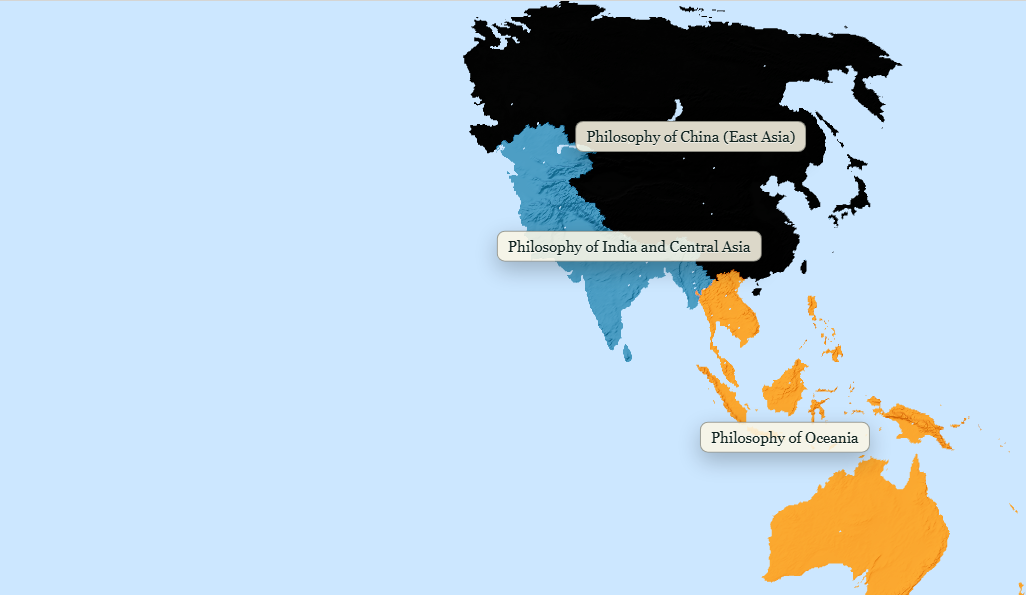
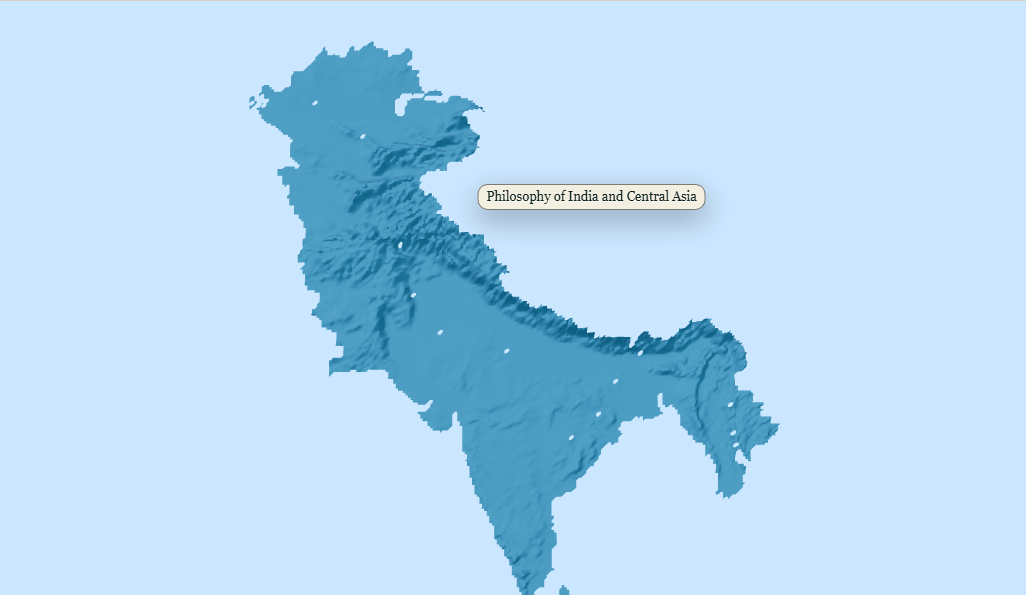
- Yoga developed in South Asian Sanskrit intellectual and religious settings and later circulated through Hindu, Buddhist, Jain, Vedantic, tantric, hatha, colonial, and global modern contexts.
- Historical Reaction
- Yoga responds to problems in ascetic practice, Samkhya metaphysics, Upanishadic liberation, Buddhist and Jain contemplative cultures, and debates about whether knowledge alone or disciplined practice secures liberation.
Internal Structure
- Foundational Texts
- Foundational texts include the Yoga Sutras, Yogabhashya, Tattvavaisharadi, Yogavarttika, Bhagavad Gita yoga passages, and later hatha and raja yoga reception texts.
- Core Vocabulary
- Core vocabulary includes mind, fluctuation, cessation, practice, dispassion, affliction, seed, concentration, meditation, absorption, discrimination, isolation, Lord, nature, spirit, restraint, observance, posture, breath, and sensory withdrawal.
- Metaphysics
- Yoga accepts a Samkhya-like distinction between conscious purusha and material prakriti, while adding Ishvara as a special purusha and treating liberation as isolation of consciousness from misidentified nature.
- Epistemology
- Yoga analyzes ordinary cognition, error, memory, imagination, sleep, testimony, inference, perception, yogic insight, and discriminative knowledge, with meditative discipline functioning as a way to transform knowing.
- Ethics
- Yoga ethics begins with yama and niyama: nonviolence, truthfulness, non-stealing, celibacy or restraint, non-possessiveness, purity, contentment, austerity, study, and devotion to Ishvara.
- Method
- The school proceeds by disciplined practice, progressive concentration, commentary on aphoristic sutras, analysis of mental states, and soteriological testing through contemplative transformation.
- Internal Debates
- Internal debates concern the date and unity of the Yoga Sutras and Yogabhashya, the relation to Samkhya, the role of Ishvara, the status of yogic powers, and the relation between classical Yoga and later hatha or modern yoga.
- Successors
- Successors include Sanskrit Yoga commentary, Vedantic yoga, hatha yoga, raja yoga, modern yoga philosophy, comparative philosophy of meditation, and contemporary philosophy of mind and contemplative studies.
External Classification Context
- History of Philosophy
- Yoga is a major Indian darshana and a core philosophical tradition for studying mind, discipline, liberation, embodiment, and the relation between practice and metaphysical knowledge.
- Philosophy of Philosophy
- Yoga treats philosophy as transformative practice: theory matters because it guides disciplined attention, ethical life, and the practical removal of ignorance and suffering.
- Intellectual History
- Yoga links Sanskrit scholasticism, religious practice, ascetic discipline, commentary traditions, Indian metaphysics, colonial-era translation, and global modern reception.
- University Classification
- Classify Yoga under Indian philosophy, Asian philosophy, philosophy of mind, philosophy of religion, ethics, metaphysics, religious studies, Hindu studies, and contemplative studies.
- Classical Sources
- Classical sources include the Yoga Sutras, Yogabhashya, Samkhya materials, Bhagavad Gita, later Sanskrit commentaries, and public-domain translations by Vivekananda, Johnston, and related translators.
- Sociology of Knowledge
- Yoga survives through guru-student transmission, Sanskrit commentary, monastic and household practice, colonial translation, institutional teaching, and modern global communities that reinterpret classical materials.
Linked Philosophers
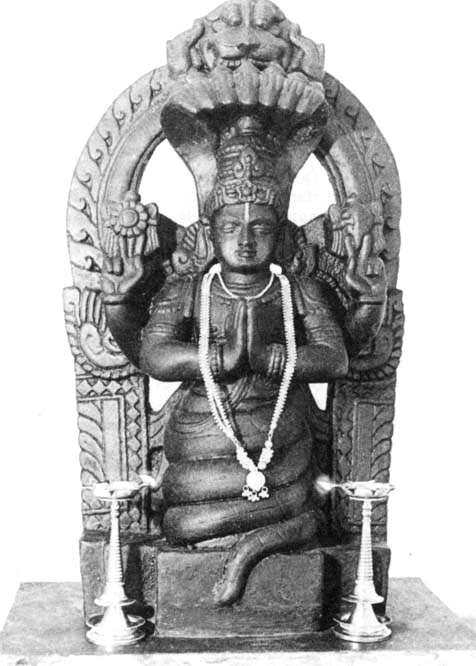
Patanjali
350 CE – 450 CE
India
Classical Yoga philosopher of the Yoga Sutras, citta-vritti-nirodha, purusha, prakriti, kleshas, karma, samadhi, kaivalya, Ishvara, and eight-limbed practice.