1. Identity & Scope
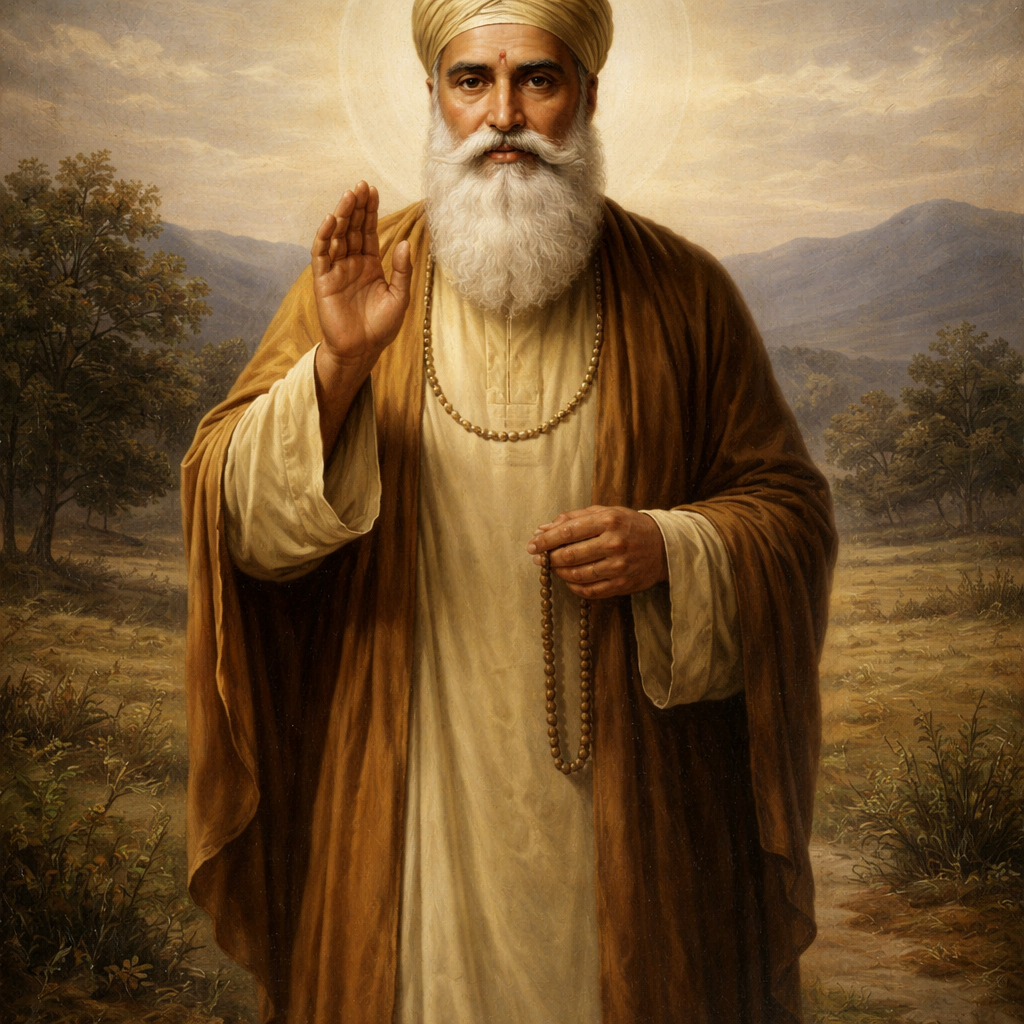
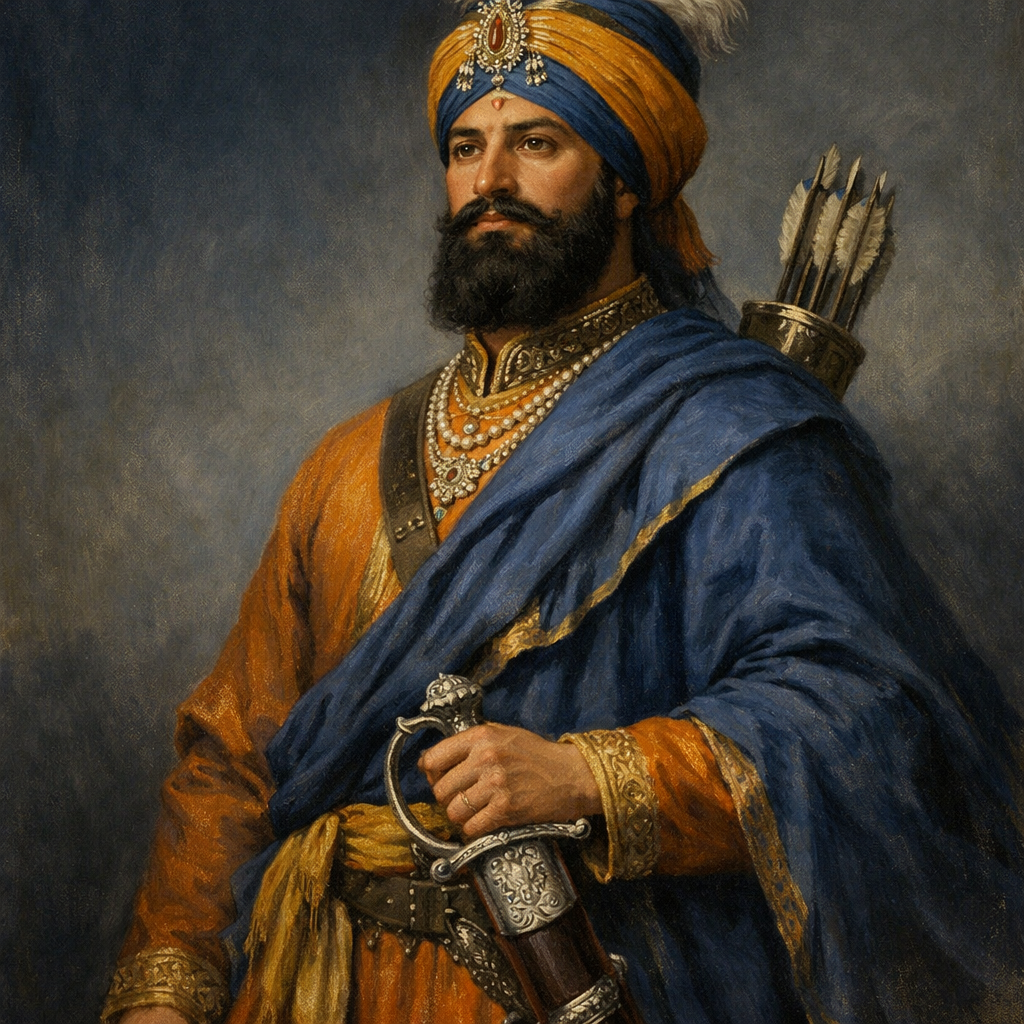

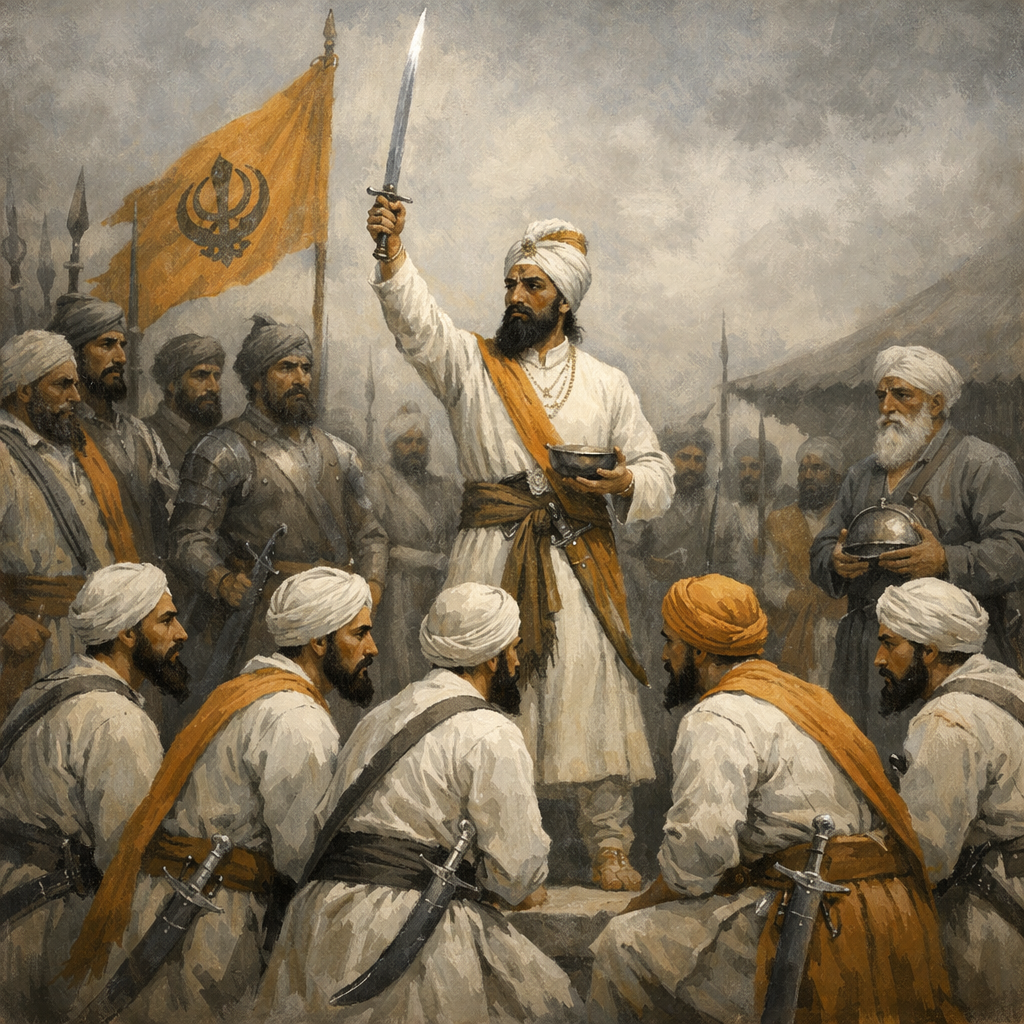

- Names: Sikhism, Sikhi, Gurmat (“the way of the Guru”).
- Scope: Founded in Punjab (15th century CE); practiced today mainly in India, Pakistan, UK, North America, and global diaspora.
- Self-definition: Devotion to one God, equality of humanity, and the Guru’s teachings.
Sikhism represents an Indic tradition in which religious identity coheres around a living canon, communal discipline, and ethical action. Emerging in a plural North Indian milieu, it established explicit boundaries to preserve autonomy while integrating devotion, justice, and equality into a unified way of life. Sikhism’s historical durability is best understood through its strong institutions—gurdwaras, collective authority, and shared practice—which sustain identity across migration and global dispersion.
2. Historical Context

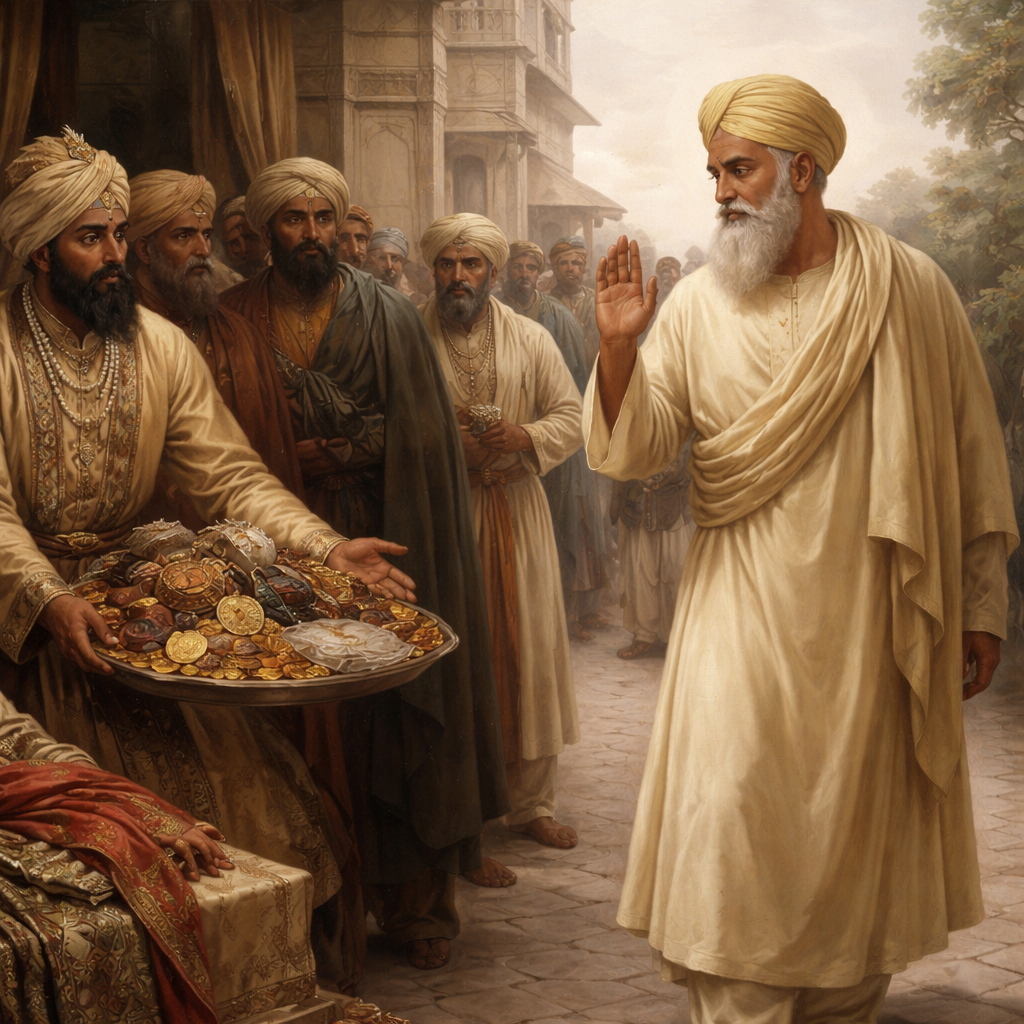

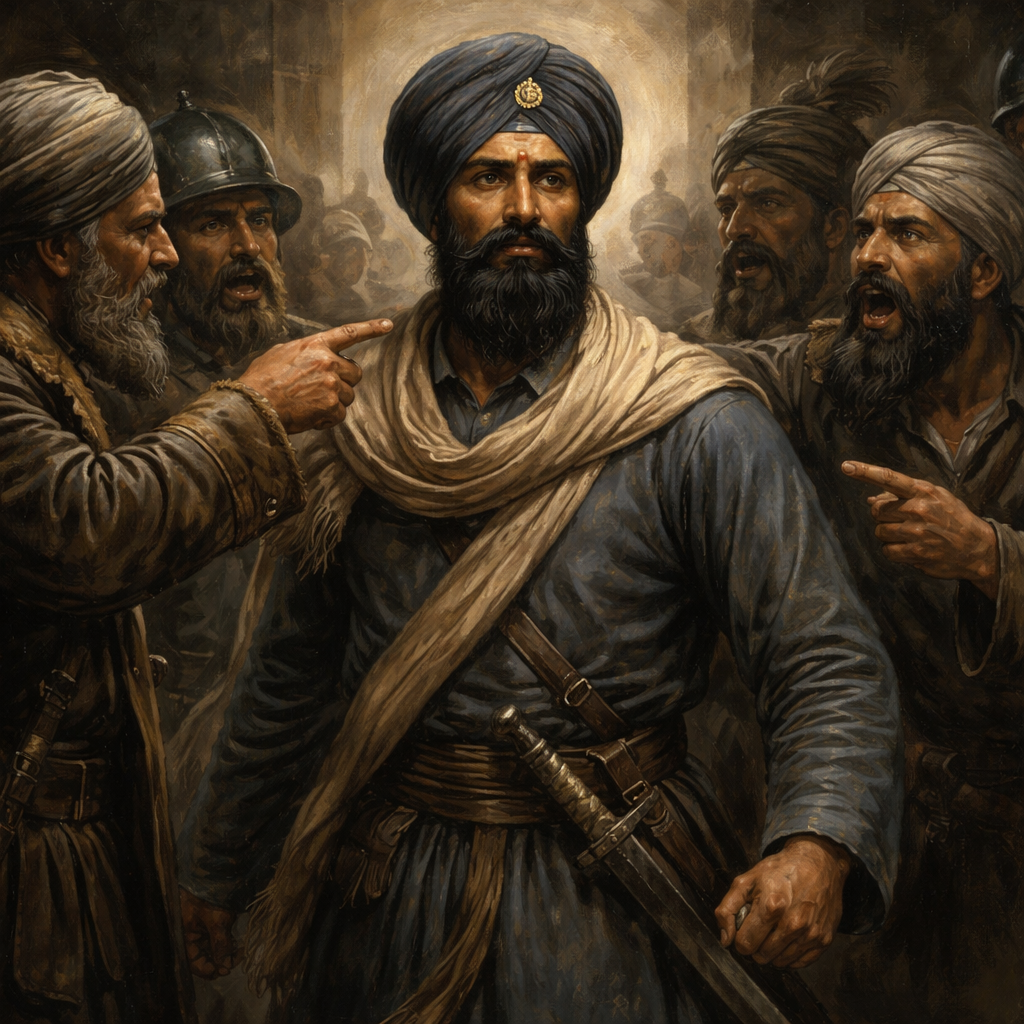
- Origins: Founded by Guru Nanak (1469–1539 CE) during a time of Hindu-Muslim interaction in Punjab.
- Development: Ten successive Gurus established theology, community, and institutions.
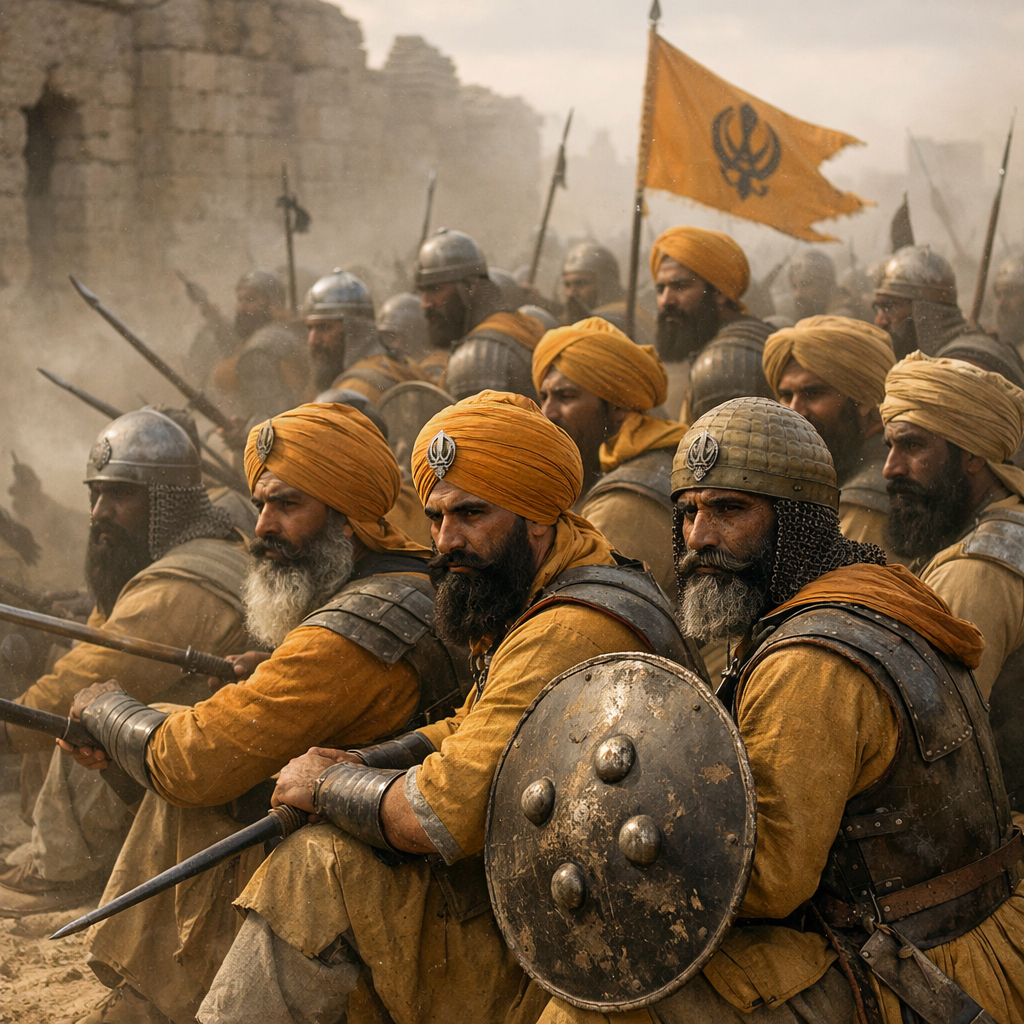
- Milestones: Compilation of Adi Granth (1604); founding of the Khalsa by Guru Gobind Singh (1699).
- Modern: Played roles in colonial India, Indian independence, and continues as a global community.
Sikhism emerges in the late 15th century with Guru Nanak as a revelatory tradition centered on devotion to one formless divine reality, ethical living, and communal equality. Consolidated through the Ten Gurus, the Guru Granth Sahib, and the formation of the Khalsa, it develops strong institutional structures, clear identity markers, and enduring communal cohesion, persisting today as a globally connected religious tradition with high levels of participation and continuity.
3. Sources of Evidence
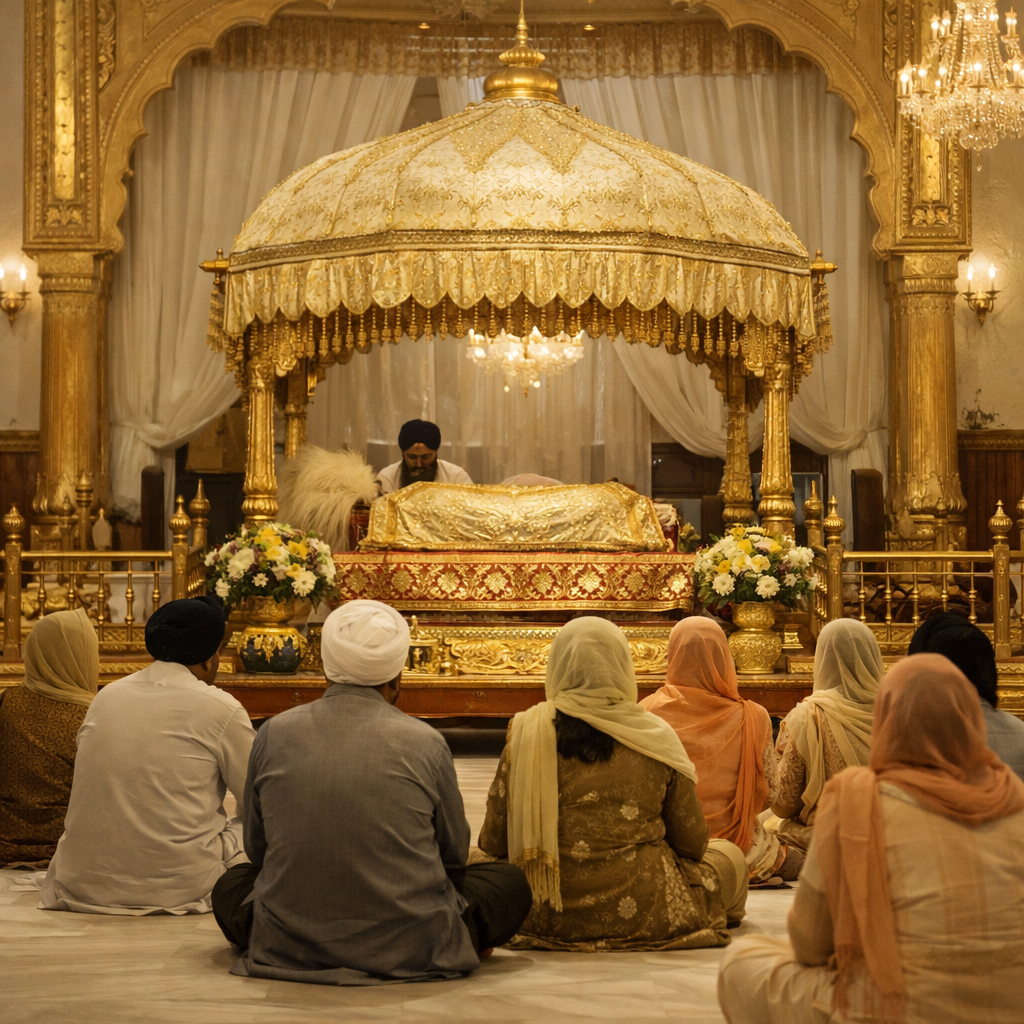

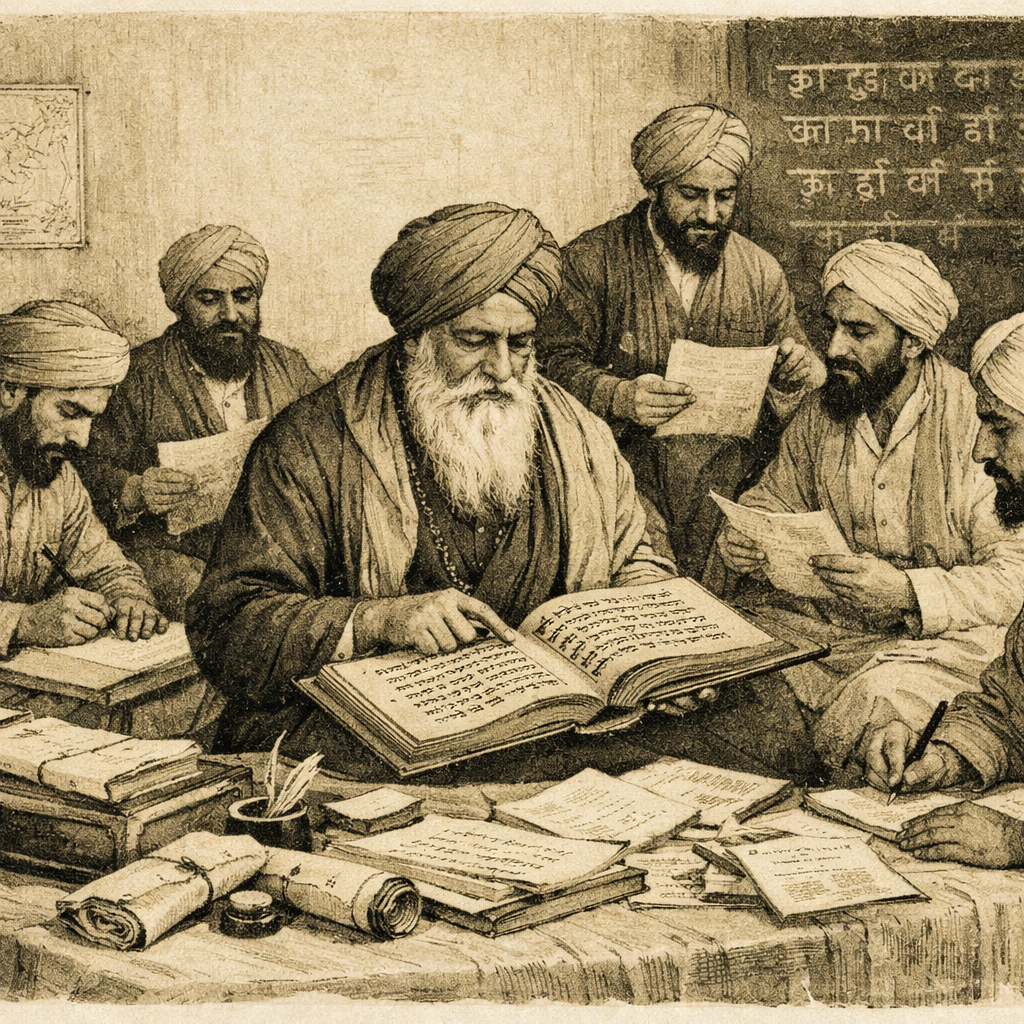
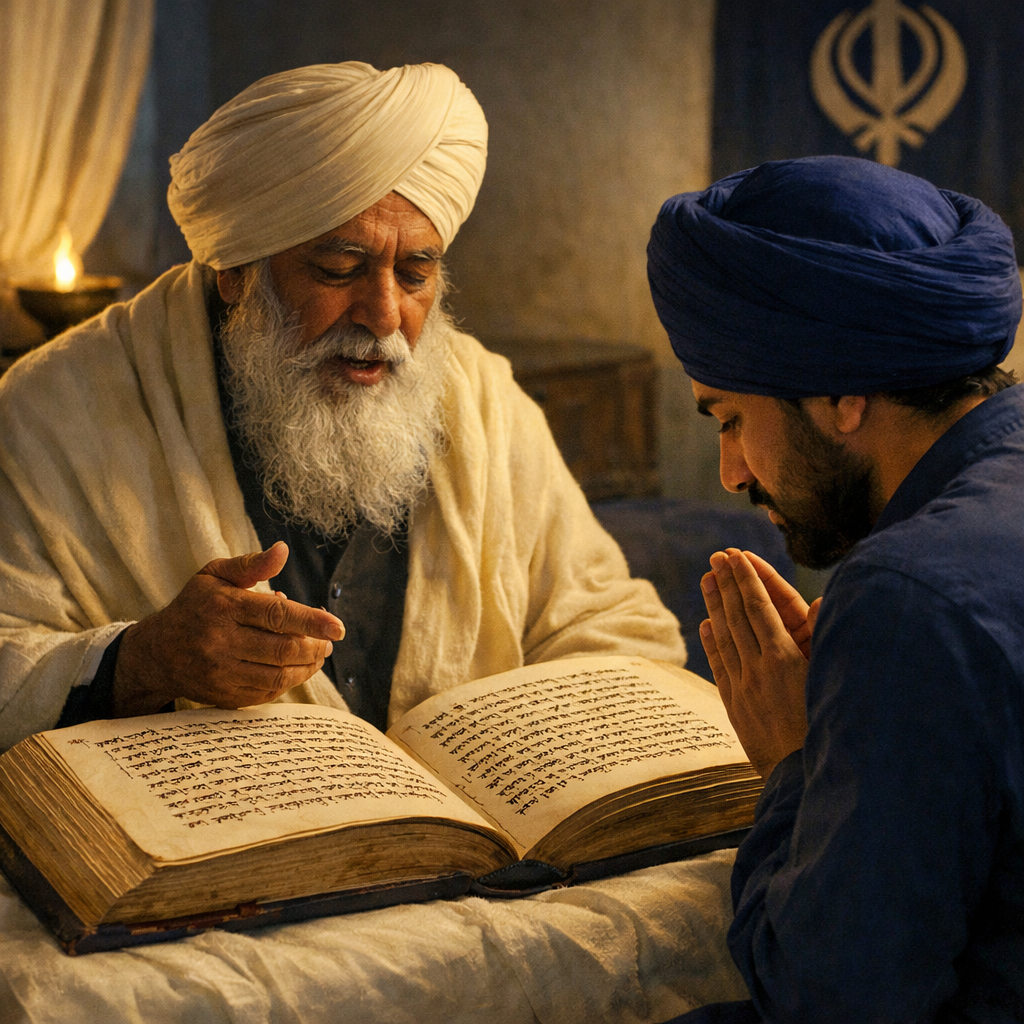
- Scriptures: Guru Granth Sahib (living Guru, final scripture), Dasam Granth.
- Institutional records: Rehat Maryada (code of conduct).
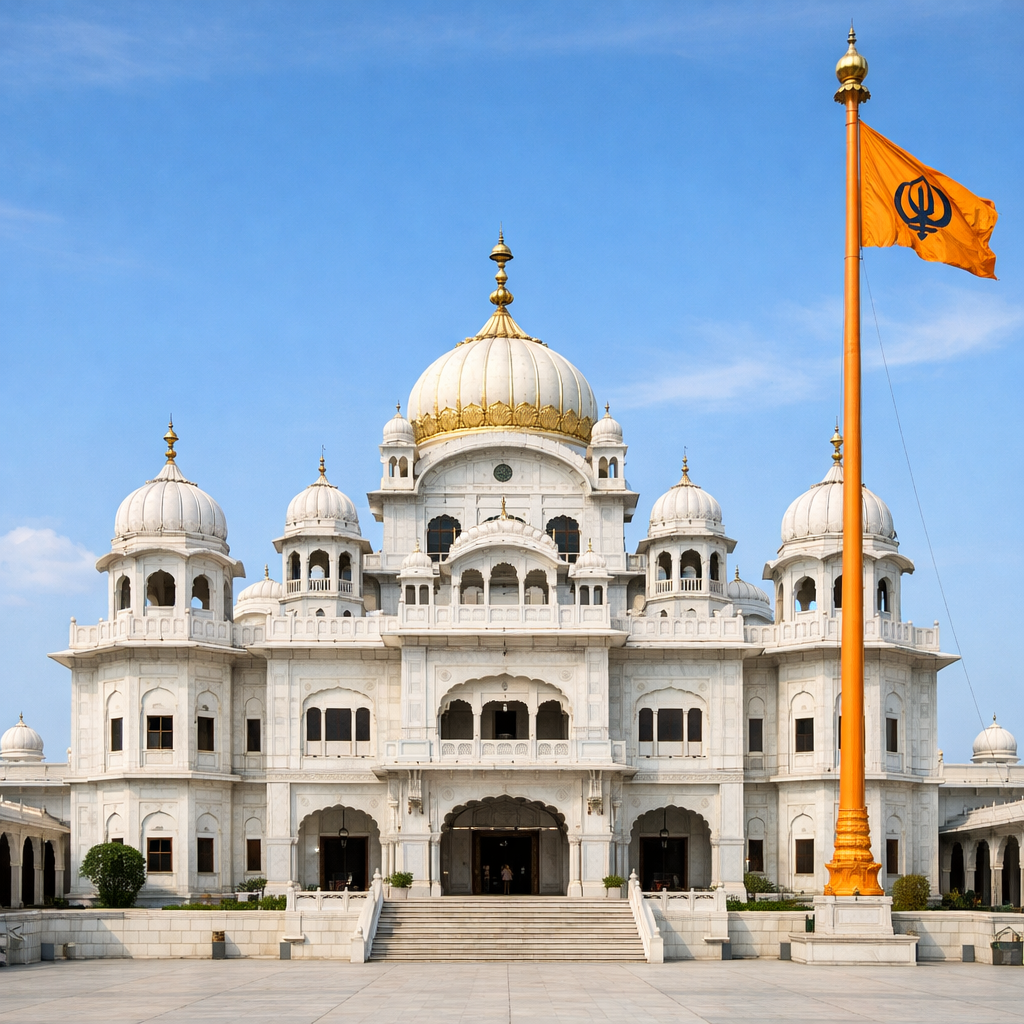
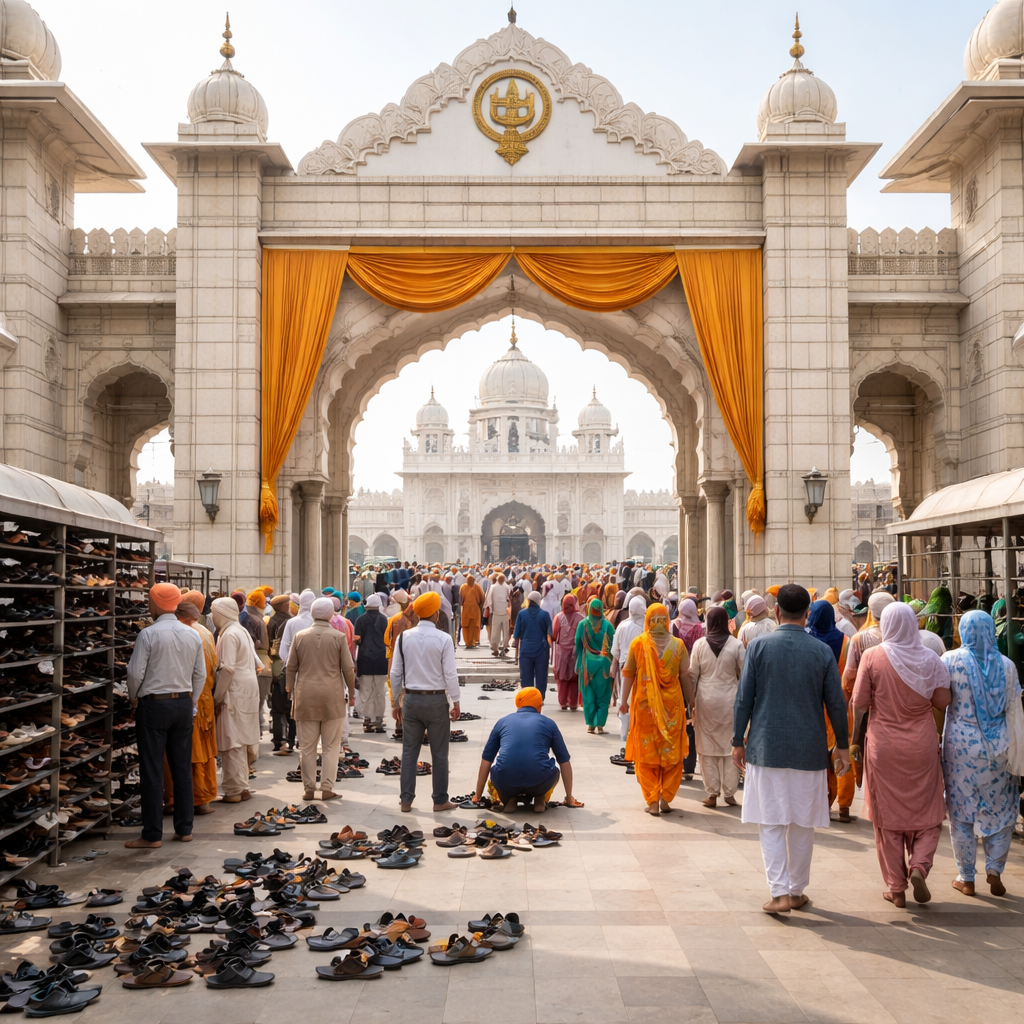
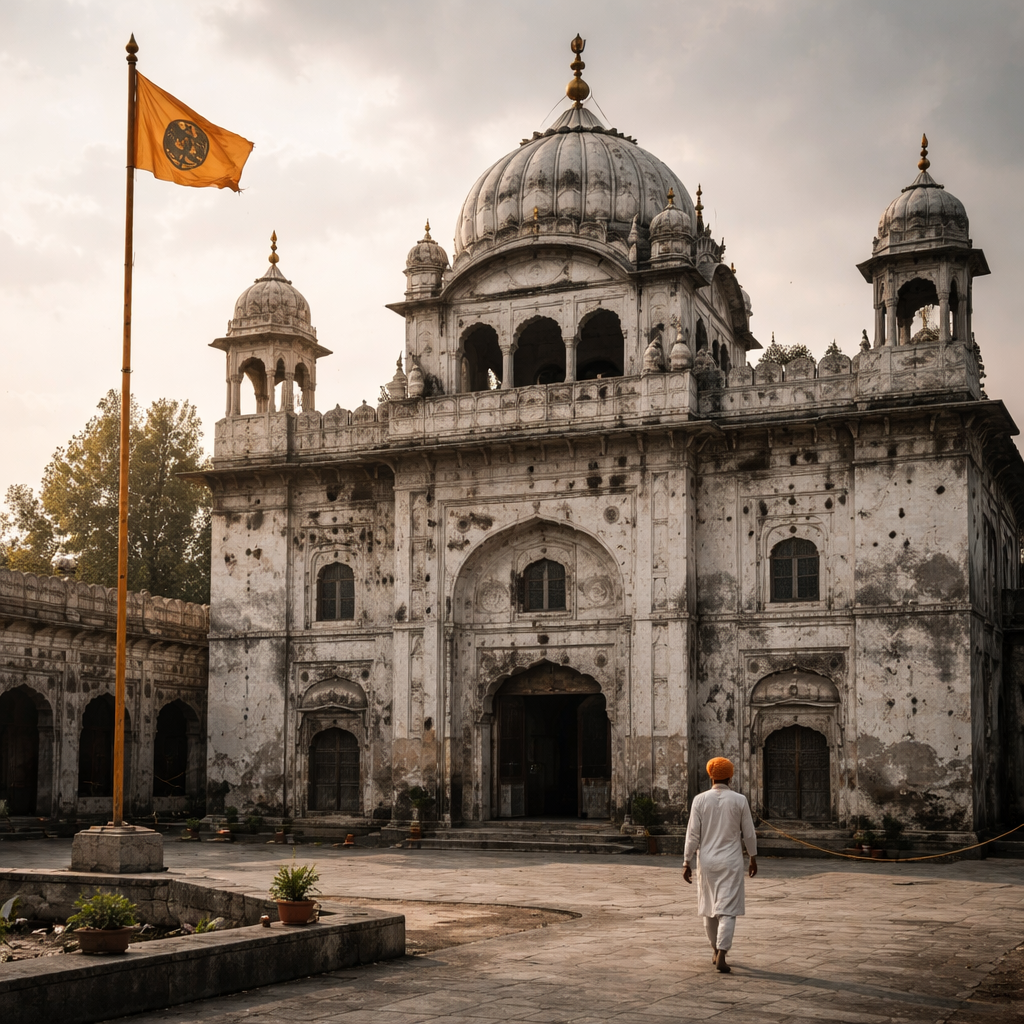
- Archaeology/architecture: Gurdwaras (Golden Temple/Harimandir Sahib, others).
- Oral tradition: Hymns (kirtan), teachings passed through sangats (congregations).
The evidentiary profile of Sikhism is shaped by the convergence of scripture-centered authority, community institutions, and a dense historical record produced under conditions of conflict, consolidation, and modern governance. At its center stands the Guru Granth Sahib, a canon with unusually clear compilation history and enduring institutional status, whose liturgical treatment anchors Sikh identity across regions and eras. Surrounding this core are texts of graded and contested authority—the Dasam Granth, rehat codes, janamsakhis, and historical narratives—each reflecting different moments of doctrinal clarification, Khalsa formation, and communal boundary-setting. Archaeological and epigraphic evidence traces gurdwara patronage, Sikh sovereignty, and martyr memory, while Mughal, colonial, and postcolonial archives provide extensive but interest-laden documentation of political interaction and social classification. Modern ethnography adds visibility to seva economies, identity markers, and diaspora transformation. Because Sikh sources are simultaneously rich, centralized, and contested, responsible interpretation depends on strict separation of canon, later narrative layering, and state-produced records, with constant attention to how modern identity debates can retroactively reshape the reading of earlier evidence.
4. Pantheon & Supernatural Beings





- One God: Ik Onkār — formless, eternal, creator, truth.
- Rejects polytheism: No pantheon of gods, though acknowledges that other religions perceive the Divine in diverse forms.
- Spiritual figures: Gurus, saints, and martyrs revered as exemplars but not deified.
Sikhism presents one of the clearest rejections of pantheon logic among major religious traditions. Its supernatural structure is defined by absolute monotheism and direct relationship, allowing no secondary divine beings, intermediaries, or hierarchical spiritual orders. God alone creates, sustains, and pervades all existence, while all other proposed supernatural agents—gods, spirits, ancestors, incarnations, or occult powers—are denied religious authority or relevance. The Gurus function as enlightened teachers rather than divine figures, and authority resides in scripture rather than in a supernatural hierarchy. Ethical failure and liberation are framed internally through ego, discipline, remembrance, and alignment with divine will, not through engagement with competing cosmic forces. This page outlines a system in which supernatural plurality is intentionally excluded, reinforcing Sikhism’s emphasis on equality, moral responsibility, and unmediated devotion to the One.
5. Cosmology & Myth

- Cosmos: Created and sustained by God’s will (hukam).
- Time: Eternal cycles, but focus on union with God rather than metaphysical speculation.
- Human condition: Separated from God by ego (haumai); liberation through devotion (bhakti) and remembrance (simran).
- Mythic narratives: Lives of Gurus, Sikh martyrdoms, Khalsa founding as sacred history.
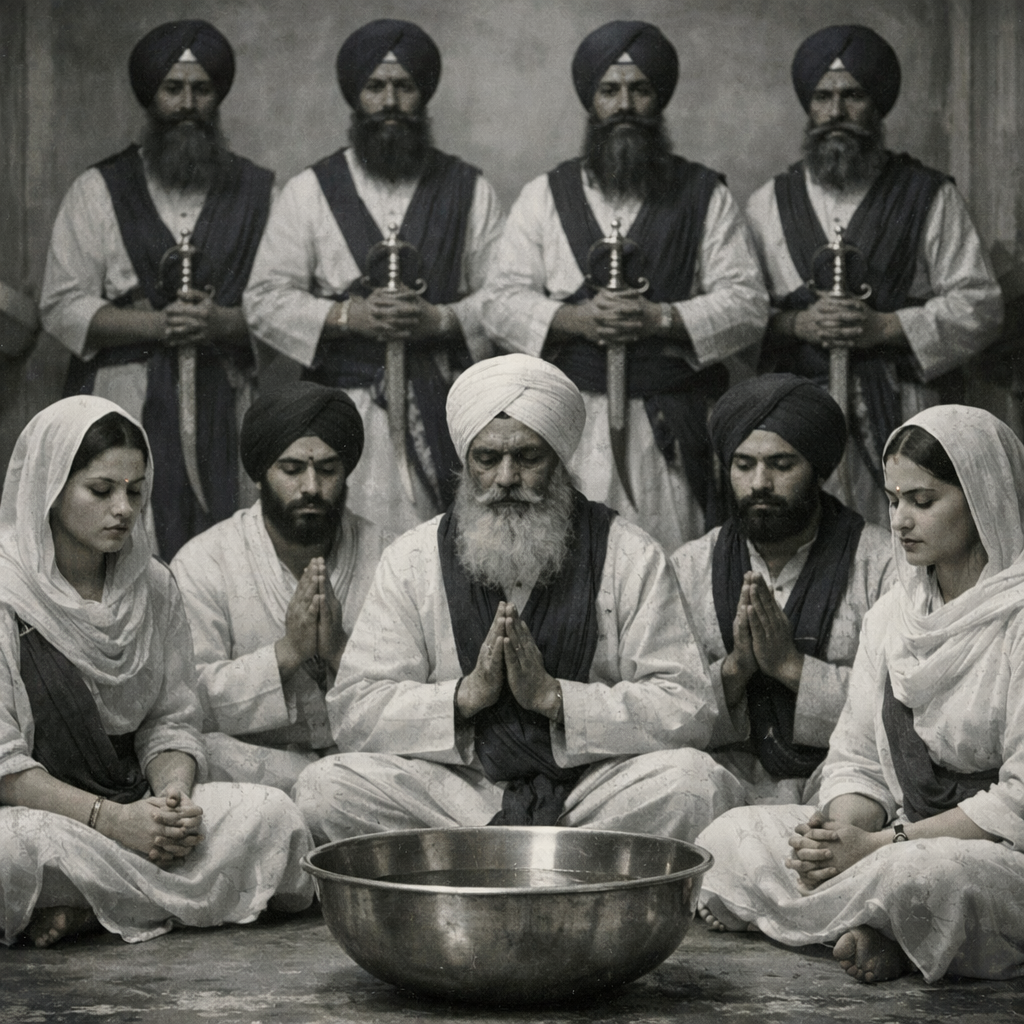
Sikhism approaches cosmology as a framework for understanding how existence is ordered and lived, not as a story of mythic origins or cosmic destiny. Creation is affirmed through the reality and order of the One, expressed as hukam, without recourse to gods, avatars, or symbolic creation myths. The cosmos is treated as a meaningful, morally decisive field in which liberation is possible through alignment, devotion, and disciplined action rather than ascent, judgment, or divine intervention. Time is significant because it is where transformation occurs, not because it moves toward an apocalypse or final reckoning. Disorder is explained through ego and separation, eliminating the need for metaphysical evil or sacrificial repair. Across this framework, cosmology supports an ethic of equality, responsibility, and devotion, grounding Sikh life in alignment with truth rather than mythic storytelling, speculative cosmology, or fear-based salvation.
6. Ritual & Practice





- Daily prayers: Nitnem (Japji Sahib, Jaap Sahib, Rehras, Kirtan Sohila).
- Worship: Congregational prayer and hymn-singing (kirtan) in gurdwaras.
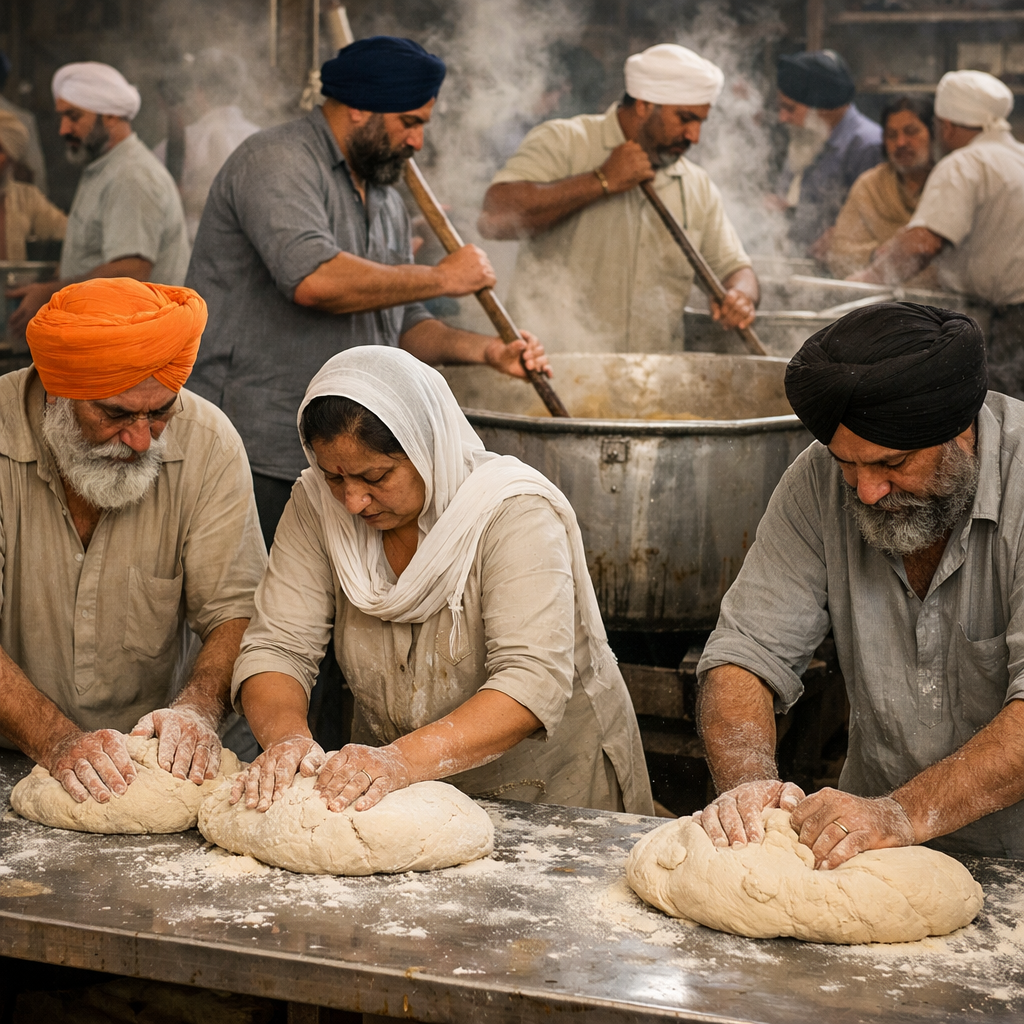
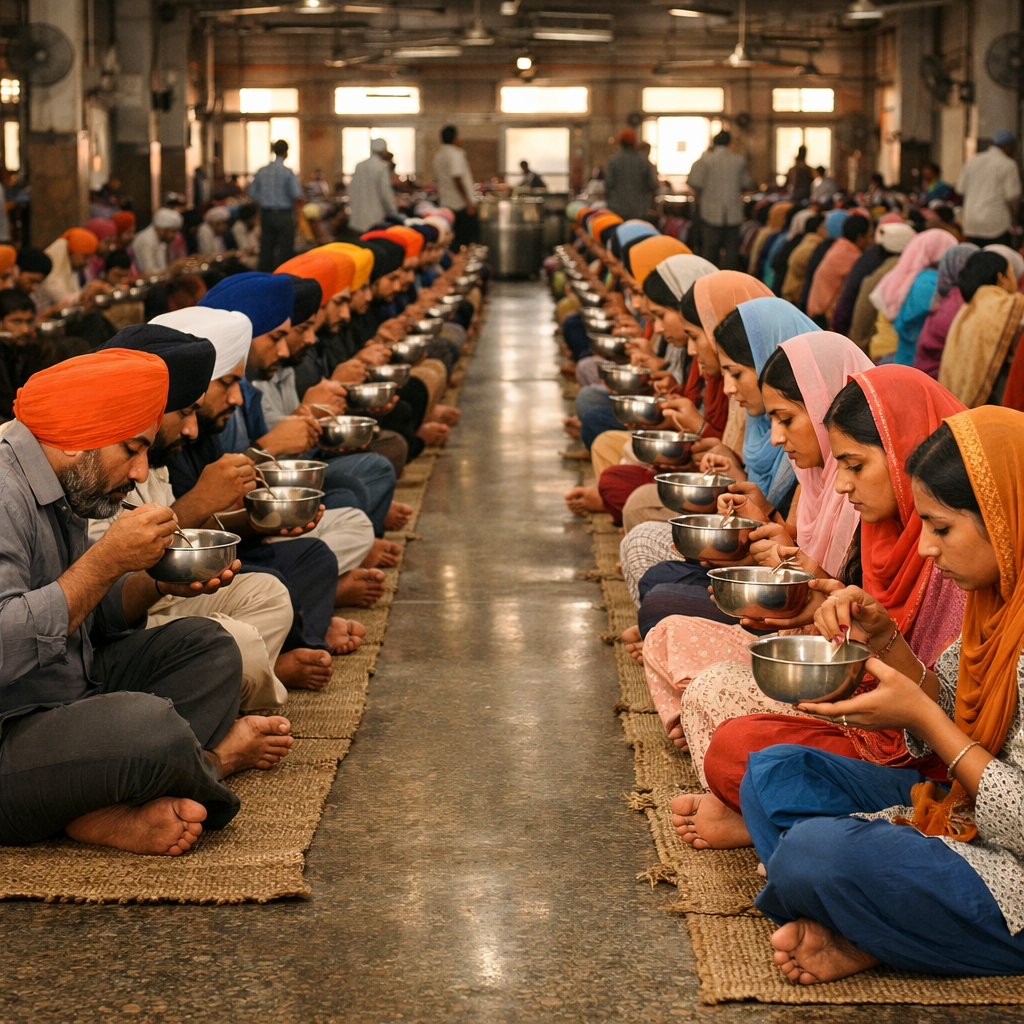
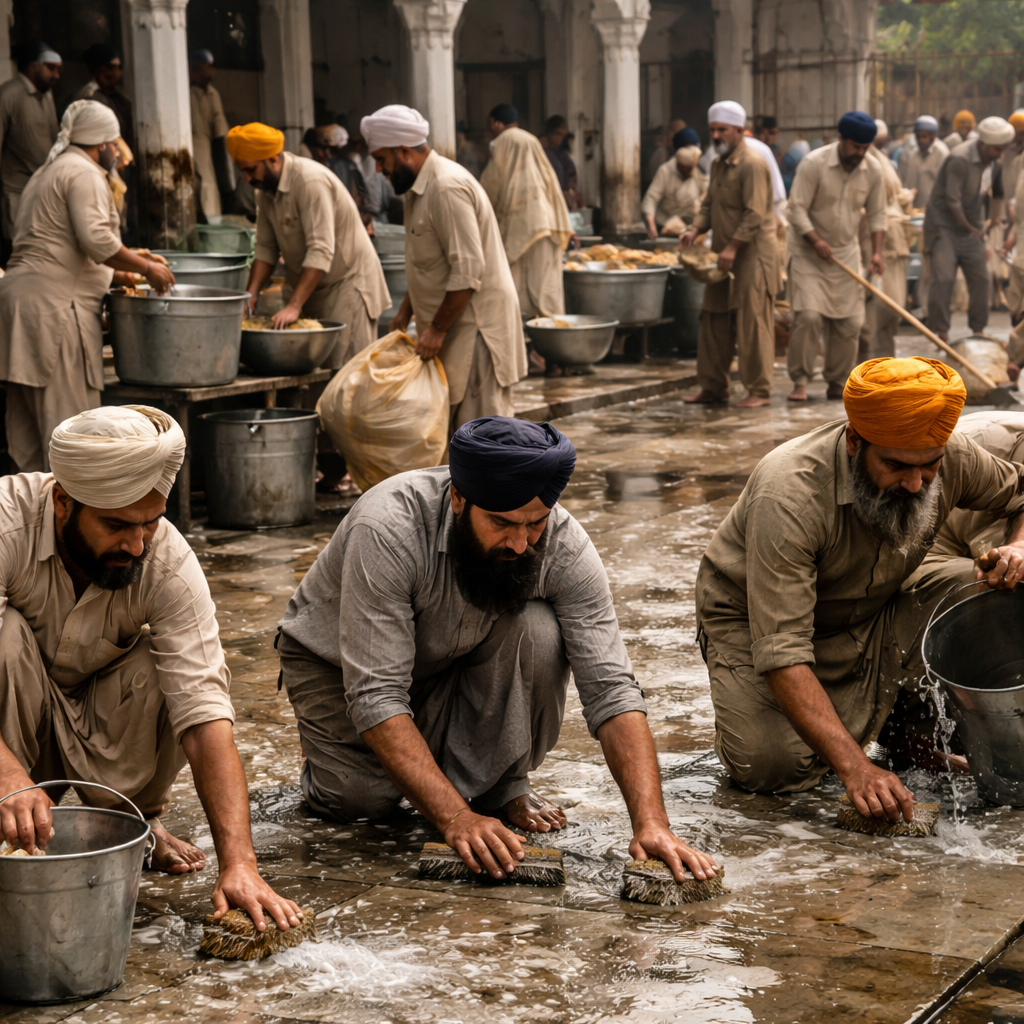
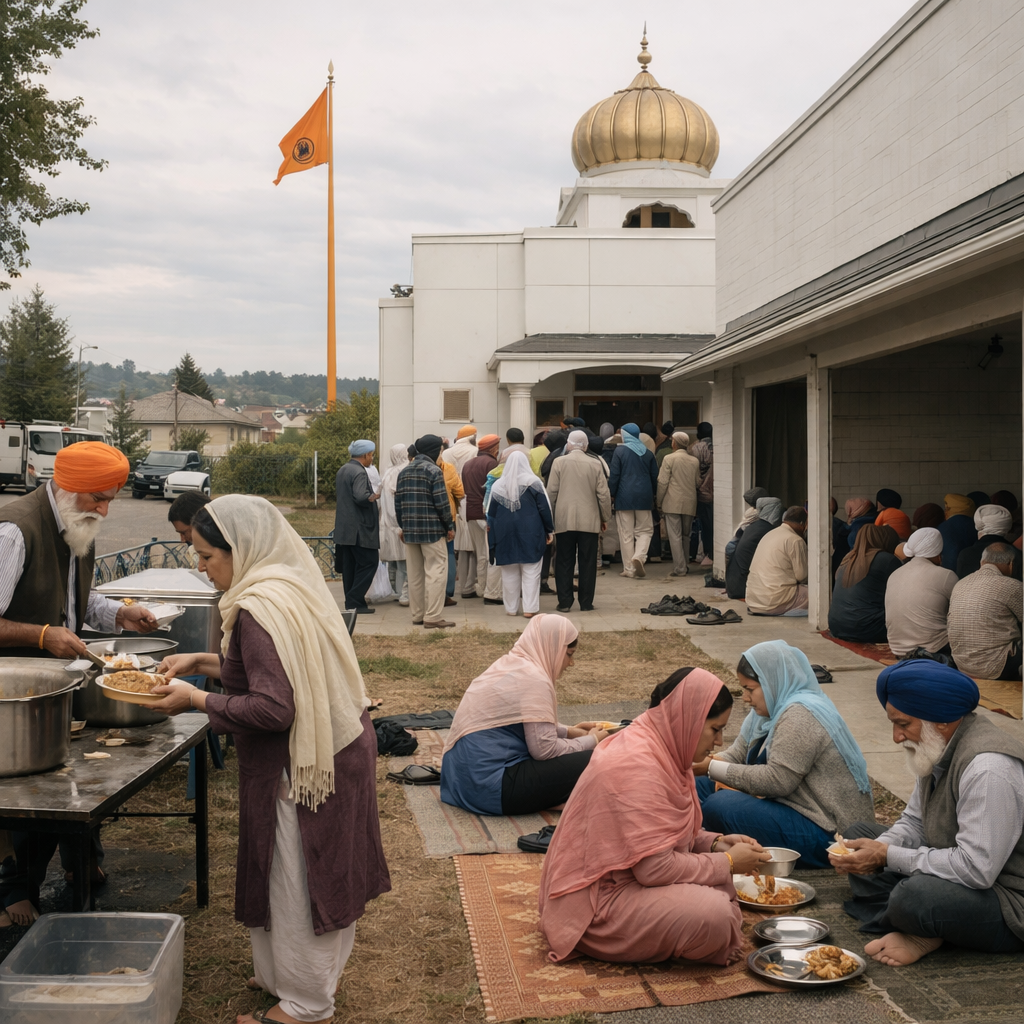
- Service (seva): Voluntary service to community, exemplified by langar (communal meal).
- Festivals: Vaisakhi (Khalsa founding, harvest), Gurpurabs (Guru anniversaries), Hola Mohalla.
- Khalsa discipline: Initiated Sikhs keep Five Ks (Kesh, Kangha, Kara, Kachera, Kirpan).
Sikhism approaches ritual not as symbolic mediation but as collective discipline oriented toward ethical life. Its practices are intentionally pared down, redirecting religious energy away from sacrifice, asceticism, pilgrimage, and divination and into daily remembrance, communal worship, and service. Ritual is retained only where it reinforces equality, responsibility, and moral clarity.
Rather than organizing religion around sacred objects, sacred places, or ritual specialists, Sikh practice centers the congregation (sangat) and the shared meal (langar) as its primary ritual institutions. Sacred time is historical rather than cosmic, devotion is scheduled rather than situational, and discipline is lived within society rather than apart from it. Visible commitments and shared codes of conduct structure identity without creating hierarchy.
Viewed through ritual and practice, Sikhism functions as a deliberately de-sacralized religious system—one that preserves structure and obligation while stripping ritual of magical, transactional, and exclusionary functions. What remains is a tightly integrated practice of remembrance, service, and equality that binds the community through action rather than belief or symbolism.
7. Sacred Space & Material Culture




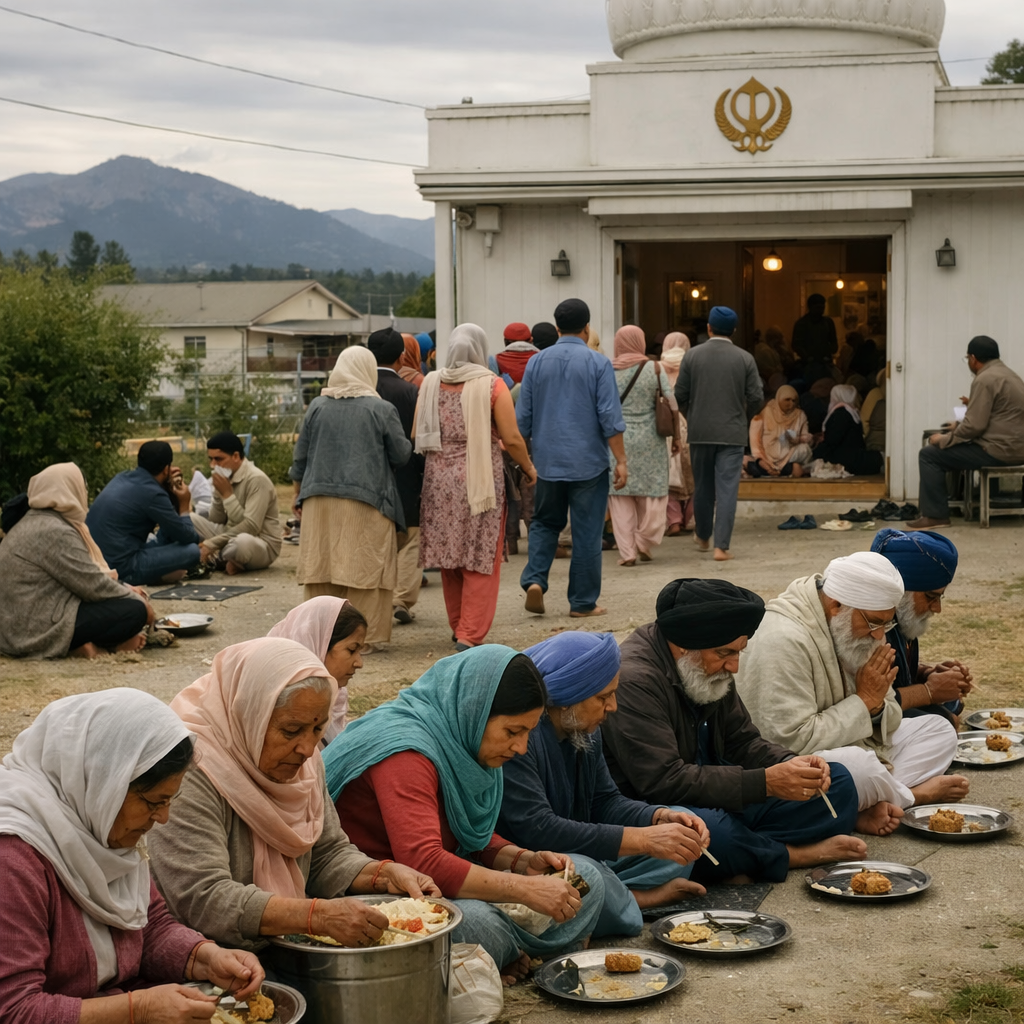
- Gurdwaras: Central sacred spaces, open to all.
- Golden Temple (Amritsar): Spiritual center of Sikhism.
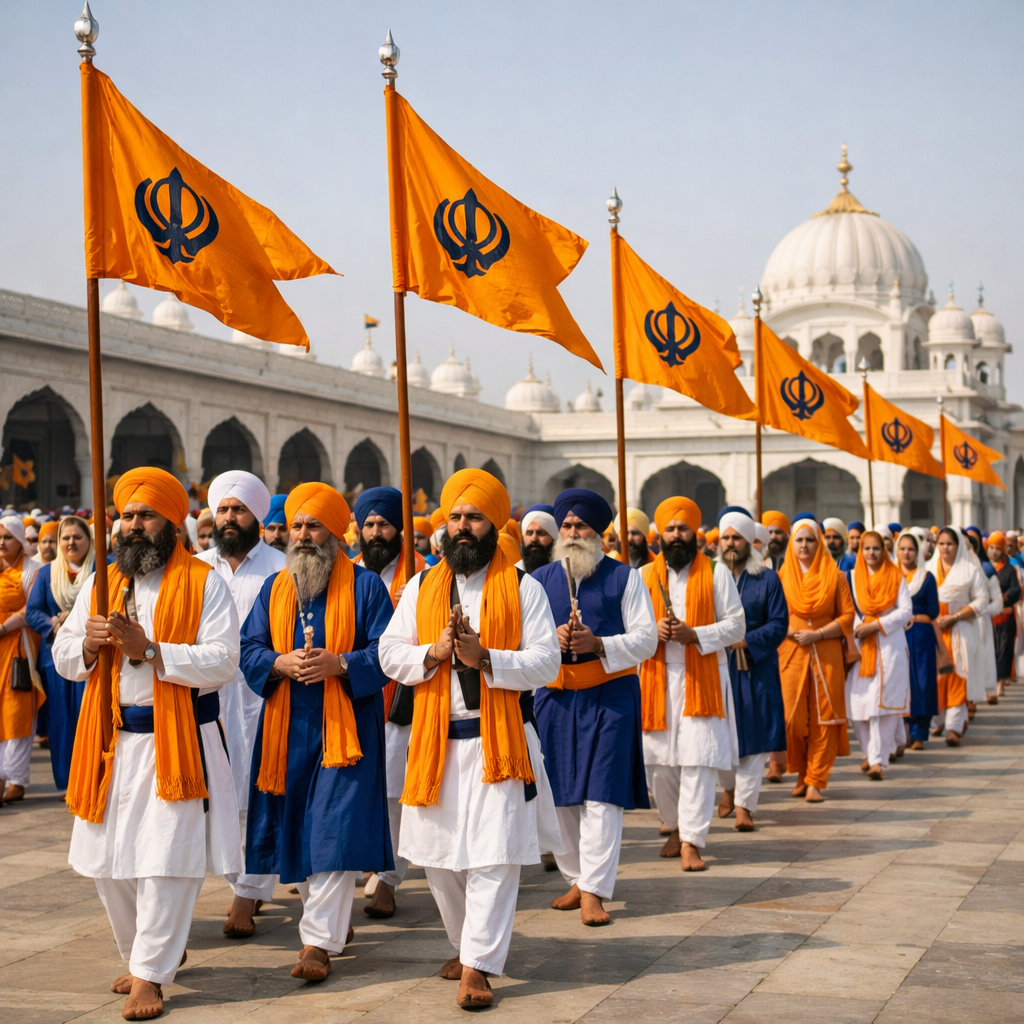
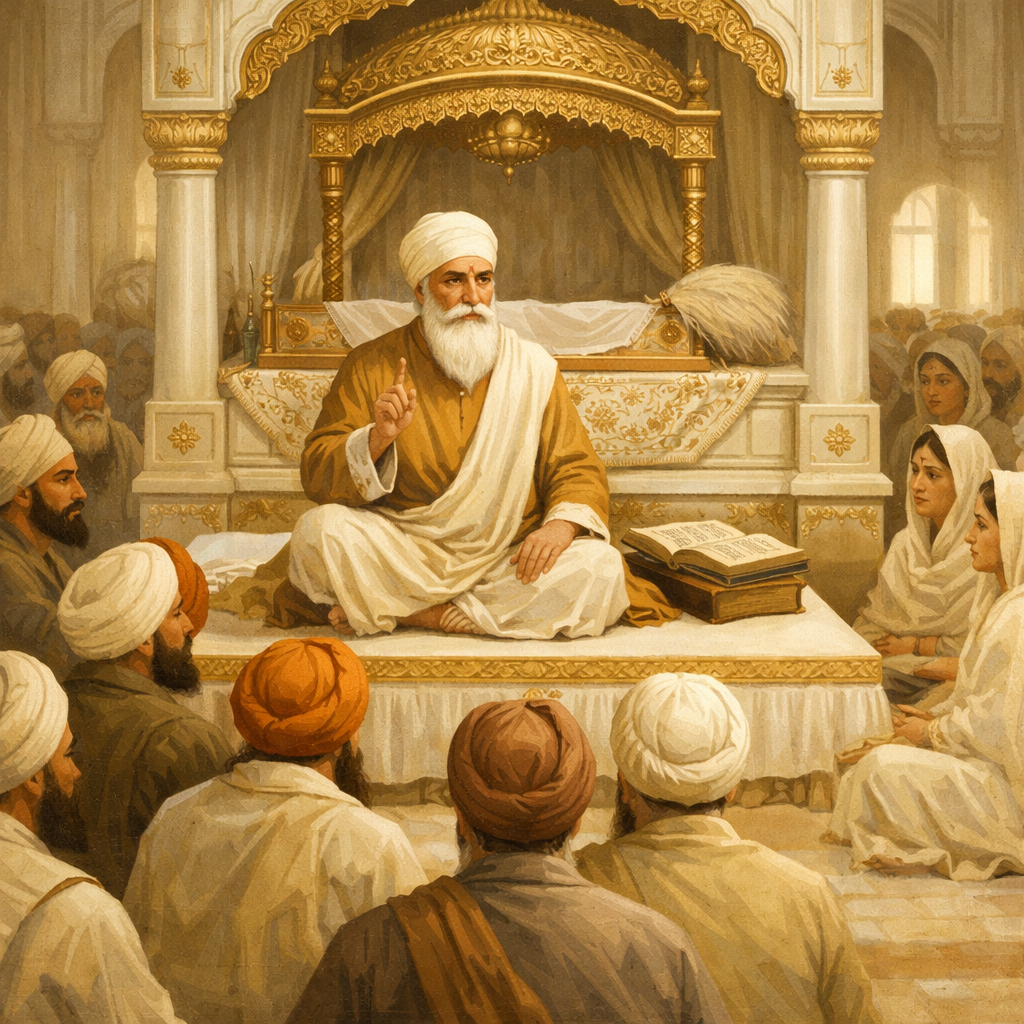
- Objects: Guru Granth Sahib enthroned as living Guru; Nishan Sahib (sacred flag).
- Material culture: Five Ks worn by Khalsa Sikhs; swords (kirpan) as symbol of justice.
Sikhism approaches sacred space through a broader commitment to scriptural authority, communal equality, and the rejection of mediated access to God. Architecture, objects, and symbols serve to organize collective remembrance and ethical life rather than to house presence or transmit power. The Guru Granth Sahib functions as the sole locus of sacral authority, while all material forms surrounding it remain expressive rather than empowered. Continuity is maintained through textual recitation, communal gathering, and service, allowing buildings and sites to change without theological disruption. By denying intrinsic sacrality to nature, objects, and locations alike, Sikhism frames sacred space as where the community gathers around the Word, not where holiness is stored, localized, or accumulated.
8. Religious Specialists & Institutions
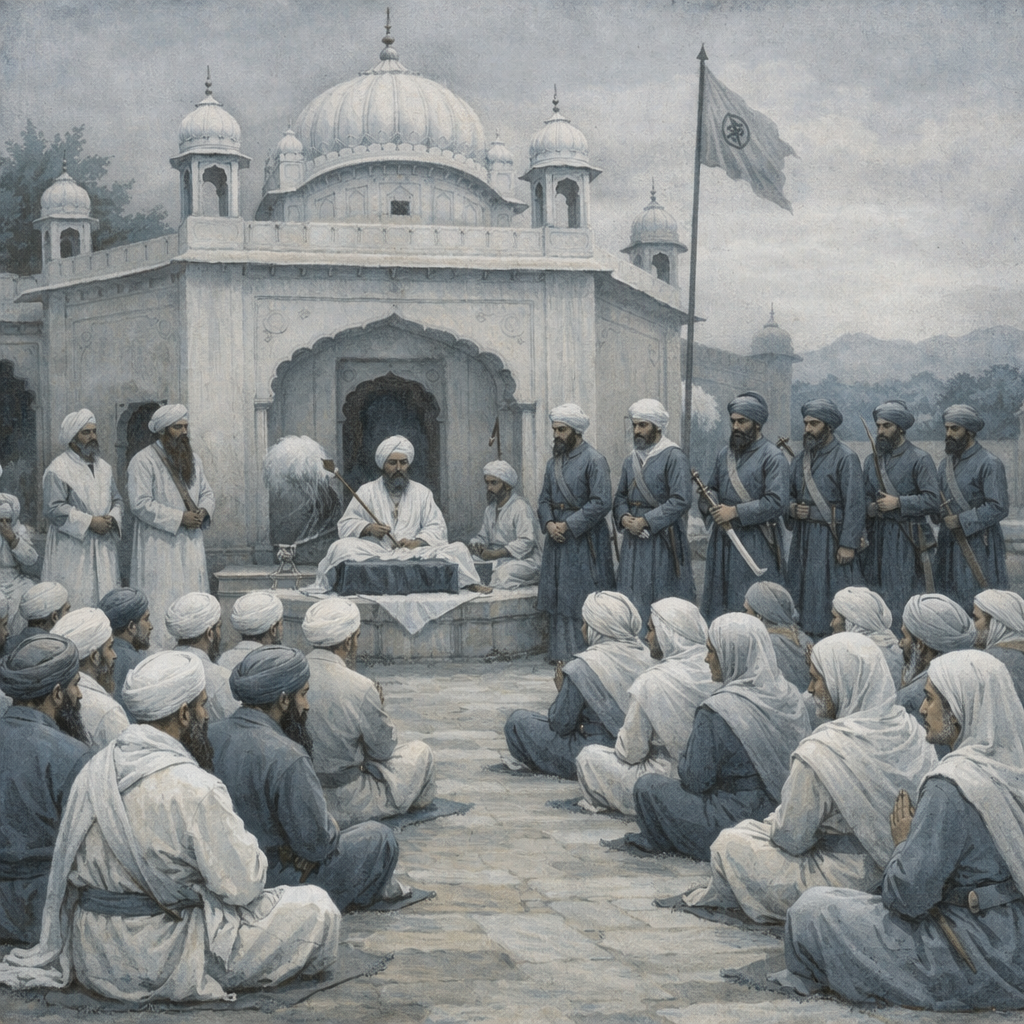

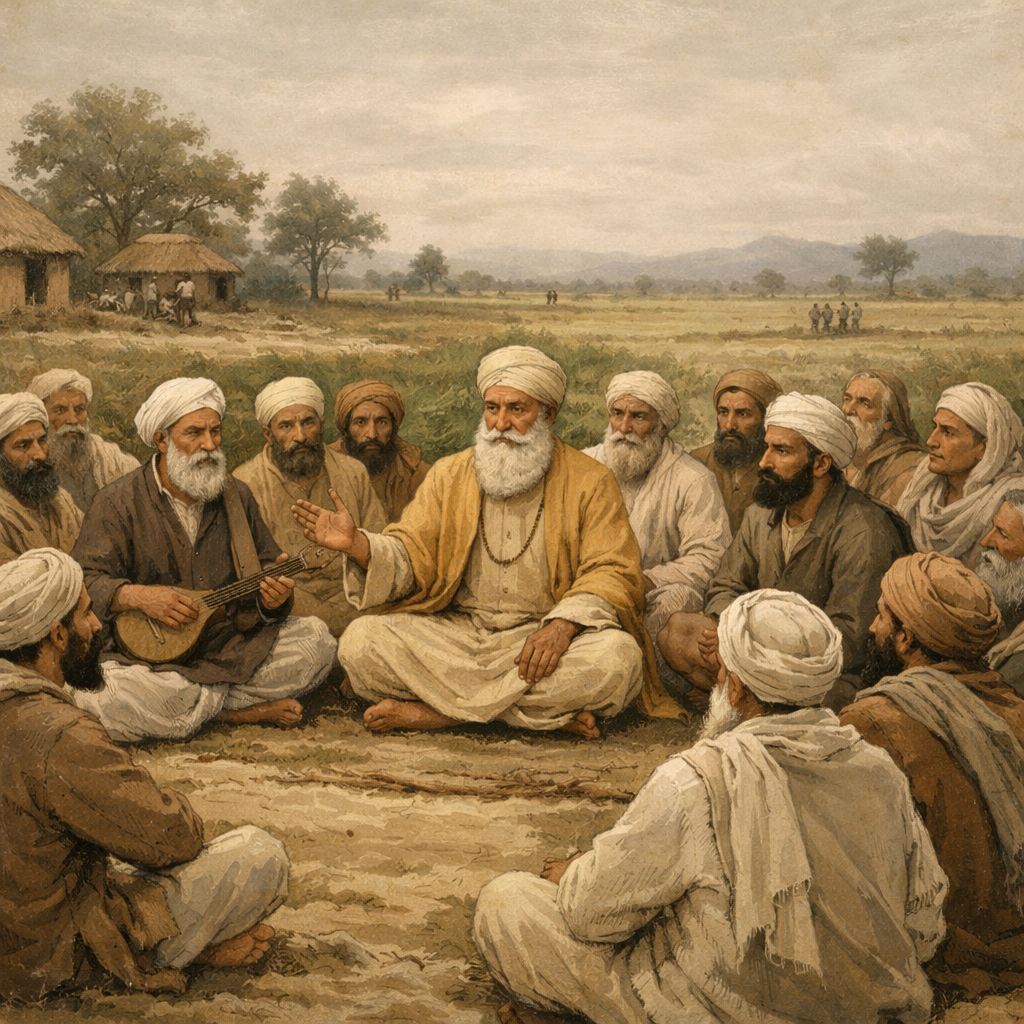
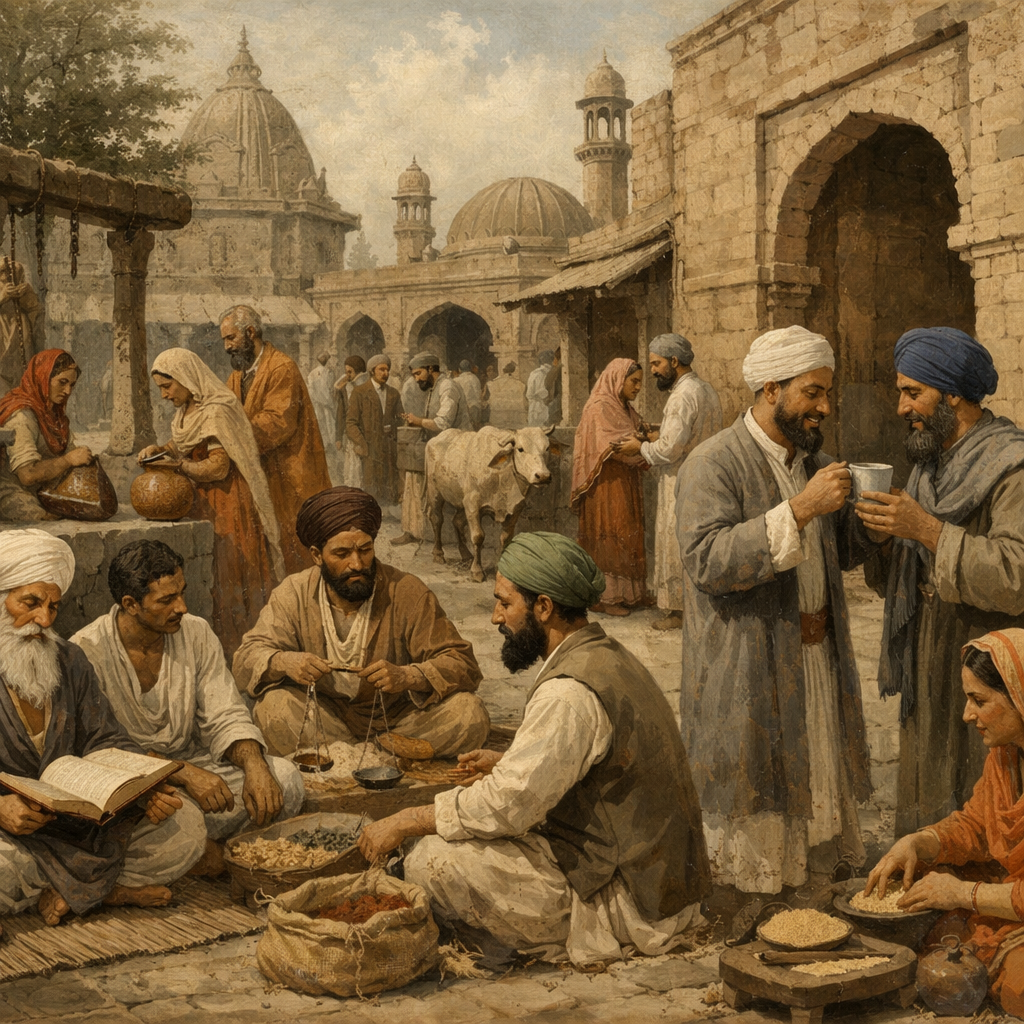
- Granthi: Reader and caretaker of Guru Granth Sahib.
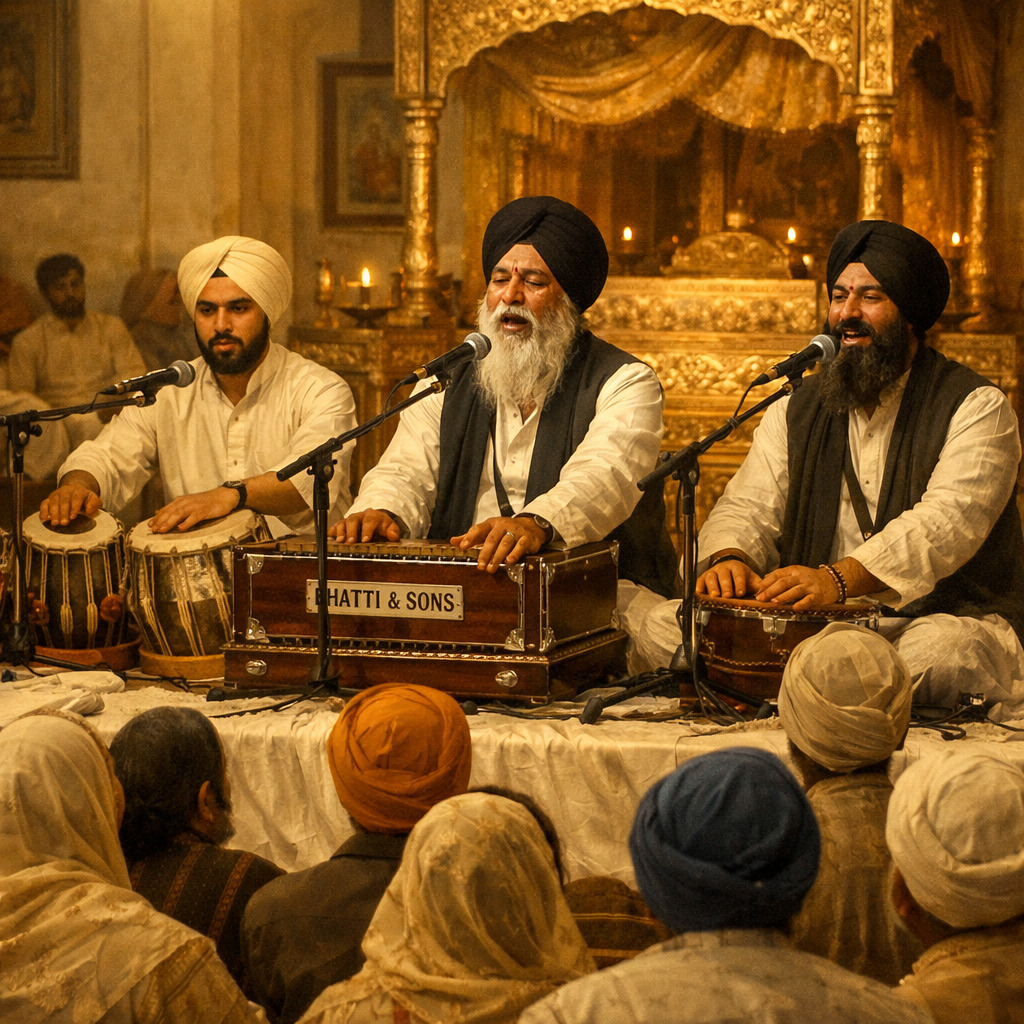
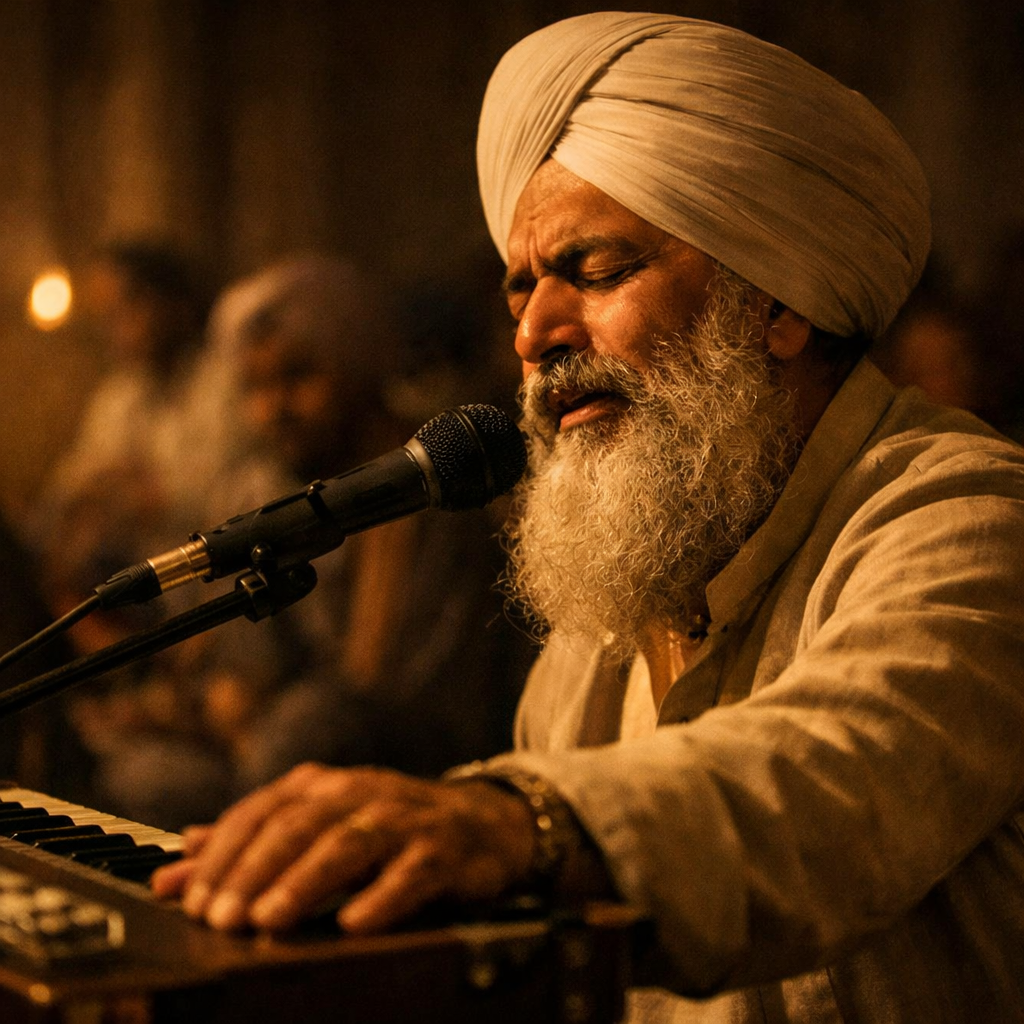
- Ragis: Musicians who perform kirtan.
- Institutions: Akal Takht (highest temporal authority), SGPC (manages shrines).
- No priestly class: Gurus ended hereditary priesthood; authority rests in scripture and community.
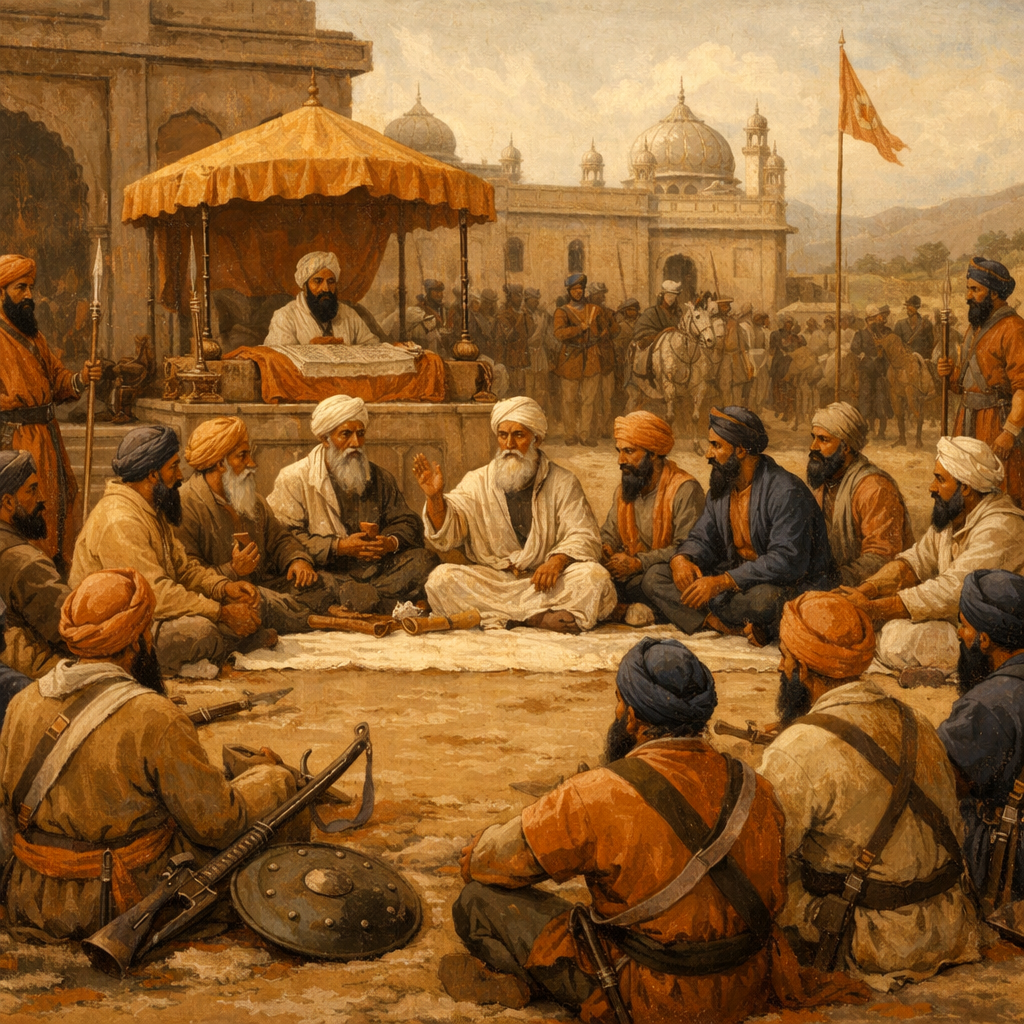
Sikh religious organization is structured to prevent the concentration of spiritual authority in individuals, offices, or ascetic elites. Authority is vested collectively in scripture and community, with institutions designed to coordinate discipline, preserve unity, and administer shared life rather than mediate access to the divine. Functional roles facilitate worship and education without creating hierarchy, while every adherent bears full religious responsibility regardless of gender or caste. Transmission emphasizes communal participation, ethical living, and continuity with the Gurus through scripture alone. Reform operates as a corrective force, reasserting egalitarianism and collective accountability whenever institutional structures drift toward clericalism or exclusion.
9. Social Function & Law

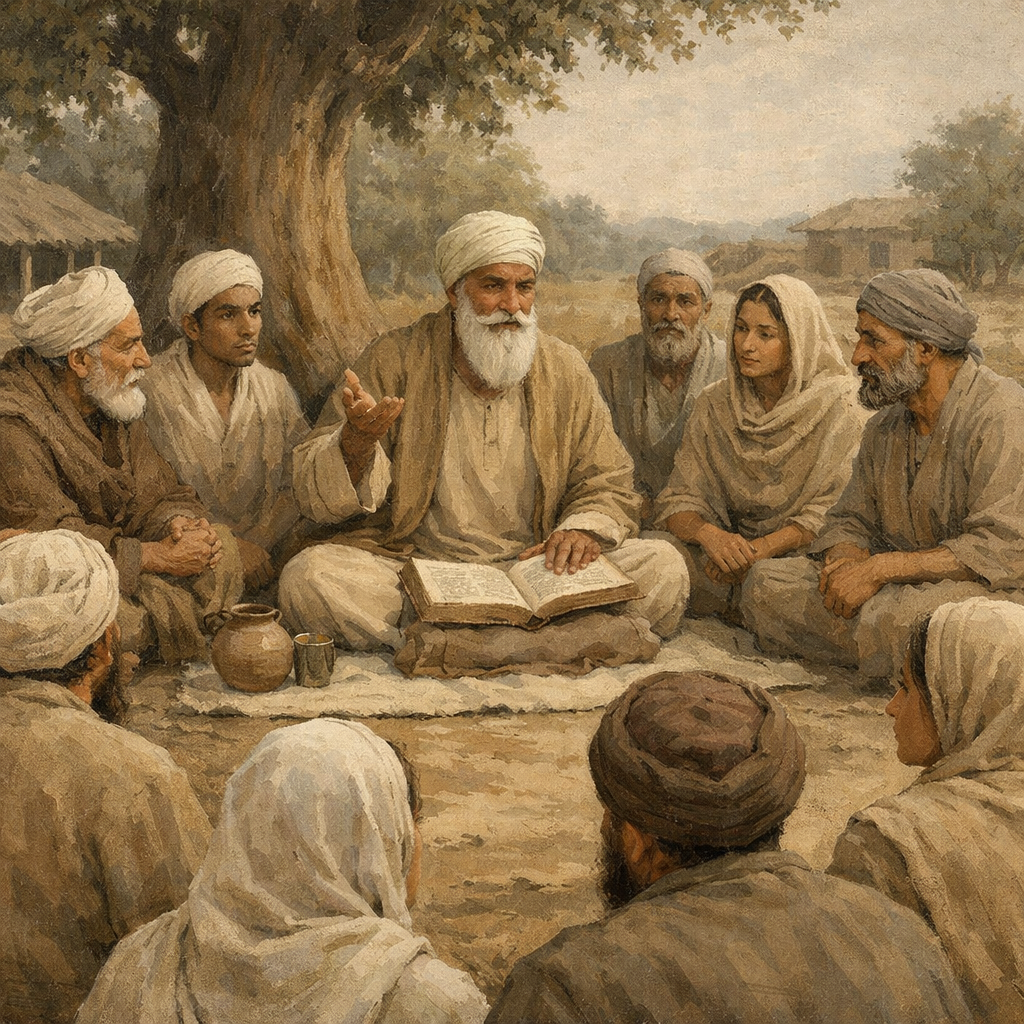

- Equality: Rejects caste distinctions, promotes gender equality.
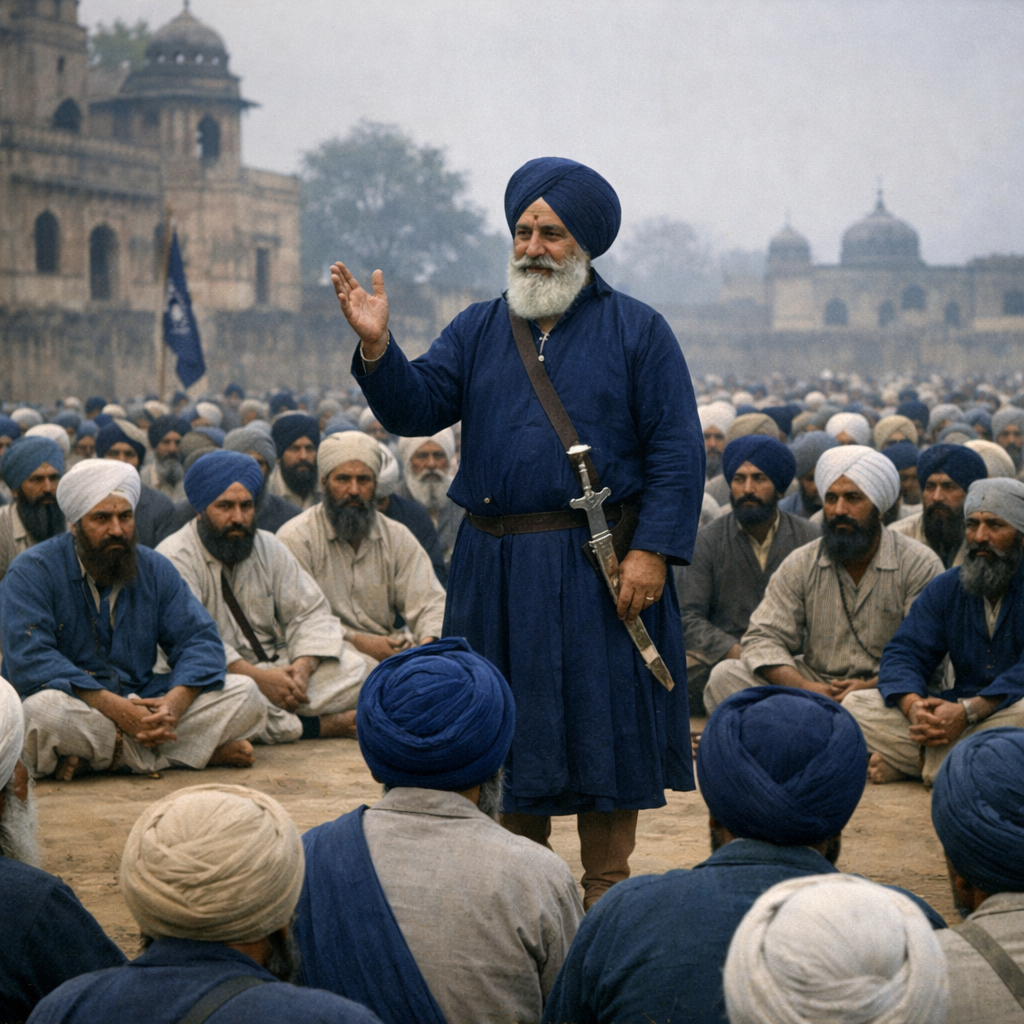
- Community (sangat): Collective worship and decision-making (sarbat khalsa).
- Ethics: Truth, honesty, humility, sharing, service.
- Law/code: Sikh Rehat Maryada governs daily life, rituals, and Khalsa conduct.
Sikhism regulates social life through collective moral authority grounded in the Guru tradition, expressed as communal discipline rather than legal coercion or sacral rule. Ethical order is maintained through Rehat, visible identity, shared service, and congregational institutions, while authority is exercised by consensus and responsibility rather than hierarchy. Social cohesion, welfare, and even justified force operate within a framework of equality, restoration, and defense, preserving continuity through Guru-centered practice rather than law or sovereignty.
10. Death & Afterlife


- Soul: Immortal; subject to cycles of rebirth.
- Liberation (mukti): Union with God through remembrance, devotion, righteous living.
- Funerary practice: Cremation preferred; recitation of prayers; remembrance through seva and scripture reading.
Within Sikhism, teachings on death reinforce a broader theological emphasis on devotion, ethical living, and the rejection of superstition. The tradition balances belief in rebirth and moral consequence with a decisive assertion of divine sovereignty, denying both mechanical karma and postmortem judicial systems. Liberation is framed not as reward after death but as release from ego and rebirth through God’s grace, accessible through remembrance and righteous conduct in everyday life. Ancestors hold no spiritual authority, rituals do not determine fate, and death does not alter the soul’s standing apart from the life already lived. By stripping death of fear-based control, priestly mediation, and speculative afterlife geography, Sikhism anchors meaning firmly in present responsibility and communal equality, using mortality to reinforce humility, resilience, and devotion rather than anxiety about what lies beyond.
11. Symbolism & Cultural Expression



- Symbols: Khanda (double-edged sword emblem), Ik Onkār (One God), Nishan Sahib (flag).
- Numbers: Five Ks; Five Beloved Ones (Pañj Piāre).
- Music: Kirtan central; ragas structure devotional hymns.
- Art/architecture: White domes, sarovars (water tanks), scripture calligraphy.
Within the symbolic spectrum of Eastern religions, Sikhism occupies a distinct position defined by its deliberate consolidation of meaning into sound, discipline, and collective practice. Unlike traditions that deploy symbols to model cosmic process, cultivate withdrawal, or encode metaphysical plurality, Sikh symbolism is oriented toward unity expressed through ethical visibility and communal sovereignty. Symbols are tightly constrained to prevent representational drift, ritual intermediaries, and devotional excess.
This section shows how Sikhism uses symbolism to bind metaphysical unity to social practice: sound replaces image, scripture replaces personhood, discipline replaces ascetic withdrawal, and equality replaces inherited hierarchy. Symbols function not to open interpretive space but to stabilize orientation, ensuring that belief, conduct, and community remain inseparable. Sikhism thus demonstrates a symbolic system engineered to sustain moral action, resistance to domination, and shared authority without recourse to iconography, mysticism, or sacramental mediation.
12. Contact & Transformation




- Historical encounters: With Mughals (persecution and martyrdom), with British colonialism (military and reform movements).
- Modern period: Diaspora spread to UK, Canada, US, East Africa.
- Challenges: Identity preservation, caste remnants, political conflicts in Punjab.
- Revival/reform: Singh Sabha movement (19th c.), global Sikh institutions, digital scripture access.
Sikhism’s historical trajectory is defined by formation through contact combined with sustained resistance to syncretic dilution. Arising in a plural religious milieu, it establishes itself as a bounded tradition by transforming shared cultural materials into a disciplined, authority-centered system. Reform is foundational rather than corrective, and subsequent renewal cycles focus on reasserting discipline, institutional stability, and communal cohesion rather than doctrinal reinvention.
Suppression and resistance play a central role in shaping Sikh identity, producing high internal solidarity, defensive capacity, and durable institutions centered on scripture and communal life. Migration and globalization extend this pattern, with diaspora communities reinforcing identity through gurdwaras, education, and public service while negotiating new political and legal environments. Across disruption and relocation, Sikhism persists through boundary consolidation: pressure strengthens coherence, allowing the tradition to globalize without dissolving its defining structures.