Design & Media Arts
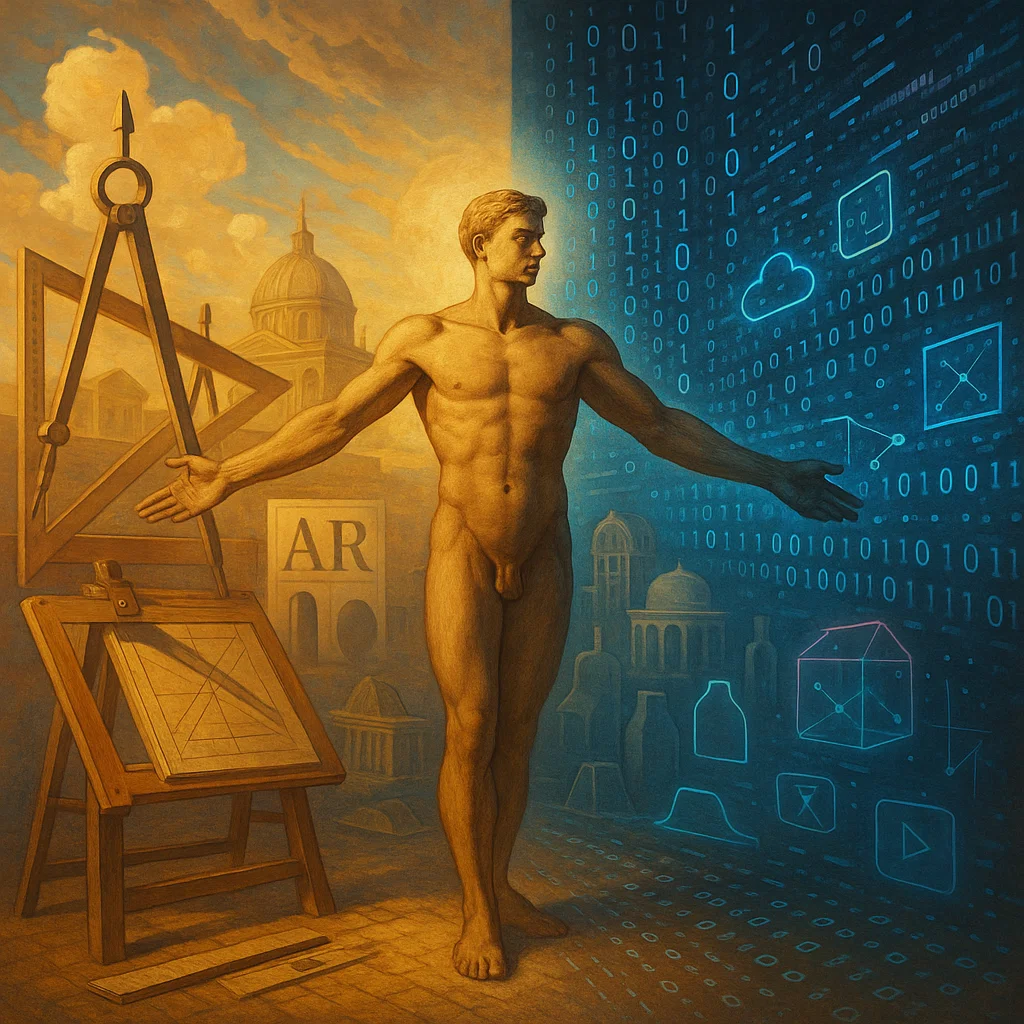
The Design and Media Arts bridge creativity with technology and purpose. They apply aesthetic intelligence to the structures of modern life—how humans shape, use, and experience their environments, tools, and information. Unlike the fine arts, which exist for contemplation, design and media arts exist for interaction: they translate imagination into systems, spaces, and interfaces that organize contemporary reality.

Primary Forms of the Design & Media Arts
| Form | Core Medium | Description |
|---|---|---|
| Architecture | Built environment | Designs and structures space to serve human needs and aesthetic order. |
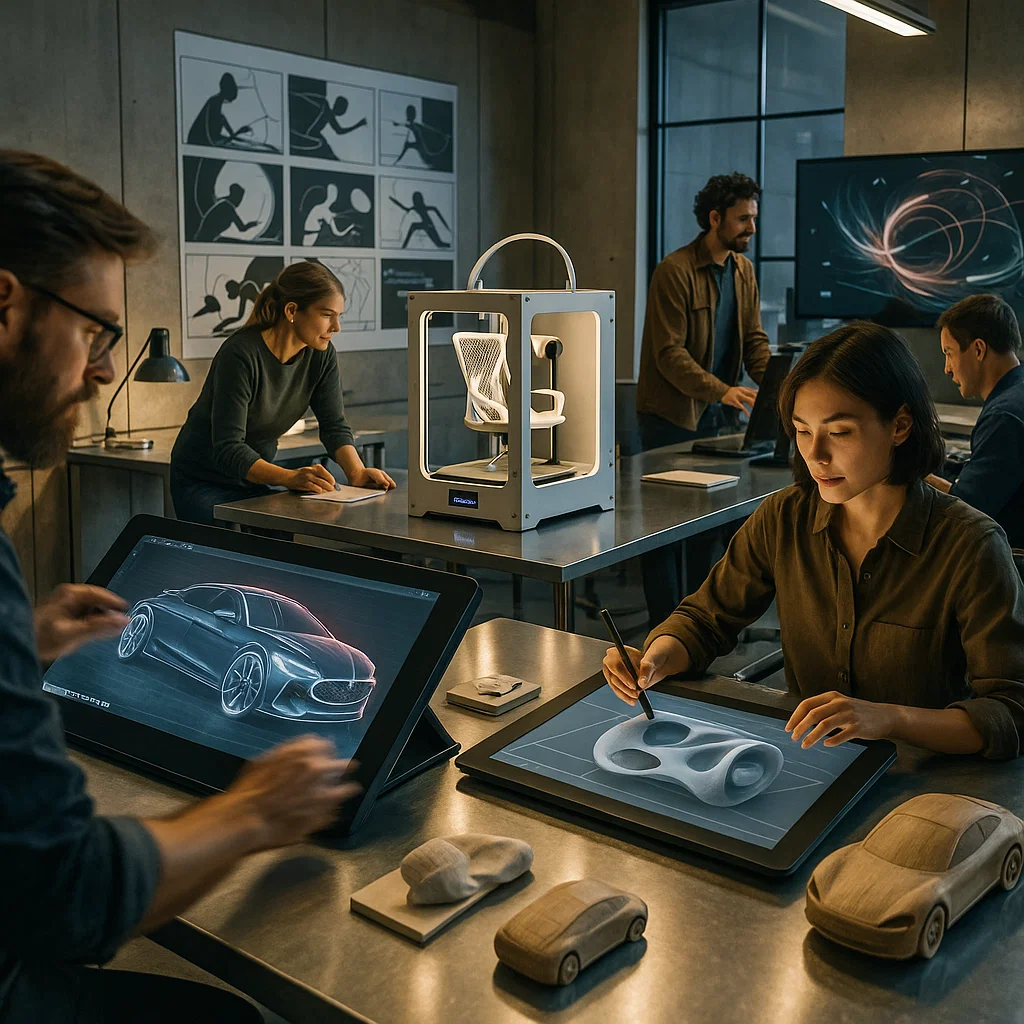
| Industrial and Product Design | Objects and systems | Creates tools, products, and physical interfaces that blend utility with form. |
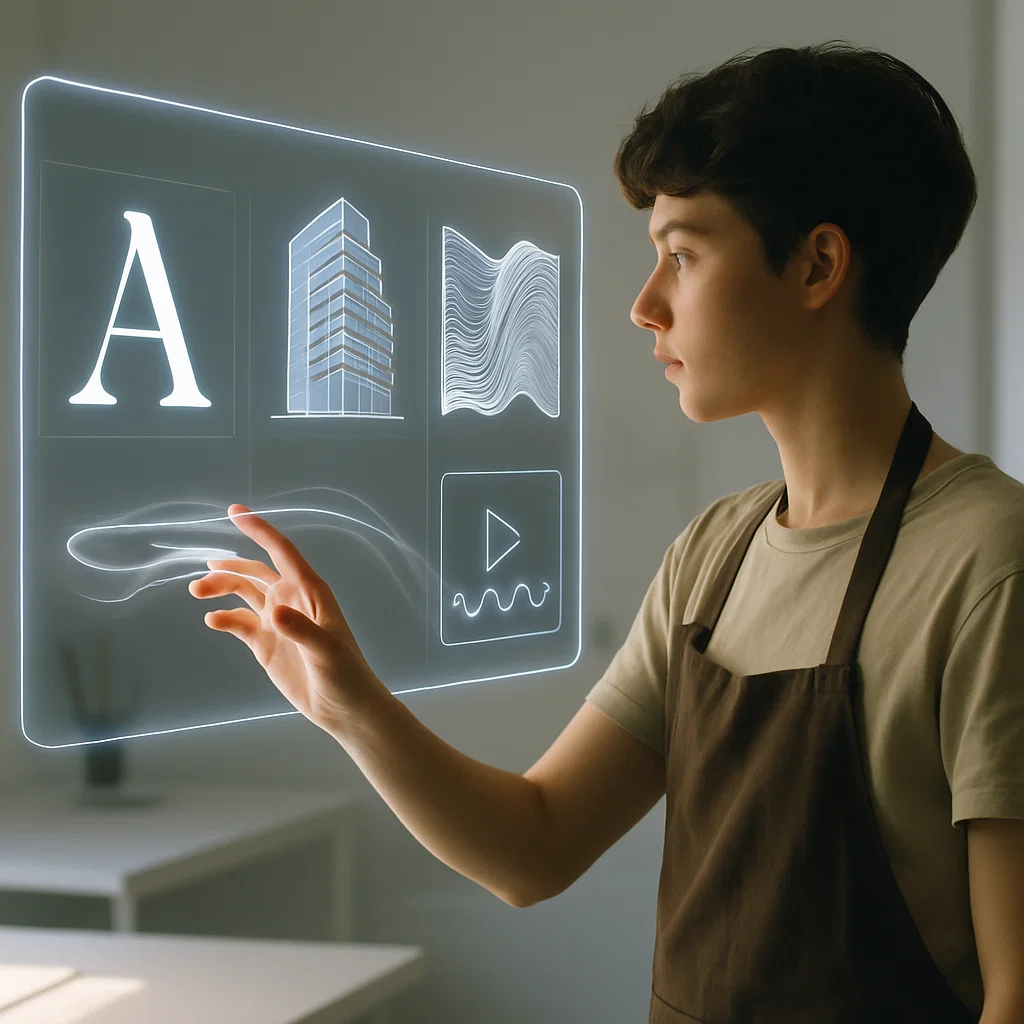
| Graphic Design | Visual communication | Arranges imagery, text, and symbol to convey meaning clearly and aesthetically. |
| Film and Animation | Moving image | Combines narrative, sound, and visual rhythm to represent time-based experience. |
| Digital Media and Interactive Design | Computational systems | Uses code, interface, and motion to produce immersive, participatory experiences. |
The classification of Design and Media Arts into five primary forms derives from the overlapping frameworks used by leading art and design institutions—such as the Bauhaus, Rhode Island School of Design (RISD), Parsons School of Design, and UCLA Design | Media Arts Department—as well as from UNESCO and Britannica categorizations of creative disciplines.
Across these authorities, Design and Media Arts are consistently defined by their focus on applied creativity—the translation of artistic imagination into functional and communicative design systems. The five forms below represent the core academic and professional fields through which this translation occurs:
1. Architecture — The design of built environments where spatial form meets human function; recognized as both an art and a science.
2. Industrial and Product Design — The creation of physical objects and systems optimized for usability, aesthetics, and production.
3. Graphic Design — The visual structuring of information through typography, layout, and imagery; the foundation of all visual communication.
4. Film and Animation — The synthesis of image, time, and sound to construct moving visual narratives; a central discipline of modern media.
5. Digital Media and Interactive Design — The newest domain, encompassing computational, immersive, and network-based creative practices such as web design, UX/UI, virtual reality, and generative media.
Together, these five domains form the complete and academically recognized structure of the Design and Media Arts. Each represents a distinct convergence of artistic expression, technological method, and human experience, defining how creativity operates in the designed and digital worlds.



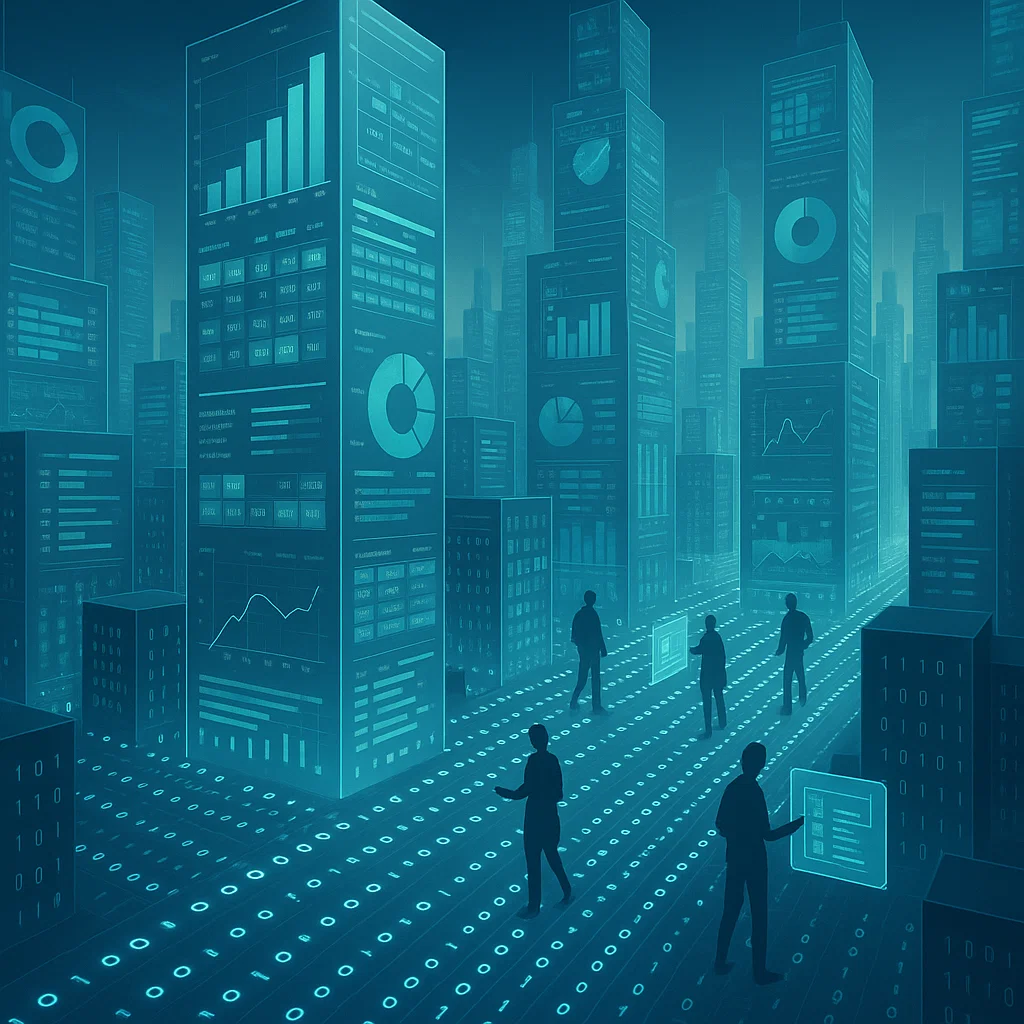

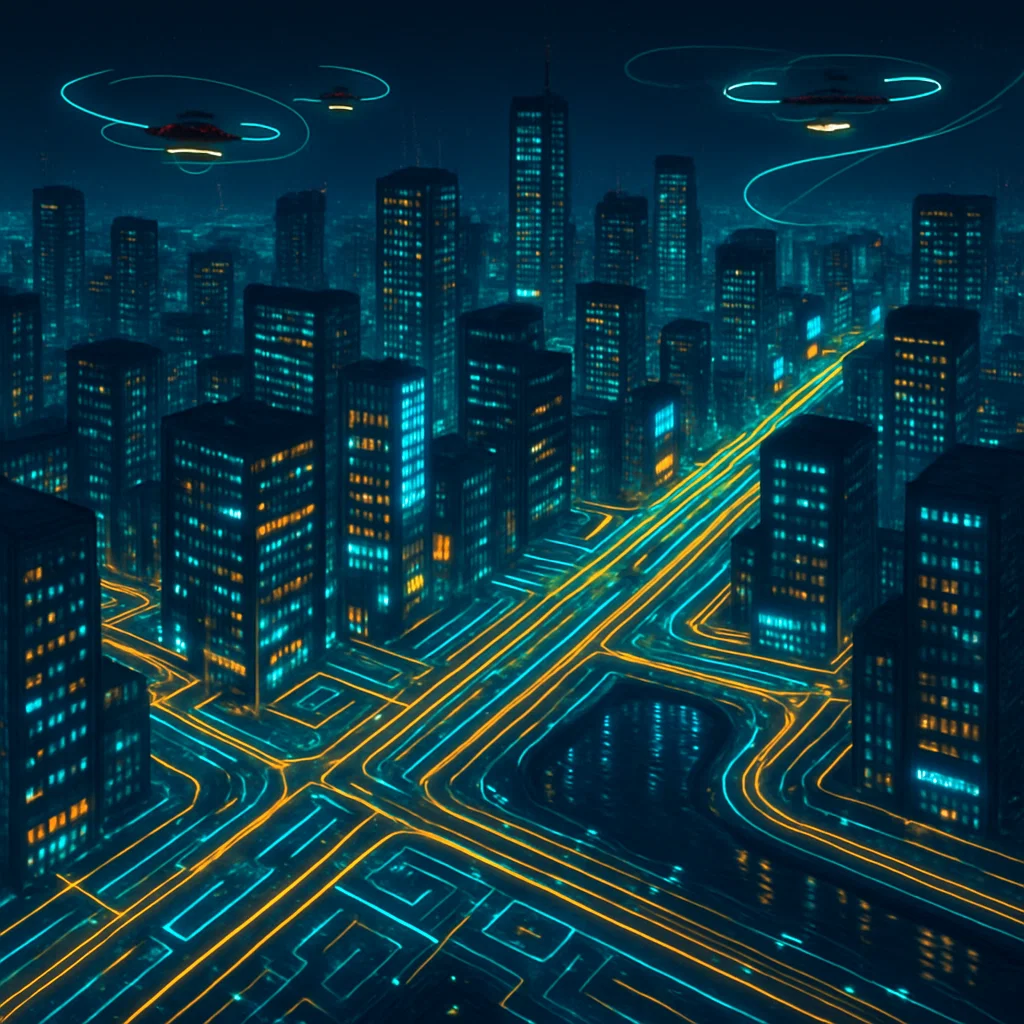
The Design and Media Arts transform imagination into usable beauty.
They are the architecture of the modern imagination—the means by which thought becomes environment, and art becomes the lived texture of daily life.