The Arts constitute the imaginative and expressive disciplines of the humanities, encompassing those practices by which human beings give sensory and symbolic form to inner experience. They exist at the intersection of perception and creation—where emotion, intuition, and intellect converge in the making of meaning.
In academic terms, the arts can be defined as systems of symbolic communication that employ aesthetic principles to explore human consciousness, culture, and reality. They differ from the empirical sciences in method and aim: rather than seeking explanation through observation, the arts pursue understanding through expression. Each artistic medium—whether linguistic, visual, musical, or performative—serves as a distinct mode of inquiry into what it means to perceive, to feel, and to exist.
Imagination functions as the generative faculty of the arts. It bridges cognition and creation, allowing the mind to synthesize sensory data, memory, and emotion into new configurations of form. Through this process, art becomes both a reflection and an extension of human thought, offering alternative pathways to truth that reason alone cannot reach.
Thus, the Arts are not ornamental but epistemological: they are ways of knowing, grounded in the creative capacities that distinguish human consciousness. Their study within the humanities situates them as vital evidence of civilization’s evolving attempt to render the invisible visible and the ineffable intelligible.
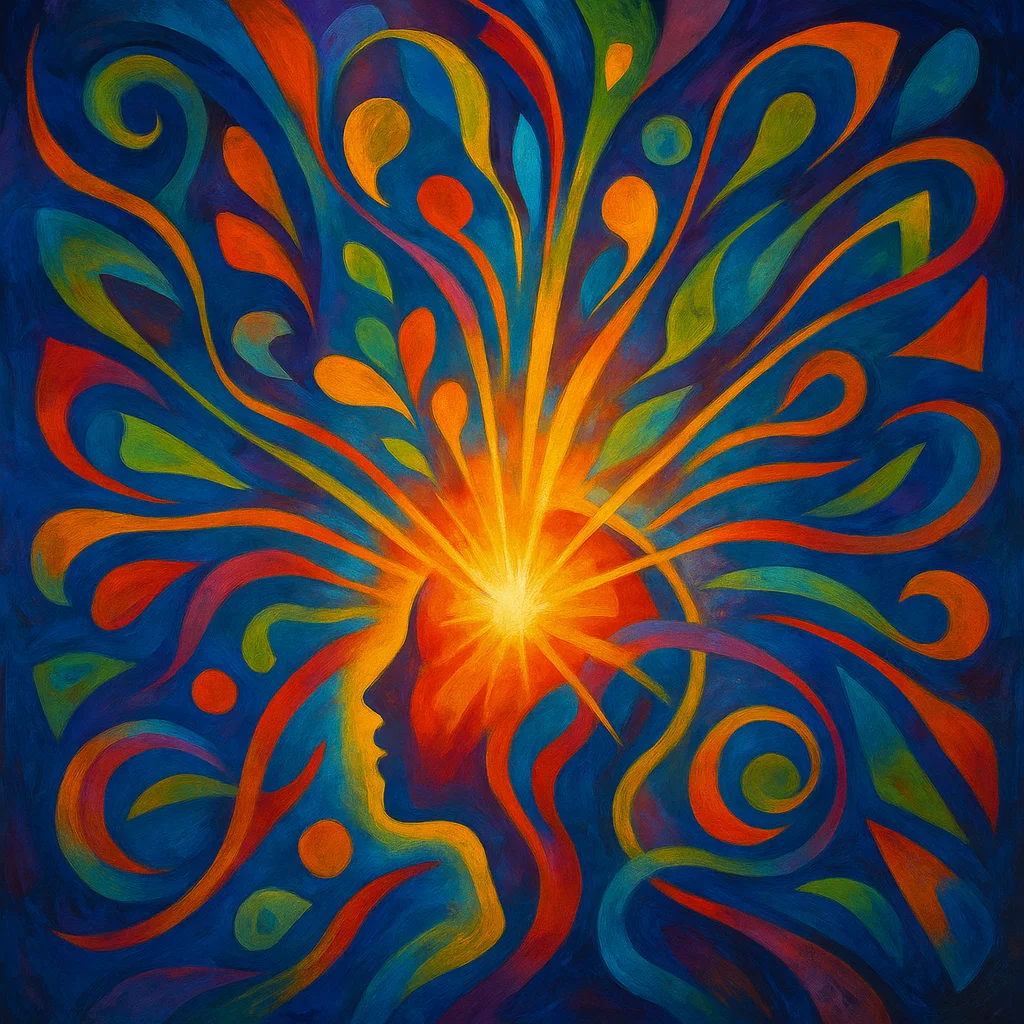
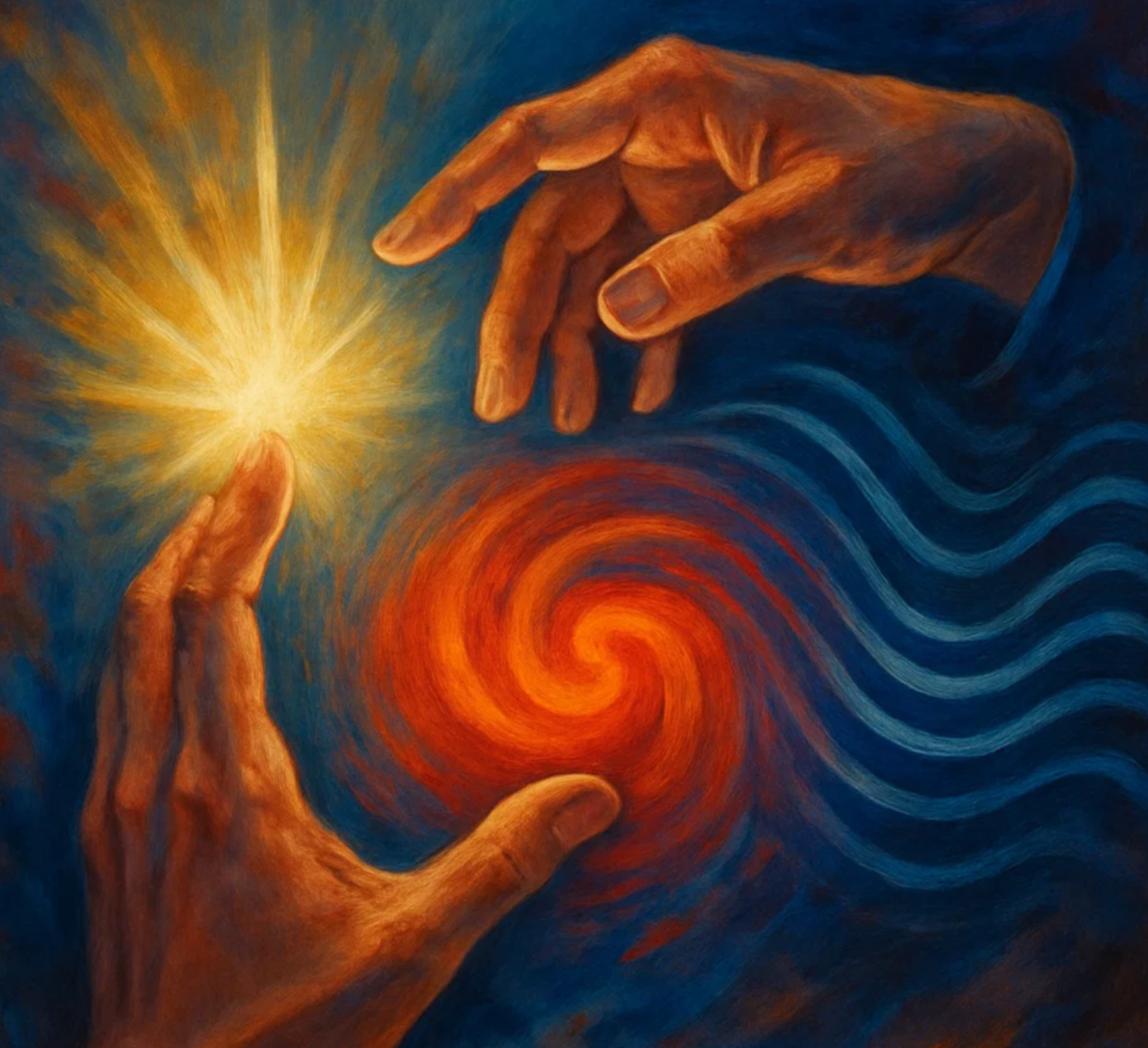
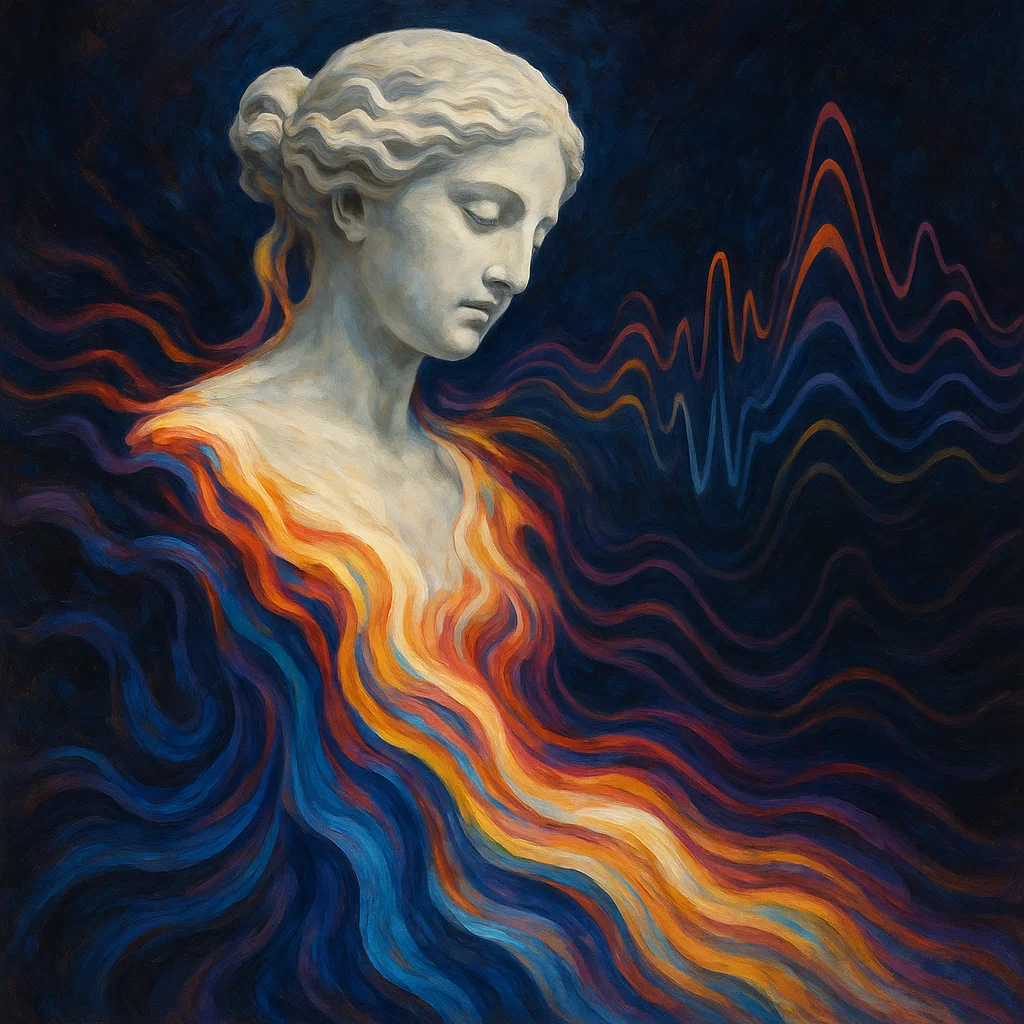
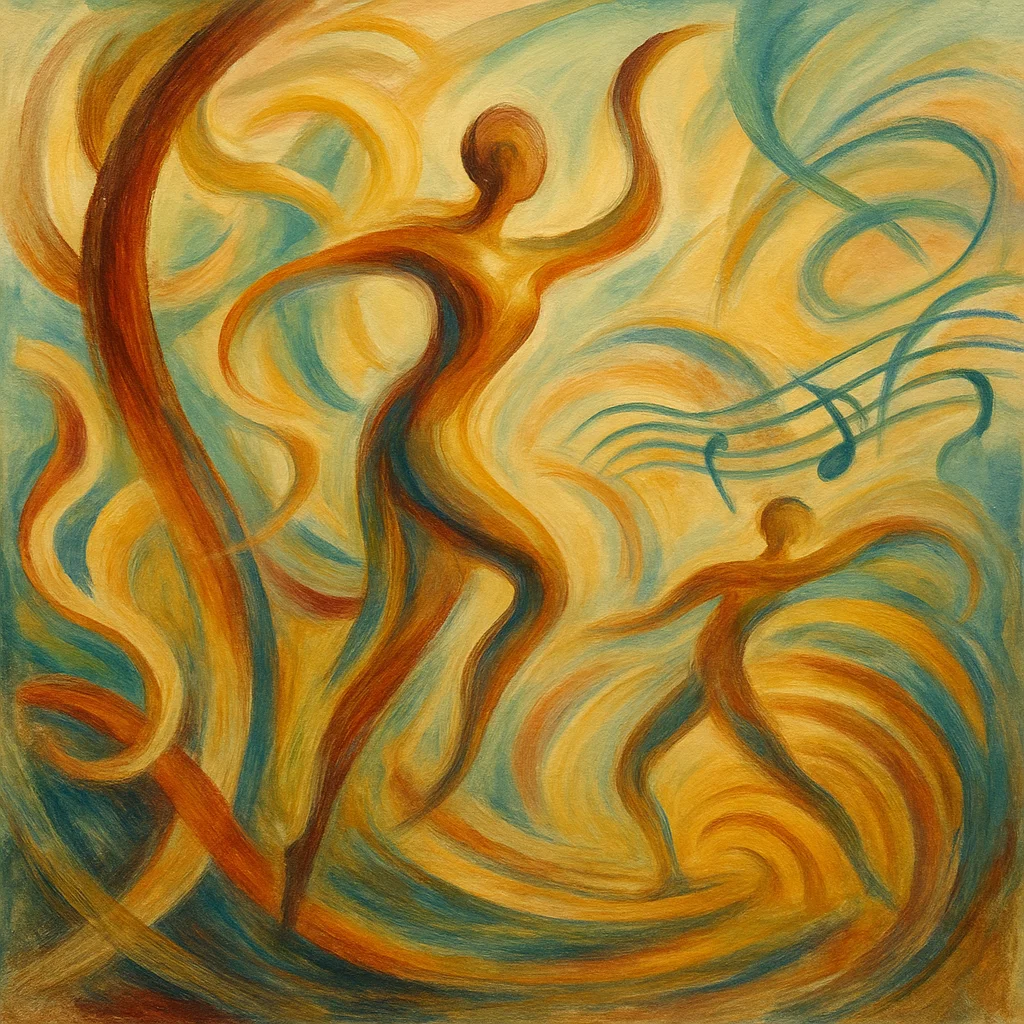
So… What is Art?
Art is the intentional creation of form that embodies meaning
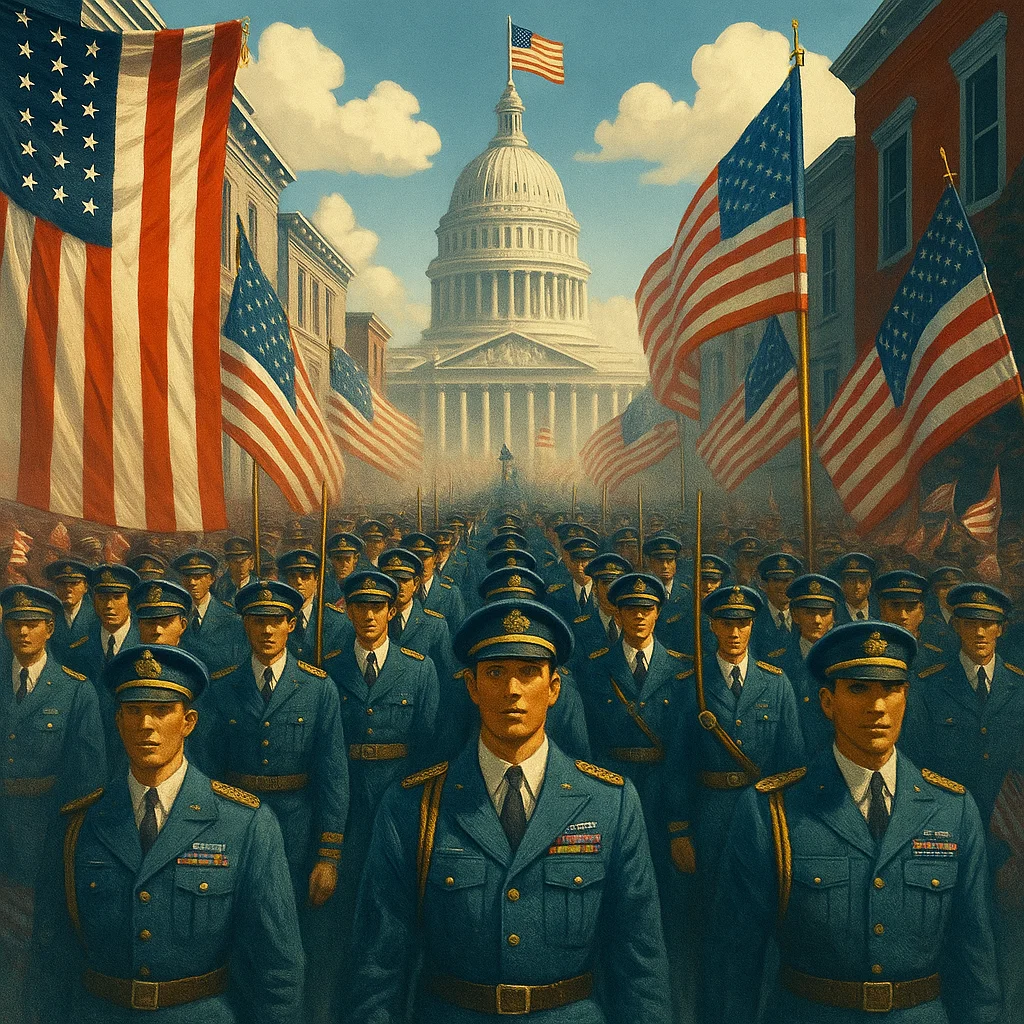
Philosophically, art unites three elements:
- Imagination – the generative power that conceives what does not yet exist.
- Form – the chosen structure that gives that conception visible or audible presence.
- Meaning – the resonance that arises when a created form reflects something universally human.
Building upon the three elements of Imagination, Form, and Meaning, the arts unfold into distinct yet interrelated disciplines—each a specialized way of giving shape to human experience. These domains differ in medium and method, but all share the same purpose: to render inner vision tangible, and to make the world intelligible through creative form.
The Forms of Art
| Art Form | Examples | Description |
|---|---|---|
| Literary Arts | Poetry, Prose, Drama, Myth | Use language to structure imagination through narrative, rhythm, and symbol. Words become the vessel of thought, allowing human experience to be expressed, remembered, and transformed. |
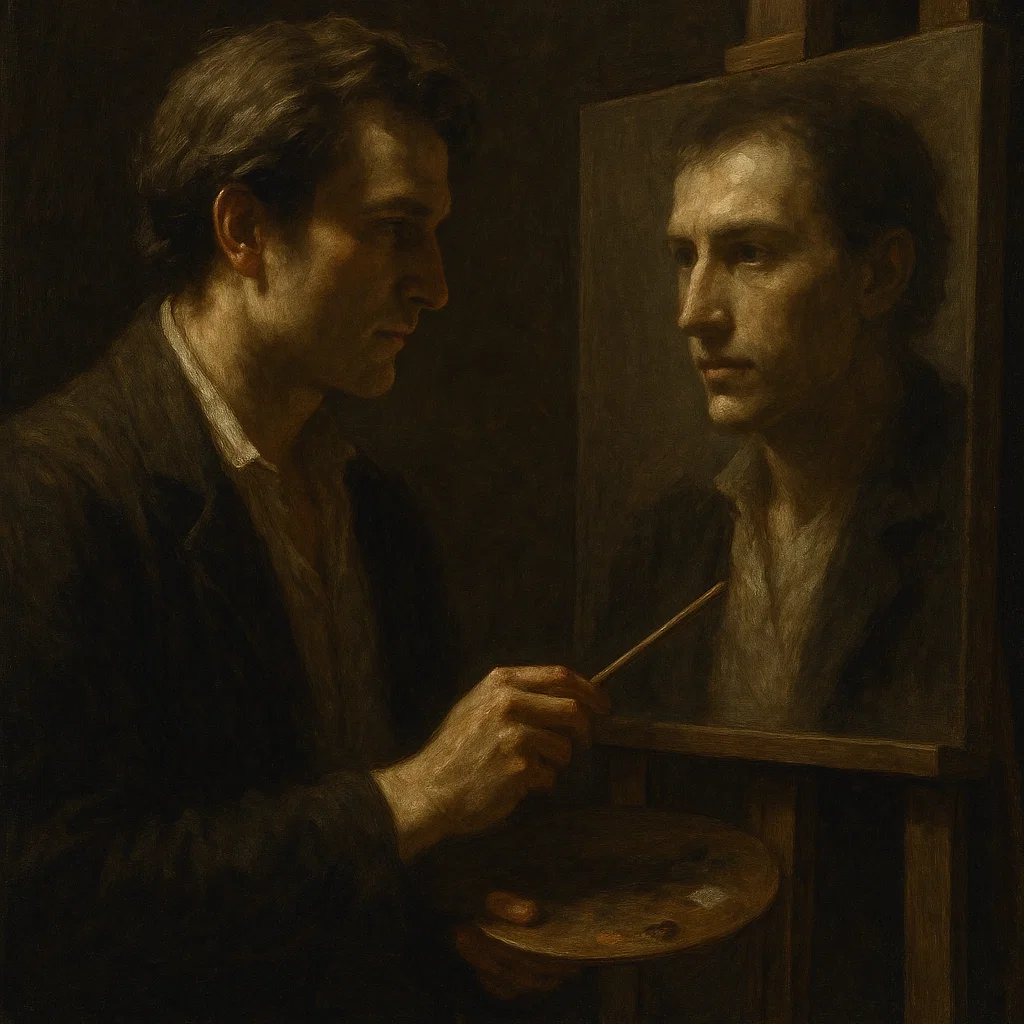
| Visual Arts | Painting, Sculpture, Drawing, Photography | Communicate through image, color, and composition. They turn perception into form, exploring how sight and symbol reveal reality and emotion. |
| Musical Arts | Composition, Instrumental, Vocal, Choral | Organize sound in time to evoke emotion and structure feeling. Music embodies the rhythms of thought and the harmonies of experience. |
| Performing Arts | Theater, Dance, Opera, Ritual Performance | Unite movement, voice, and presence to transform imagination into living form. They embody meaning through time, action, and embodiment. |
| Design & Media Arts | Architecture, Film, Graphic Design, Digital Media | Integrate creativity with function and technology. They extend art into the designed world, shaping how imagination interacts with modern life. |
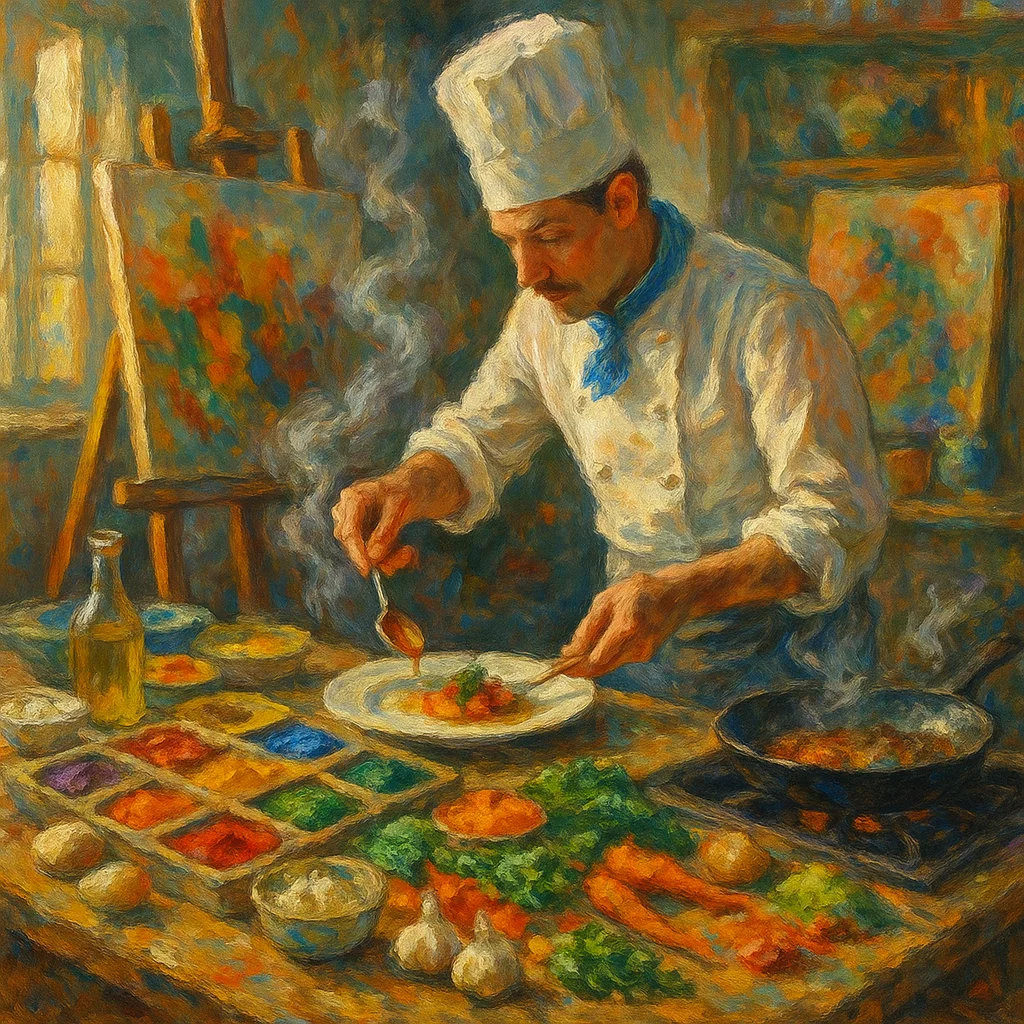
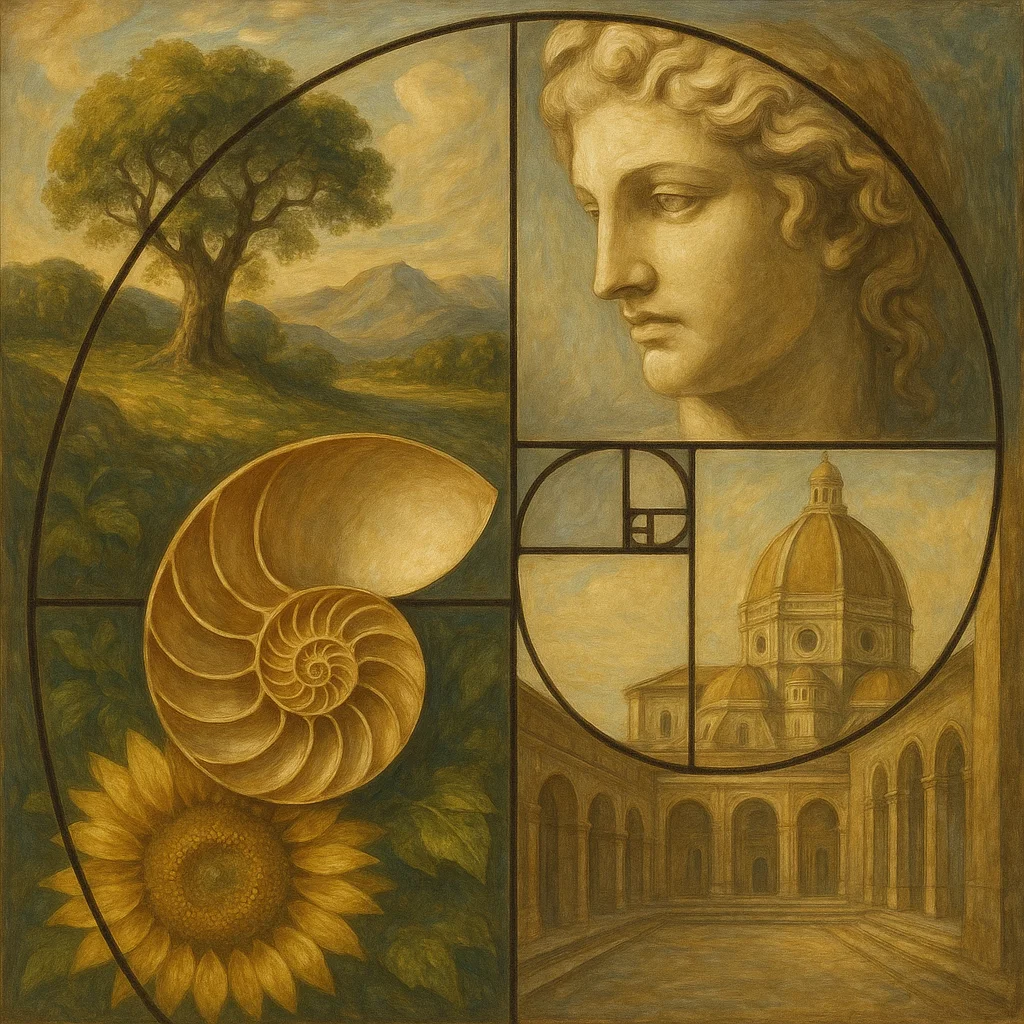
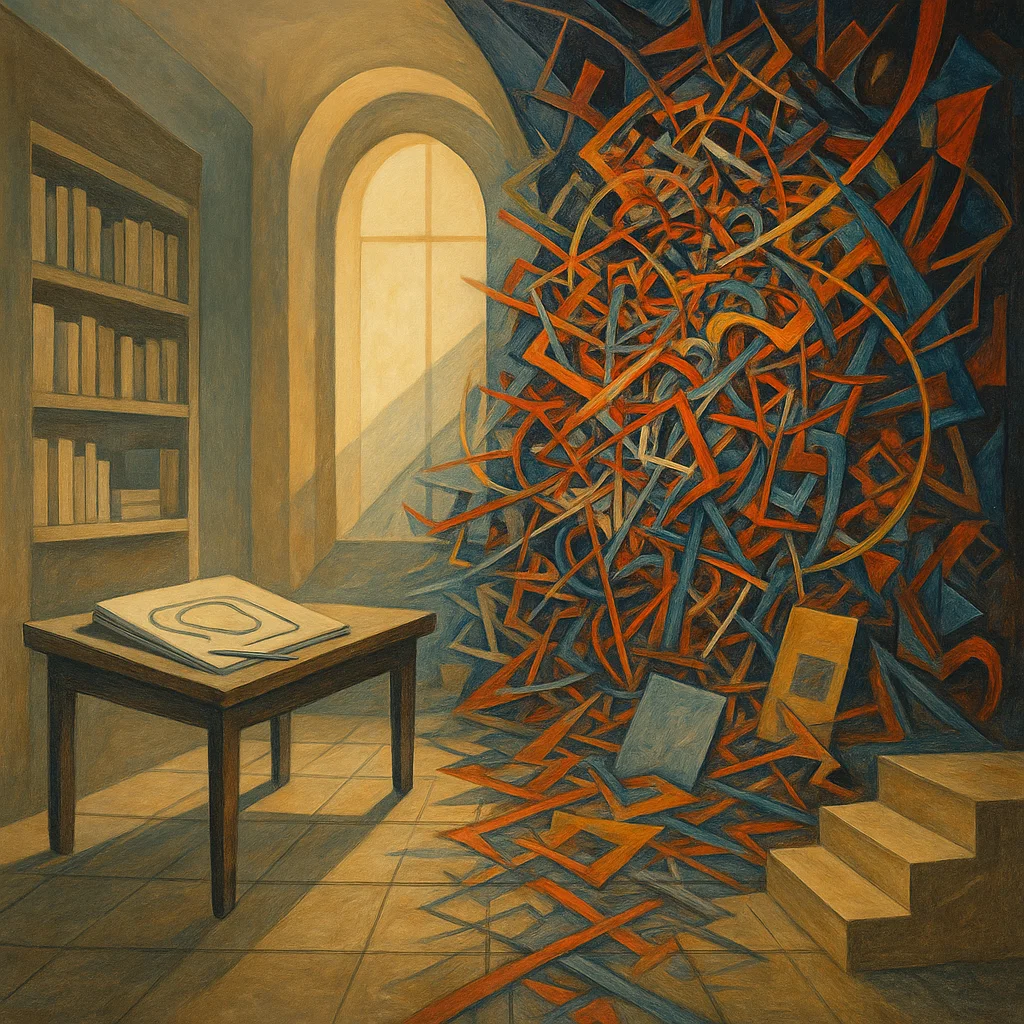
Together, these five domains represent the operational architecture of imagination—the primary languages through which humanity interprets, constructs, and re-creates reality.