Musical Practice constitutes the productive foundation of the musical arts—the sphere concerned with the creation, realization, and mediation of sound. It encompasses the techniques, processes, and conditions through which musical works come into existence and acquire aesthetic form. Whereas Musical Language addresses structure and syntax, and Musical Reflection considers interpretation and meaning, Practice examines the act of making itself: the transformation of conceptual imagination into audible experience.
Composition
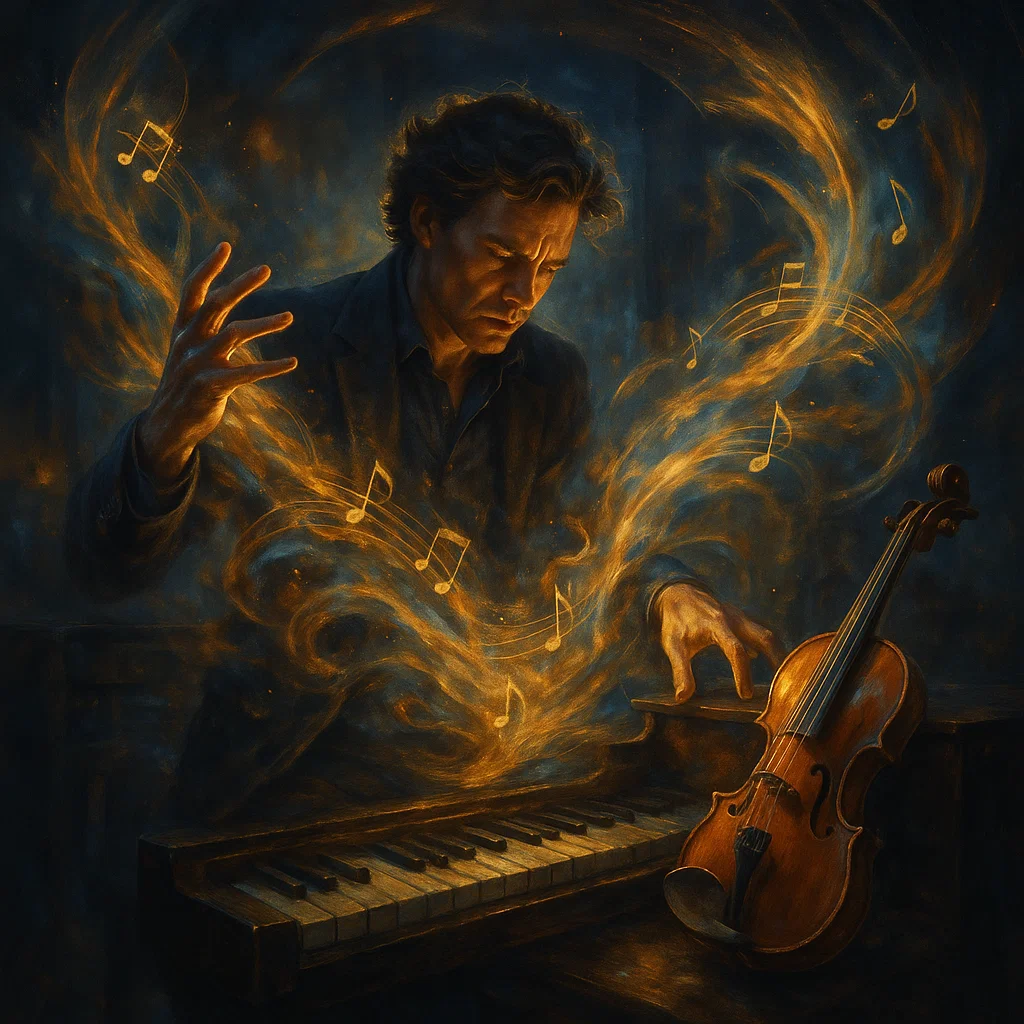
The deliberate construction of musical thought. It involves the organization of pitch, rhythm, harmony, texture, and form into coherent structures. Composition may operate within traditional frameworks—such as tonal, modal, or serial systems—or extend into experimental, digital, and algorithmic modes. It is the discipline through which musical ideas are formalized, notated, and transmitted.
Performance
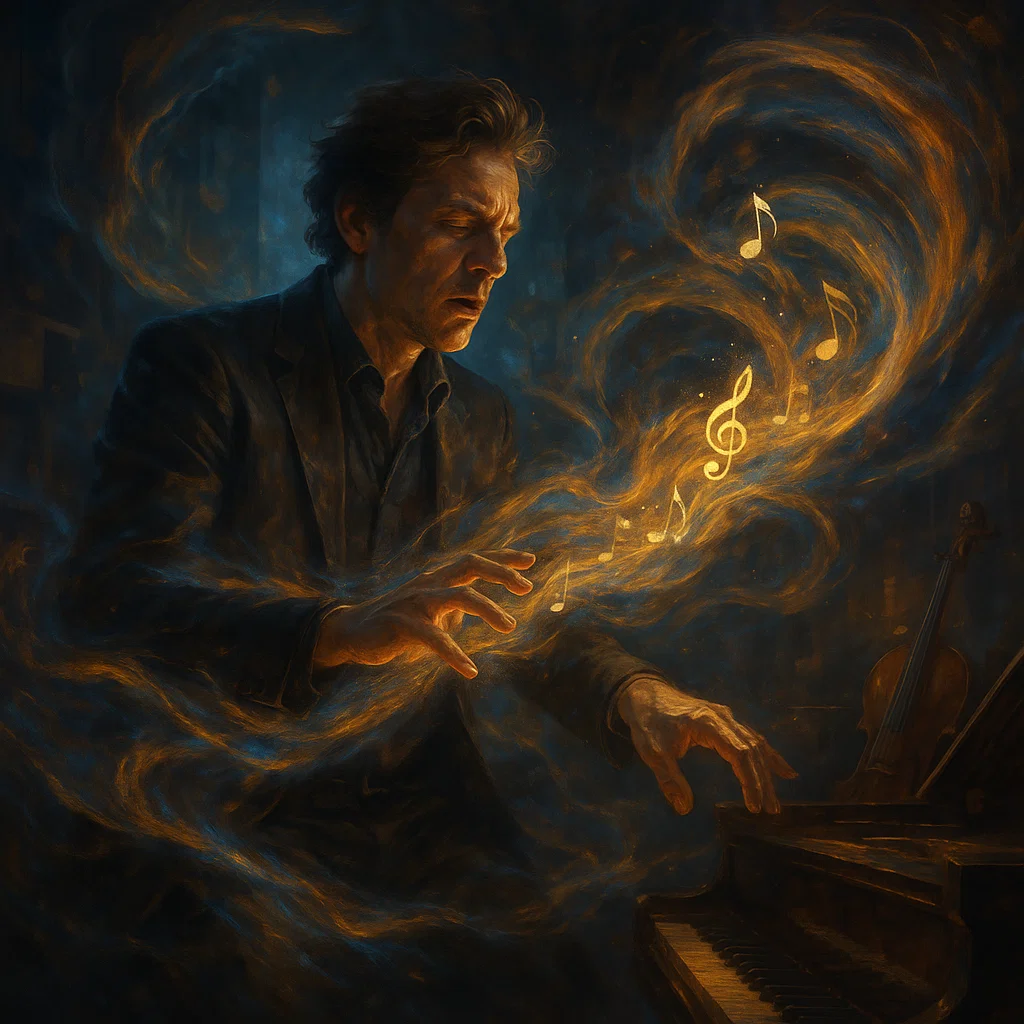
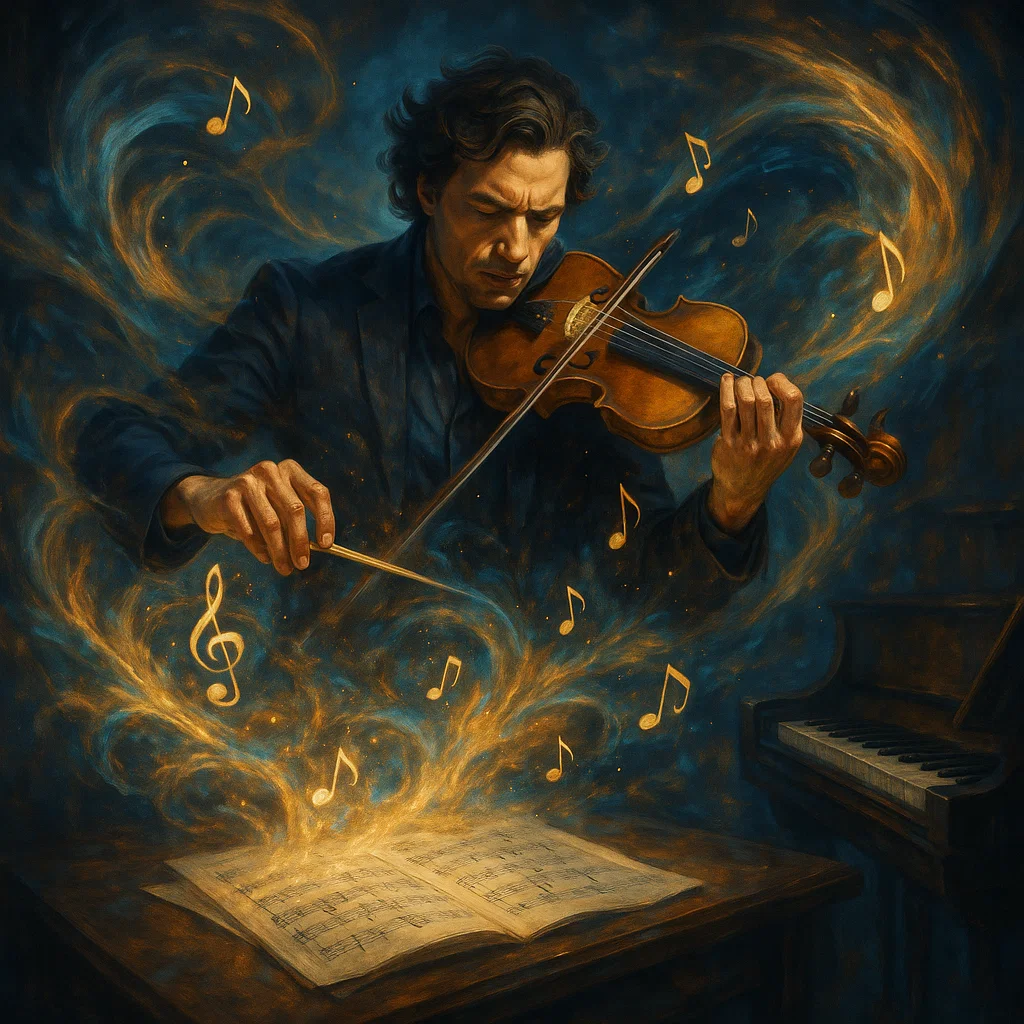
The interpretive realization of music in time. Performance mediates between the composed idea and its sensory manifestation, embodying both discipline and expressivity. It requires technical proficiency, stylistic awareness, and aesthetic judgment. In performance, music exists not as abstract design but as event—a dynamic interaction among performer, work, and audience.
Improvisation
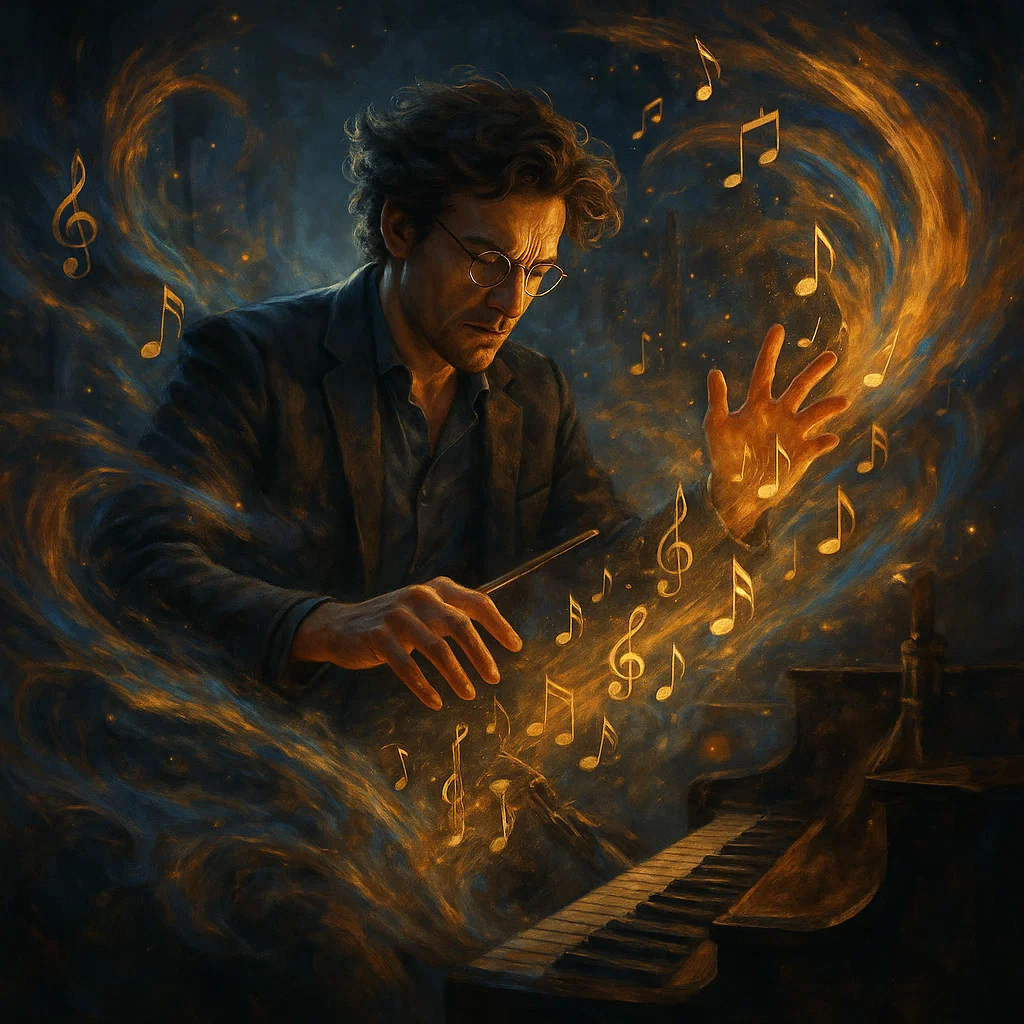
The spontaneous creation of music within real time. Distinguished from composition by its immediacy, improvisation depends on internalized knowledge of musical systems and on intuitive responsiveness. It occupies a central role in oral, sacred, and vernacular traditions—jazz, blues, Indian raga, Middle Eastern maqam—serving as both personal expression and communal dialogue.
Production
The contemporary extension of musical practice into mediated and mechanical forms. It includes recording, editing, mixing, sound design, and electronic synthesis. Here the performer or composer engages not only with instruments but with technological systems, redefining authorship and expanding the material possibilities of sound.
In academic terms, Musical Practice represents the praxis of the musical arts—the point where knowledge, embodiment, and creativity converge. It situates music as a human act before it is a cultural text, emphasizing that all subsequent analysis, theory, and reflection depend upon this primary act of making.