The Musical Arts encompass the full range of human engagement with sound as a medium of imagination, structure, and meaning. Unlike the visual or literary arts, music unfolds entirely through time and vibration—it cannot be seen or held, only experienced. In this way, it bridges the physical and emotional realms, transforming energy into pattern and feeling into form.
Across cultures, music has served as both ritual and reflection—a means of worship, communication, celebration, and contemplation. It fuses mathematical order with expressive depth, embodying the balance between reason and emotion that defines the arts as a whole.
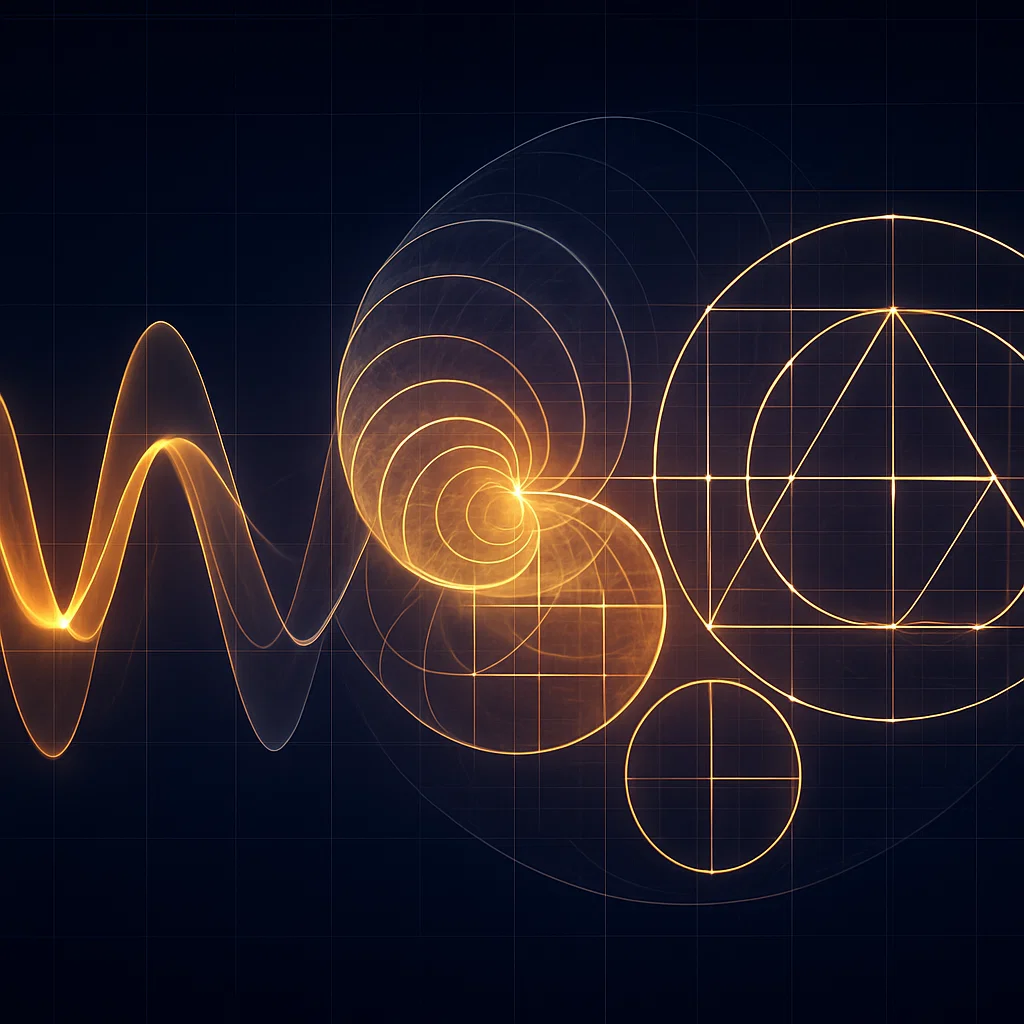
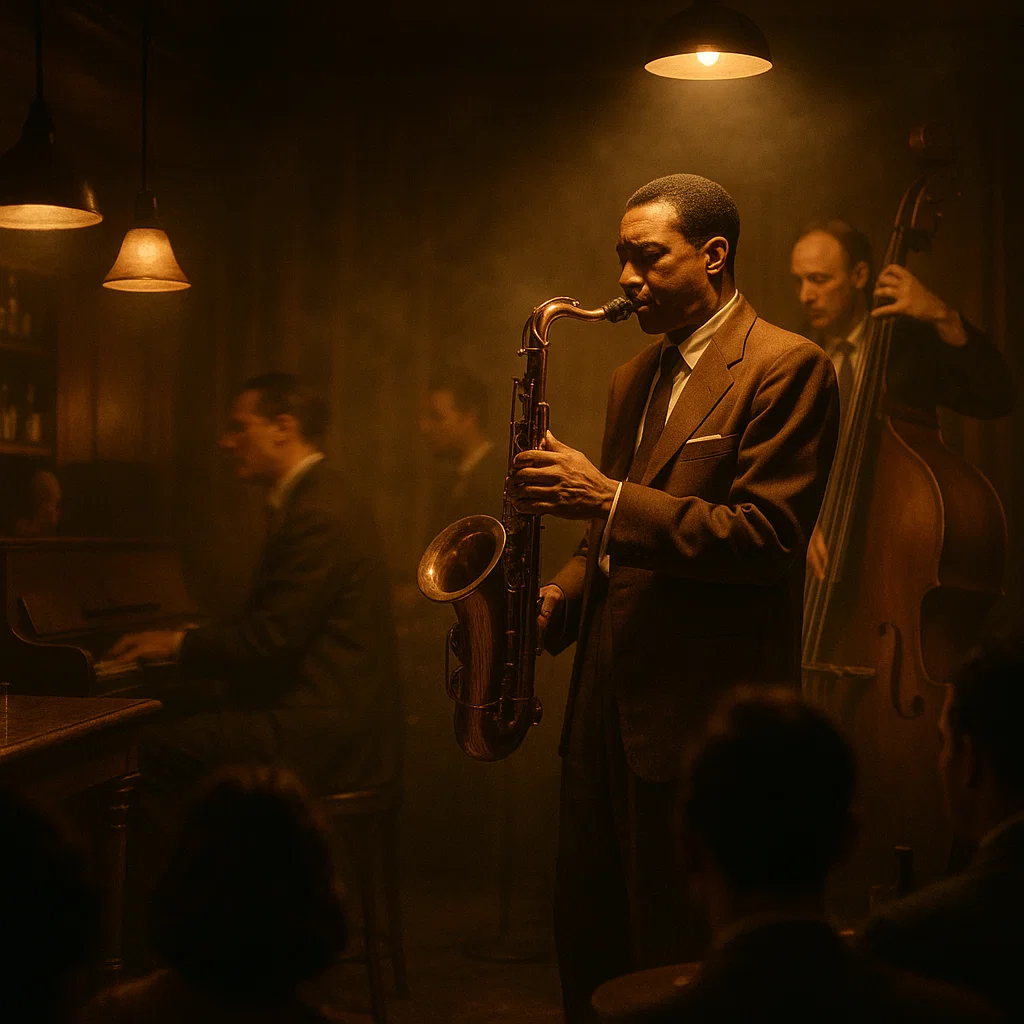
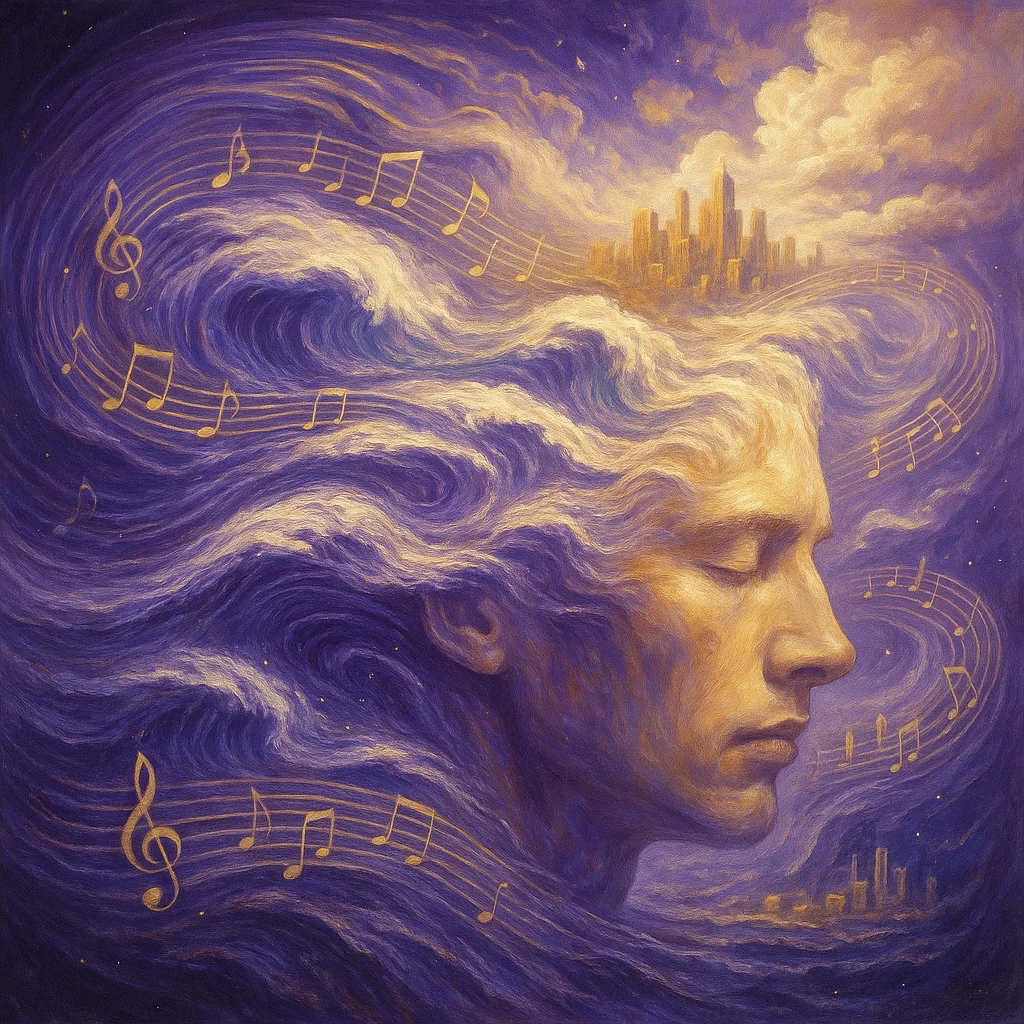
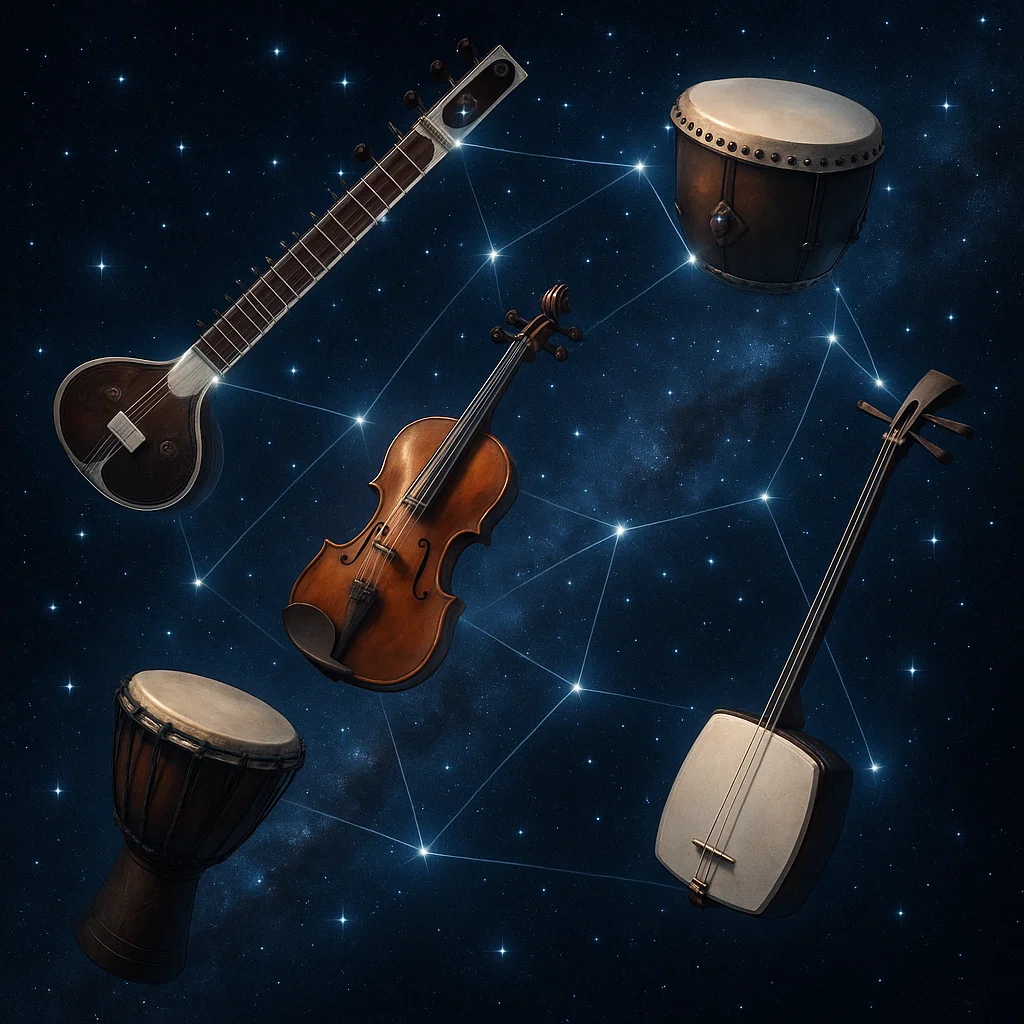
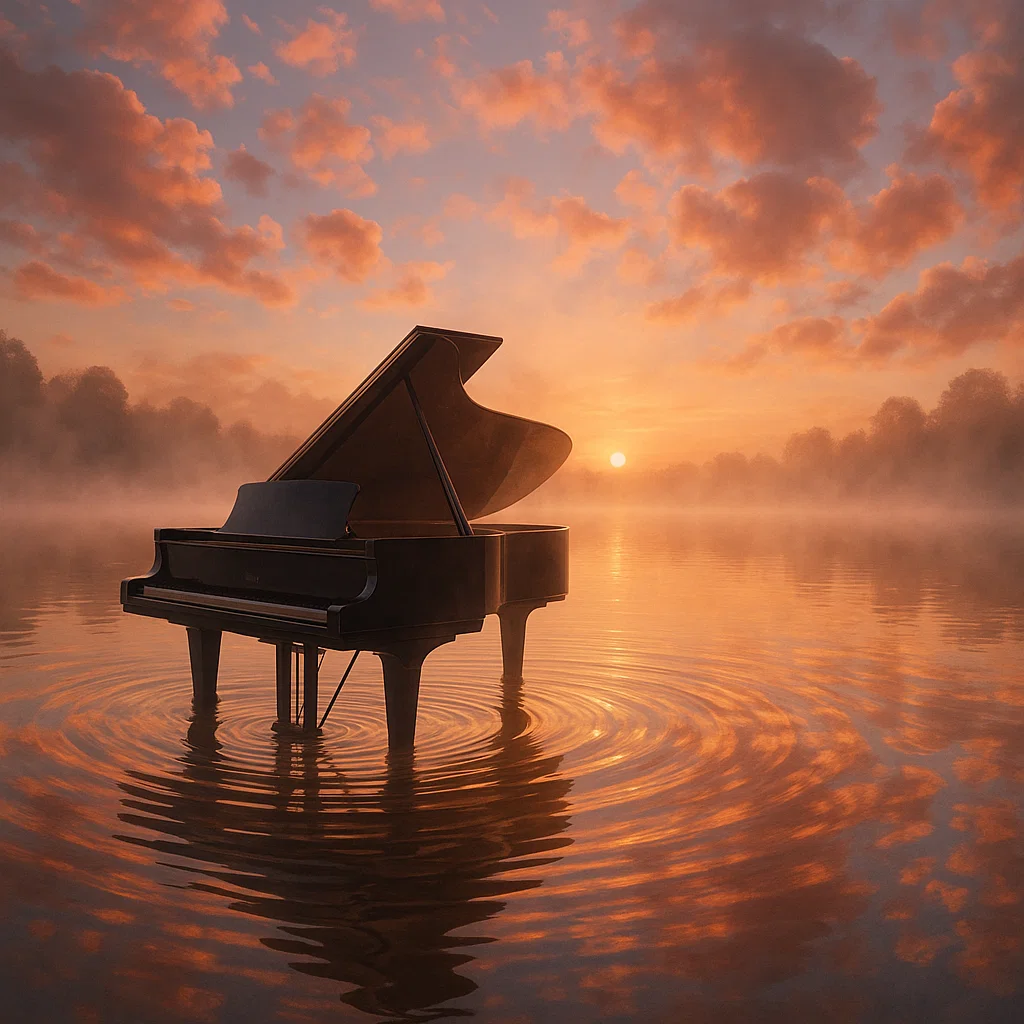
Within the broader field of the humanities, the musical arts can be understood through three interdependent domains: the making of music, the language through which it communicates, and the reflection by which it is studied and preserved. Together they form the complete cycle of musical understanding.
The Domains of Musical Art
| Domain | Examples | Description |
|---|---|---|
| Musical Practice | Composition, Performance, Improvisation, Production | The creative and technical work through which sound becomes art. Focused on invention, realization, and expression. |
| Musical Language | Theory, Harmony, Form, Genre, Style | The structural and symbolic system by which music communicates—its grammar of rhythm, melody, and organization. |
| Musical Reflection | Musicology, Ethnomusicology, Analysis, Pedagogy | The intellectual and cultural study of music’s meaning, history, and transmission across societies |
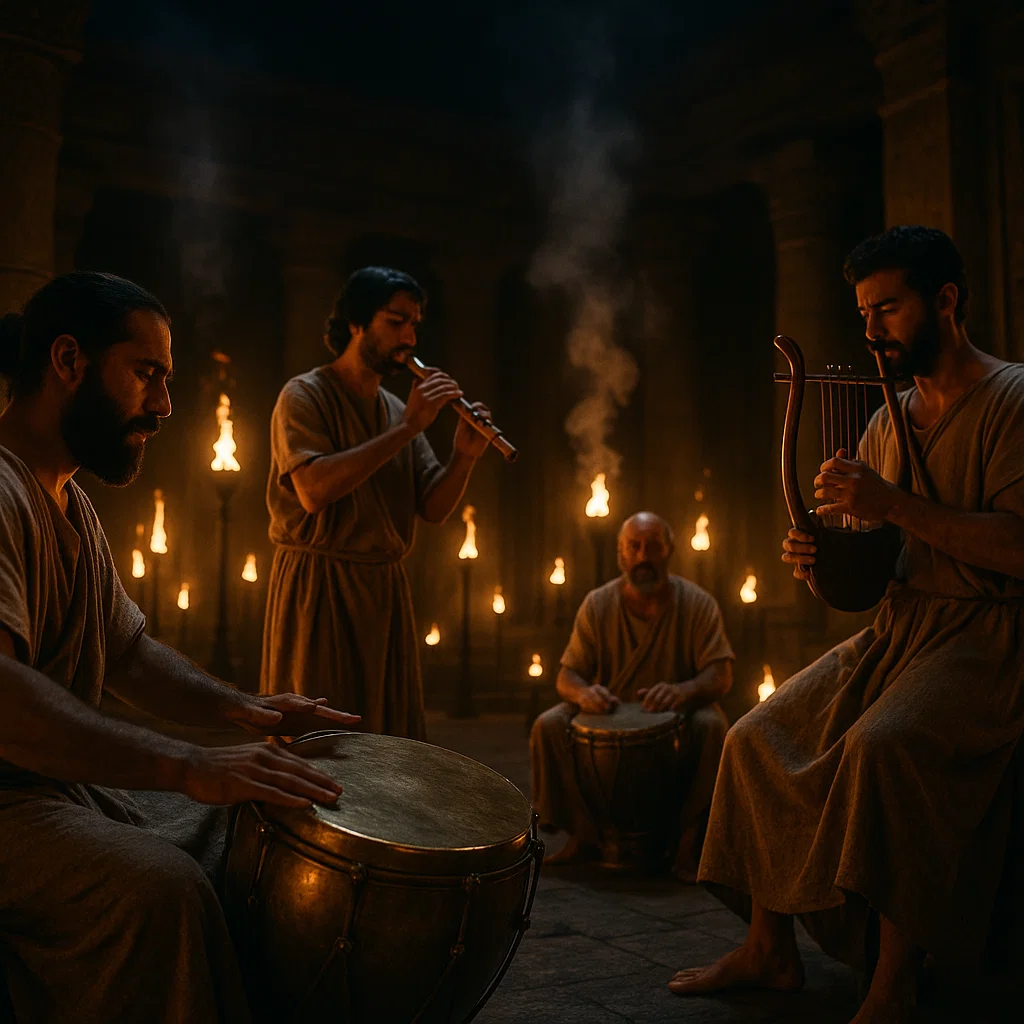
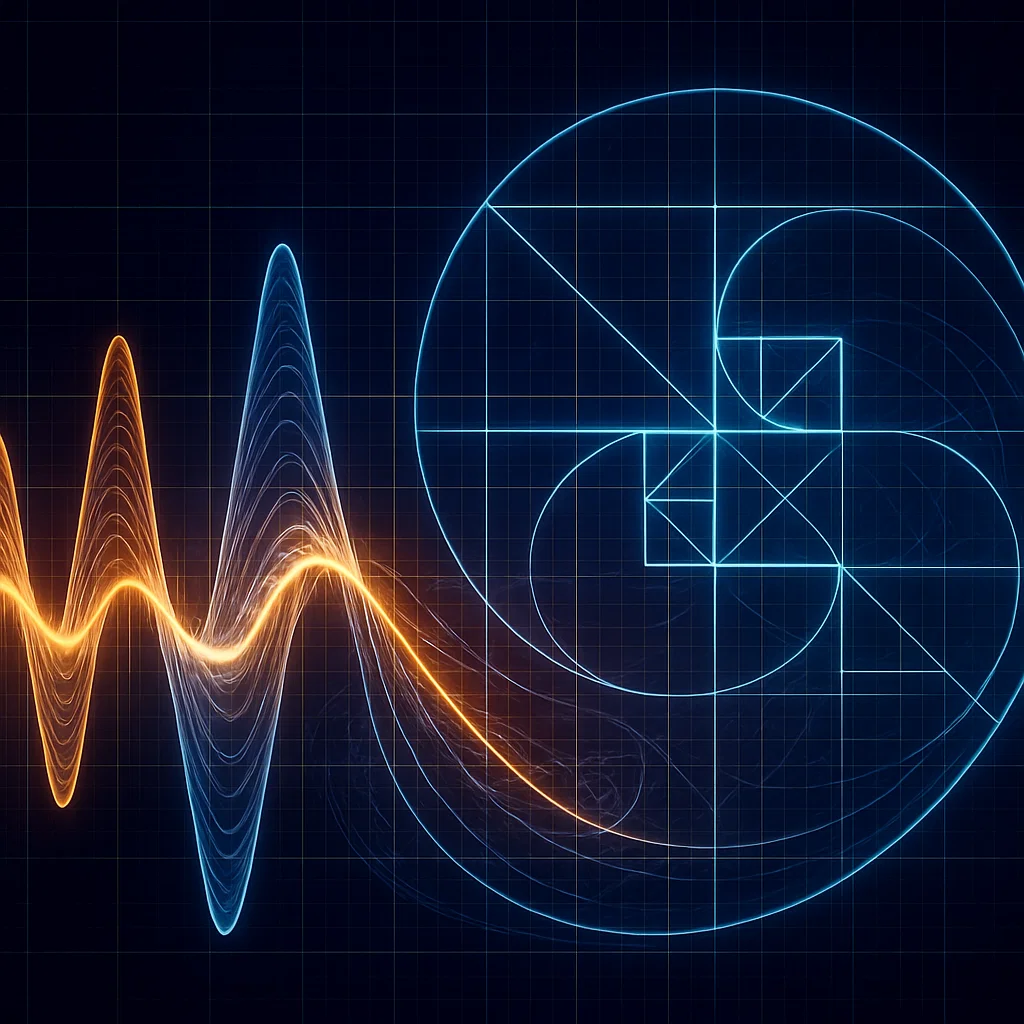
Practice gives music life, Language gives it logic, and Reflection gives it continuity.
Together they describe not only what music is, but how it endures—as sound made meaningful.