Drama is meaning embodied through performed language and action.
It transforms text into event, making conflict, choice, and consequence visible in time.
Where prose explains and poetry reveals, drama enacts.
Essential Characteristics
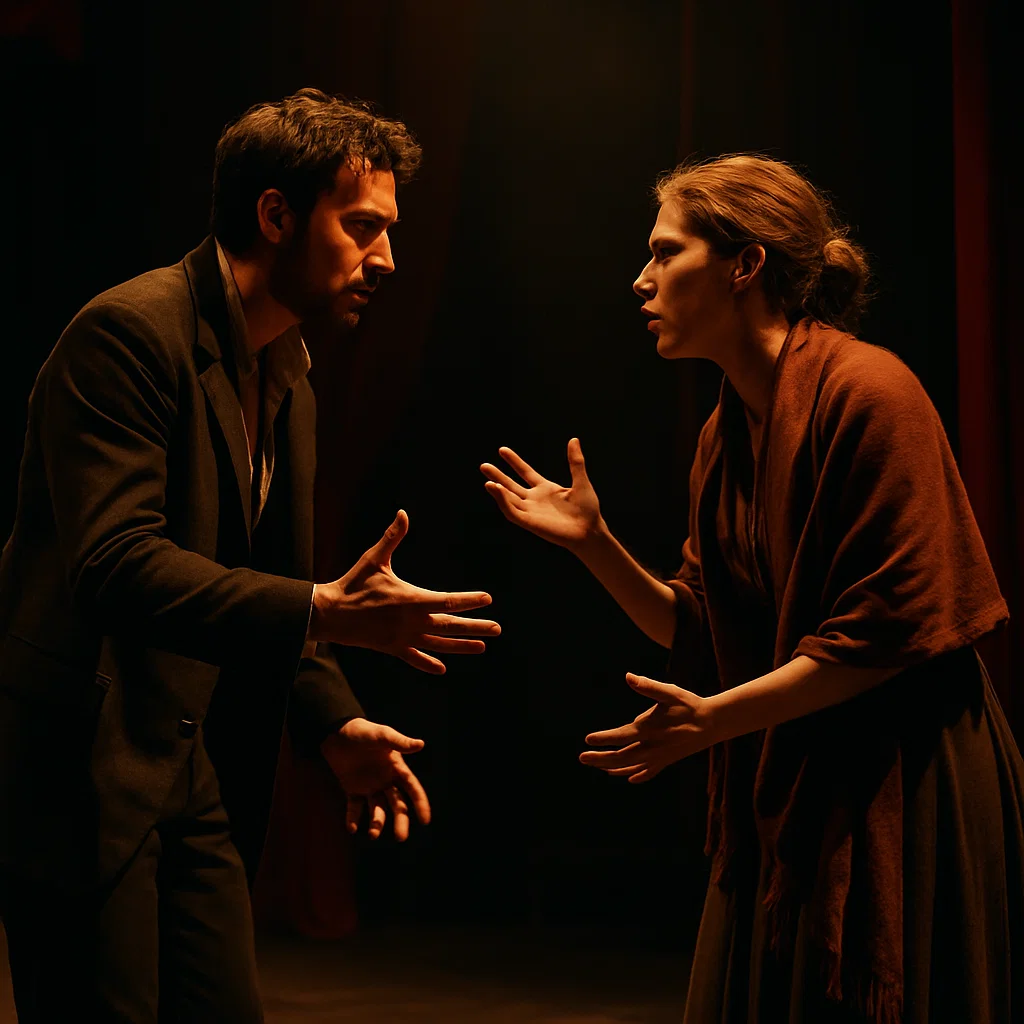
- Dialogue-Centered – Meaning unfolds through speech between agents.
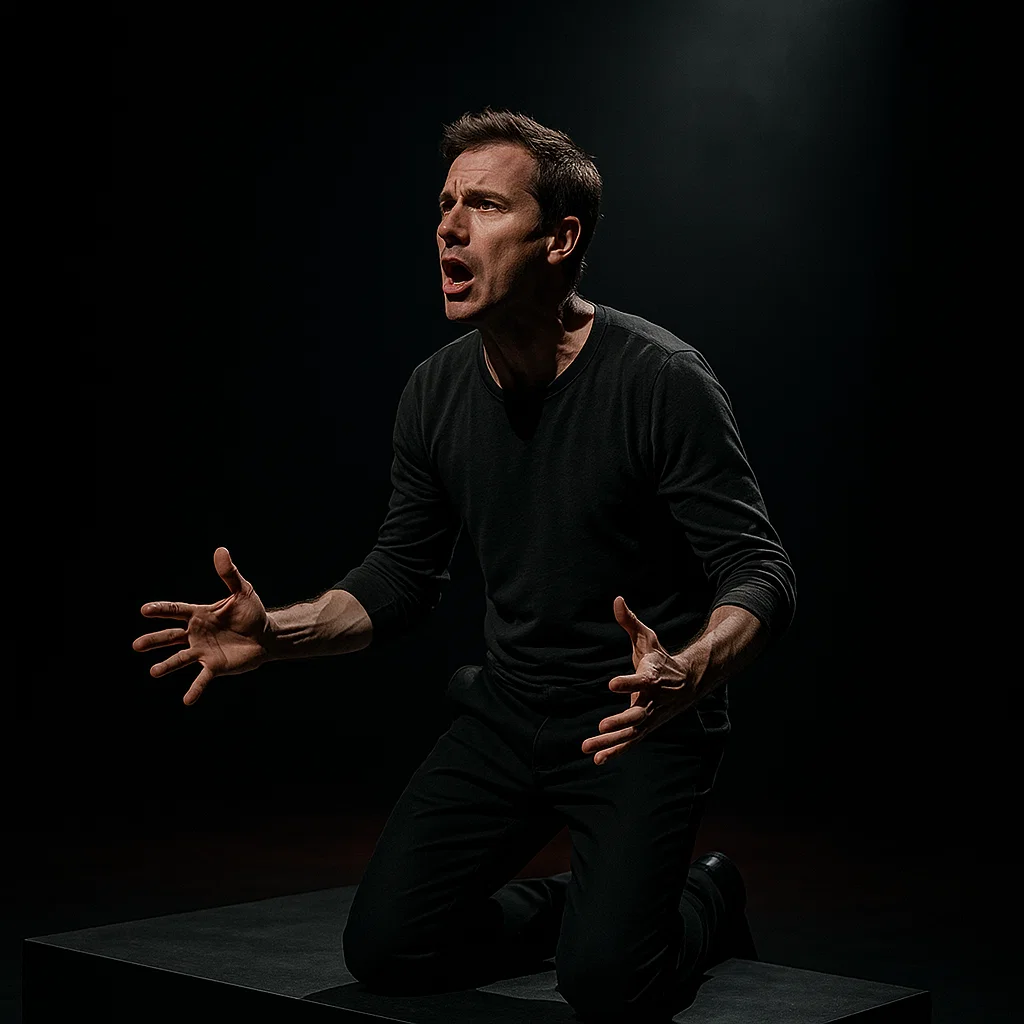
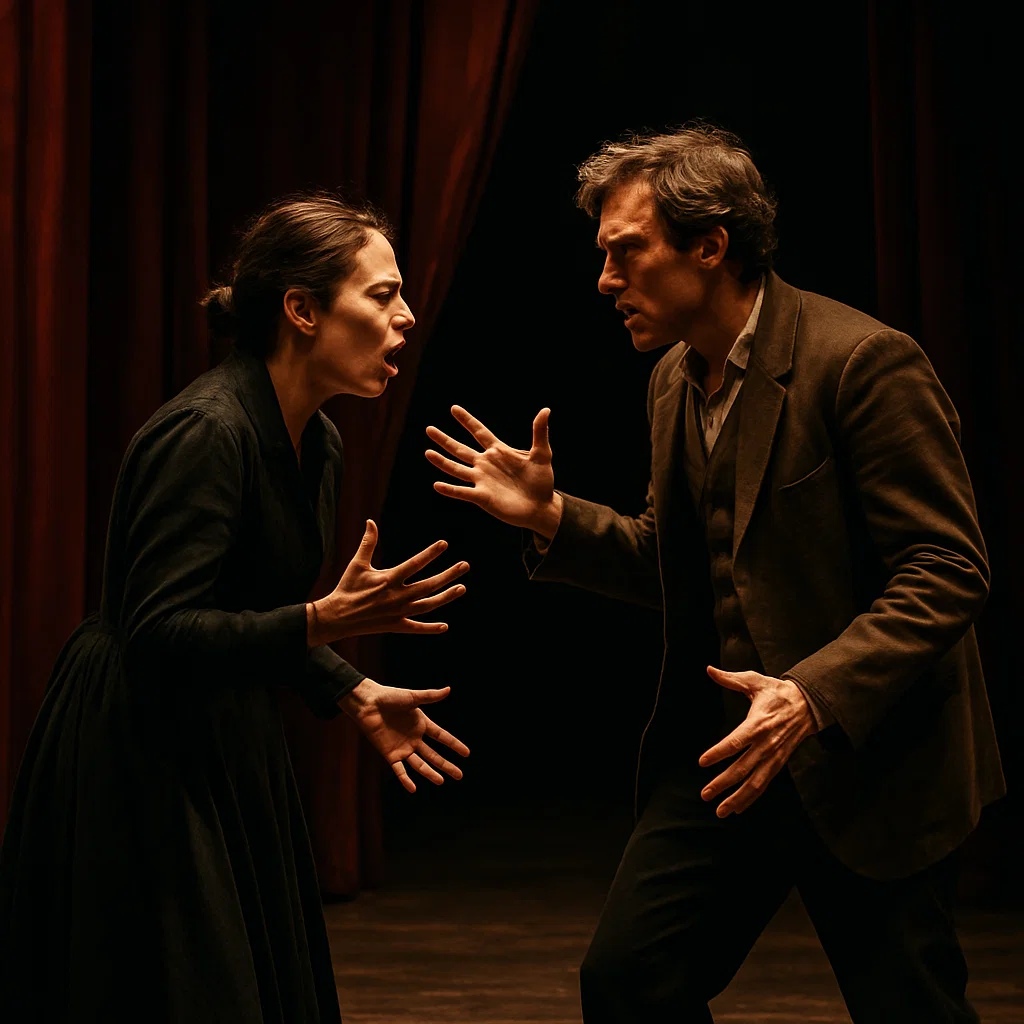
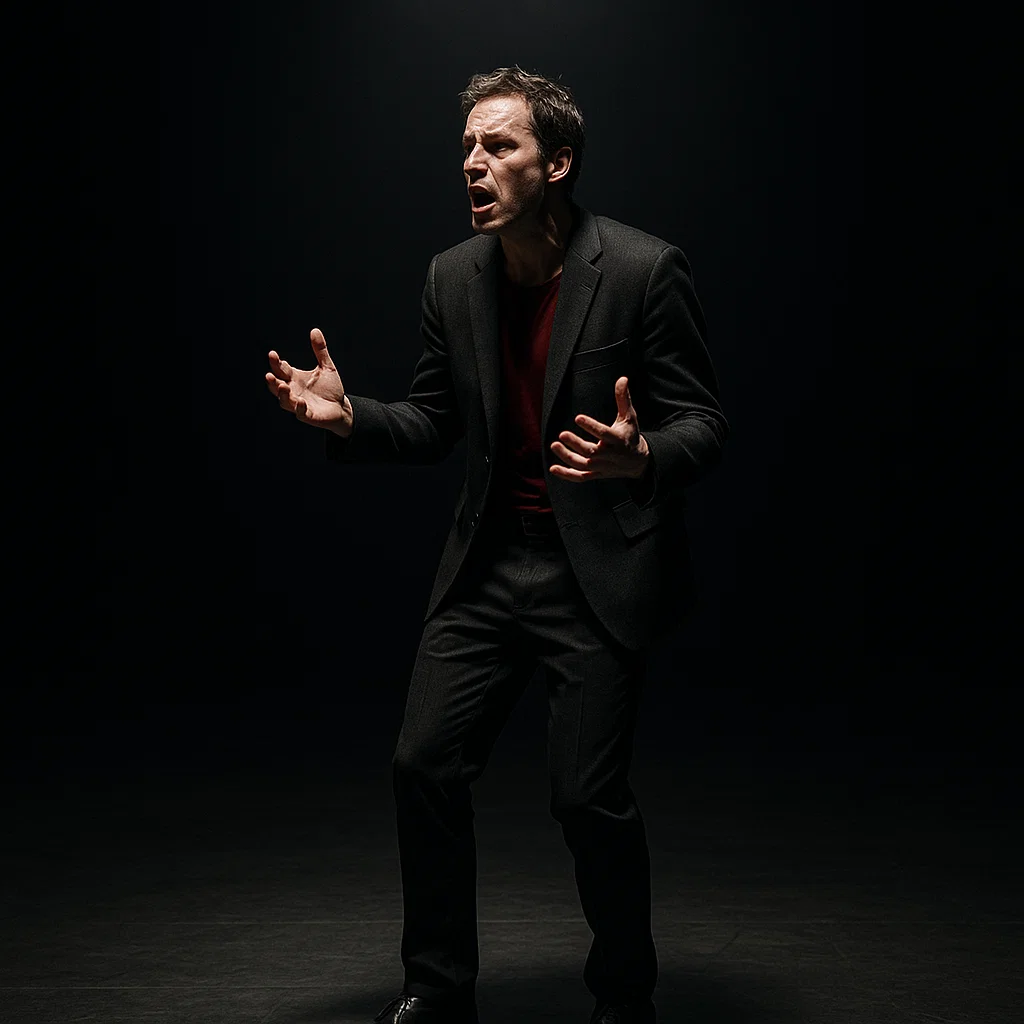
- Embodiment – Language is inseparable from voice, gesture, and presence.
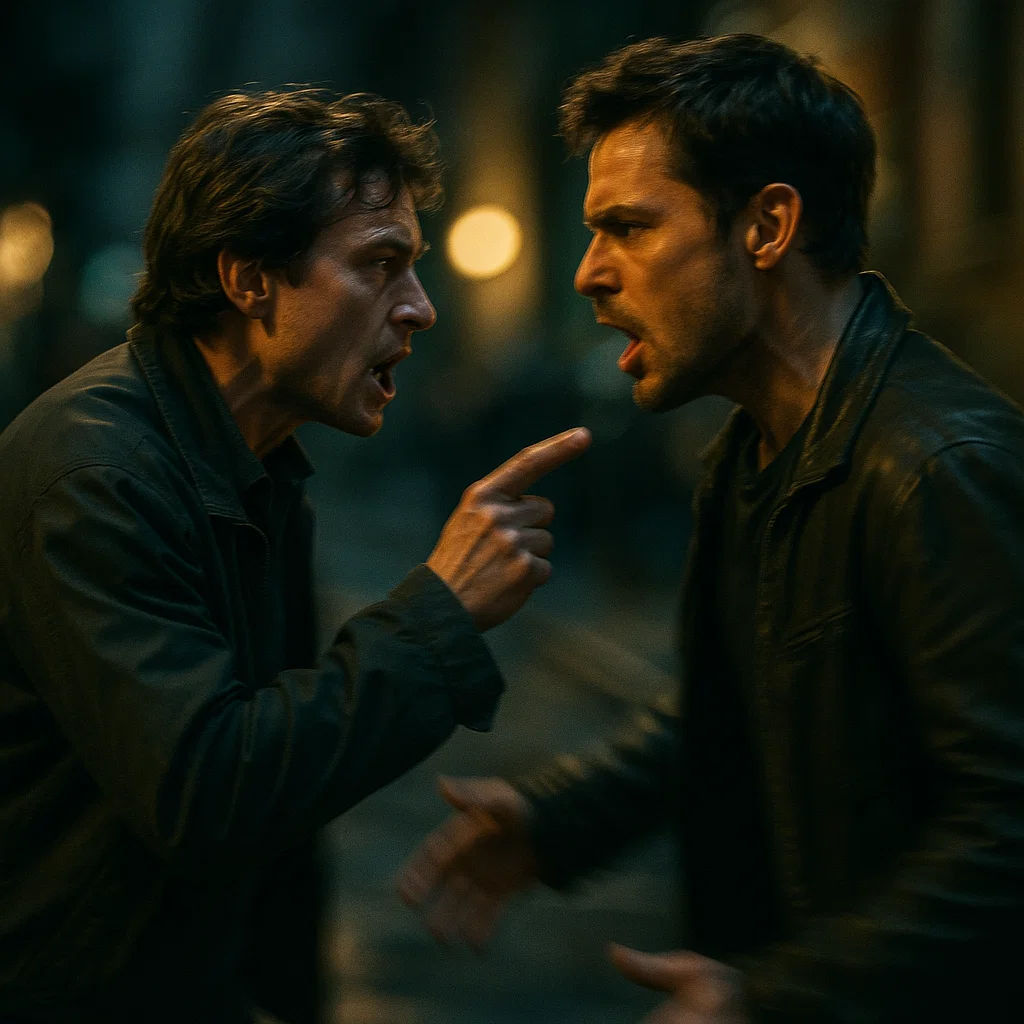
- Conflict – Drama is structured around opposing wills, values, or forces.
- Temporal Irreversibility – Events happen once, in sequence, before witnesses.
- Public Orientation – Drama presumes an audience; meaning is shared, not private.
List of Dramatic Texts
Cognitive Function
Drama externalizes thought.
It allows humans to:
- Observe moral and emotional choices in motion
- Test values through consequence
- Experience tension without personal risk
- Learn through identification and distance simultaneously
Cognitively, drama is simulated reality.
Relationship to Language
In drama:
- Language is action
- Words commit characters to paths
- Silence, timing, and interruption carry meaning equal to speech
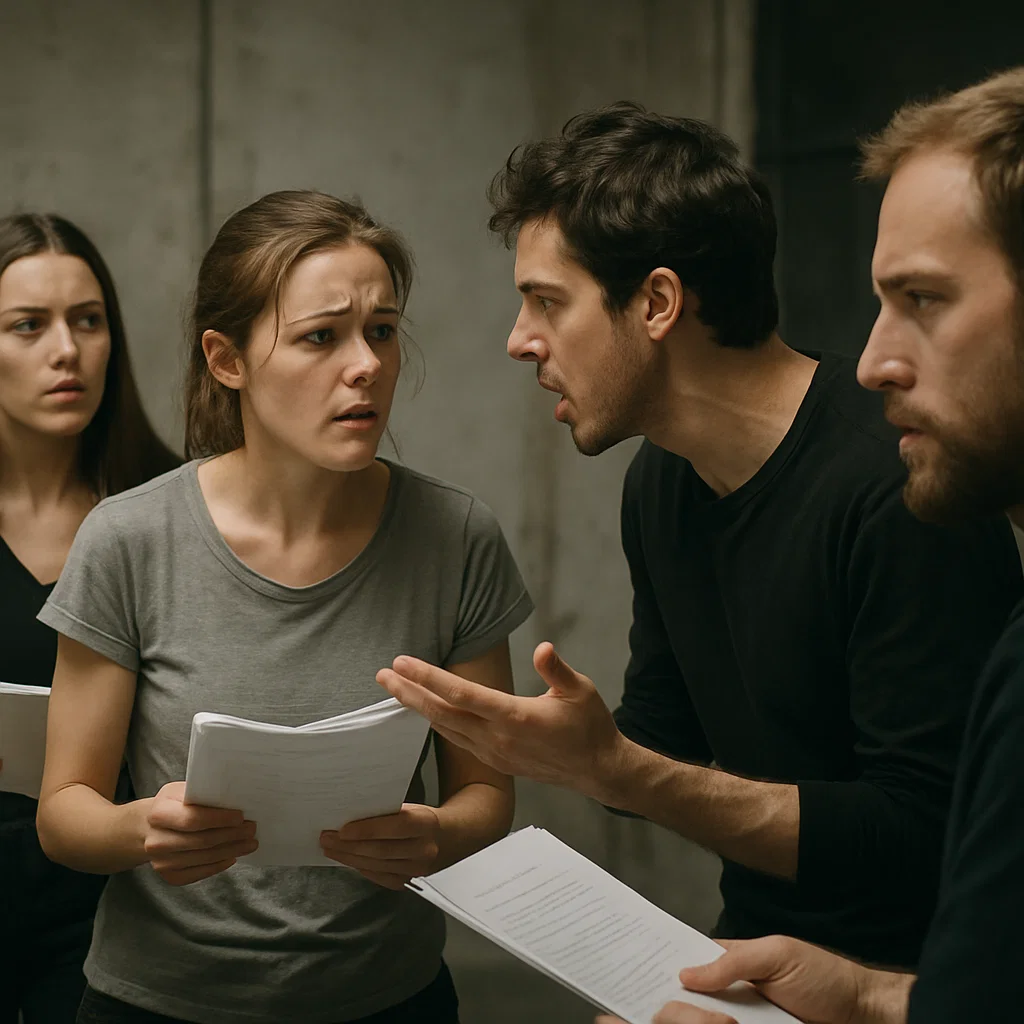
Text is incomplete until performed.
Structural Modes
Drama appears across cultures in stable functional patterns:
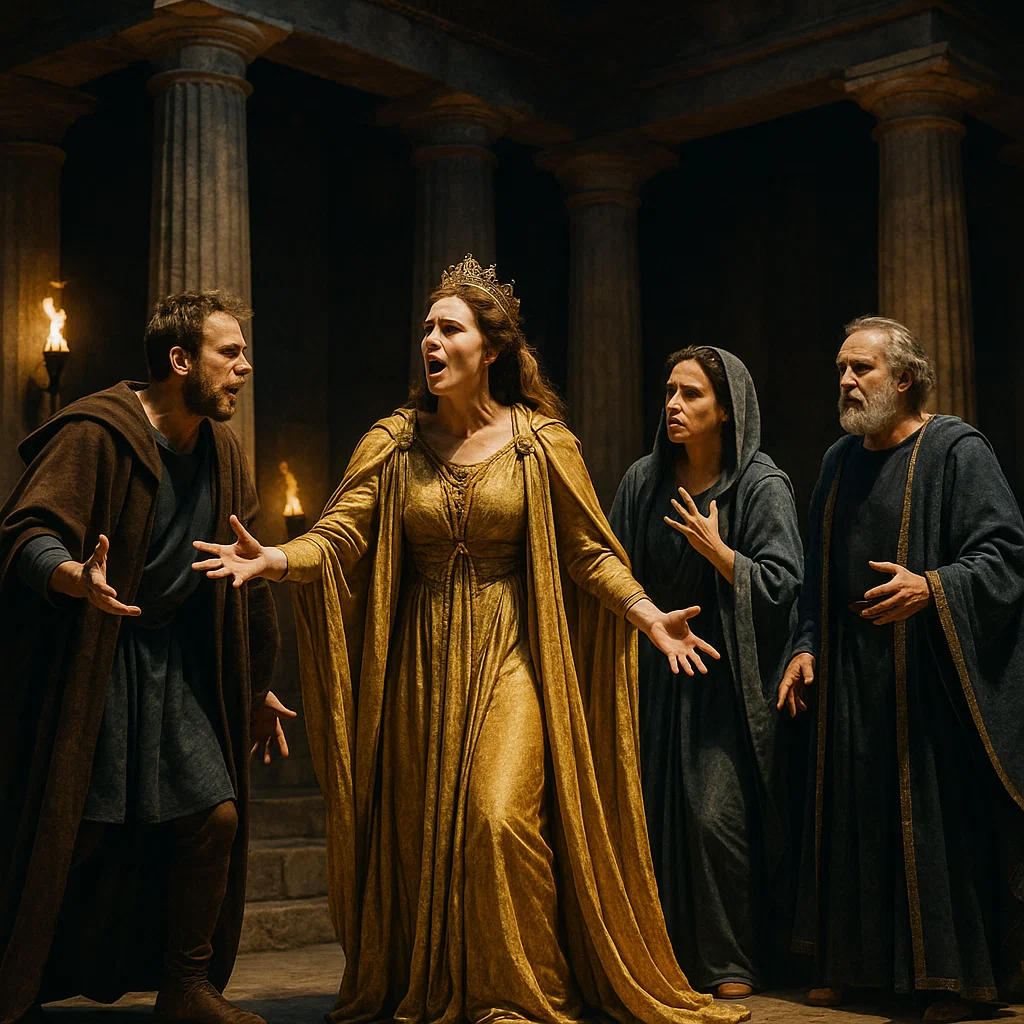
- Tragedy – Irreversible error, cost of blindness or excess
- Comedy – Misalignment resolved through recognition or reversal
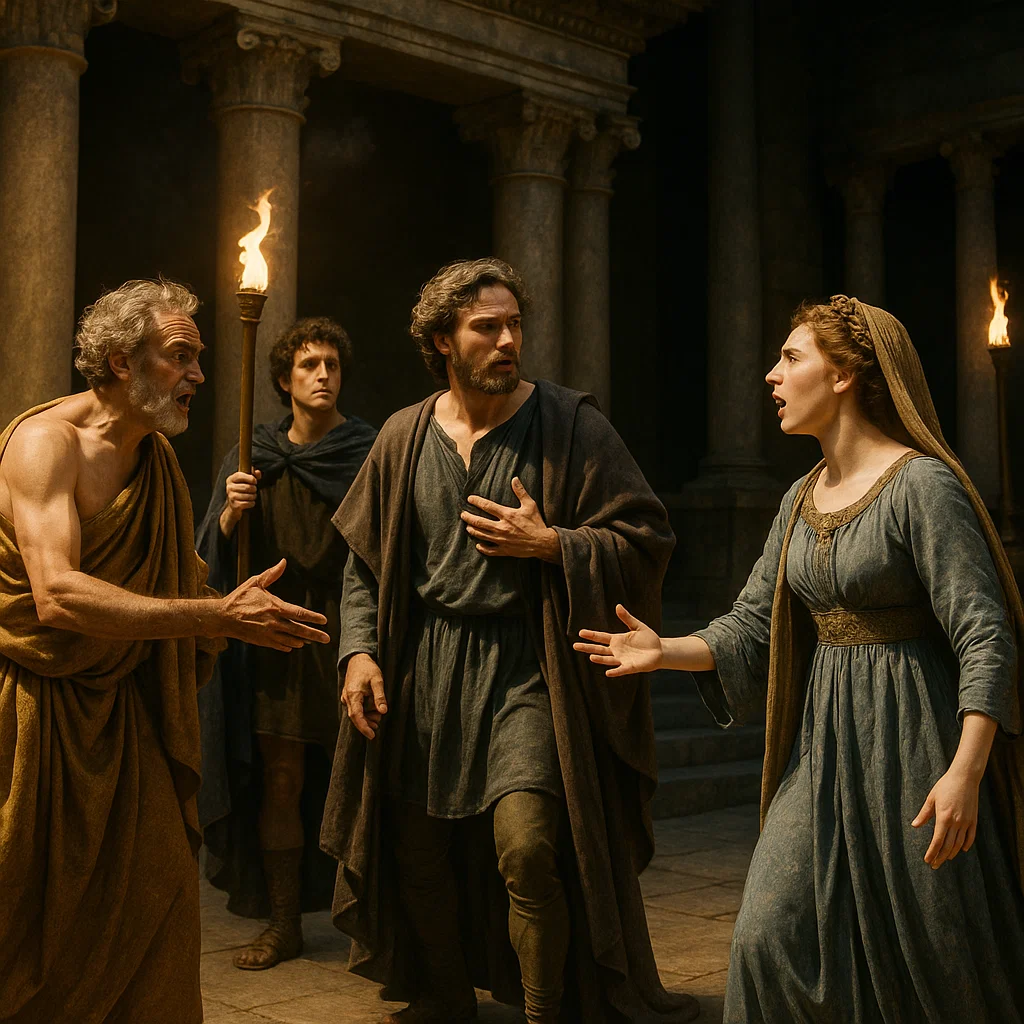
- Ritual Drama – Re-enactment of myth, sacrifice, or cosmic order
- Historical Drama – Past events structured as moral inquiry
- Psychological Drama – Interior conflict rendered through interaction
These are lenses, not limits.
Epistemological Status
Drama is a way of knowing through witnessing.
It teaches:
- That choice has consequence
- That intention does not control outcome
- That meaning emerges through interaction, not isolation
Drama knows what theory cannot: how decisions feel in time.
Boundary Condition
Drama ends where performance is removed.
It begins where language binds bodies to action.