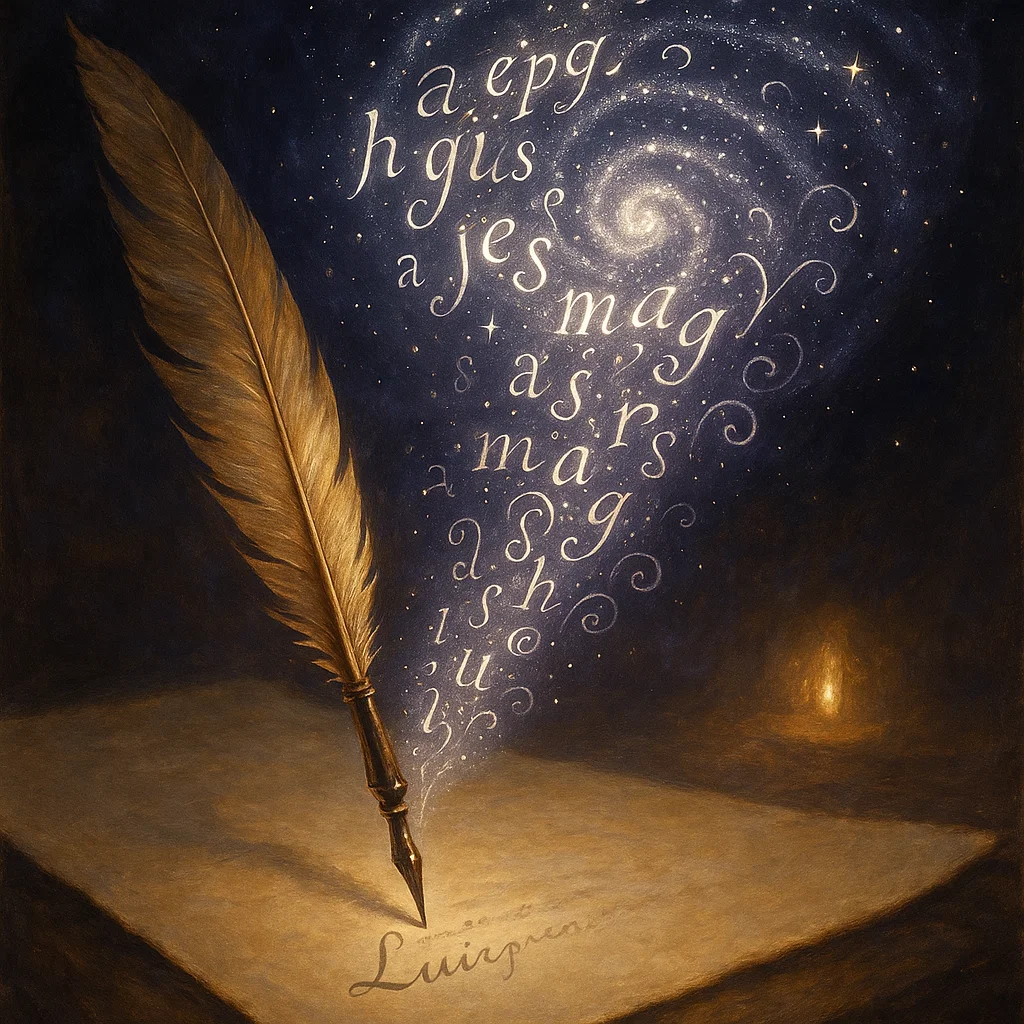
Literary Arts are the imaginative and expressive disciplines that use language as their primary medium to shape human thought, emotion, and experience into symbolic form. They encompass both written and oral traditions, operating as structured systems of meaning through narrative, rhythm, and metaphor.
Definition
Literary Arts are the use of language to conceive, structure, and communicate imaginative experiences. They transform words into vessels of aesthetic and philosophical significance, turning inner vision into shared understanding.
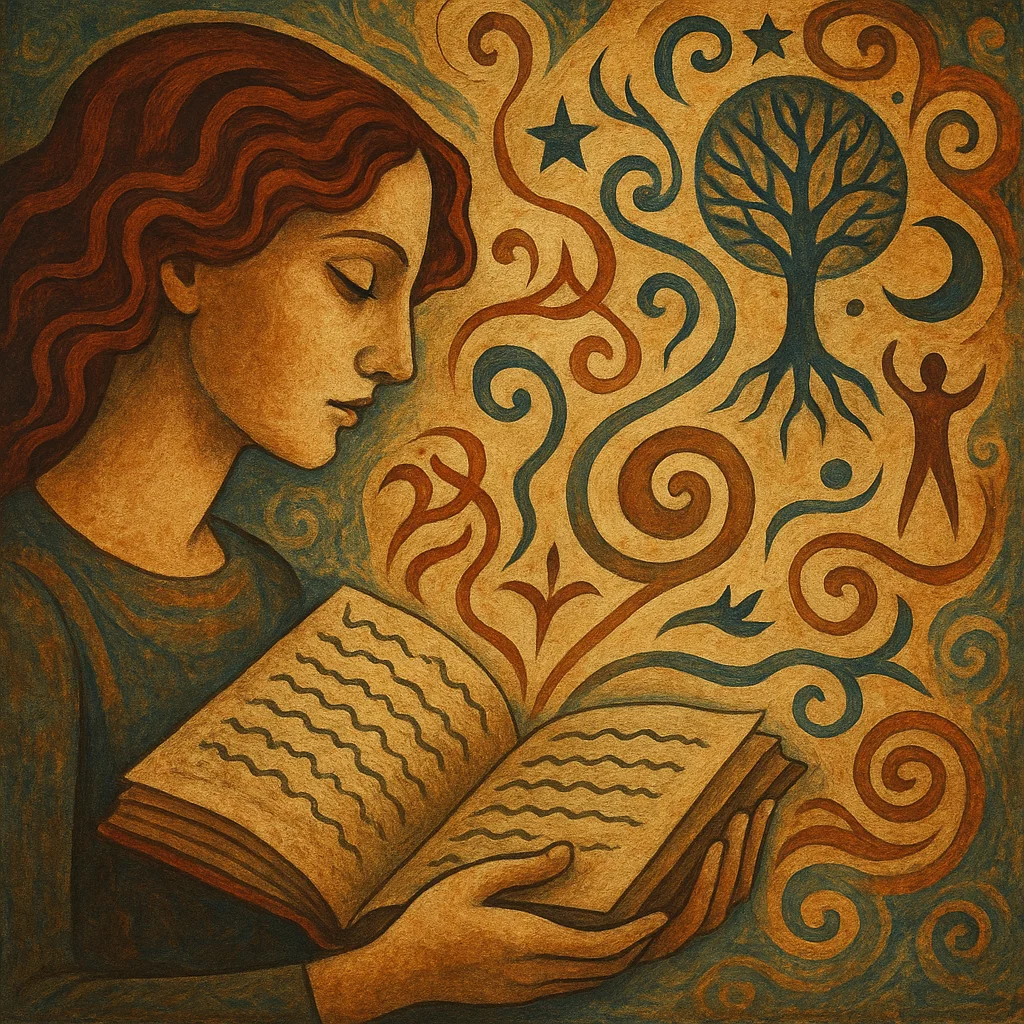
Primary Forms of the Literary Arts
The literary arts manifest through several enduring forms, each defined by its relationship to language, structure, and audience. These forms differ in how they balance imagination, performance, and permanence—but all arise from the same creative continuum.
Primary Forms of the Literary Arts
| Form | Core Mode | Description |
|---|---|---|
| Poetry | Verse / Spoken | Concentrates meaning through rhythm, sound, and image. Every word carries aesthetic and emotional weight; structure itself becomes expression. |
| Prose | Written / Narrative | Uses continuous language to develop characters, ideas, or arguments. Encompasses fiction and nonfiction, defined by flow rather than meter. |
| Drama | Performed Dialogue | Embodies conflict and emotion through speech and action. Language becomes event, transforming text into performance. |
| Myth | Oral / Symbolic | Encodes collective truth and cosmology through archetypal story. Functions as a cultural blueprint rather than personal expression. |
| Essay | Reflective / Expository | Explores ideas through reasoning and observation. Blends intellect and style, turning thought itself into an art form. |
| Scripture | Sacred / Recited | Fixes moral or metaphysical insight in authoritative text. Its literary form shapes spiritual and social order across generations. |
The Literary Arts are classified here by function rather than genre, asking not how texts look or when they were written, but what language is being used to do. Classical literary theory identifies three foundational structures—poetry (patterned, intensified language), prose (continuous, unmetered language), and drama (language enacted through performance)—which describe how language is formally organized. However, across cultures and history, literature also performs stable functions that cut across these forms and cannot be reduced to structure alone: myth uses narrative language to establish cosmic and cultural order, the essay uses discursive language to examine and refine thought, and scripture fixes language to carry binding authority across generations. When literary forms are distinguished by their role in producing meaning rather than by surface features, six coherent modes emerge: poetry compresses meaning, prose extends it, drama embodies it, myth grounds it, the essay tests it, and scripture binds it. This framework explains overlap without collapse, accommodates ancient and modern as well as sacred and secular texts, and treats literature not as a catalog of styles but as a system of human meaning-making through language.

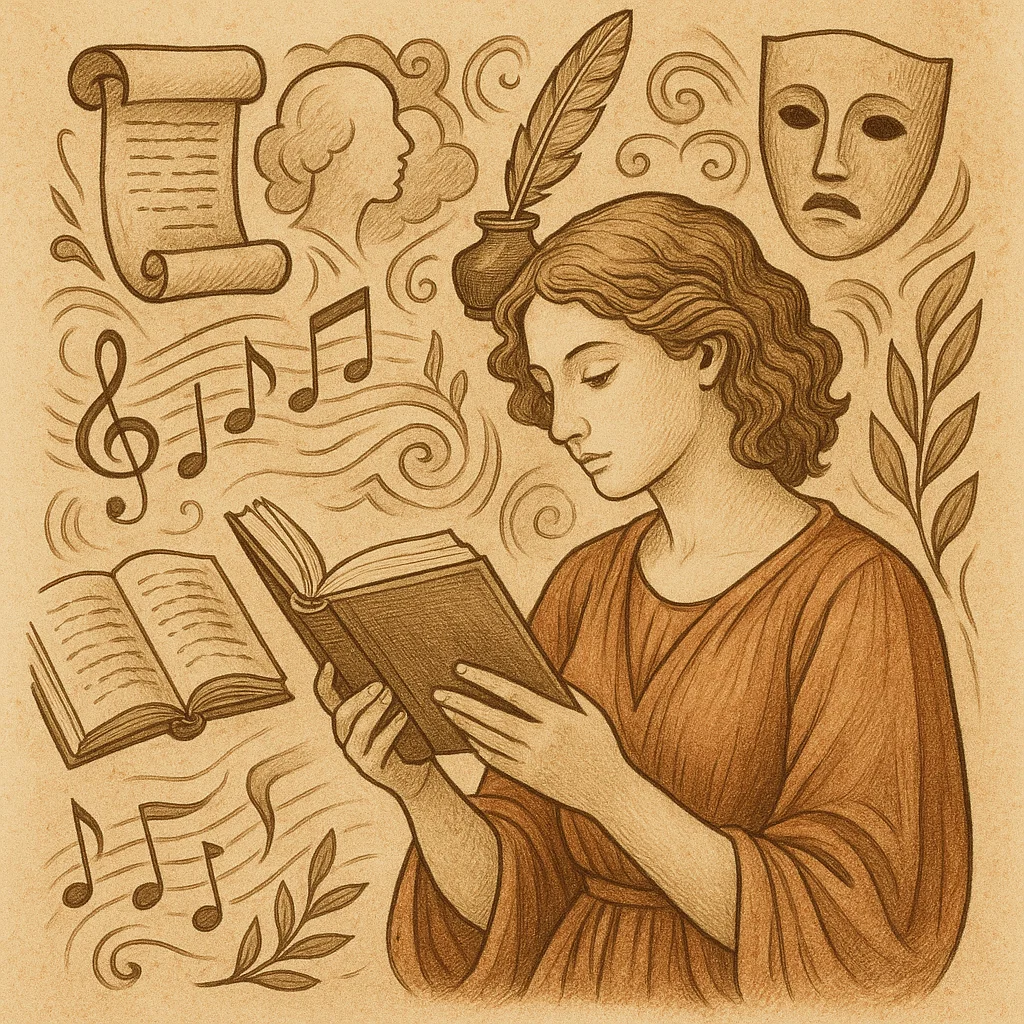
Most literary departments and major reference frameworks (Oxford, MLA, UNESCO, Britannica) converge on three or four foundational modes:
- Poetry (verse form)
- Prose (narrative or exposition)
- Drama (performed dialogue)
Some expand to include Myth (oral archetypal narrative) and Essay (reflective prose), recognizing their distinct historical and cognitive functions.
Extended Canonical Forms
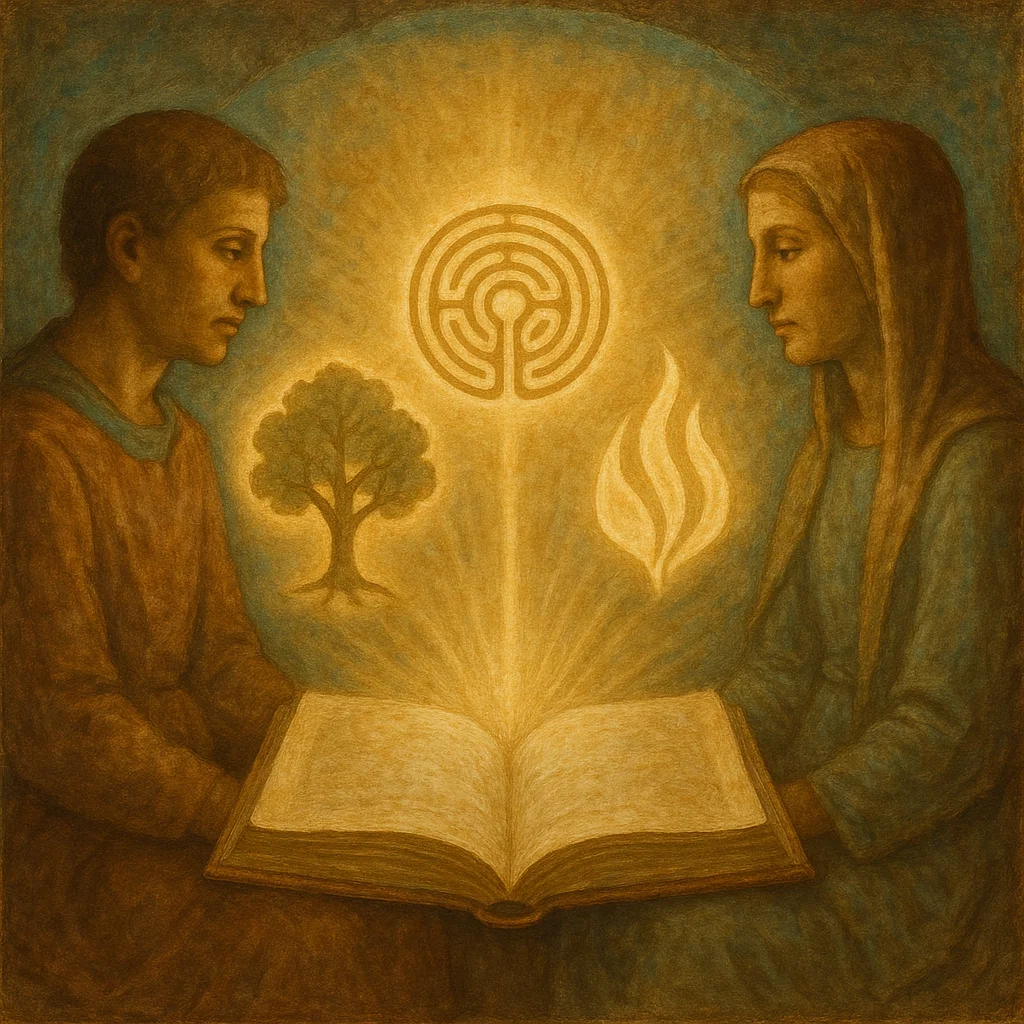
Adding Scripture acknowledges a critical anthropological fact: sacred text is the earliest preserved literary corpus in many civilizations (Vedas, Torah, Bible, Qur’an, etc.). Most literary historiographies treat it as a literary genre with theological function—not separate from literature but foundational to it.

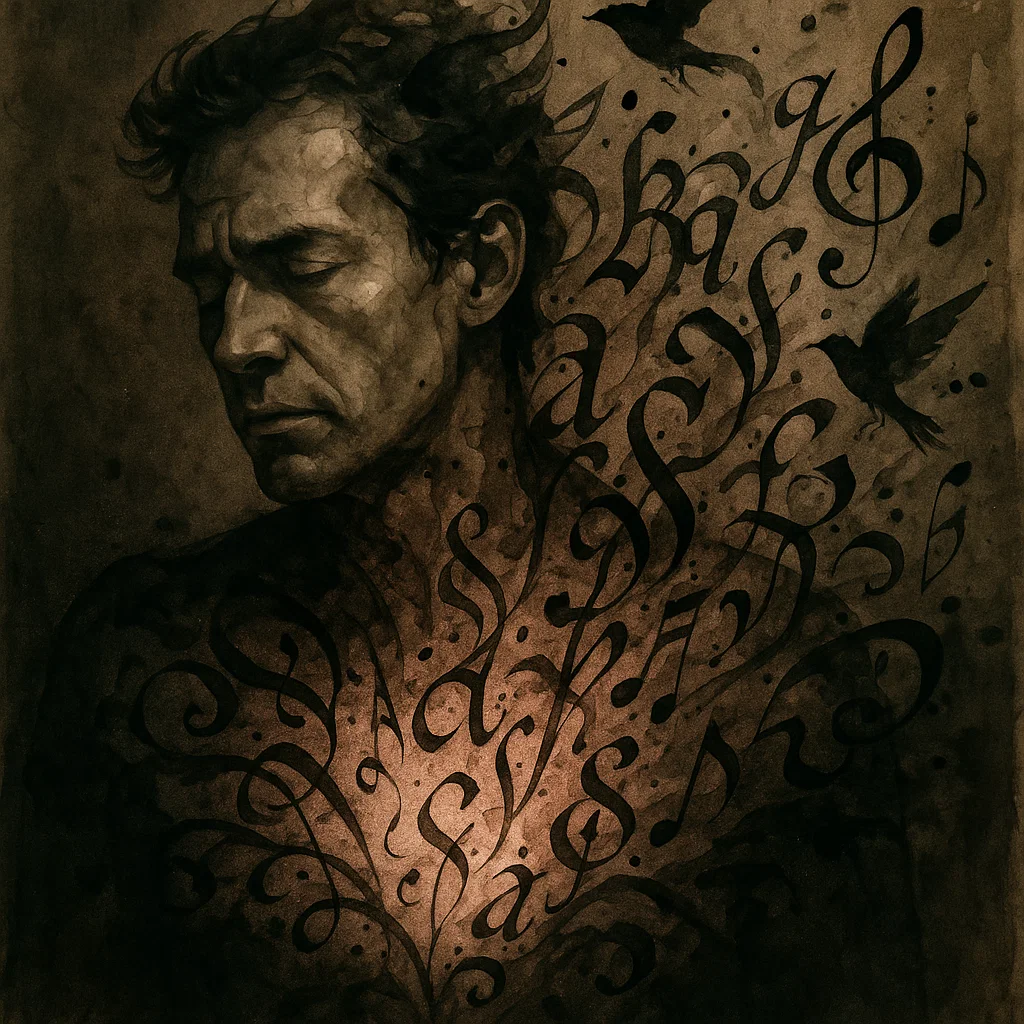
Are any two categories doing the same job?
The key distinction is function, not surface form:
- Poetry vs Essay: both reflective, but one reveals, the other examines
- Myth vs Scripture: both authoritative, but myth explains order, scripture binds behavior
- Prose vs Essay: both continuous language, but prose narrates/explains, essay tests
- Drama vs Poetry: both expressive, but drama requires embodiment
This system correctly models authority escalation:
| Mode | Authority |
|---|---|
| Poetry | Optional / experiential |
| Prose | Informational |
| Drama | Persuasive through consequence |
| Essay | Persuasive through reasoning |
| Myth | Collective |
| Scripture | Binding |
This gradient exists in every civilization.
Cognitive Role
Literary arts are bridges between thought and expression. They translate the invisible structure of consciousness—ideas, feelings, intuition—into communicable form. They are thus both aesthetic and epistemological: they help humans know through language.