World War Era
Philosophers of World War Era
Showing 19 of 19 philosophers.
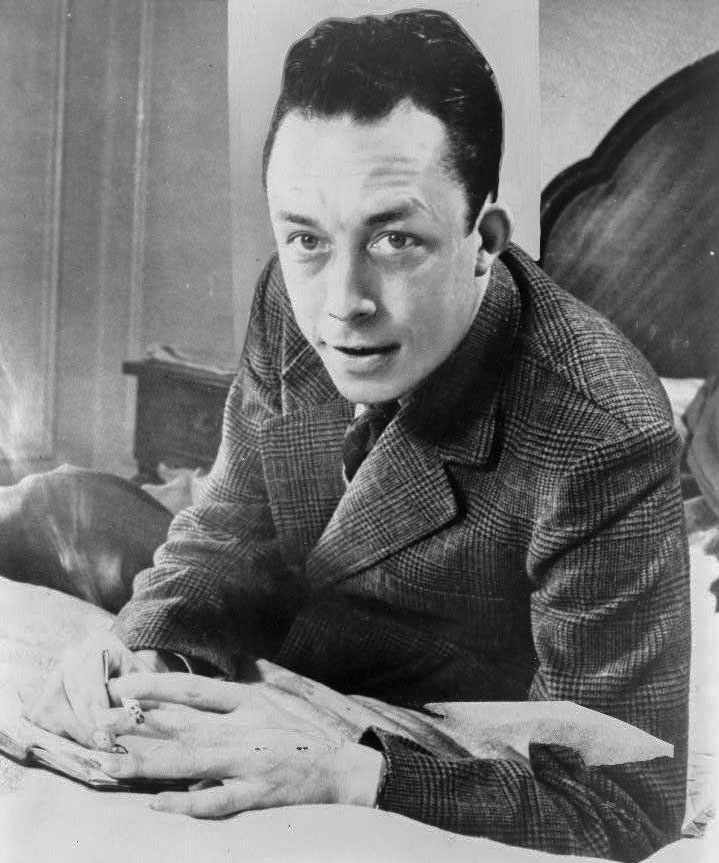
Albert Camus
1913 CE – 1960 CE
Mondovi (Dréan), Algeria
French-Algerian writer and philosopher of the absurd whose novels, essays, plays, and public interventions explored meaning, revolt, justice, solidarity, and life without transcendental consolation.
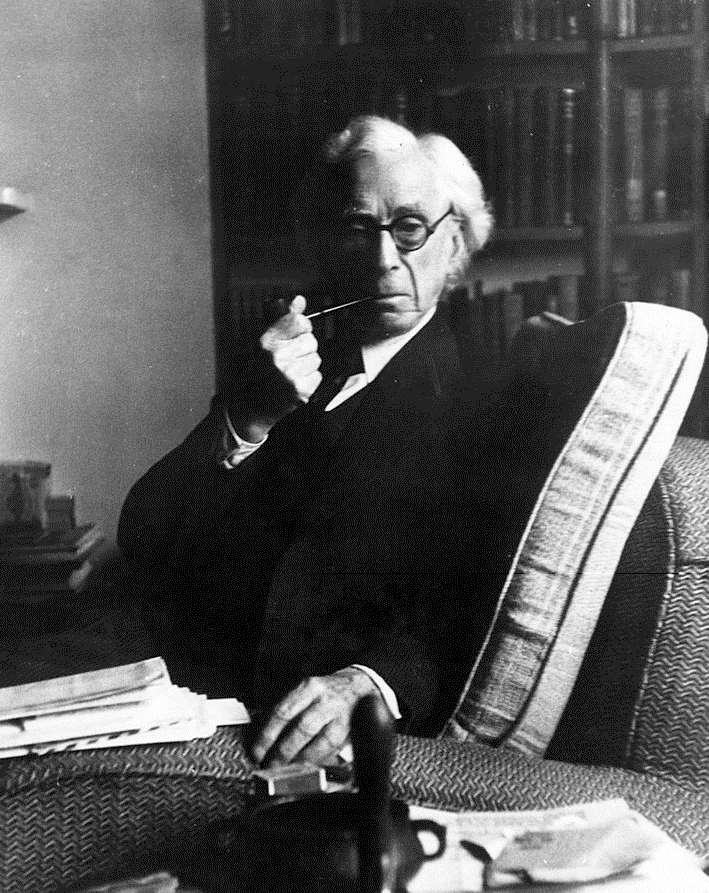
Bertrand Russell
1872 CE – 1970 CE
Trellech, Monmouthshire
British analytic philosopher, logician, mathematician, social critic, and Nobel laureate from Trellech whose logicism, theory of descriptions, logical atomism, epistemology, philosophy of language, ethics, pacifism, secular critique, and political writing shaped analytic philosophy and twentieth-century public reason.
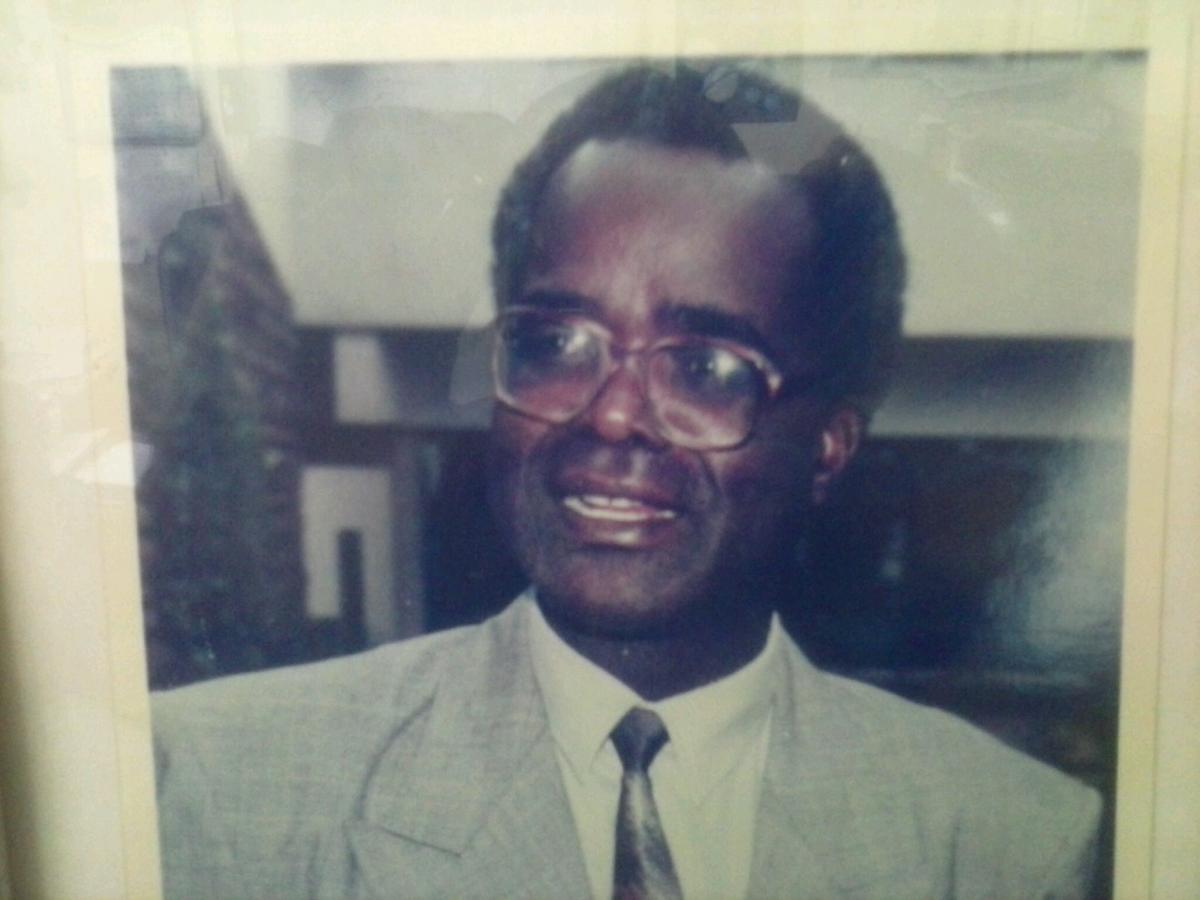
Henry Odera Oruka
1944 CE – 1995 CE
Masiro-Nyang'ungu, Ugenya, Siaya County
Kenyan philosopher of sage philosophy whose work on philosophic sagacity, oral reason, liberty, punishment, human minimum ethics, ecology, law, religion, and public African philosophy helped define contemporary debates about African philosophical method.
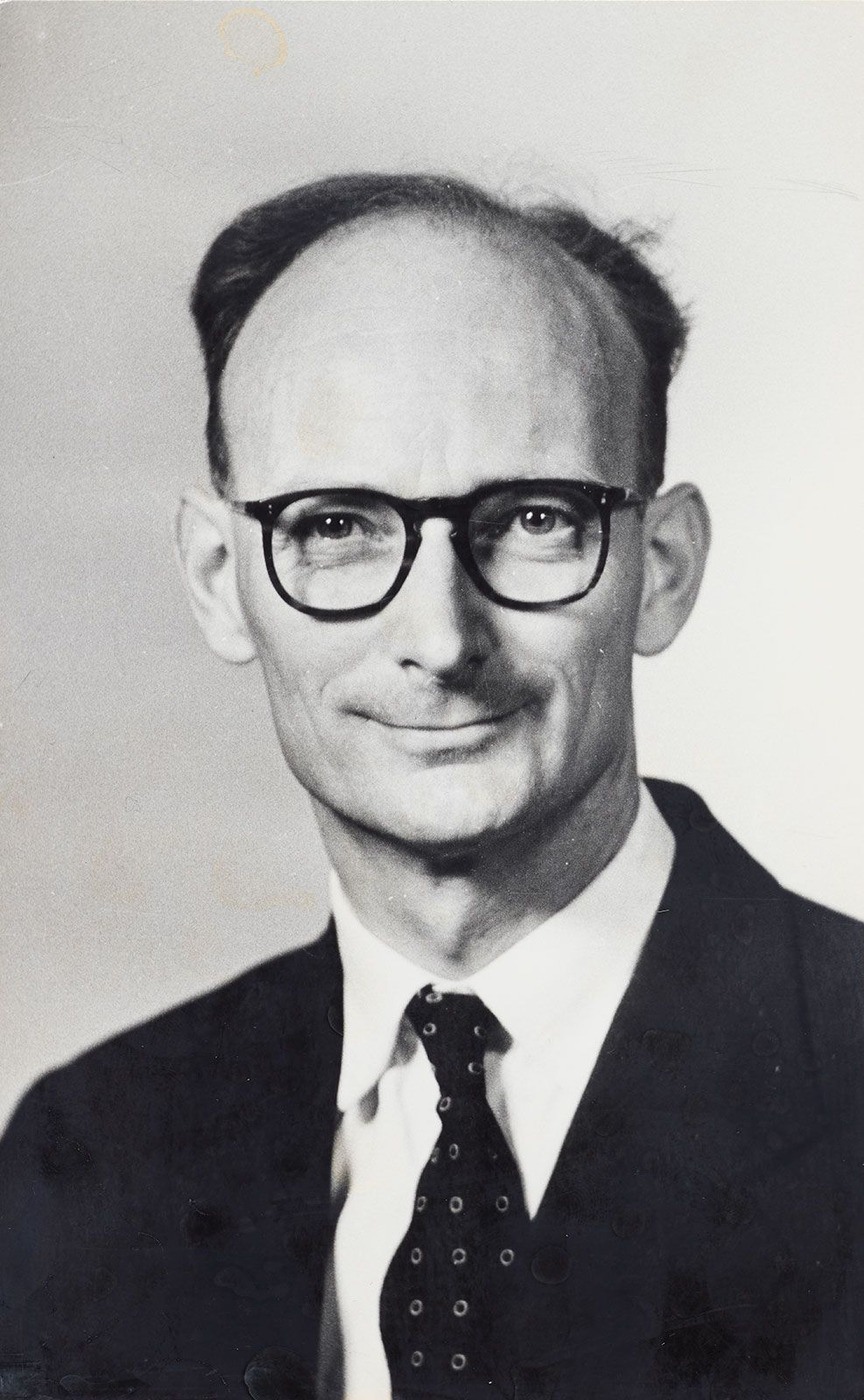
J. L. Austin
1911 CE – 1960 CE
Lancaster, Lancashire
British Oxford ordinary-language philosopher whose analyses of performatives, speech acts, excuses, other minds, truth, perception, and action reshaped twentieth-century analytic philosophy.
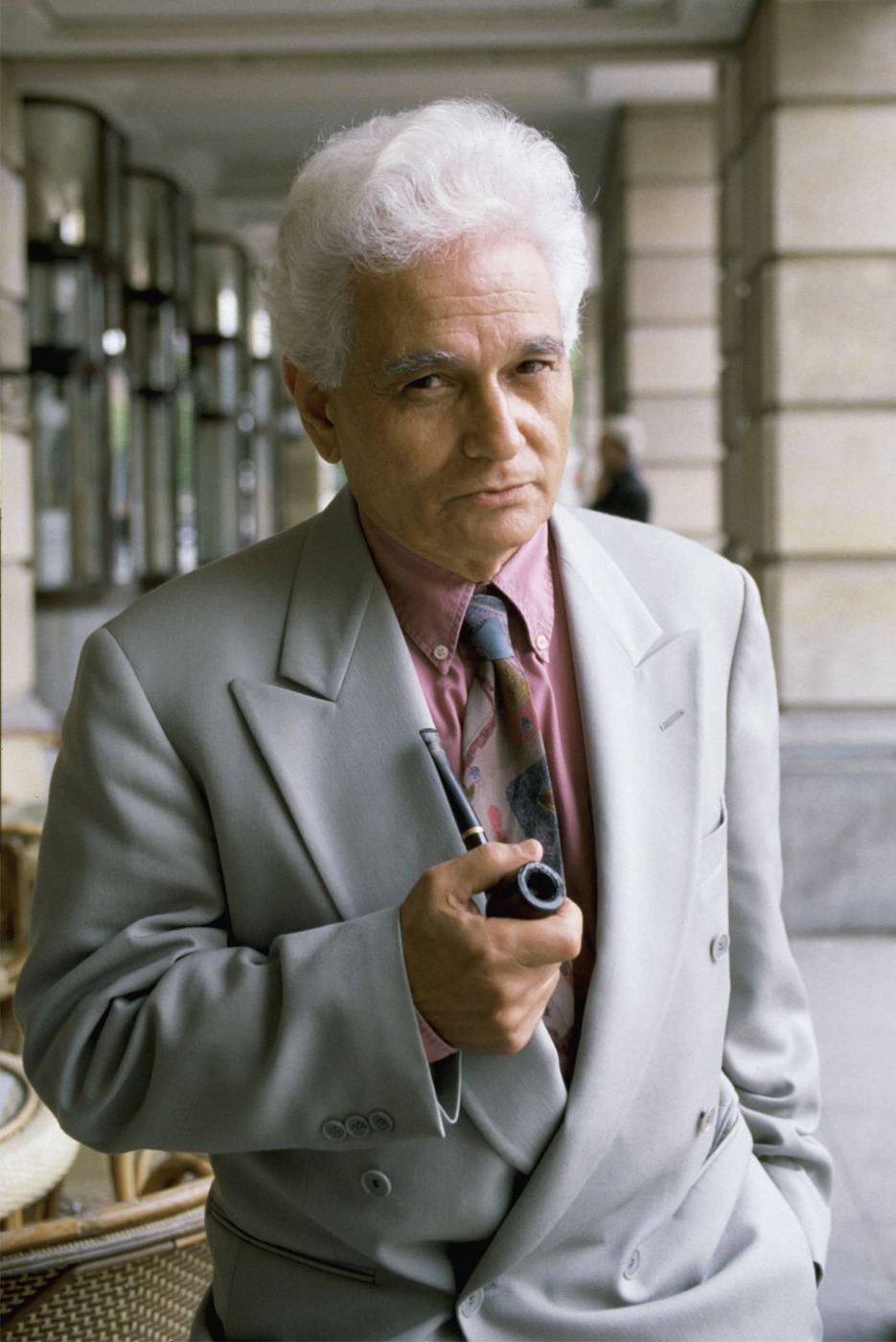
Jacques Derrida
1930 CE – 2004 CE
El Biar, Algiers, French Algeria
French Algerian philosopher of deconstruction whose analyses of writing, differance, trace, hospitality, law, archives, ethics, politics, and metaphysics reshaped twentieth-century continental philosophy and critical theory.
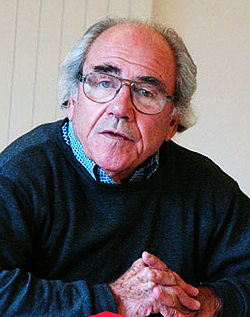
Jean Baudrillard
1929 CE – 2007 CE
Reims, Marne, France
French philosopher and social theorist of simulation, simulacra, hyperreality, symbolic exchange, consumer society, media, signs, and postmodern culture.
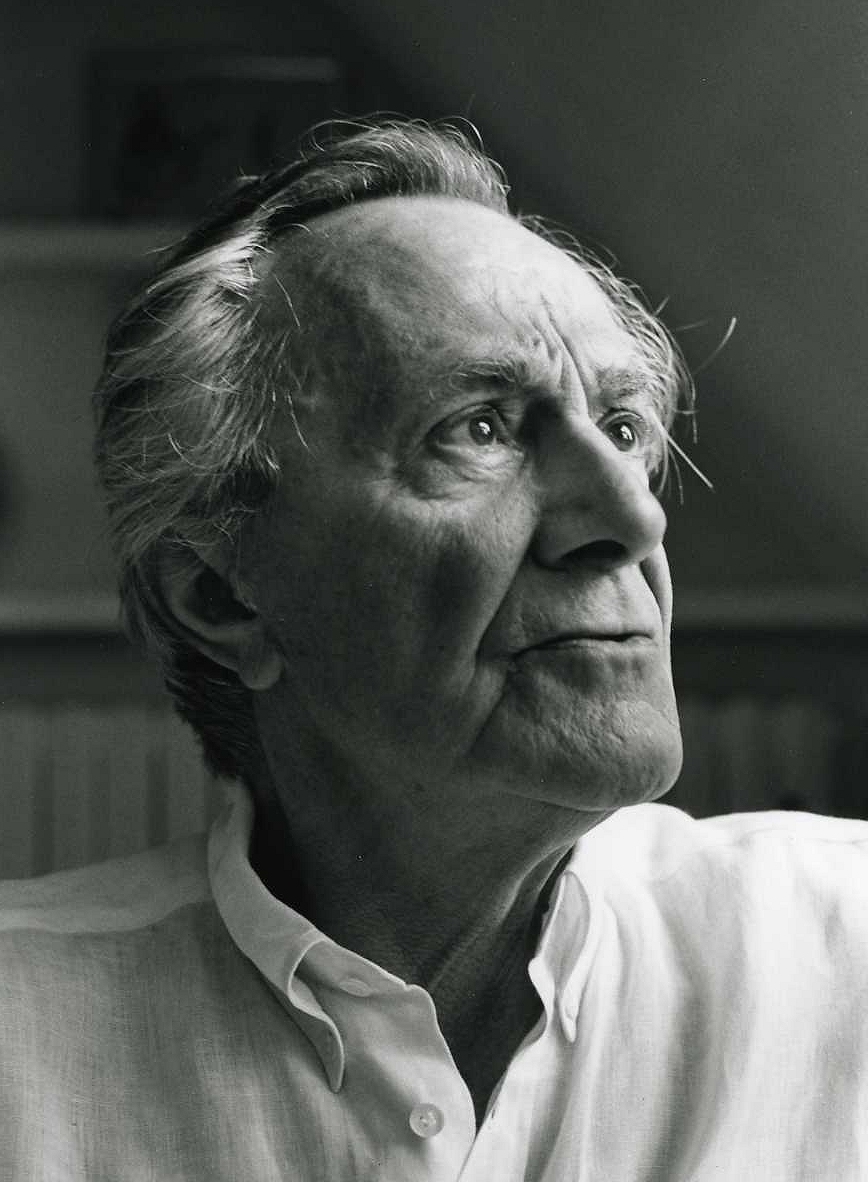
Jean-François Lyotard
1924 CE – 1998 CE
Versailles
French postmodern philosopher of knowledge, language games, phrase regimens, the differend, libidinal economy, the sublime, technoscience, art, and the critique of grand narratives.
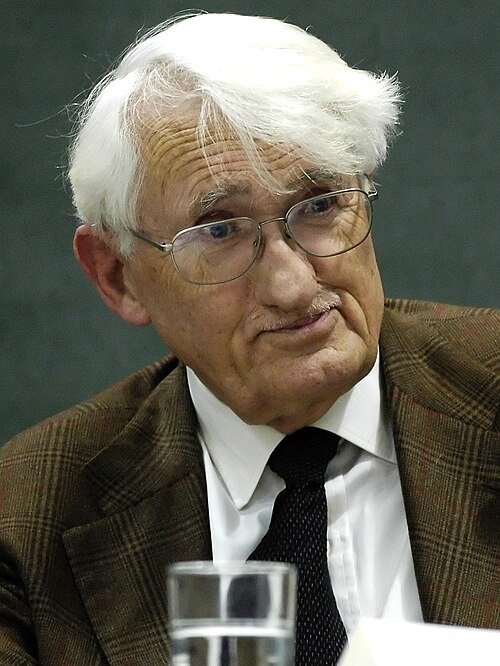
Jürgen Habermas
1929 CE – 2026 CE
Düsseldorf
German Frankfurt School philosopher of communicative rationality, discourse ethics, public sphere theory, deliberative democracy, law, postmetaphysical philosophy, religion in public reason, and European constitutional politics.
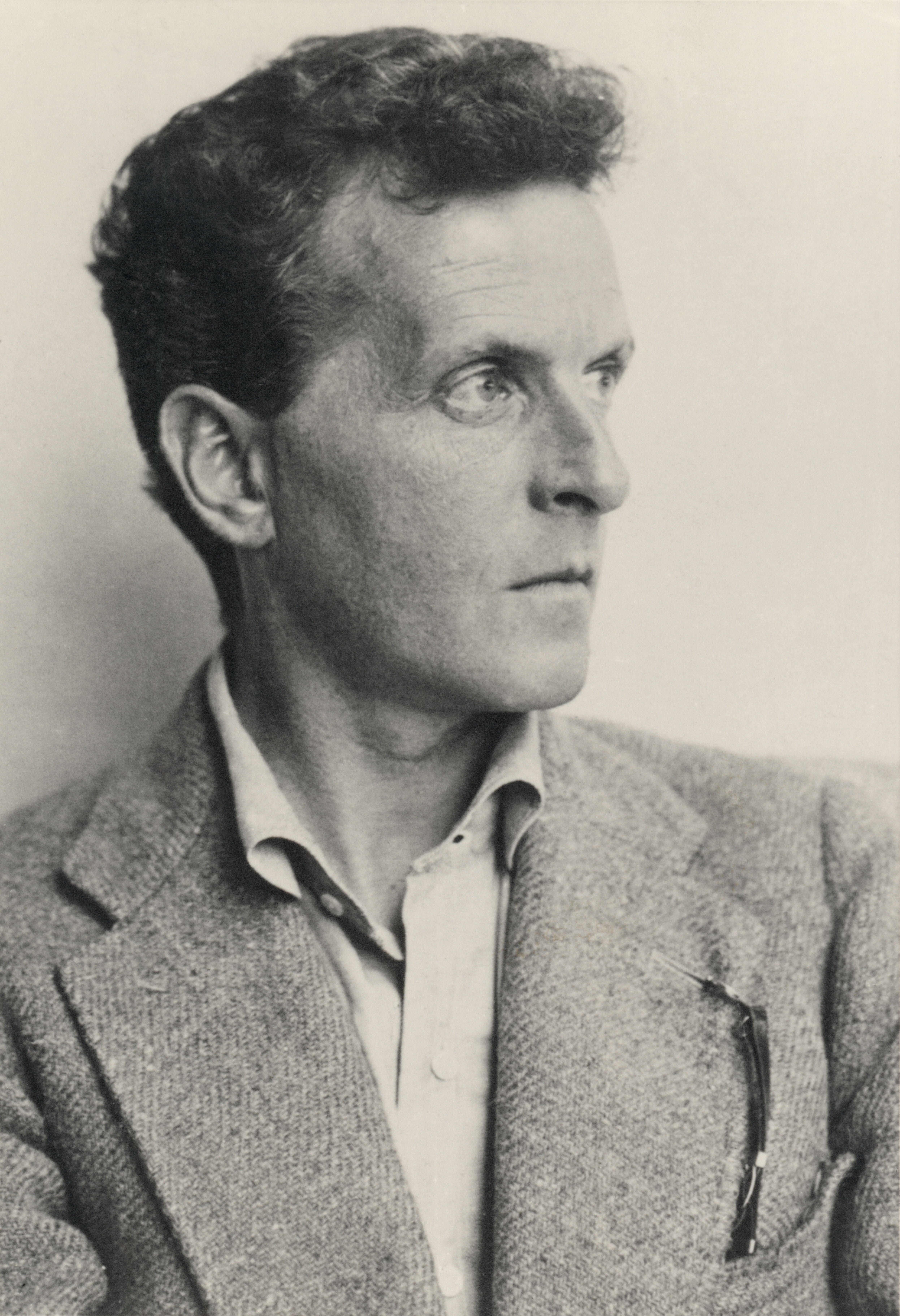
Ludwig Wittgenstein
1889 CE – 1951 CE
Vienna, Austria-Hungary
Austrian-British analytic philosopher whose Tractatus, later ordinary-language method, language-games, private-language arguments, and remarks on mathematics, certainty, mind, aesthetics, ethics, and religious language reshaped twentieth-century philosophy.
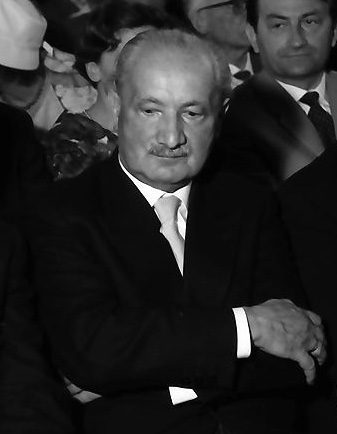
Martin Heidegger
1889 CE – 1976 CE
Meßkirch, Baden, German Empire
German phenomenologist and hermeneutic ontologist whose Being and Time, Dasein analysis, critique of metaphysics, art, technology, language, and late Ereignis thinking reshaped twentieth-century philosophy.
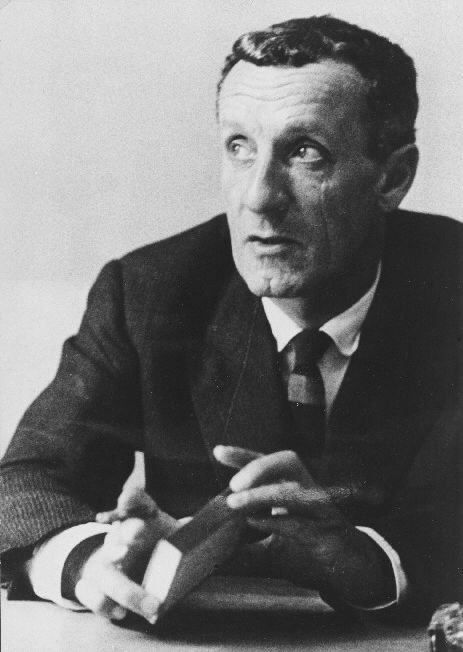
Maurice Merleau-Ponty
1908 CE – 1961 CE
Rochefort-sur-Mer
French philosopher of existential phenomenology, embodied perception, lived body, intersubjectivity, language, aesthetics, politics, nature, and the late ontology of flesh.
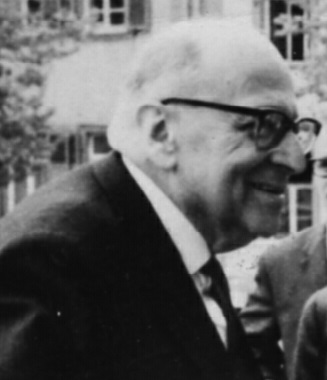
Max Horkheimer
1895 CE – 1973 CE
Stuttgart
German philosopher of Frankfurt School critical theory, Western Marxism, interdisciplinary social philosophy, instrumental reason, authoritarianism, culture industry, and late negative-theological reflection.
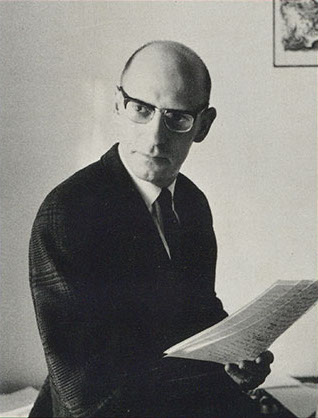
Michel Foucault
1926 CE – 1984 CE
Poitiers
French philosopher of archaeology, genealogy, power-knowledge, discipline, biopolitics, subjectivation, sexuality, governmentality, and care of the self.
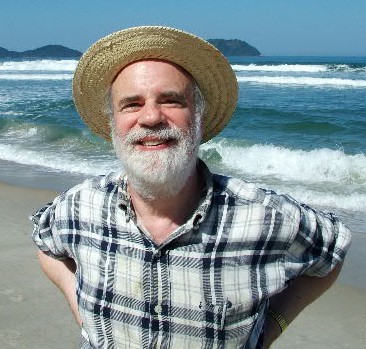
Saul Kripke
1940 CE – 2022 CE
Bay Shore, New York
American analytic philosopher and logician known for Kripke semantics, rigid designation, necessary a posteriori truth, truth theory, and rule-following skepticism.
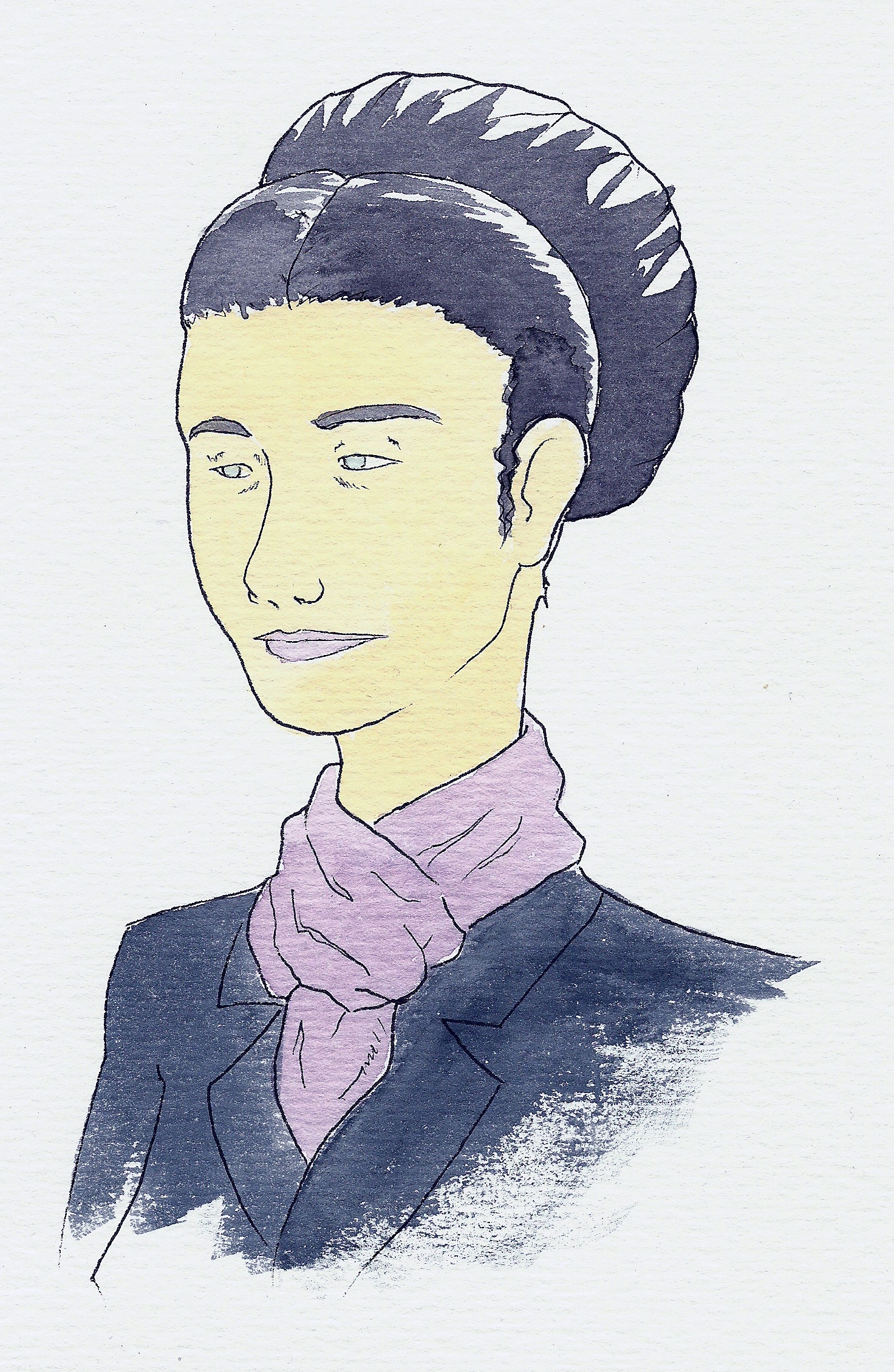
Simone de Beauvoir
1908 CE – 1986 CE
Paris
French existentialist and feminist philosopher of ambiguity, situated freedom, otherness, embodiment, oppression, aging, literature, and ethical responsibility.
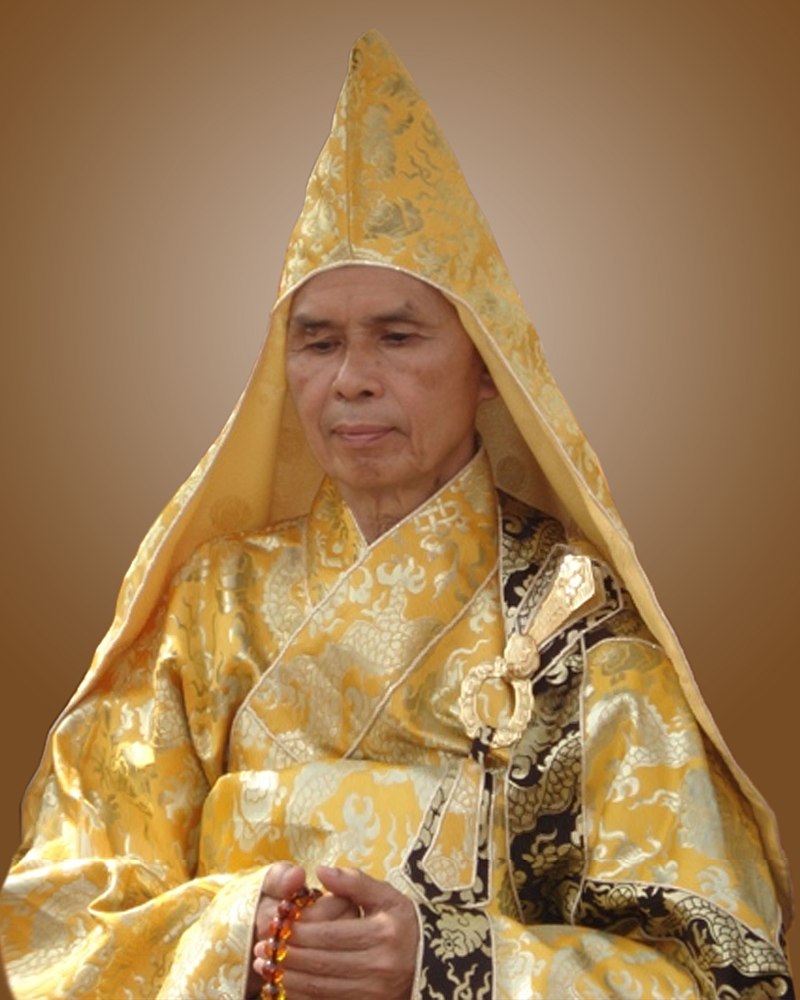
Thich Nhat Hanh
1926 CE – 2022 CE
Hue, central Vietnam
Vietnamese Zen and engaged Buddhist philosopher of mindfulness, interbeing, deep listening, loving speech, nonviolence, Plum Village practice, antiwar witness, and global lay-monastic transmission.
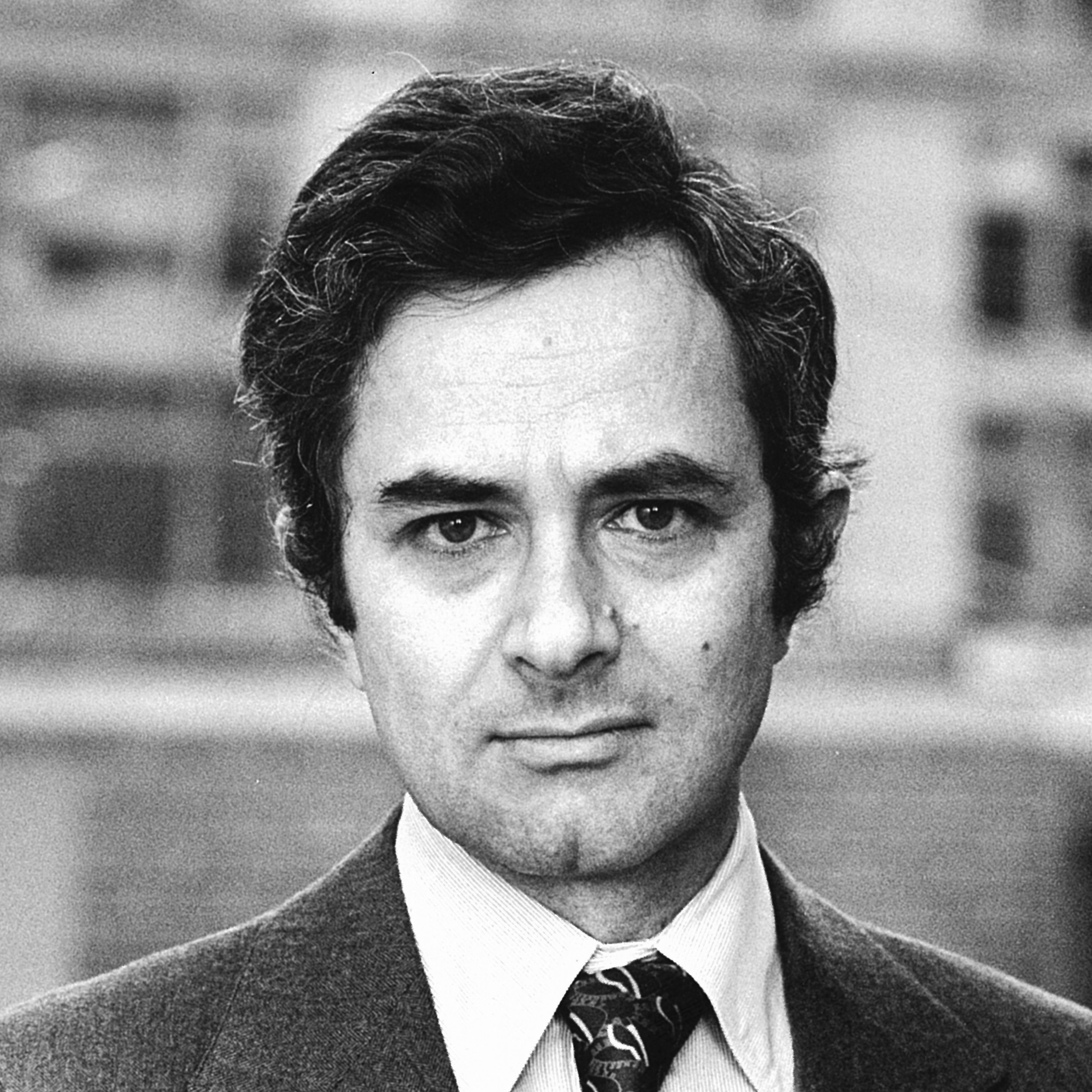
Thomas Nagel
1937 CE
Belgrade
American analytic philosopher of consciousness, objectivity, altruism, moral luck, equality, political morality, religious temperament, and limits of reductive materialism.
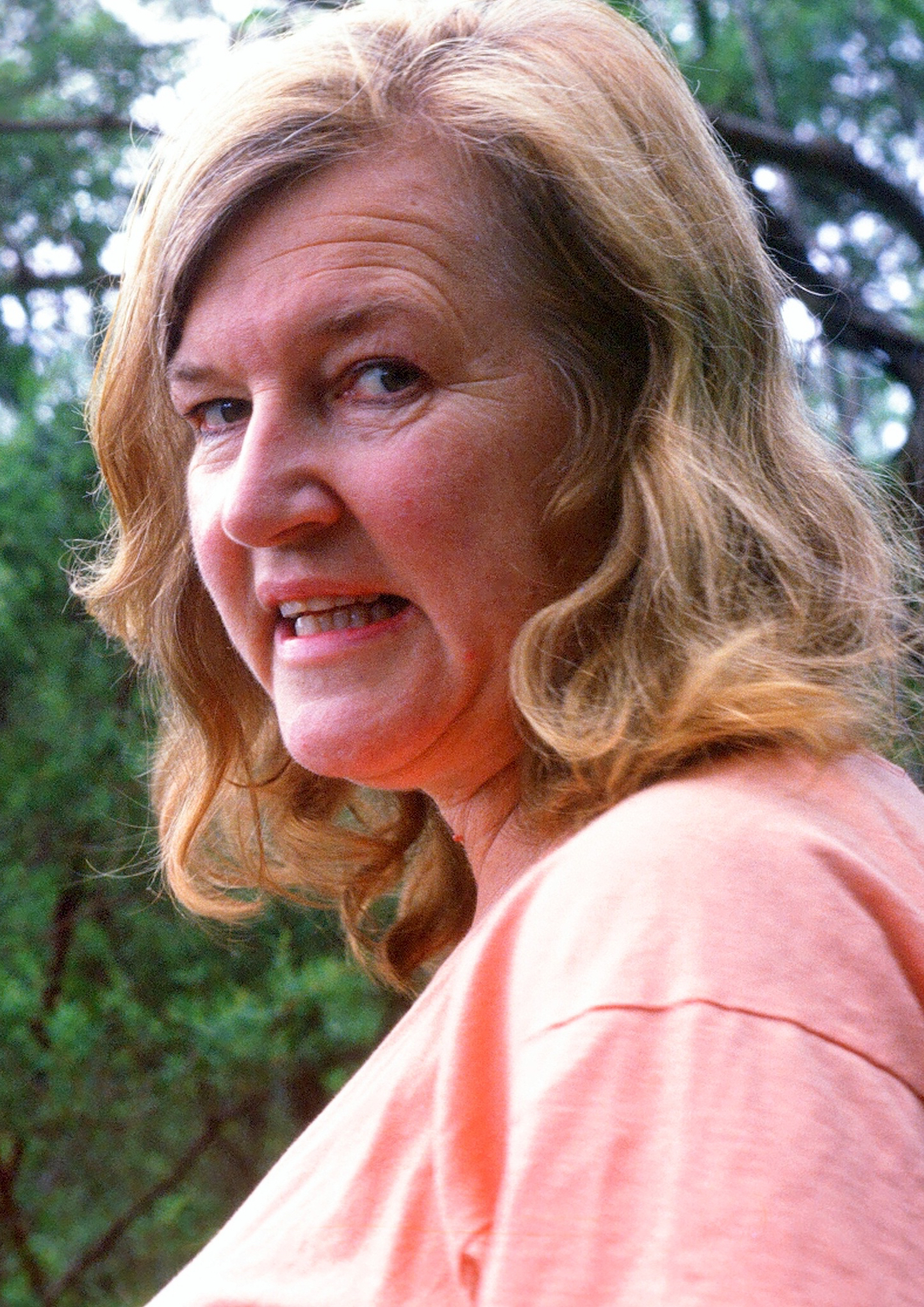
Val Plumwood
1939 CE – 2008 CE
Terrey Hills, near Sydney
Australian ecofeminist philosopher, logician, environmental ethicist, activist, and ecological-humanities figure whose work critiques mastery, human/nature dualism, anthropocentric reason, and ecological disconnection.
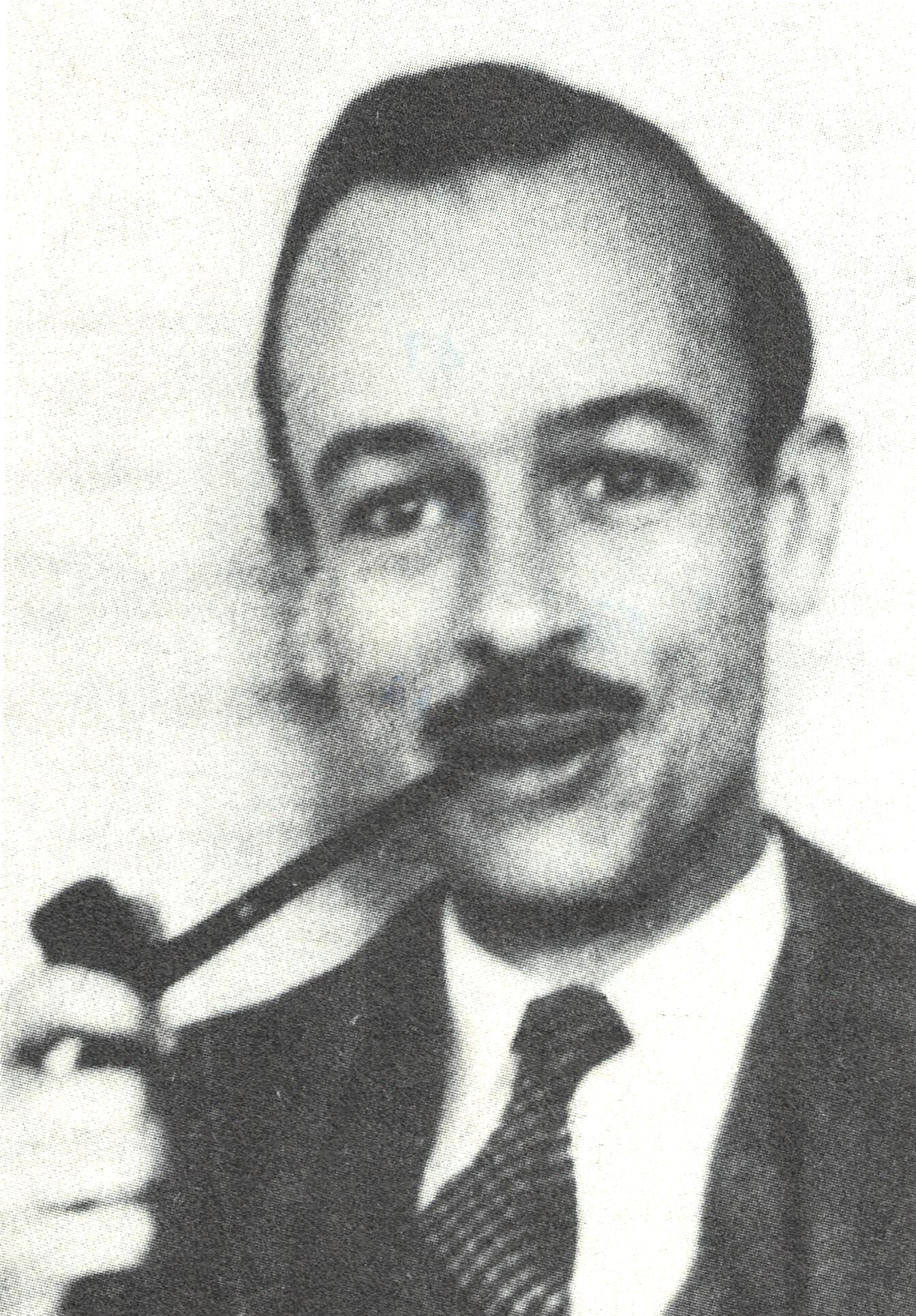
W. V. O. Quine
1908 CE – 2000 CE
Akron, Ohio
American analytic philosopher and logician whose naturalized epistemology, ontological relativity, indeterminacy of translation, extensionalism, and mathematical logic reshaped twentieth-century philosophy.