Atlantic–Iberian Arc
Philosophers of Atlantic–Iberian Arc
Showing 23 of 23 philosophers.
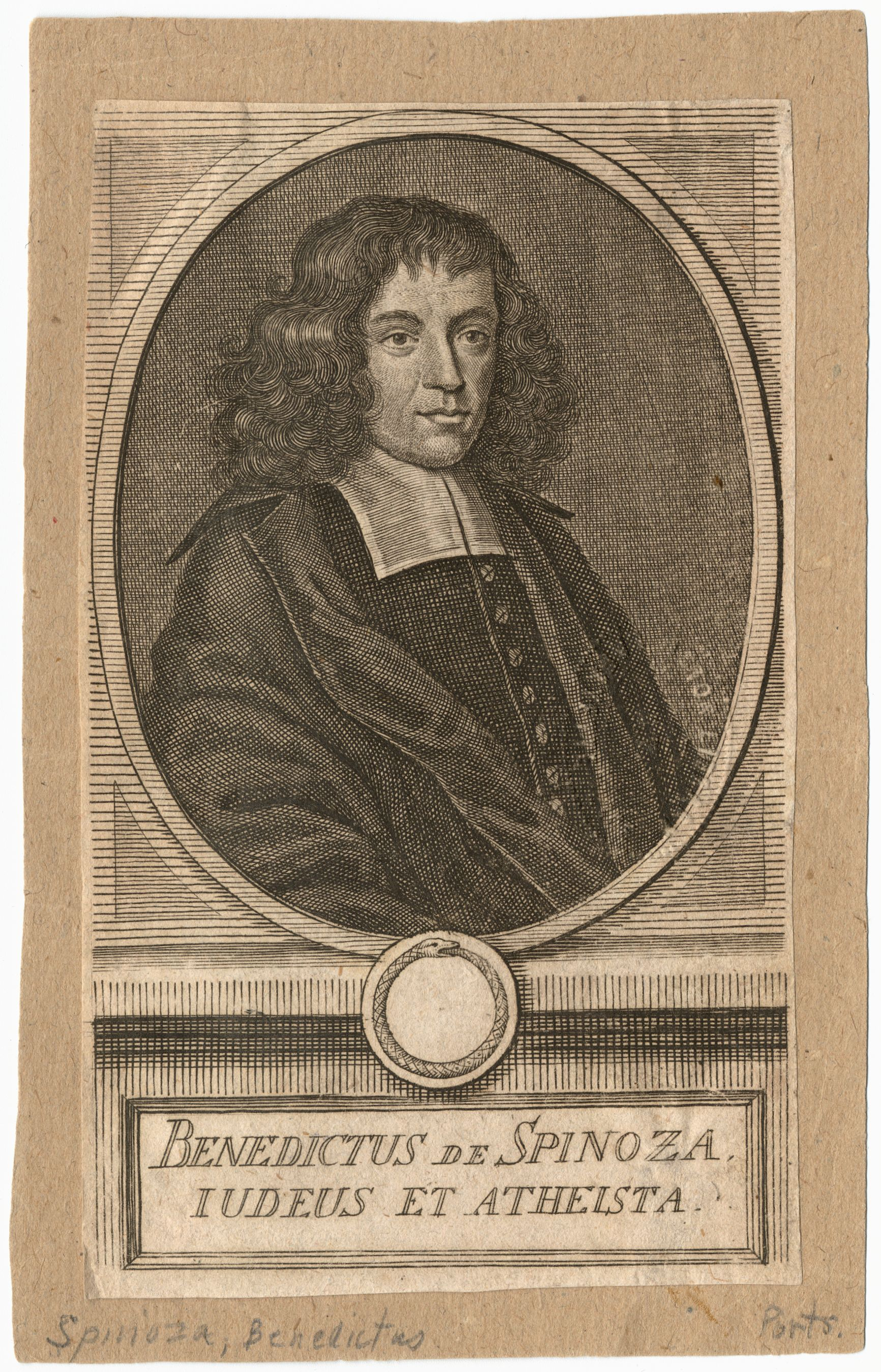
Baruch Spinoza
1632 CE – 1677 CE
Amsterdam
Dutch-Jewish rationalist philosopher from Amsterdam whose substance monism, God-or-Nature metaphysics, geometric method, theory of adequate ideas, mind-body parallelism, ethics of freedom through understanding, biblical criticism, and democratic political thought reshaped early modern philosophy.
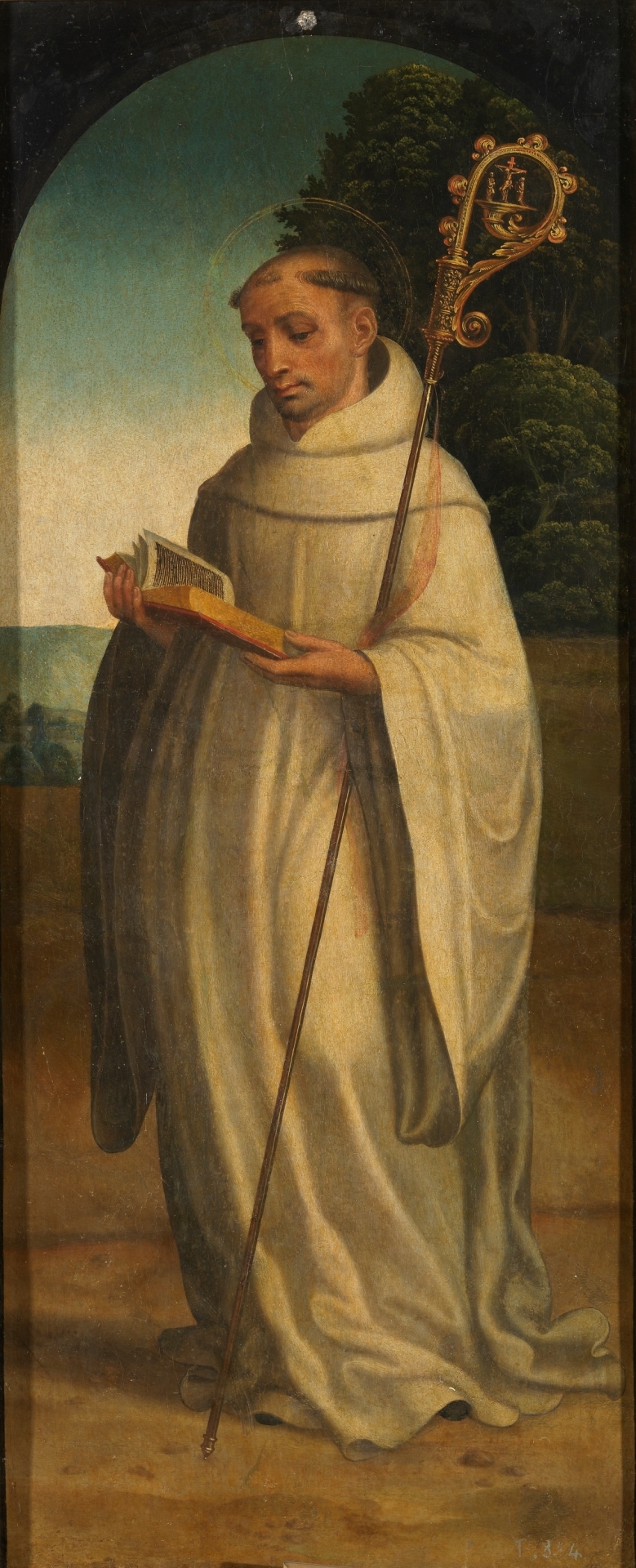
Bernard of Clairvaux
1090 CE – 1153 CE
Fontaine-lès-Dijon
Cistercian monk, abbot of Clairvaux, and medieval Christian philosopher-theologian whose theology of love, humility, grace, free choice, mystical ascent, monastic ethics, scriptural exegesis, and ecclesial counsel shaped scholastic, monastic, and political theology.
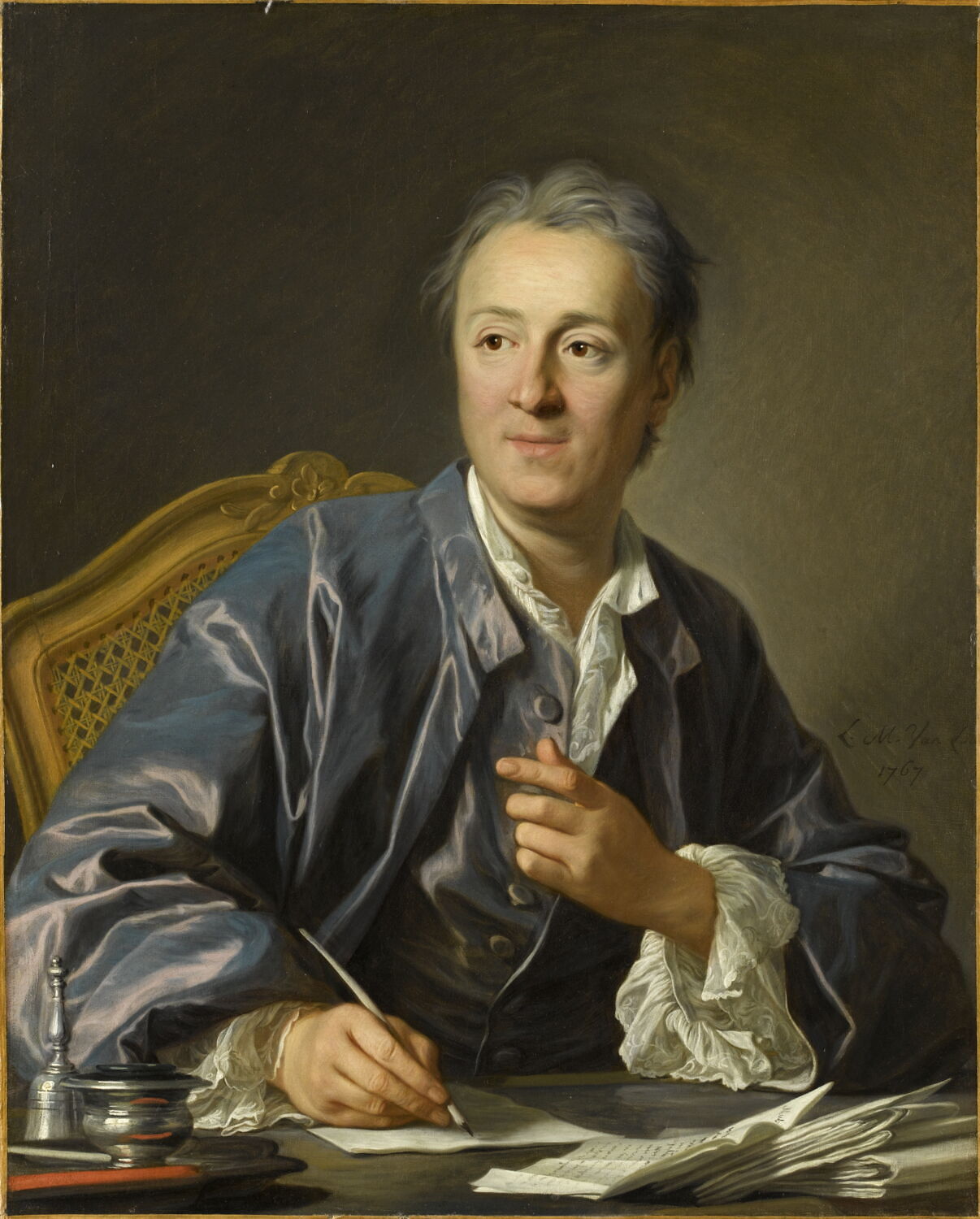
Denis Diderot
1713 CE – 1784 CE
Langres, Champagne
French Enlightenment philosopher, critic, editor, and writer whose materialist, empiricist, aesthetic, political, and scientific thought helped make the Encyclopédie a program of public reason.
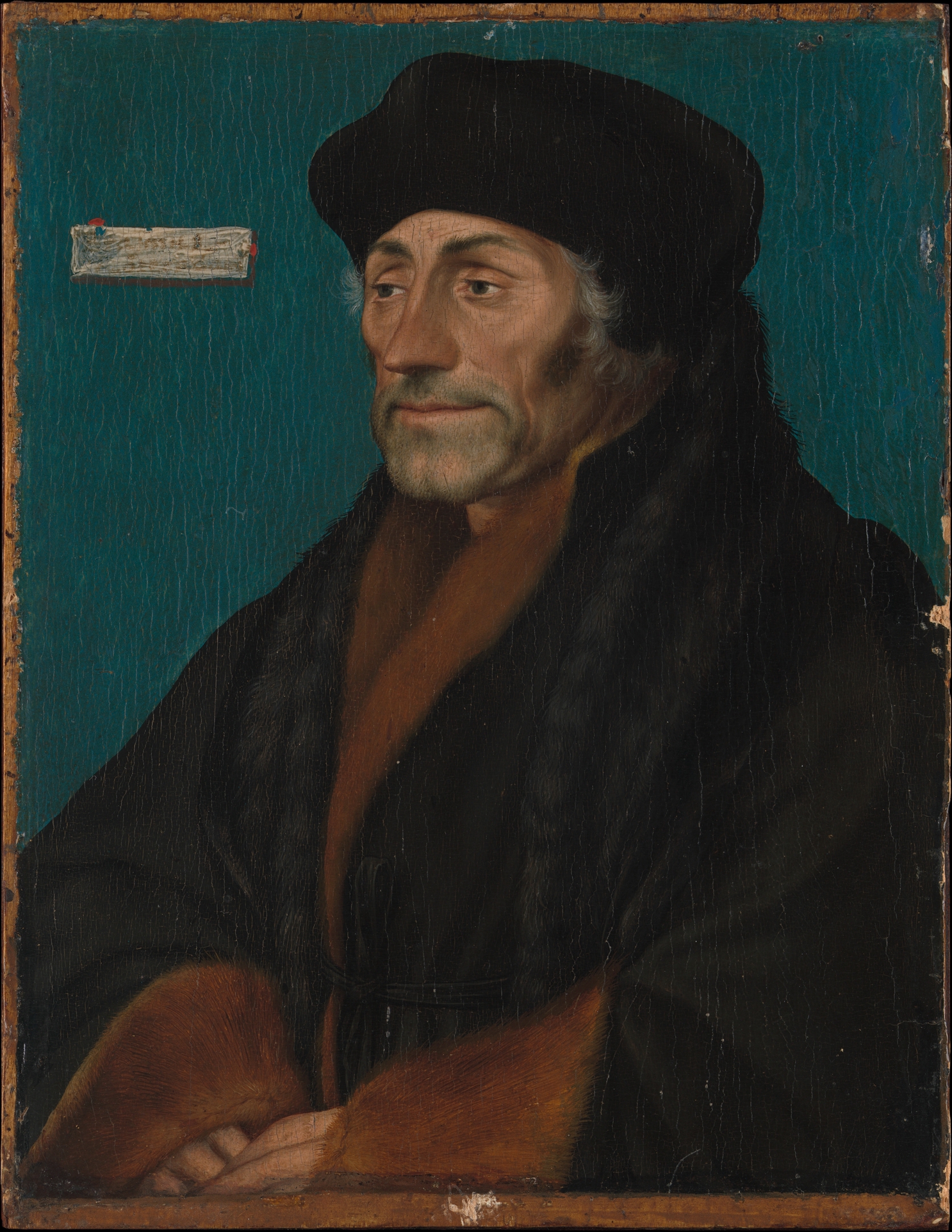
Desiderius Erasmus of Rotterdam
1466 CE – 1536 CE
Rotterdam
Dutch Renaissance humanist, Catholic reformer, philologist, satirist, and educator whose Christian humanism joined classical learning, biblical scholarship, moral reform, peace politics, and disciplined eloquence.
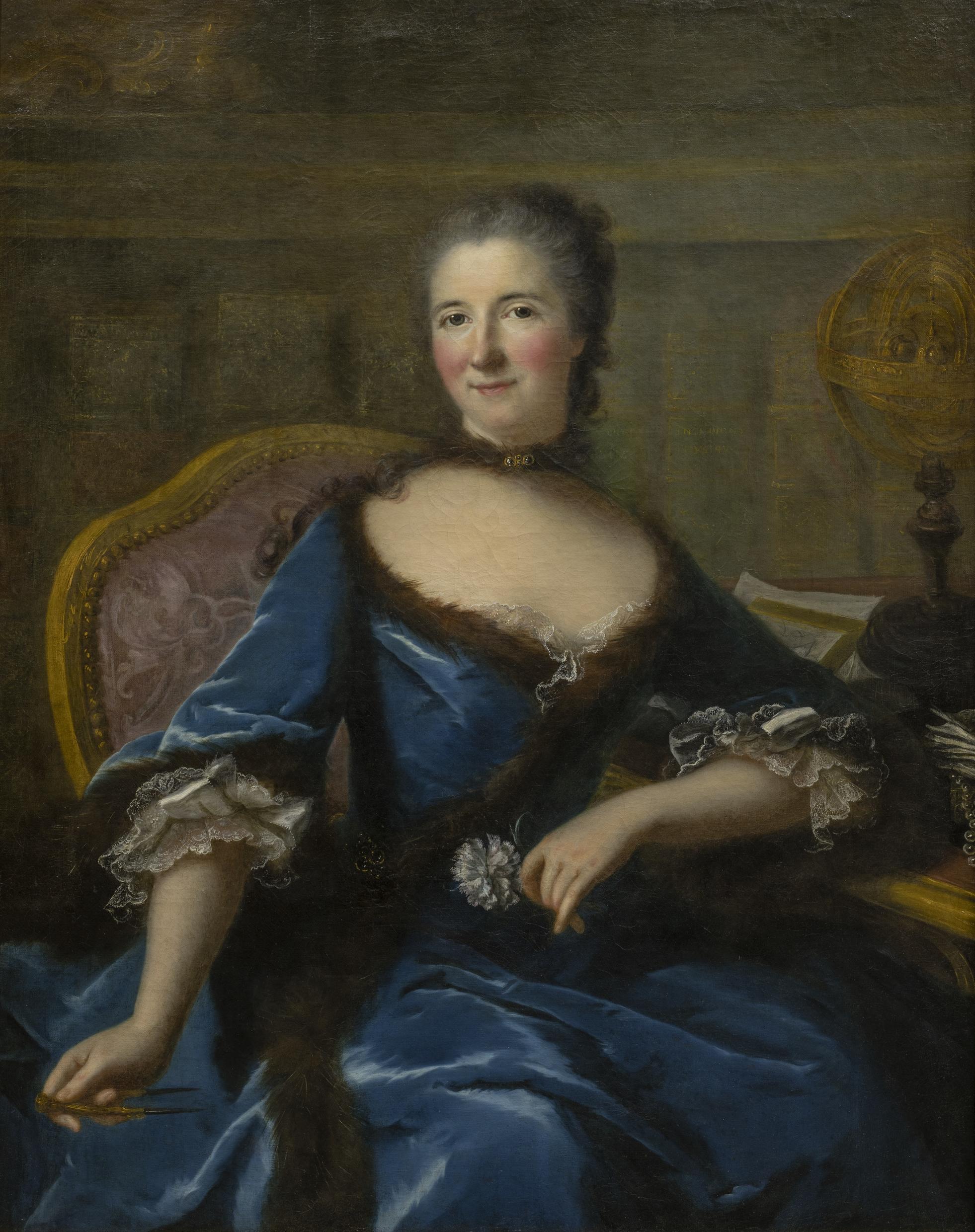
Émilie du Châtelet
1706 CE – 1749 CE
Paris
Enlightenment philosopher, mathematician, translator of Newton, and critic of dogma whose work on force, physics, happiness, freedom, and natural religion reshaped French Newtonianism.
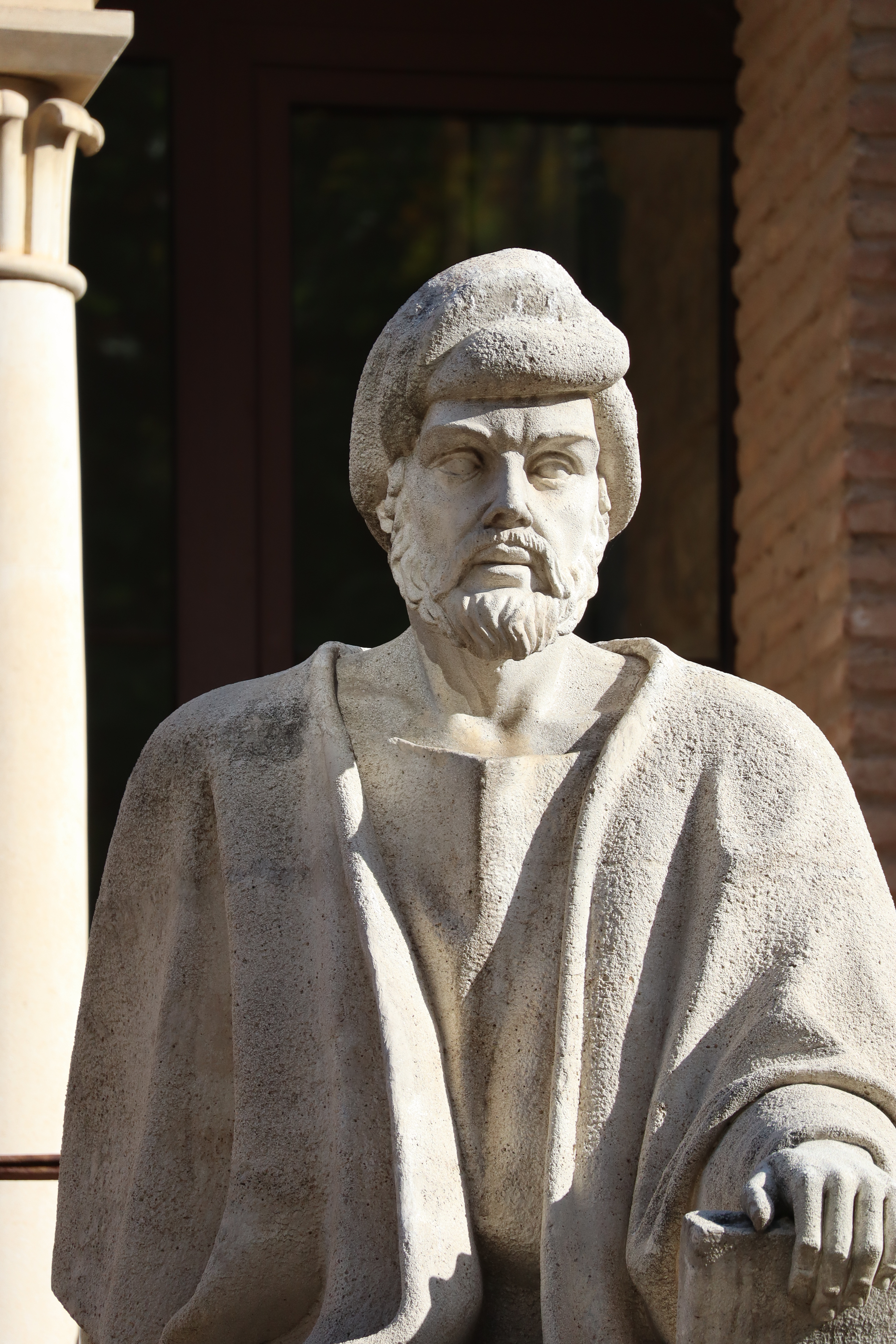
Ibn Rushd (Averroes)
1126 CE – 1198 CE
Córdoba, al-Andalus
Andalusian Arab philosopher, jurist, physician, judge, and Aristotelian commentator whose work in logic, metaphysics, natural philosophy, medicine, law, rhetoric, poetics, and philosophy of religion shaped Islamic, Hebrew, and Latin philosophical traditions.
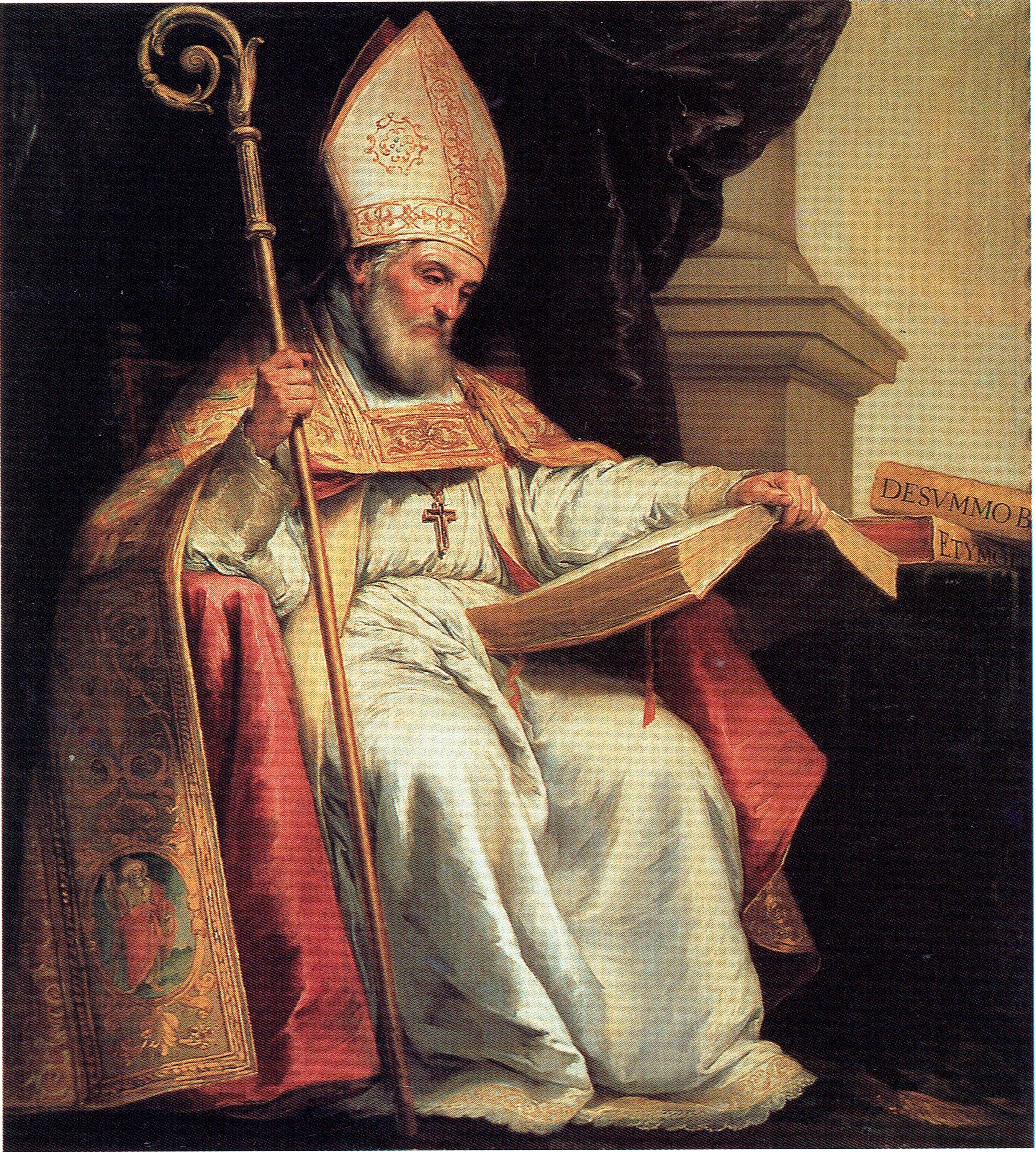
Isidore of Seville
560 CE – 636 CE
Cartagena or Seville, Visigothic Hispania
Hispano-Roman and Visigothic Iberian bishop and encyclopedist whose Etymologiae, Sententiae, histories, ecclesiastical works, and natural-philosophy compilations transmitted Latin Christian learning, grammar, classification, and the liberal arts into the early medieval West.
Jean Baudrillard
1929 CE – 2007 CE
Reims, Marne, France
French philosopher and social theorist of simulation, simulacra, hyperreality, symbolic exchange, consumer society, media, signs, and postmodern culture.
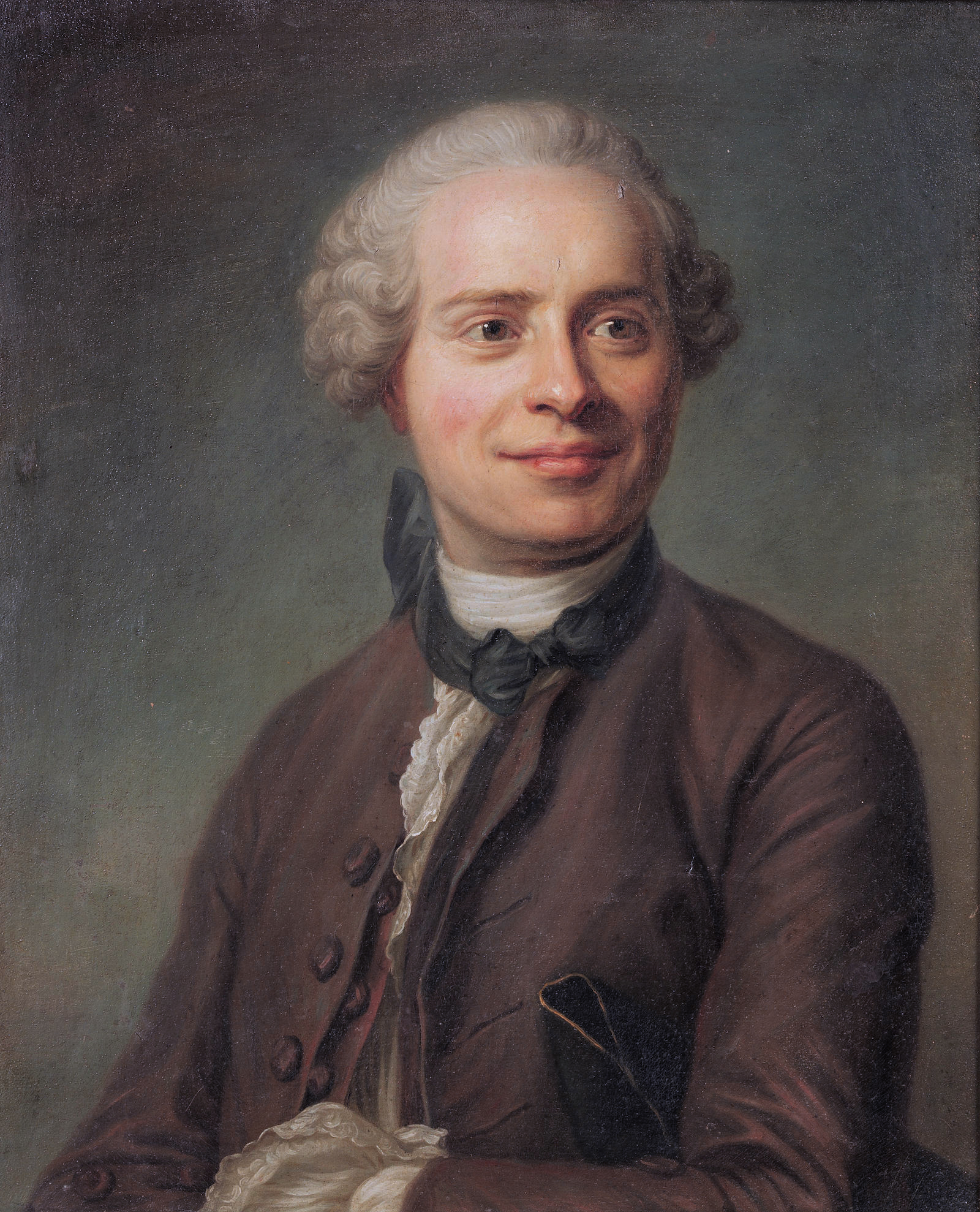
Jean le Rond d'Alembert
1717 CE – 1783 CE
Paris
French Enlightenment philosopher, mathematician, physicist, music theorist, and encyclopedist from Paris, associated with mathematical physics, the Encyclopedie, the Preliminary Discourse, and philosophy of science.
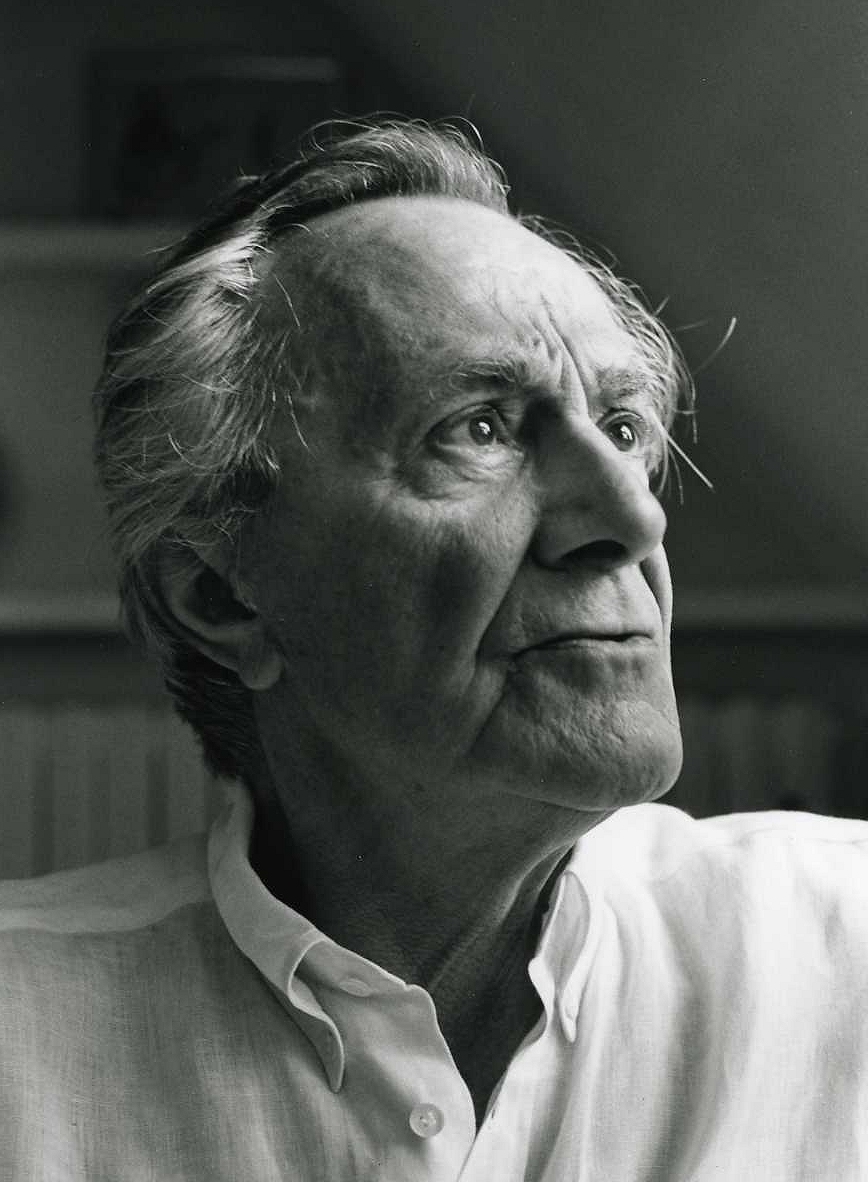
Jean-François Lyotard
1924 CE – 1998 CE
Versailles
French postmodern philosopher of knowledge, language games, phrase regimens, the differend, libidinal economy, the sublime, technoscience, art, and the critique of grand narratives.
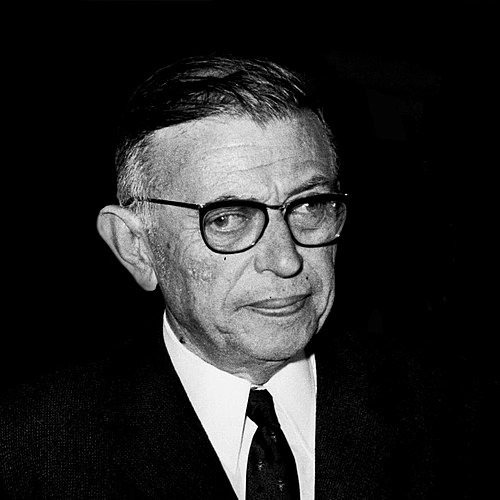
Jean-Paul Sartre
1905 CE – 1980 CE
Paris
French existentialist and phenomenological philosopher of freedom, bad faith, nothingness, political commitment, literature, existential psychoanalysis, anti-colonialism, and existential Marxism.
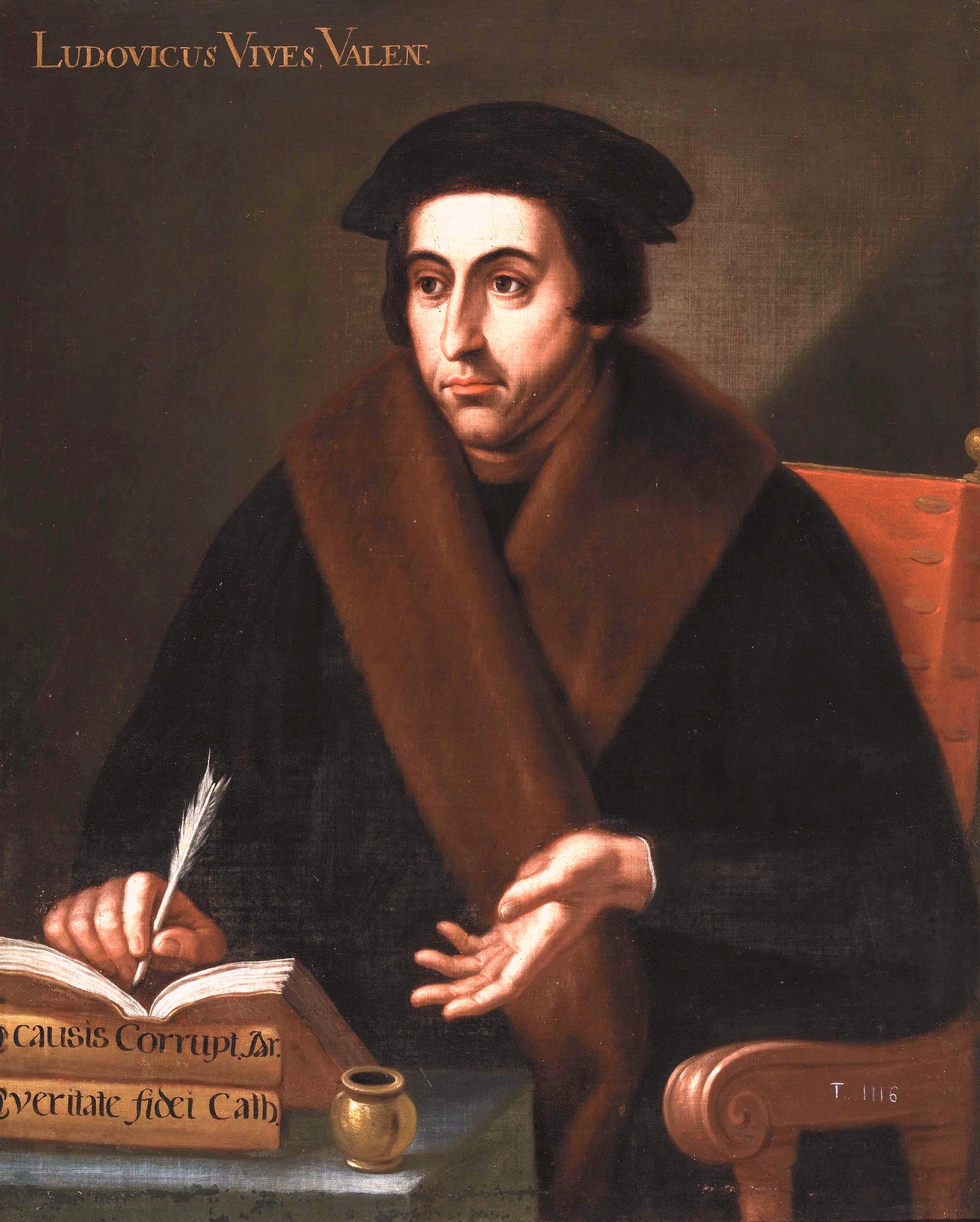
Juan Luis Vives
1493 CE – 1540 CE
Valencia
Valencian Spanish Renaissance humanist philosopher of education, psychology, language, rhetoric, poor relief, peace, Christian reform, women's education, and the renewal of the disciplines.
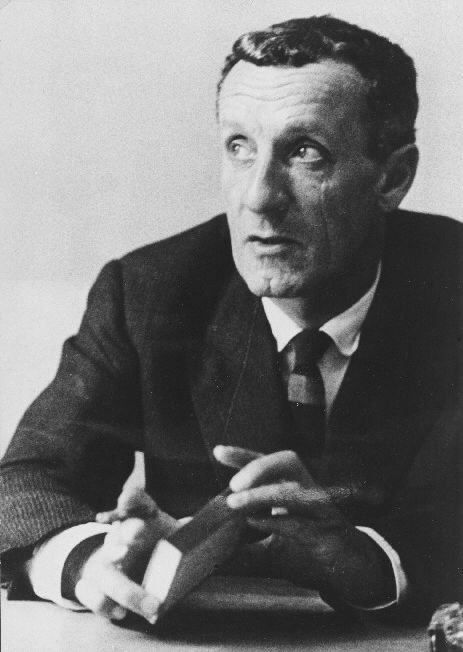
Maurice Merleau-Ponty
1908 CE – 1961 CE
Rochefort-sur-Mer
French philosopher of existential phenomenology, embodied perception, lived body, intersubjectivity, language, aesthetics, politics, nature, and the late ontology of flesh.
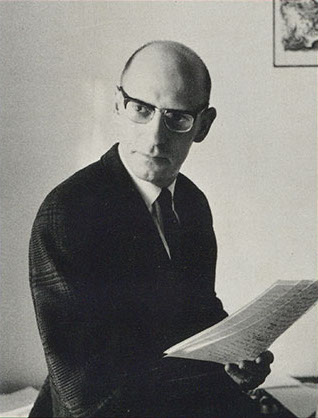
Michel Foucault
1926 CE – 1984 CE
Poitiers
French philosopher of archaeology, genealogy, power-knowledge, discipline, biopolitics, subjectivation, sexuality, governmentality, and care of the self.
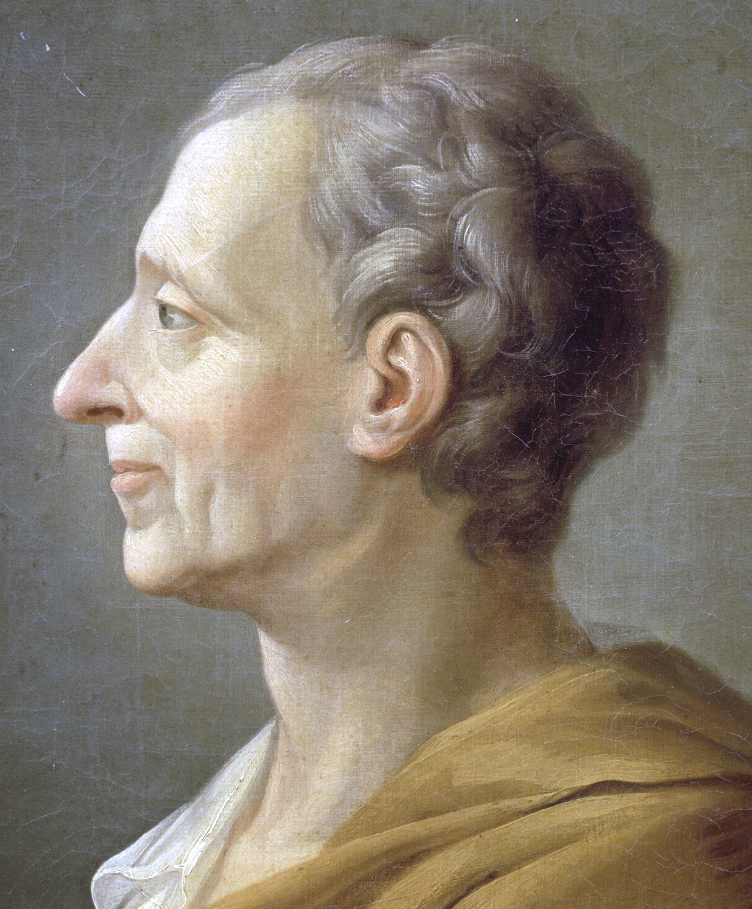
Montesquieu (Charles-Louis de Secondat)
1689 CE – 1755 CE
Chateau de la Brede, near Bordeaux
Enlightenment political philosopher of separation of powers, comparative law, rule of law, political liberty, commerce, climate, moderation, and despotism.
Muhyi al-Din Ibn Arabi
1165 CE – 1240 CE
Murcia, al-Andalus
Sufi philosopher of Akbarian metaphysics, imagination, prophecy, sainthood, divine names, unveiling, cosmology, the Perfect Human, and Islamic mystical reception.
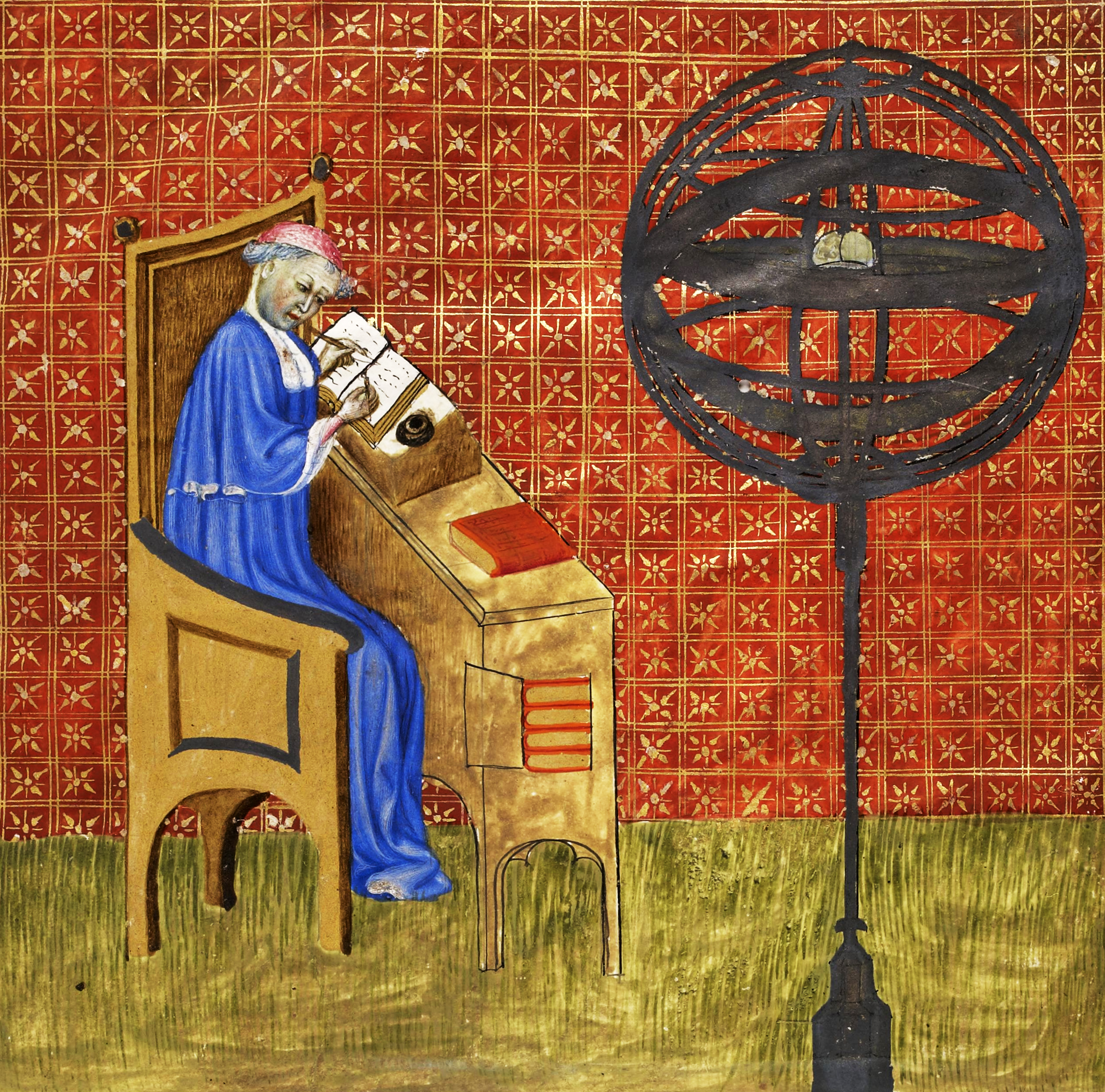
Nicole Oresme
1323 CE – 1382 CE
Normandy, France
Late medieval scholastic philosopher of mathematical physics, latitudes of forms, Aristotle translation, money theory, probability, anti-astrology, and royal administration.
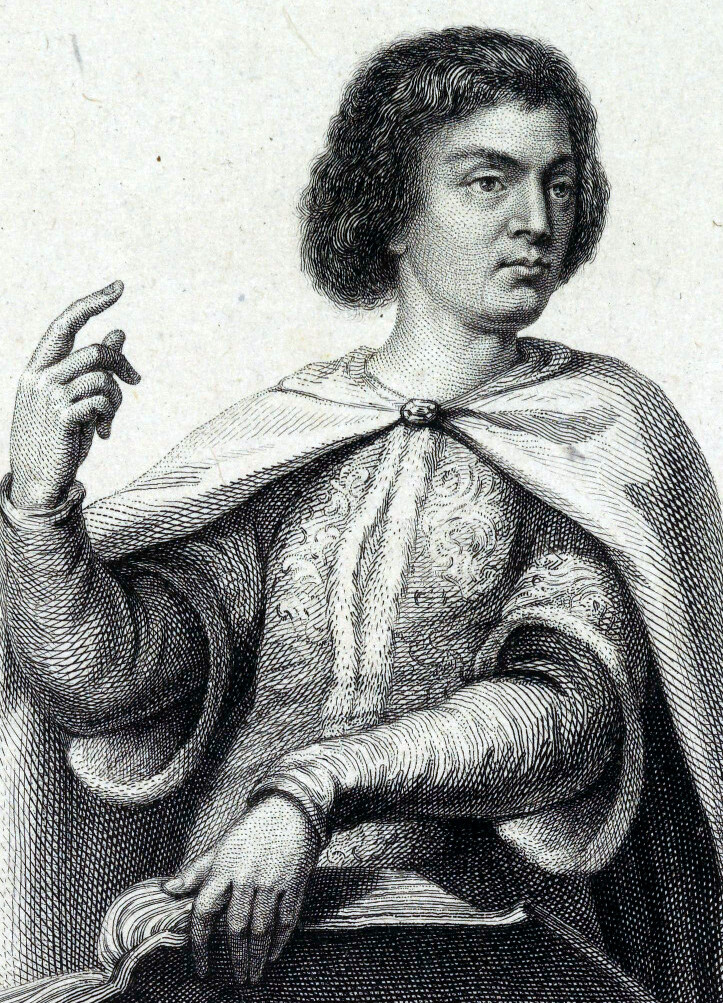
Peter Abelard
1079 CE – 1142 CE
Le Pallet, Brittany
Medieval scholastic philosopher of logic, universals, dialectic, intention, moral responsibility, Trinitarian theology, Sic et Non, Heloise, and the schools of Paris.
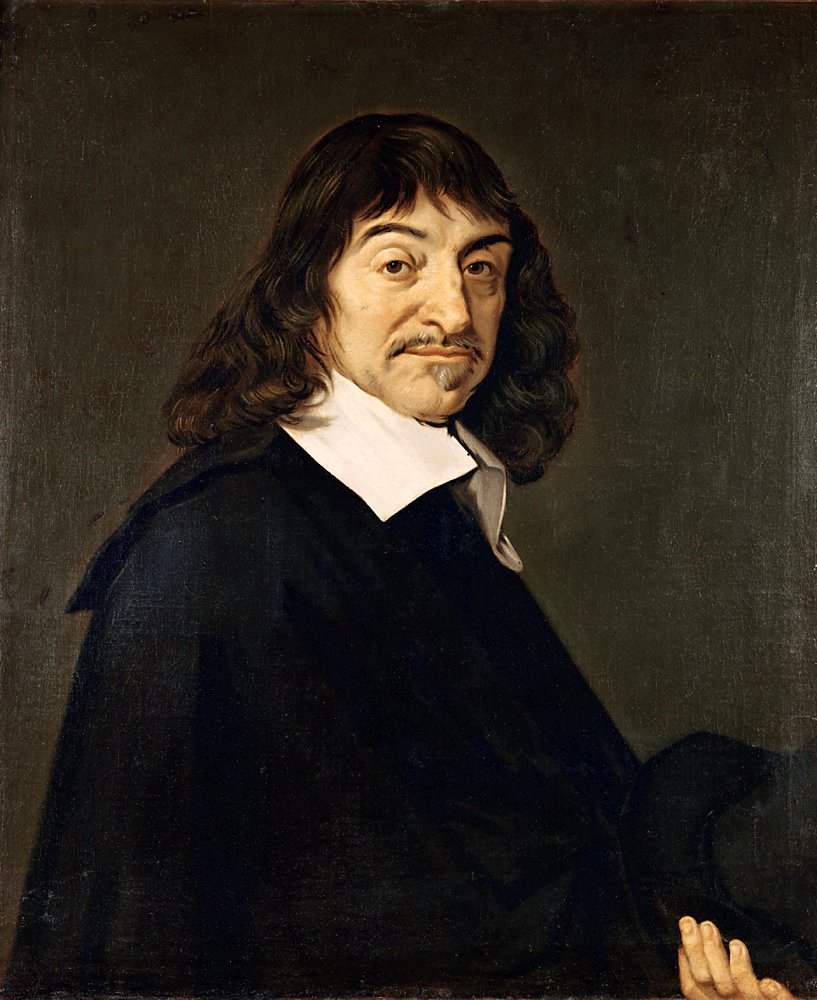
René Descartes
1596 CE – 1650 CE
La Haye en Touraine
Early modern rationalist and mathematician of methodic doubt, the cogito, clear and distinct perception, mind-body dualism, innate ideas, analytic geometry, mechanical philosophy, optics, passions, free will, God, and Cartesian science.
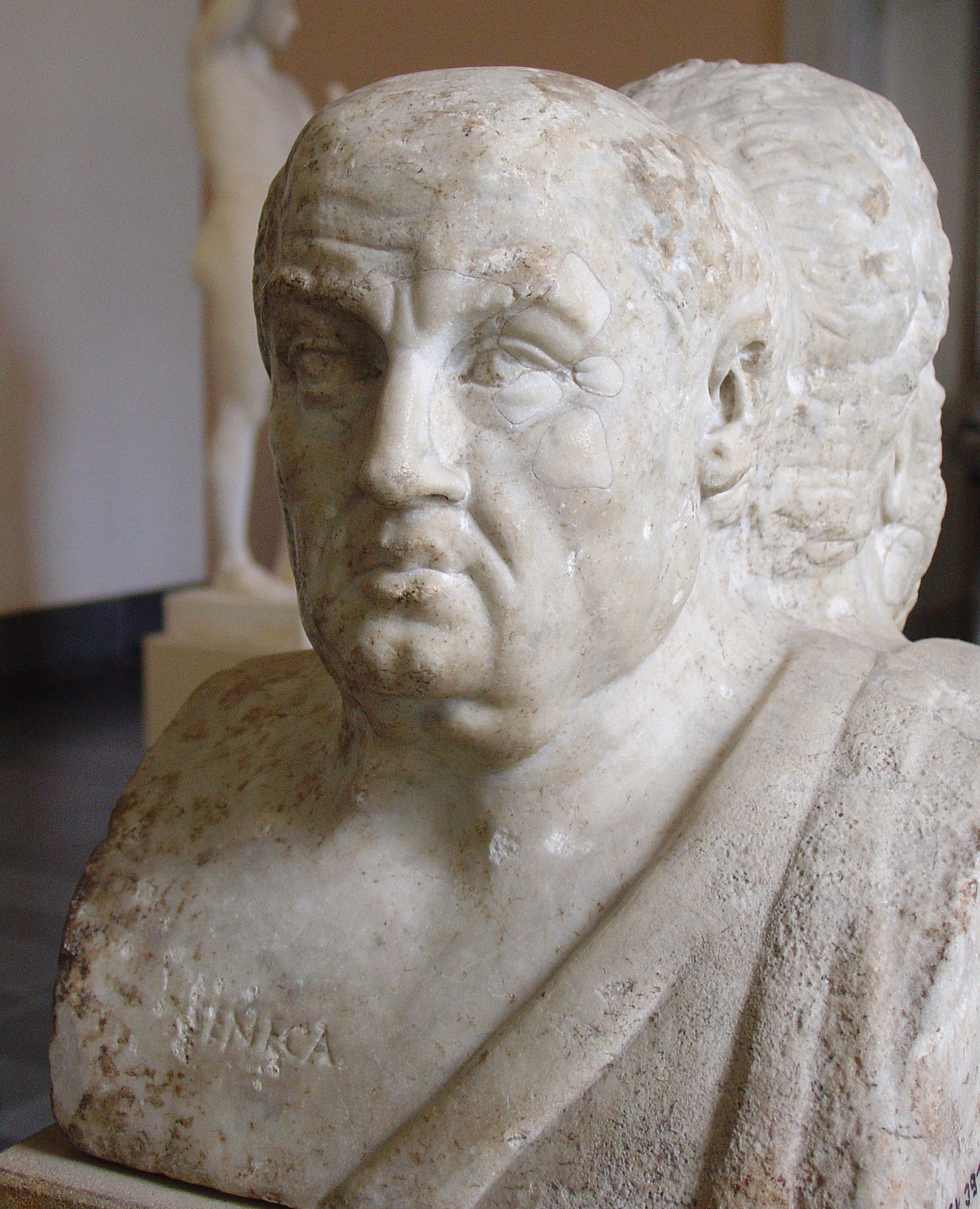
Seneca the Younger
4 CE – 65 CE
Corduba (Cordoba, Hispania)
Roman Stoic philosopher from Corduba whose letters, essays, and natural questions made virtue, anger, time, clemency, and self-command enduring topics in Latin philosophy.
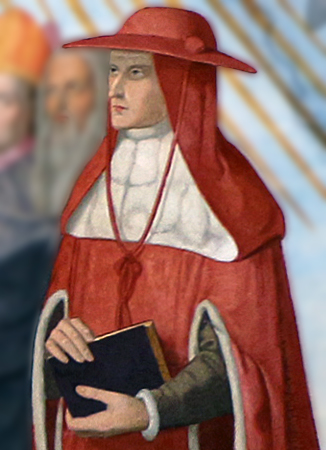
Siger of Brabant
1240 CE – 1284 CE
Brabant (Low Countries)
Paris arts master and radical Aristotelian associated with Latin Averroism, the unity of intellect controversy, metaphysics, logic, natural philosophy, and the autonomy of philosophical teaching.
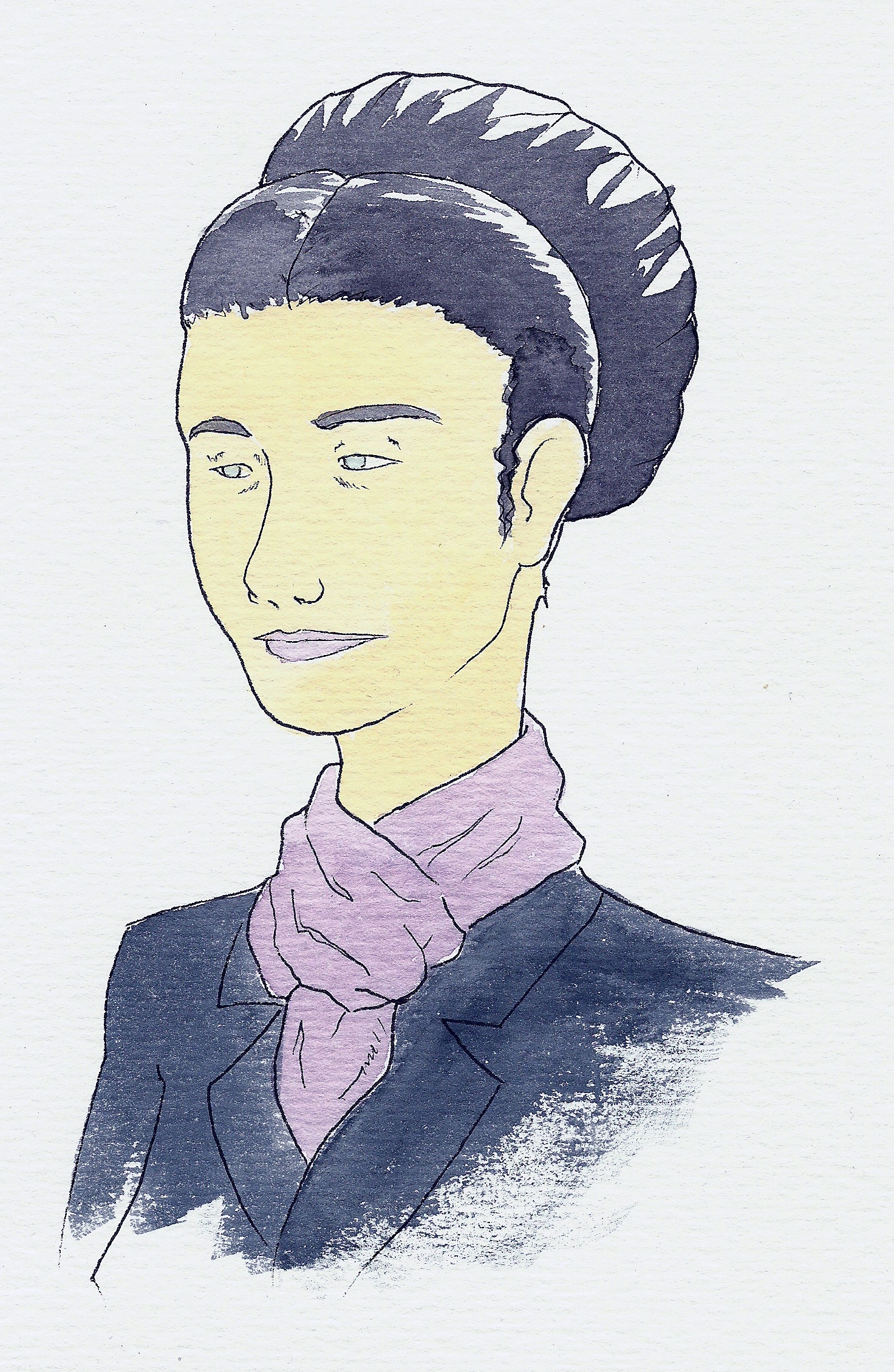
Simone de Beauvoir
1908 CE – 1986 CE
Paris
French existentialist and feminist philosopher of ambiguity, situated freedom, otherness, embodiment, oppression, aging, literature, and ethical responsibility.
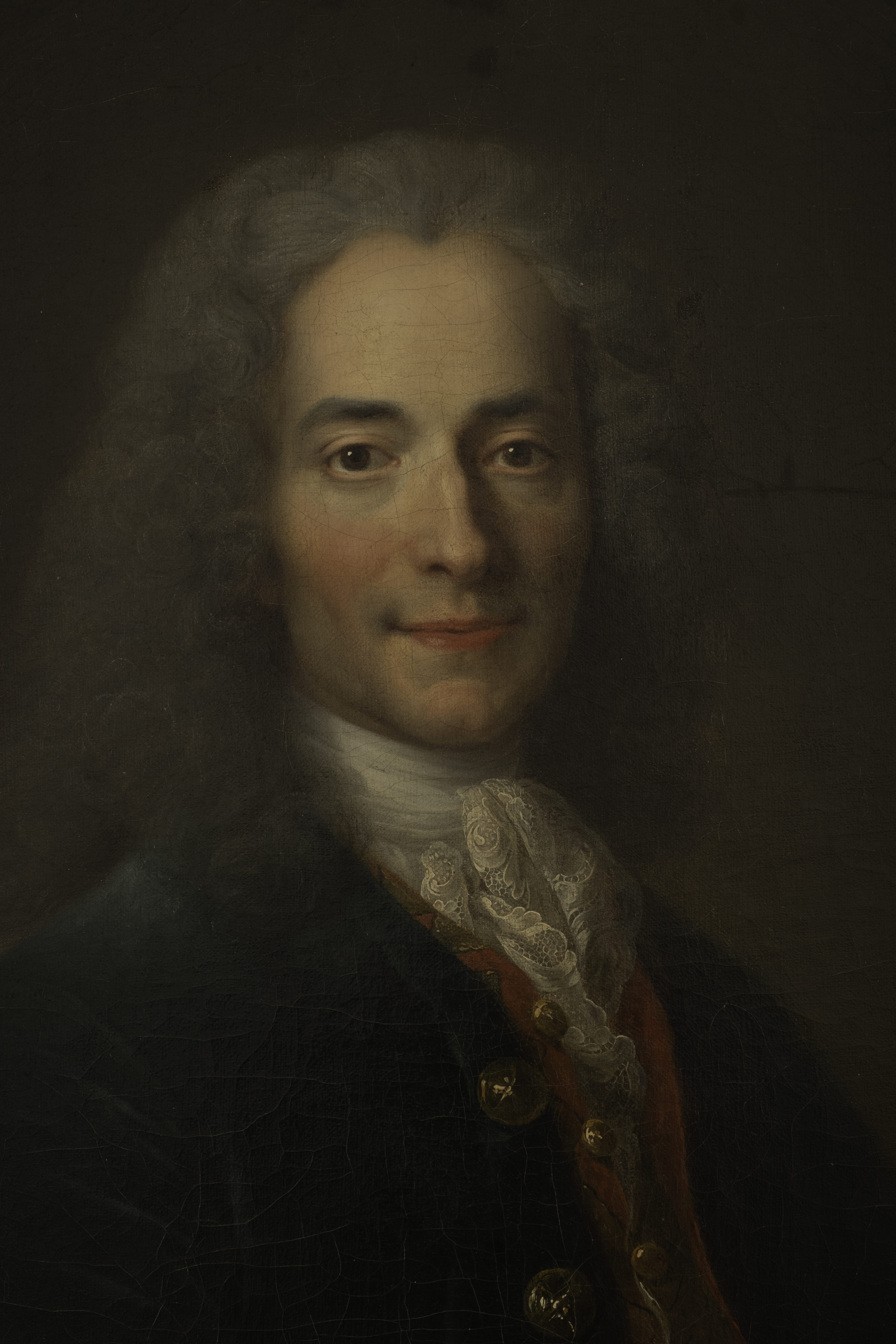
Voltaire (François-Marie Arouet)
1694 CE – 1778 CE
Paris
French Enlightenment writer and philosopher whose deism, satire, toleration campaigns, Newtonian public science, civil-liberties advocacy, and anti-clerical critique made him a defining public intellectual of eighteenth-century Europe.