Central European Highlands
Philosophers of Central European Highlands
Showing 25 of 25 philosophers.
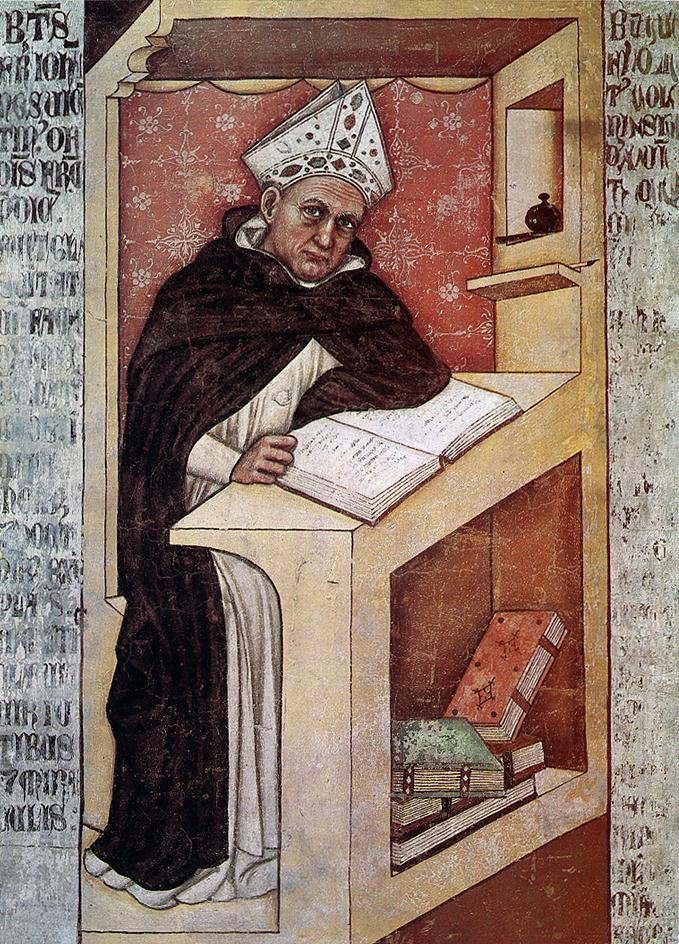
Albertus Magnus
1200 CE – 1280 CE
Lauingen (Swabia)
German Dominican philosopher and natural scientist whose Aristotelian commentaries, theology, logic, ethics, psychology, and natural philosophy shaped medieval scholastic thought.
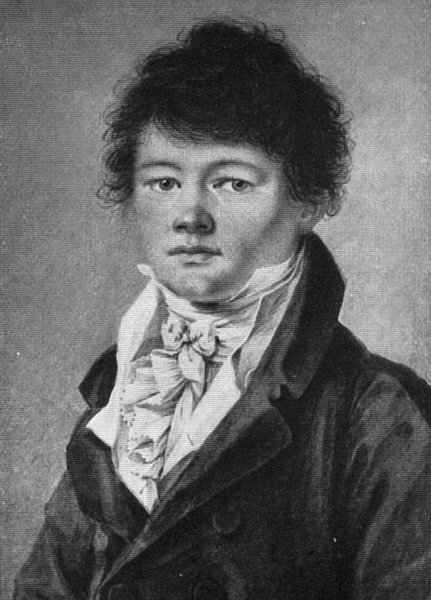
Arthur Schopenhauer
1788 CE – 1860 CE
Danzig (now Gdansk)
German philosopher from Danzig whose account of representation, blind will, pessimistic metaphysics, compassion ethics, aesthetics, and music reshaped nineteenth-century and modern philosophy.
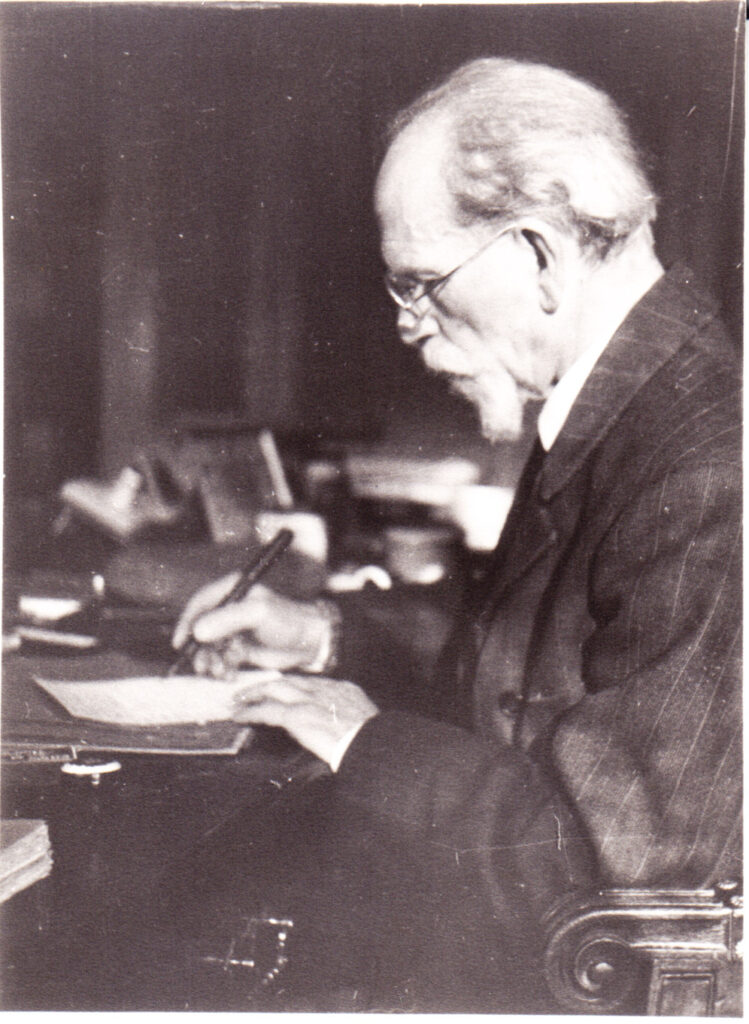
Edmund Husserl
1859 CE – 1938 CE
Prostějov (Prossnitz), Moravia
Founder of phenomenology, trained in mathematics and logic, whose work on intentionality, epoché, consciousness, meaning, evidence, and the lifeworld reshaped twentieth-century philosophy.
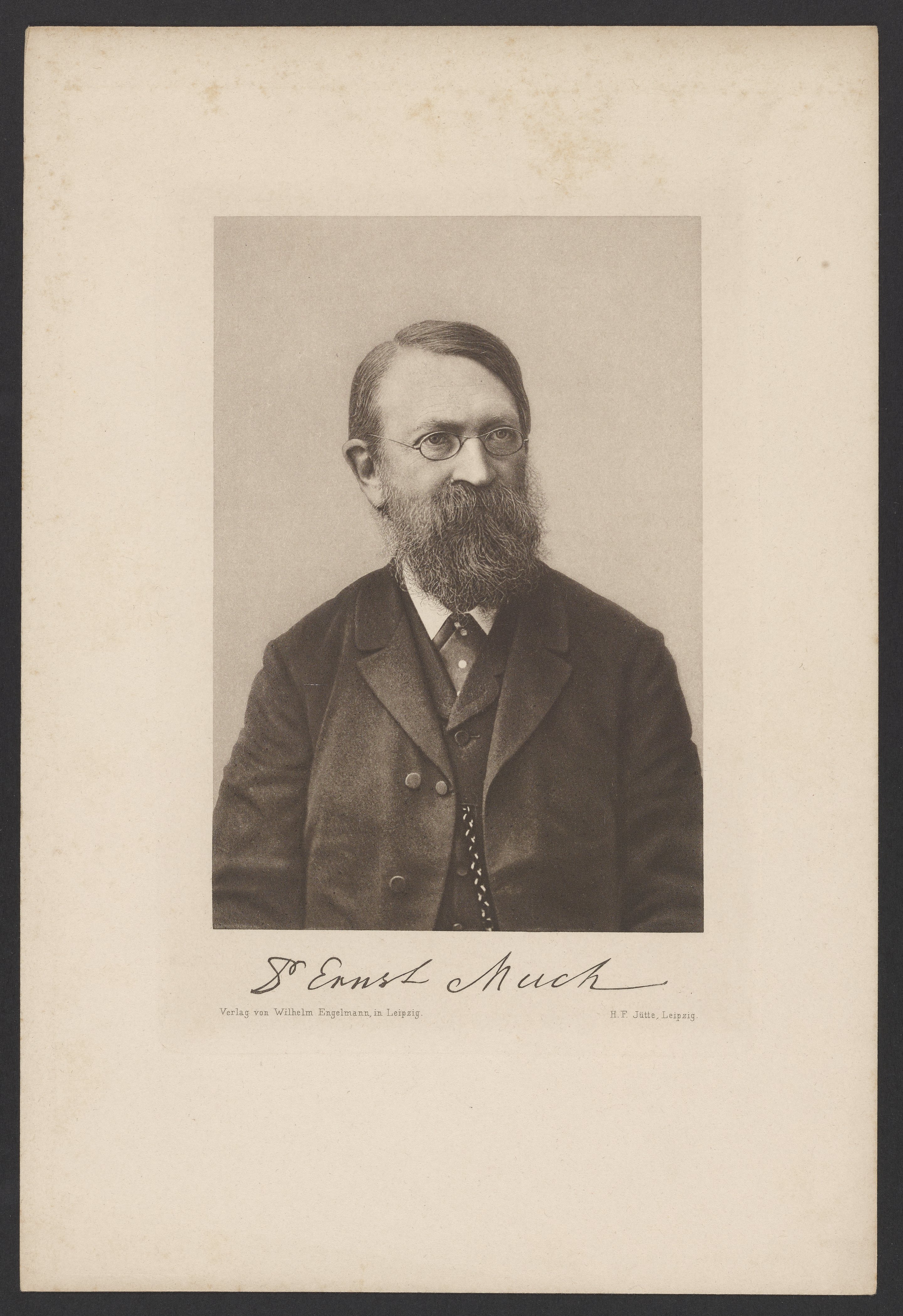
Ernst Mach
1838 CE – 1916 CE
Chrlice / Chirlitz, near Brno
Austrian physicist and philosopher from Moravia whose anti-metaphysical empiricism, analysis of sensations, historical criticism of mechanics, and economy of thought shaped modern philosophy of science.
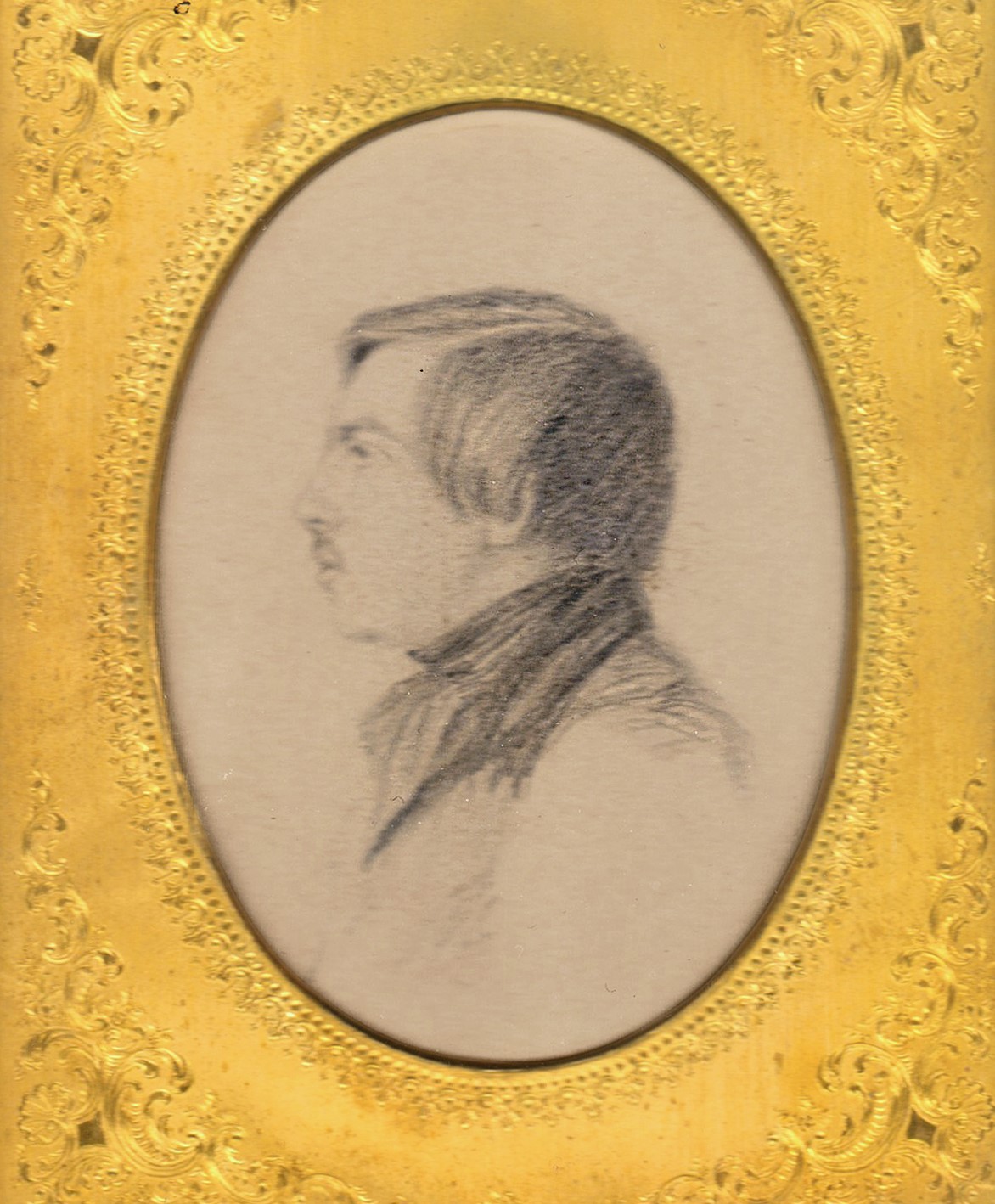
Friedrich Engels
1820 CE – 1895 CE
Barmen, Rhine Province, Prussia
German socialist philosopher, political economist, and cofounder of Marxism whose historical materialism, capitalism critique, dialectics, class analysis, and later editorial work shaped modern socialist theory.
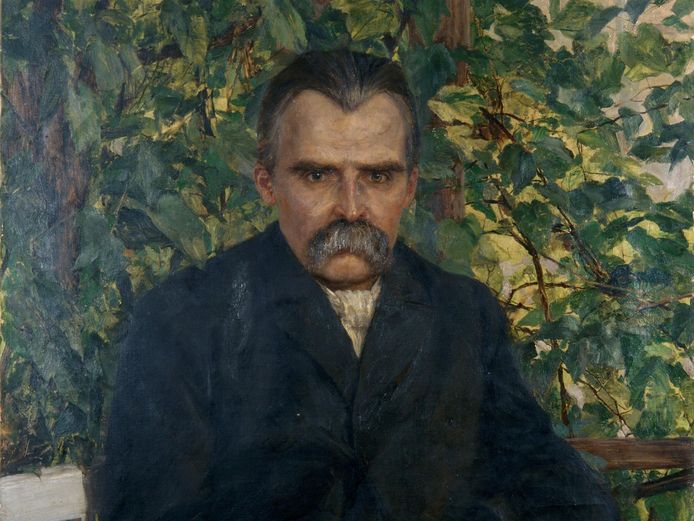
Friedrich Nietzsche
1844 CE – 1900 CE
Röcken, Saxony, Prussia
German philosopher of genealogy, perspectivism, tragedy, value creation, nihilism, and the critique of Christianity whose work reshaped modern ethics, aesthetics, psychology, and continental philosophy.
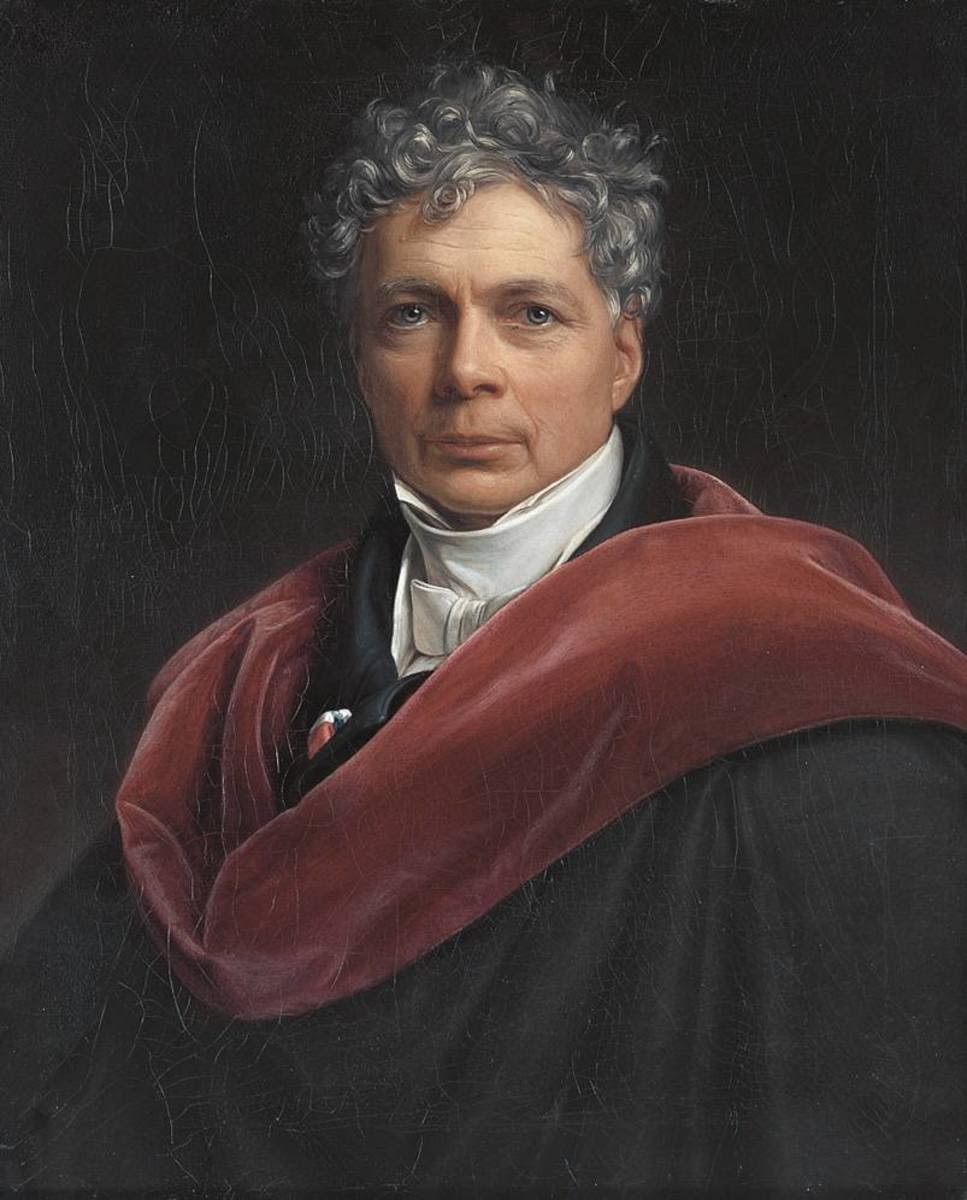
Friedrich Wilhelm Joseph Schelling
1775 CE – 1854 CE
Leonberg, Wuerttemberg
German Idealist philosopher of nature, freedom, identity, art, mythology, and revelation whose work links post-Kantian idealism with Romantic science, philosophical theology, and later existential and continental reception.
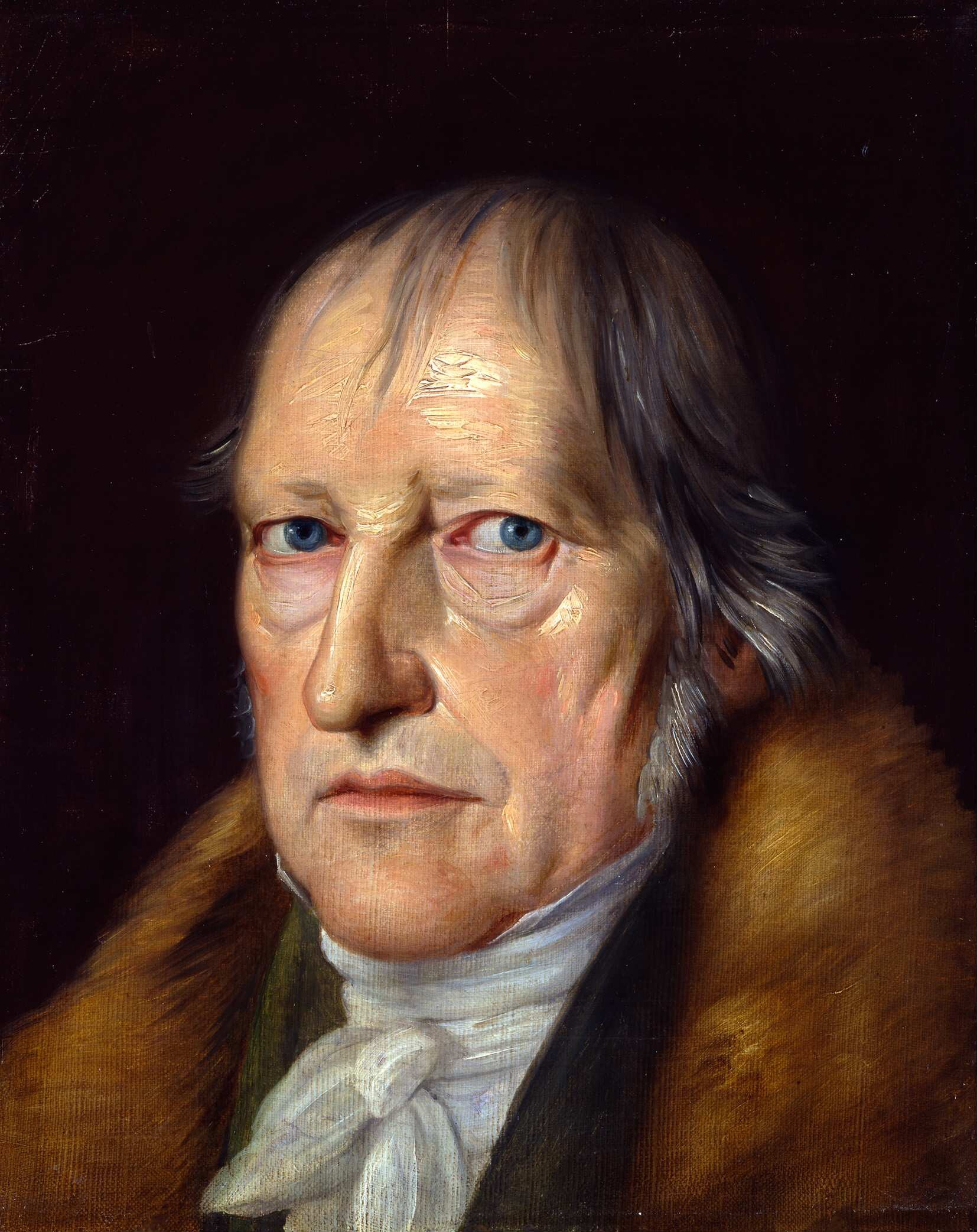
Georg Wilhelm Friedrich Hegel
1770 CE – 1831 CE
Stuttgart, Duchy of Württemberg
German Idealist philosopher of dialectic, absolute idealism, recognition, freedom, ethical life, history, art, nature, religion, and systematic philosophy.
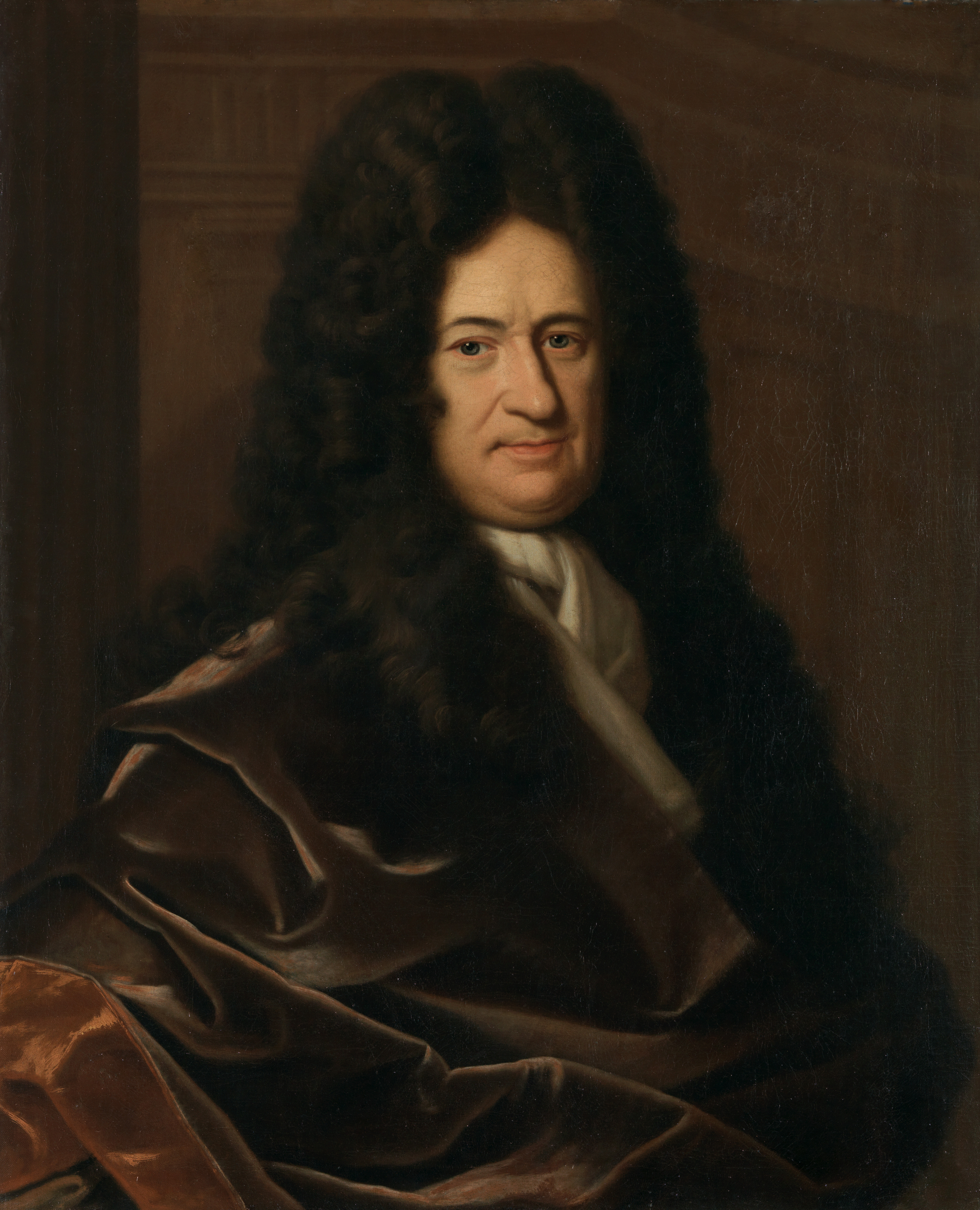
Gottfried Wilhelm Leibniz
1646 CE – 1716 CE
Leipzig
German polymath and early modern rationalist whose monadology, pre-established harmony, sufficient reason, theodicy, calculus work, and plans for a universal symbolic language helped define metaphysics, logic, epistemology, philosophy of mind, philosophy of religion, and philosophy of science.
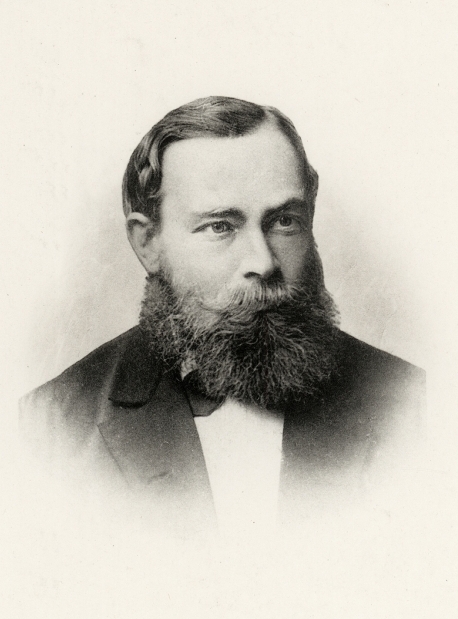
Gottlob Frege
1848 CE – 1925 CE
Wismar
German logician, mathematician, and philosopher whose concept-script, modern quantificational logic, logicism, sense-reference distinction, concept-object analysis, and anti-psychologism helped launch analytic philosophy and reshape logic, language, mathematics, and truth.
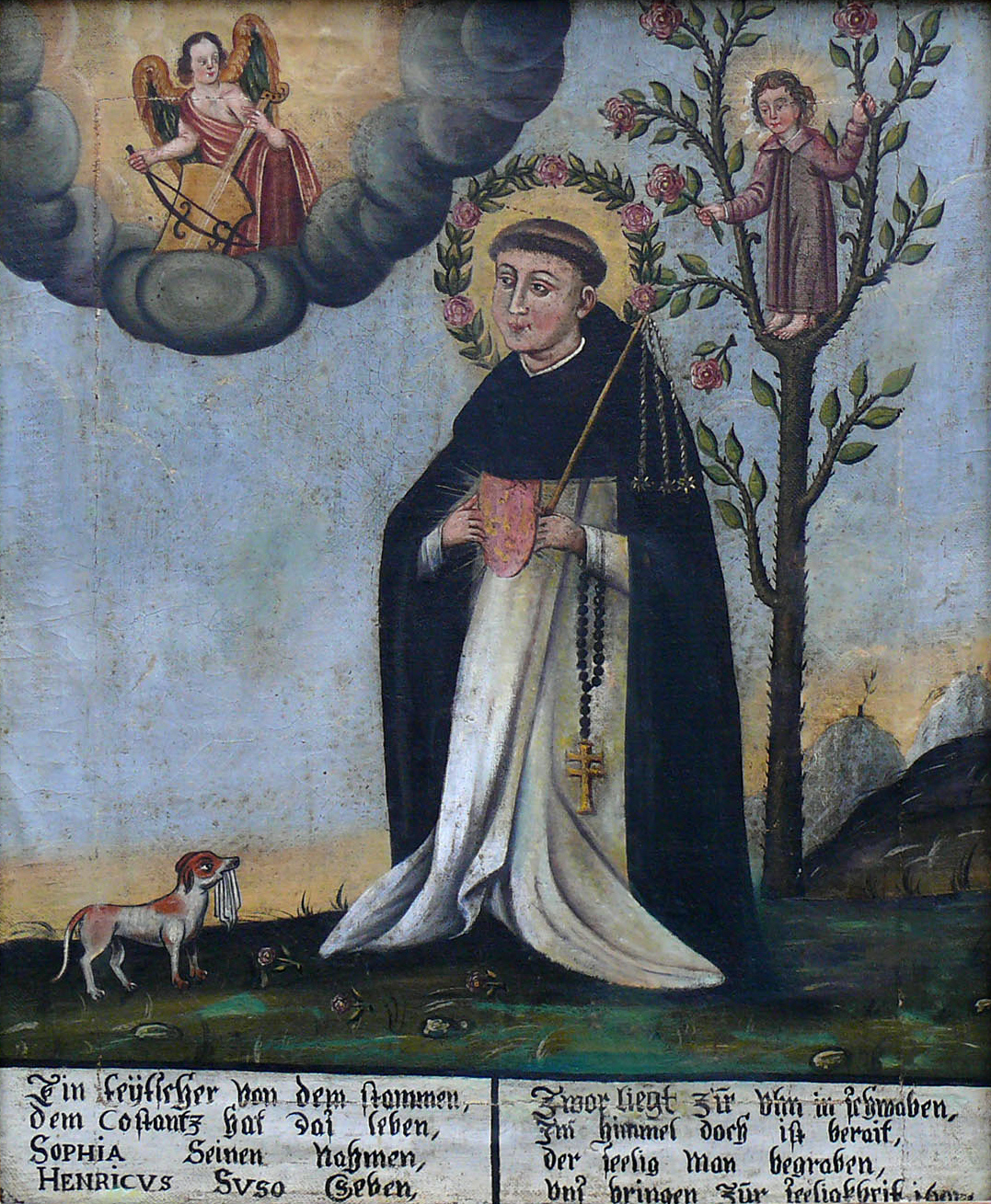
Heinrich Suso
1295 CE – 1366 CE
Constance or Überlingen, Swabia
German Dominican mystic and philosopher of Eternal Wisdom whose Exemplar, Life of the Servant, Little Book of Truth, Little Book of Eternal Wisdom, and Horologium Sapientiae join mystical metaphysics, interior transformation, affective ethics, suffering, counsel, and the limits of religious language.
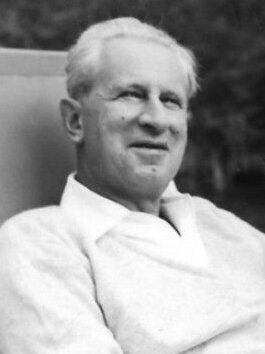
Herbert Marcuse
1898 CE – 1979 CE
Berlin
German-American Frankfurt School philosopher and critical theorist whose work on Hegel, Marx, Freud, advanced industrial society, technological rationality, liberation, art, tolerance, repression, ecology, and the New Left shaped twentieth-century social philosophy.
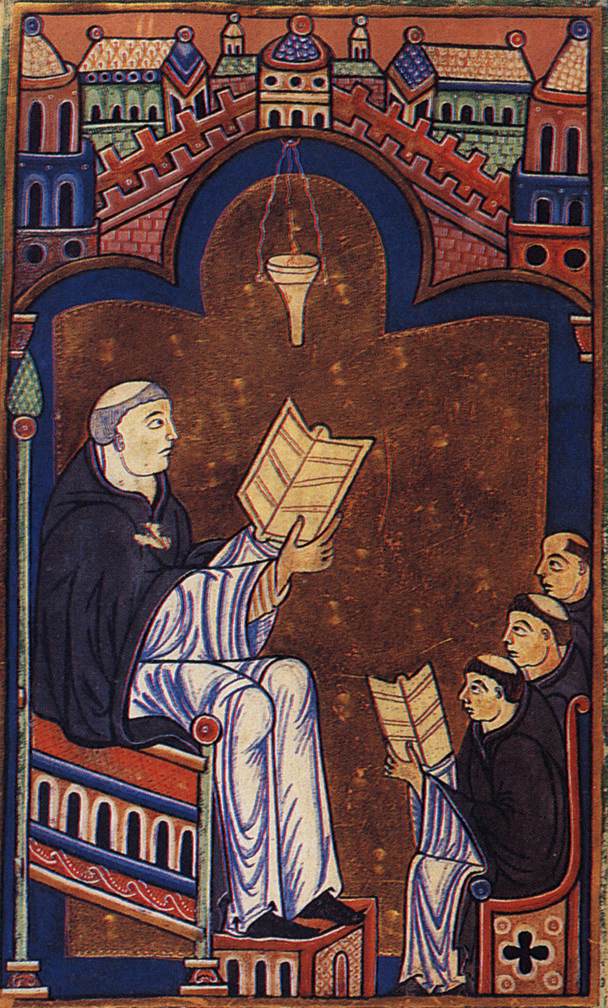
Hugh of St. Victor
1096 CE – 1141 CE
Saxony, probably the Harz/Hamersleben region
Saxon-born Victorine philosopher and theologian whose Didascalicon, De sacramentis, ark imagery, arts curriculum, symbolic exegesis, and contemplative psychology joined learning to spiritual restoration.
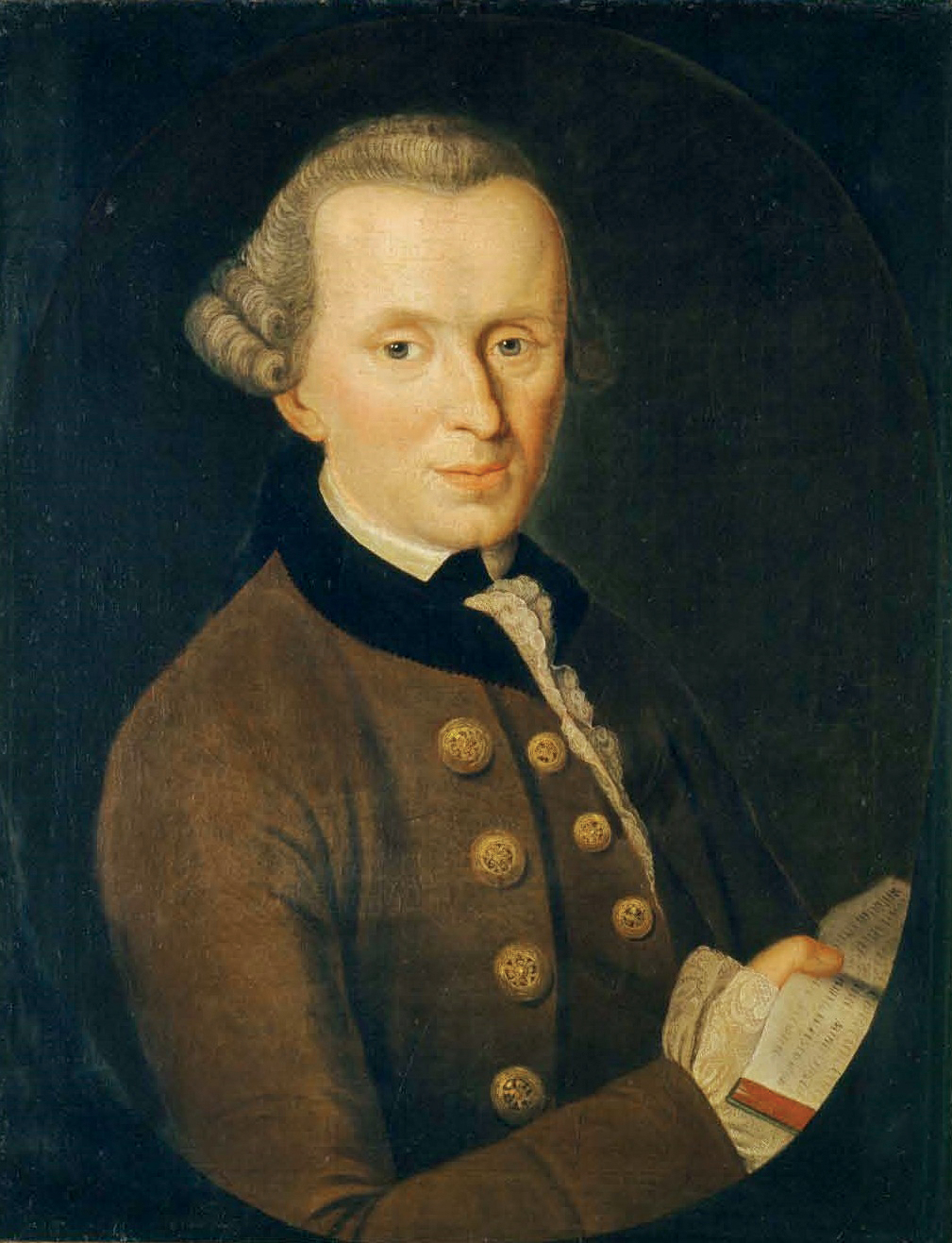
Immanuel Kant
1724 CE – 1804 CE
Königsberg, Prussia
Prussian Enlightenment philosopher whose critical philosophy of transcendental idealism, autonomy, public reason, aesthetic judgment, natural science, religion, and right reshaped modern metaphysics, epistemology, ethics, politics, and aesthetics.
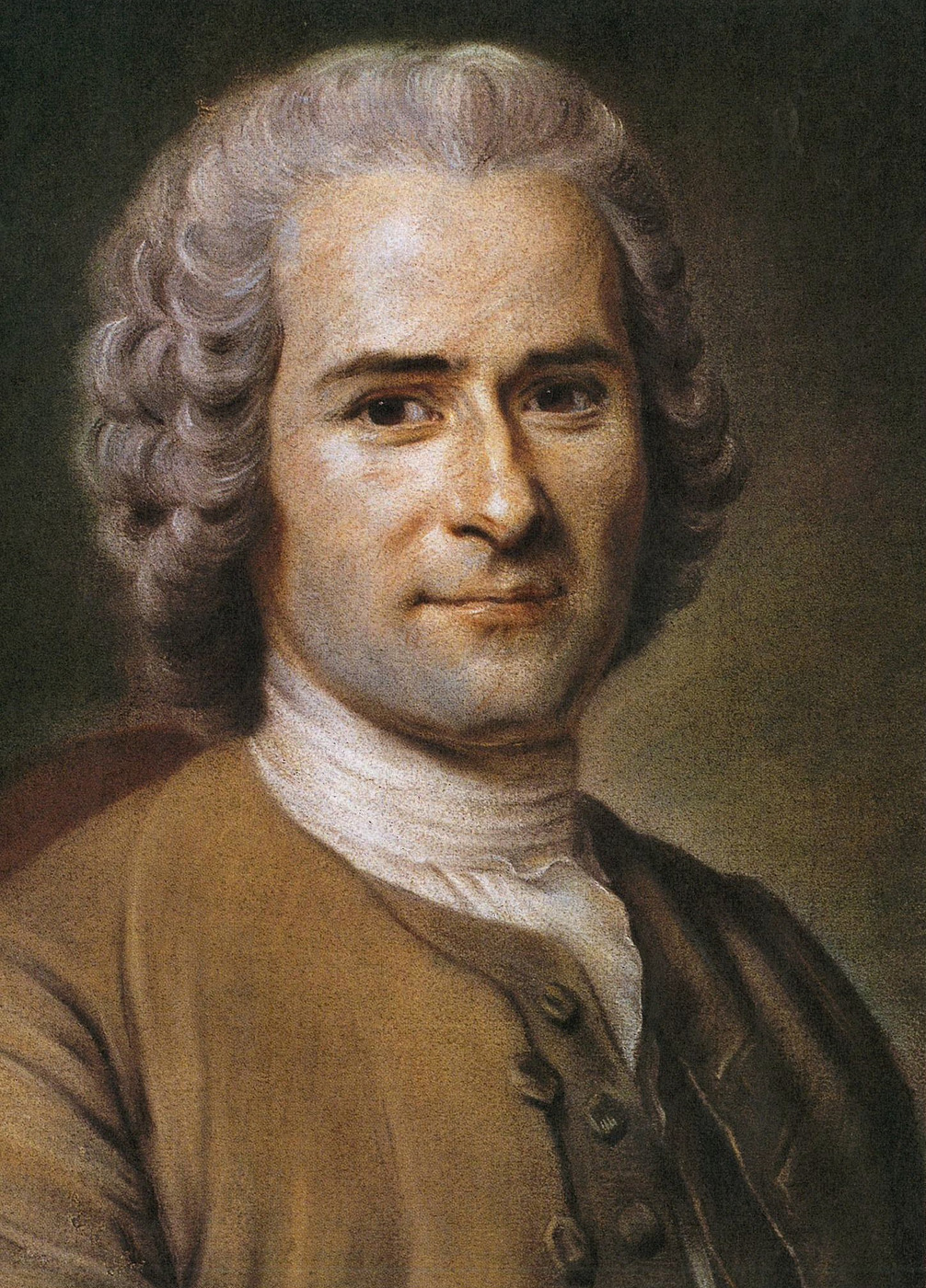
Jean-Jacques Rousseau
1712 CE – 1778 CE
Geneva
Genevan French-language Enlightenment philosopher of popular sovereignty, the general will, social contract theory, natural education, civil religion, moral psychology, language, music, autobiography, and the critique of corrupting civilization.
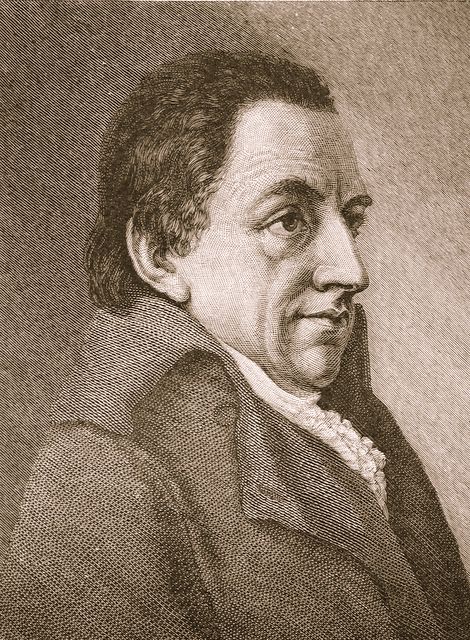
Johann Gottlieb Fichte
1762 CE – 1814 CE
Rammenau, Upper Lusatia, Saxony
German post-Kantian idealist philosopher of the Wissenschaftslehre, self-positing subjectivity, moral freedom, natural right, language, vocation, political economy, religion, and national education.
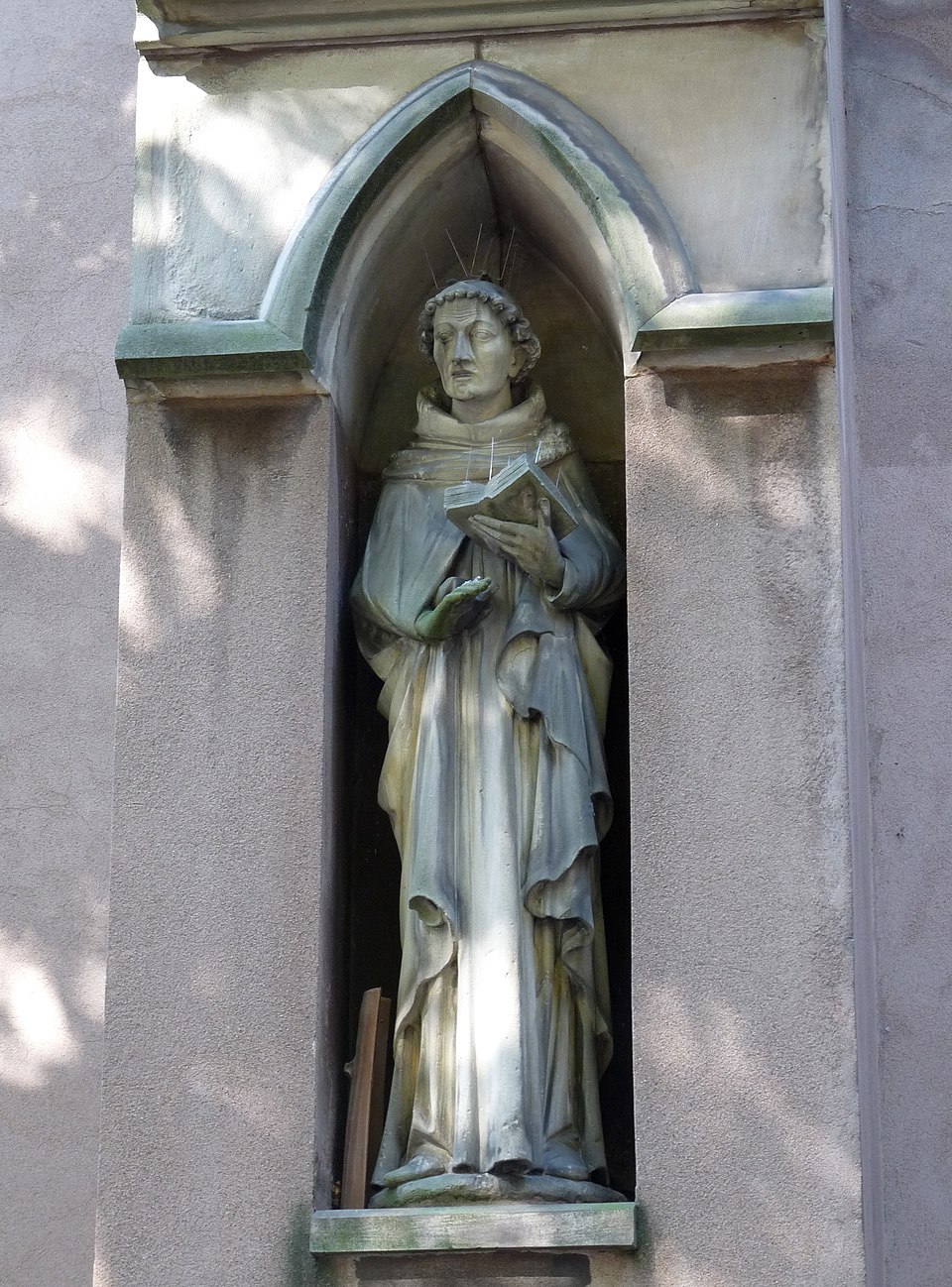
Johannes Tauler
1300 CE – 1361 CE
Strasbourg, Alsace
Alsatian German Dominican mystic of Strasbourg whose sermons and spiritual letters shaped Rhenish mystical theology through divine birth, detachment, the ground of the soul, contemplative discipline, and practical spiritual counsel.
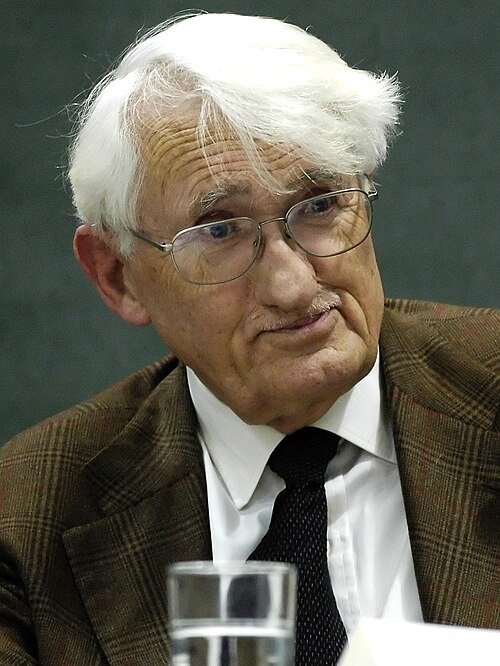
Jürgen Habermas
1929 CE – 2026 CE
Düsseldorf
German Frankfurt School philosopher of communicative rationality, discourse ethics, public sphere theory, deliberative democracy, law, postmetaphysical philosophy, religion in public reason, and European constitutional politics.
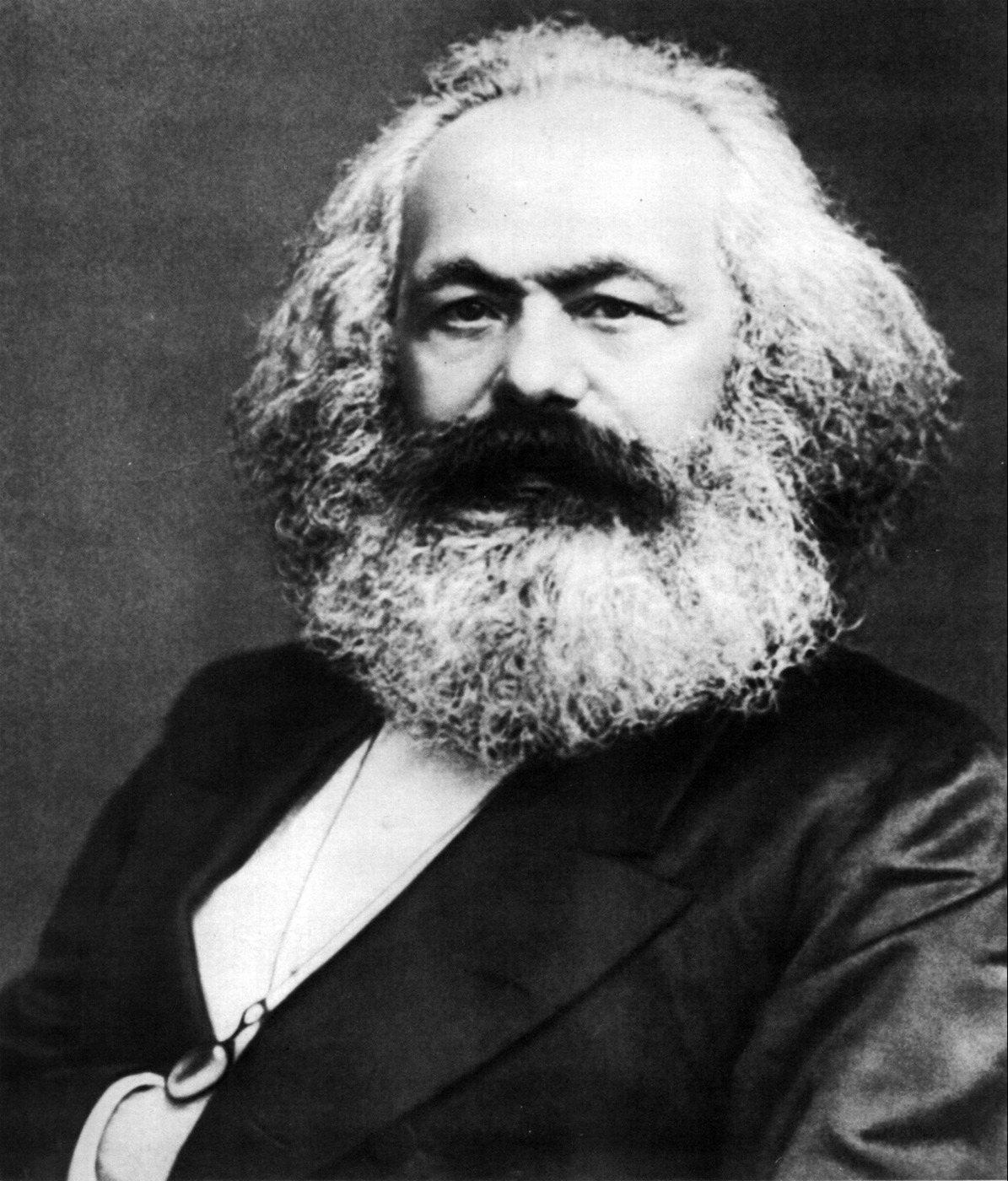
Karl Marx
1818 CE – 1883 CE
Trier, Rhine Province, Kingdom of Prussia
German philosopher of historical materialism, alienation, class struggle, ideology critique, political economy, capitalism, communism, religion critique, and social transformation.
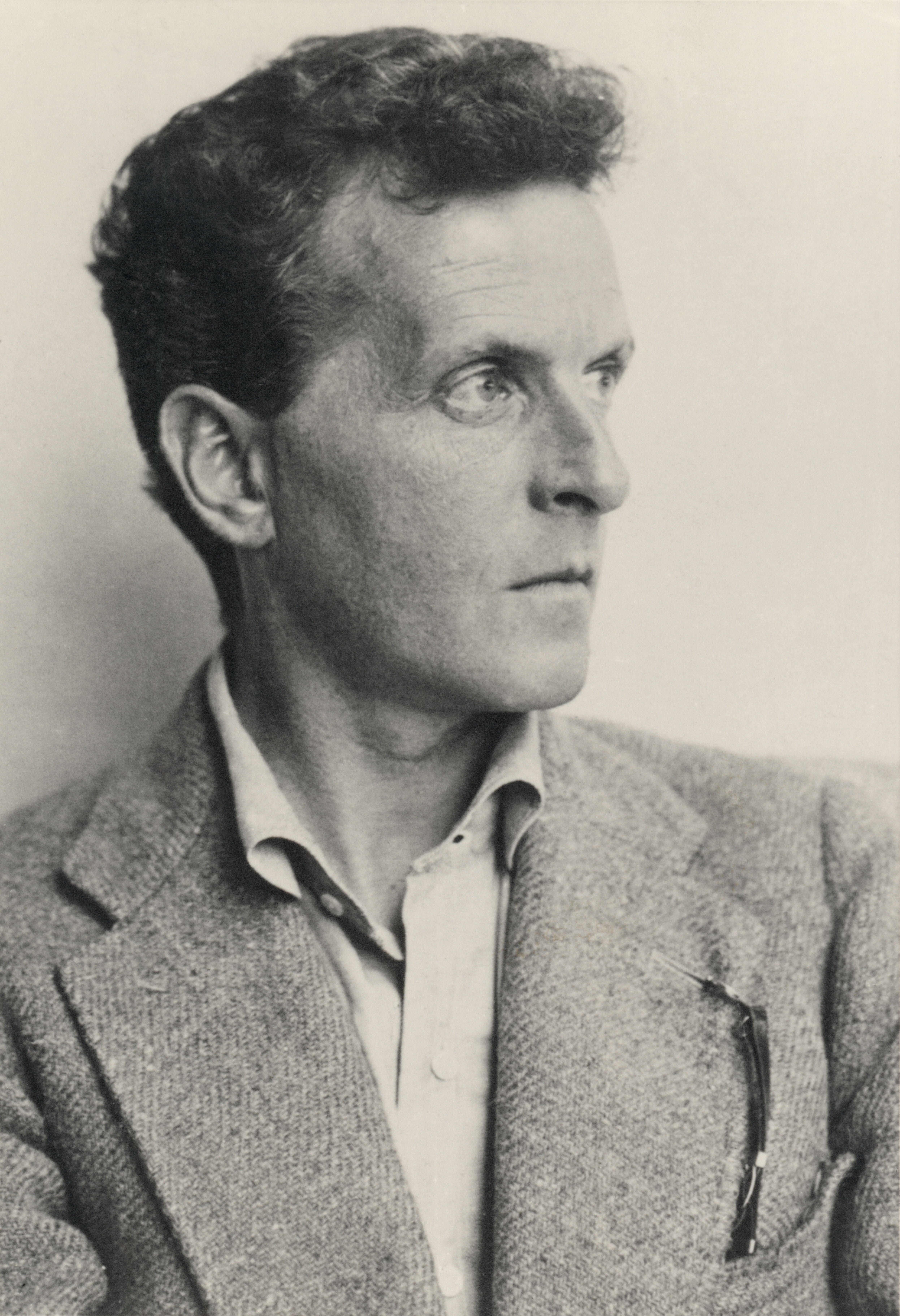
Ludwig Wittgenstein
1889 CE – 1951 CE
Vienna, Austria-Hungary
Austrian-British analytic philosopher whose Tractatus, later ordinary-language method, language-games, private-language arguments, and remarks on mathematics, certainty, mind, aesthetics, ethics, and religious language reshaped twentieth-century philosophy.
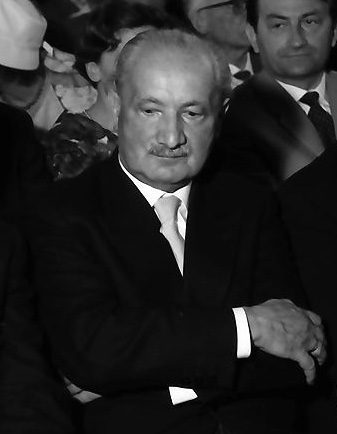
Martin Heidegger
1889 CE – 1976 CE
Meßkirch, Baden, German Empire
German phenomenologist and hermeneutic ontologist whose Being and Time, Dasein analysis, critique of metaphysics, art, technology, language, and late Ereignis thinking reshaped twentieth-century philosophy.
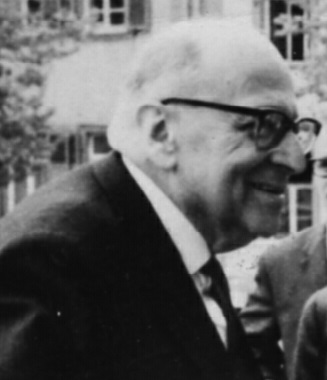
Max Horkheimer
1895 CE – 1973 CE
Stuttgart
German philosopher of Frankfurt School critical theory, Western Marxism, interdisciplinary social philosophy, instrumental reason, authoritarianism, culture industry, and late negative-theological reflection.
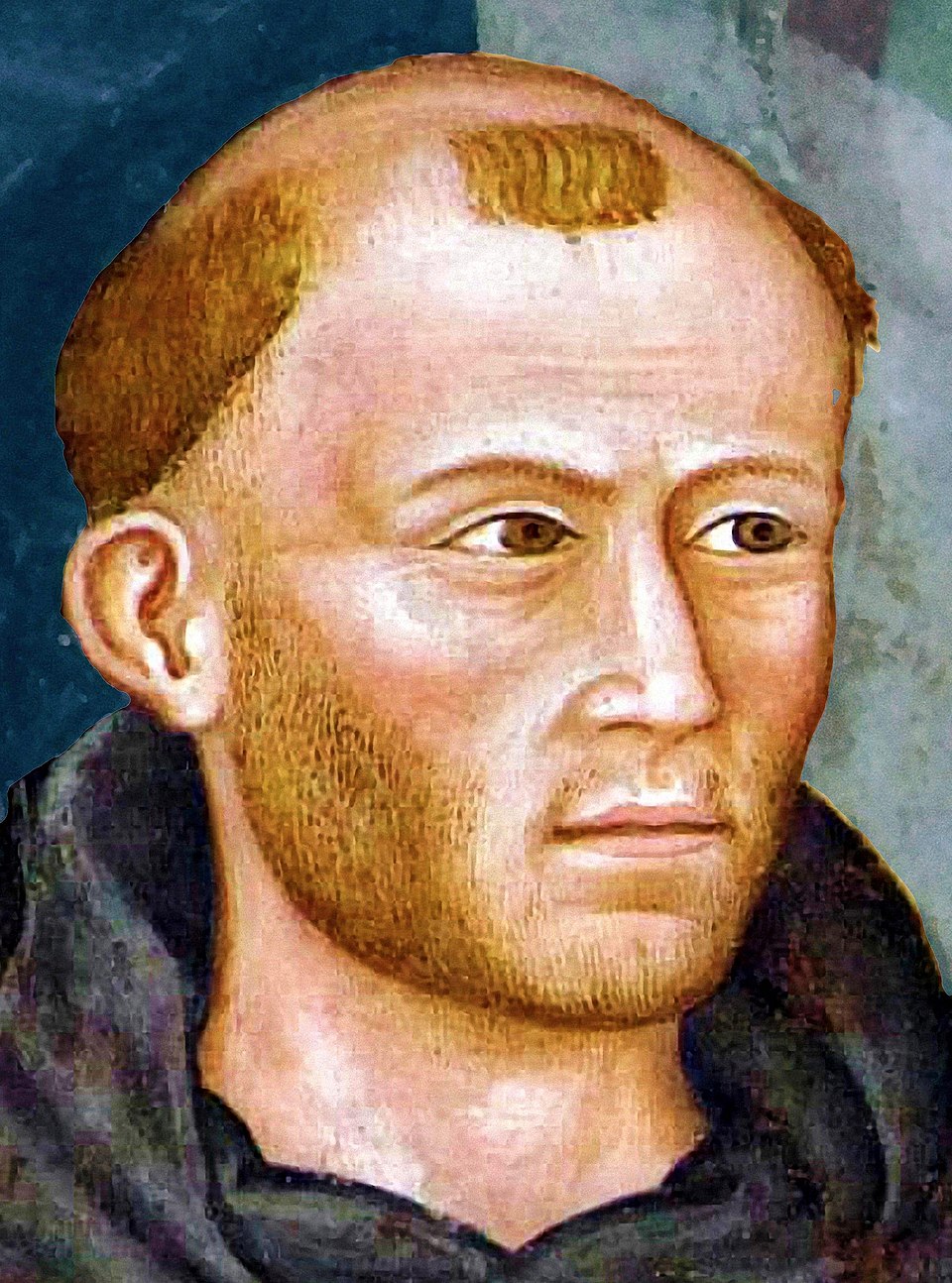
Meister Eckhart
1260 CE – 1328 CE
Hochheim or Tambach near Gotha, Thuringia; exact birthplace uncertain
German Dominican philosopher-theologian of Rhineland mysticism, speculative Christian Neoplatonism, apophatic theology, detachment, ground of the soul, divine birth, and vernacular mystical language.
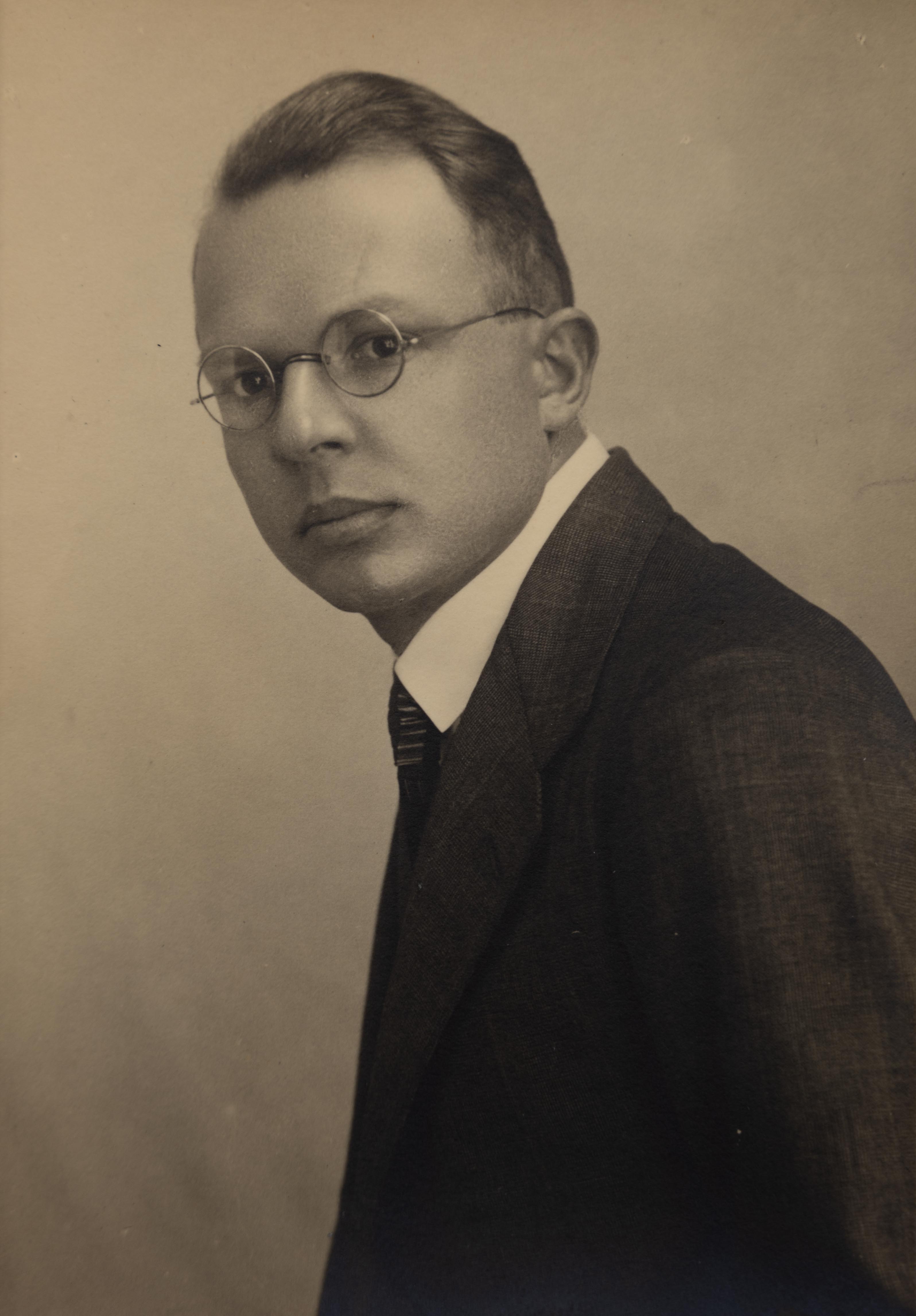
Rudolf Carnap
1891 CE – 1970 CE
Ronsdorf, Wuppertal
German-American logical empiricist of the Vienna Circle, Aufbau construction theory, anti-metaphysics, physicalist language, logical syntax, semantics, linguistic frameworks, confirmation theory, inductive logic, probability, theoretical terms, and scientific philosophy.
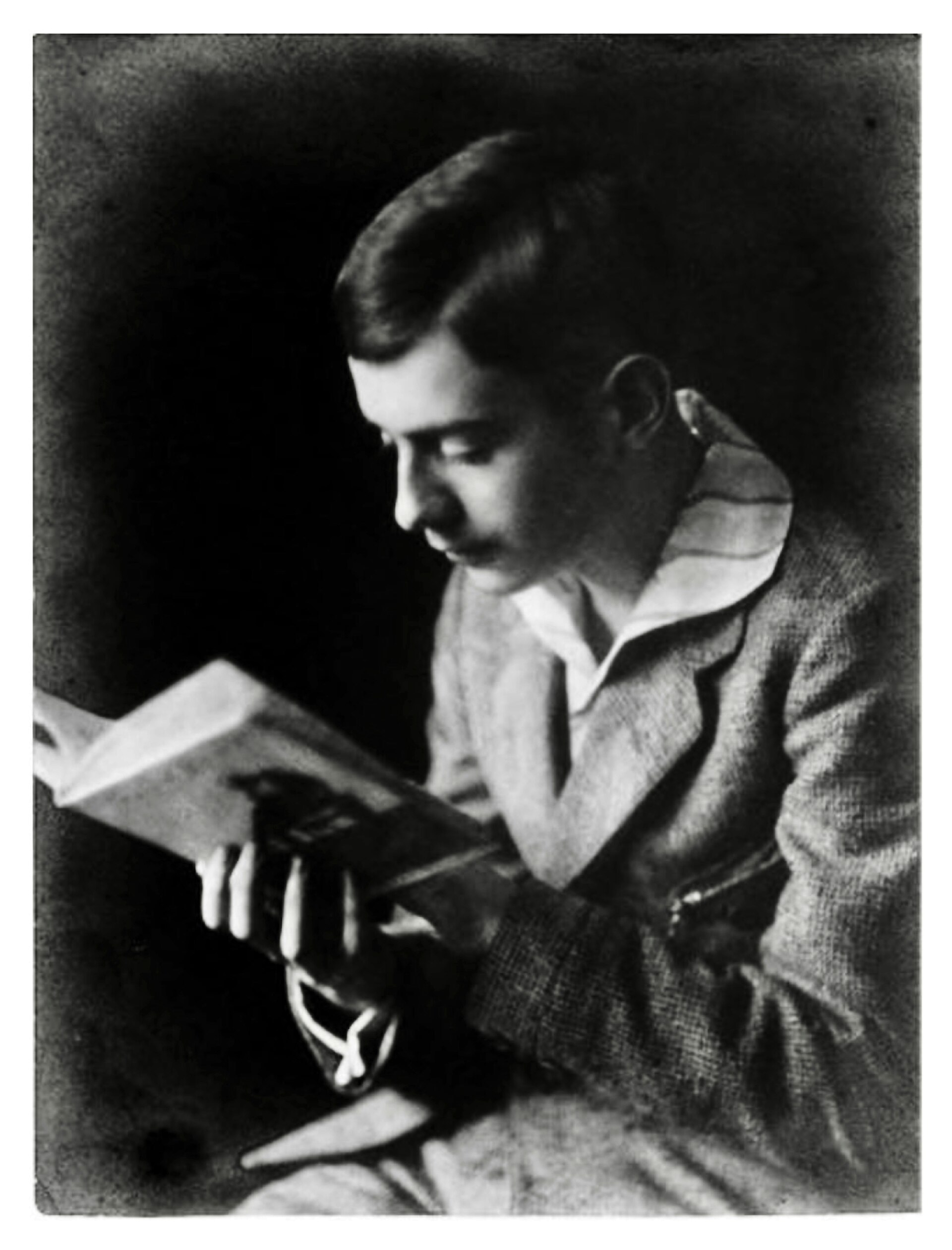
Theodor W. Adorno
1903 CE – 1969 CE
Frankfurt am Main
German critical theorist, philosopher, sociologist, and music theorist of the Frankfurt School whose negative dialectics, nonidentity, culture industry critique, aesthetics, music sociology, authoritarianism analysis, and postwar social philosophy shaped contemporary critical theory.