Levantine Coast
Philosophers of Levantine Coast
Showing 6 of 6 philosophers.
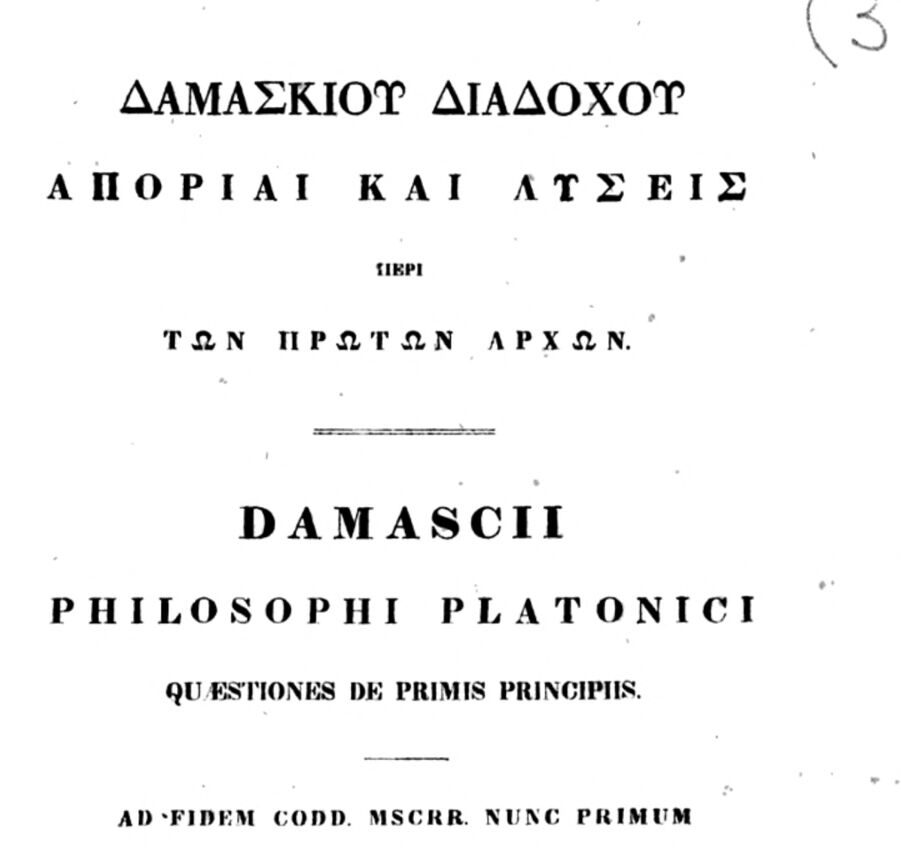
Damascius
462 CE – 538 CE
Damascus
Last head of the Athenian Neoplatonic school, born in Damascus, whose aporetic first-principles metaphysics tests what language, thought, and theology can say about the ineffable.
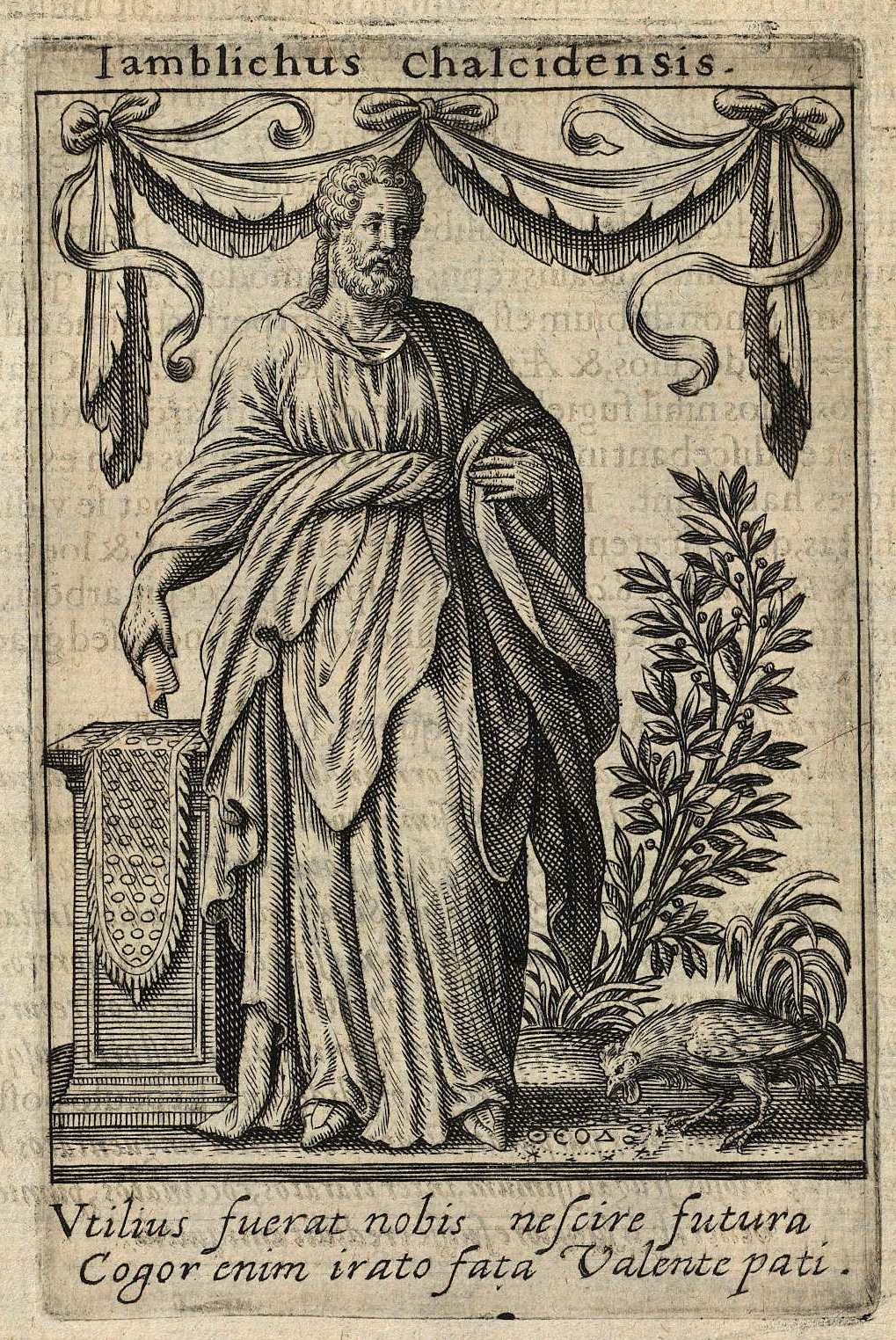
Iamblichus of Chalcis
245 CE – 325 CE
Chalcis ad Belum, Coele-Syria, probably near modern Qinnasrin
Syrian Greek Neoplatonist of Chalcis whose theurgy, Pythagorean curriculum, Platonic commentary, mathematics, soul theory, metaphysics, and philosophy of religion shaped later Syrian and Athenian Neoplatonism.
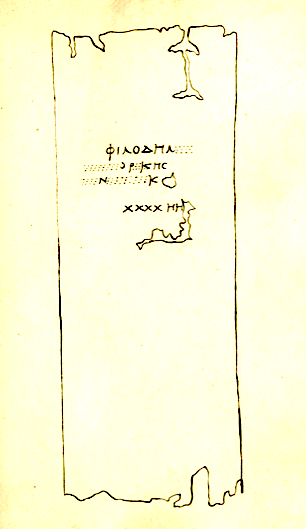
Philodemus of Gadara
110 BCE – 35 BCE
Gadara (Decapolis)
Epicurean philosopher and poet from Gadara whose Herculaneum papyri preserve work on rhetoric, poetry, music, sign inference, piety, death, frank criticism, passions, vices, and Epicurean book culture.
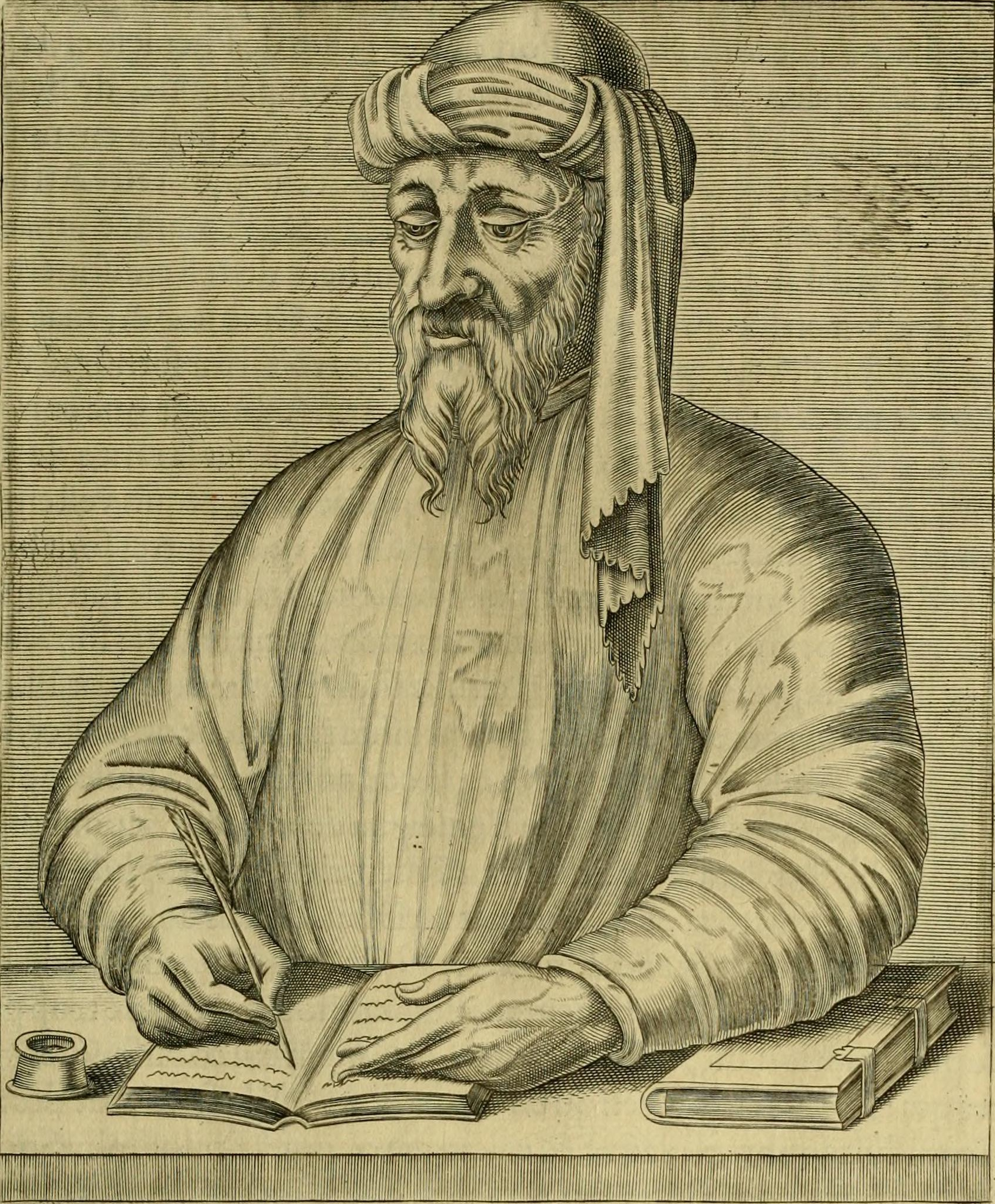
Porphyry
234 CE – 305 CE
Tyre (Phoenicia)
Neoplatonic philosopher of Tyre, logic, the Isagoge, predicables, universals, Porphyrian Tree, soul purification, vegetarian ethics, Homeric allegory, Aristotle commentary, and anti-Christian polemic.

Posidonius of Apamea
135 BCE – 51 BCE
Apamea (Orontes)
Middle Stoic philosopher of Apamea and Rhodes, cosmic sympathy, fate, divination, passions, Stoic physics, geography, tides, Canopus, earth measurement, meteorology, history, and Roman reception.
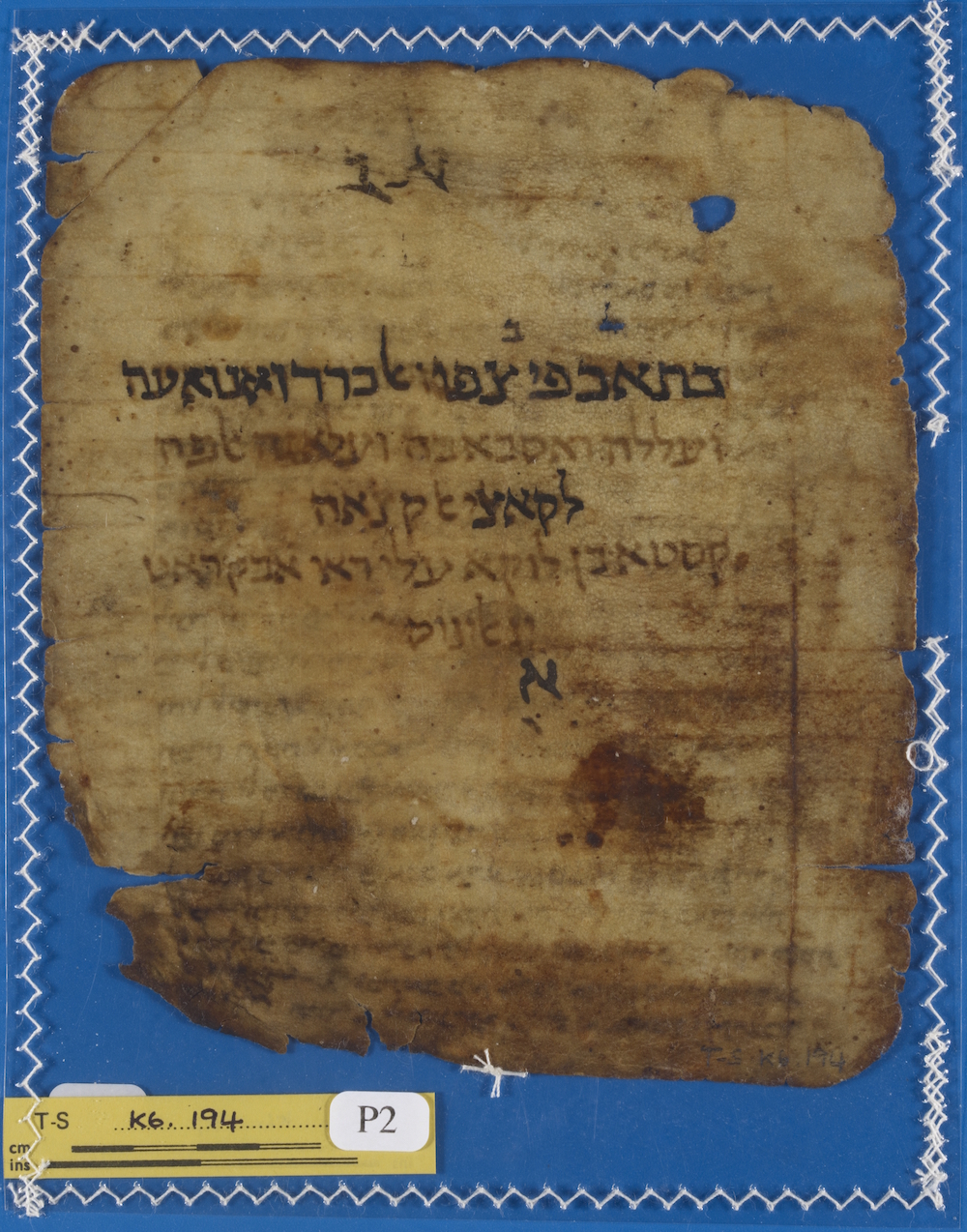
Qusta ibn Luqa
820 CE – 912 CE
Baalbek (Heliopolis)
Christian Arabic polymath and translator from Baalbek whose work joins medicine, mathematics, astronomy, mechanics, spirit-soul psychology, classification of sciences, and Latin scholastic reception.