Eastern Mediterranean
Terra Regions
Browse the narrower terra-region surfaces inside this terra avita.
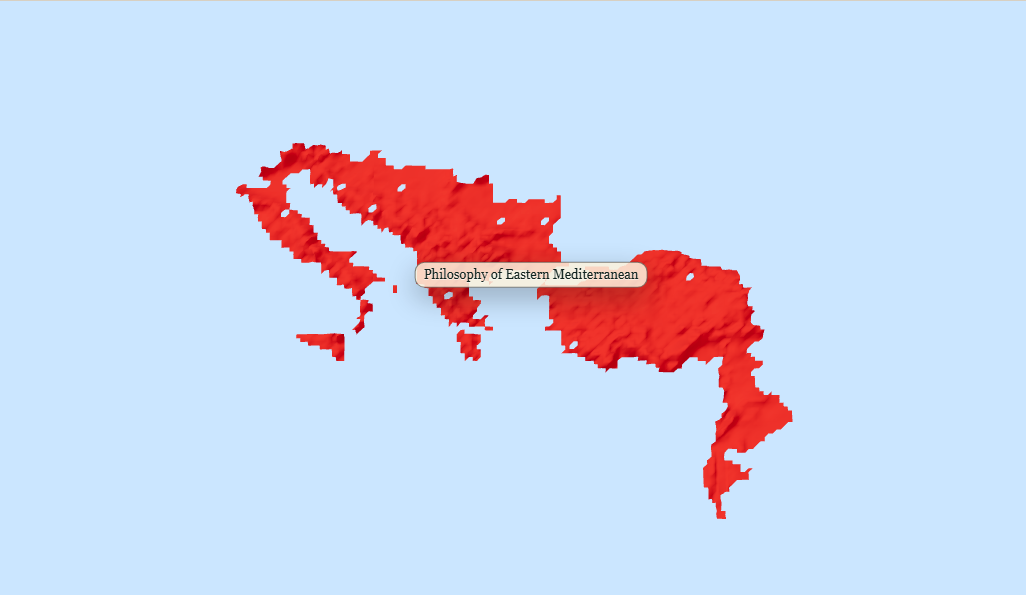
Philosophers of Eastern Mediterranean
Showing 76 of 76 philosophers.
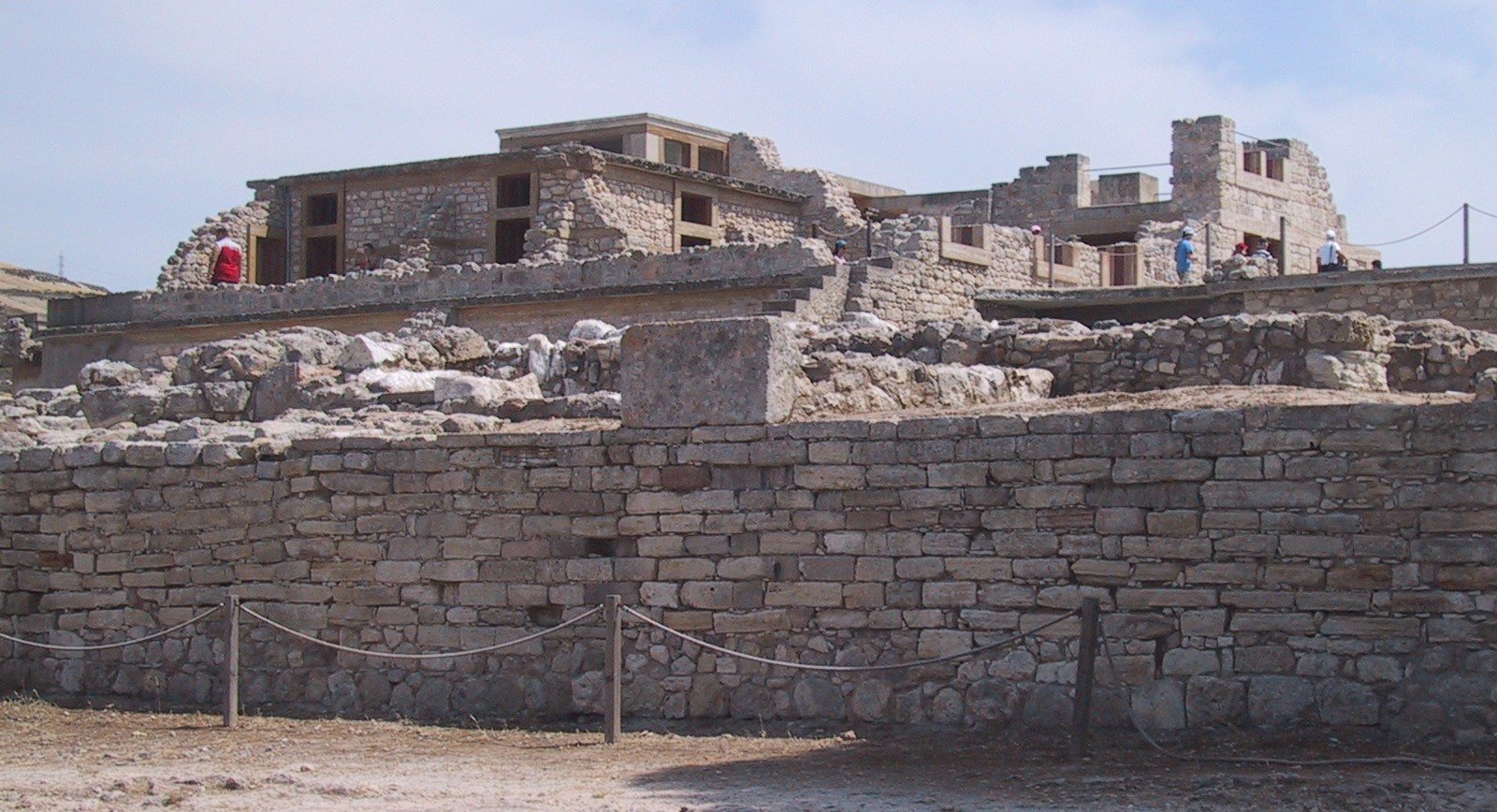
Aenesidemus of Knossos
100 BCE – 50 BCE
Knossos (Crete)
Greek (Crete) philosopher from Knossos (Crete) who revived Pyrrhonian skepticism through the Ten Modes, suspension of judgment, and anti-dogmatic critique.
Aeschines of Sphettus
425 BCE – 350 BCE
Sphettus (Attica)
Athenian Socratic philosopher whose fragmentary dialogues preserve early non-Platonic Socratic arguments about self-knowledge, virtue, education, wealth, and civic excellence.
Anaxagoras of Clazomenae
500 BCE – 428 BCE
Clazomenae (Ionia)
Ionian Greek natural philosopher from Clazomenae whose Nous cosmology, mixture theory, infinite divisibility, material astronomy, and Athenian reception shaped classical natural philosophy.
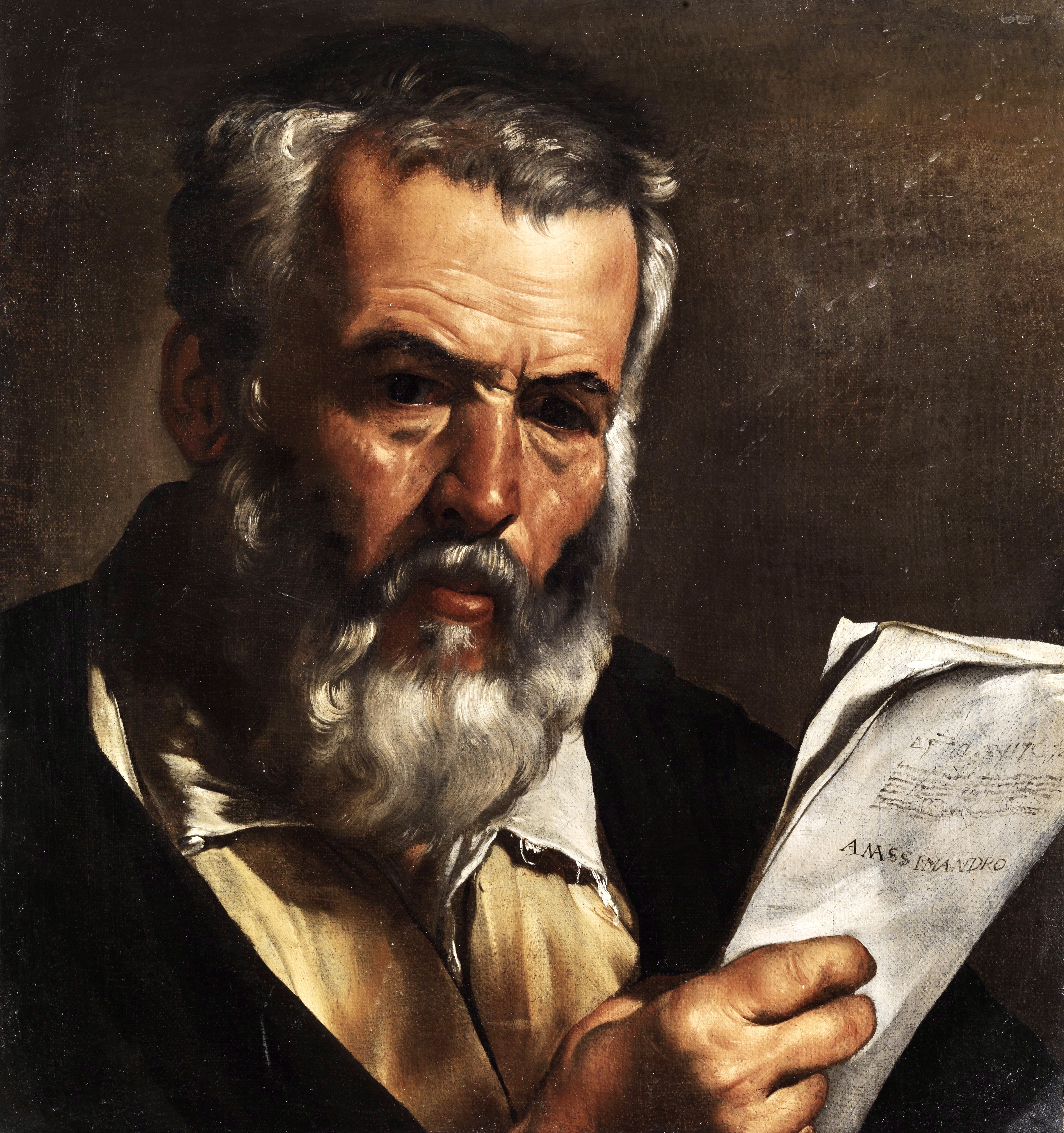
Anaximander of Miletus
610 BCE – 546 BCE
Miletus (Ionia)
Ionian Greek philosopher from Miletus whose apeiron, natural necessity, cosmology, map tradition, and early prose inquiry shaped Presocratic metaphysics and natural philosophy.
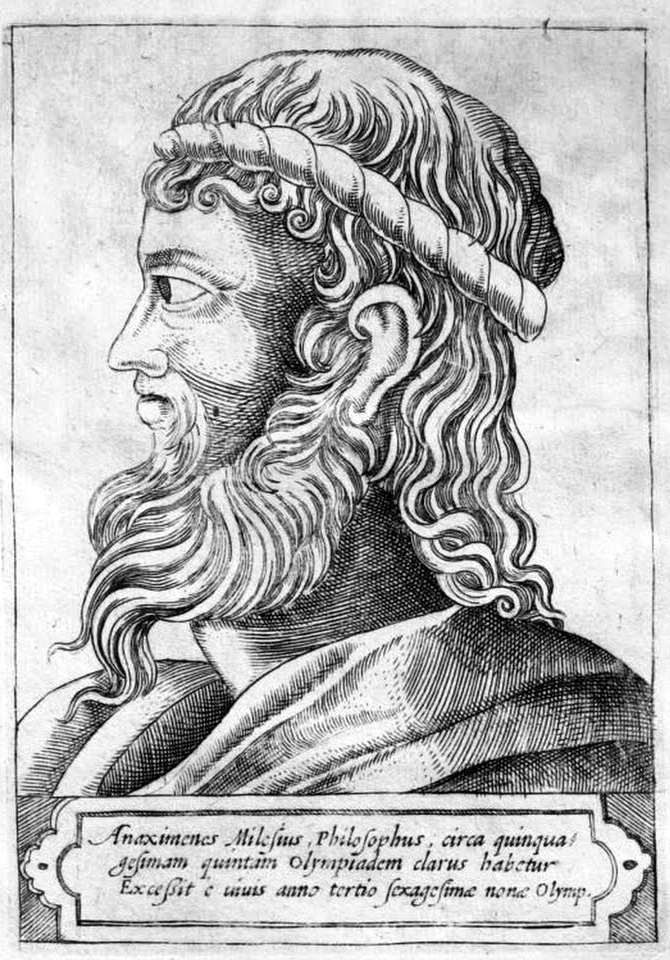
Anaximenes of Miletus
586 BCE – 526 BCE
Miletus (Ionia)
Ionian Greek philosopher from Miletus whose air-arche, rarefaction and condensation theory, soul-breath analogy, and natural explanations of change shaped Milesian and Presocratic philosophy.
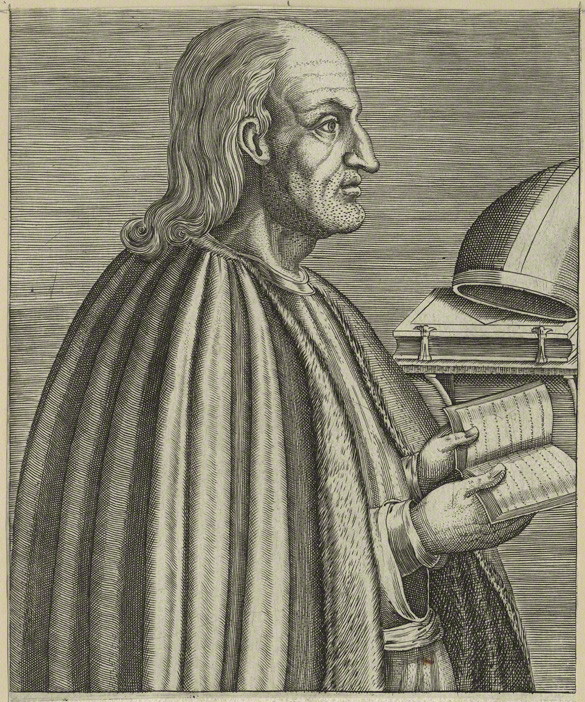
Anselm of Canterbury
1033 CE – 1109 CE
Aosta
Benedictine philosopher-theologian from Aosta whose faith-seeking-understanding method, ontological argument, account of truth, freedom, sin, atonement, and semantic analysis shaped medieval scholastic philosophy.
Antiphon of Athens
480 BCE – 411 BCE
Rhamnus, Attica
Athenian logographer and sophistic thinker from Rhamnus whose homicide speeches, Tetralogies, and fragments on truth and concord explored law, nature, justice, rhetoric, equality, and political order.

Antisthenes of Athens
445 BCE – 365 BCE
Athens (Attica)
Athenian Socratic philosopher associated with Cynosarges whose ascetic ethics, virtue-sufficiency thesis, critique of luxury and convention, attacks on Platonic Forms, and paradoxes of definition and predication shaped Cynicism, Stoicism, ancient logic, and philosophy of language.
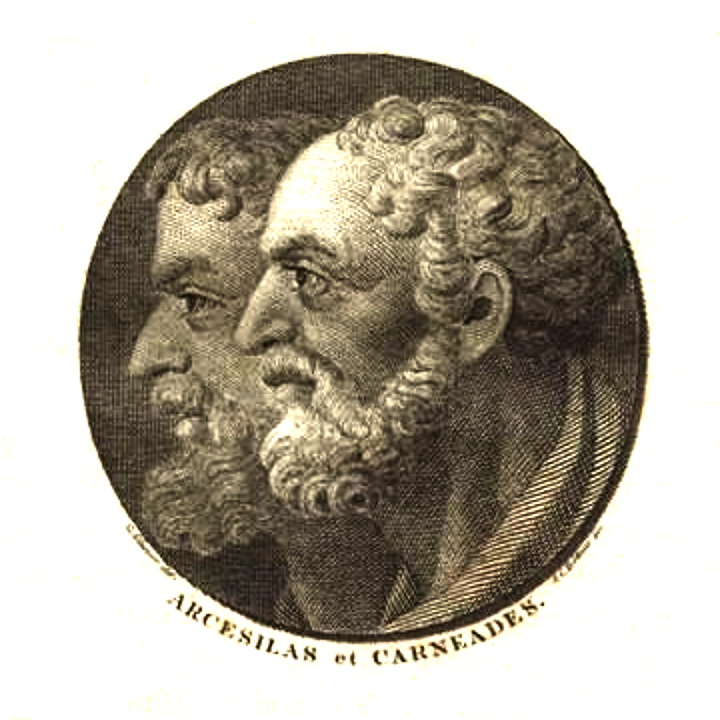
Arcesilaus of Pitane
315 BCE – 241 BCE
Pitane (Aeolis)
Greek Academic skeptic from Pitane who led Plato's Academy in Athens, attacked Stoic cognitive impressions, argued for suspension of assent, and framed practical action without dogmatic belief.
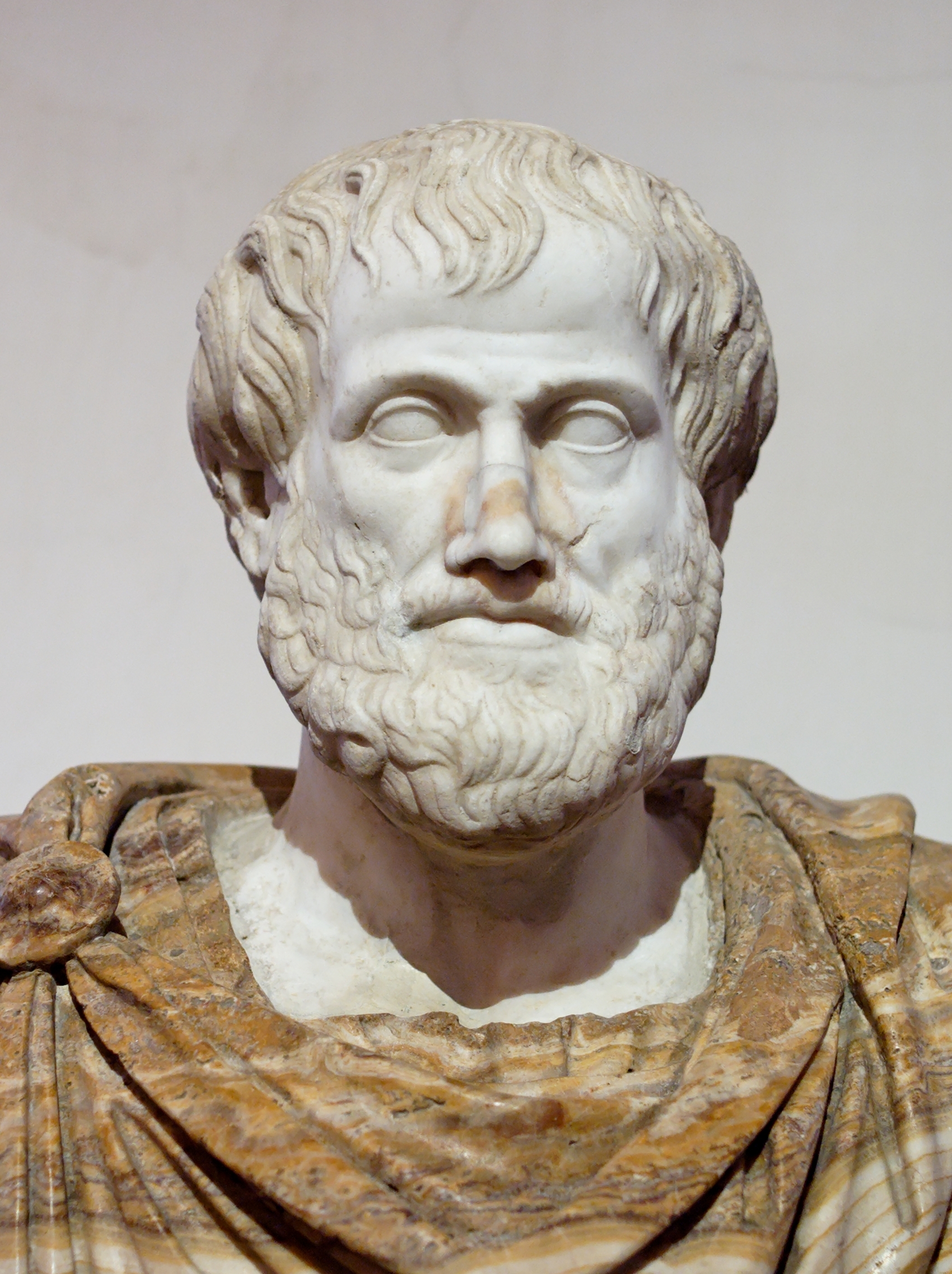
Aristotle
384 BCE – 322 BCE
Stagira, Chalcidice
Greek philosopher from Stagira, student of Plato, tutor of Alexander, and founder of the Lyceum whose logic, metaphysics, psychology, ethics, politics, rhetoric, poetics, biology, and philosophy of science shaped later philosophy.
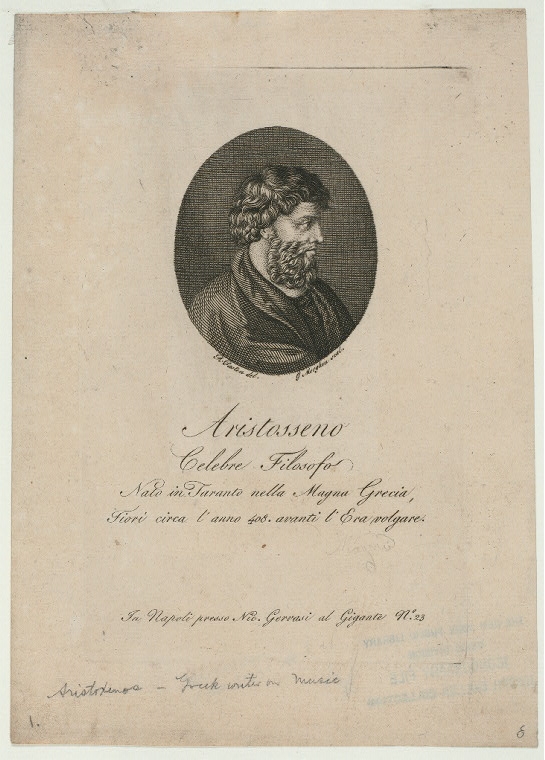
Aristoxenus of Tarentum
375 BCE – 300 BCE
Tarentum (Taras, Magna Graecia)
Greek Peripatetic philosopher and music theorist from Tarentum whose harmonics, rhythmics, perception theory, and Pythagorean ethical traditions shaped ancient aesthetics and philosophy of science.
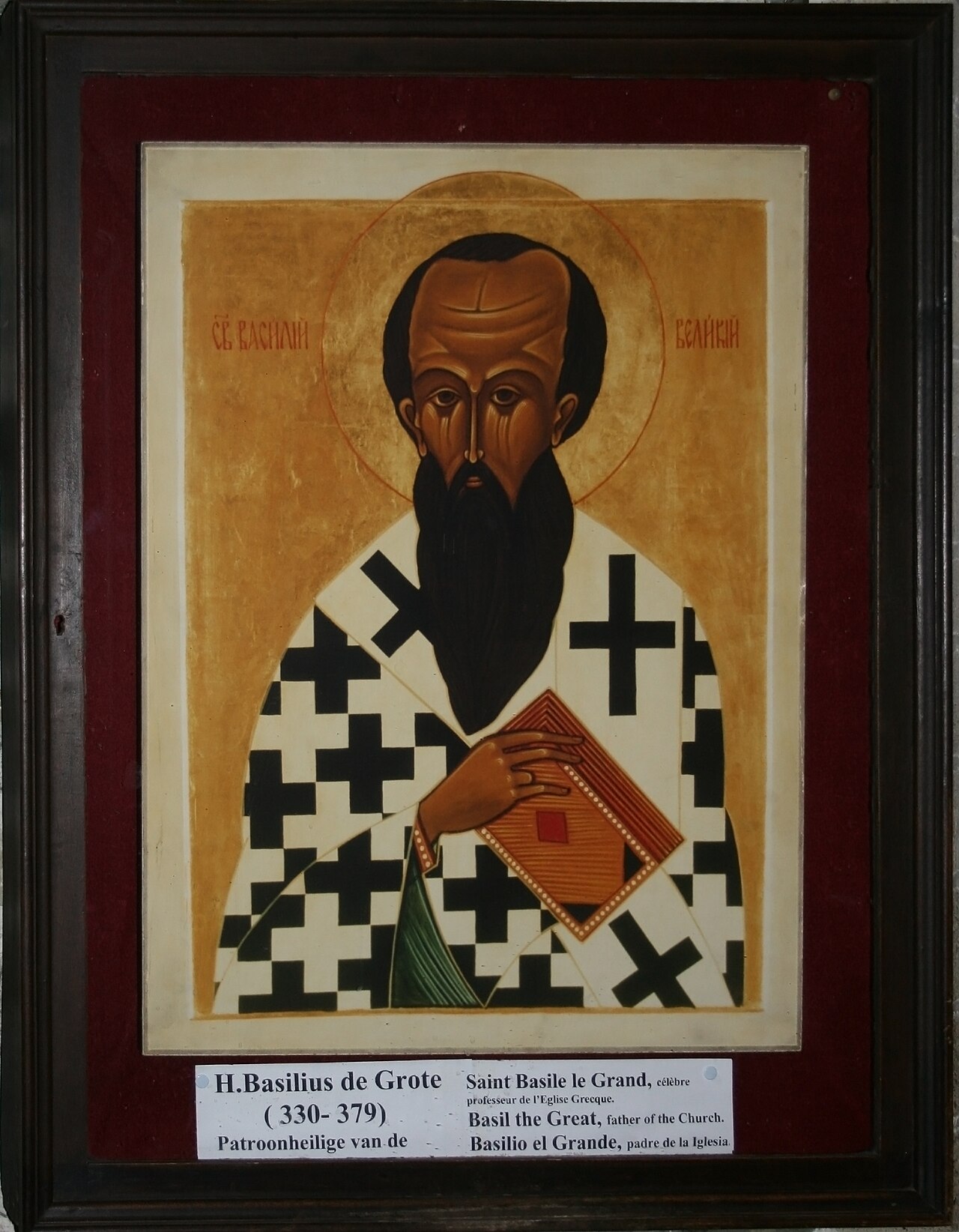
Basil the Great
330 CE – 379 CE
Caesarea, Cappadocia
Cappadocian Greek Christian bishop and theologian from Caesarea whose Trinitarian theology, account of the Holy Spirit, anti-Eunomian metaphysics, ascetic ethics, social teaching, biblical exegesis, and classical-learning pedagogy shaped Nicene Christianity, monastic practice, Byzantine thought, and philosophy of religion.
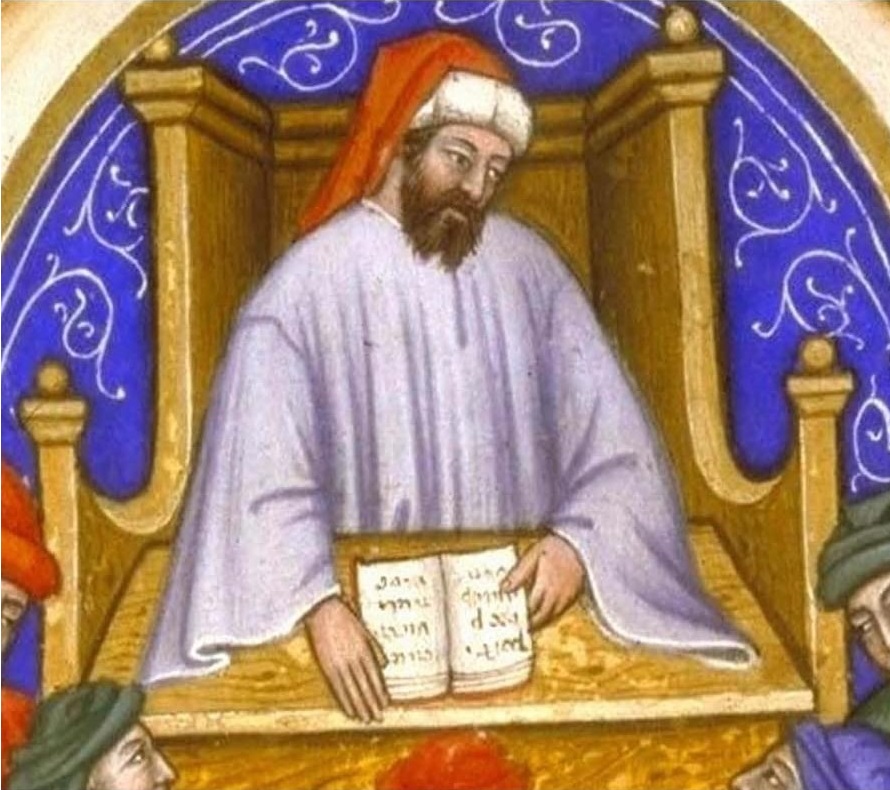
Boethius
480 CE – 524 CE
Rome
late antique Roman philosopher, statesman, translator, and Christian theologian from Rome whose logical translations and commentaries, theory of universals, account of providence, eternity, free will, participation, and philosophical consolation transmitted Greek philosophy to the medieval Latin West.
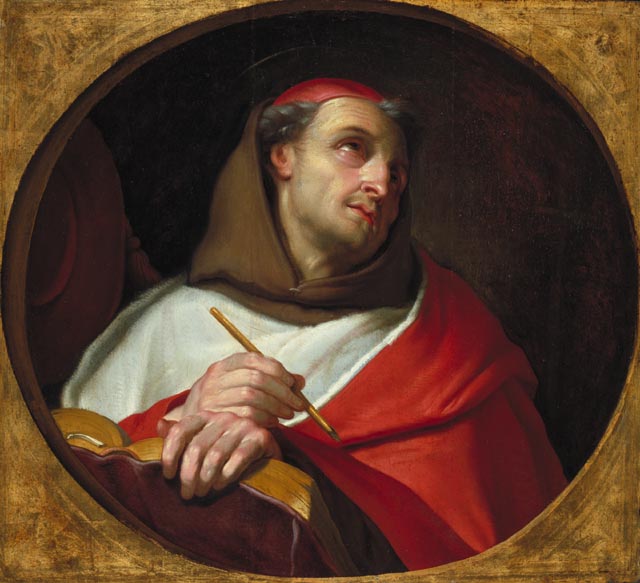
Bonaventure
1217 CE – 1274 CE
Bagnoregio
Franciscan philosopher-theologian from Bagnoregio, minister general and cardinal bishop, whose exemplarist metaphysics, divine illumination epistemology, theology of creation, soul's ascent to God, account of the arts, Franciscan poverty, Trinitarian thought, and mystical theology shaped medieval scholastic and Franciscan philosophy.
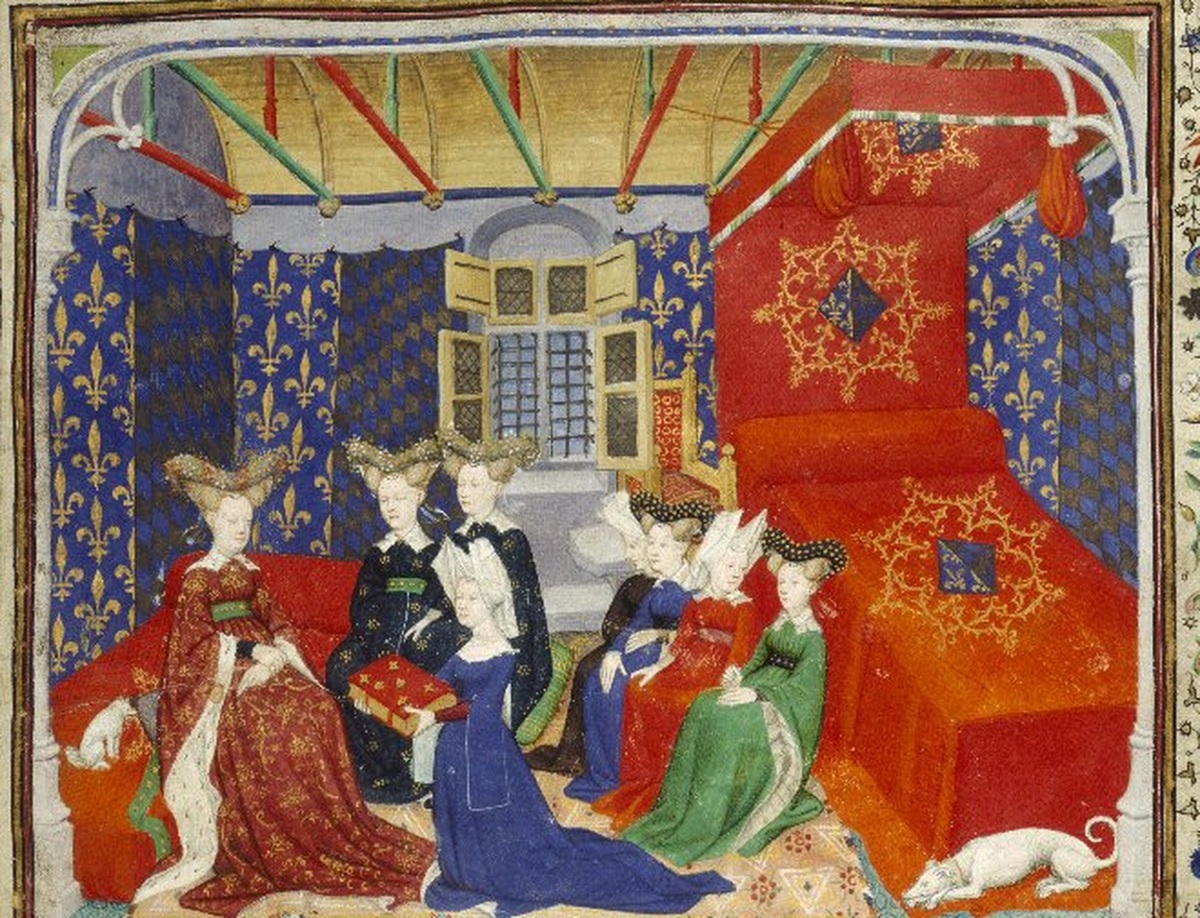
Christine de Pizan
1364 CE – 1430 CE
Venice, Republic of Venice
Late medieval writer and political thinker whose defenses of women, education, virtue, wise rule, and responsible speech made manuscript authorship, courtly debate, and civic ethics central to early Renaissance philosophy.
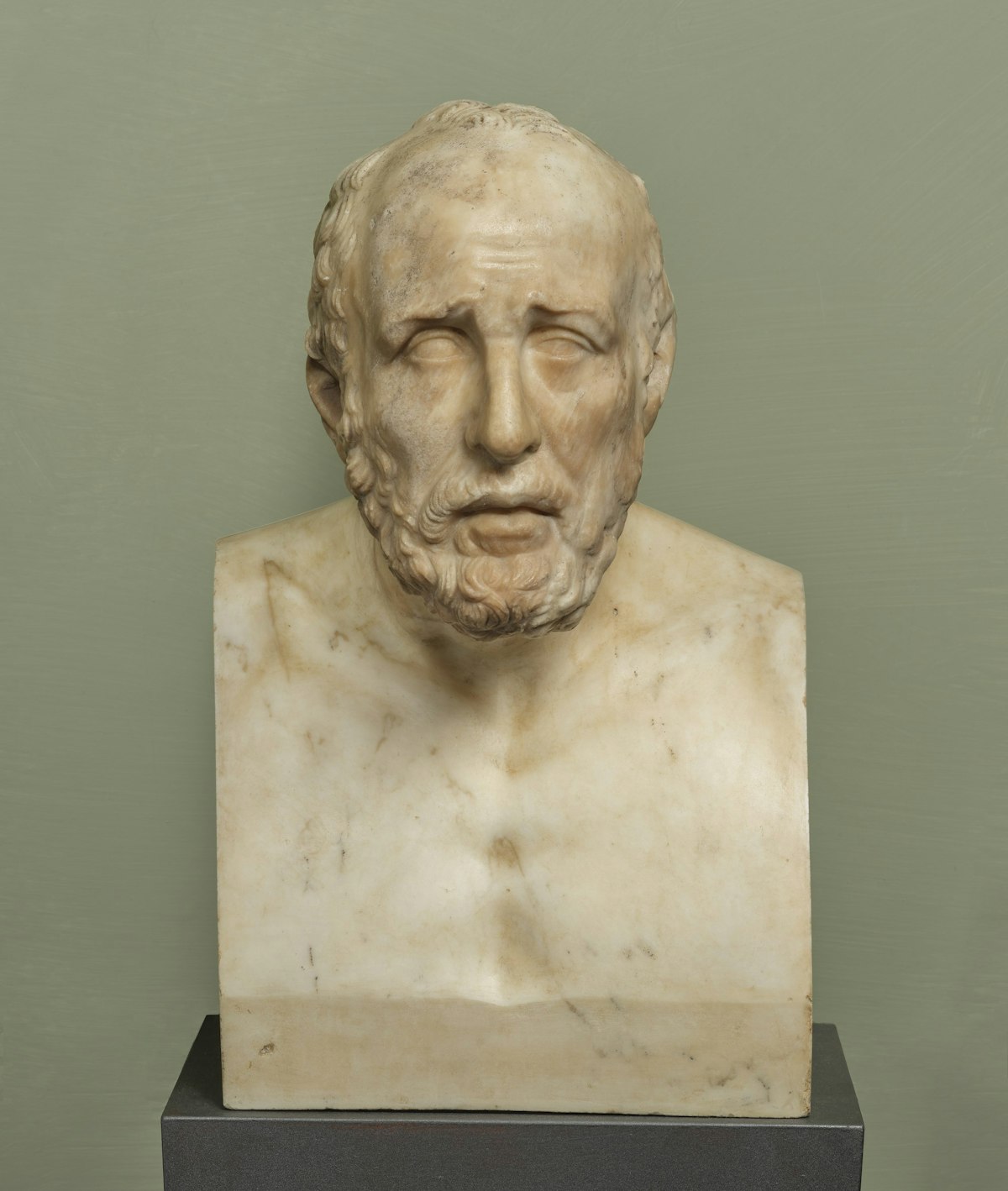
Chrysippus of Soli
279 BCE – 206 BCE
Soli, Cilicia
Stoic philosopher from Soli whose lost system of logic, physics, ethics, fate, providence, language, and knowledge made him the main architect of early Stoicism after Zeno and Cleanthes.
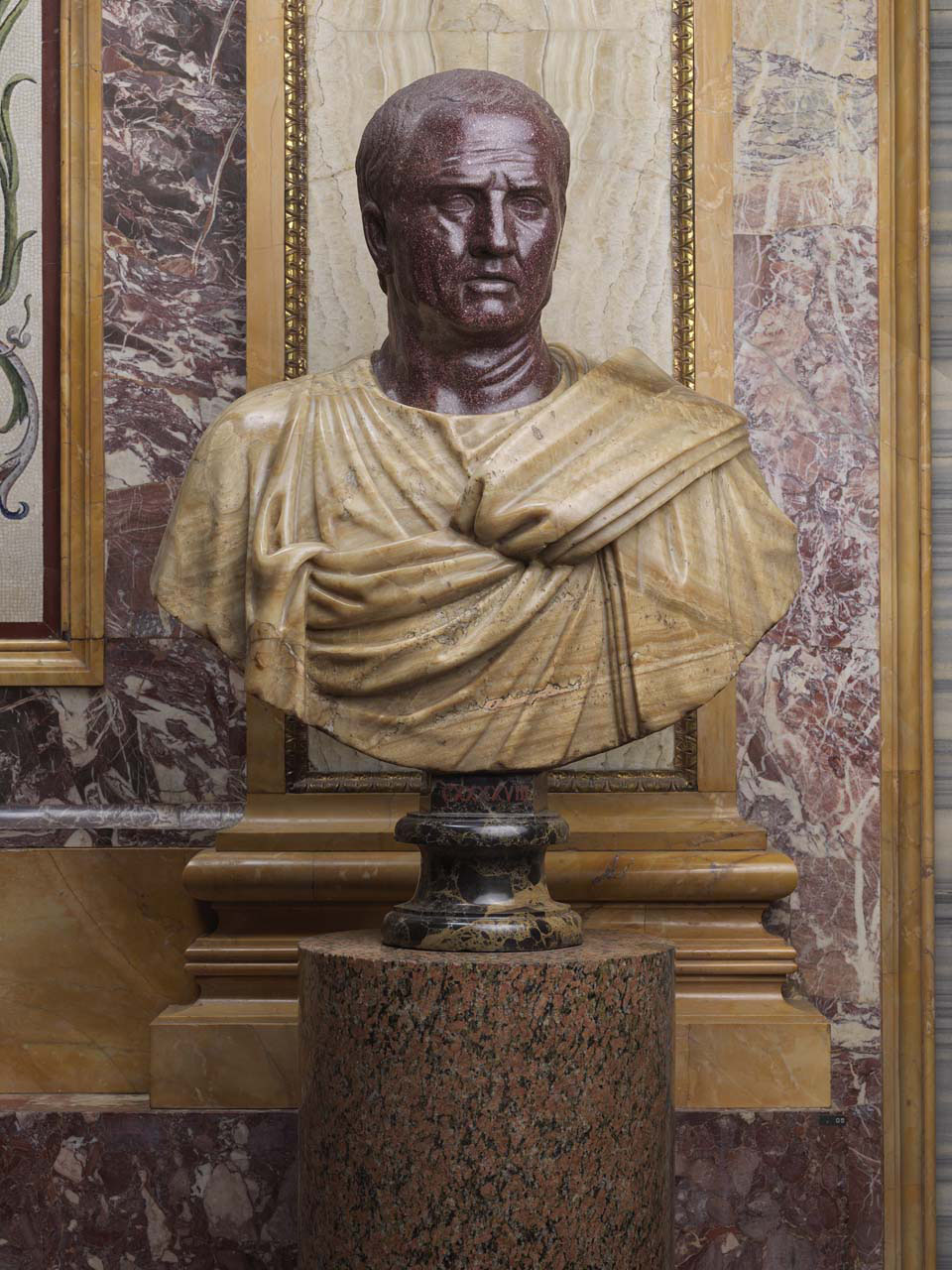
Cicero (Marcus Tullius Cicero)
106 BCE – 43 BCE
Arpinum, Roman Republic
Roman statesman, orator, lawyer, and philosopher who turned Greek ethics, skepticism, theology, rhetoric, and republican political thought into enduring Latin civic philosophy.
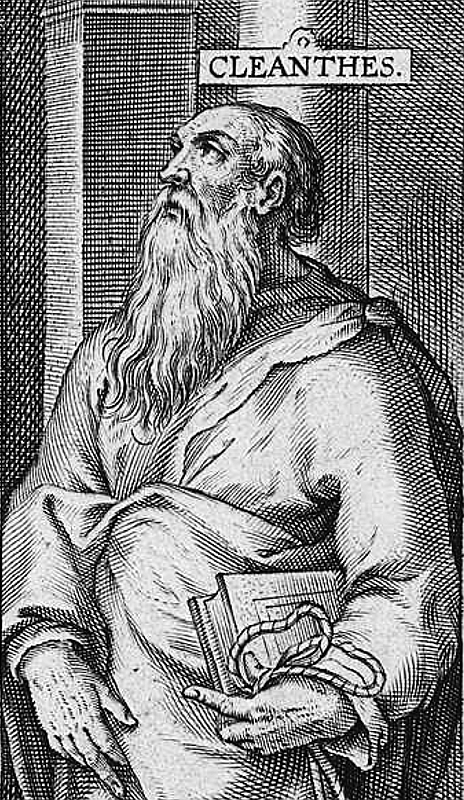
Cleanthes of Assos
331 BCE – 232 BCE
Assos in the Troad
Early Stoic head from Assos whose Hymn to Zeus, lost title catalogue, and teaching on providence, duty, impulse, logic, beauty, and living according to nature carried Zeno school into Chrysippus generation.
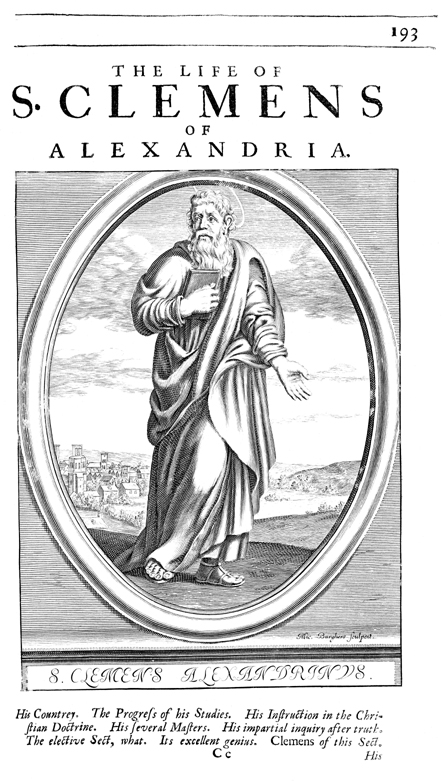
Clement of Alexandria
150 CE – 215 CE
probably Athens
Greek Christian philosopher and Alexandrian teacher who joined Platonist learning, biblical interpretation, moral formation, and Christian gnosis into an early account of faith perfected by reason.
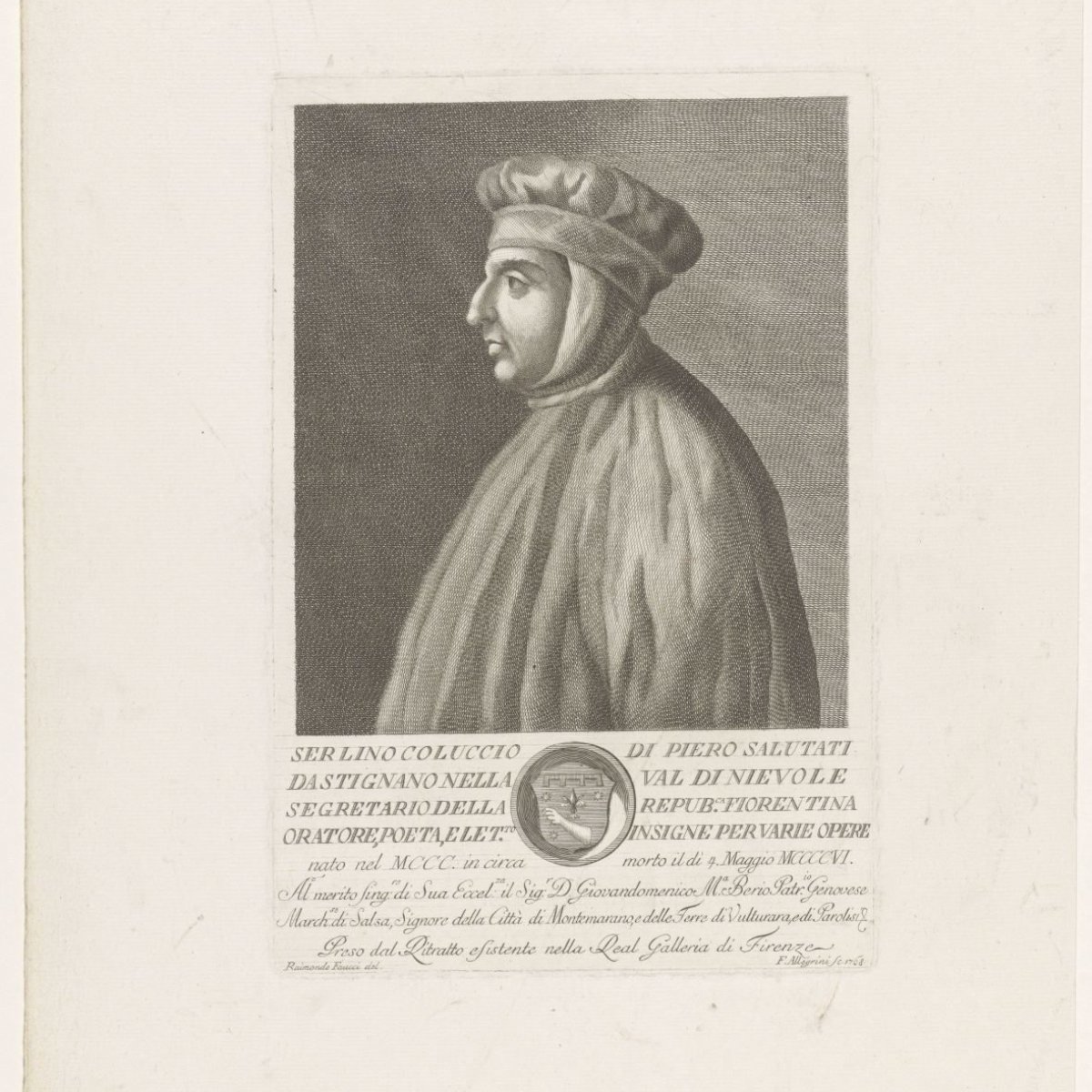
Coluccio Salutati
1331 CE – 1406 CE
Stignano, Buggiano, Tuscany
Italian Renaissance humanist and Florentine chancellor from Stignano whose classical Latin rhetoric, civic ethics, anti-tyranny politics, law-centered humanism, and Christian account of active public life helped shape Florentine civic humanism before Bruni and Poggio.
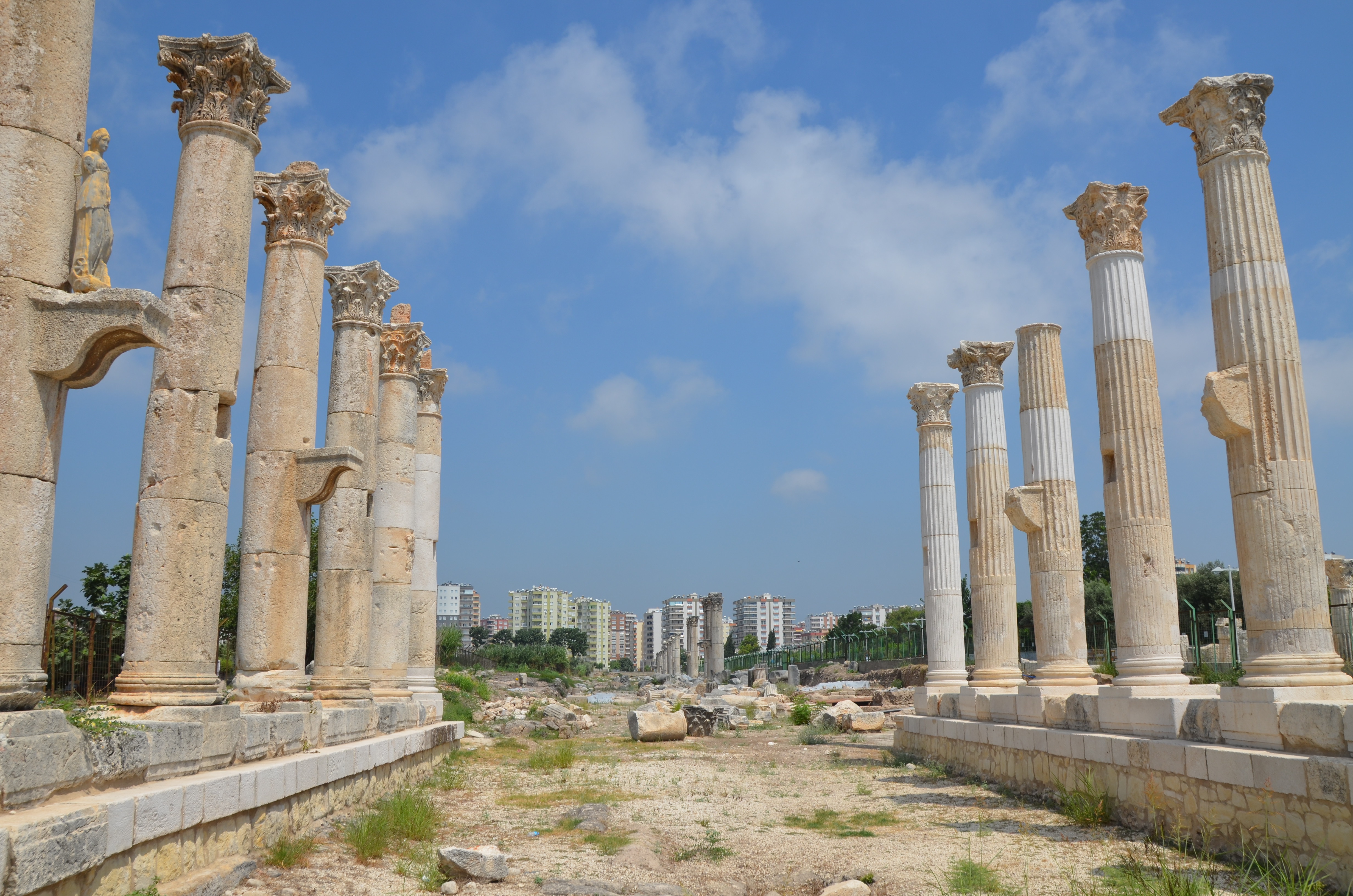
Crantor of Soli
335 BCE – 275 BCE
Soli, Cilicia
Old Academic philosopher from Soli in Cilicia whose lost On Grief and early commentary on Plato's Timaeus made consolation, soul theory, and Platonic interpretation central to later Academic reception.
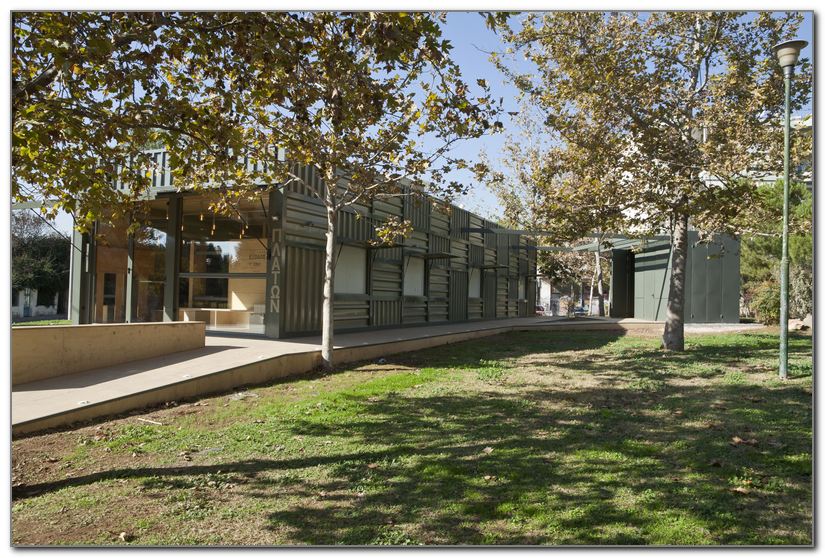
Crates of Athens
c. 335 BCE – 268/7 BCE
Thria, Attica
Old Academy scholarch from Thria in Attica, remembered as Polemo's close Academic associate and predecessor to Arcesilaus in the Athenian school.
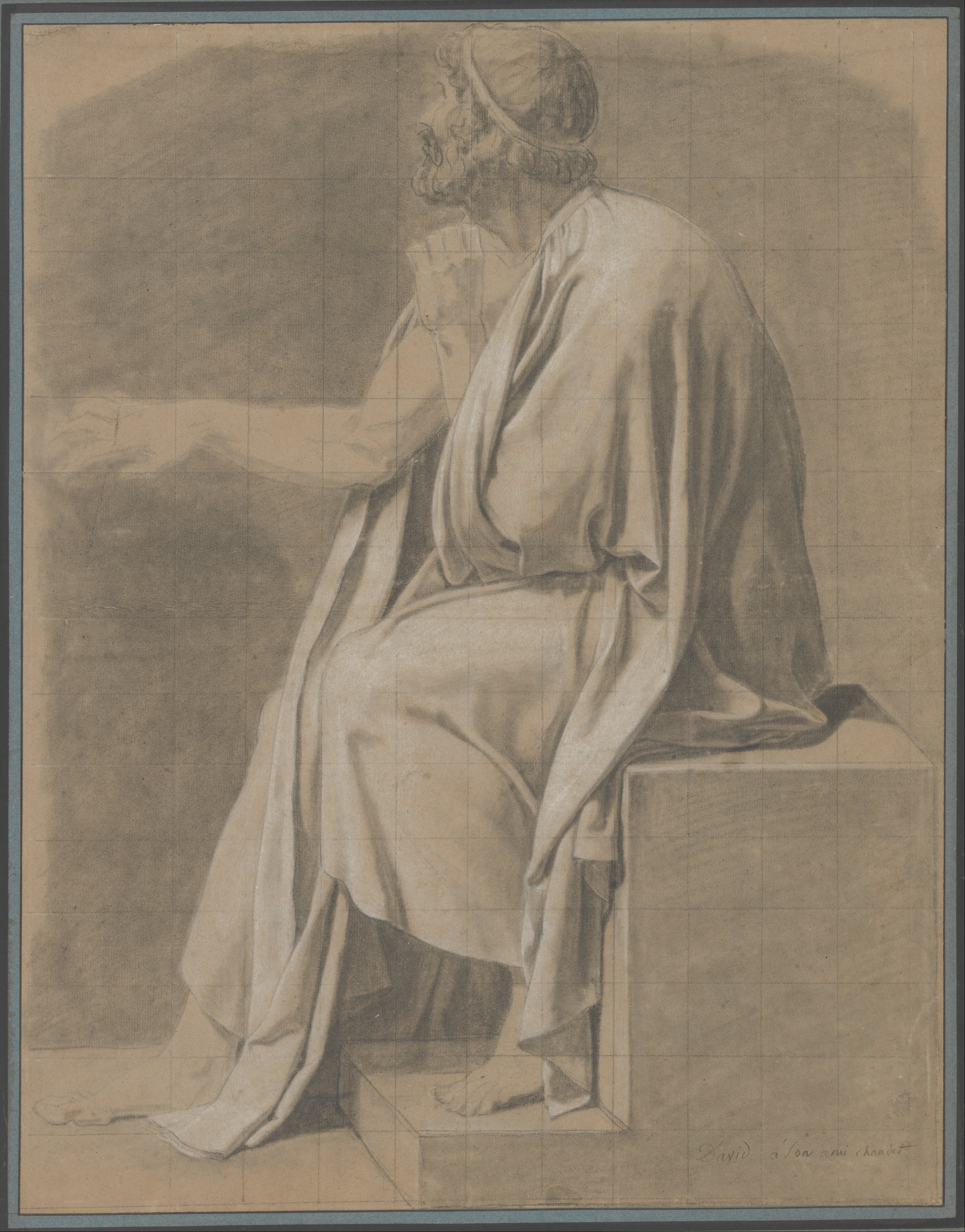
Crito of Alopece
469 BCE – 399 BCE
Alopece, Attica
Athenian friend of Socrates from Alopece, remembered as the prison interlocutor who urged escape and became a reception figure for justice, civic duty, and political obligation.
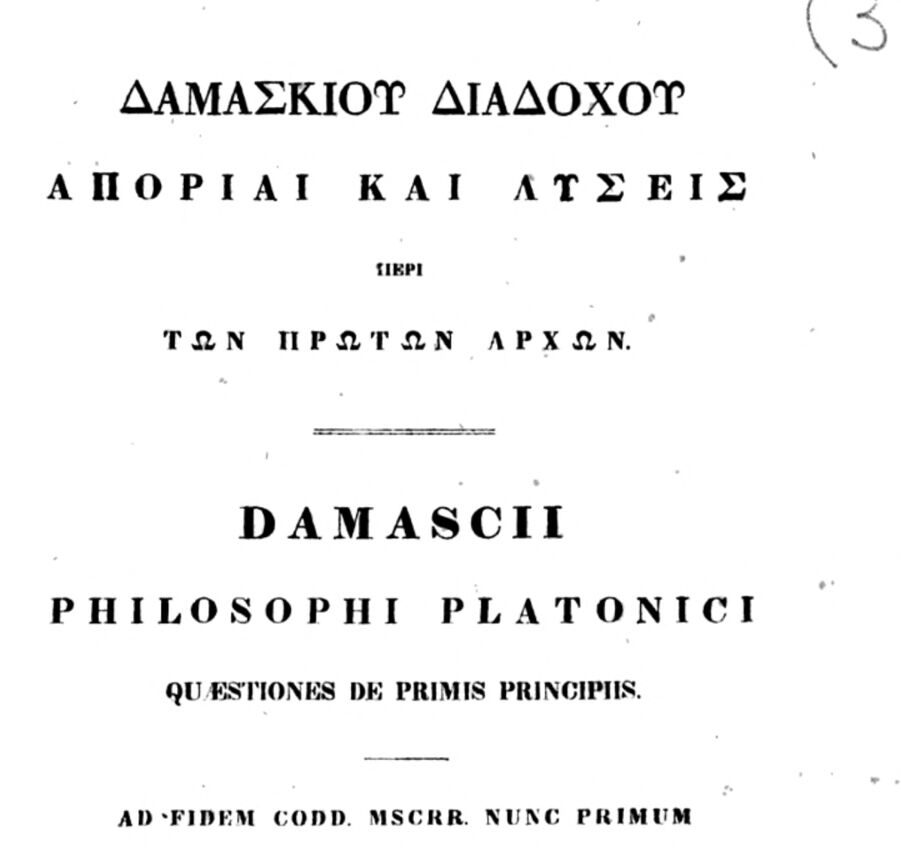
Damascius
462 CE – 538 CE
Damascus
Last head of the Athenian Neoplatonic school, born in Damascus, whose aporetic first-principles metaphysics tests what language, thought, and theology can say about the ineffable.
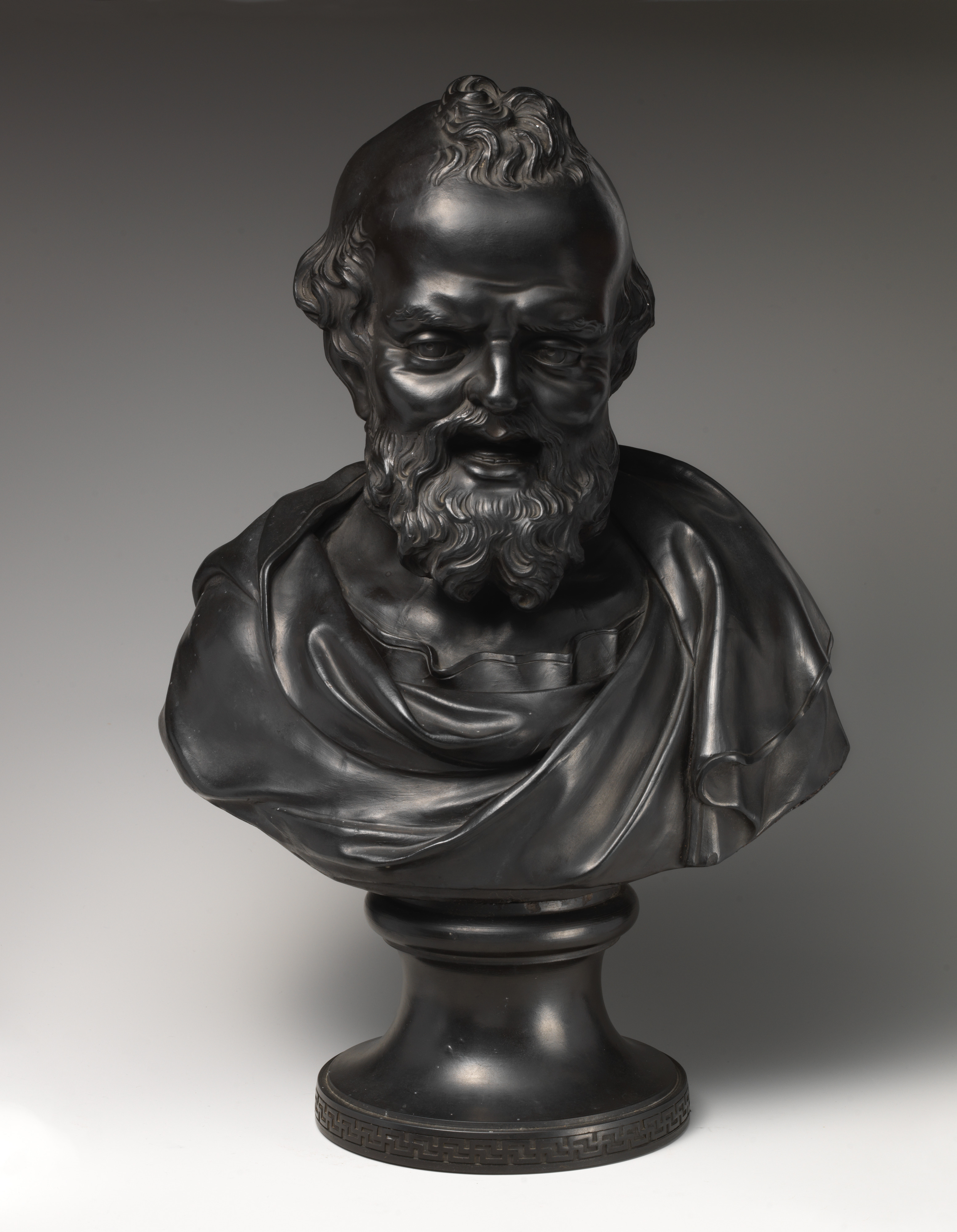
Democritus of Abdera
460 BCE – 370 BCE
Abdera, Thrace
Presocratic atomist from Abdera whose philosophy explained nature, mind, perception, ethics, language, mathematics, and religion through atoms, void, causal necessity, and measured cheerfulness.
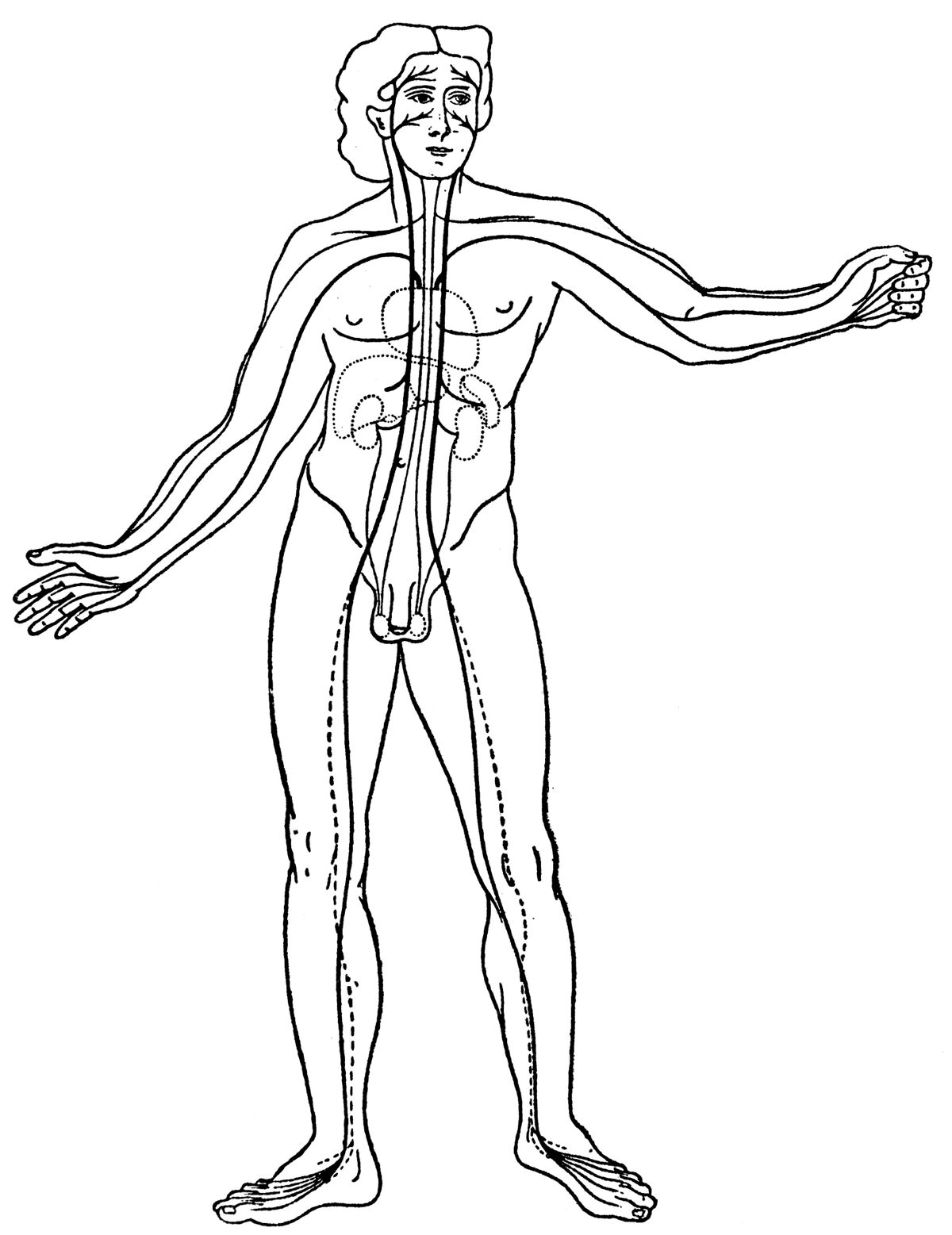
Diogenes of Apollonia
460 BCE – 400 BCE
Apollonia Pontica, Thrace
Presocratic natural philosopher from Apollonia Pontica whose surviving fragments explain cosmos, soul, perception, physiology, and divine intelligence through air.
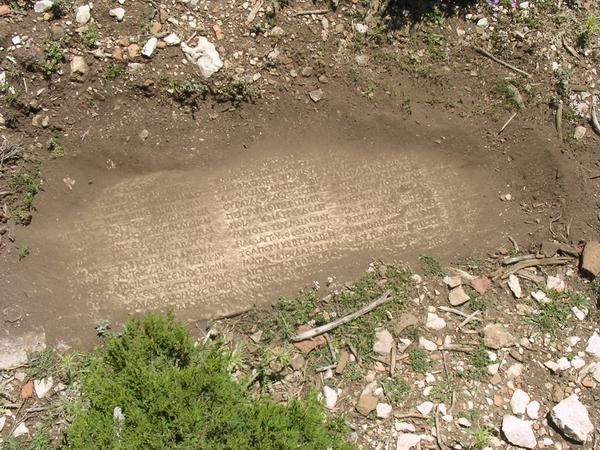
Diogenes of Oenoanda
70 CE – 140 CE
Oenoanda, Lycia
Second-century Epicurean from Oenoanda in Lycia whose monumental inscription turned philosophy into public therapy against fear, superstition, pain, death, and false beliefs about the gods.
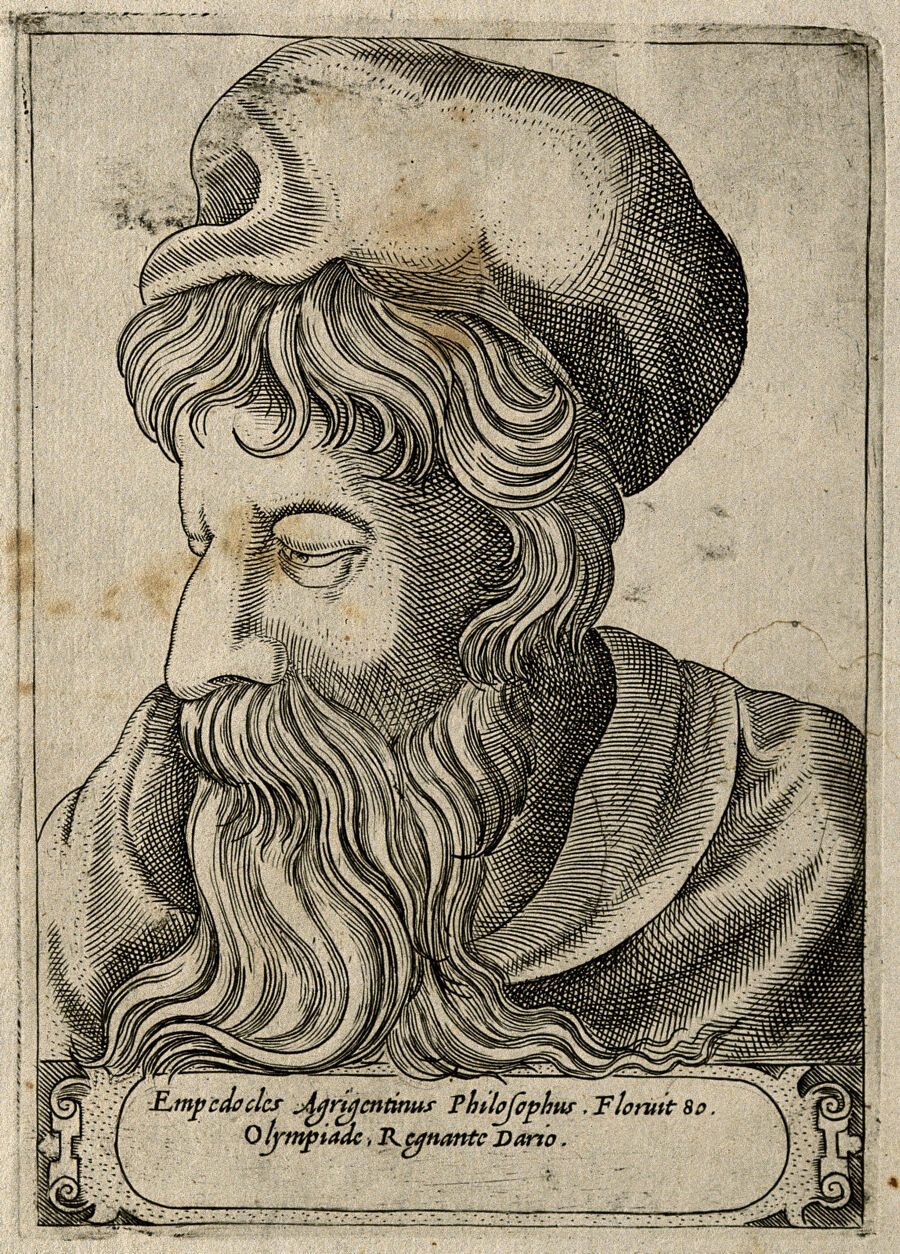
Empedocles of Acragas
494 BCE – 434 BCE
Acragas (Agrigentum, Sicily)
Siceliote Greek poet-philosopher from Acragas who explained nature through four roots and the cosmic powers of Love and Strife while joining cosmology, medicine, ethics, and purification religion.
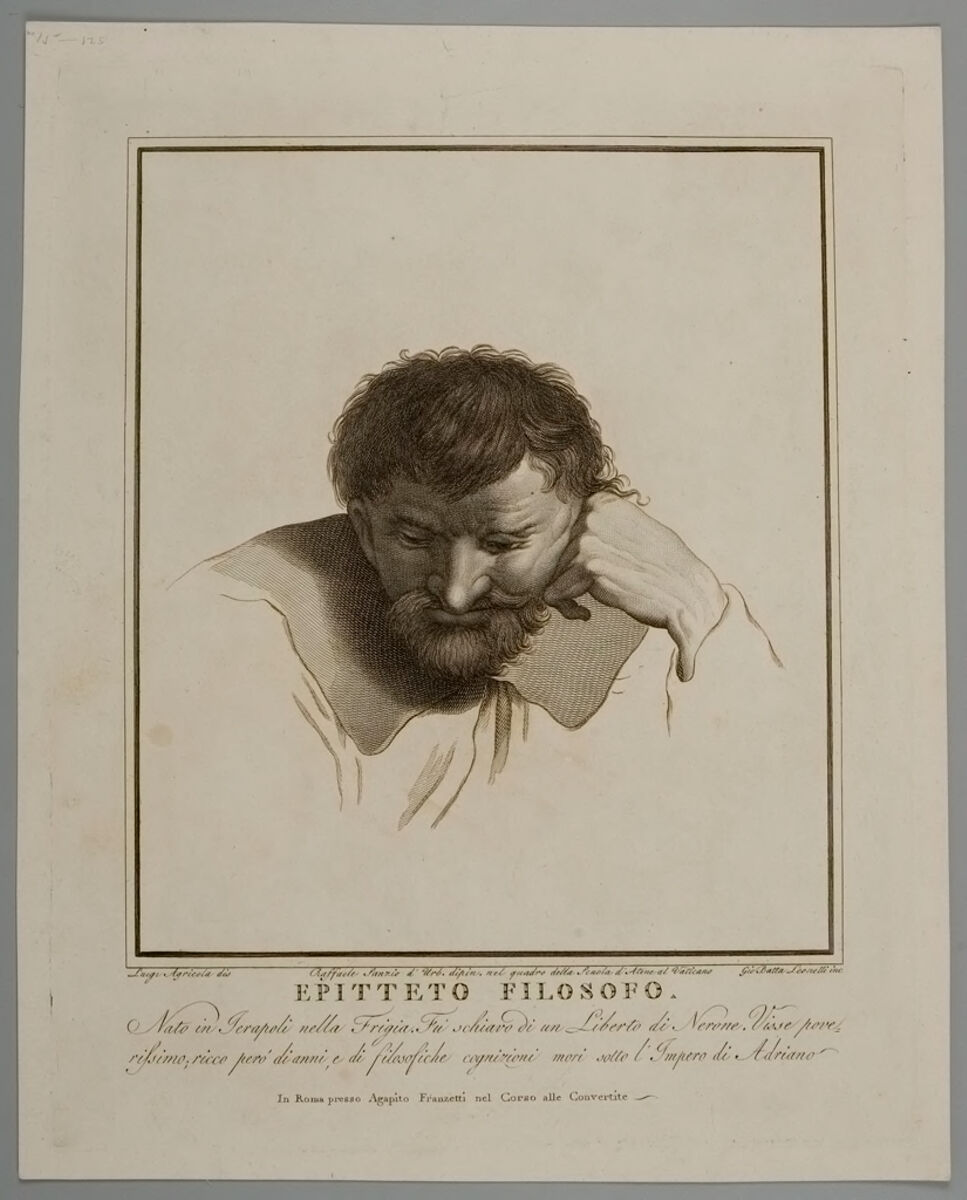
Epictetus
50 CE – 135 CE
Hierapolis, Phrygia
Formerly enslaved Stoic teacher from Hierapolis and Nicopolis whose recorded classroom teaching made prohairesis, disciplined assent, providence, and inner freedom central to Roman Stoicism.
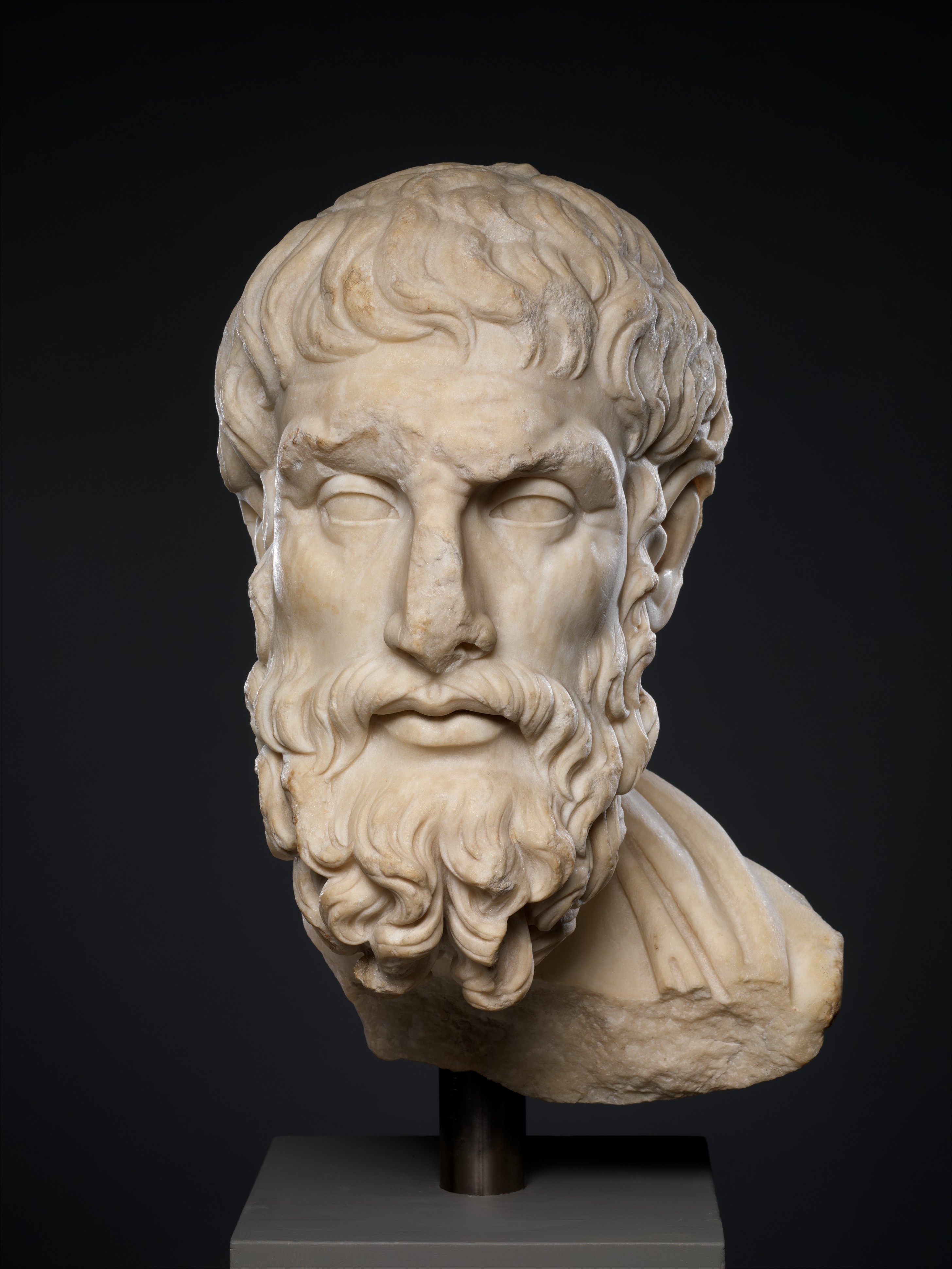
Epicurus of Samos
341 BCE – 270 BCE
Samos
Greek philosopher from Samos whose Garden school joined atomist physics, a canon of sensation and feeling, and an ethics of pleasure understood as freedom from bodily pain and mental disturbance.
Euclid of Megara
435 BCE – 365 BCE
Megara
Socratic philosopher from Megara who joined Socratic concern for the good to Eleatic unity and founded the Megarian school of dialectical argument.
Eudemus of Rhodes
370 BCE – 300 BCE
Rhodes (island)
Peripatetic philosopher from Rhodes, pupil of Aristotle and companion of Theophrastus, remembered for systematizing Aristotelian logic and physics and for pioneering histories of Greek geometry, arithmetic, and astronomy.
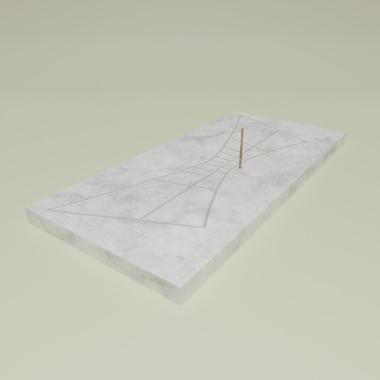
Eudoxus of Cnidus
390 BCE – 340 BCE
Cnidus, Caria
Mathematician, astronomer, geographer, and philosopher from Cnidus, remembered for proportion theory, homocentric-sphere astronomy, geography, calendrical work, and the ancient testimony about pleasure as the natural good.
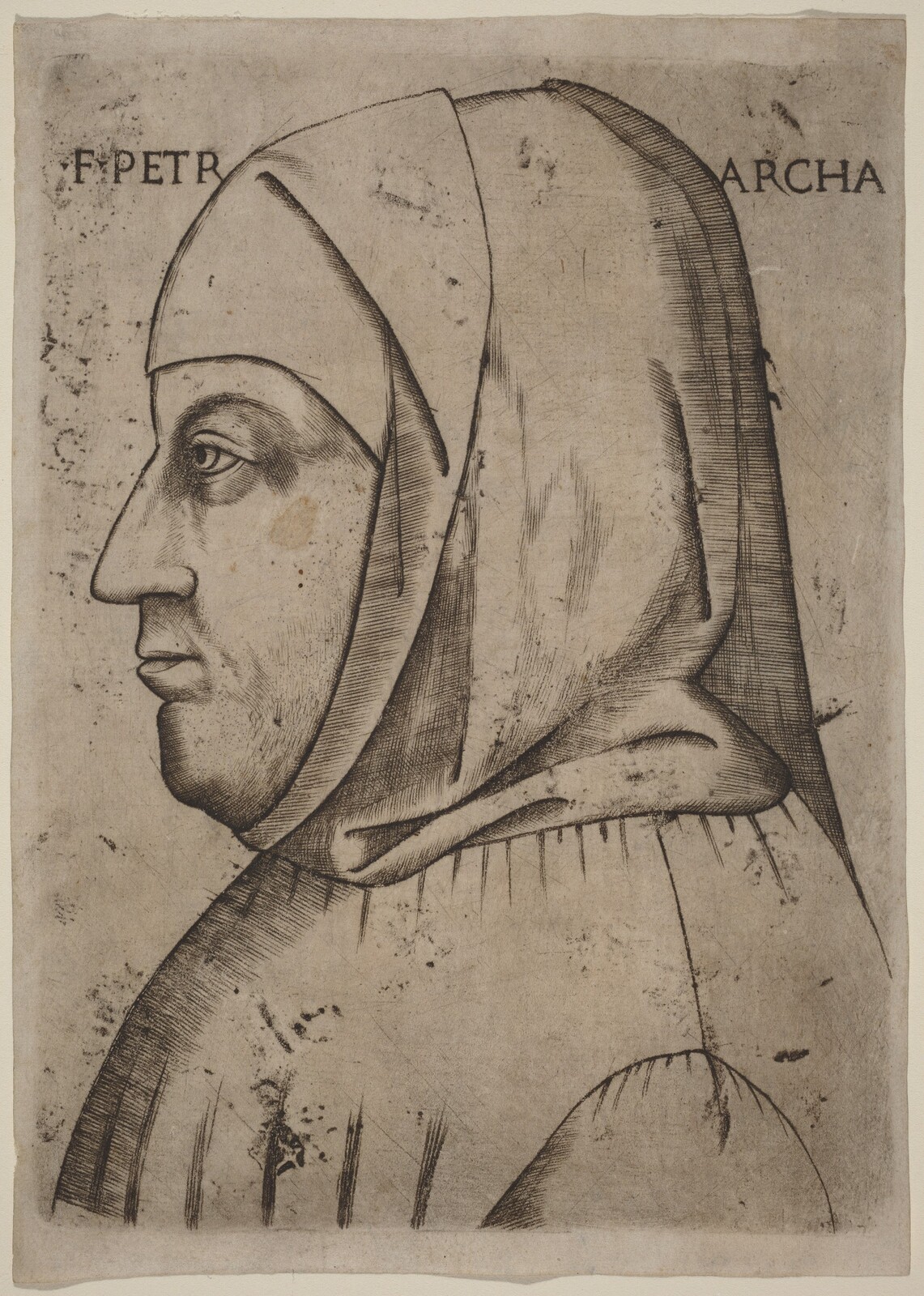
Francesco Petrarca
1304 CE – 1374 CE
Arezzo
Italian poet-scholar and Christian humanist whose classical recovery, introspective moral writing, and vernacular lyric helped define Renaissance humanism and later Petrarchism.
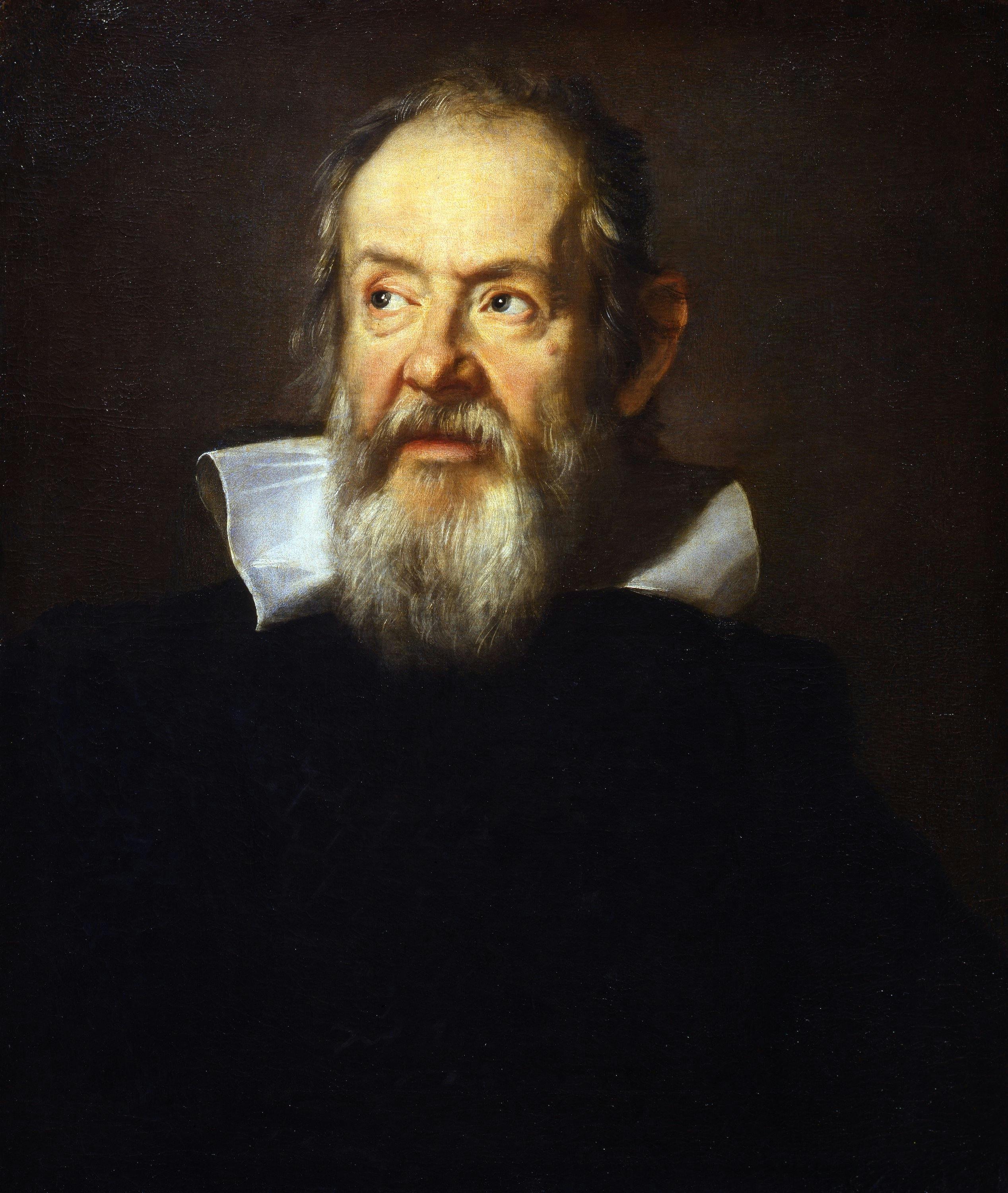
Galileo Galilei
1564 CE – 1642 CE
Pisa, Duchy of Florence
Italian mathematical natural philosopher whose telescopic astronomy, mechanics, instrument work, and scriptural hermeneutics helped reshape early modern philosophy of science and the Scientific Revolution.
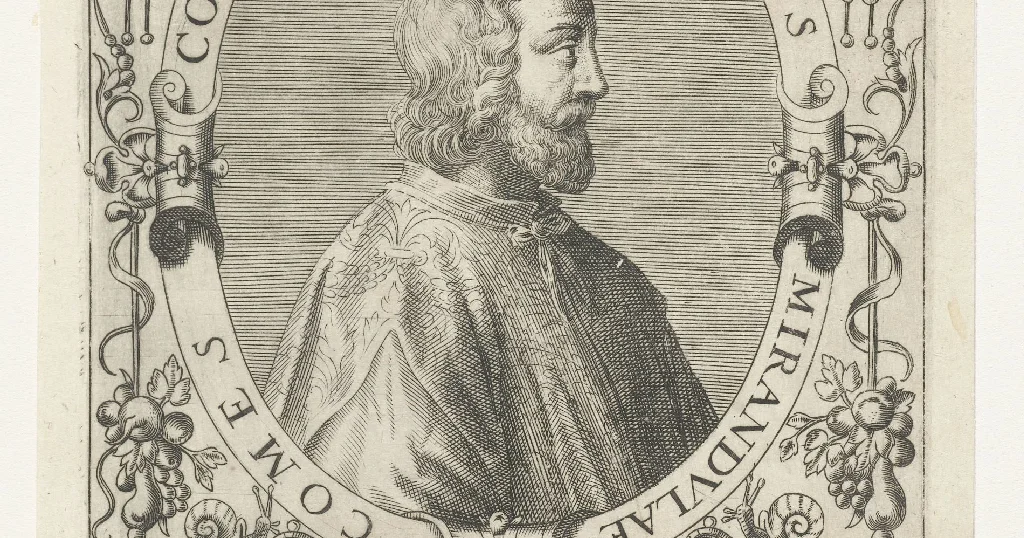
Giovanni Pico della Mirandola
1463 CE – 1494 CE
Mirandola, Duchy of Ferrara
Italian Renaissance humanist philosopher of human dignity, free self-fashioning, syncretic metaphysics, Platonist-Aristotelian concord, Christian Kabbalah, love and beauty, and critique of predictive astrology.
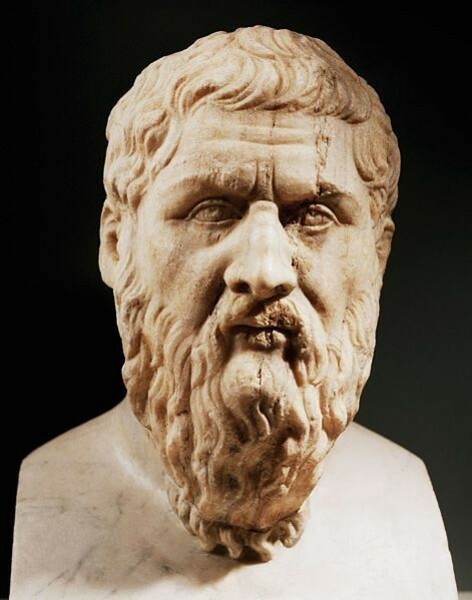
Gorgias of Leontini
483 BCE – 375 BCE
Leontini (Sicily)
Siceliote Greek sophist and rhetorician from Leontini whose paradoxes about being, knowledge, and communication, and whose display speeches on Helen and Palamedes, made logos, persuasion, belief, and civic speech central problems for philosophy.
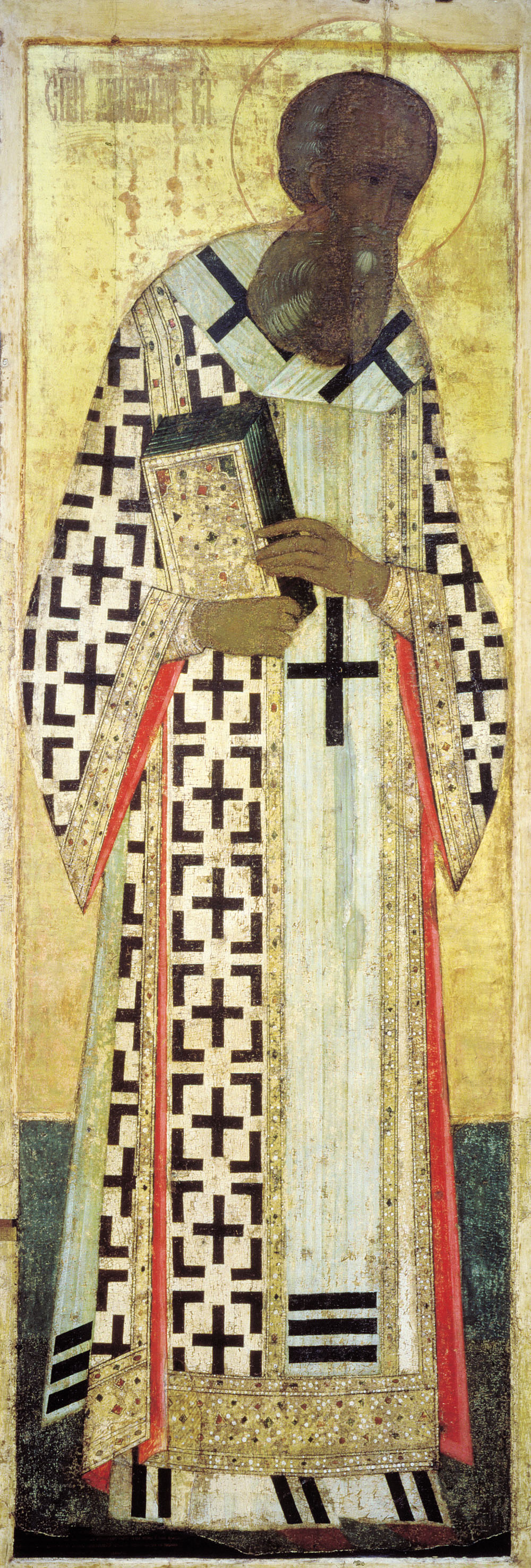
Gregory of Nazianzus
329 CE – 390 CE
Nazianzus (Cappadocia)
Cappadocian Greek theologian, orator, poet, and philosopher whose Theological Orations, Trinitarian distinctions, apophatic restraint, Christological letters, and rhetorical art shaped Nicene metaphysics, philosophy of religion, theological language, ethics, and aesthetics.
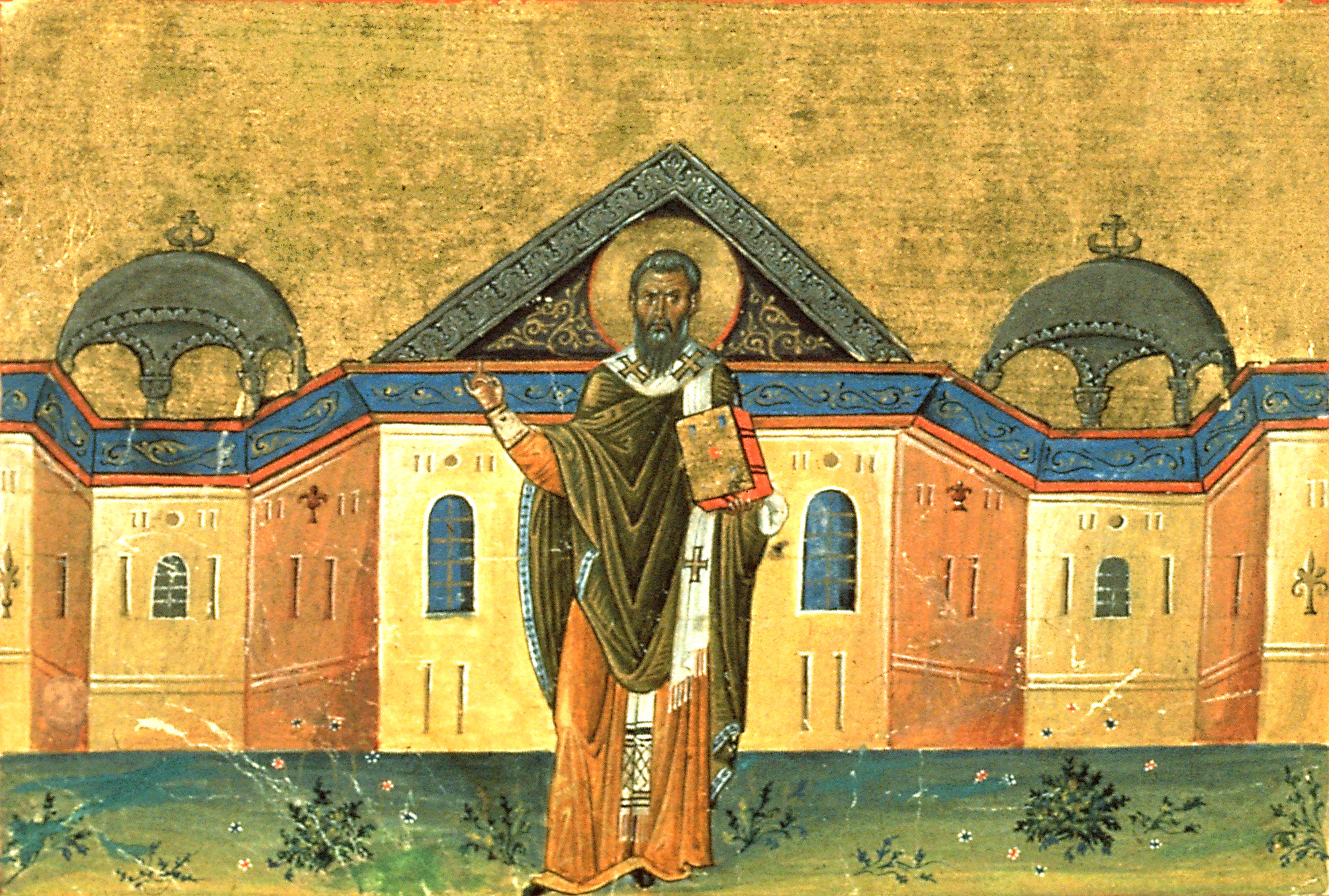
Gregory of Nyssa
335 CE – 395 CE
Nyssa (Cappadocia)
Cappadocian Greek bishop and philosopher-theologian whose accounts of divine infinity, epektasis, apophatic knowledge, soul-body anthropology, creation, and theological language shaped Christian Platonism, philosophy of religion, metaphysics, mind, science, and aesthetics.
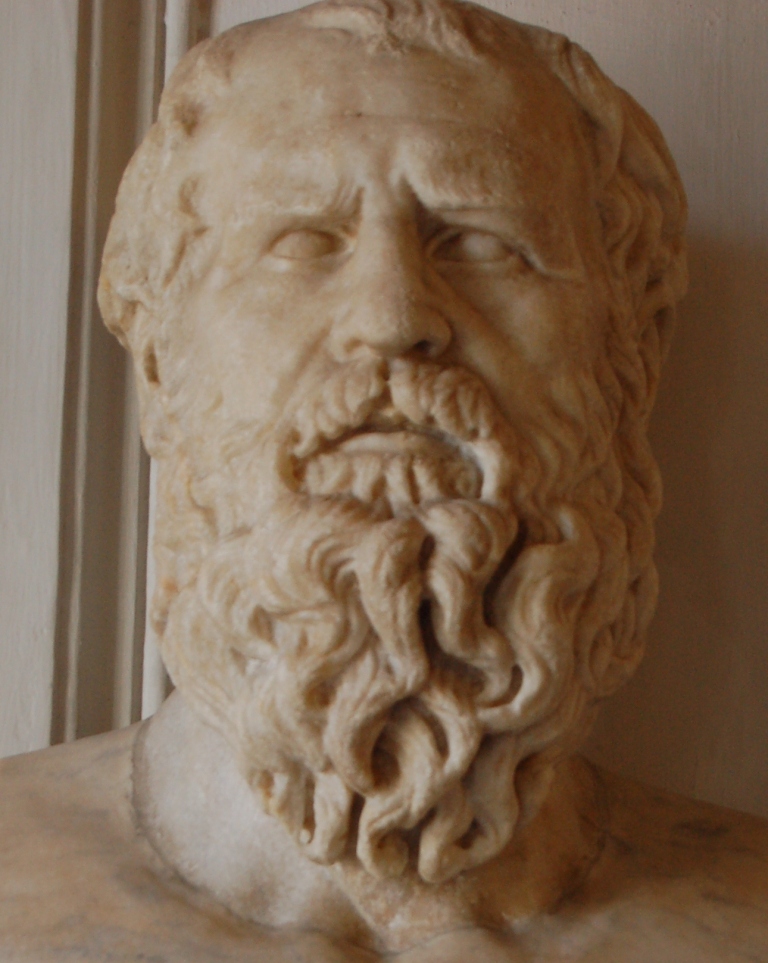
Heraclitus of Ephesus
535 BCE – 475 BCE
Ephesus, Ionia
Ionian Greek Presocratic philosopher from Ephesus whose fragments on logos, flux, fire, unity of opposites, measure, self-knowledge, law, soul, and hidden harmony helped shape metaphysics, epistemology, logic, language, natural philosophy, religion, and later process thought.
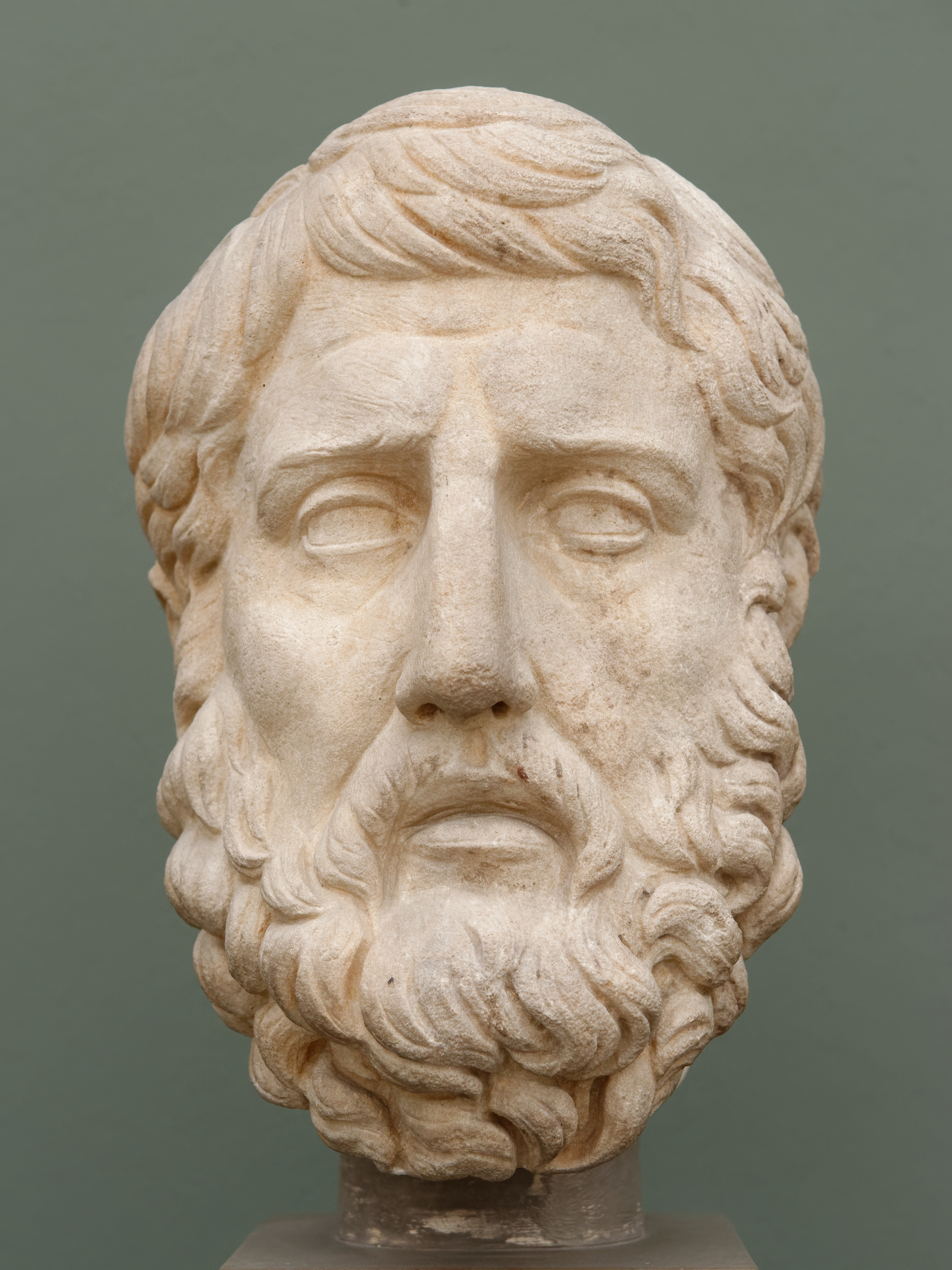
Hermarchus of Mytilene
325 BCE – 250 BCE
Mytilene, Lesbos
Epicurean scholarch from Mytilene, pupil and successor of Epicurus, whose lost works and fragments preserve early Garden arguments on nature, law, justice, mathematics, rival schools, and the critique of fear-based religion.
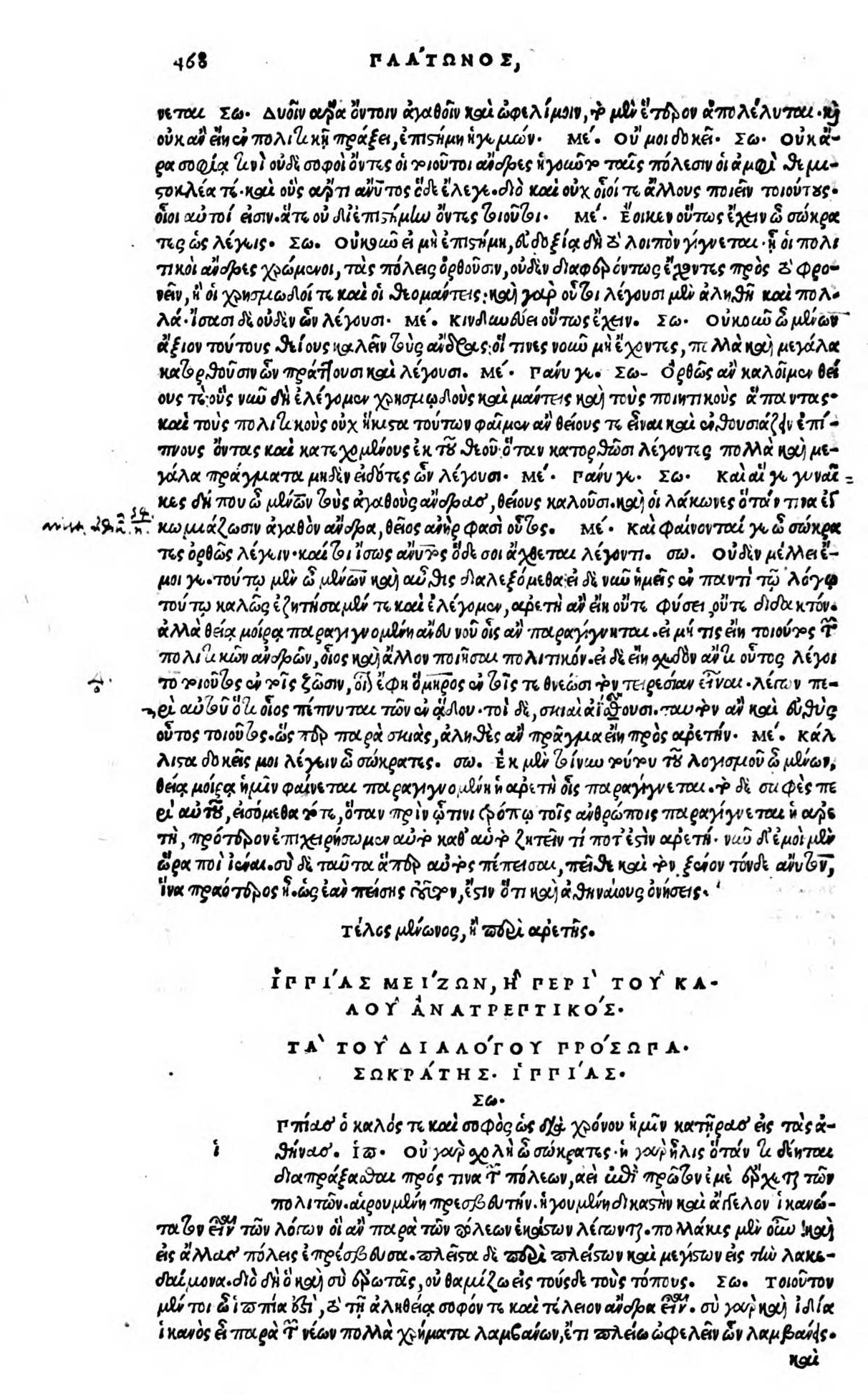
Hippias of Elis
460 BCE – 400 BCE
Elis, Peloponnese
Elean Greek sophist, polymath, diplomat, and mathematician associated with natural law, encyclopedic learning, memory, language, beauty, Olympic chronology, and the quadratrix.
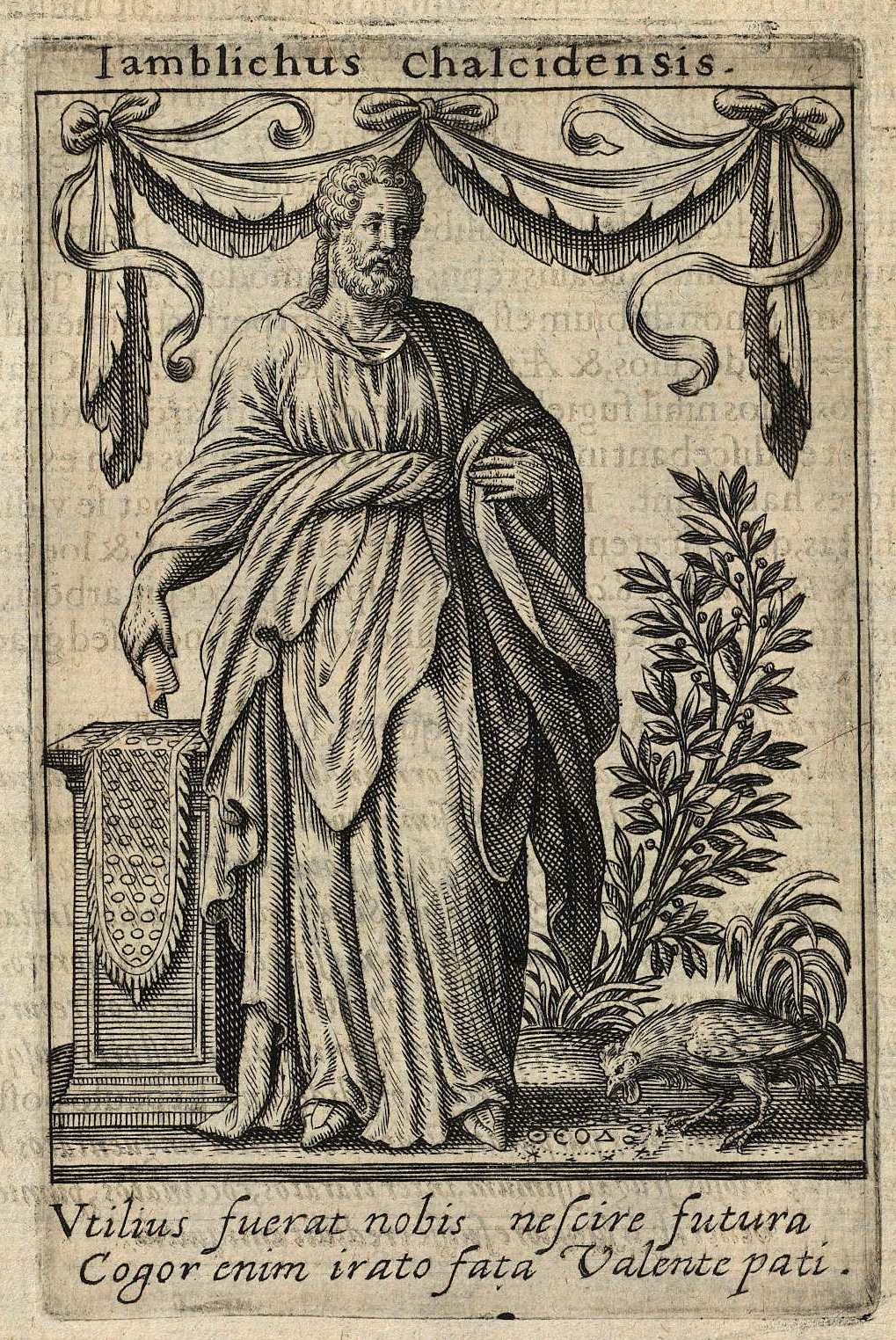
Iamblichus of Chalcis
245 CE – 325 CE
Chalcis ad Belum, Coele-Syria, probably near modern Qinnasrin
Syrian Greek Neoplatonist of Chalcis whose theurgy, Pythagorean curriculum, Platonic commentary, mathematics, soul theory, metaphysics, and philosophy of religion shaped later Syrian and Athenian Neoplatonism.
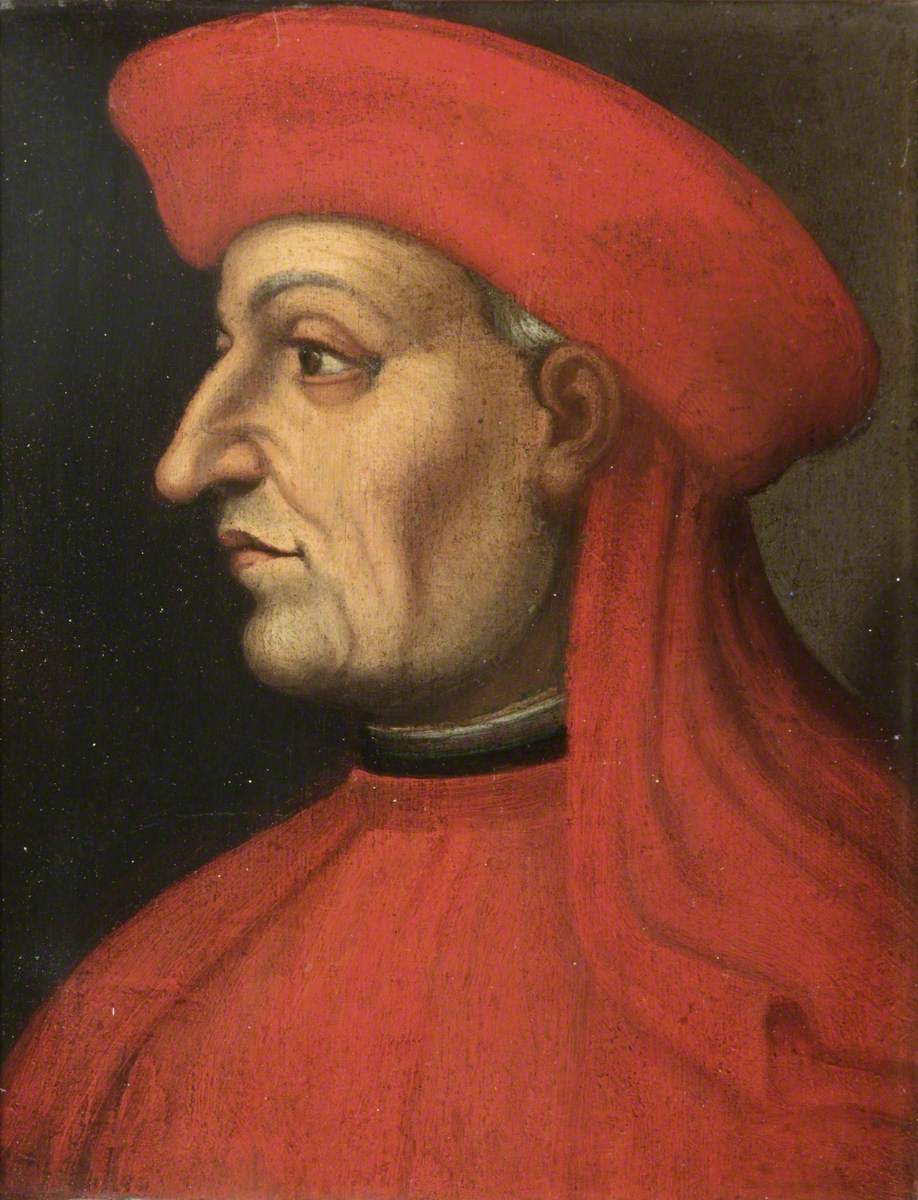
Leonardo Bruni
1370 CE – 1444 CE
Arezzo
Italian Renaissance humanist, Florentine chancellor, translator, and historian whose civic rhetoric, republican historiography, classical translations, and De interpretatione recta shaped civic humanism and humanist translation theory.
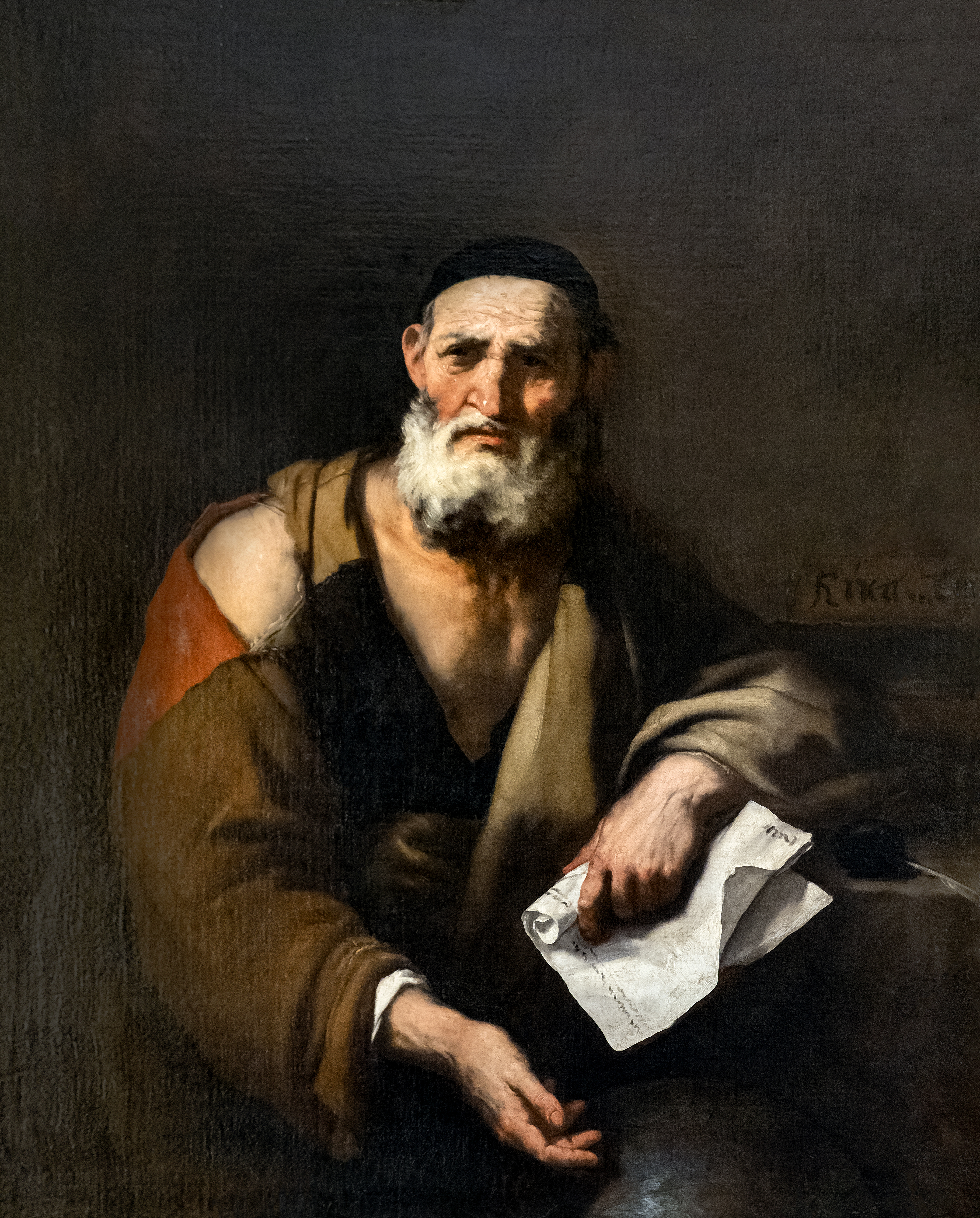
Leucippus of Abdera
500 BCE – 430 BCE
Abdera, Thrace; birthplace uncertain in ancient sources
Presocratic atomist associated with Abdera whose lost works and ancient testimonia explain nature through atoms, void, motion, and necessity.
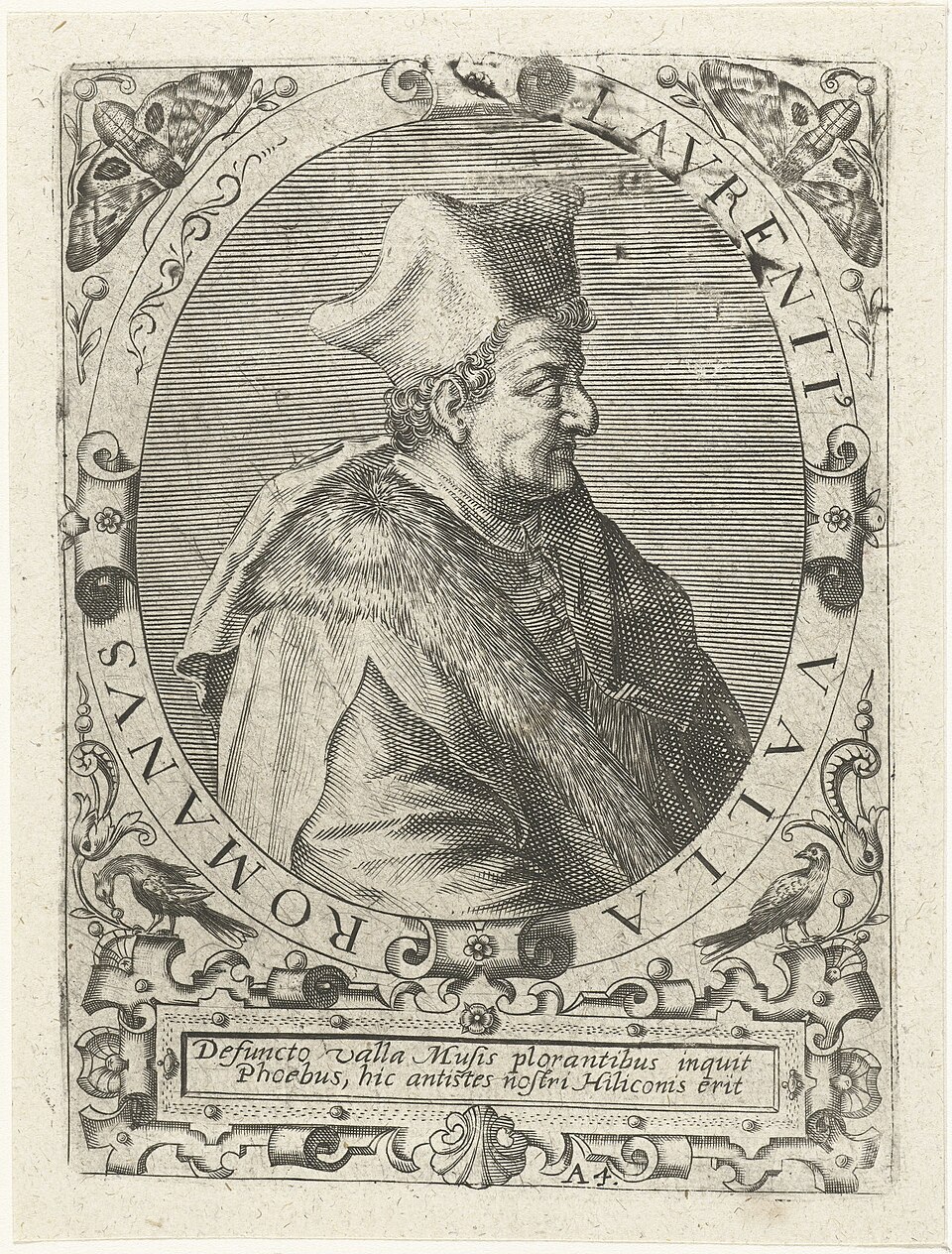
Lorenzo Valla
1407 CE – 1457 CE
Rome
Italian Renaissance humanist, philologist, philosopher, textual critic, translator, and Catholic priest whose critique of scholasticism, Latin style, biblical scholarship, and exposure of the Donation of Constantine reshaped humanist method.

Lucretius (Titus Lucretius Carus)
99 BCE – 55 BCE
Rome or Roman Italy, probably Rome; exact birthplace uncertain
Roman Epicurean poet-philosopher whose De rerum natura carries atomism, naturalistic explanation, mortal mind, and the critique of superstition into Latin didactic poetry.
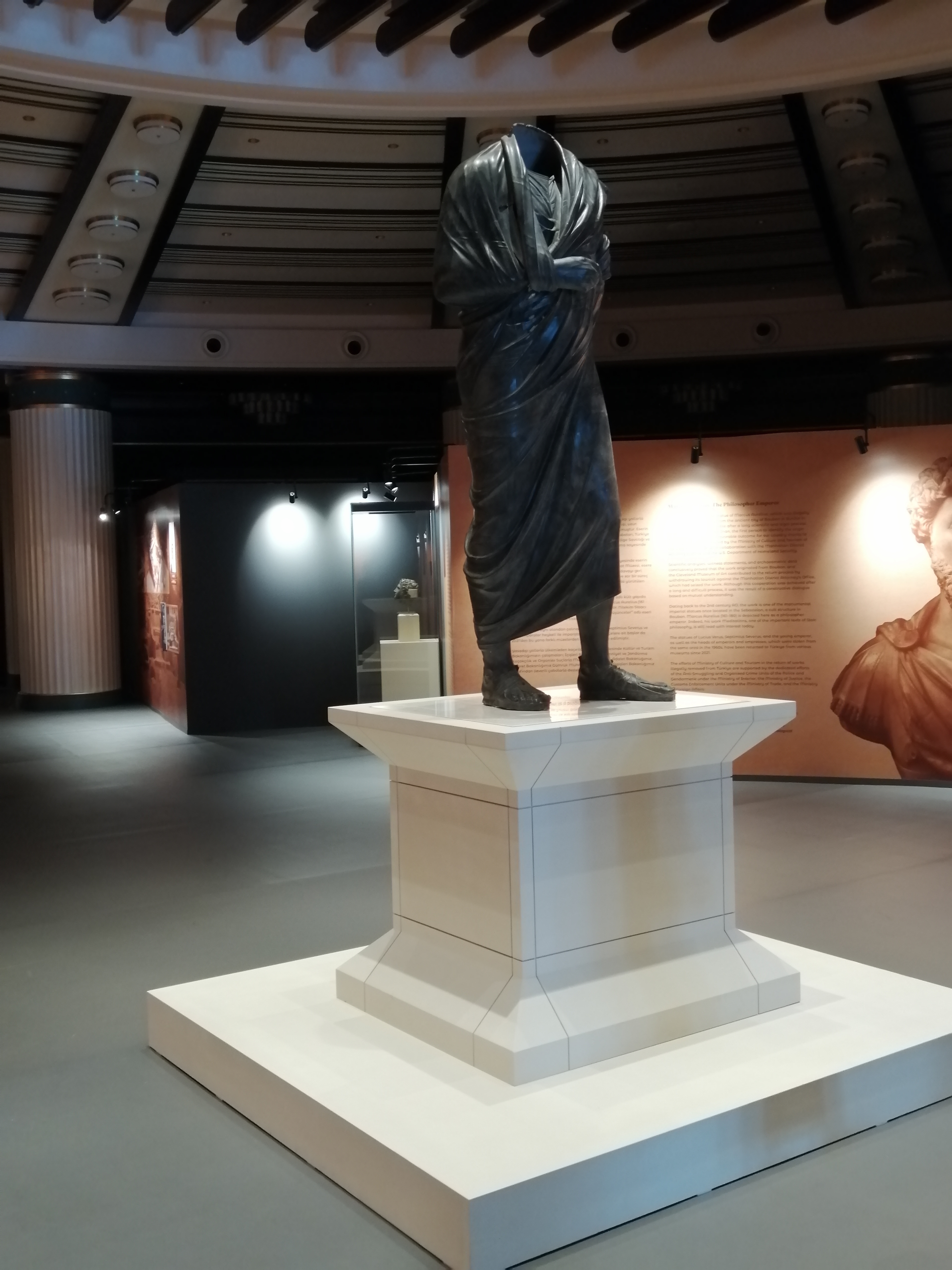
Marcus Aurelius
121 CE – 180 CE
Rome
Roman emperor and Stoic philosopher whose Meditations turns imperial duty, mortality, providence, reason, self-command, and social obligation into private exercises in ethical attention.
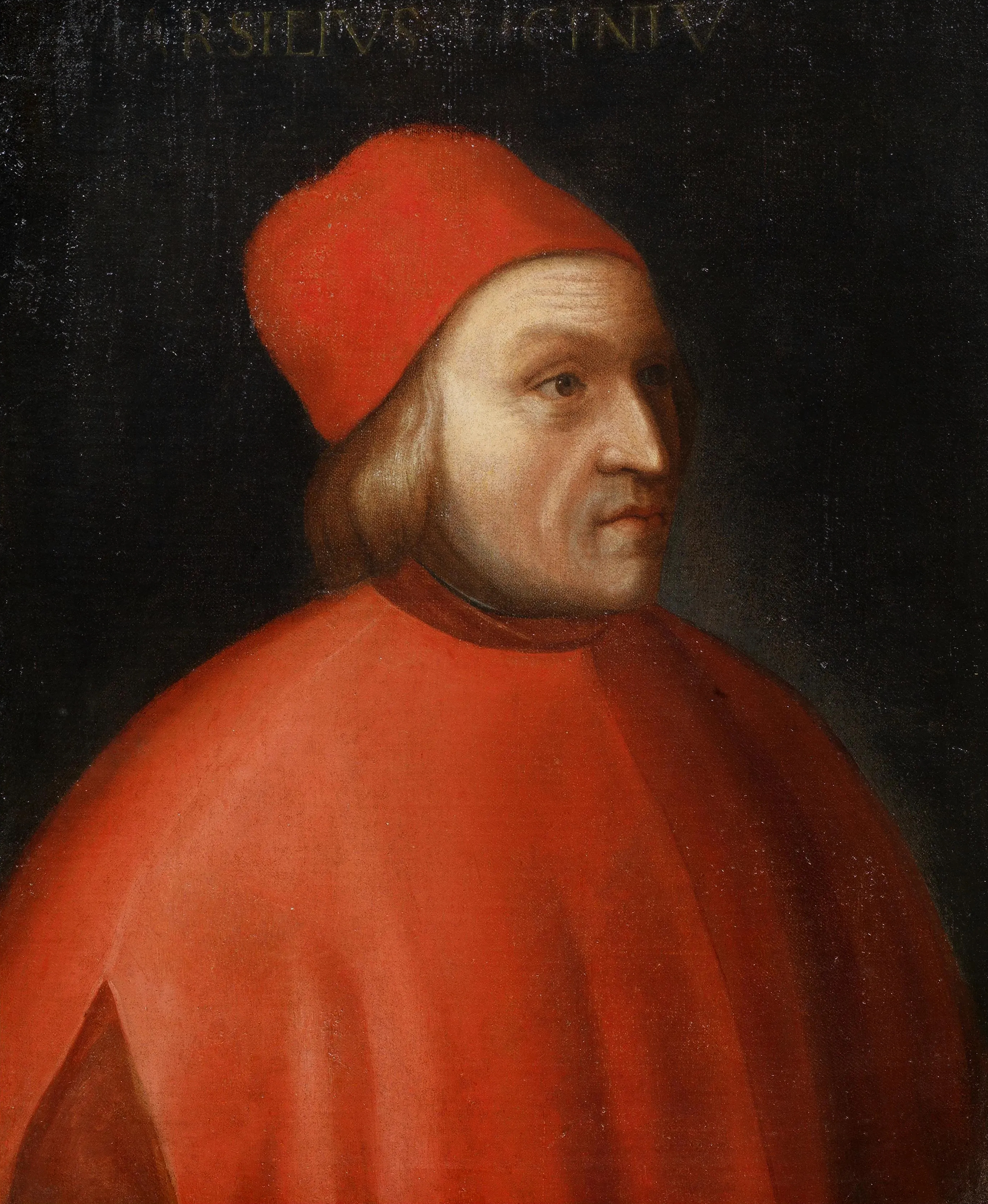
Marsilio Ficino
1433 CE – 1499 CE
Figline Valdarno, Republic of Florence
Italian Renaissance Platonist, humanist, translator, priest, and Christian Neoplatonist whose Plato, Plotinus, Hermetic, soul, love, natural-philosophy, and prisca-theologia writings shaped Florentine Platonism.
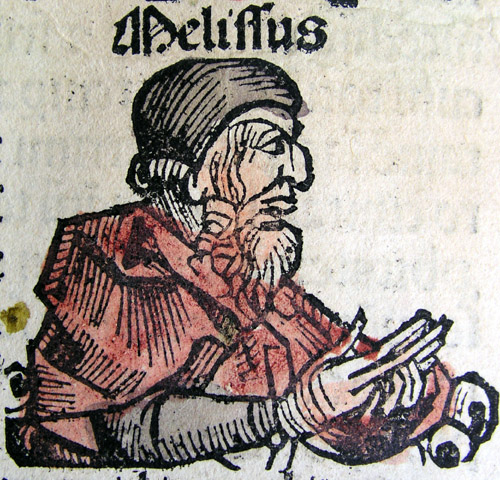
Melissus of Samos
500 BCE – 430 BCE
Samos
Samian Presocratic and Eleatic philosopher whose lost treatise argues for one unlimited, changeless being and denies void, motion, generation, and destruction.
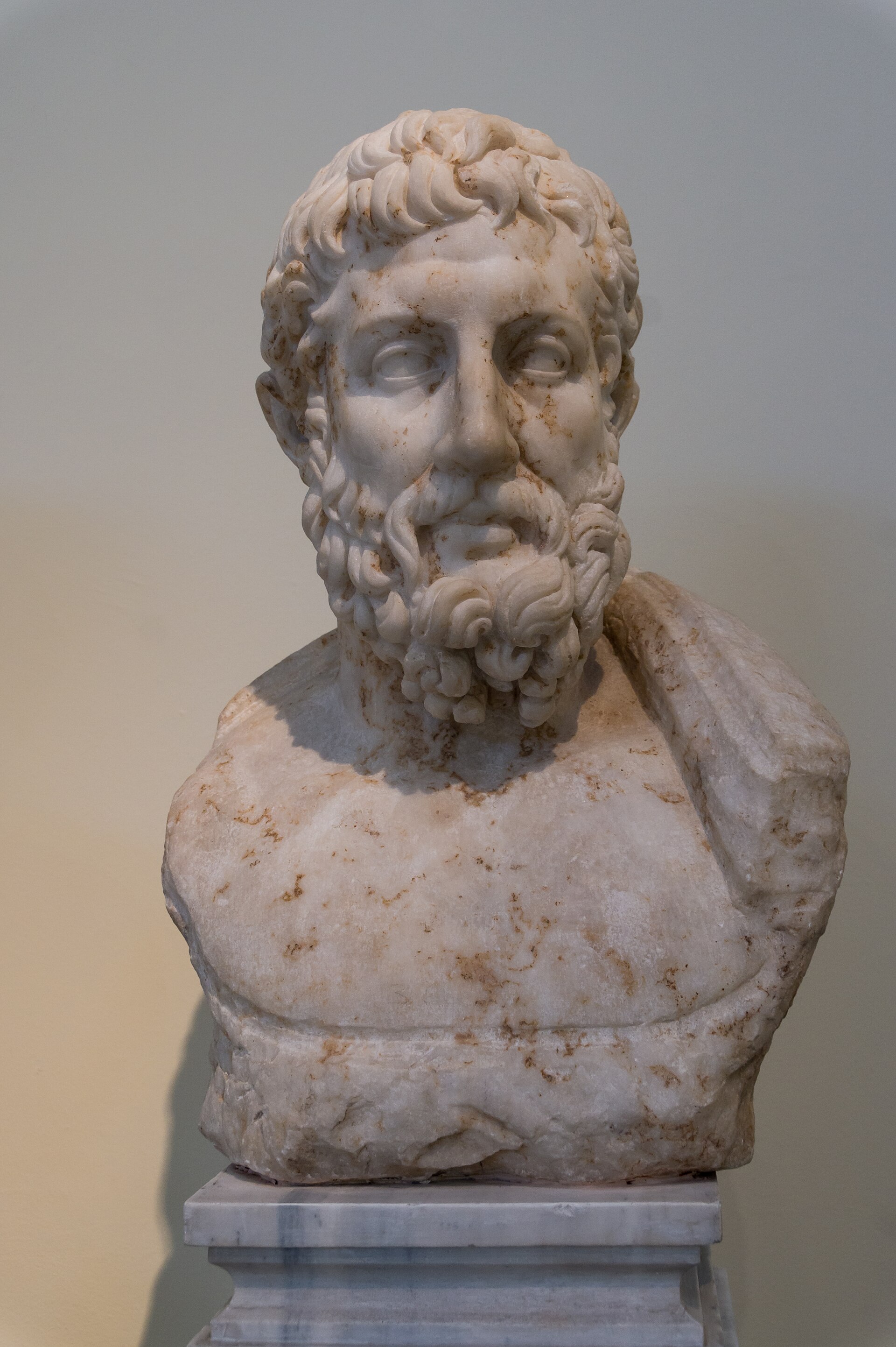
Metrodorus of Lampsacus
331 BCE – 278 BCE
Lampsacus, Hellespont
Epicurean philosopher of the Garden whose lost works joined ethics, sensation, atomism, anti-dialectic polemic, friendship, bodily goods, and loyalty to Epicurus.
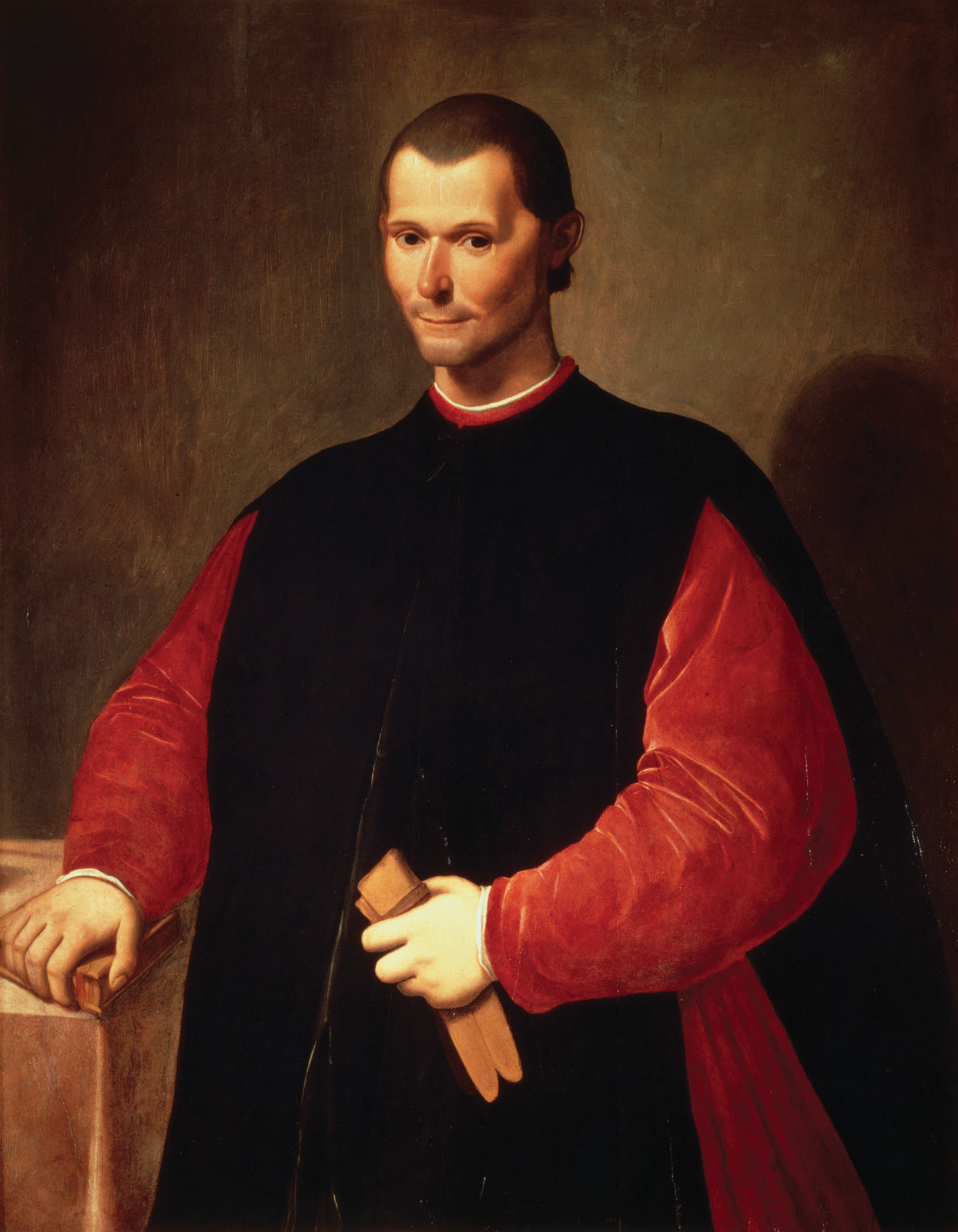
Niccolo Machiavelli
1469 CE – 1527 CE
Florence, Republic of Florence
Renaissance political philosopher of Florence, the chancery, Italian Wars, virtu, fortuna, necessity, republican liberty, civic militia, corruption, and political realism.
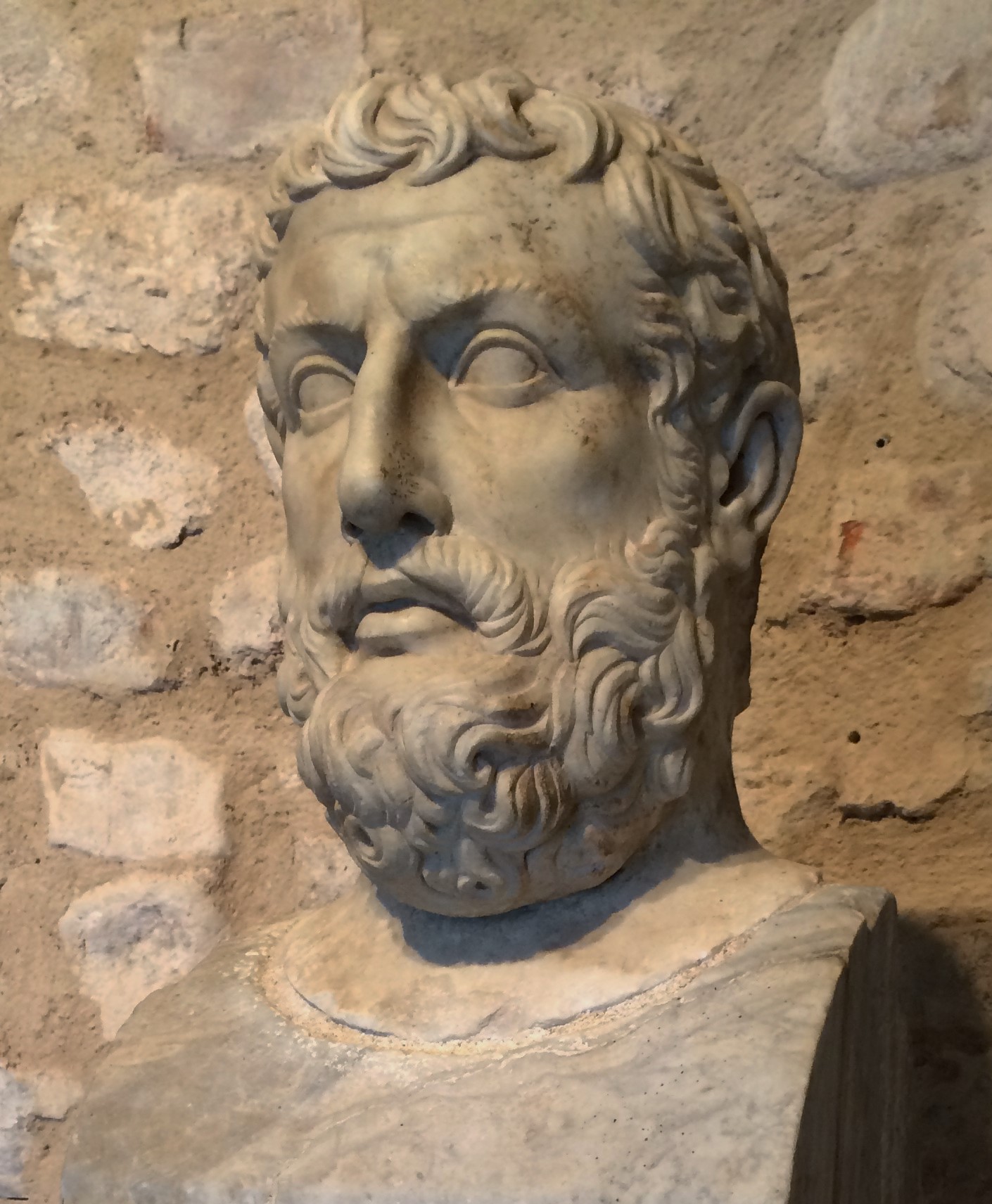
Parmenides of Elea
515 BCE – 450 BCE
Elea, Magna Graecia
Eleatic philosopher of Being, the Way of Truth, the Way of Opinion, denial of not-being, monism, necessity, cosmology, and fragmentary poetic transmission.
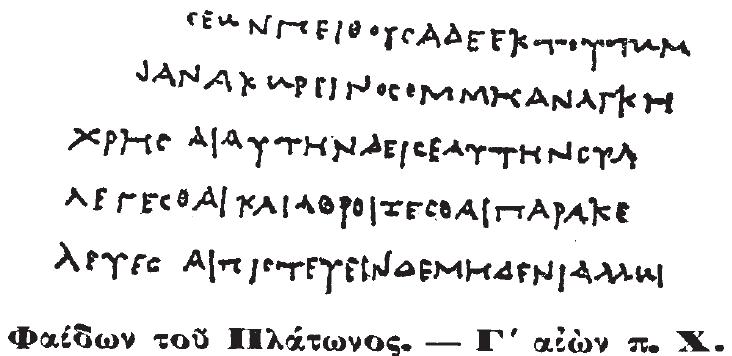
Phaedo of Elis
417 BCE – 345 BCE
Elis (Peloponnese)
Socratic philosopher from Elis, witness to Socrates' death, founder of the Elean school, and author of lost Socratic dialogues on dialectic, ethics, character, and philosophical conversation.
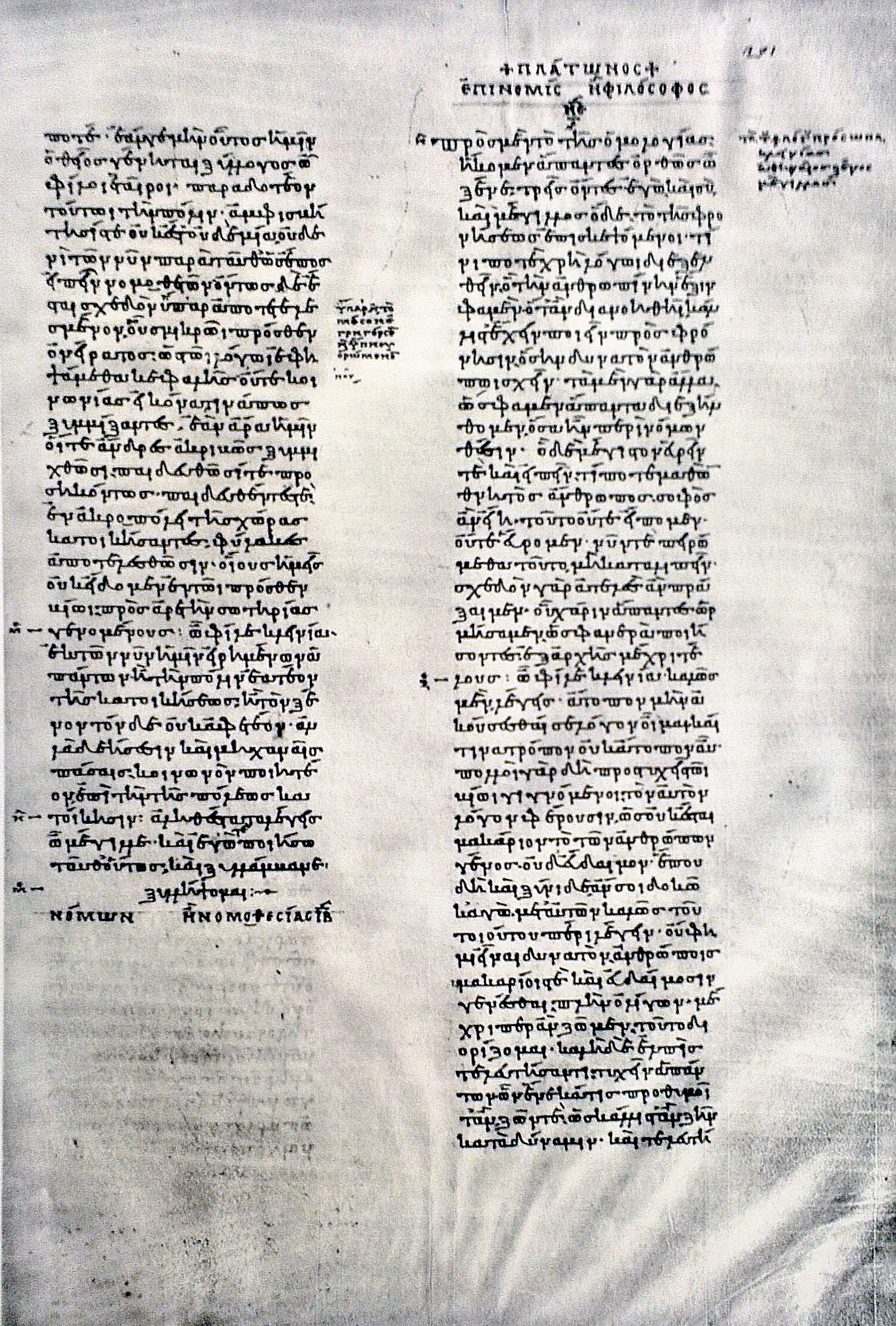
Philip of Opus
380 BCE – 330 BCE
Opus (Locris)
Early Academic philosopher of Opus, Plato's Academy, mathematical astronomy, Epinomis, astral theology, Opuntian Locris, and the reported arrangement of Plato's Laws.
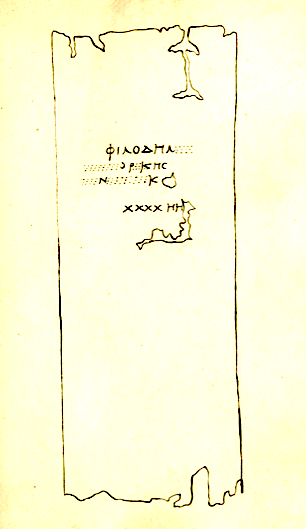
Philodemus of Gadara
110 BCE – 35 BCE
Gadara (Decapolis)
Epicurean philosopher and poet from Gadara whose Herculaneum papyri preserve work on rhetoric, poetry, music, sign inference, piety, death, frank criticism, passions, vices, and Epicurean book culture.
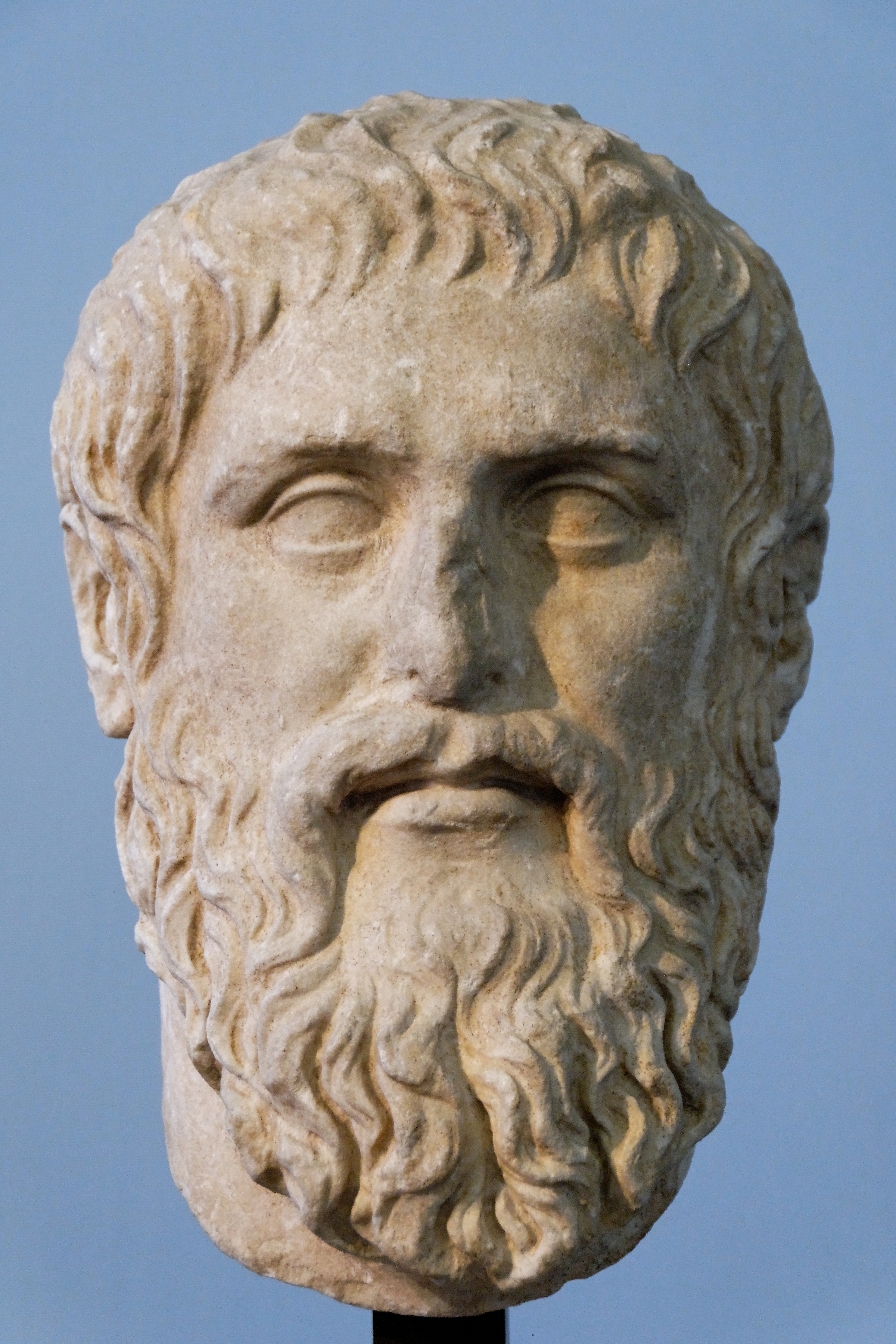
Plato
427 BCE – 347 BCE
Athens
Athenian philosopher of Forms, dialectic, recollection, the Good, tripartite soul, philosopher-rule, eros, rhetoric, language, cosmology, theology, the Academy, and the Platonic corpus.
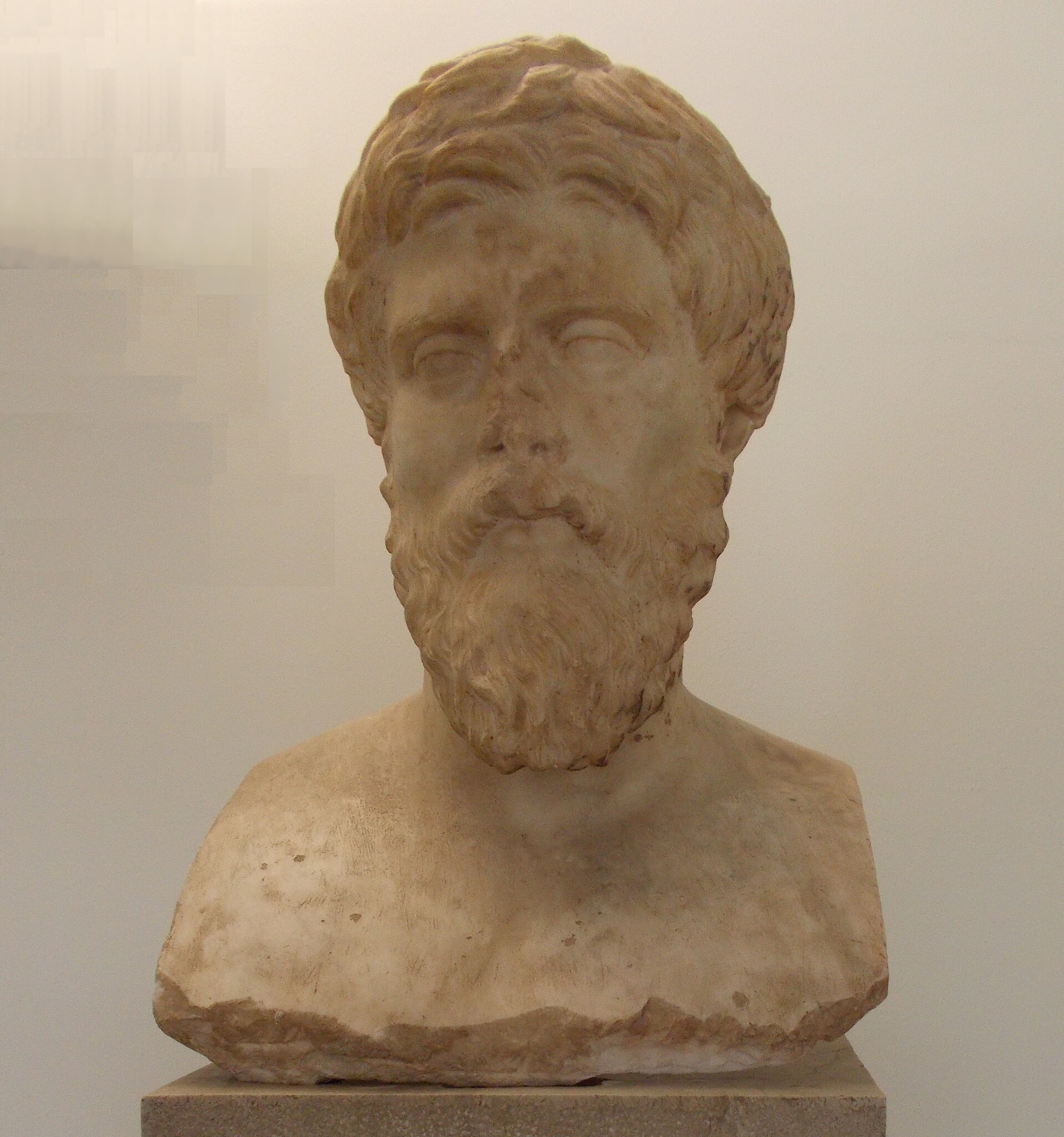
Plutarch of Chaeronea
46 CE – 120 CE
Chaeronea (Boeotia)
Middle Platonist moralist, biographer, and priest of Apollo at Delphi whose Parallel Lives and Moralia join virtue ethics, political counsel, religious Platonism, moral psychology, and literary biography.
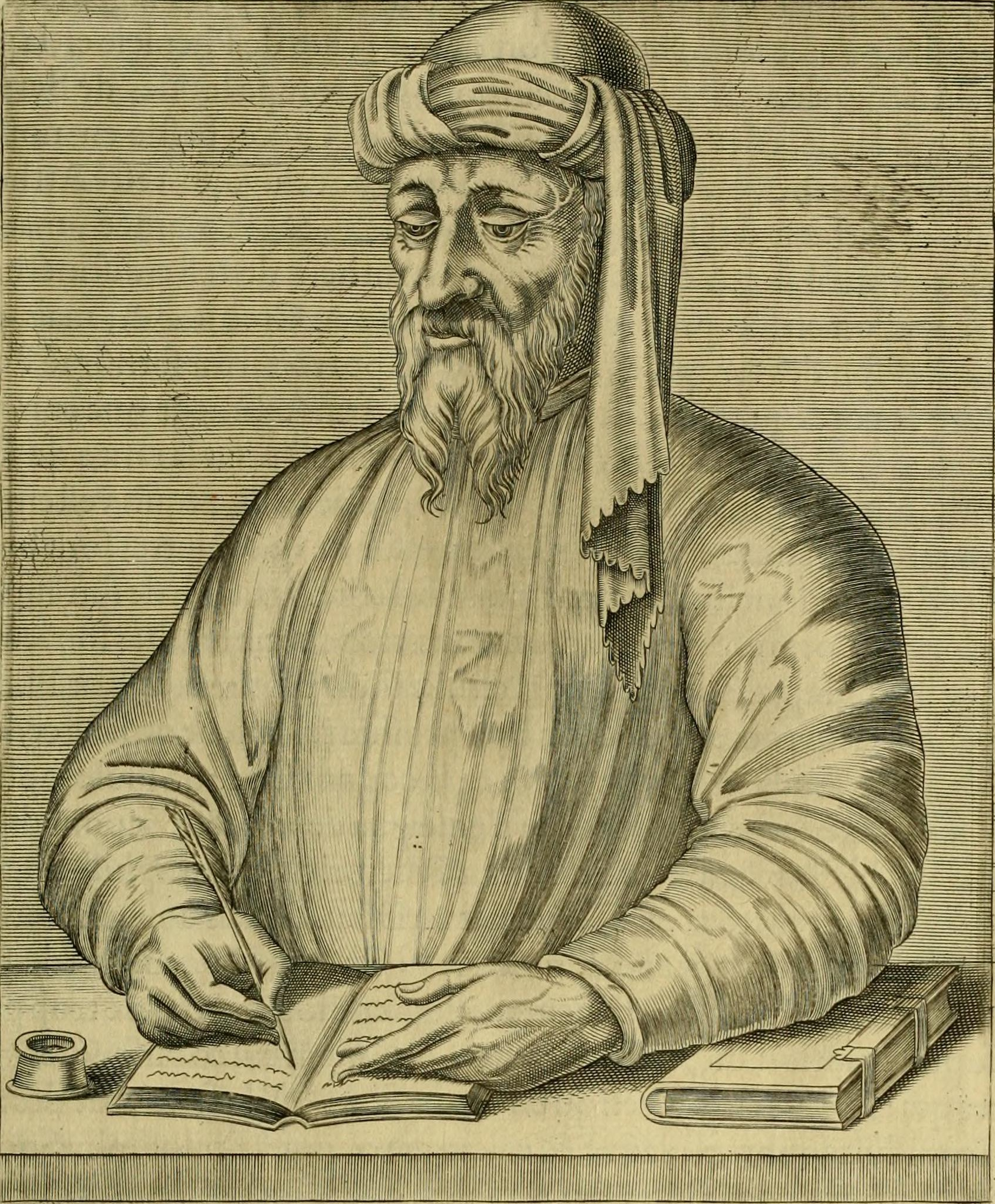
Porphyry
234 CE – 305 CE
Tyre (Phoenicia)
Neoplatonic philosopher of Tyre, logic, the Isagoge, predicables, universals, Porphyrian Tree, soul purification, vegetarian ethics, Homeric allegory, Aristotle commentary, and anti-Christian polemic.

Posidonius of Apamea
135 BCE – 51 BCE
Apamea (Orontes)
Middle Stoic philosopher of Apamea and Rhodes, cosmic sympathy, fate, divination, passions, Stoic physics, geography, tides, Canopus, earth measurement, meteorology, history, and Roman reception.
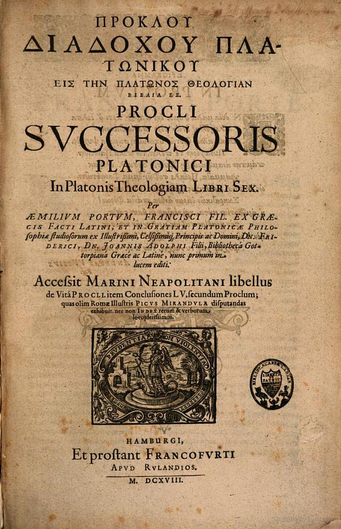
Proclus of Lycia
412 CE – 485 CE
Xanthus (Lycia)
Late antique Neoplatonic scholarch of Athens whose work systematized the One, henads, procession, reversion, intellect, soul, theurgy, mathematics, astronomy, Plato commentary, and later Pseudo-Dionysian and Liber de Causis reception.
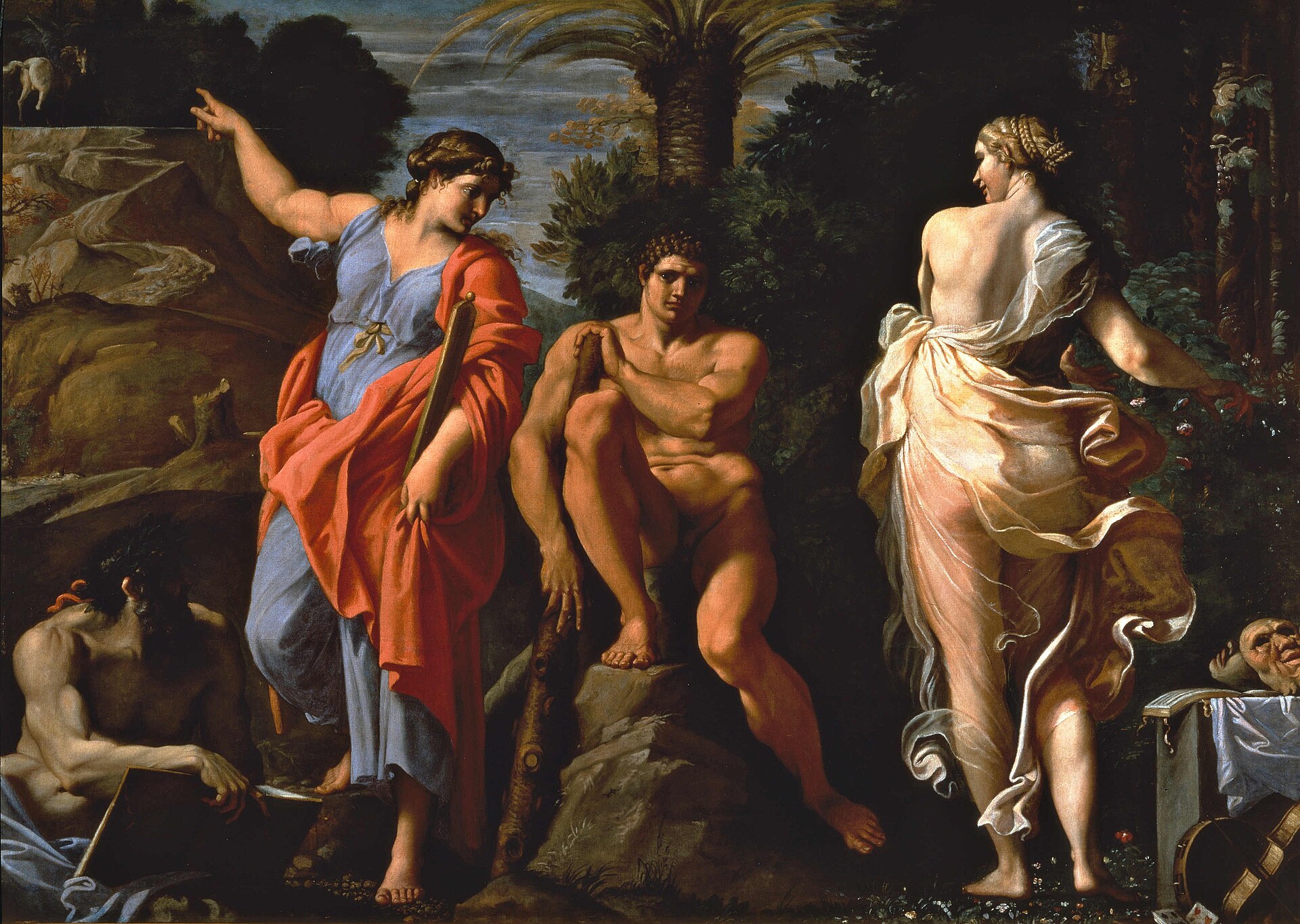
Prodicus of Ceos
465 BCE – 395 BCE
Ceos (Kea, island)
Cean sophist of language, semantic precision, synonym distinctions, moral choice, the Choice of Heracles, naturalistic theology, civic rhetoric, and Socrates' reported debt to Prodicus on names.
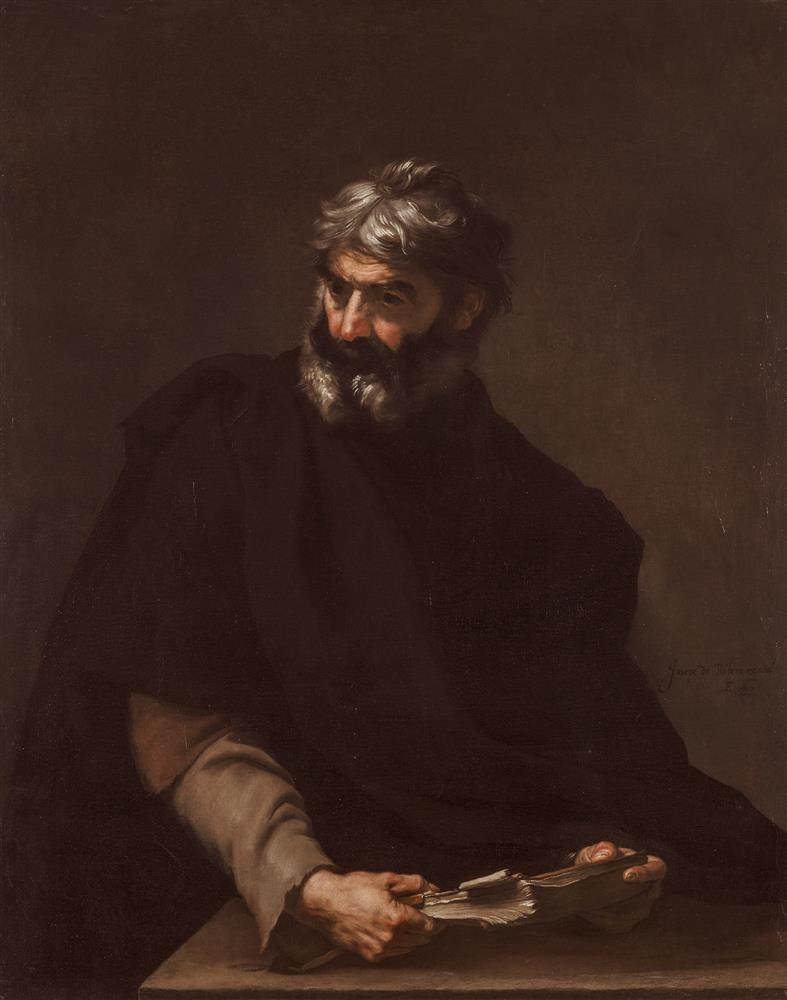
Protagoras of Abdera
490 BCE – 420 BCE
Abdera, Thrace
Abderite sophist of man-measure relativism, appearances, antilogy, weaker and stronger arguments, orthoepeia, civic virtue, democratic political teaching, On the Gods, and fragmentary testimonial transmission.
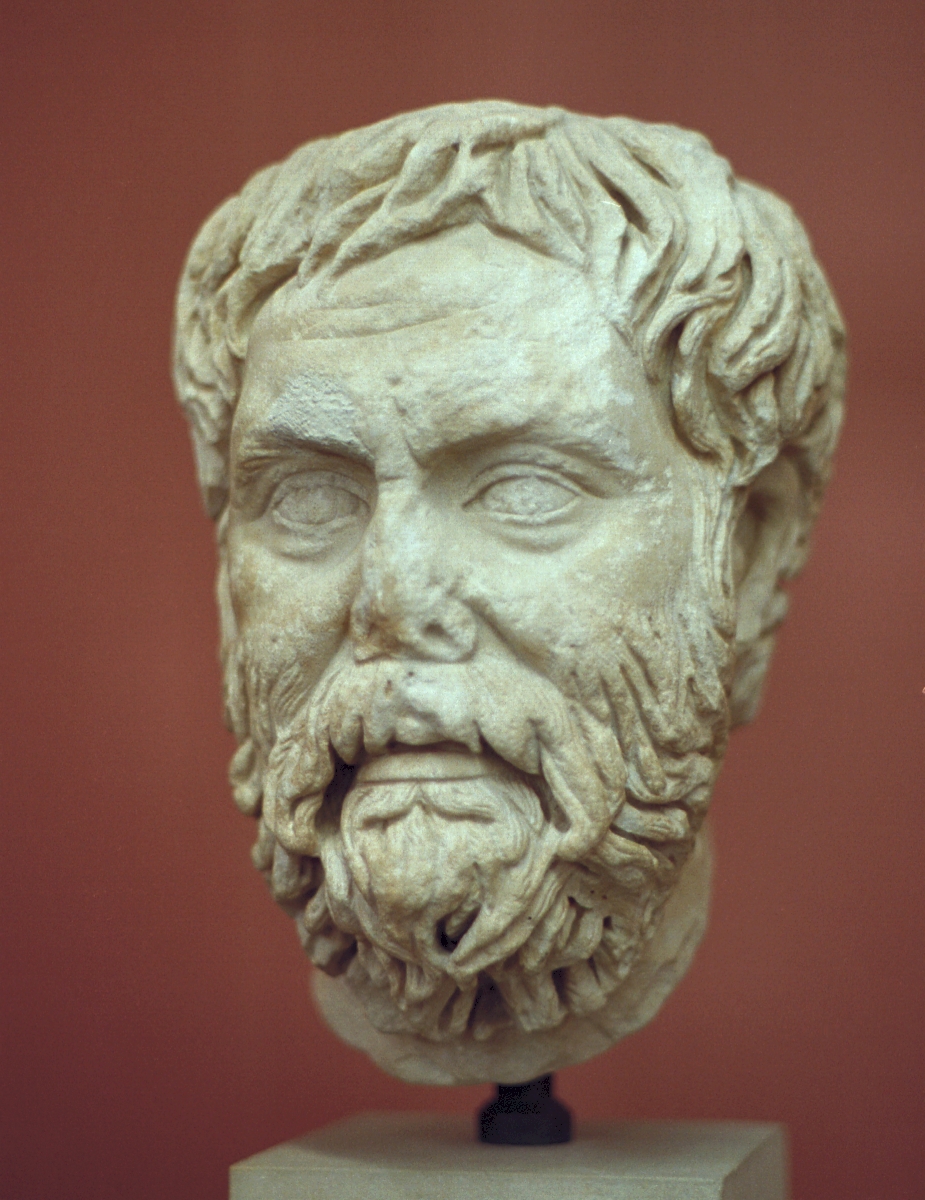
Pyrrho of Elis
360 BCE – 270 BCE
Elis, Peloponnese
Greek skeptic from Elis whose transmitted way of life joins epoche, aphasia, ataraxia, appearances, non-assertion, Anaxarchus, eastern travel traditions, Timon, Aenesidemus, Sextus Empiricus, and the Pyrrhonian challenge to dogmatic knowledge.
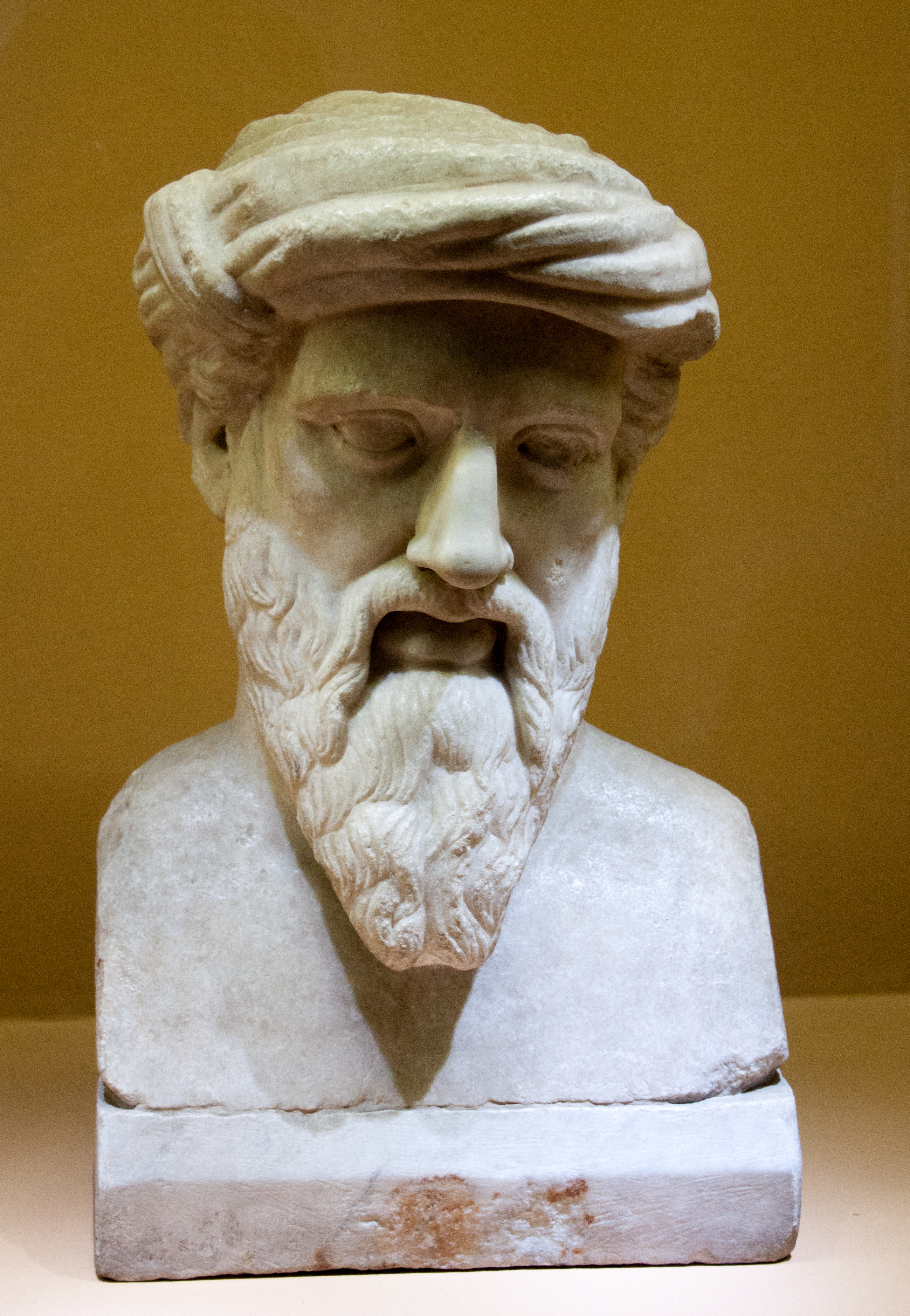
Pythagoras of Samos
570 BCE – 495 BCE
Samos
Samian founder of the Pythagorean way of life whose testimonial profile joins number metaphysics, harmony, tetractys, metempsychosis, purification, communal discipline, Croton, Samos, mathematics, harmonics, and later ancient reception.
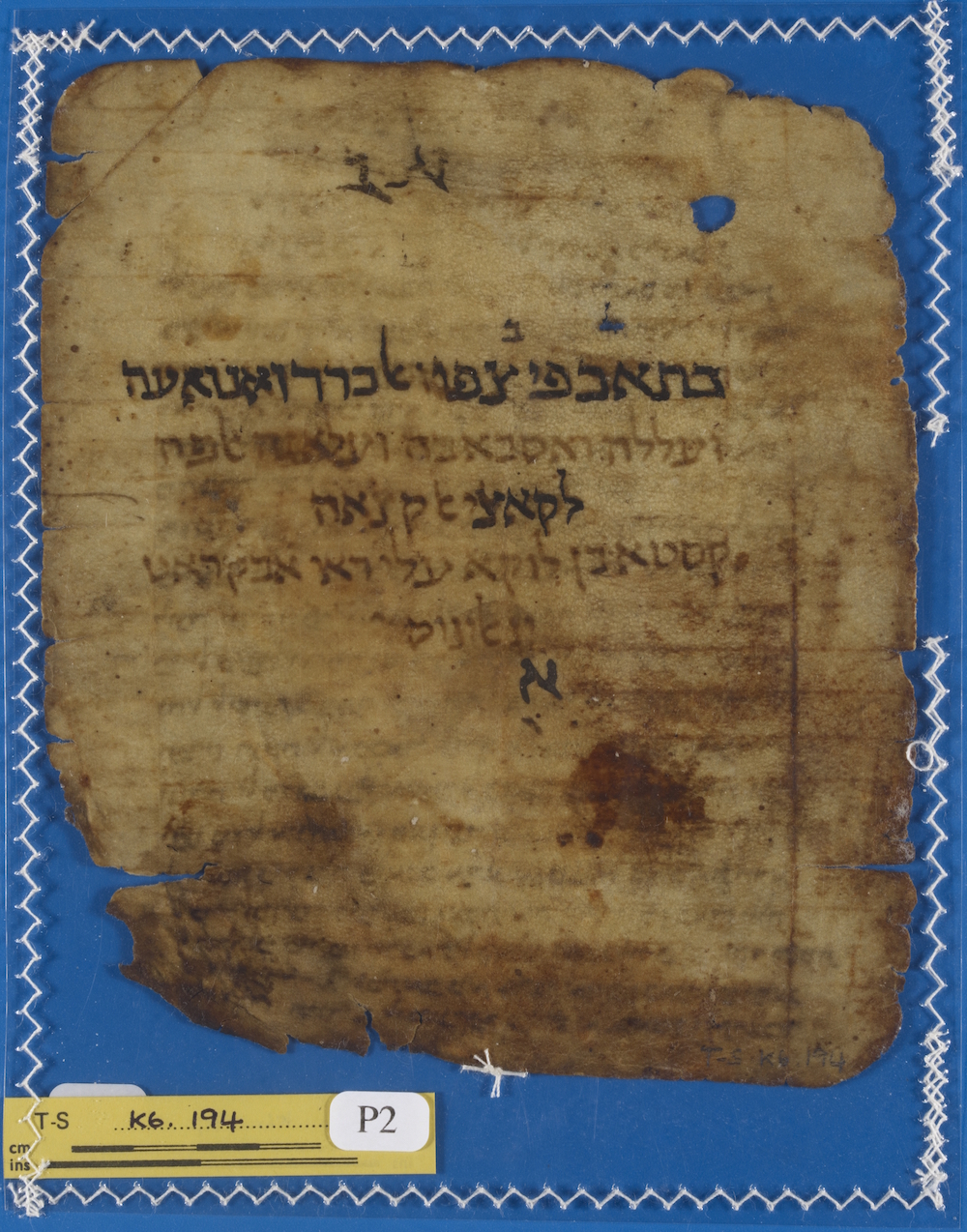
Qusta ibn Luqa
820 CE – 912 CE
Baalbek (Heliopolis)
Christian Arabic polymath and translator from Baalbek whose work joins medicine, mathematics, astronomy, mechanics, spirit-soul psychology, classification of sciences, and Latin scholastic reception.
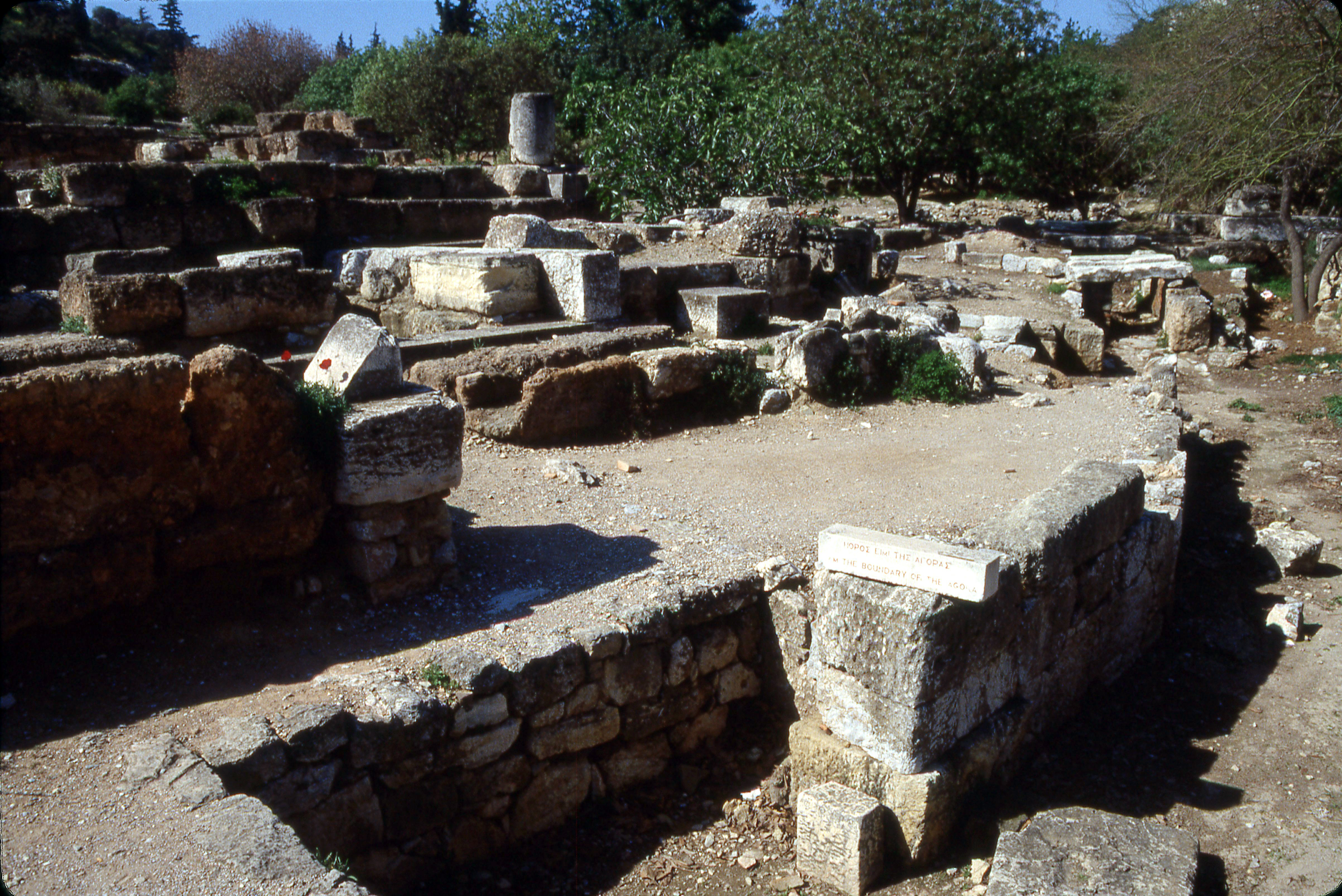
Simon the Shoemaker
470 BCE – 399 BCE
Athens (Attica)
Athenian Socratic shoemaker remembered for workshop conversations, craft ethics, free speech, and a lost one-volume set of shoemaker dialogues.
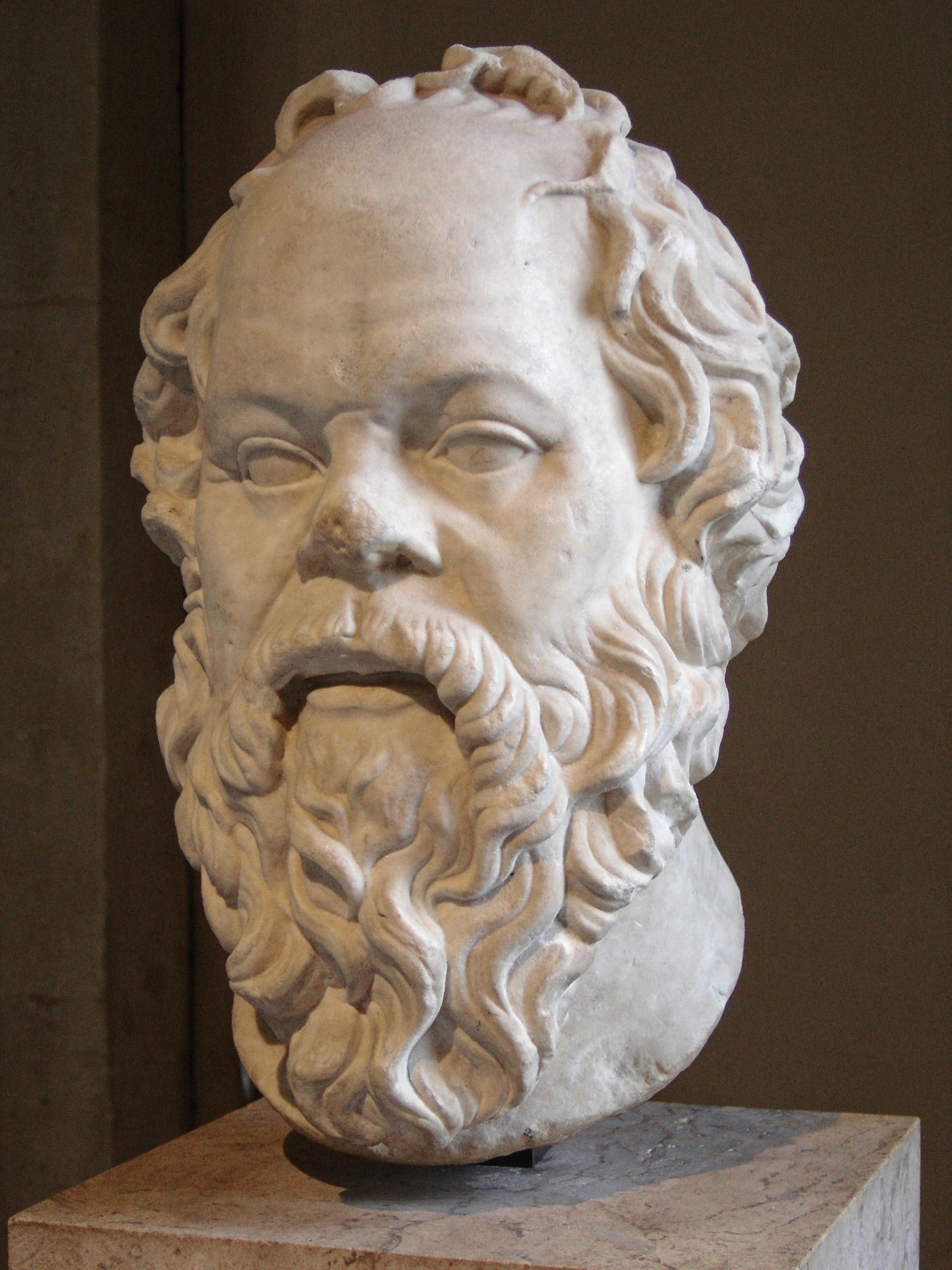
Socrates
470 BCE – 399 BCE
Alopece, Athens
Ancient Athenian philosopher whose public examination, care of the soul, ethical courage, piety inquiry, and trial shaped the Socratic tradition and classical philosophy.
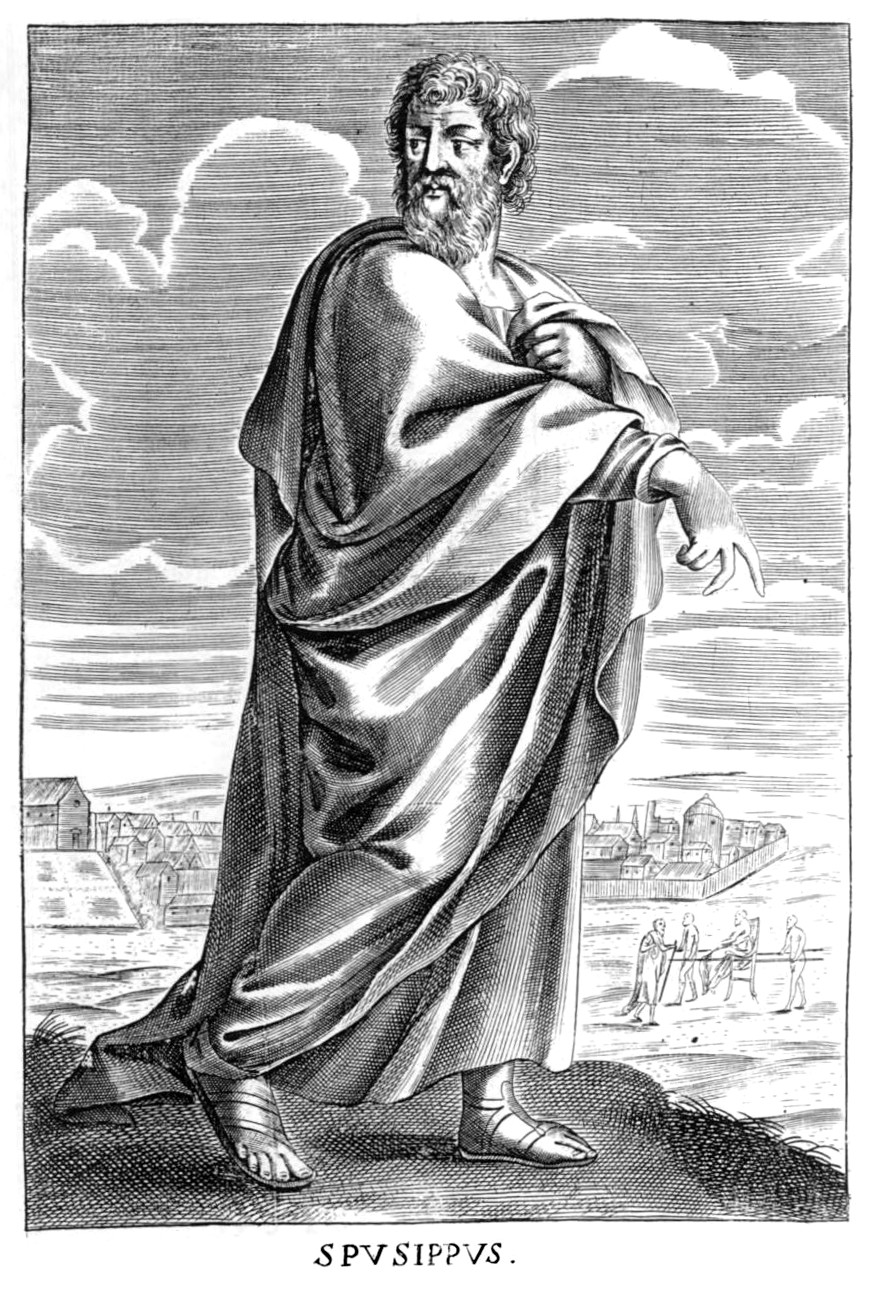
Speusippus of Athens
408 BCE – 339 BCE
Athens (Attica)
Old Academy philosopher, Plato's nephew, and successor as scholarch, whose lost titles and testimonia join first principles, classification, genera, species, number, soul, ethics, politics, definitions, and Academy succession.
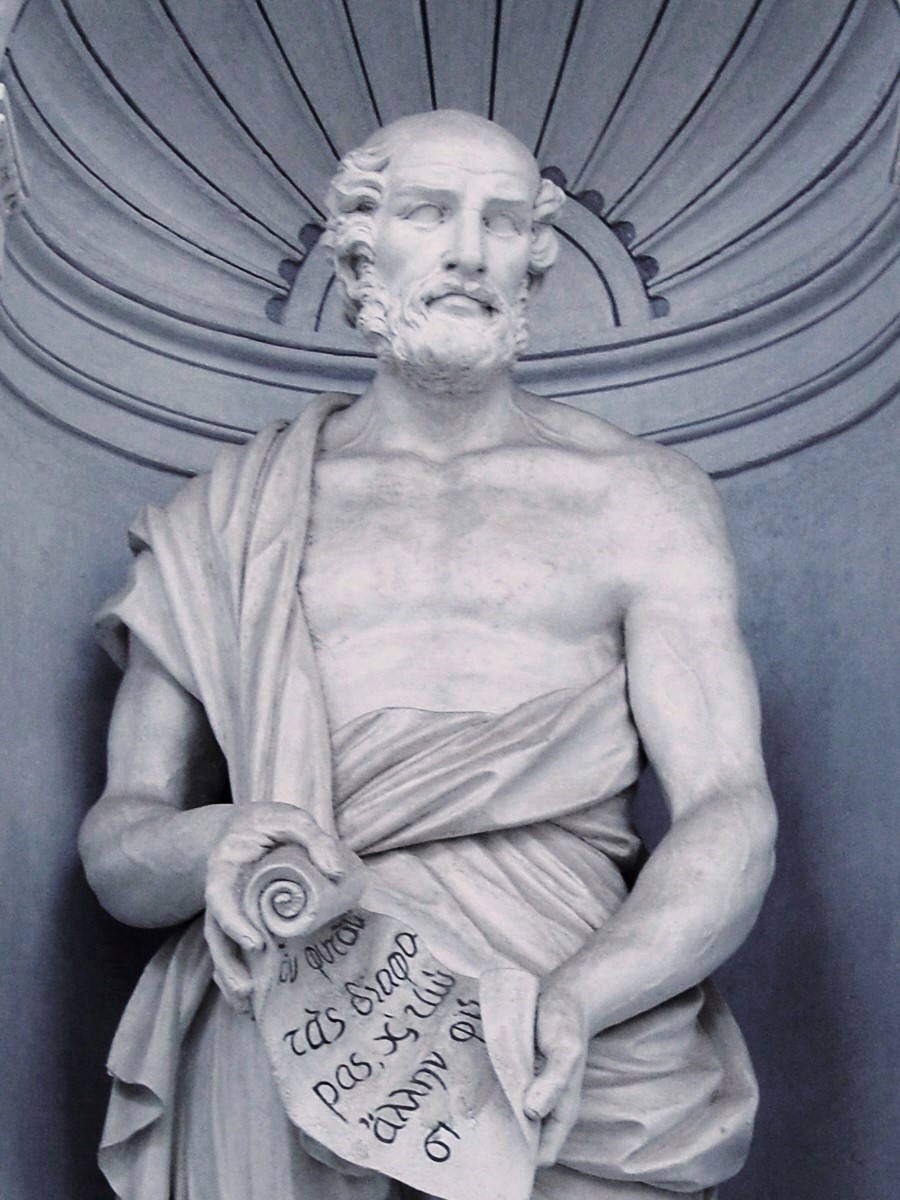
Theophrastus of Eresus
371 BCE – 287 BCE
Eresos, Lesbos
Peripatetic philosopher from Eresos, Aristotle successor at the Lyceum, botanical classifier, natural scientist, logician, rhetorician, character writer, and major doxographical source for earlier Greek philosophy.
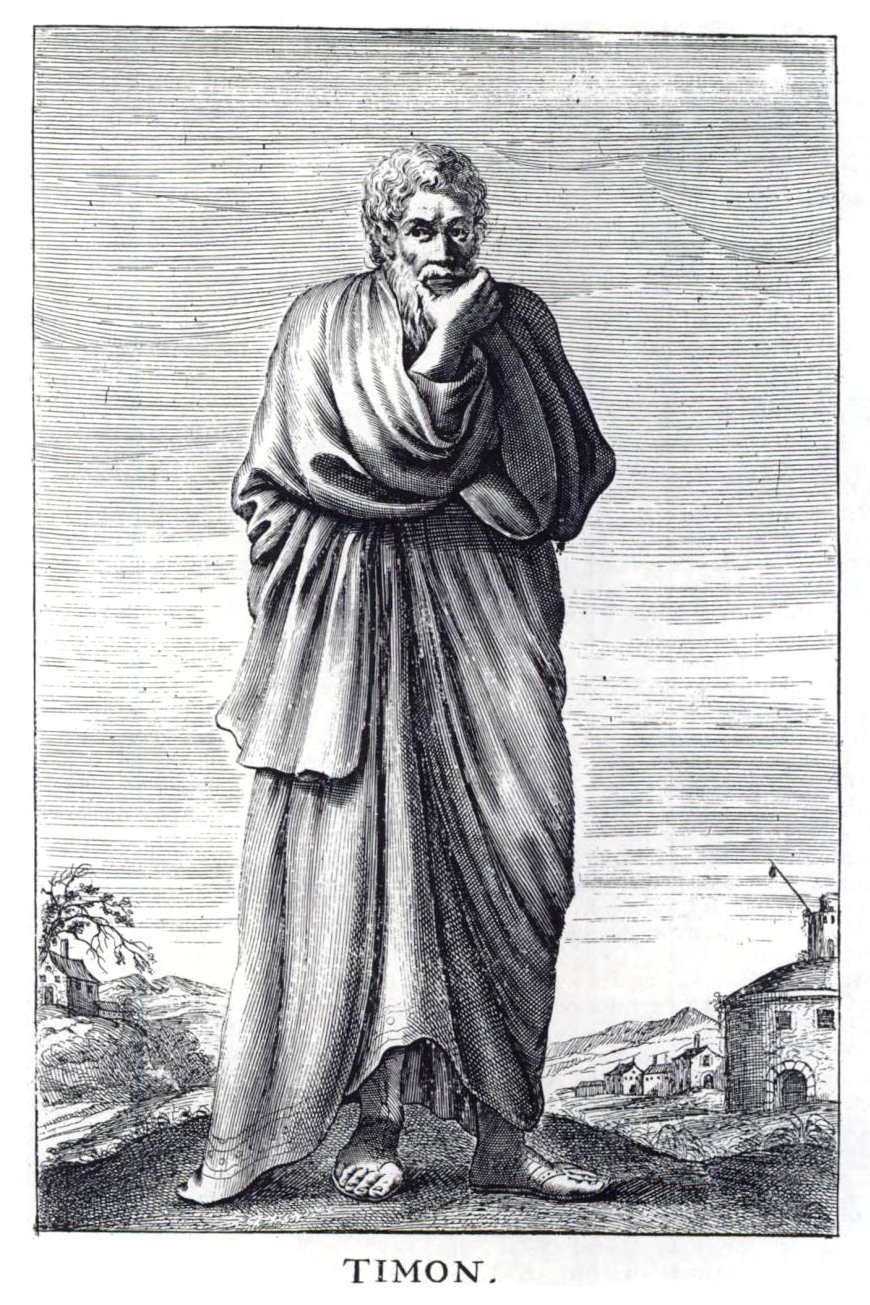
Timon of Phlius
320 BCE – 230 BCE
Phlius (Peloponnese)
Greek Pyrrhonist philosopher and satirical poet from Phlius whose Silloi, Indalmoi, and prose works preserved Pyrrho's skeptical ideal while attacking dogmatic philosophers.
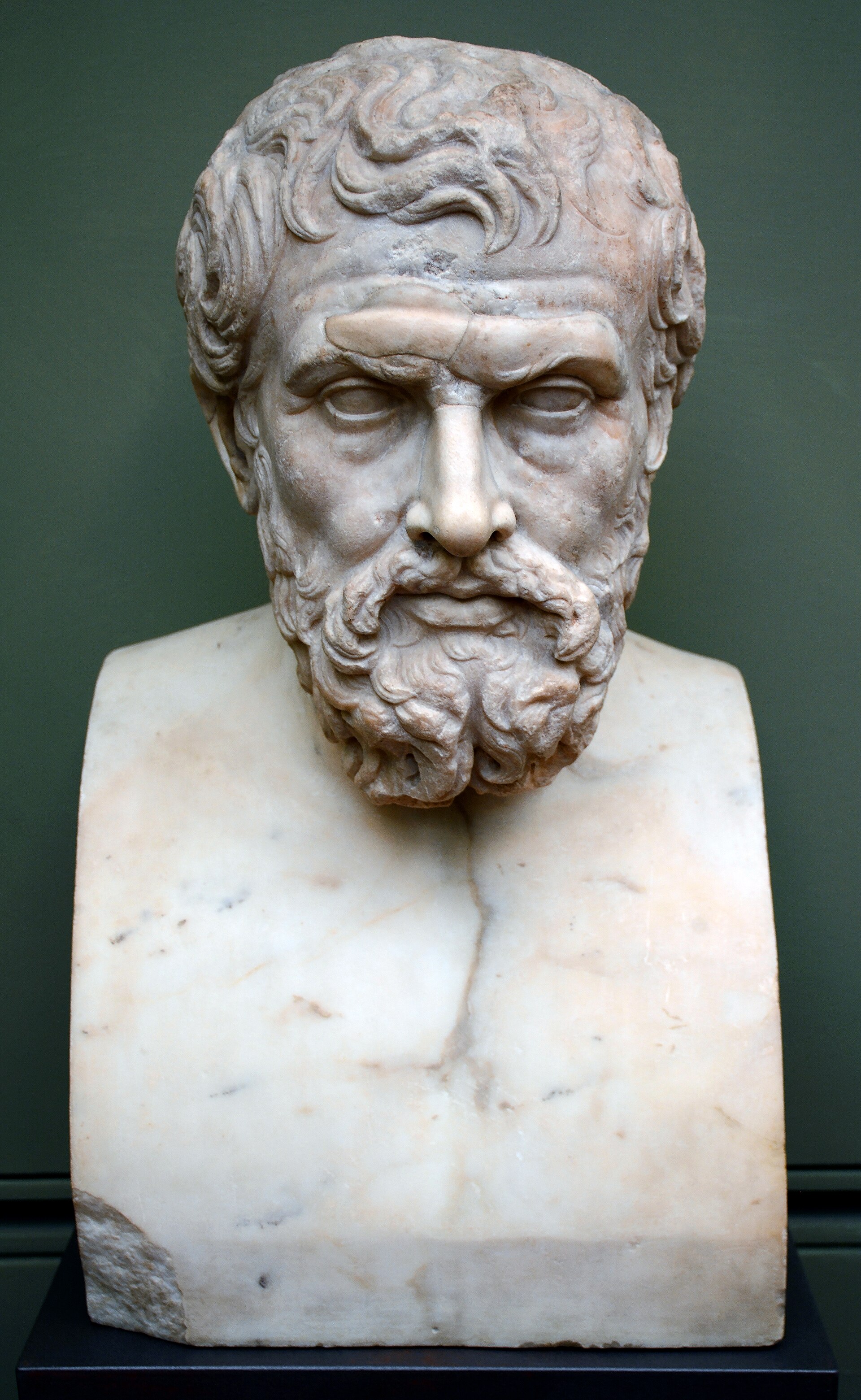
Xenocrates of Chalcedon
396 BCE – 314 BCE
Chalcedon, Bithynia; now Kadikoy, Istanbul
Greek Academic philosopher who systematized Plato through formal numbers, the One and Indeterminate Dyad, demonology, and the tripartite division of philosophy.
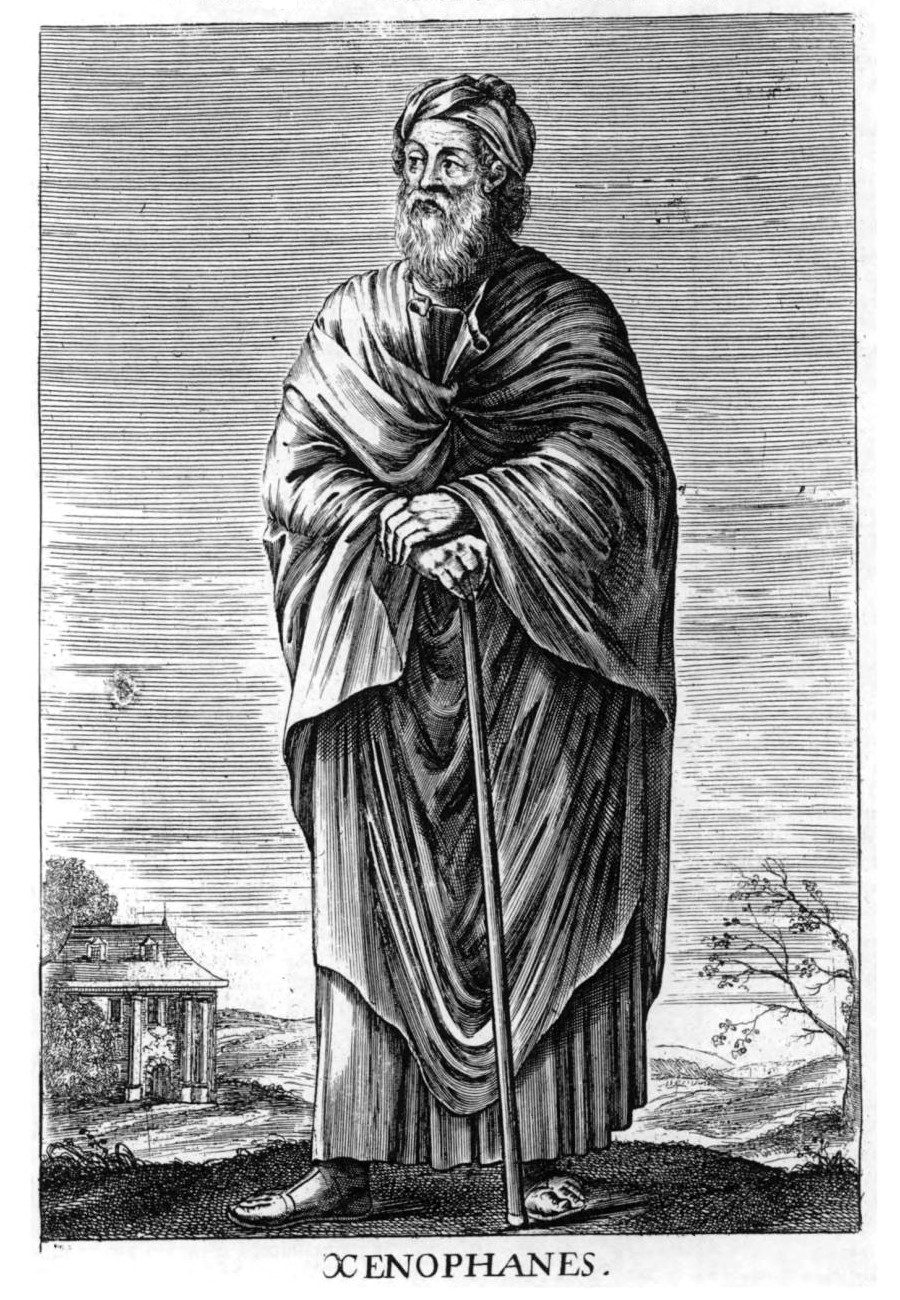
Xenophanes of Colophon
570 BCE – 478 BCE
Colophon, Ionia; near modern Izmir Province, Turkey
Ionian Greek poet-philosopher whose fragments criticize anthropomorphic gods, defend rational theology, and pair naturalistic explanation with epistemic humility.
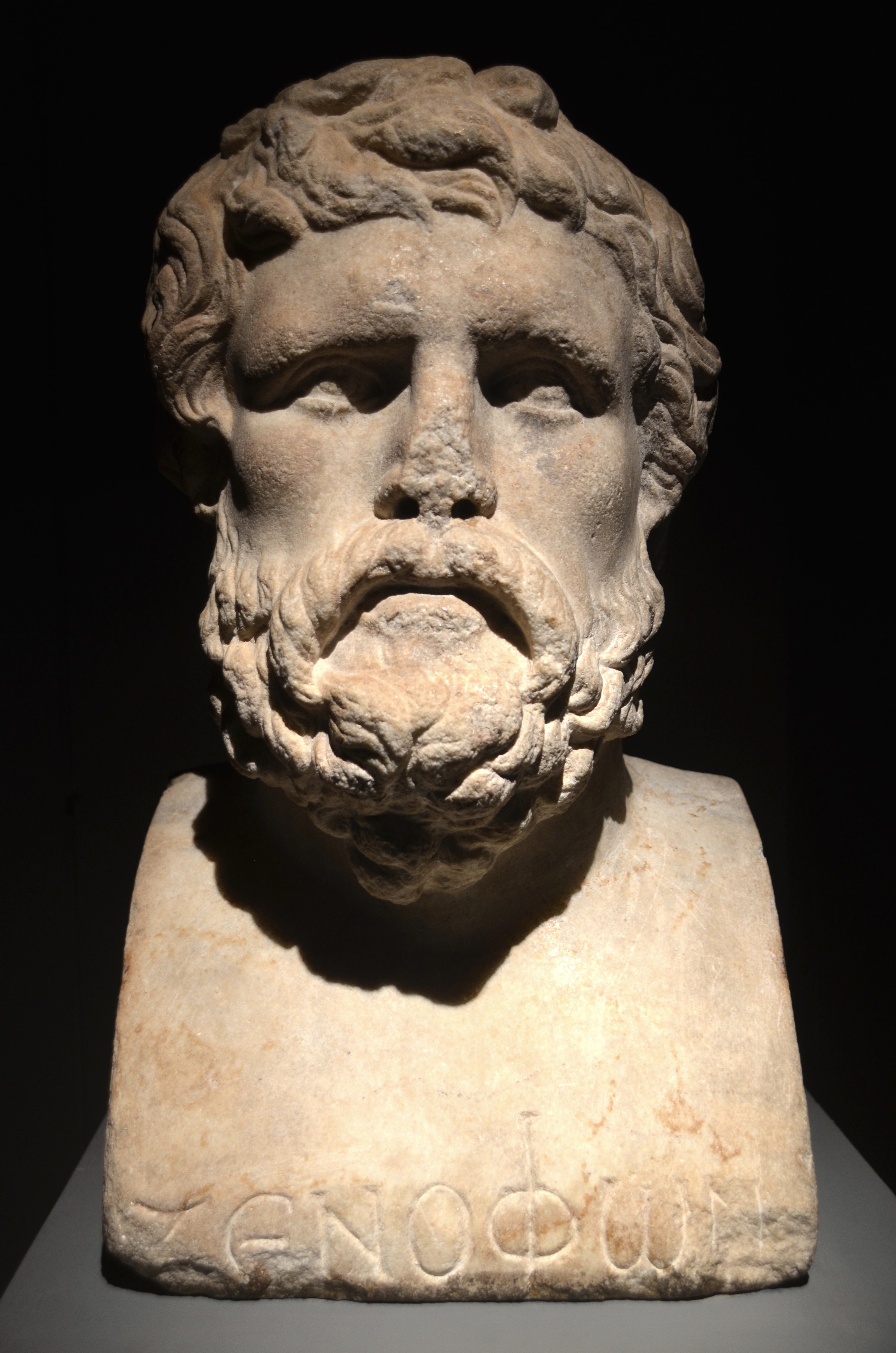
Xenophon of Athens
430 BCE – 354 BCE
Athens, Attica; Erchia deme tradition noted
Cistercian monk, abbot of Socratic, and medieval Christian philosopher-theologian whose theology of love, humility, grace, free choice, mystical ascent, monastic ethics, scriptural exegesis, and ecclesial counsel shaped scholastic, monastic, and political theology.
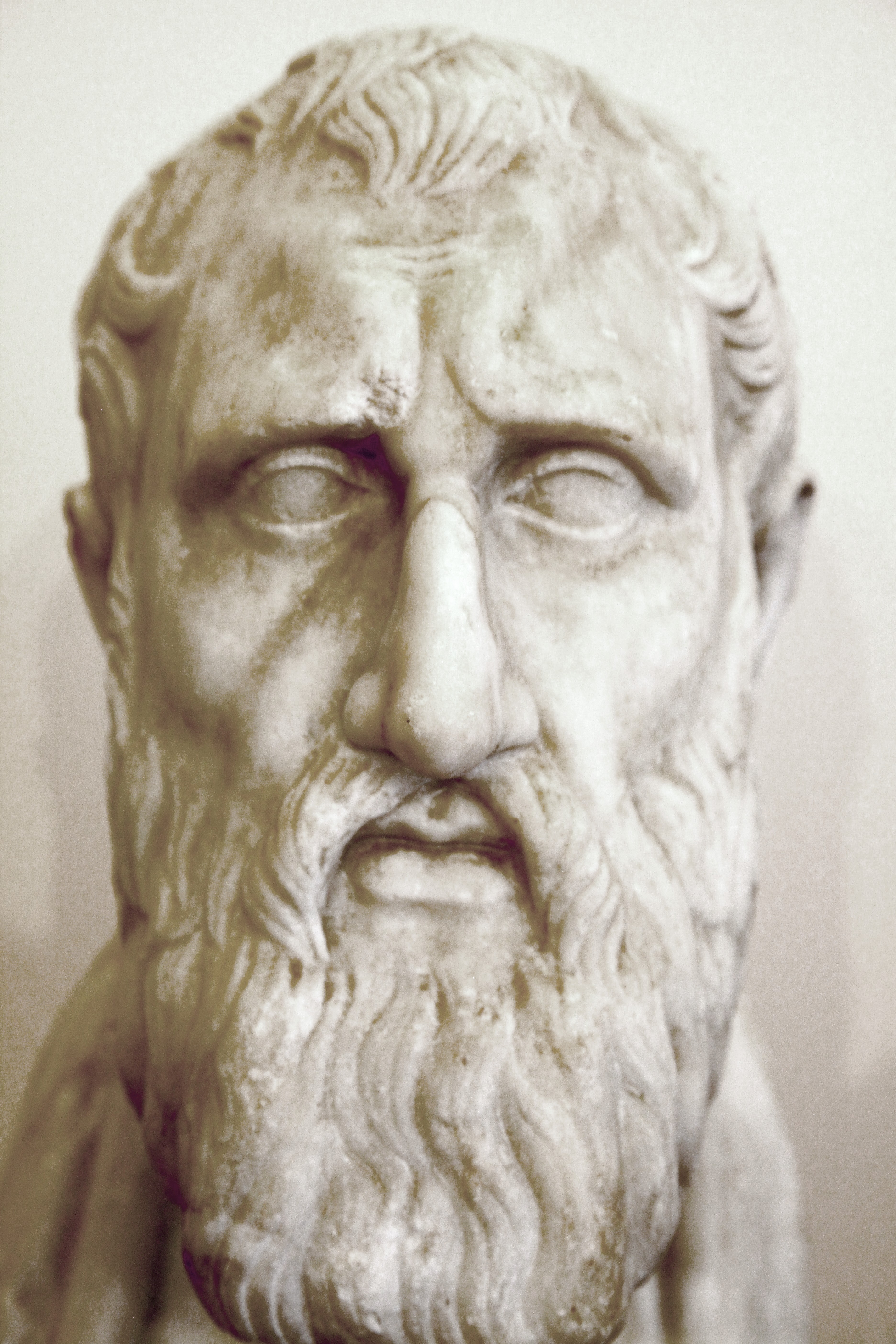
Zeno of Citium
334 BCE – 262 BCE
Citium / Kition, Cyprus; Greek city with Phoenician colony context
Cistercian monk, abbot of Stoic, and medieval Christian philosopher-theologian whose theology of love, humility, grace, free choice, mystical ascent, monastic ethics, scriptural exegesis, and ecclesial counsel shaped scholastic, monastic, and political theology.
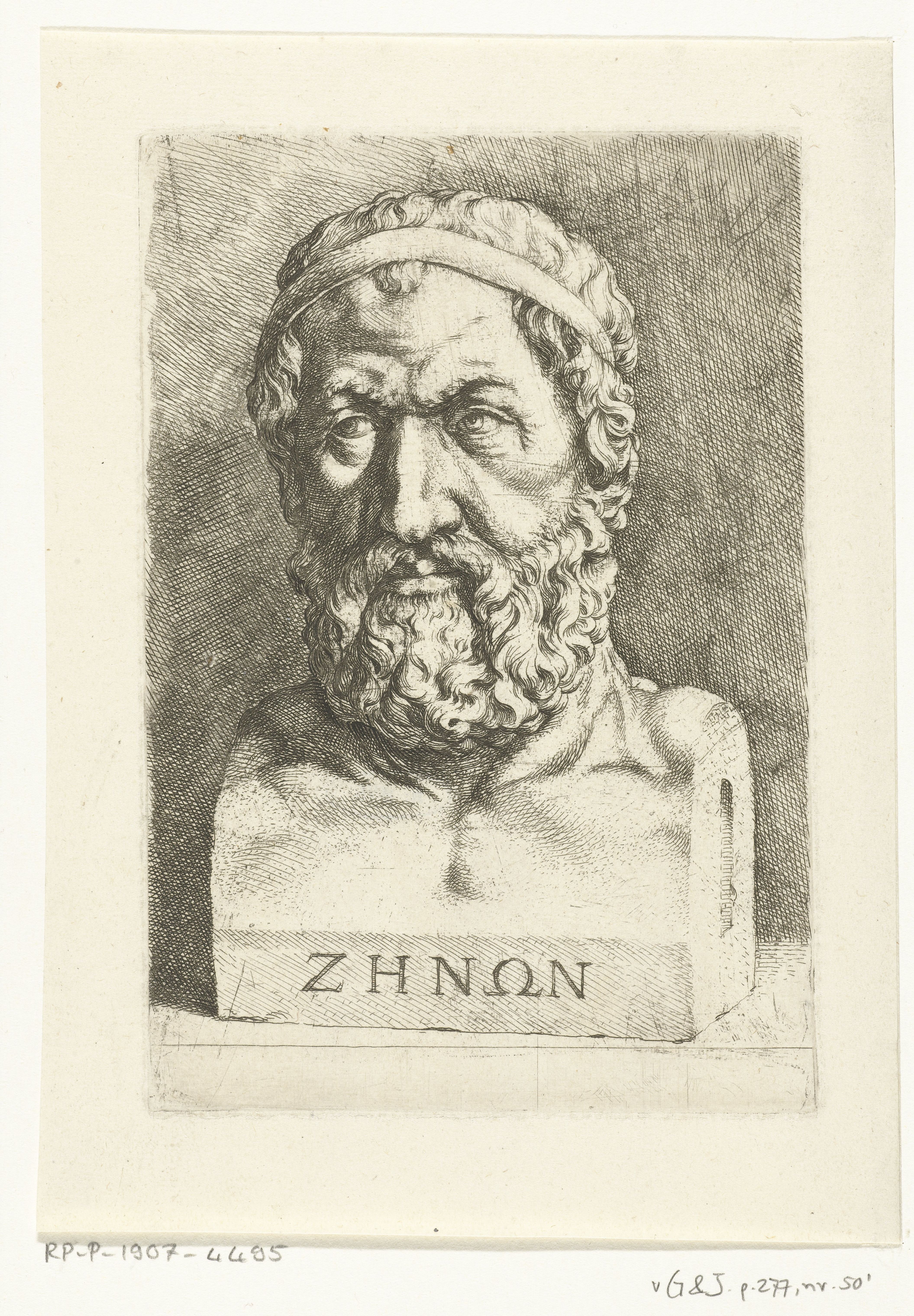
Zeno of Elea
490 BCE – 430 BCE
Elea (Velia), Lucania, Magna Graecia; now Campania, Italy
Cistercian monk, abbot of Eleatic, and medieval Christian philosopher-theologian whose theology of love, humility, grace, free choice, mystical ascent, monastic ethics, scriptural exegesis, and ecclesial counsel shaped scholastic, monastic, and political theology.