India and Central Asia
Terra Regions
Browse the narrower terra-region surfaces inside this terra avita.
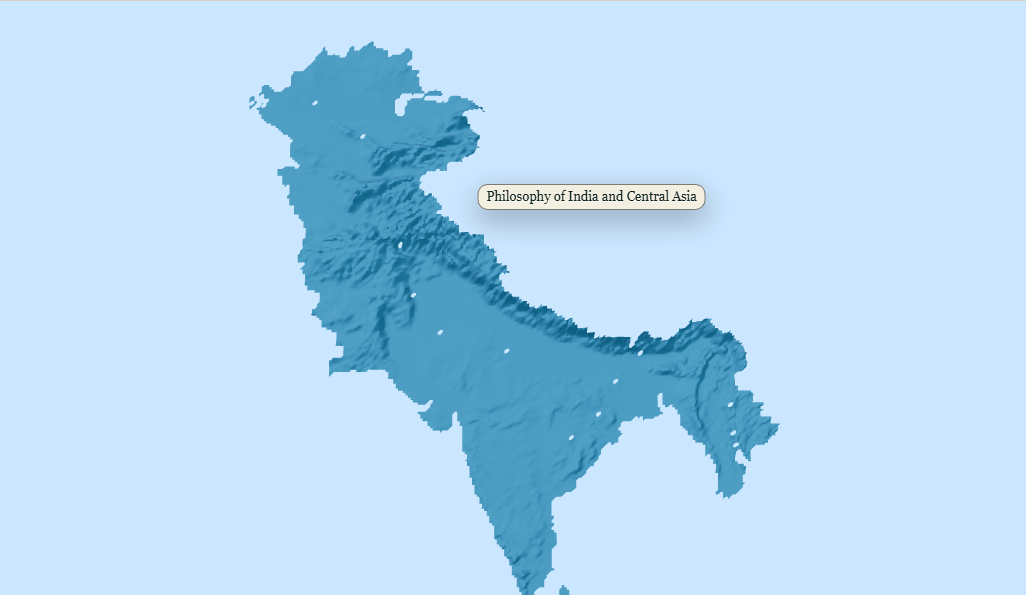
Philosophers of India and Central Asia
Showing 41 of 41 philosophers.
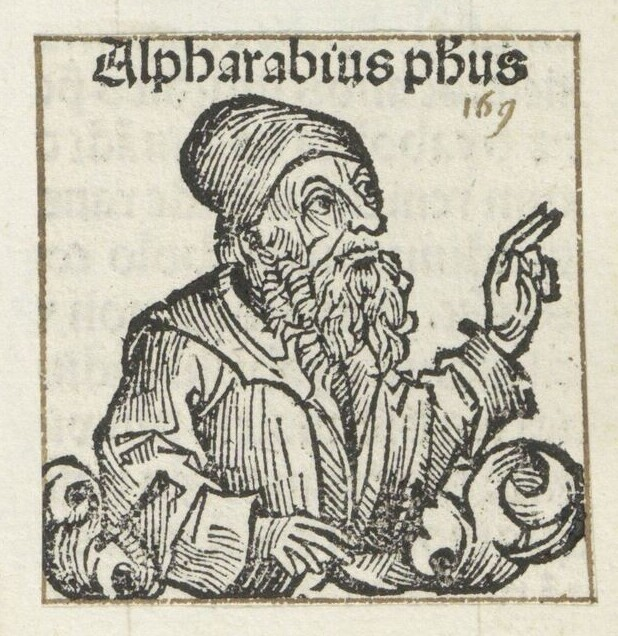
Abu Nasr al-Farabi
872 CE – 950 CE
Farab (Otrar), Transoxiana
Persian (Farab) philosopher from Farab (Otrar) associated with metaphysics, epistemology, and logic.
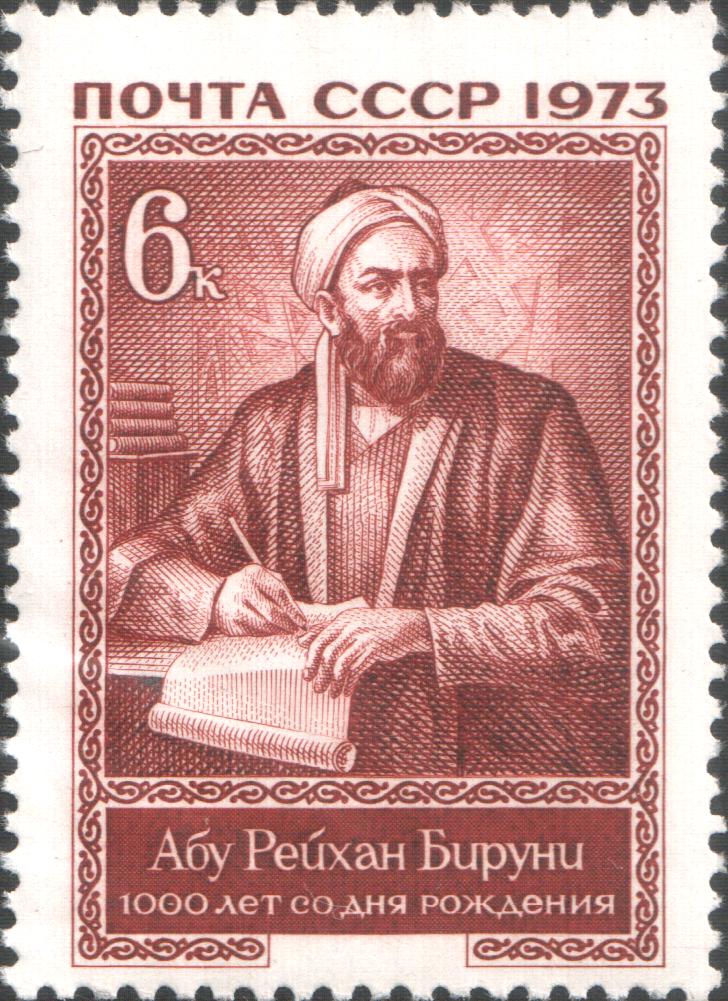
Abu Rayhan al-Biruni
973 CE – 1048 CE
Kath (Khwarezm)
Khwarezmian Persian polymath whose mathematical astronomy, geodesy, chronology, comparative study of India, mineralogy, pharmacology, and scientific method shaped medieval Islamic and cross-cultural philosophy of science.
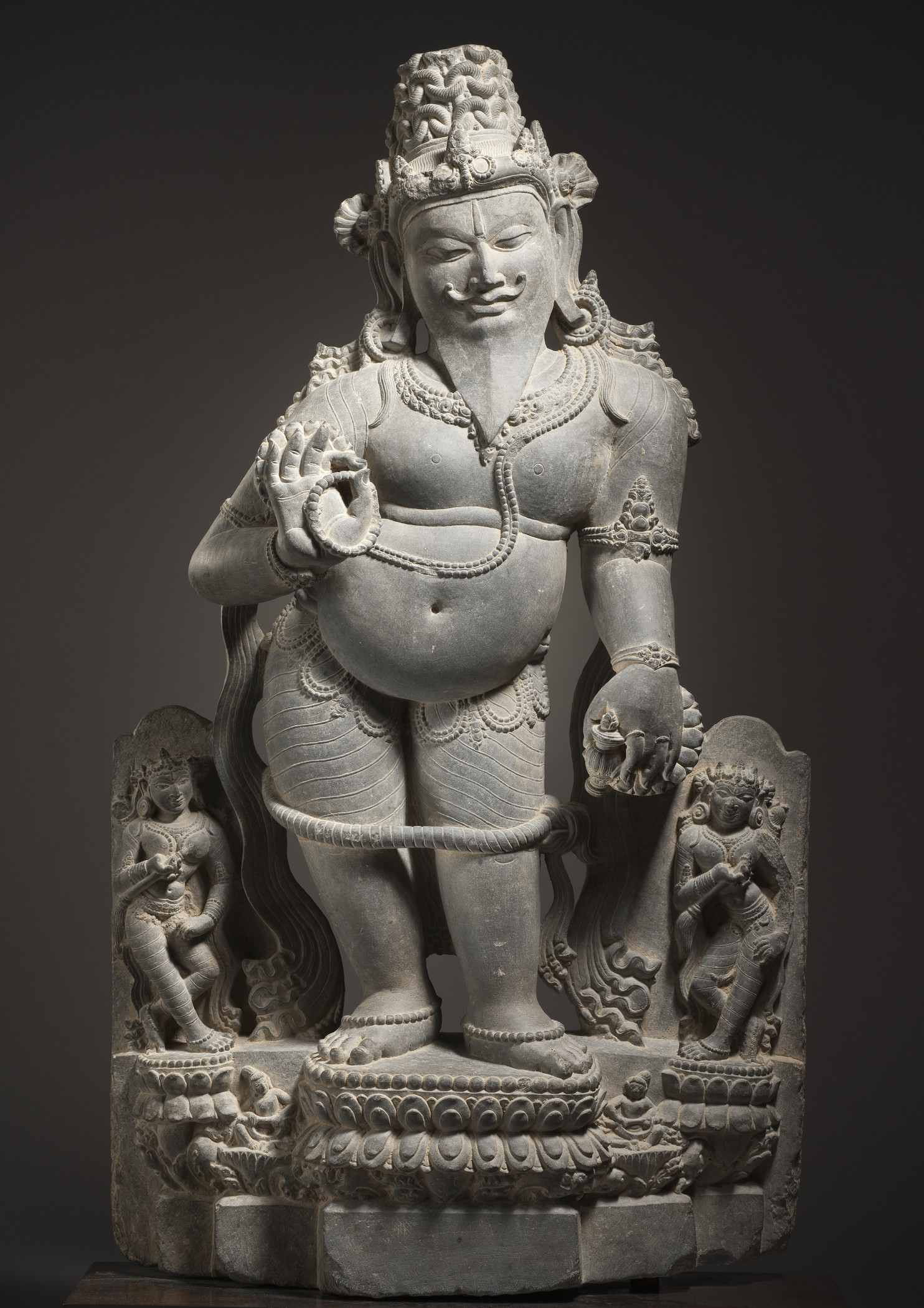
Agastya
1500 BCE – 1200 BCE
Southern peninsular India (traditional)
Vedic and pan-Indian sage whose broad tradition links hymnic authority, ascetic discipline, grammar, natural knowledge, and religious philosophy.
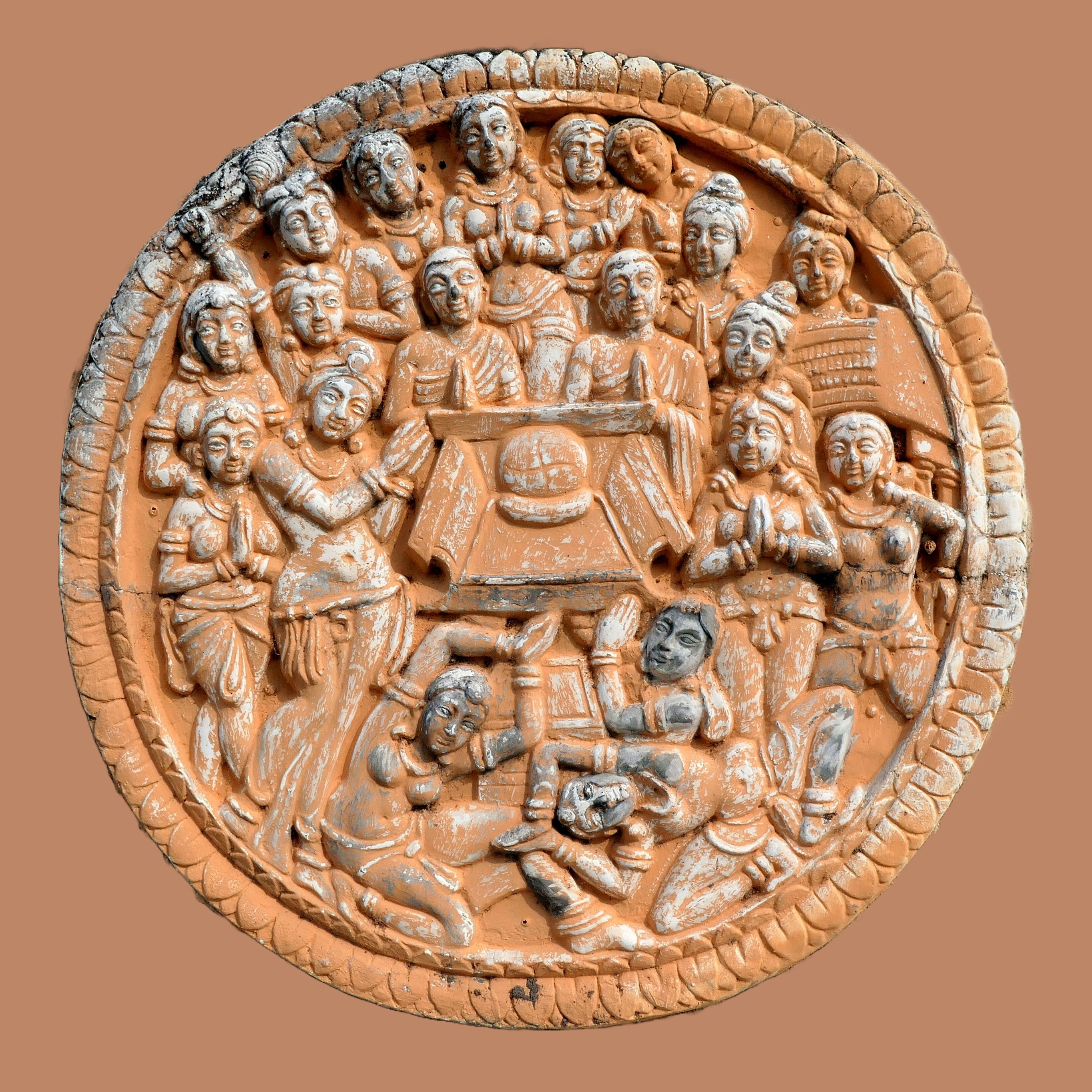
Ajita Keśakambalin
550 BCE – 450 BCE
Magadha region
Magadhan sramana materialist who denied afterlife, karmic fruit, ritual efficacy, and a soul separable from the body.
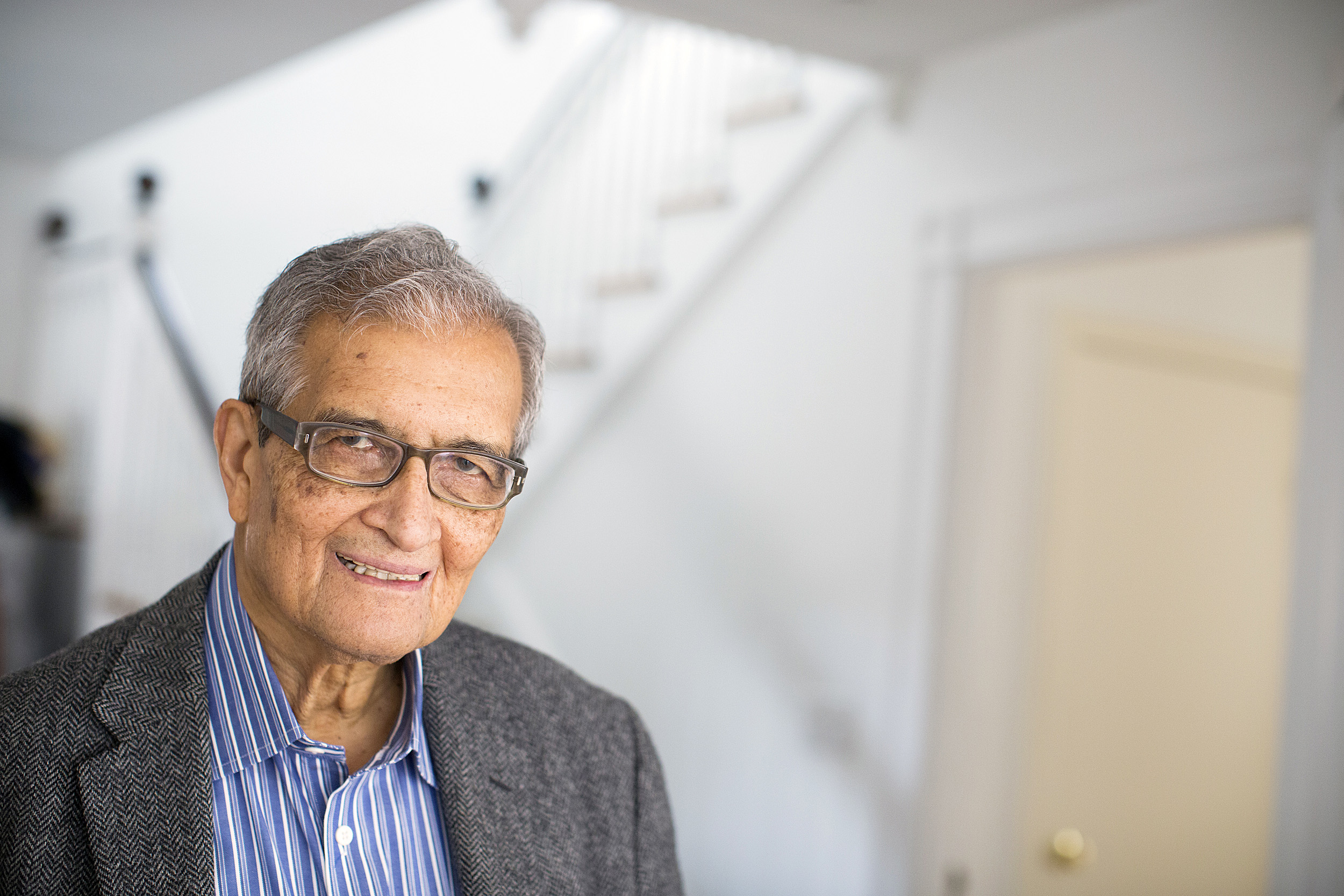
Amartya Sen
1933 CE
Santiniketan (West Bengal)
Indian philosopher-economist from Santiniketan whose social-choice theory, capability approach, famine analysis, public reasoning, and theory of justice reshaped ethics, welfare economics, development, democracy, and global political philosophy.
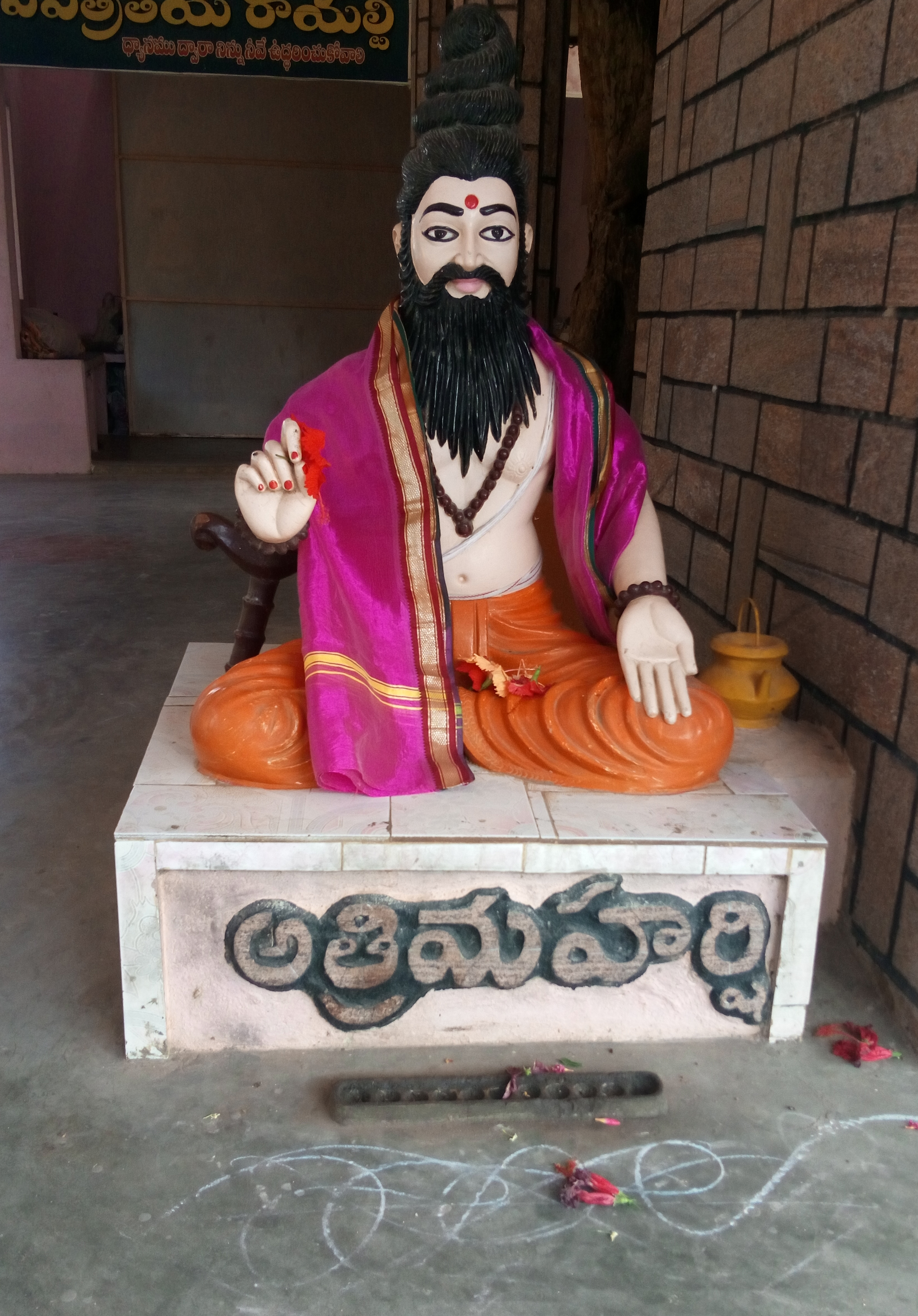
Atri
1500 BCE – 1200 BCE
Indo-Gangetic region (Vedic heartland)
Vedic rishi and Atreya-lineage seer associated with Rigveda Mandala 5 whose hymns join ritual praise, cosmic order, truth, healing, restraint, compassion, natural observation, and Vedic theology.
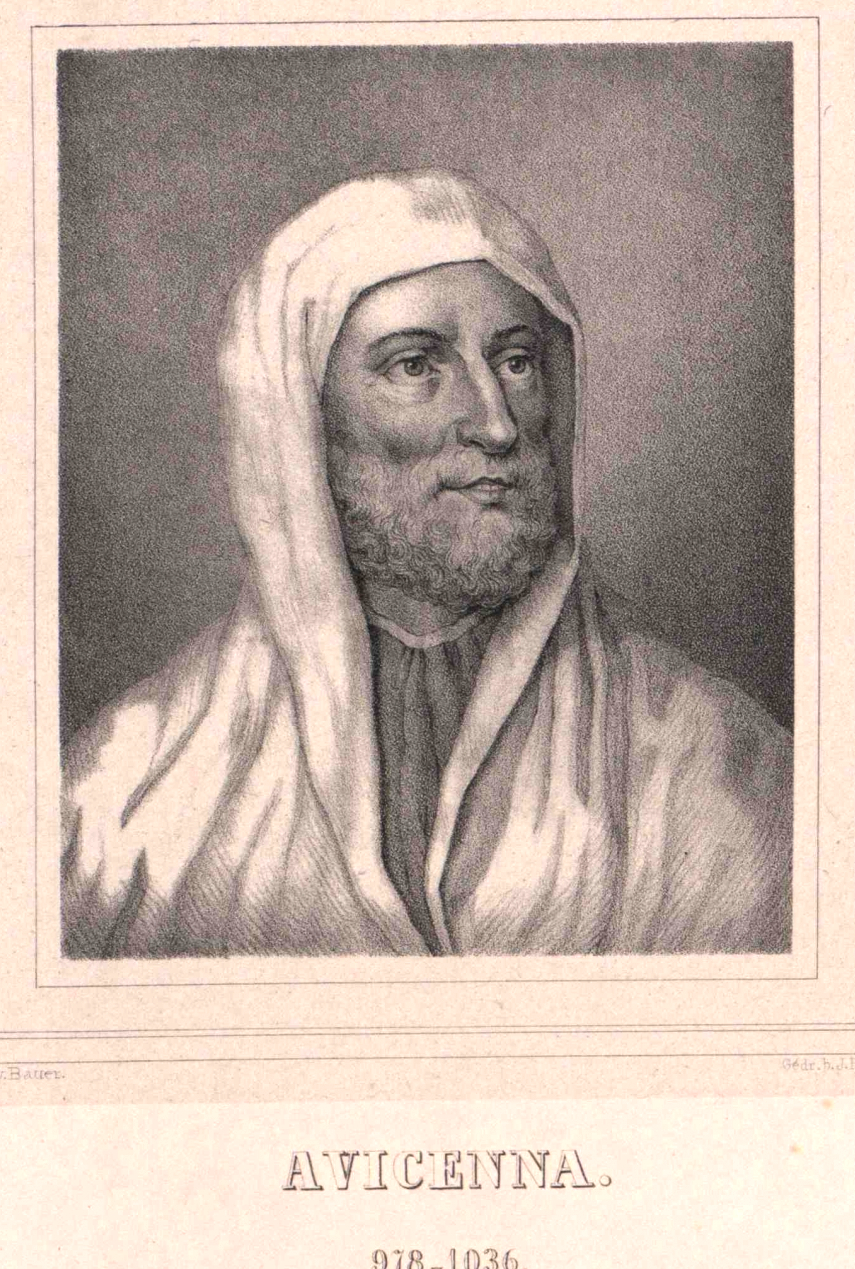
Avicenna
980 CE – 1037 CE
Afshana, near Bukhara
Persian philosopher-physician from Afshana near Bukhara whose system of metaphysics, essence/existence distinction, psychology, logic, medicine, natural philosophy, prophecy theory, and proof of the Necessary Existent shaped Islamic, Jewish, Latin scholastic, and early modern thought.
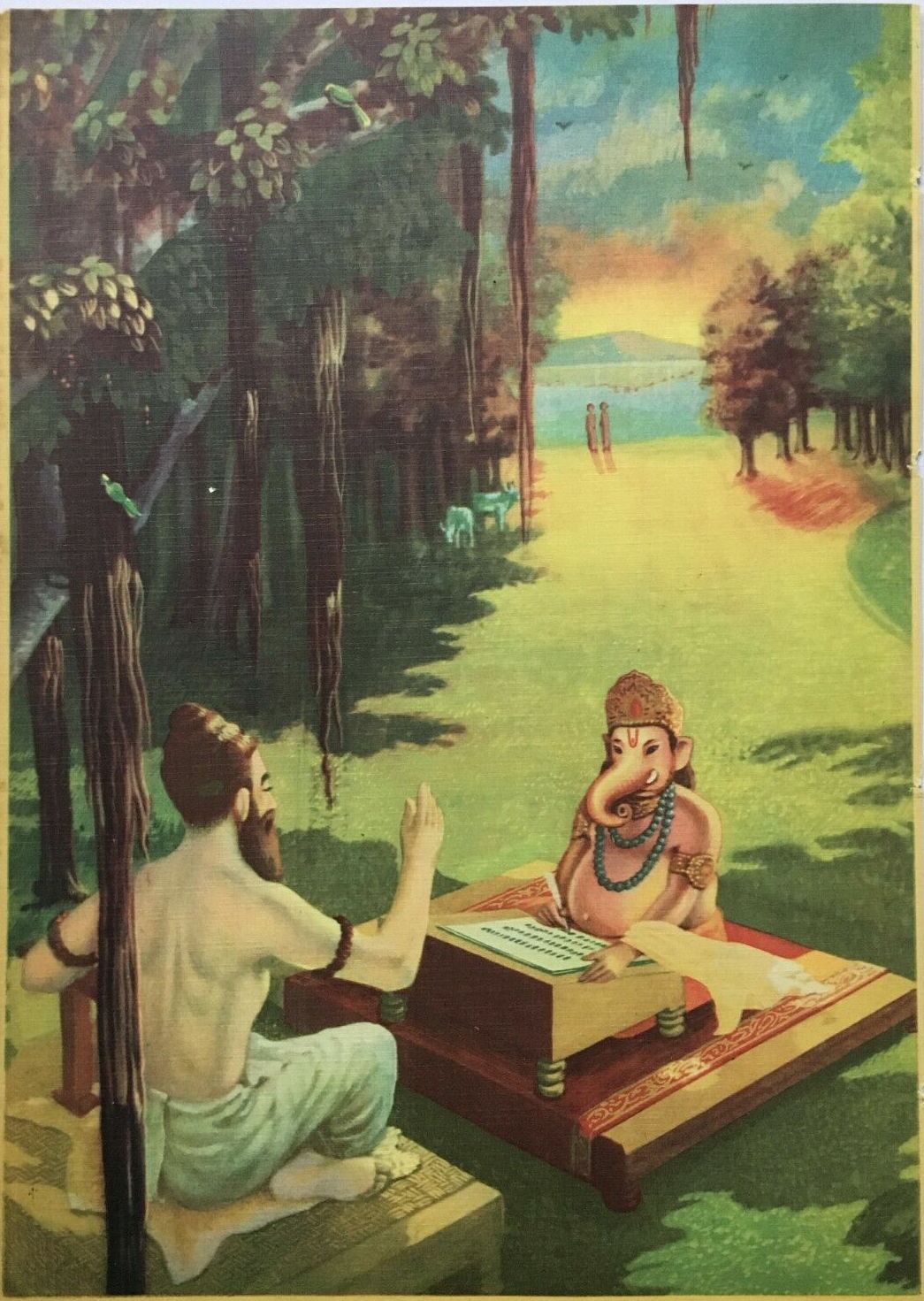
Bādarāyaṇa (Vyāsa)
500 BCE – 420 BCE
Indo-Gangetic region (traditional)
Indian sage-philosopher traditionally identified with Vyāsa and Bādarāyaṇa, linked to Vedānta, the Brahma Sūtras, epic philosophical teaching, Brahman, self, liberation, scripture, reason, and the metaphysical interpretation of Vedic revelation.
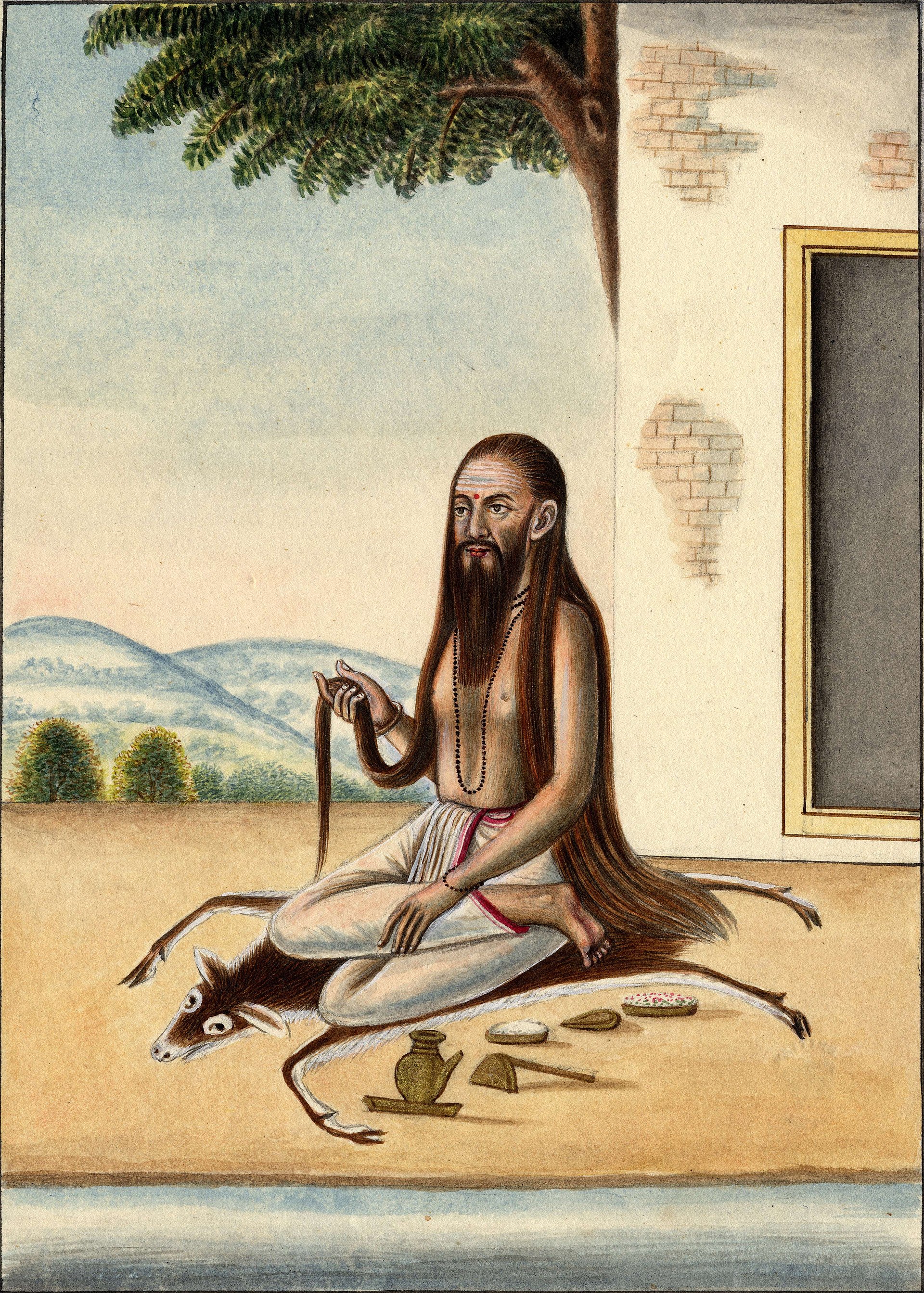
Bharadvāja
1280 BCE – 1200 BCE
Indo-Gangetic region (traditional)
Vedic rishi and Bharadvāja-family seer associated with Rigveda Mandala 6 whose hymns to Agni, Indra, Sarasvatī, Pūṣan, the Aśvins, dawn, cosmic order, and ritual power shaped Vedic theology, sacred speech, sacrificial ethics, poetic knowledge, and early Indian philosophy of religion.
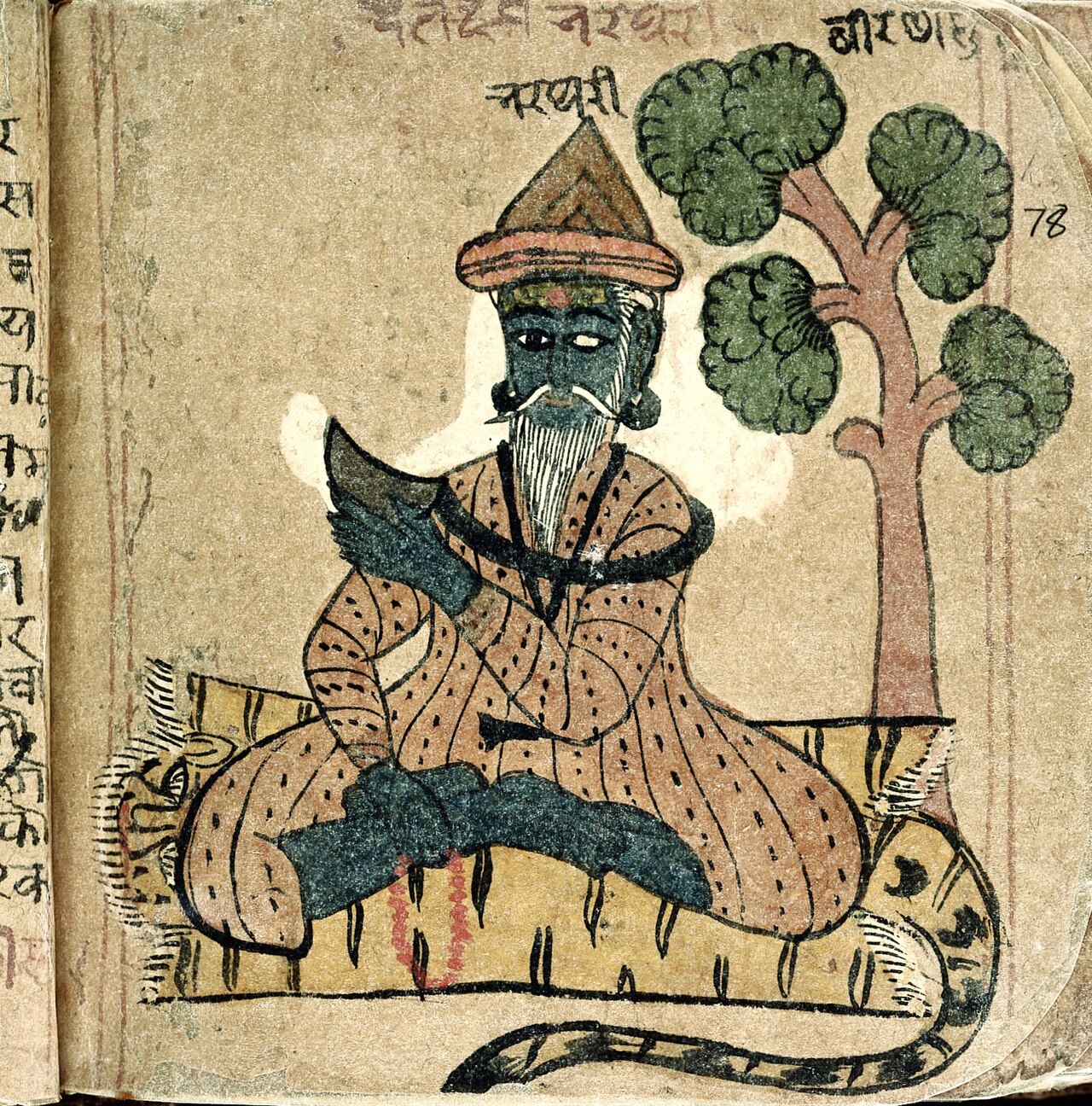
Bhartṛhari
450 CE – 510 CE
Ujjayinī region (Malwa)
Indian grammarian-philosopher from the Ujjayinī/Malwa tradition whose Vākyapadīya, sphoṭa theory, śabda-brahman metaphysics, sentence-meaning analysis, linguistic cognition, and discipline of speech shaped Sanskrit philosophy of language, ontology, epistemology, logic, and religious thought.
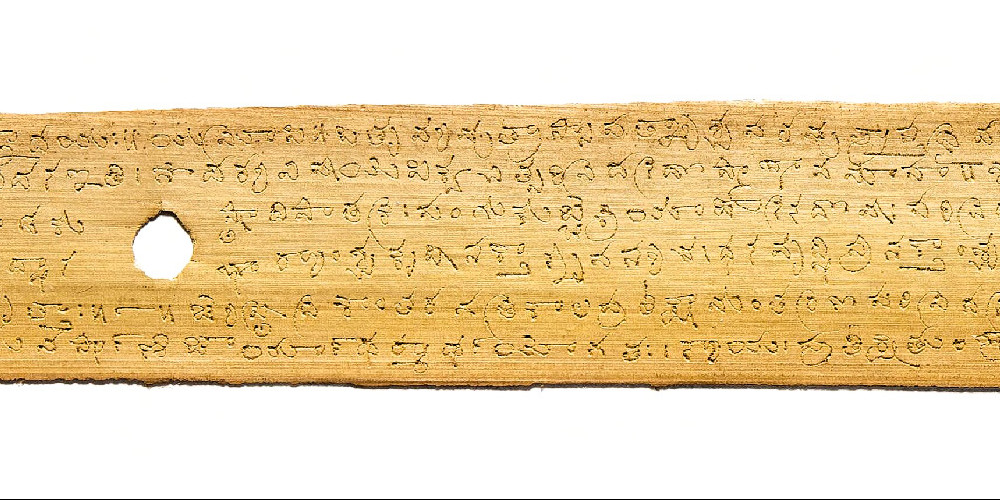
Dīrghatamas Āucathya
1135 BCE – 1065 BCE
Eastern Indo-Gangetic region (Anga tradition)
Rigvedic seer associated with hymns 1.140-1.164, especially the riddle-cosmology of 1.164, where speech, mind, number, divine multiplicity, and hidden order become philosophical poetry.
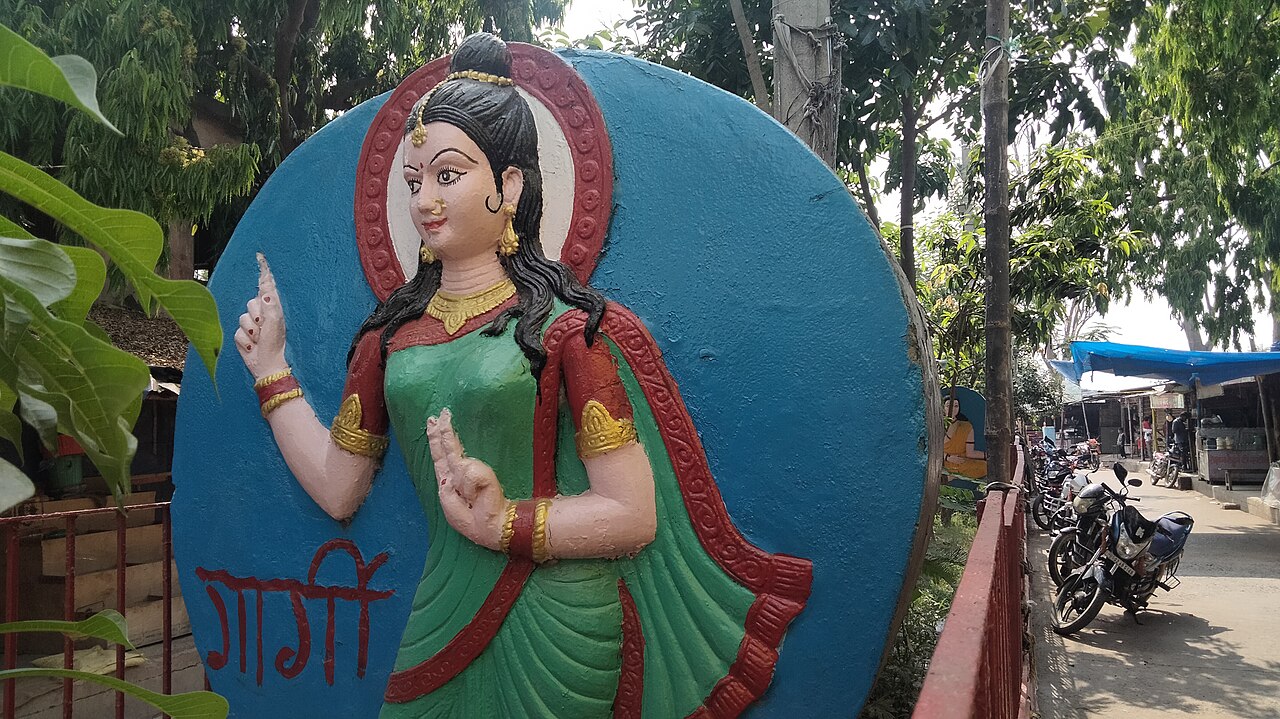
Gārgī Vācaknavī
700 BCE – 600 BCE
Videha / Mithilā region
Early Upanishadic woman philosopher from the Videha-Mithilā setting whose public questions to Yājñavalkya press inquiry toward the imperishable ground of world, speech, and knowledge.
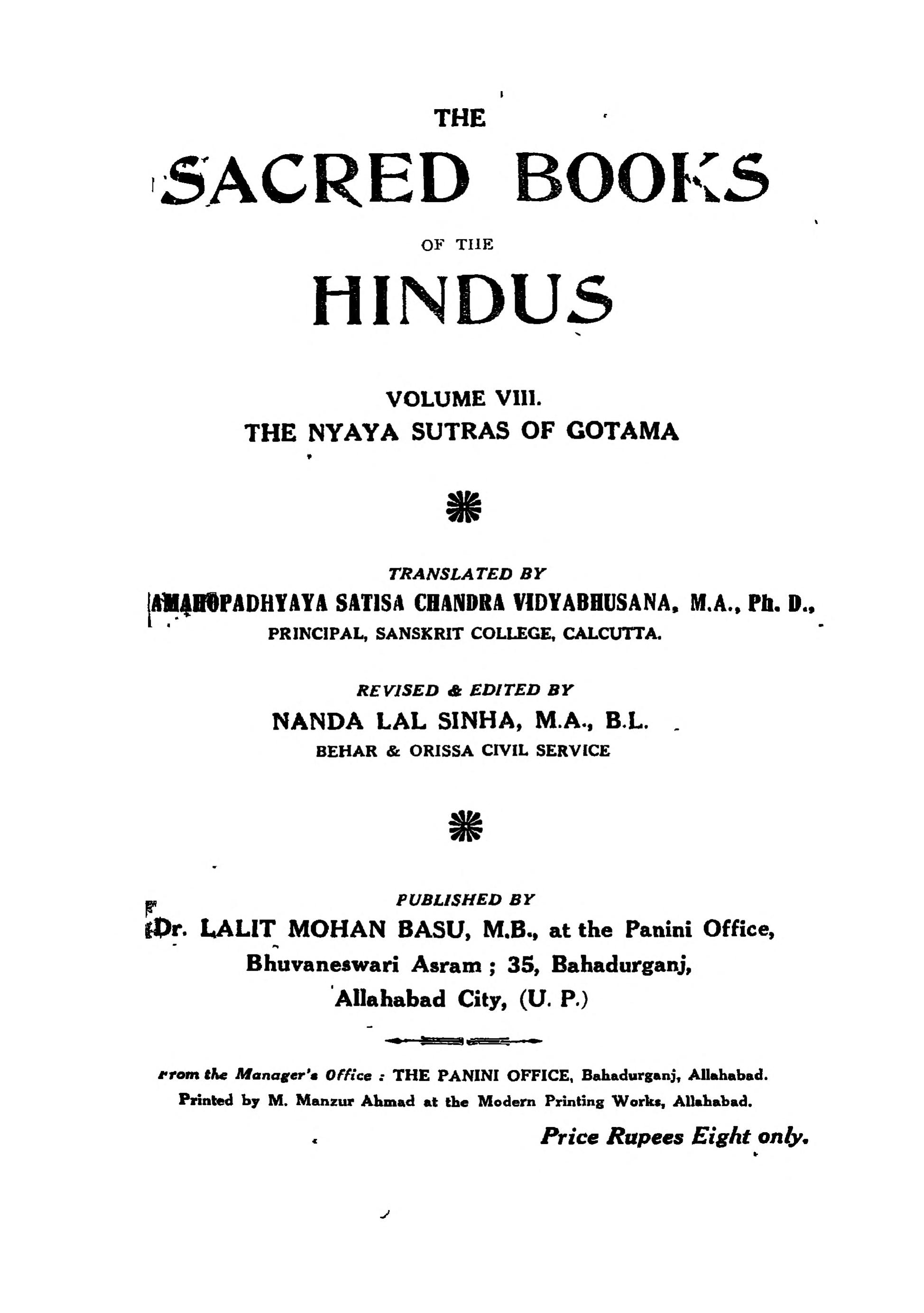
Gautama (Akṣapāda)
200 BCE – 100 BCE
Indo-Gangetic region / early Nyāya milieu
Early Nyāya philosopher traditionally credited with the Nyāya Sūtra, whose analytic program systematized inference, debate, valid knowledge, realist categories, self, error, and liberation.
Gautama (Rāhūgaṇa)
1500 BCE – 1200 BCE
Indo-Gangetic / early Vedic region
Rigvedic seer associated with the Gotama Rāhūgaṇa hymn block, whose transmitted hymns join praise, sacrifice, speech, divine agency, kingship, auspicious life, and cosmic order.

Gṛtsamada
1280 BCE – 1200 BCE
Indo-Gangetic region (Vedic tradition)
Rigvedic seer associated chiefly with the Mandala 2 hymn family, where sacred speech, rta, ritual knowledge, poetic form, and Vedic cosmology meet inside early Indian religious-philosophical reflection.
Īśvarakṛṣṇa
350 CE – 425 CE
probably northern India; exact birthplace unknown
Classical Indian Sāṃkhya philosopher credited with the Sāṃkhyakārikā, a compact verse synthesis of prakṛti, puruṣa, guṇas, pramāṇas, causation, mind, bondage, suffering, and liberation through discriminative knowledge.
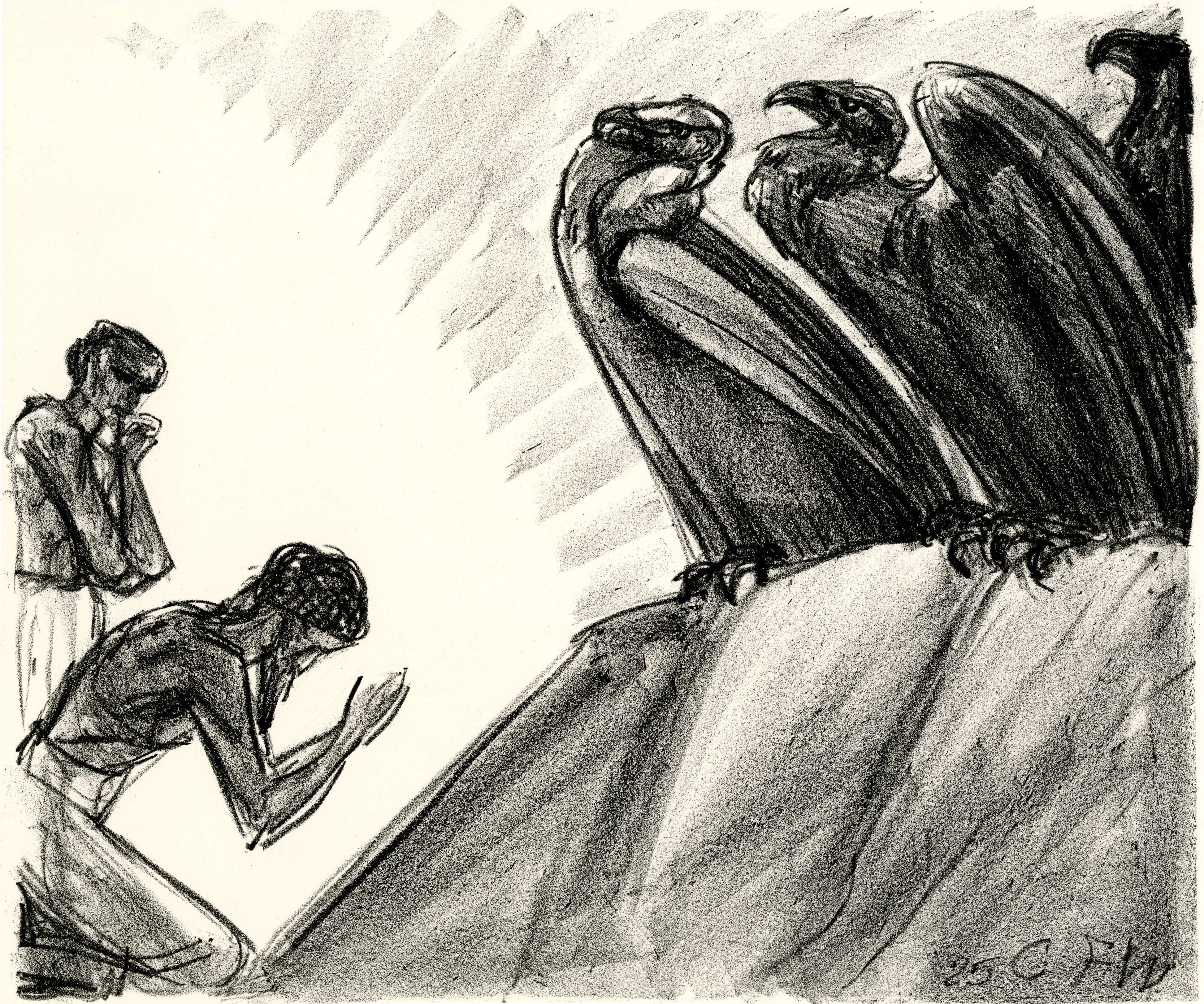
Jaimini
350 BCE – 300 BCE
Indo-Gangetic region, exact birthplace unknown
Early Indian Mīmāṃsā philosopher credited with the Mīmāṃsā Sūtra, a foundational sūtra text on dharma, Vedic injunction, authorless scripture, ritual action, pramāṇa, śabda, and the interpretation of sacred language.
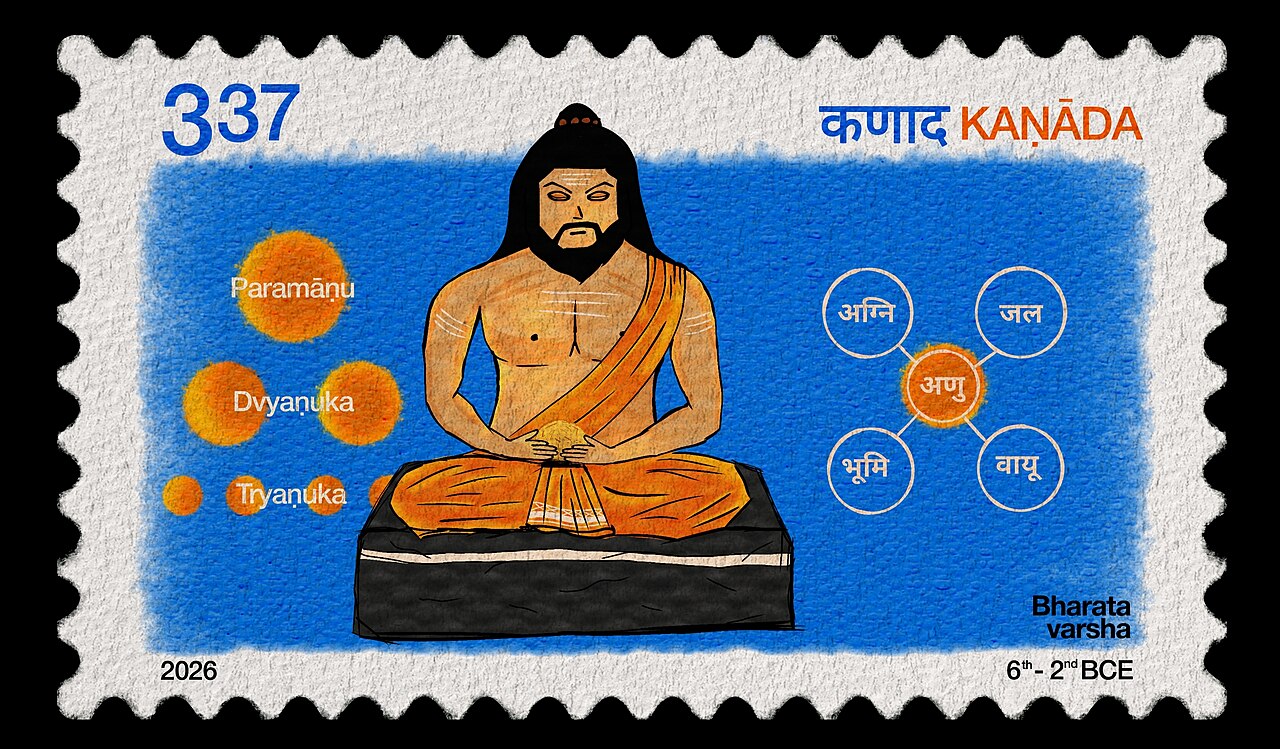
Kaṇāda (Ulūka)
100 CE – 200 CE
probably northern India or the Indo-Gangetic region; exact birthplace unknown
Early Vaiśeṣika philosopher traditionally credited with the Vaiśeṣika Sūtra, where atomism, substances, qualities, motion, universals, inherence, dharma, and liberation are organized into a realist category system.
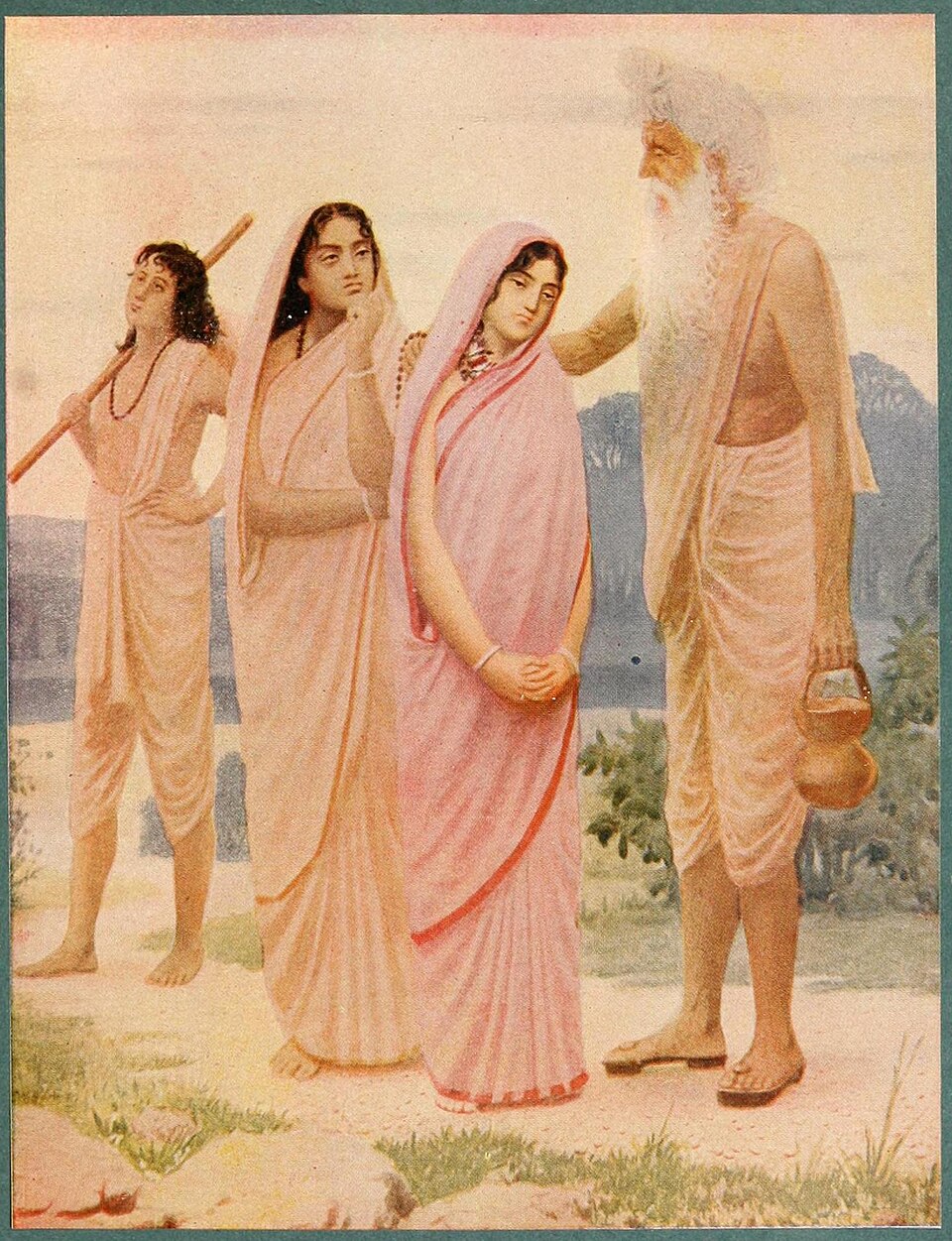
Kaṇva
1200 BCE – 1100 BCE
probably northern India or the Ganges-Yamuna/Mālinī river tradition; exact birthplace unknown
Vedic rishi and Kaṇva lineage figure associated with Rigvedic hymnody, sacred speech, ritual praise, Kāṇva transmission, and the Śakuntalā āśrama tradition.
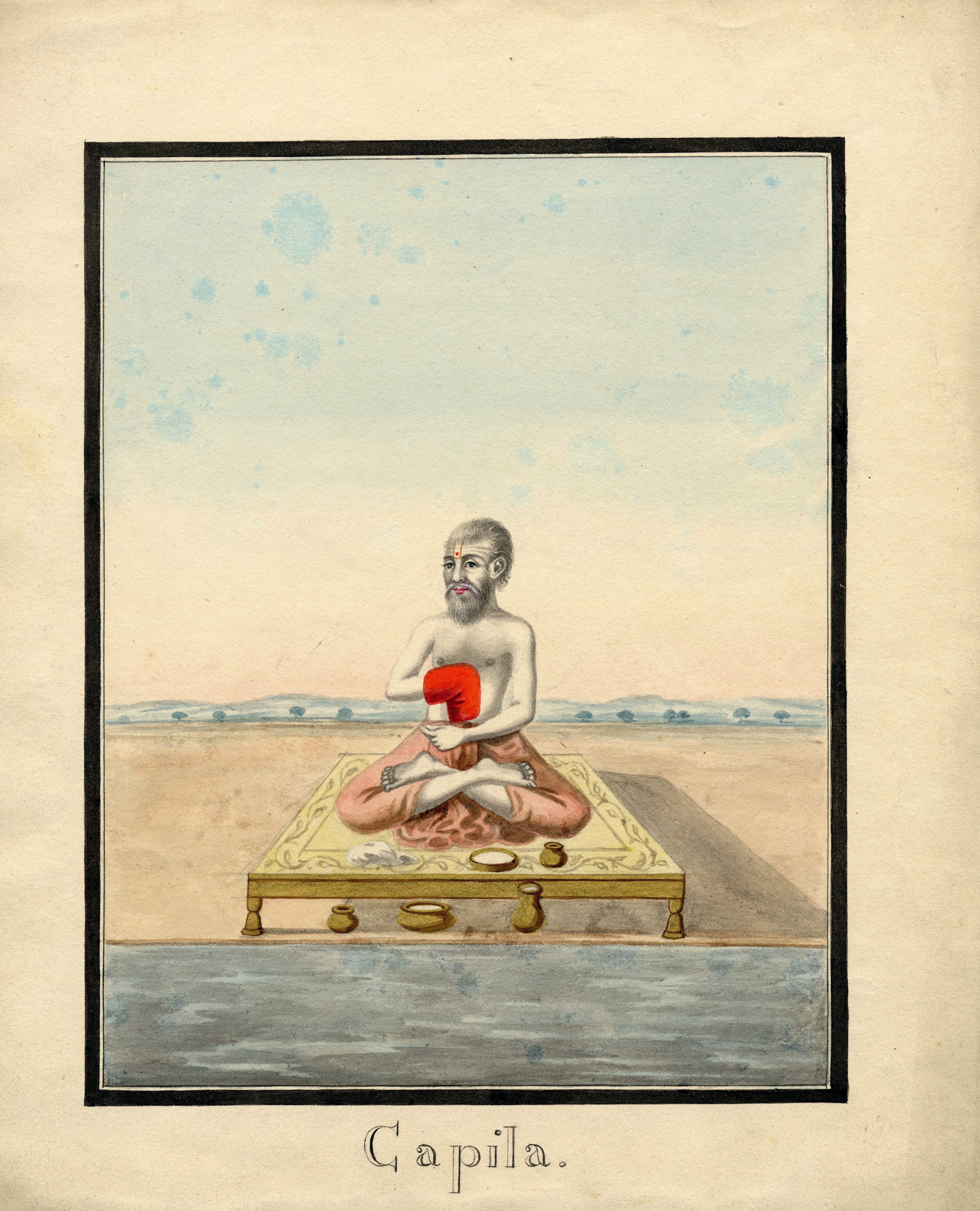
Kapila
700 BCE – 600 BCE
probably northern India or the Indo-Gangetic region; exact birthplace unknown
Legendary early Sāṃkhya founder associated with puruṣa, prakṛti, guṇas, discriminative knowledge, liberation, and later Sāṃkhya-pravacana transmission.
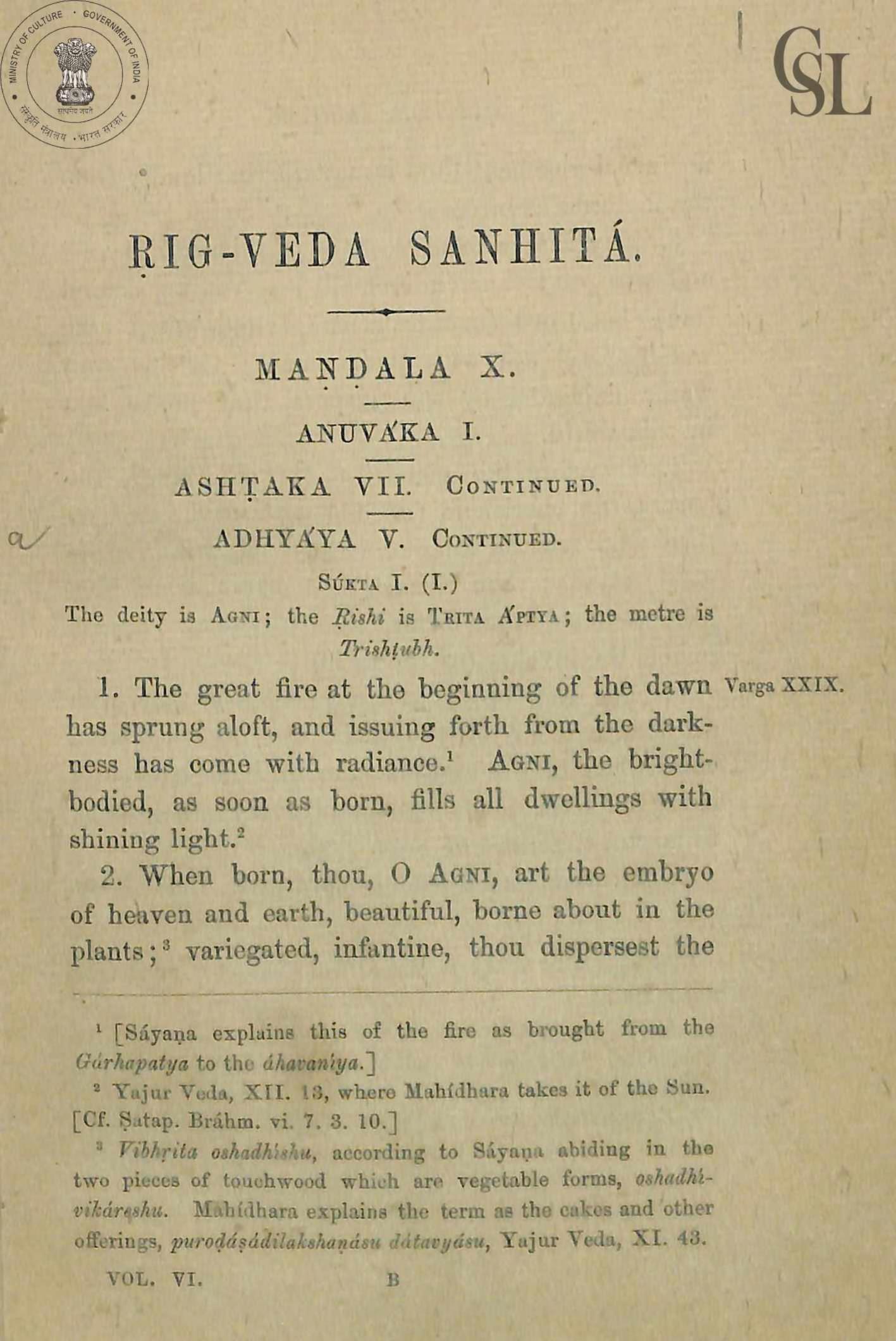
Kutsa Āṅgirasa
1200 BCE – 1100 BCE
Indo-Gangetic region, exact birthplace unknown
Vedic rishi and Āṅgirasa lineage figure associated with Rigvedic Indra hymnody, sacred speech, ritual praise, śruti transmission, and early Hindu religious philosophy.
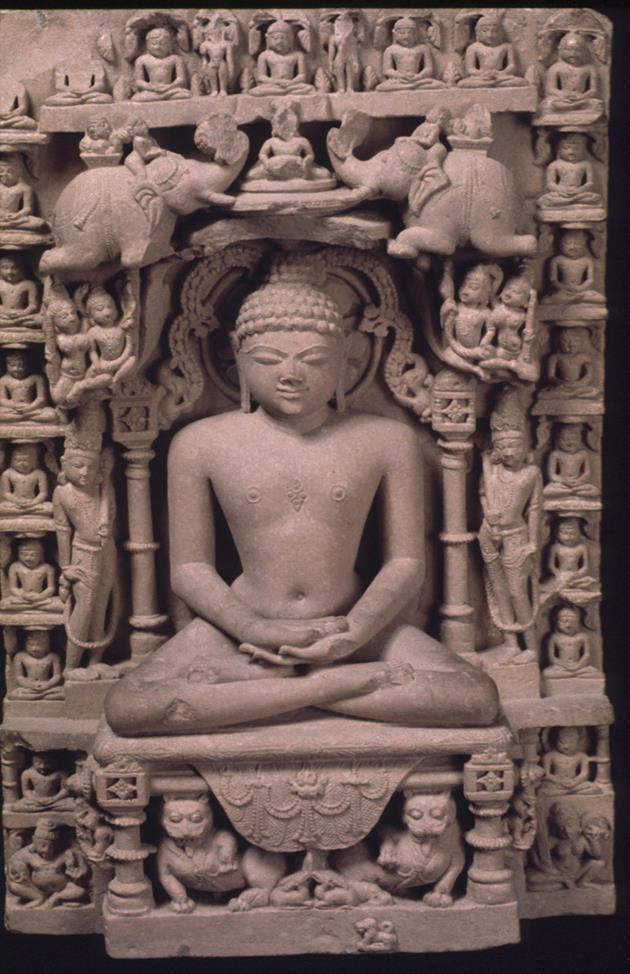
Mahāvīra (Vardhamāna)
599 BCE – 527 BCE
Kuṇḍagrāma near Vaiśālī, Vajji; traditional birthplace
Jain śramaṇa teacher and final tīrthaṅkara associated with ahiṃsā, anekāntavāda, aparigraha, ascetic liberation, kevala-jñāna, and the Jain Āgama teaching tradition.
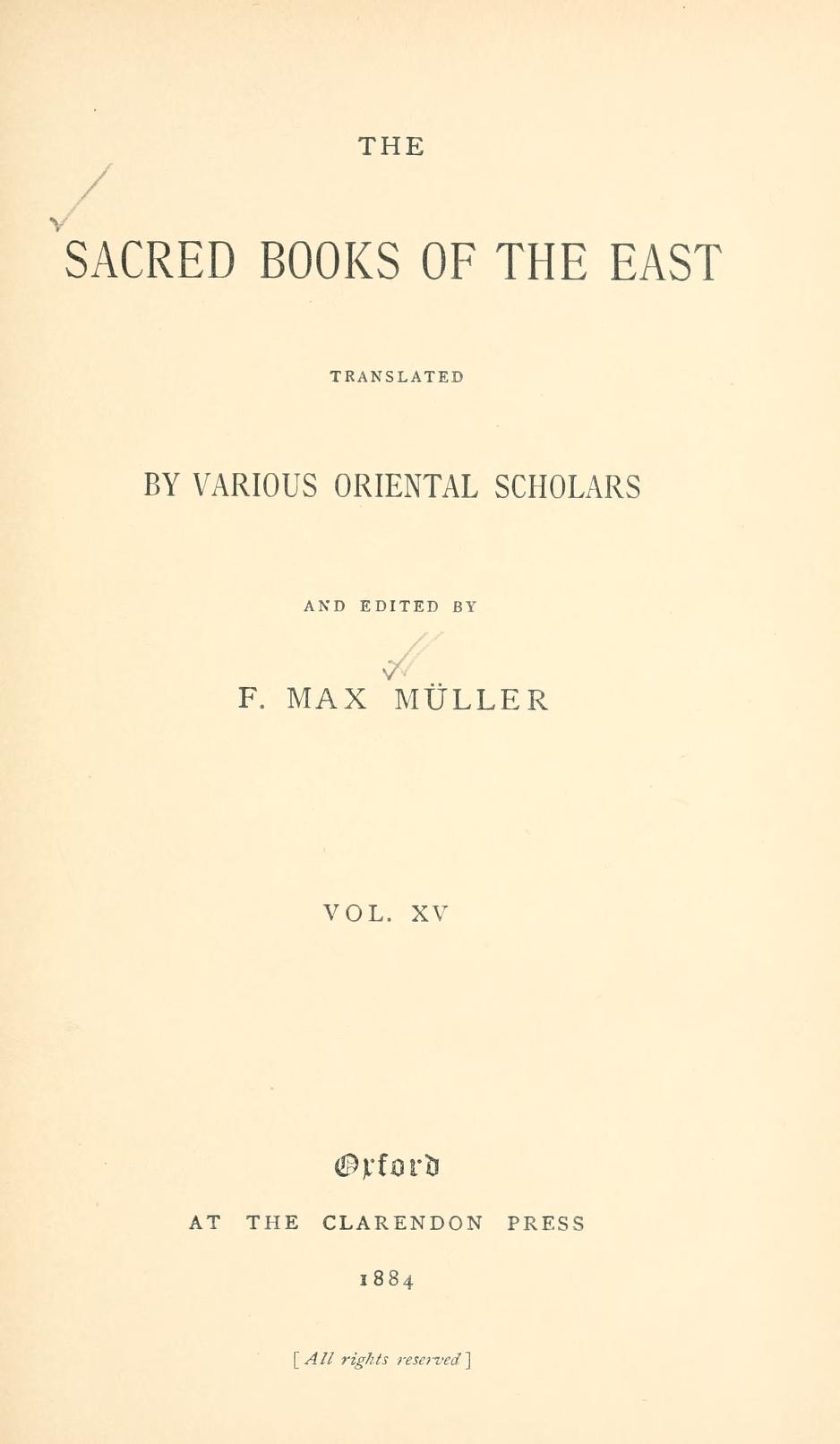
Maitreyī
800 BCE – 700 BCE
Videha / Mithilā region; Upanishadic setting, exact birthplace unknown
Early Upanishadic woman philosopher whose dialogues with Yājñavalkya ask whether wealth can secure immortality and redirect inquiry toward ātman, self-knowledge, and renunciation.
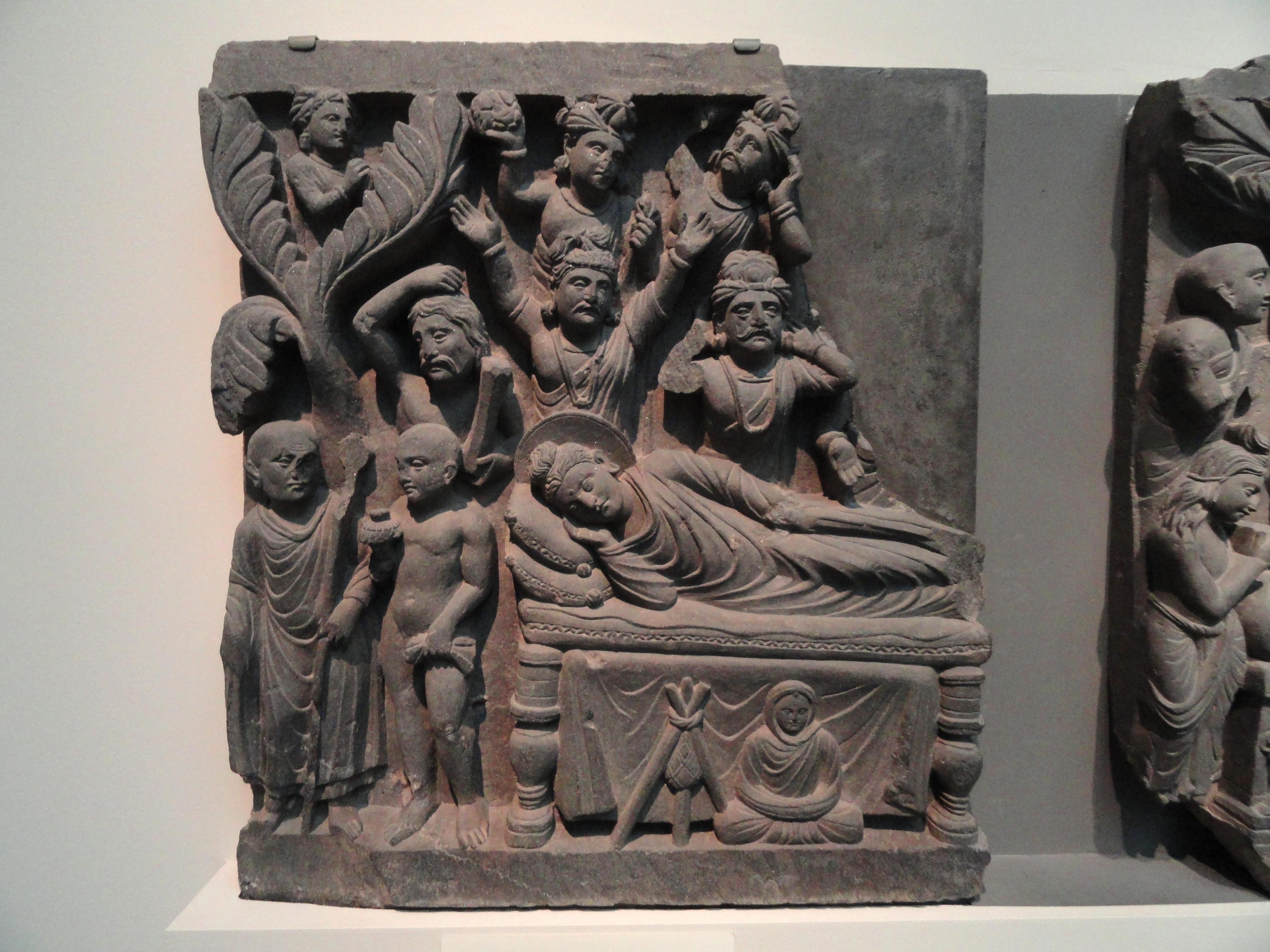
Makkhali Gośāla
520 BCE – 460 BCE
Śrāvastī region; traditional setting and exact birthplace uncertain
Ancient Indian Ājīvika teacher remembered for niyati, a radical doctrine of fate and fixed transmigration reconstructed from Buddhist and Jain hostile-source evidence.
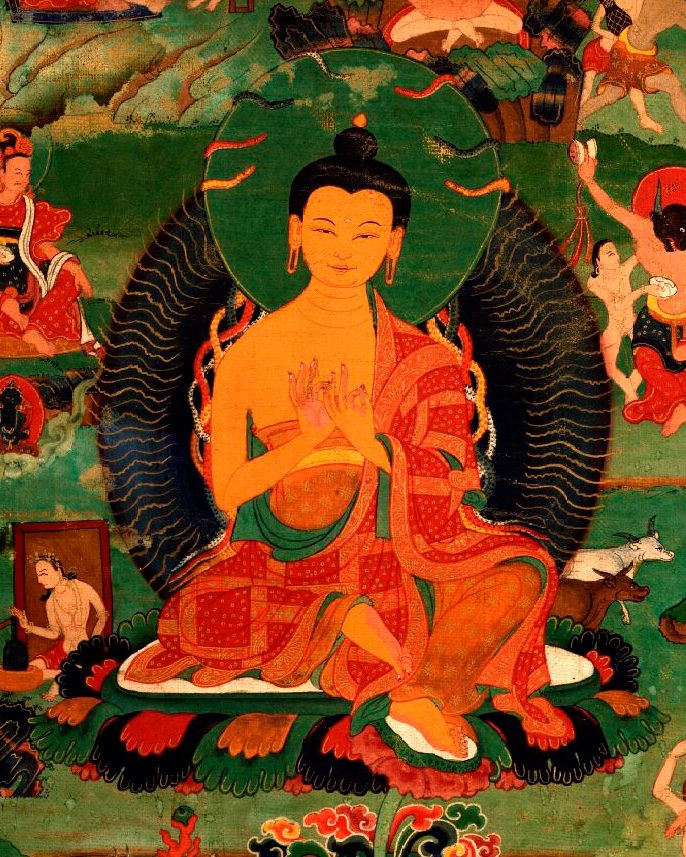
Nagarjuna
150 CE – 250 CE
South India, often associated with Andhra
Madhyamaka Buddhist philosopher of emptiness, dependent origination, two truths, svabhava critique, catuskoti, Middle Way reasoning, and Prajnaparamita reception.
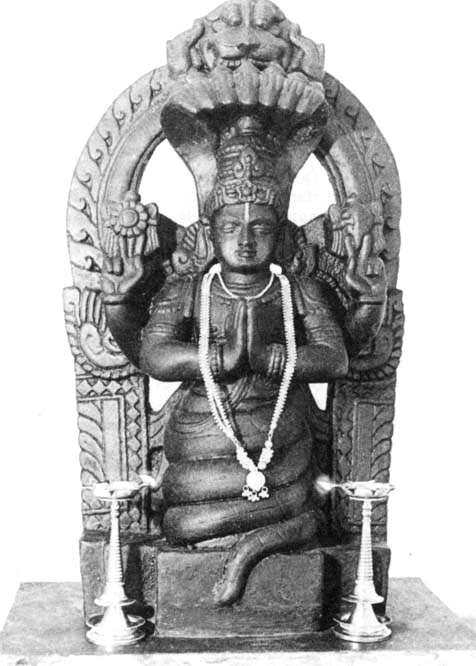
Patanjali
350 CE – 450 CE
India
Classical Yoga philosopher of the Yoga Sutras, citta-vritti-nirodha, purusha, prakriti, kleshas, karma, samadhi, kaivalya, Ishvara, and eight-limbed practice.
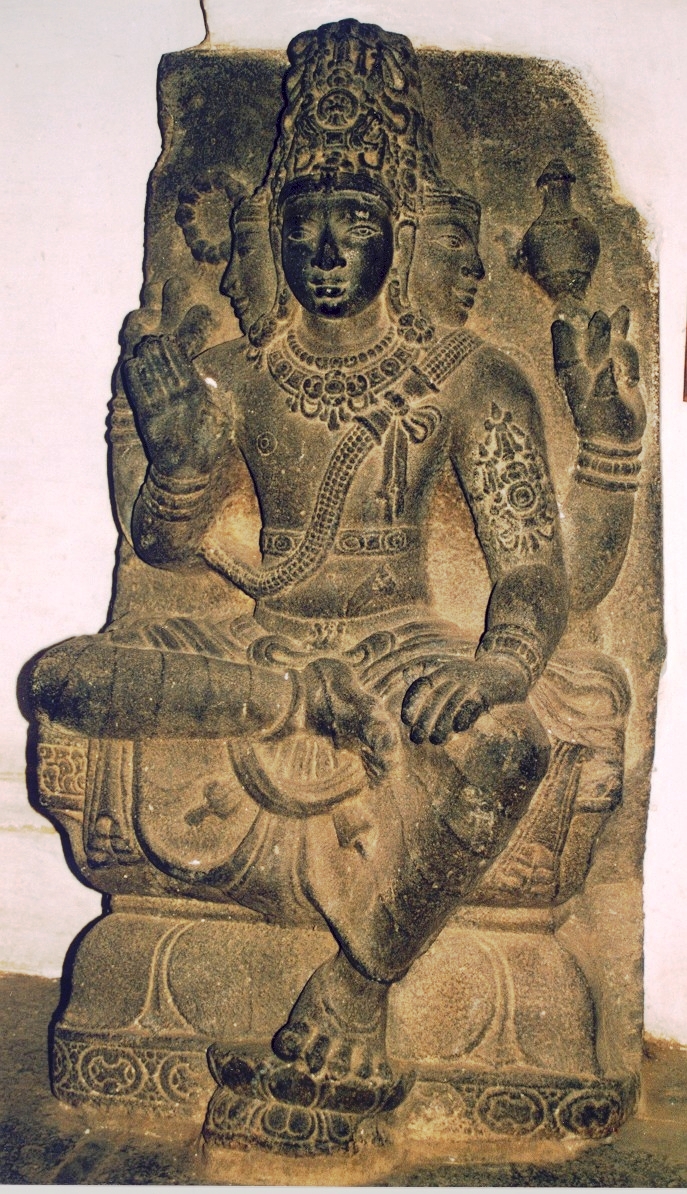
Prajapati
1200 BCE – 800 BCE
Indo-Gangetic Plain (Vedic tradition)
Vedic creator figure and lord of creatures whose profile joins Hiranyagarbha, Prajapati, tapas, Vac, yajna, sacrifice as creation, Brahmana ritual cosmology, Daksha, Brahma identification, and later Hindu reception.
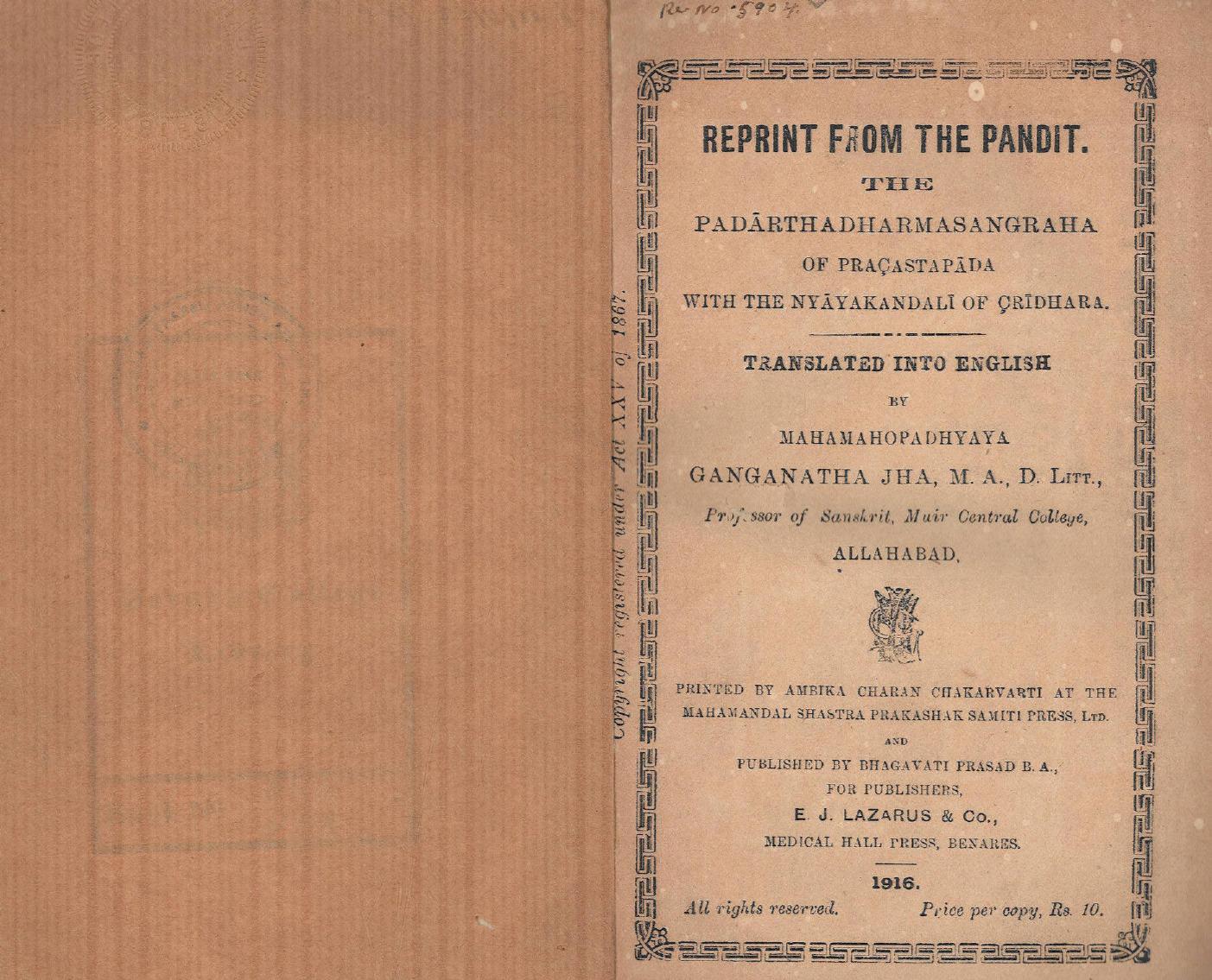
Prasastapada
530 CE – 560 CE
Indo-Gangetic region (Vaisheshika scholasticism)
Vaisheshika scholastic philosopher of Padartha Dharma Sangraha, Prasastapada Bhashya, padartha taxonomy, substance, quality, motion, universal, particularity, inherence, pramana, atomism, and Nyaya-Vaisheshika realism.
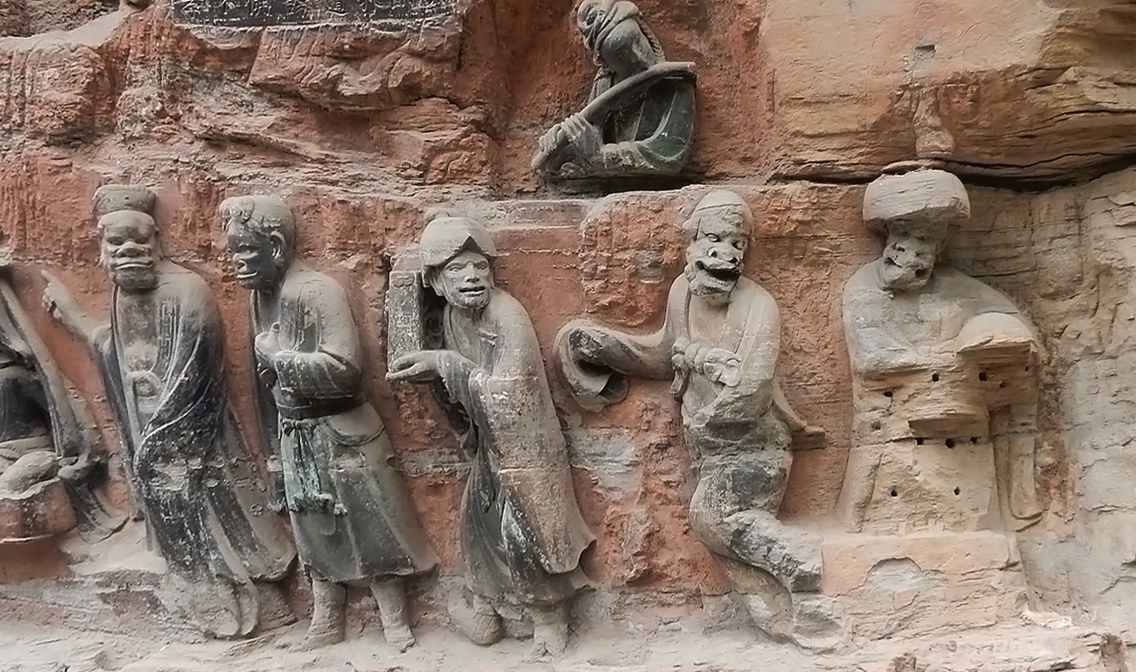
Purana Kassapa
560 BCE – 480 BCE
Magadha region
Early Indian sramana teacher remembered for akiriyavada, denial of the moral efficacy of action, Magadhan debate culture, the six teachers, and the Samannaphala Sutta report.
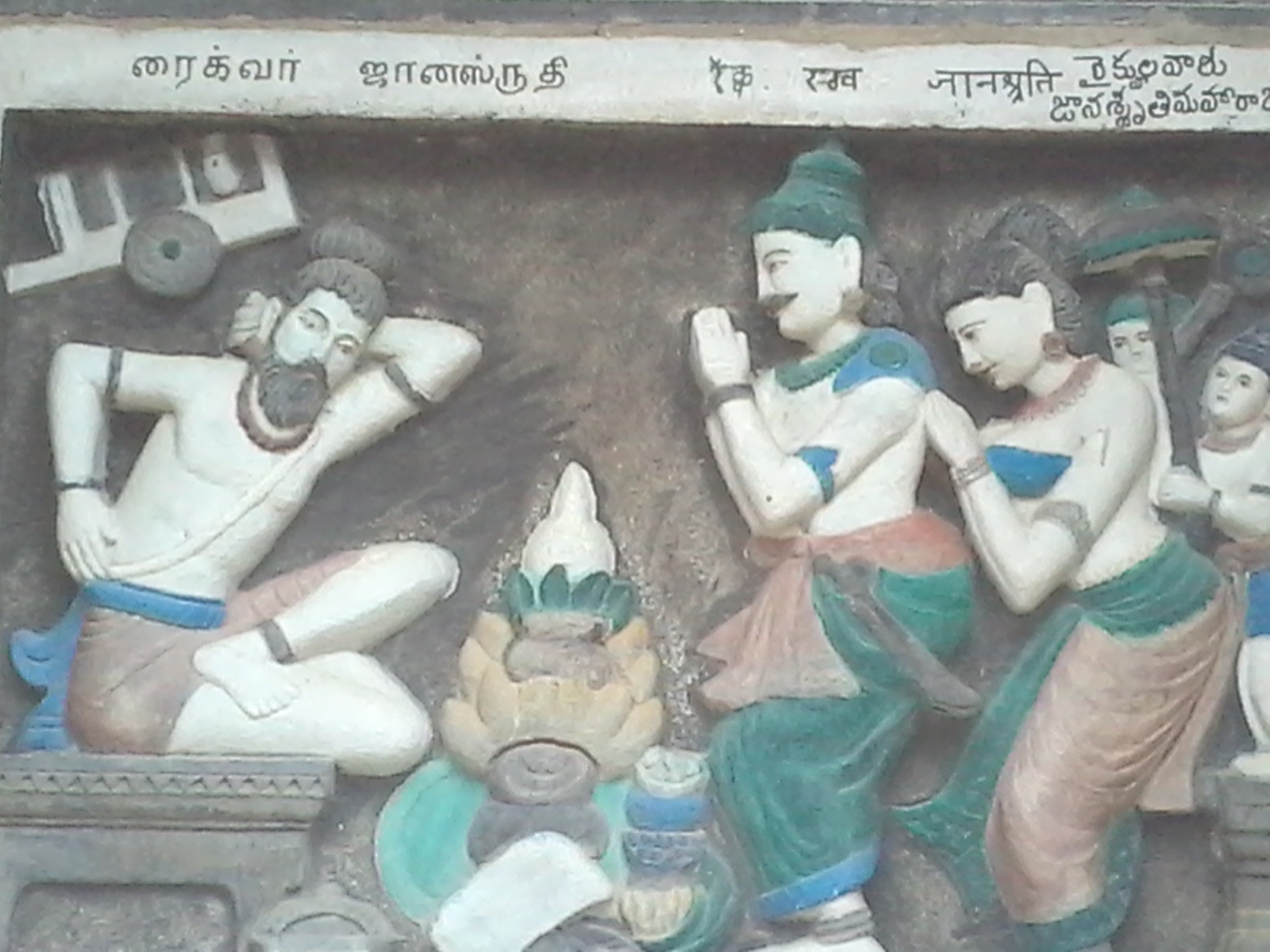
Raikva
750 BCE – 700 BCE
Indo-Gangetic region
Upanishadic sage of the Chandogya Upanishad whose Samvarga Vidya joins Janasruti, humility before knowledge, the cart-man motif, Vayu as cosmic absorber, Prana as bodily absorber, food and eater imagery, and Vedic transmission.

Śabara Svāmin
100 BCE – 1 BCE
Indian subcontinent, exact birthplace unknown
Early Mīmāṃsā commentator whose Śabara Bhāṣya shaped Indian philosophy of language and religion through its analysis of Vedic injunction, dharma, śabda, pramāṇa, ritual action, and scriptural authority.
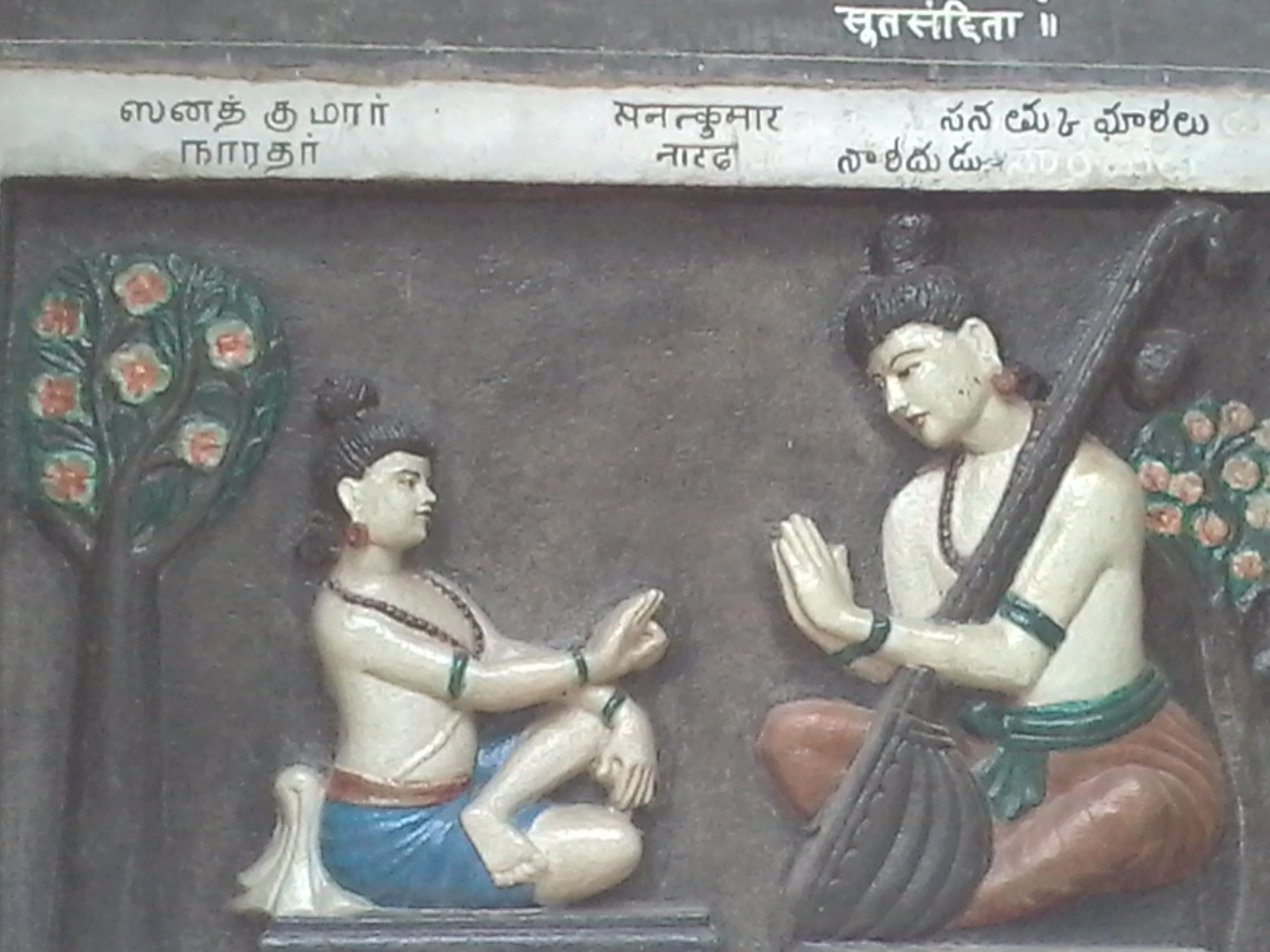
Sanatkumāra
700 BCE – 600 BCE
Indo-Gangetic region (symbolic / cosmic teacher)
Upanishadic teacher of Nārada whose Chāndogya dialogue links language, knowledge, sorrow, and bhūman, the infinite fullness beyond finite disciplines.
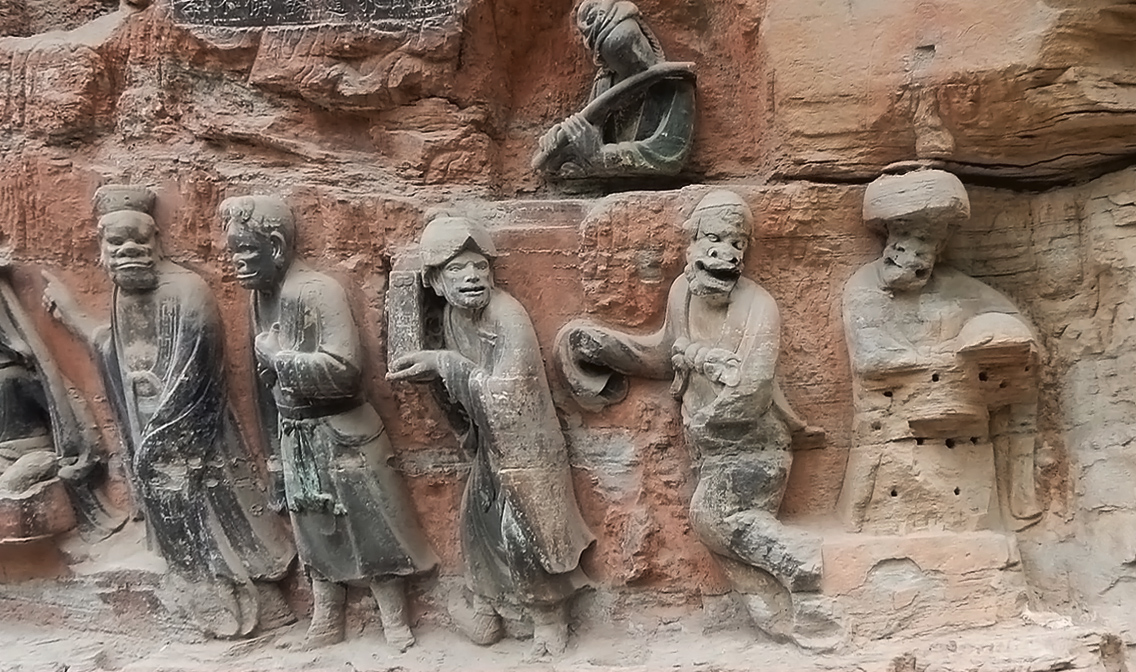
Sañjaya Belaṭṭhiputta
520 BCE – 450 BCE
Magadha region
Early Indian skeptic associated with Ajñāna and the Sāmaññaphala Sutta, where his remembered replies model suspension of judgment and metaphysical non-commitment.
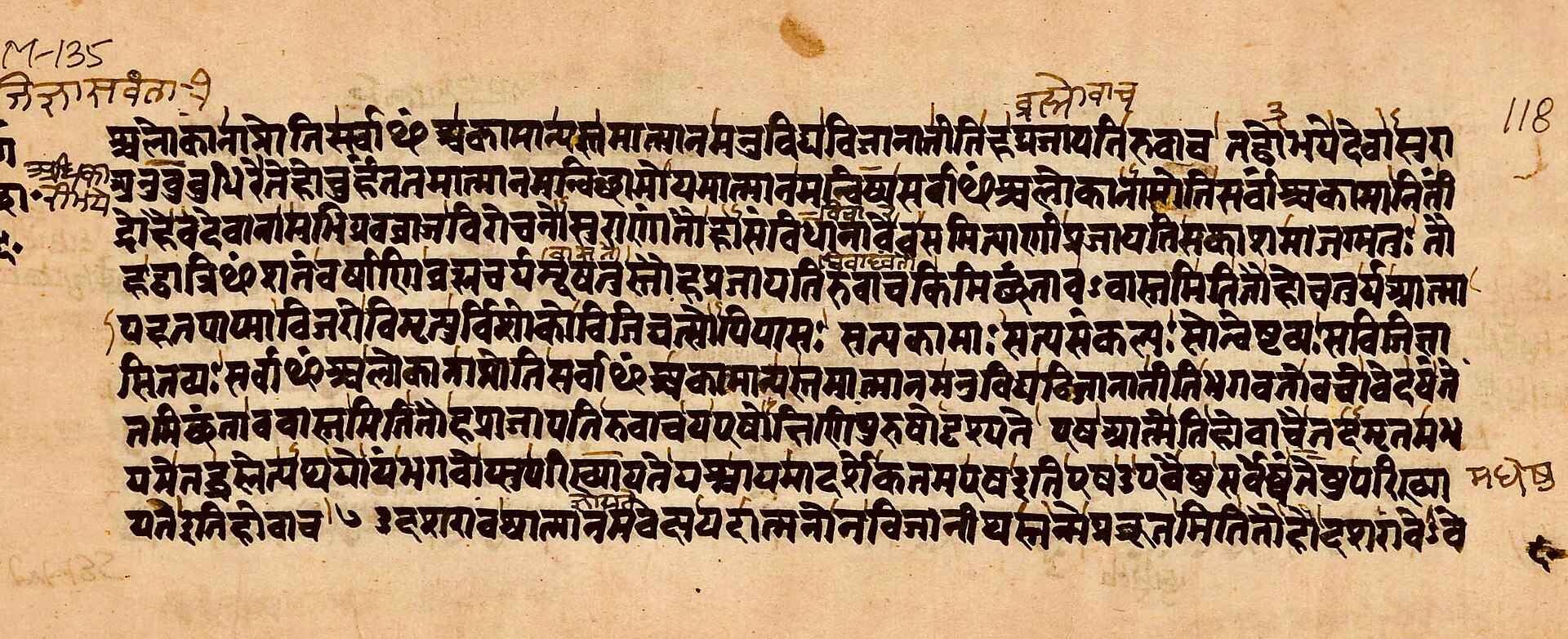
Satyakāma Jābāla
700 BCE – 600 BCE
Indo-Gangetic region (Pañcāla tradition)
Upanishadic figure whose Chandogya episode treats truthful self-disclosure as the sign of spiritual fitness and a gateway into instruction about Brahman.
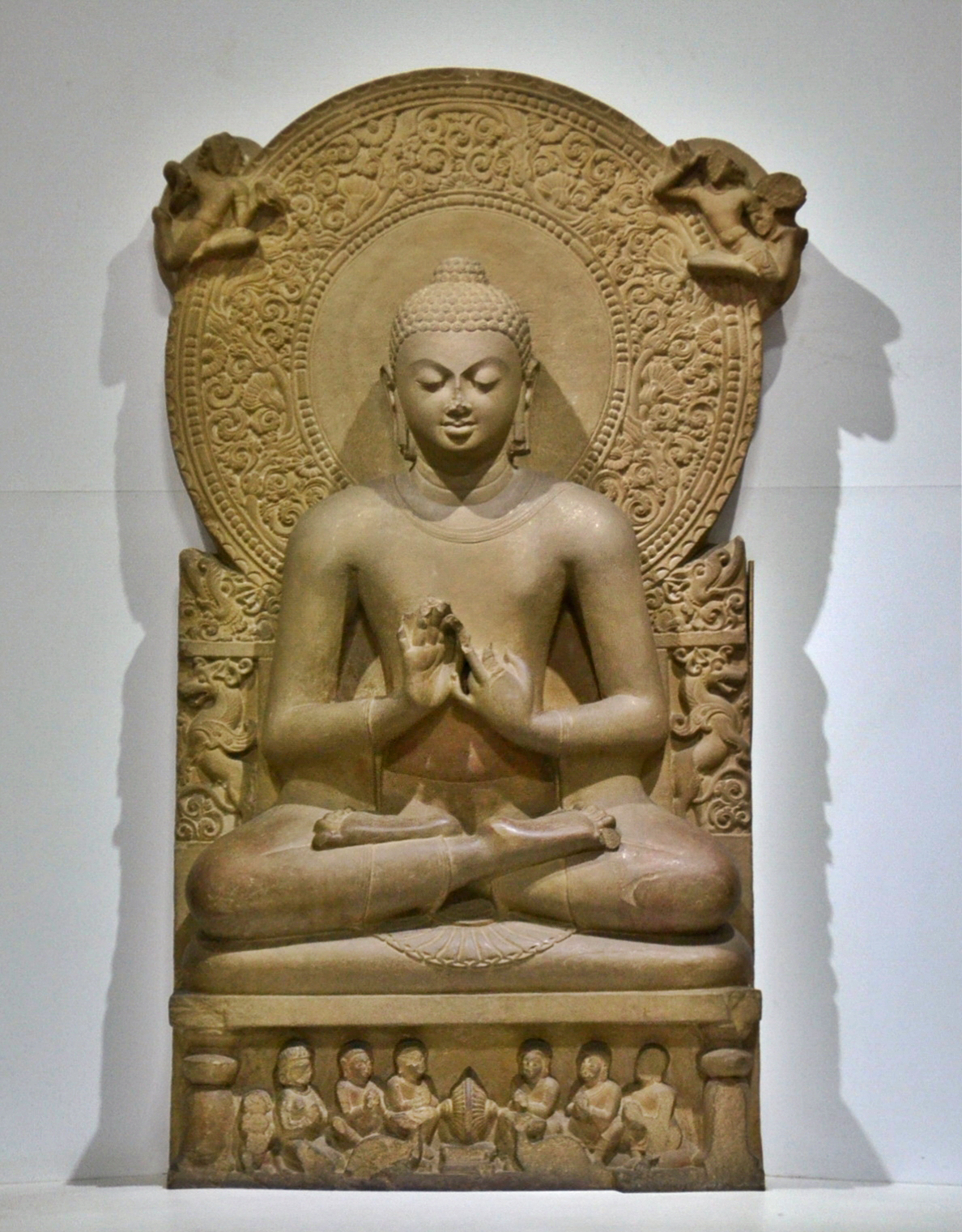
Siddhārtha Gautama
563 BCE – 483 BCE
Lumbinī
Founder of Buddhism whose transmitted early discourses frame suffering, liberation, dependent arising, not-self, mindfulness, ethics, and the Middle Way.
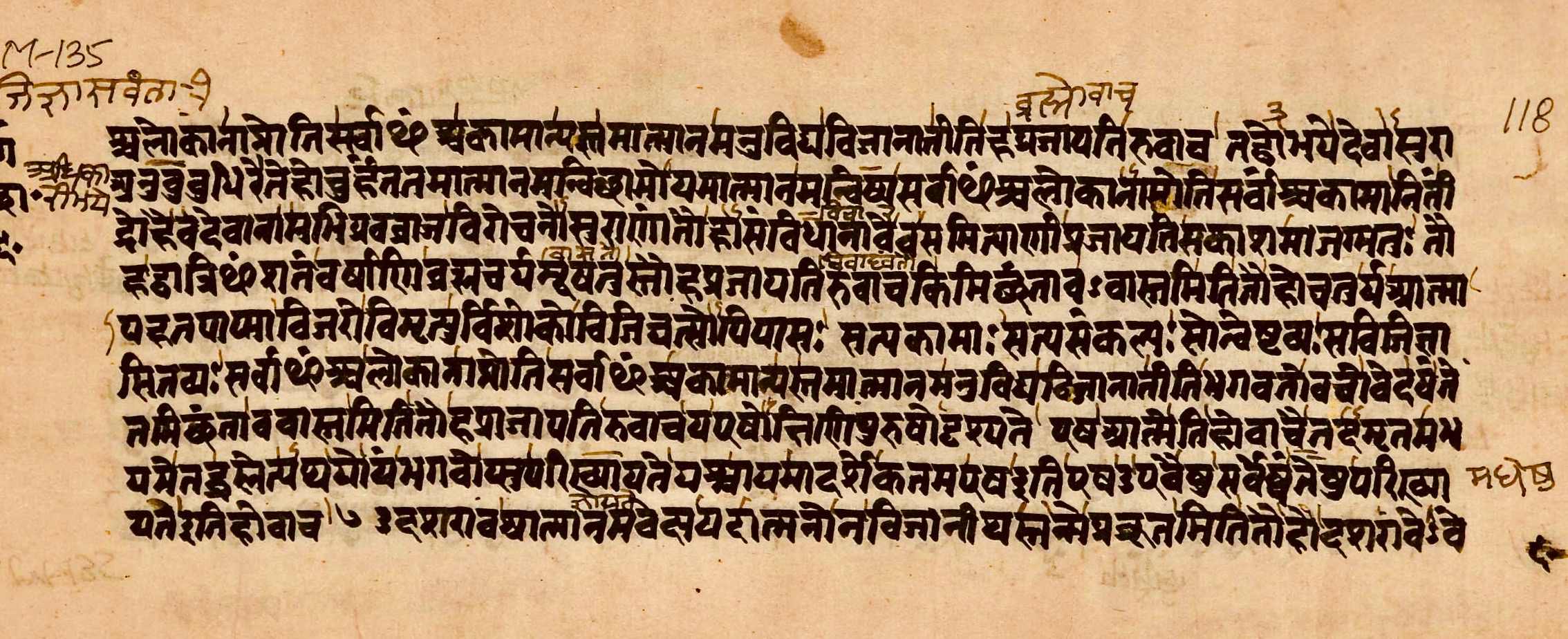
Uddālaka Āruṇi
750 BCE – 700 BCE
Kuru-Panchala region
Early Upanishadic teacher of Shvetaketu whose Chandogya teaching joins sat, Atman, subtle essence, visible-to-invisible analogy, tat tvam asi, and later Vedanta reception.
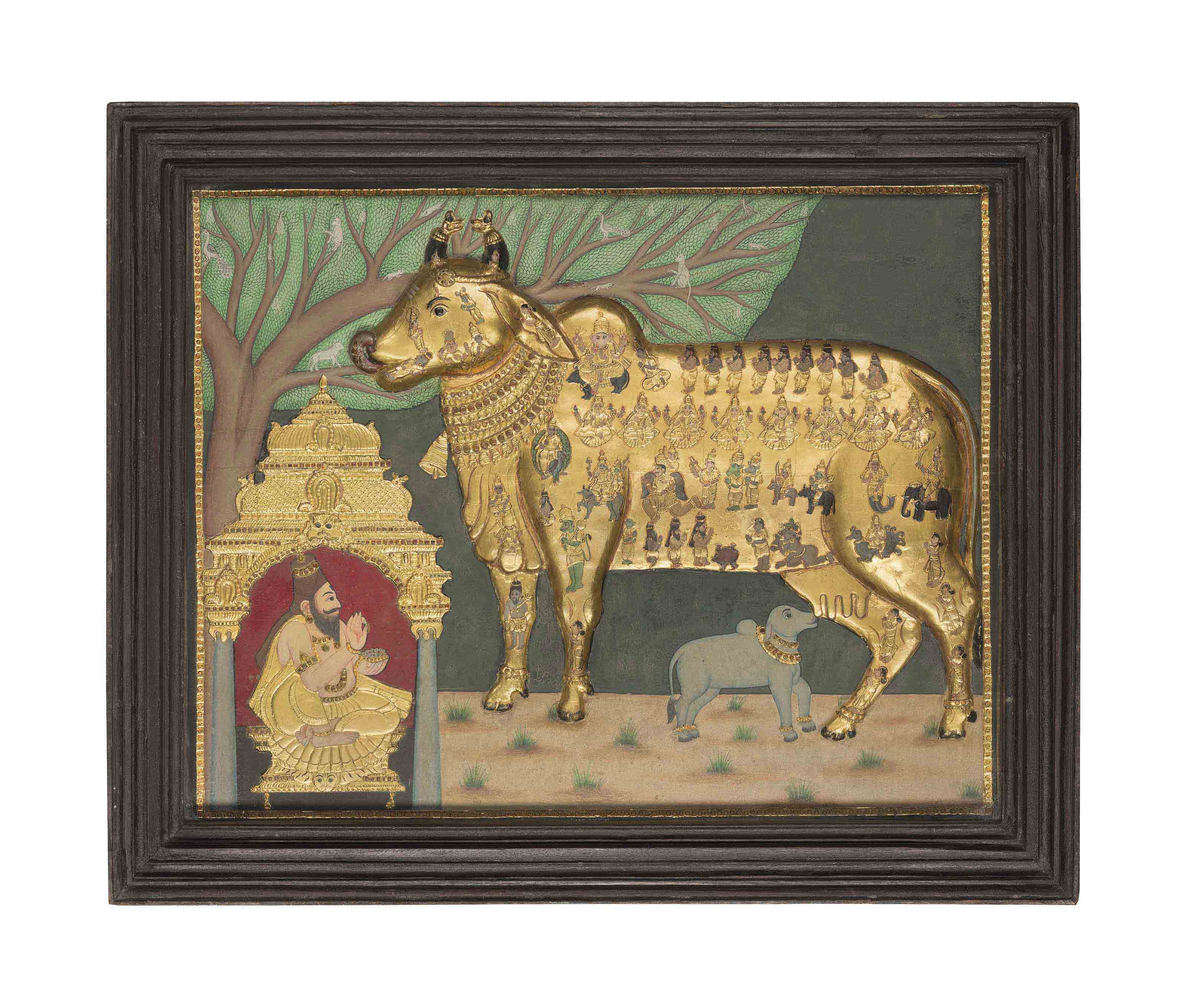
Vasiṣṭha
1270 BCE – 1200 BCE
Rigvedic Bharata-Sudās priestly milieu; Sarasvatī-Paruṣṇī/Punjab horizon, exact birthplace unknown
Rigvedic rishi of the Bharata-Sudās priestly horizon whose Mandala 7 hymn blocks make mantra, sacred speech, Varuṇa theology, Sarasvatī, ṛta, yajña, and divine-human mediation central to early Vedic ritual philosophy.
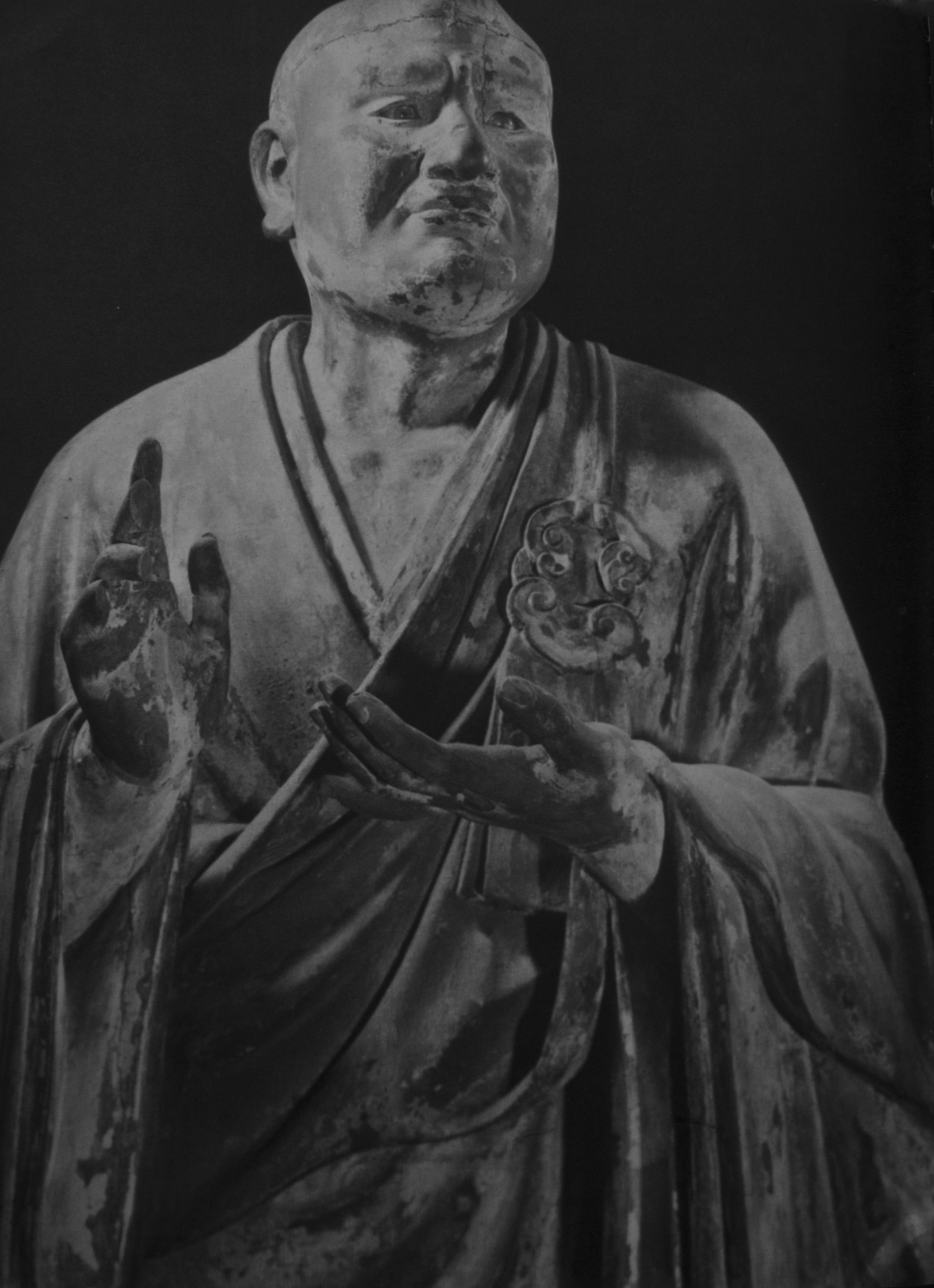
Vasubandhu
316 CE – 396 CE
Puruṣapura, Gandhāra; modern Peshawar region
Gandhāran Buddhist philosopher whose Abhidharma analysis, Yogācāra consciousness-only arguments, Buddhist logic, karma theory, and Mahāyāna commentary shaped Indian, Tibetan, and East Asian scholastic philosophy.
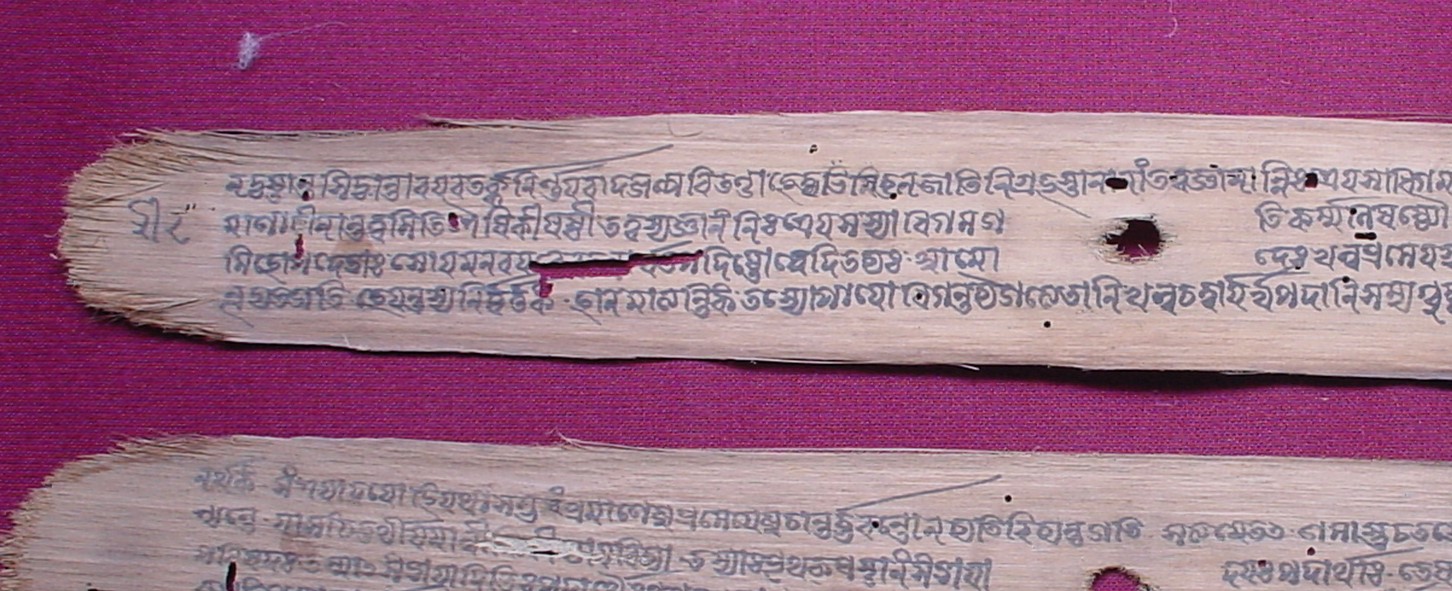
Vātsyāyana
390 CE – 460 CE
Indo-Gangetic scholastic milieu; exact birthplace unknown
Classical Nyāya commentator identified with the Nyāyabhāṣya, whose analysis of pramāṇa, debate, inference, testimony, self, and liberation made Sanskrit logical inquiry central to Indian philosophy.
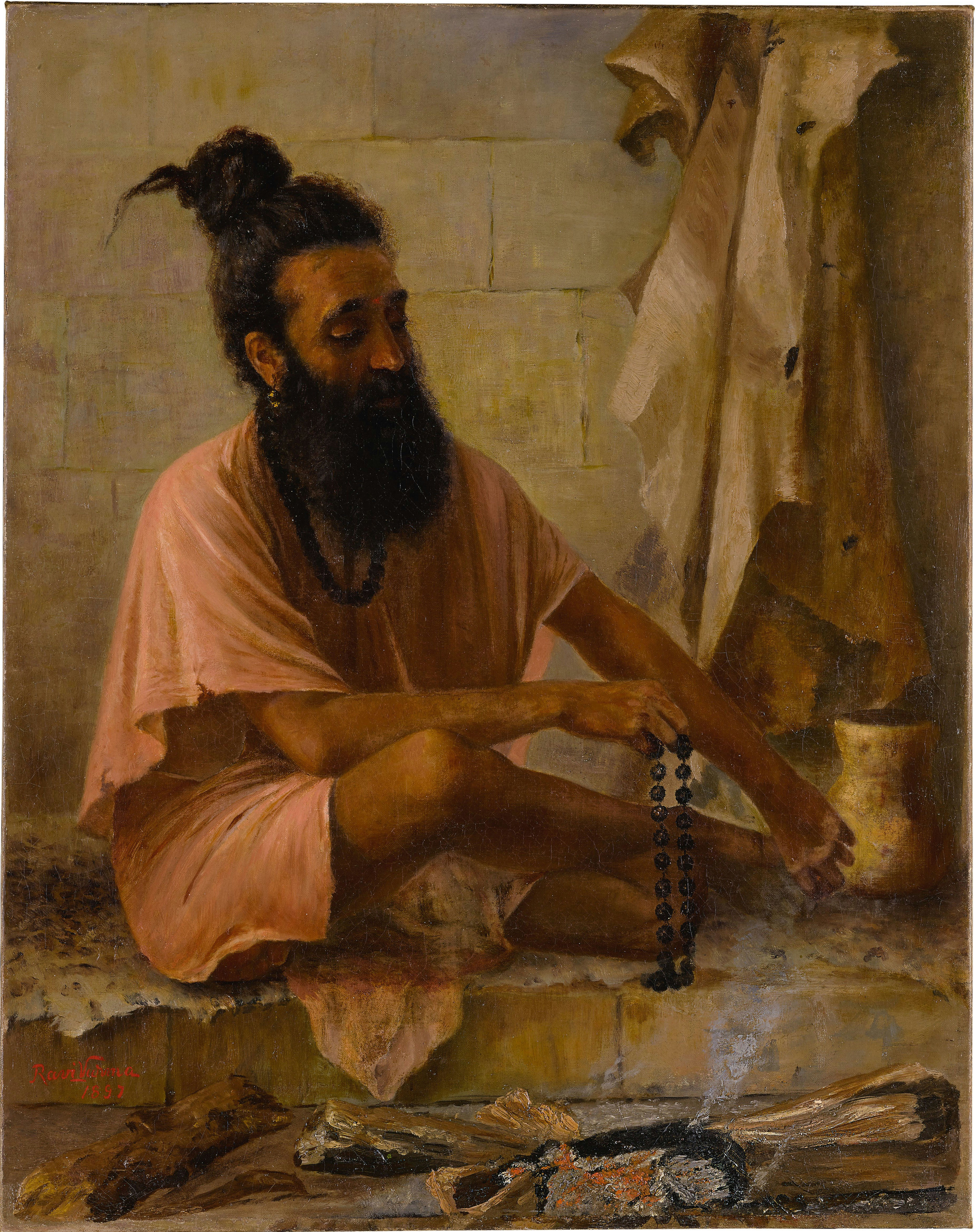
Viśvāmitra
1265 BCE – 1195 BCE
Rigvedic Bharata-Kuśika milieu; Vipāś-Śutudrī/Sarasvatī-Punjab horizon, exact birthplace unknown
Rigvedic rishi of the Bharata-Kuśika horizon whose Mandala 3 hymn blocks make mantra, sacred speech, ṛta, yajña, tapas, and divine-human mediation central to early Vedic ritual philosophy.
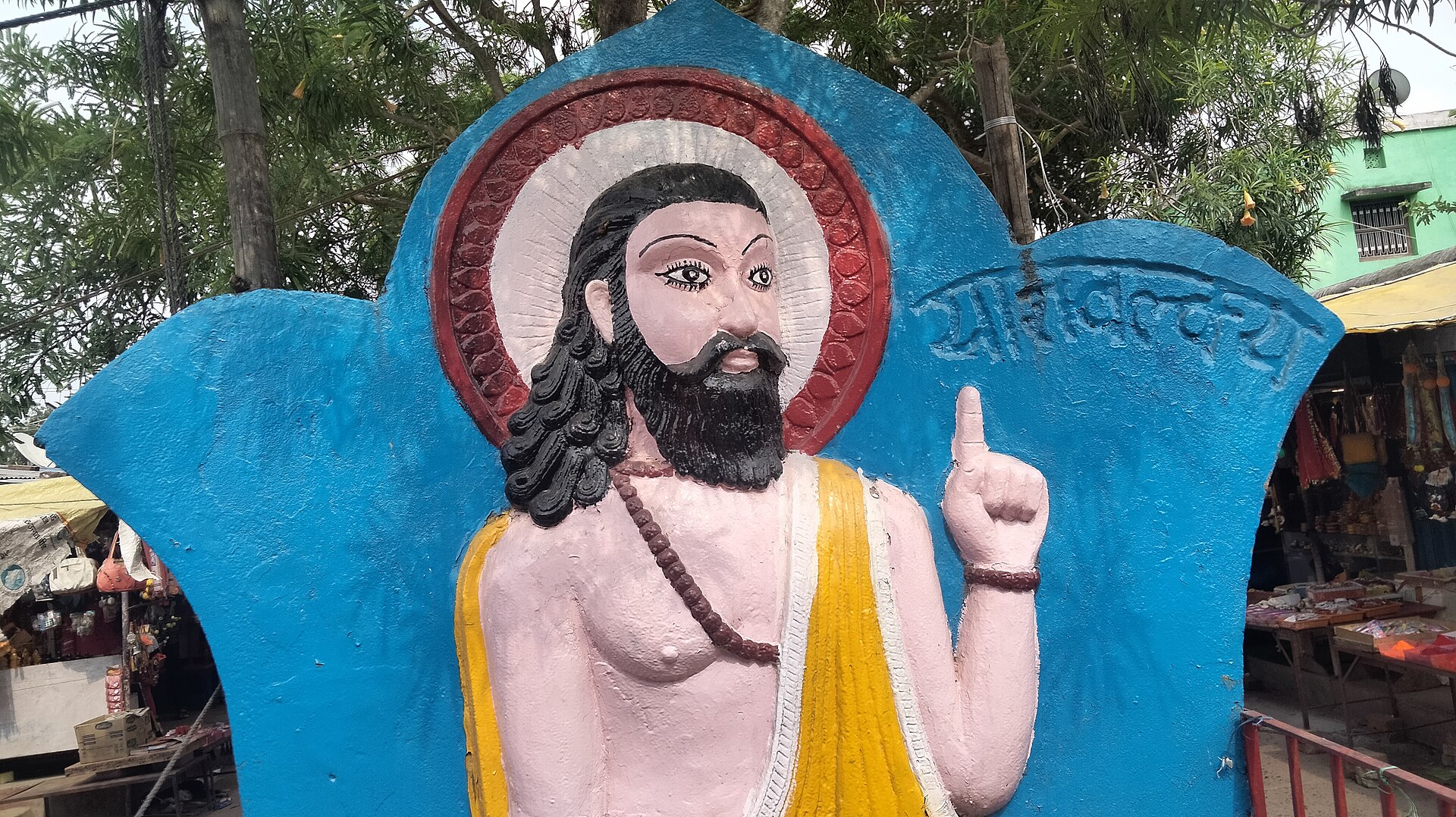
Yājñavalkya
760 BCE – 685 BCE
Videha / Mithilā region; Upanishadic setting, exact birthplace unknown
Late Vedic and early Upanishadic philosopher remembered for Śukla Yajurveda transmission, Bṛhadāraṇyaka debates with Janaka, Gārgī, and Maitreyī, and teachings on ātman, Brahman, renunciation, and dharma.