South China & Yangtze Basin
Philosophers of South China & Yangtze Basin
Showing 15 of 15 philosophers.
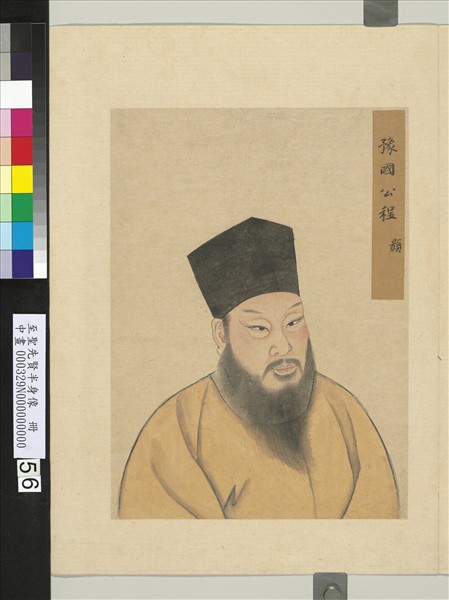
Cheng Hao
1032 CE – 1085 CE
Huangpi, Hubei
Northern Song Neo-Confucian philosopher known as Mingdao whose teaching on ren, li, intuitive moral knowing, reverent self-cultivation, stabilizing nature, and forming one body with all things shaped Cheng-Zhu learning, Lu-Wang learning, and later Confucian moral metaphysics.
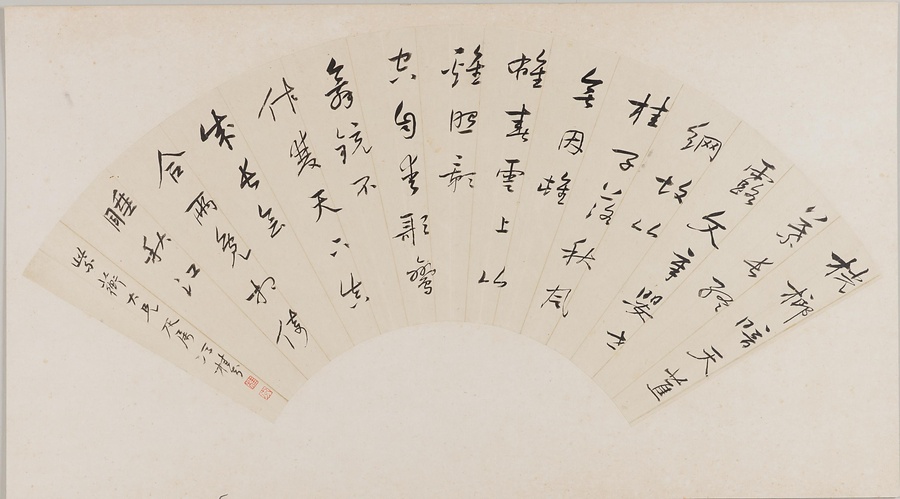
Feng Guifen
1809 CE – 1874 CE
Wuxian / Mudu, Suzhou, Jiangsu
Late Qing scholar-official from Suzhou whose statecraft reform program joined Confucian moral order with selective adoption of Western learning, manufacturing, military technology, public institutions, and practical science.
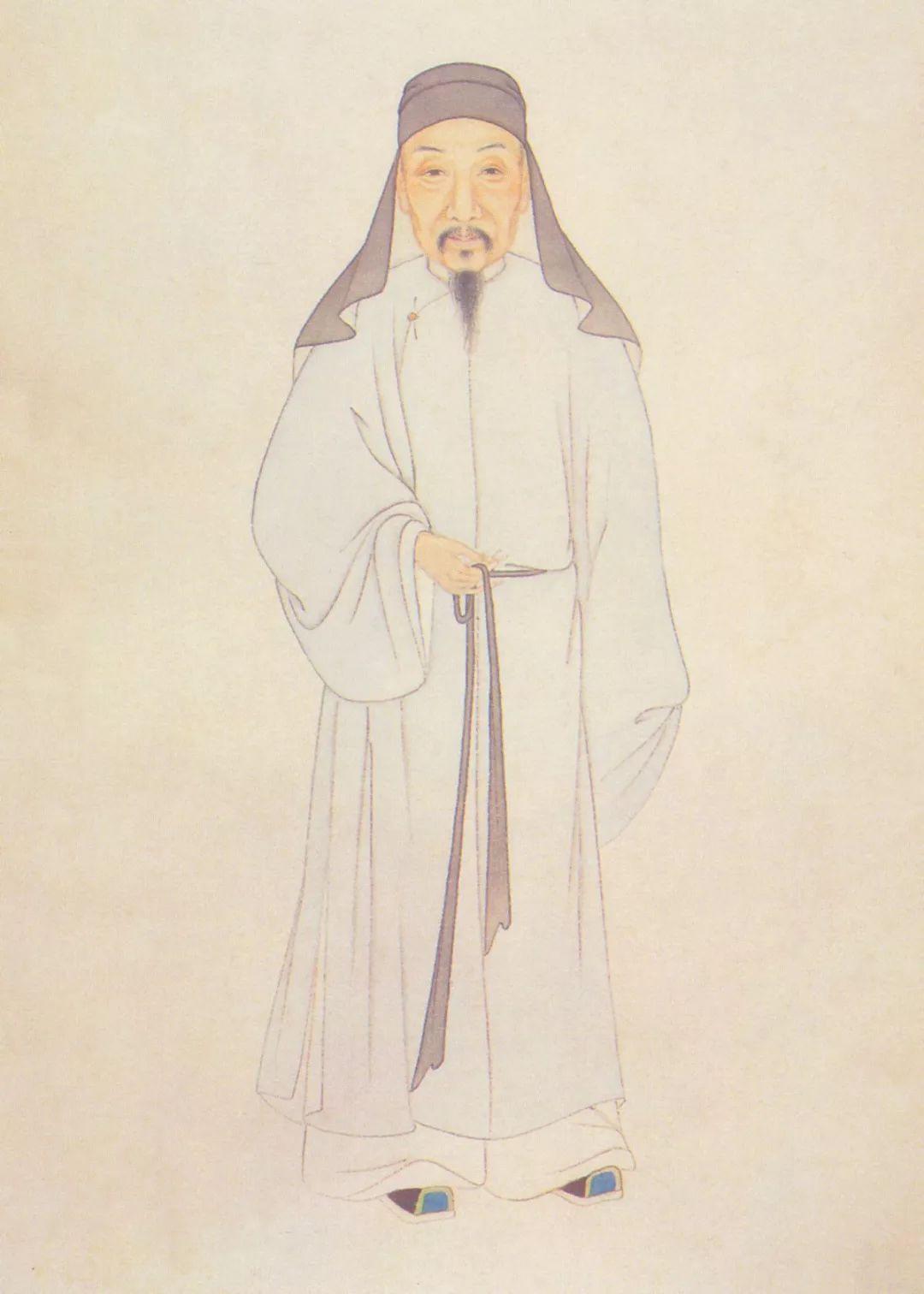
Gu Yanwu
1613 CE – 1682 CE
Kunshan, Jiangsu
Late Ming and early Qing Confucian scholar from Kunshan whose practical learning joined philology, historical geography, epigraphy, ethics, political responsibility, and evidence against empty speculation.
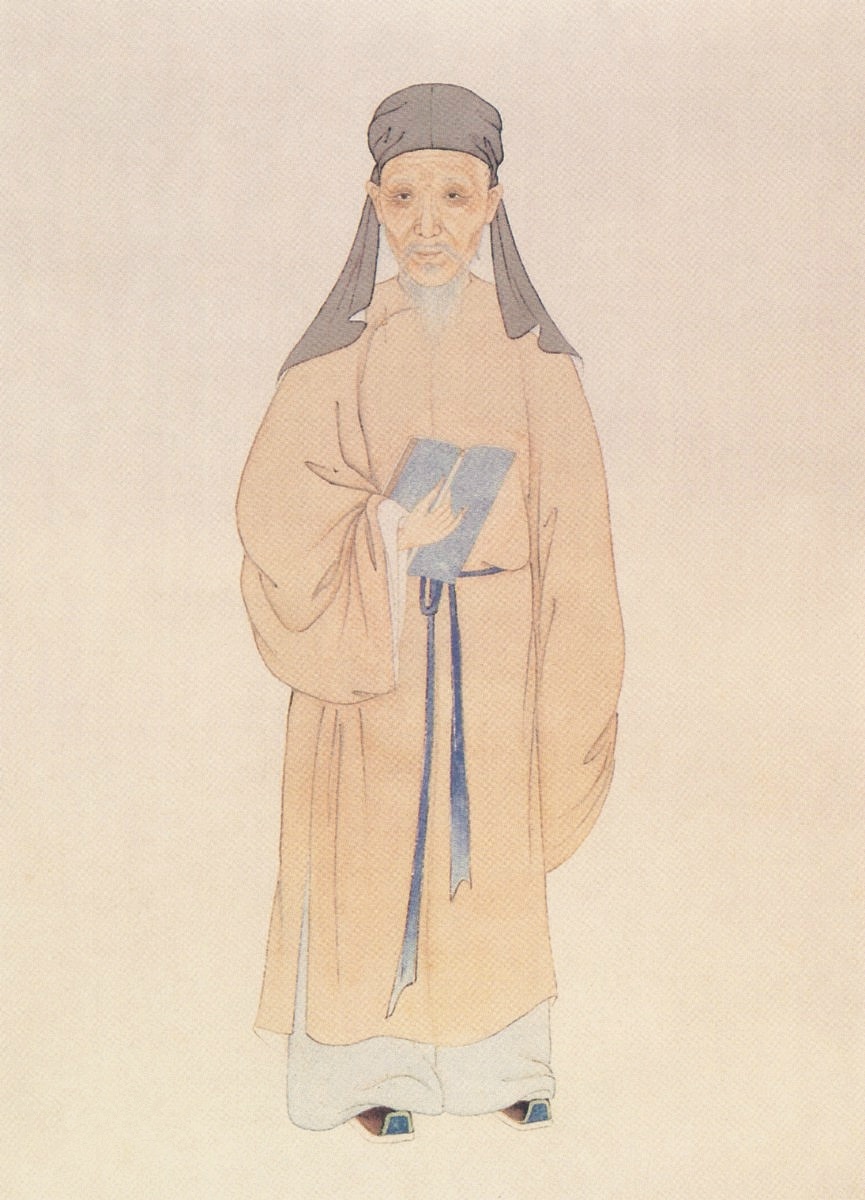
Huang Zongxi
1610 CE – 1695 CE
Yuyao, Zhejiang
Ming-Qing Confucian philosopher from Yuyao whose political critique, historical method, Yijing scholarship, philology, music theory, geography, and loyalist ethics joined evidence to public responsibility.
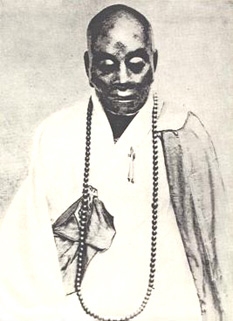
Huineng
638 CE – 713 CE
Xinzhou, Lingnan, probably modern Xinxing County, Guangdong
Tang Chinese Chan Buddhist patriarch associated with the Platform Sutra, sudden enlightenment, Buddha-nature, no-thought, nondual meditation and wisdom, and the Southern school narrative that shaped later Chan, Seon, and Zen traditions.
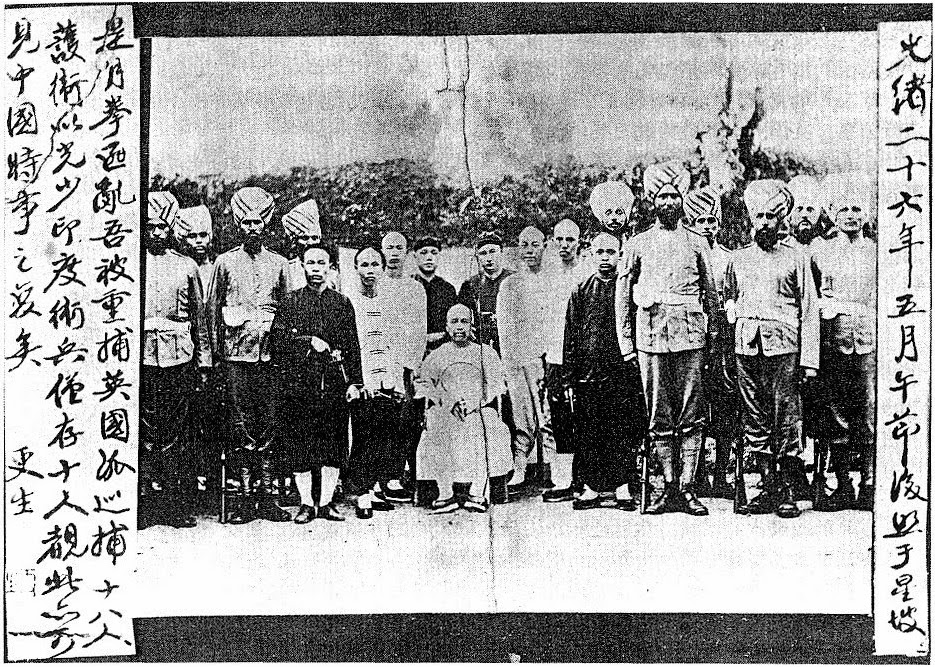
Kang Youwei
1858 CE – 1927 CE
Su Village, Danzao, Nanhai County, Guangdong, now Nanhai District, Foshan
Late Qing Confucian reformer whose New Text Confucianism, constitutional monarchism, Confucian religious reform, Datong utopianism, and calligraphy theory reshaped modern Chinese political and philosophical debate.
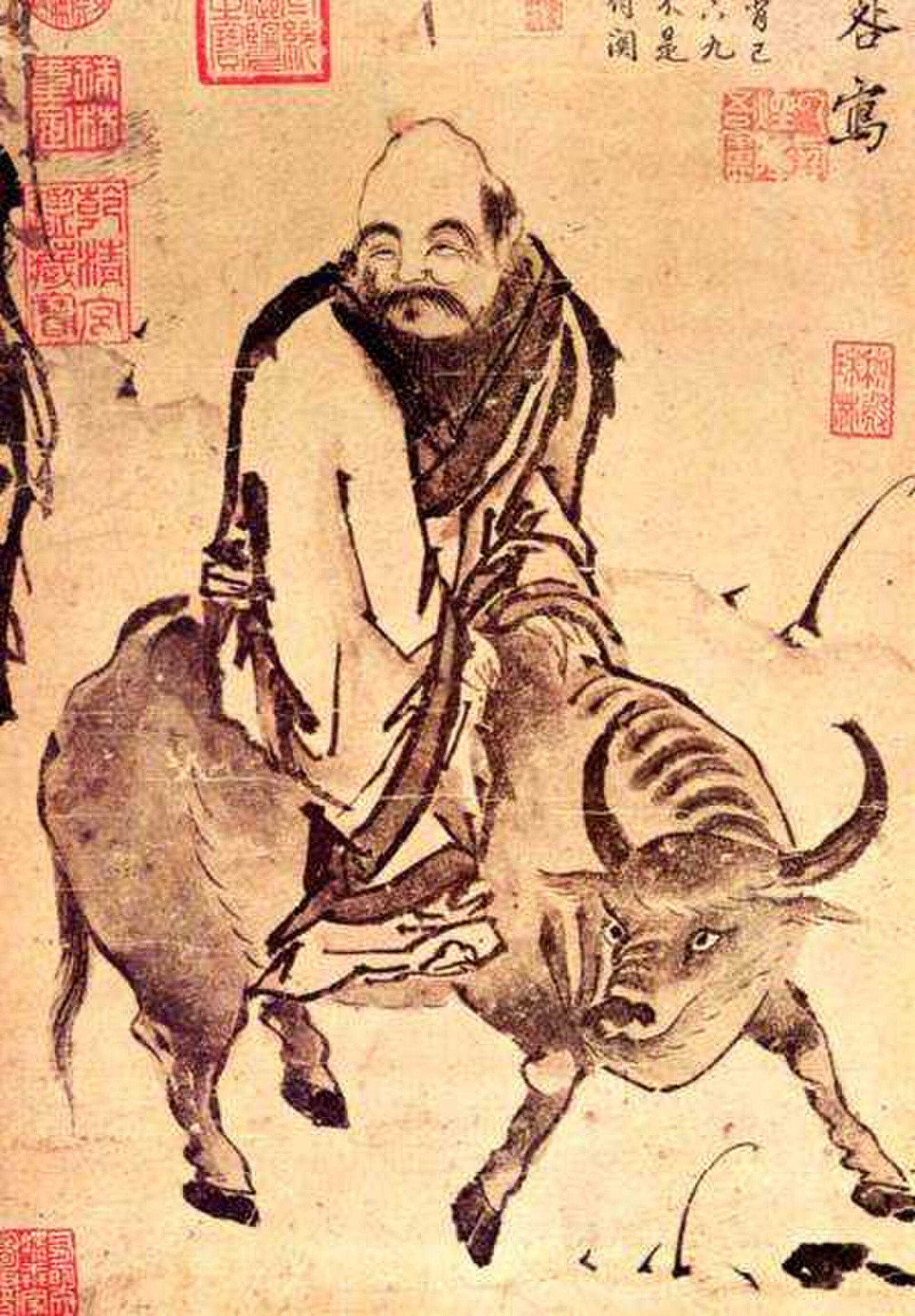
Laozi
600 BCE – 501 BCE
traditionally Ku County, state of Chu, near modern Luyi, Henan; historicity uncertain
Legendary early Daoist figure associated with the Daodejing, Dao, de, wuwei, ziran, simplicity, anti-coercive rule, and later religious Daoist veneration as Taishang Laojun.
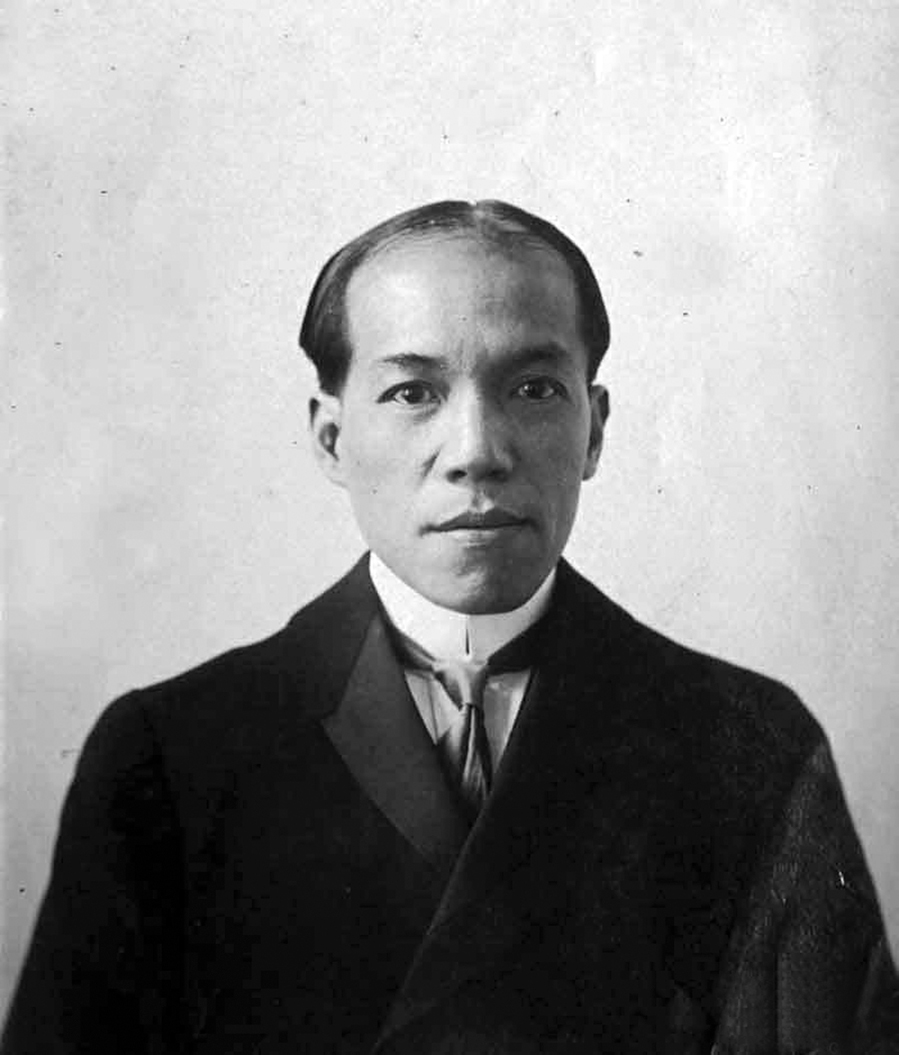
Liang Qichao
1873 CE – 1929 CE
Xinhui, Guangdong
Cistercian monk, abbot of late Qing and early Republican reformism, and medieval Christian philosopher-theologian whose theology of love, humility, grace, free choice, mystical ascent, monastic ethics, scriptural exegesis, and ecclesial counsel shaped scholastic, monastic, and political theology.
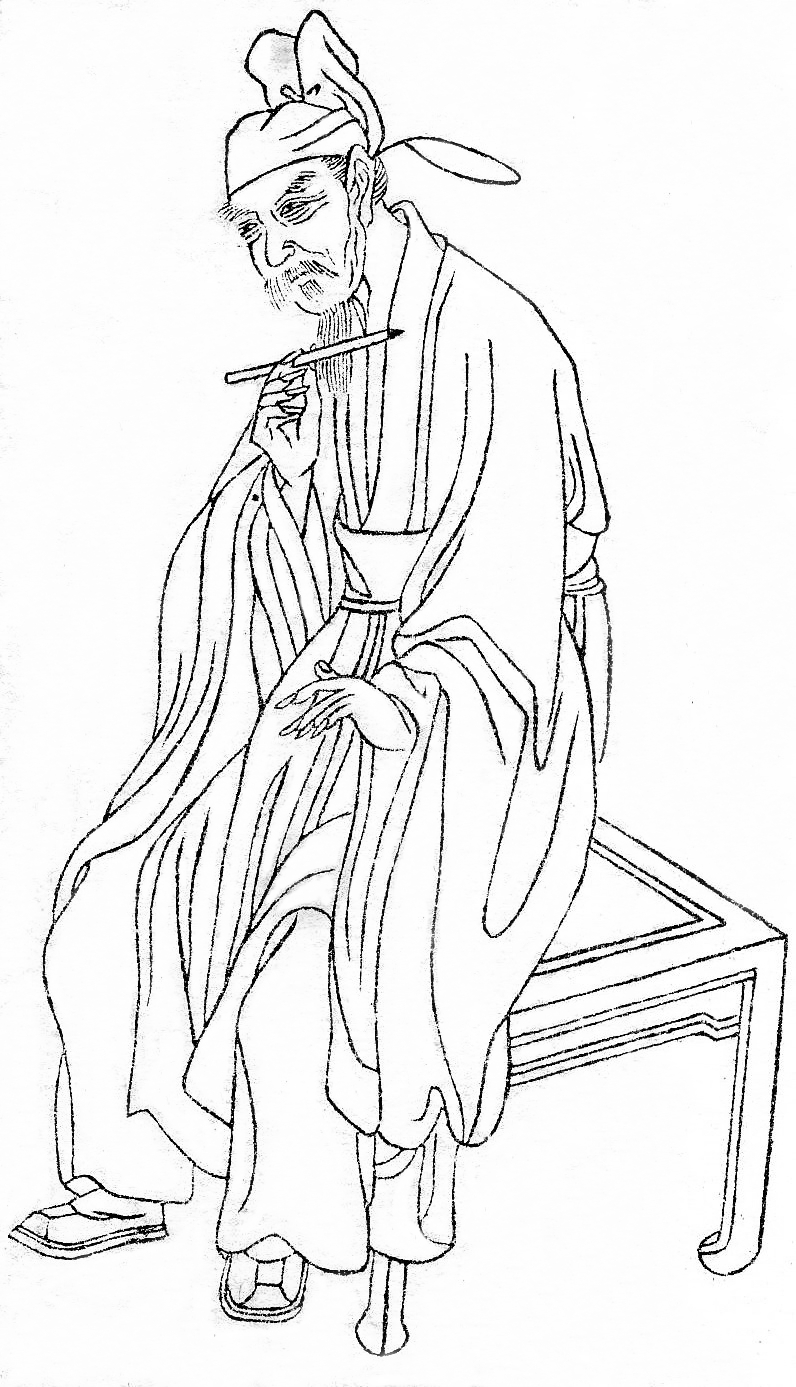
Lu Jiuyuan
1139 CE – 1193 CE
Jinxi, Fuzhou, Jiangxi
Cistercian monk, abbot of Southern Song Neo-Confucianism, and medieval Christian philosopher-theologian whose theology of love, humility, grace, free choice, mystical ascent, monastic ethics, scriptural exegesis, and ecclesial counsel shaped scholastic, monastic, and political theology.
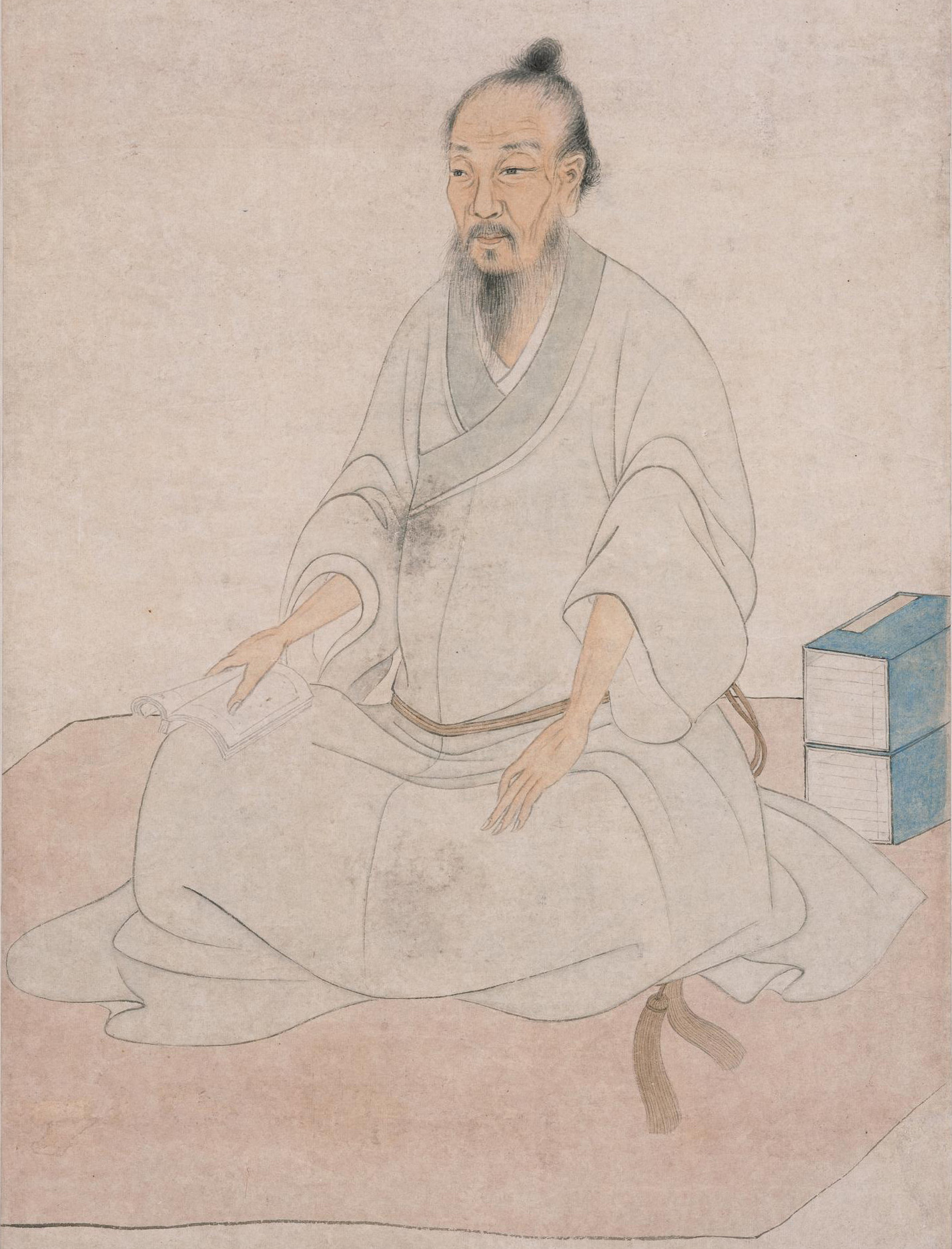
Wang Yangming
1472 CE – 1529 CE
Yuyao, Zhejiang, Ming China
Ming Chinese Neo-Confucian philosopher of the School of Mind whose teaching joins innate knowing, mind as principle, unity of knowledge and action, sagehood, and moral-political practice.
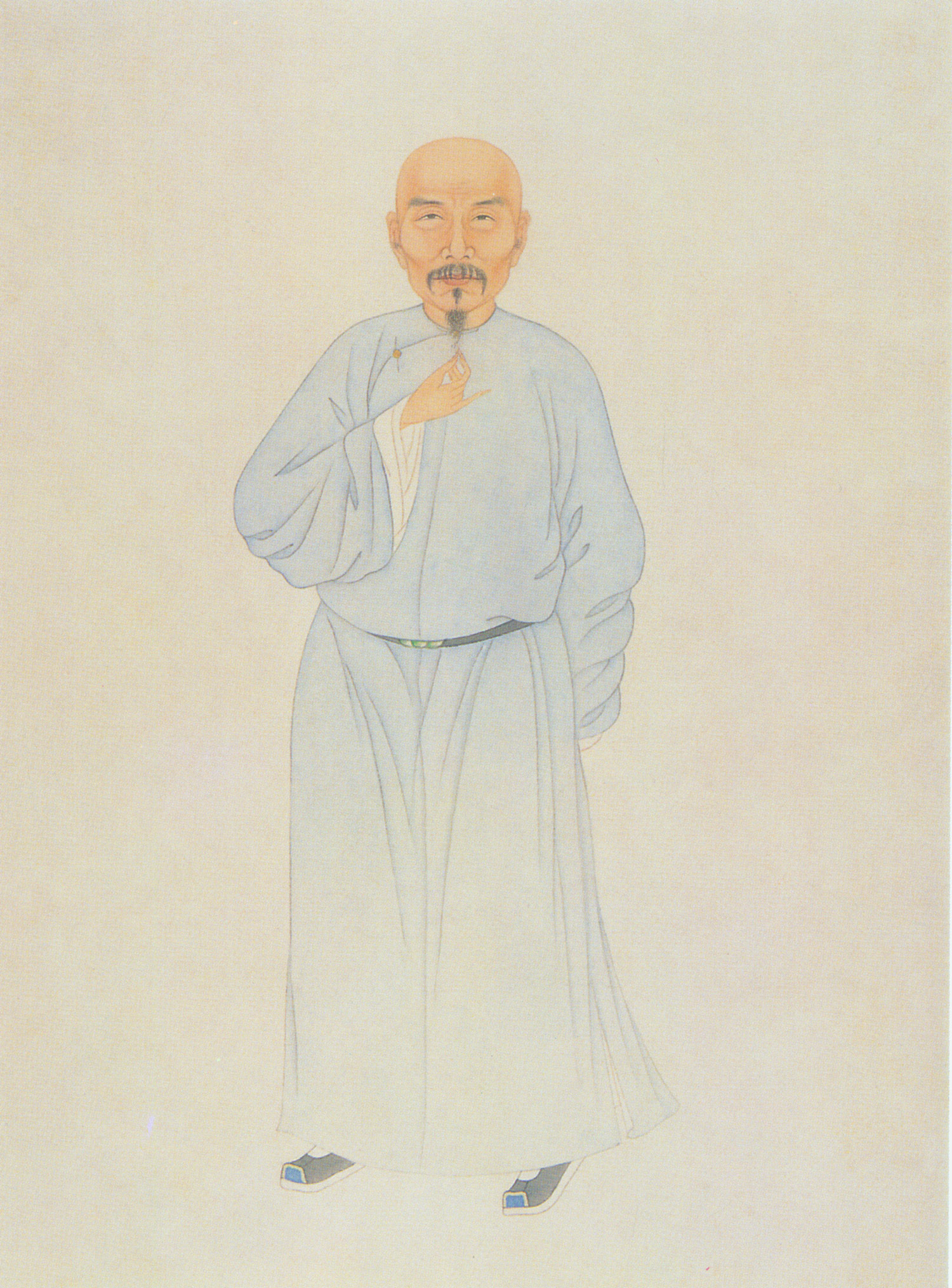
Wei Yuan
1794 CE – 1857 CE
Shaoyang, Hunan, Qing China
Late Qing Chinese statecraft thinker, historian, and geographer whose works joined Confucian practical learning, maritime defense, foreign geography, and reform-minded strategies for learning from foreign powers.
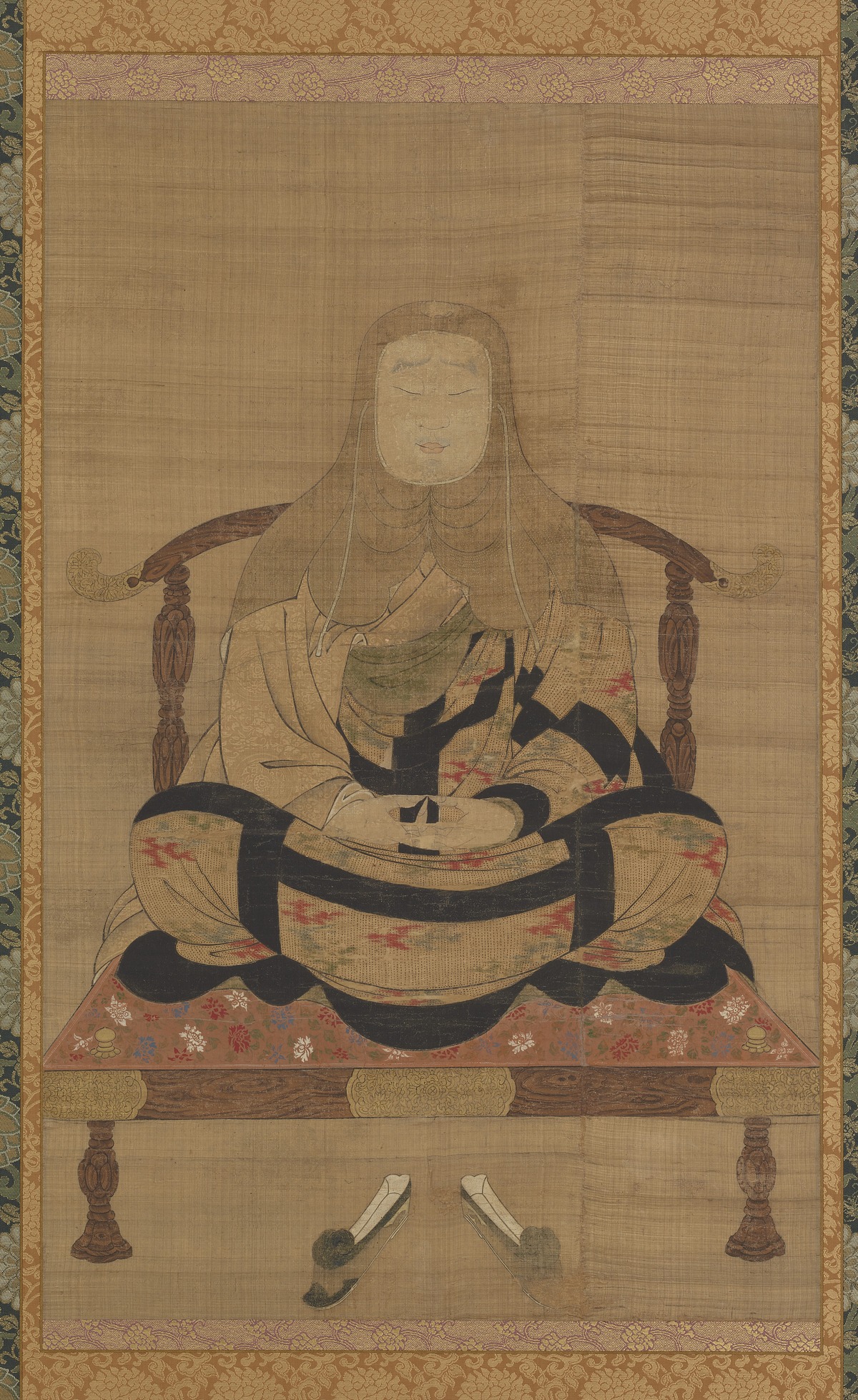
Zhiyi
538 CE – 597 CE
Huarong, Jingzhou; source surfaces vary Hunan/Hubei, exact site uncertain
Sui Tiantai Buddhist philosopher whose Lotus Sutra hermeneutics, three-truths metaphysics, panjiao classification, and calming-insight meditation system shaped East Asian Buddhist thought.
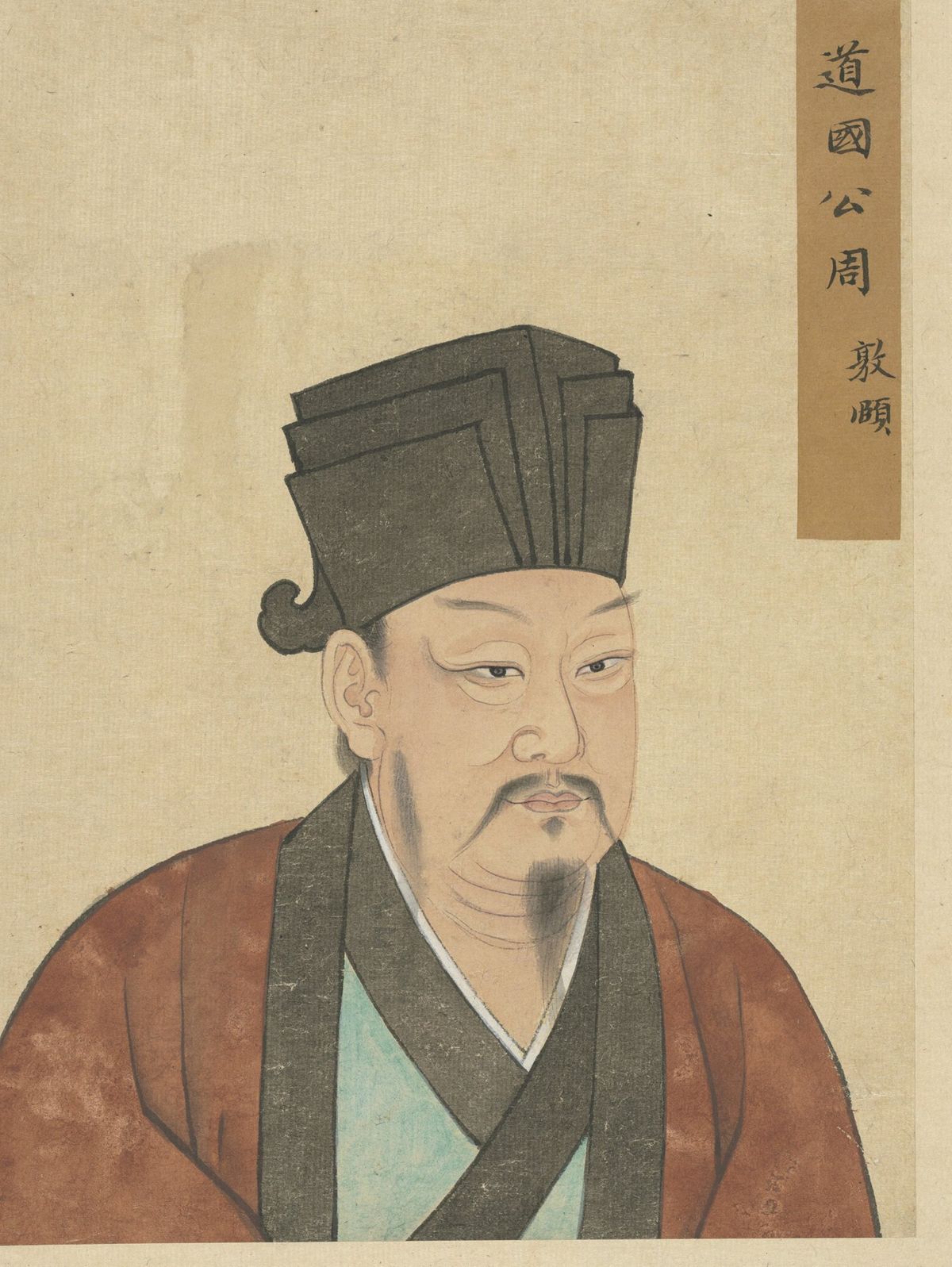
Zhou Dunyi
1017 CE – 1073 CE
Yingdao, Daozhou, now Dao County, Yongzhou, Hunan
Northern Song Neo-Confucian philosopher whose taiji-wuji cosmology, theory of sincerity, moral self-cultivation, and lotus symbolism helped form the metaphysical and ethical vocabulary later systematized by Zhu Xi.
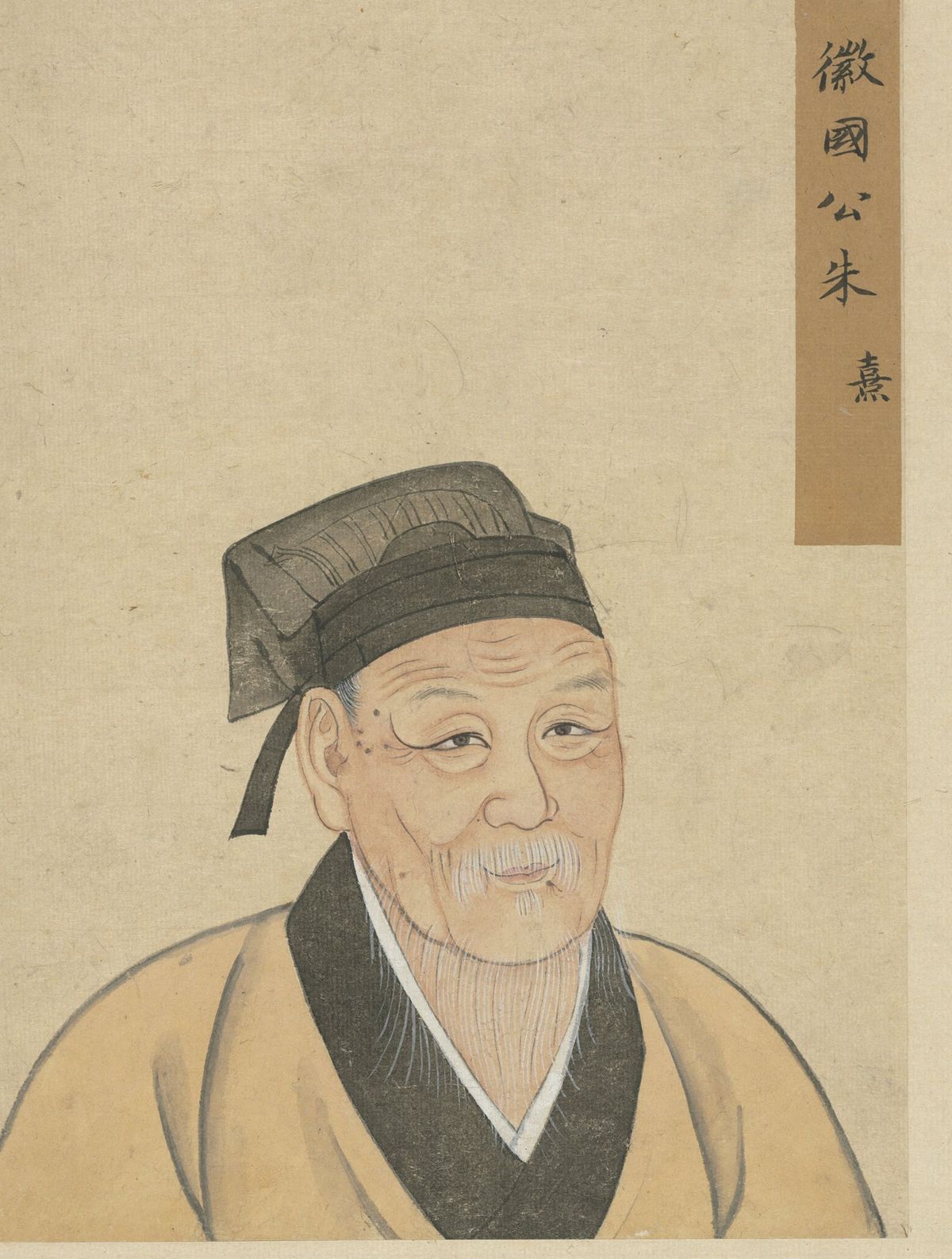
Zhu Xi
1130 CE – 1200 CE
Youxi, Nanjian Prefecture, Fujian, Southern Song; ancestral Wuyuan/Huizhou noted in sources
Southern Song Neo-Confucian philosopher whose Cheng-Zhu synthesis made li-qi metaphysics, investigation of things, ritual self-cultivation, and the Four Books commentary tradition central to later East Asian Confucian learning.
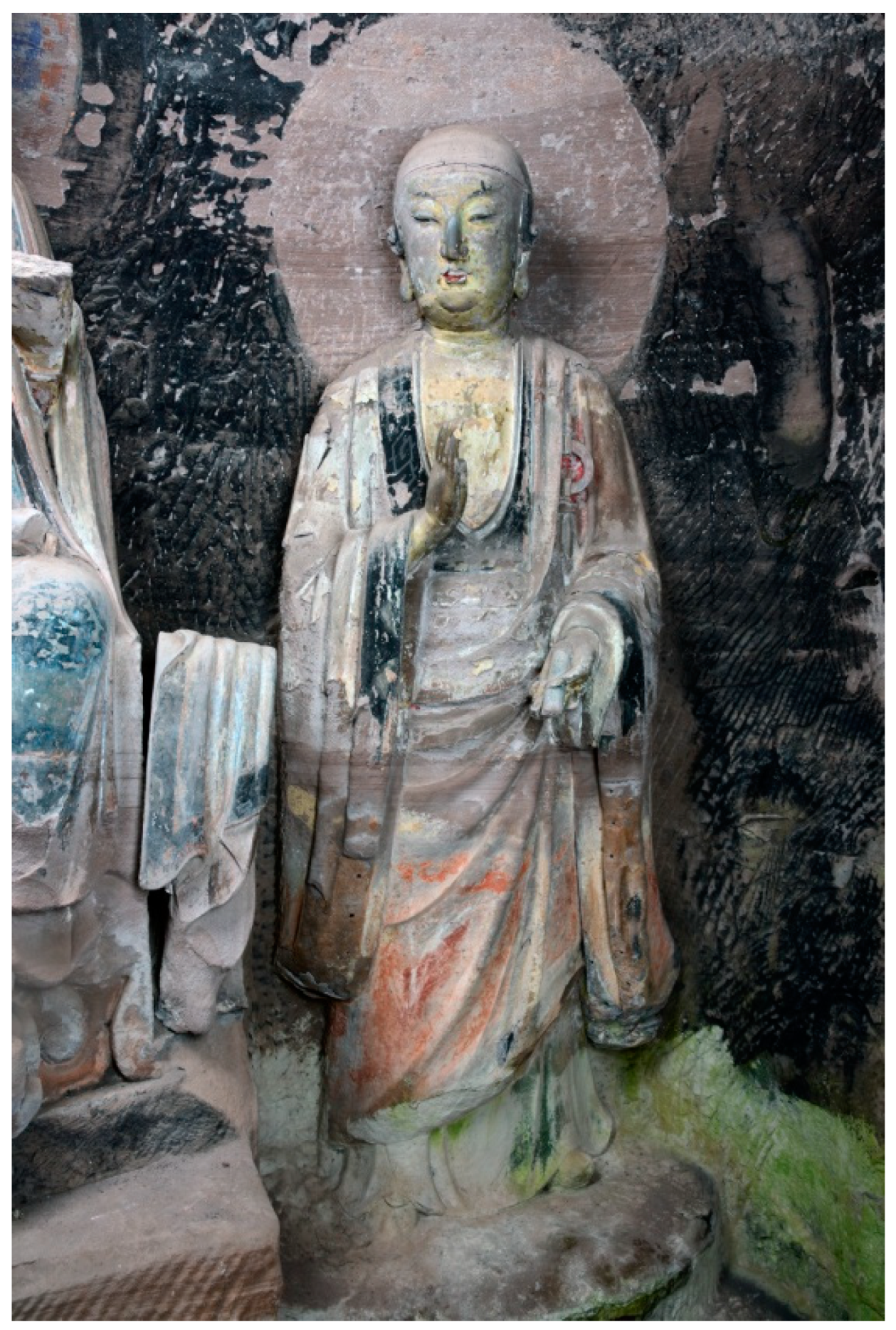
Zongmi
780 CE – 841 CE
Xichong, Guozhou, Sichuan, Tang China
Tang Buddhist philosopher whose Huayan-Chan synthesis joined tathāgatagarbha, Perfect Enlightenment exegesis, sudden awakening with gradual cultivation, and doctrinal classification.