(1985 AD – 2025 AD)
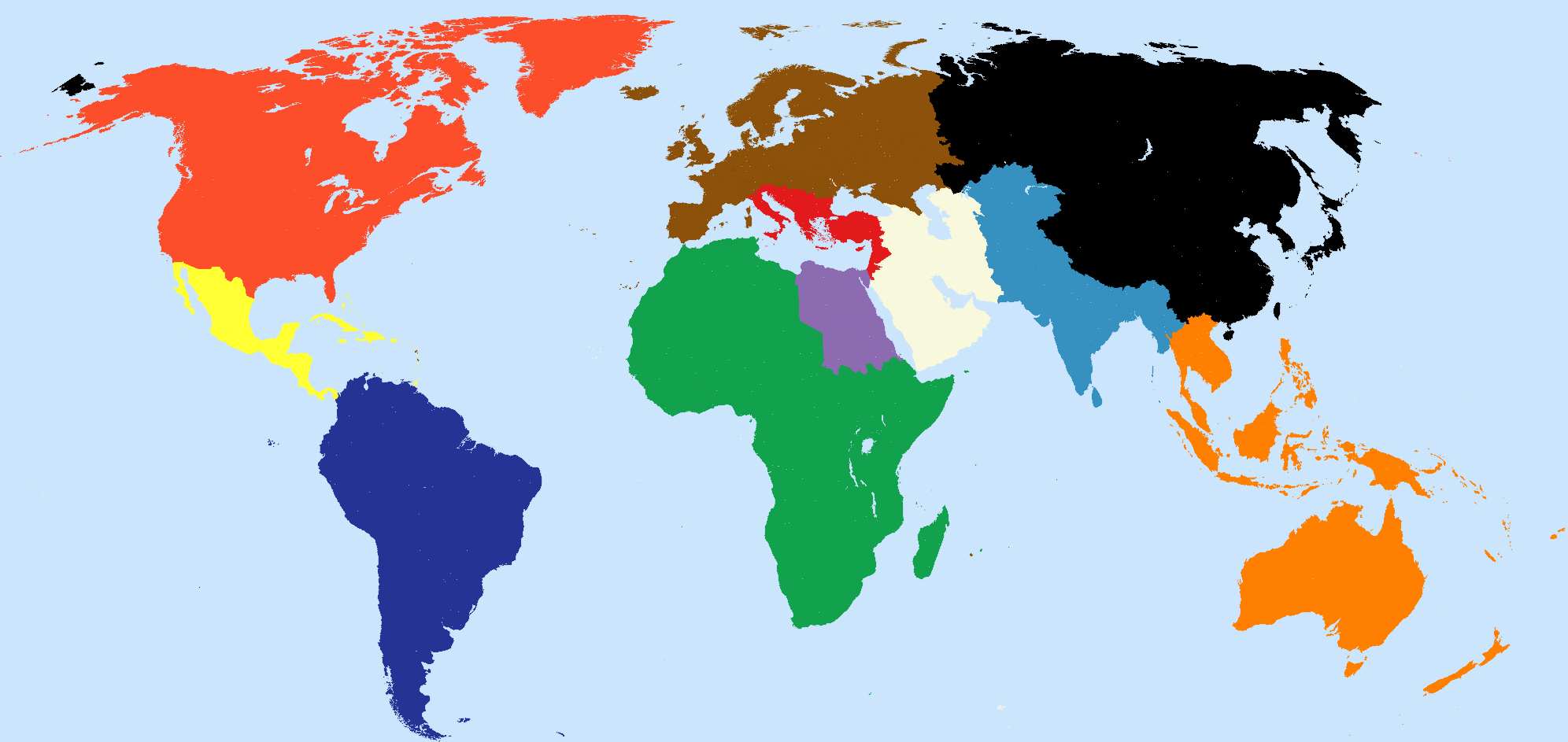 Allisonian Era
Western Europe Allisonian Era
Eastern Mediterranean Allisonian Era
Persia Allisonian Era
Egypt Allisonian Era
Africa Allisonian Era
India & Central Asia Allisonian Era
China Allisonian Era
Oceania Allisonian Era
North America Allisonian Era
Central America Allisonian Era
South America
| Terra Avita Region and Era Name Link | Representative Cultures | Major Cities / Centers | Major Events |
|---|---|---|---|
| Allisonian Era Western Europe | European Union, Post-Cold War Democracies, Digital Integration Societies | Brussels, Berlin, Paris, London, Madrid | Fall of the Berlin Wall (1989); EU expansion and euro adoption; Brexit (2016); migration crises; climate activism and green energy transition |
| Allisonian Era Eastern Mediterranean | Modern Turkey, Greece, Cyprus, NATO & Regional Powers | Istanbul, Athens, Ankara, Nicosia | Integration into NATO and EU spheres; regional tensions in Aegean and Eastern Mediterranean gas fields; refugee movements |
| Allisonian Era Persia | Islamic Republic of Iran, Reformist vs. Conservative Divide | Tehran, Isfahan, Qom | Iran–Iraq War aftermath; nuclear development disputes; Green Movement (2009); sanctions and regional proxy conflicts |
| Allisonian Era Egypt | Arab Republic of Egypt, Post-Arab Spring Transition | Cairo, Alexandria, Giza | Hosni Mubarak era; 2011 Arab Spring revolution; short-lived democracy; Sisi’s consolidation of power; Suez modernization |
| Allisonian Era Africa (beyond the Nile) | African Union, Pan-Africanism, Emerging Economies | Lagos, Nairobi, Johannesburg, Addis Ababa | End of apartheid (1994); democratization and growth; Chinese investment surge; Sahel conflicts and tech leapfrogging |
| Allisonian Era India and Central Asia | Republic of India, Pakistan, Central Asian Republics | New Delhi, Mumbai, Islamabad, Tashkent, Almaty | Liberalization of Indian economy (1991); nuclearization of South Asia; rise of tech sector; Belt and Road expansion |
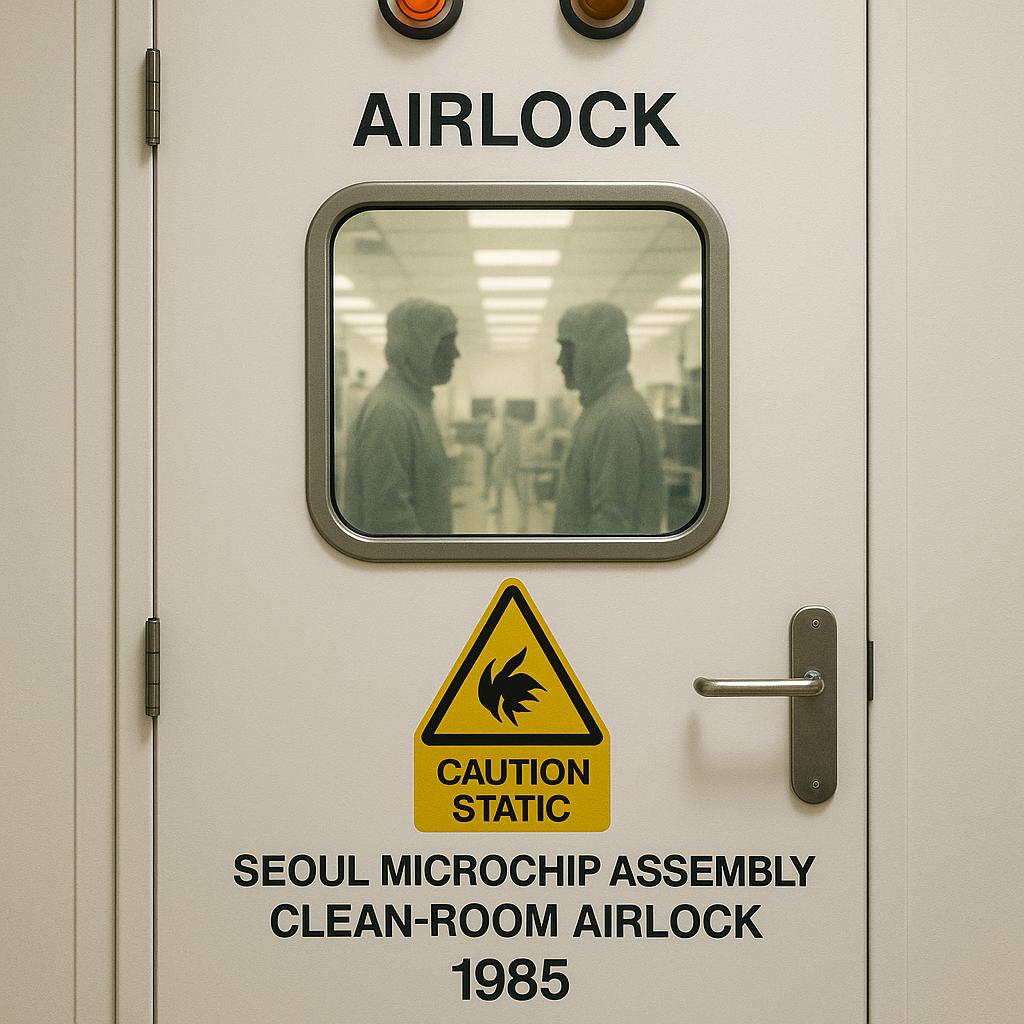
| Allisonian Era China (East Asia) | People’s Republic of China (Reform Era), East Asian Tigers, Post–Cold War Japan & Korea | Beijing, Shanghai, Tokyo, Seoul, Shenzhen | China’s economic ascent; Hong Kong integration; Taiwan tensions; technological dominance; regional trade networks |
| Allisonian Era Oceania | Australia, New Zealand, Pacific Island Nations | Sydney, Melbourne, Wellington, Suva | Pacific climate diplomacy; trade with Asia; indigenous cultural revival; strategic alignment with U.S. and allies |
| Allisonian Era North America | United States (Post–Cold War Superpower), Canada, Mexico | Washington D.C., New York, Toronto, Mexico City | End of Cold War; NAFTA (1994); 9/11 attacks and War on Terror; 2008 financial crisis; digital revolution and polarization |
| Allisonian Era Central America | Post–Civil War Republics, Migration Corridors | Guatemala City, San Salvador, Tegucigalpa, Panama City | Peace accords end civil wars; rise of migration crises; gang and narco-violence; U.S. geopolitical engagement |
| Allisonian Era South America | Brazil, Argentina, Chile, Andean Nations | Brasília, Buenos Aires, Santiago, Lima | Democratic transitions; commodity booms and busts; Amazon deforestation; political polarization and populist resurgence |


Era by Year


















































1985 AD – Snapshot
| Terra Avita Region and Era Name Link | Event Description |
|---|---|
| Cold War Era Africa (beyond the Nile) | Cold War battleground + famine era. Ethiopia under Mengistu’s Marxist Derg, famine peaks 1984–85. Angola and Mozambique deep in proxy wars (Cuba, USSR vs. South Africa/U.S.). South Africa under apartheid; anti-apartheid movement surging. Nigeria oil-rich but politically unstable. Sahel suffering repeated drought. |
| Cold War Era Central America | Peak of U.S.–Soviet proxy wars. Nicaragua ruled by Sandinistas; U.S.-backed Contras fighting. El Salvador in brutal civil war. Guatemala under military rule committing massive atrocities against Maya communities. Honduras and Costa Rica as staging areas. Region defined by Cold War violence. |
| Cold War Era China (East Asia) | China under Deng Xiaoping’s early reform era. “Reform and Opening” in motion: SEZs, market experiments, foreign investment. Politically authoritarian but economically transforming. Taiwan still KMT authoritarian but industrializing. Hong Kong booming under British rule. |
| Cold War Era Eastern Mediterranean | Post-colonial states under Cold War pressure. Israel under national-unity government after Lebanon War (1982). Lebanon mid–civil war. Syria under Hafez al-Assad entrenched. Turkey recently under military rule (1980 coup) but stabilizing. Cyprus permanently divided. Palestinian uprising approaching (First Intifada 1987). |
| Cold War Era Egypt | Egypt under Hosni Mubarak (took power 1981). Post-Sadat realignment toward the U.S. after Camp David (1978). Economic stagnation, massive population growth, authoritarian political structure. Key U.S. ally in Cold War Middle East. |
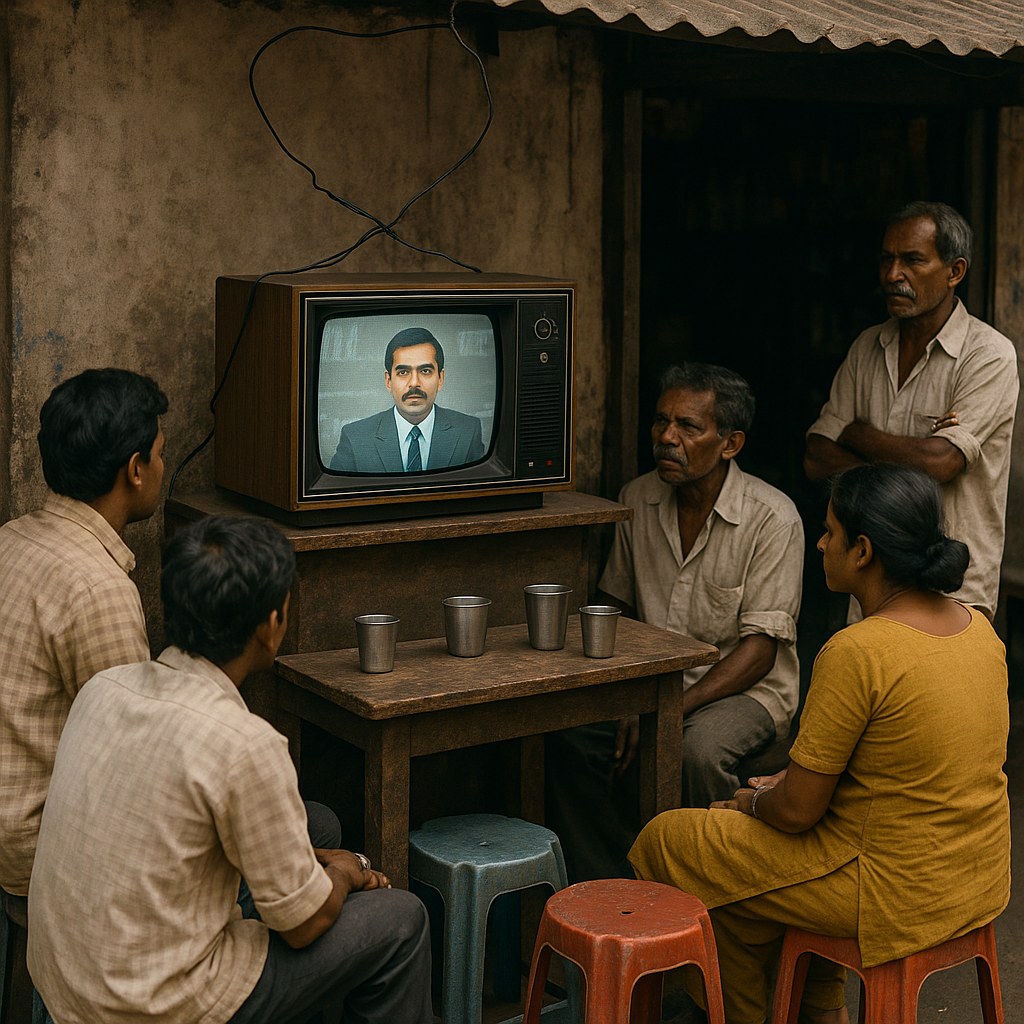
| Cold War Era India and Central Asia | India under Indira Gandhi (assassinated 1984) → Rajiv Gandhi. Cold War nonaligned but cooperating with USSR. Sikh insurgency (Punjab) active. Pakistan under Zia-ul-Haq—Islamization and Afghan mujahedeen supply lines. Central Asia fully Soviet, with heavy Russification, economic stagnation, and suppression of religion. |
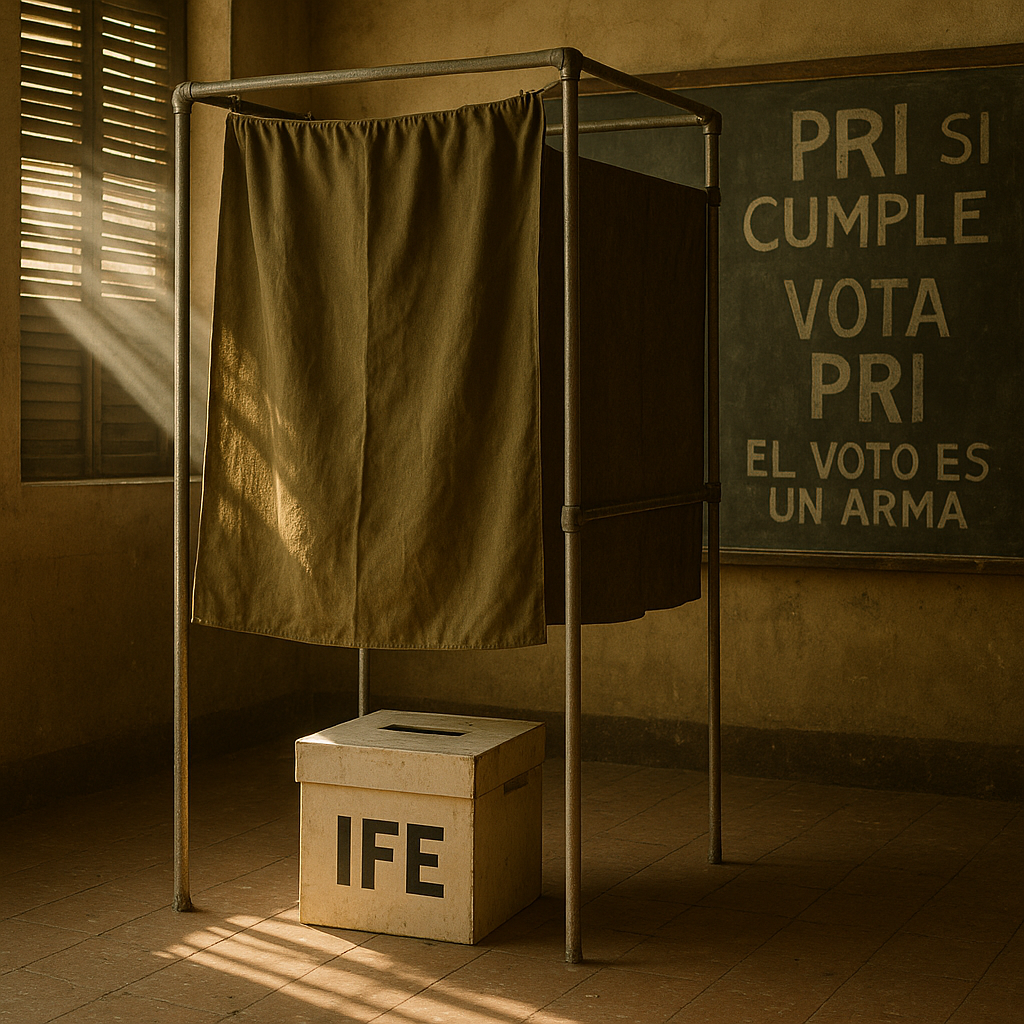
| Cold War Era North America | United States under Ronald Reagan—Cold War escalation (“Star Wars”), neoliberal economics, massive military buildup. Canada under Mulroney; U.S.–Canada free trade emerging. Mexico in debt crisis under PRI; structural adjustment begins. Native American activism persistent but underfunded. |
| Cold War Era Oceania | Late colonial remnants shrinking. Australia and NZ Western-aligned; Lange government in NZ withdraws from ANZUS (1984). Pacific microstates increasingly independent (e.g., Kiribati 1979, Vanuatu 1980). Hawaii fully integrated U.S. state. French Polynesia under France; nuclear tests at Mururoa ongoing. Indigenous cultural revival strong across the region. |
| Cold War Era Persia | Iran under the Islamic Republic in the middle of the Iran–Iraq War (1980–1988). Ayatollah Khomeini in full authority. Enormous casualties, economic devastation, and ideological rigidity. Revolutionary Guard rising. Relations with U.S. hostile (hostage crisis ended 1981). |
| Cold War Era South America | Transition out of dictatorships. Argentina returned to democracy (1983). Brazil transitioning to civilian rule (1985). Chile still under Pinochet (until 1990). Peru descending into insurgency (Shining Path). Colombia under cartel escalation. Economic crisis and IMF programs widespread. Afro-descendant and Indigenous oppression still systemic. |
| Cold War Era Western Europe | Late Cold War stability + neoliberal turn. NATO fully entrenched. Britain under Thatcher; France under Mitterrand. West Germany prosperous, preparing for eventual reunification. Soviet-controlled Eastern Europe stagnant under communist regimes. European Economic Community expanding integration (Single European Act soon 1986). |









1995 AD – Snapshot
| Terra Avita Region and Era Name Link | Event Description |
|---|---|
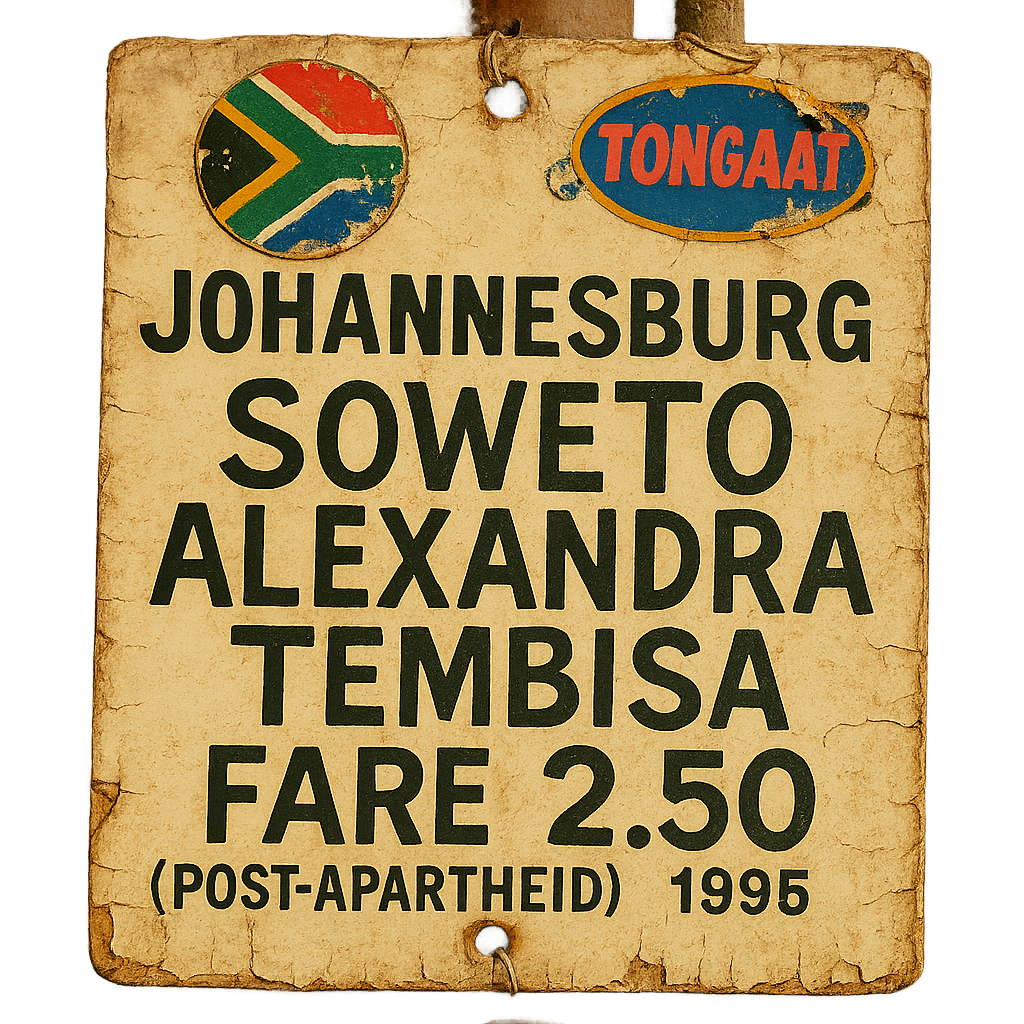
| Allisonian Era Africa (beyond the Nile) | Post-apartheid era begins (South Africa 1994). Rwanda recovering from 1994 genocide; Great Lakes crises expanding. Nigeria under military dictatorship (Abacha). West Africa full of civil wars (Liberia, Sierra Leone). North Africa under firm authoritarian rule (Algeria in civil war). Structural adjustment and globalization reshape economies. |
| Allisonian Era Central America | Post–civil war transitions. Nicaragua and El Salvador in peace processes after U.S.–Soviet proxy conflicts end. Guatemala nearing peace agreement (1996). U.S. economic influence dominant. Indigenous rights movements growing in Chiapas (Zapatista uprising 1994). |
| Allisonian Era China (East Asia) | China surging economically under Deng Xiaoping’s reforms. Special Economic Zones booming. Coastal cities becoming global manufacturing hubs. Political repression still high (post–Tiananmen climate). Hong Kong handover approaching (1997). Taiwan democratizing (first presidential election 1996). |
| Allisonian Era Eastern Mediterranean | Middle East in uneasy post–Cold War order. Oslo Accords (1993–1995) create Israeli–Palestinian partial agreements but tensions remain. Turkey secular, militarized, fighting PKK insurgency. Syria under Hafez al-Assad. Lebanon recovering from civil war. Egypt under Mubarak stable but authoritarian. Region defined by U.S. dominance and rising Islamist movements. |
| Allisonian Era Egypt | Authoritarian stability under Hosni Mubarak. Strong U.S. alliance. Economy opening under IMF pressure. Islamist insurgency low-level but persistent (Luxor attack in 1997 soon). Suez Canal modernized; Cairo sprawling into megacity status. |
| Allisonian Era India and Central Asia | India liberalizing rapidly after 1991 economic reforms. IT industry rising. Hindu nationalist politics emerging (BJP). Pakistan under Benazir Bhutto but unstable. Kashmir conflict hot. In Central Asia, post-Soviet states newly independent: Kazakhstan, Uzbekistan, Turkmenistan, Tajikistan, Kyrgyzstan—authoritarian regimes, economic collapse, civil war in Tajikistan (1992–1997). |
| Allisonian Era North America | United States absolute global superpower. Clinton era; tech boom beginning; NAFTA (1994) integrating U.S.–Canada–Mexico economies. Native American self-governance expanding. Mexico in economic crisis (Tequila Crisis 1994–95). Canada stable and prosperous. |
| Allisonian Era Oceania | Independent Pacific nations adjusting to globalization. Australia and New Zealand stable democracies, deeply integrated with Asia-Pacific markets. Fiji coping with coups (1987) legacy. Papua New Guinea unstable (Bougainville conflict). Polynesia under mixed sovereignty: Hawaii a U.S. state; Samoa independent; French Polynesia under France; many microstates dependent on aid. |
| Allisonian Era Persia | Iran under the Islamic Republic, post-Khomeini but still conservative (Rafsanjani presidency). Reconstruction after Iran–Iraq War continues. Economy partly liberalizing; society tightly controlled. U.S. sanctions escalate; political factionalism between conservatives and reformists intensifies. |
| Allisonian Era South America | Neoliberal “Washington Consensus” era. Argentina under Menem privatizations. Brazil stabilizing currency (Real Plan 1994). Chile democratic and rapidly modernizing. Peru under Fujimori authoritarian/anti-insurgency rule. Colombia deep in drug-cartel conflict. Indigenous rights movements expand across Andes. |
| Allisonian Era Western Europe | European Union formed (Maastricht 1993). NATO expands influence eastward. Germany reunified (1990) and dominant in EU economics. Britain under Major, debating euro integration. France under Mitterrand/Chirac transition. Balkans in full conflict—Bosnian War ends with Dayton Accords (1995). Post-Soviet migration and economic shifts accelerate modernization. |




2005 AD – Snapshot
| Terra Avita Region and Era Name Link | Event Description |
|---|---|
| Allisonian Era Africa (beyond the Nile) | Post–Cold War fragmentation and partial recovery. Nigeria under civilian rule (1999→), oil conflict in Niger Delta. Congo in aftermath of the Great African War; peace agreements tenuous. Rwanda and Uganda stabilizing under authoritarian governments. South Africa under Mbeki. Sudan in civil conflict; Darfur genocide ongoing. West Africa democratizing unevenly. |
| Allisonian Era Central America | Post–civil war societies under heavy U.S. economic influence. CAFTA-DR trade agreement (2004). Gang violence escalating (MS-13, Barrio 18). Political corruption widespread. Costa Rica stable; Nicaragua, Honduras, and El Salvador unstable. Indigenous and Afro-descendant communities marginalized. |
| Allisonian Era China (East Asia) | China in explosive growth phase under Hu Jintao. WTO entry (2001) accelerates manufacturing dominance. Urbanization, mega-cities, and exports surge. Political repression firm but economy booming. Taiwan democratic; relations tense. Hong Kong under “One Country, Two Systems” but protests still in future. |
| Allisonian Era Eastern Mediterranean | Middle East defined by Iraq War (2003) aftermath. Israel in Second Intifada (2000–2005). Palestinian Authority under new leadership after Arafat’s death (2004). Turkey under Erdoğan’s early AKP phase—secular but shifting. Syria under Bashar al-Assad consolidating authoritarian rule. Lebanon recovering from civil war legacy; Hariri assassination (2005). |
| Allisonian Era Egypt | Egypt under Hosni Mubarak, authoritarian but stable. U.S. ally in War on Terror. Limited political reforms; rising Islamist and liberal opposition. Suez Canal central to global trade. Significant socioeconomic inequality. |
| Allisonian Era India and Central Asia | India rising rapidly post-1991 liberalization. IT boom; high economic growth. Pakistan under Musharraf military rule; Kashmir tensions ongoing. Afghanistan under U.S.-backed Karzai government but insurgency rising. Central Asia under entrenched authoritarian regimes: Nazarbayev (Kazakhstan), Karimov (Uzbekistan). “Colored revolutions” spark regional unease. |
| Allisonian Era North America | United States in War on Terror era. George W. Bush presidency; Iraq War (2003) and Afghanistan War ongoing. Patriot Act, Homeland Security, military expansion. Canada under Paul Martin (then Harper 2006). Mexico under Fox, managing NAFTA-era challenges and cartel violence. Indigenous rights rising in legal frameworks. |
| Allisonian Era Oceania | Australia and New Zealand fully integrated into Asia-Pacific geopolitics. Australia under Howard, supporting U.S. in Iraq and Afghanistan. New Zealand under Helen Clark, independent stance. Pacific microstates dependent on aid; coups in Fiji (2000; another in 2006). French Polynesia under France; Hawaii a major U.S. military hub. |
| Allisonian Era Persia | Iran under the Islamic Republic, increasingly assertive. Mahmoud Ahmadinejad elected in 2005. Nuclear program expands, triggering global sanctions. Strong regional influence in Iraq post-Saddam. Clerical authority entrenched; economy pressured but resilient. |
| Allisonian Era South America | “Pink Tide” leftist wave rising. Chávez in Venezuela; Lula in Brazil (2003–2010); Kirchners in Argentina. Economic inequality targeted by reforms. Colombia in conflict with FARC. Peru and Bolivia in nationalist resurgence (Evo Morales elected 2005). Export economies booming on high commodity prices (copper, soy, oil). |
| Allisonian Era Western Europe | European Union expands eastward (2004). Euro currency stabilized; Britain outside the eurozone but central to security architecture. France and Germany oppose Iraq War (2003). NATO integrated across former Eastern Bloc. Terrorism fears rise after Madrid bombing (2004) and London bombing (2005). |



2015 AD – Snapshot
| Terra Avita Region and Era Name Link | Event Description |
|---|---|
| Allisonian Era Africa (beyond the Nile) | Mixed trajectory across Africa. Nigeria battles Boko Haram insurgency. South Africa under Zuma: corruption and stagnation. Ethiopia booming economically but authoritarian. Kenya, Tanzania growing. West Africa recovers from Ebola outbreak (2014–2016). Sahel destabilized by jihadist militias. Chinese investment rising across continent. |
| Allisonian Era Central America | Massive instability and migration drivers. Honduras, El Salvador, Guatemala dominated by gangs (MS-13, Barrio 18); high homicide rates. Corruption entrenched. U.S. influence high. Costa Rica stable. Nicaragua under Ortega returning to authoritarianism. |
| Allisonian Era China (East Asia) | China under Xi Jinping, entering assertive geopolitical posture. Anti-corruption purges, economic slowdown from hypergrowth phase. South China Sea militarization. Belt and Road Initiative announced (2013). Hong Kong under increasing pressure, protests coming (2019). Taiwan democratic under DPP (Tsai elected soon after in 2016). |
| Allisonian Era Eastern Mediterranean | Region dominated by war and collapse. Syria in full civil war; ISIS controls large territories in Syria/Iraq. Iraq fractured along sectarian lines after U.S. withdrawal. Israel–Gaza conflicts ongoing (2014). Egypt under Sisi after 2013 coup. Turkey drifting toward authoritarianism under Erdoğan. Lebanon overwhelmed with Syrian refugees. |
| Allisonian Era Egypt | Egypt under Abdel Fattah el-Sisi, authoritarian, heavily militarized, aligned with Gulf monarchies. Muslim Brotherhood crushed after 2013. ISIS affiliates active in Sinai. Cairo undergoes infrastructure expansion; inequality remains severe. |
| Allisonian Era India and Central Asia | India ascendant under Narendra Modi (2014–). Rapid growth, digital expansion, rising Hindu nationalism. Pakistan under Nawaz Sharif; insurgency and instability persist. Afghanistan weak, Taliban active. Central Asia ruled by aging Soviet-era autocrats: Nazarbayev (Kazakhstan), Karimov (Uzbekistan), Berdimuhamedow (Turkmenistan). Russian influence resurging. |
| Allisonian Era North America | United States in late-Obama era. Economic recovery strong; social polarization rising. Obamacare partially implemented. Immigration and policing tensions high. Canada under Harper → Trudeau transition (2015). Mexico in cartel-dominated violence (drug war after 2006). Indigenous rights gaining slow ground. |
| Allisonian Era Oceania | Fully globalized Pacific. Australia under Abbott → Turnbull, strong U.S. ally, countering China’s regional rise. New Zealand stable under Key. Papua New Guinea struggling with corruption and tribal conflict. Fiji recovering from coups. Polynesian islands facing climate-driven threats. Hawaii key U.S. Pacific command hub. |
| Allisonian Era Persia | Iran under the Islamic Republic reaches the JCPOA nuclear agreement (2015) with U.S./EU. Rouhani presidency promotes limited opening. Revolutionary Guard retains deep control. Iranian regional influence peaks: Syria, Iraq, Lebanon (Hezbollah), Yemen (Houthis). Economy burdened by sanctions but stabilizing. |
| Allisonian Era South America | Post–Pink Tide fracture. Brazil in deep recession and political crisis (Dilma impeachment 2016). Venezuela collapsing economically under Maduro after oil crash. Argentina shifts right under Macri (2015). Colombia in final stage of peace process with FARC (signed 2016). Peru, Chile stable but inequality persists. Indigenous movements strong in Andes. |
| Allisonian Era Western Europe | European Union under crisis pressure. Sovereign debt crises shake Greece, Spain, Portugal; austerity widespread. Rise of populist movements. Russia’s annexation of Crimea (2014) destabilizes Europe. Massive refugee inflows from Syria. Britain debates EU membership (Brexit referendum 2016). Western Europe stable but stressed economically and politically. |



2025 AD – Snapshot
| Terra Avita Region and Era Name Link | Event Description |
|---|---|
| Allisonian Era Africa (beyond the Nile) | Demographic surge + geopolitical competition. Sahel collapses into coups and jihadist insurgency (Mali, Burkina Faso, Niger). Nigeria struggling with security and economic crises. Ethiopia recovering from Tigray war; Eritrea unpredictable. East Africa pulled between China, Gulf States, and Western investment. South Africa in prolonged economic decline. West African coastal states (Ghana, Ivory Coast) stabilize relatively well. |
| Allisonian Era Central America | Migration, crime, and authoritarian drift. El Salvador under Bukele’s mass-incarceration regime. Nicaragua a full dictatorship. Guatemala political upheaval but anti-corruption movement rising. U.S. influence strong through security and migration agreements. Economy dependent on remittances. |
| Allisonian Era China (East Asia) | China in slowdown but globally assertive. Xi Jinping consolidates one-man rule. Economic model strains: property crisis, youth unemployment, deflation pressures. Military expansion in South China Sea continues; Taiwan tensions at post-1996 highs. China–Russia strategic alignment strong after Ukraine war. Strong global footprint via Belt and Road but facing pushback. |
| Allisonian Era Eastern Mediterranean | Region at its tensest point since 1970s. Israel–Gaza war (2023–2024) destabilizes entire East Med. Lebanon collapsing economically; Hezbollah in direct conflict with Israel. Turkey balancing between NATO and Russia; authoritarian consolidation persists. Syria fragmented but Assad regime intact with Russian/Iranian support. Eastern Med becomes core arena of gas politics and great-power naval deployments. |
| Allisonian Era Egypt | Egypt under Sisi, authoritarian, economically unstable, reliant on Gulf aid and IMF restructuring. Massive infrastructure projects (New Administrative Capital) strain finances. Inflation and debt crises severe. Sinai insurgency persists at low levels. Suez Canal tensions grow amid Red Sea militarization. |
| Allisonian Era India and Central Asia | India rising as global great power. Modi era continues; economy near top three globally. Strategic rivalry with China intensifies; Quad cooperation strong. Pakistan politically unstable and economically fragile. Central Asia: authoritarian stability persists; region drawn toward China’s Belt and Road, Russian security orbit, and Middle Eastern investors. Afghanistan under Taliban rule, humanitarian crisis ongoing. |
| Allisonian Era North America | United States in polarized post-pandemic landscape. 2024 election aftermath defines political climate. U.S.–China rivalry central. Reshoring/manufacturing return driven by semiconductor security. Canada stable but adjusting to U.S. turbulence. Mexico reshaped by nearshoring boom; cartel violence remains intense. Indigenous rights movements active across all three states. |
| Allisonian Era Oceania | Indo-Pacific strategic front. Australia re-arms under AUKUS (nuclear submarines). New Zealand balancing U.S.–China pressures. Pacific Islands (Solomon Islands, Fiji) major geopolitical battleground between China and Western alliances. Climate change existential threat across low islands (Kiribati, Tuvalu). Hawaii central to U.S. Pacific defense. |
| Allisonian Era Persia | Iran under hardline rule with Raisi/Khamenei bloc. Nuclear program advanced; sanctions heavy. Tehran’s regional influence deep: militias in Iraq, Syria, Lebanon, Yemen. 2024–2025 escalation against Israel/US regional forces. Economy strained but resilient through shadow trade with China/Russia. Domestic dissent heavy but suppressed. |
| Allisonian Era South America | Political left–right oscillation continues. Brazil under Lula (3rd term). Argentina in radical economic experiment under Milei. Peru in chronic instability. Colombia in peace-process recalibration. Venezuela authoritarian and economically collapsed but stabilizing slightly due to oil negotiations. Andes under climate stress; Indigenous political power rising. |
| Allisonian Era Western Europe | Europe reorganizes under war pressure. Russia’s invasion of Ukraine (2022) reshapes security architecture. NATO expands (Finland 2023). Germany re-arms. EU energy transition accelerates. Populism resurges in multiple states. Britain navigating post-Brexit realignment. Europe dependent on U.S. security while pursuing strategic autonomy debates. |