(1945 AD – Present Day)
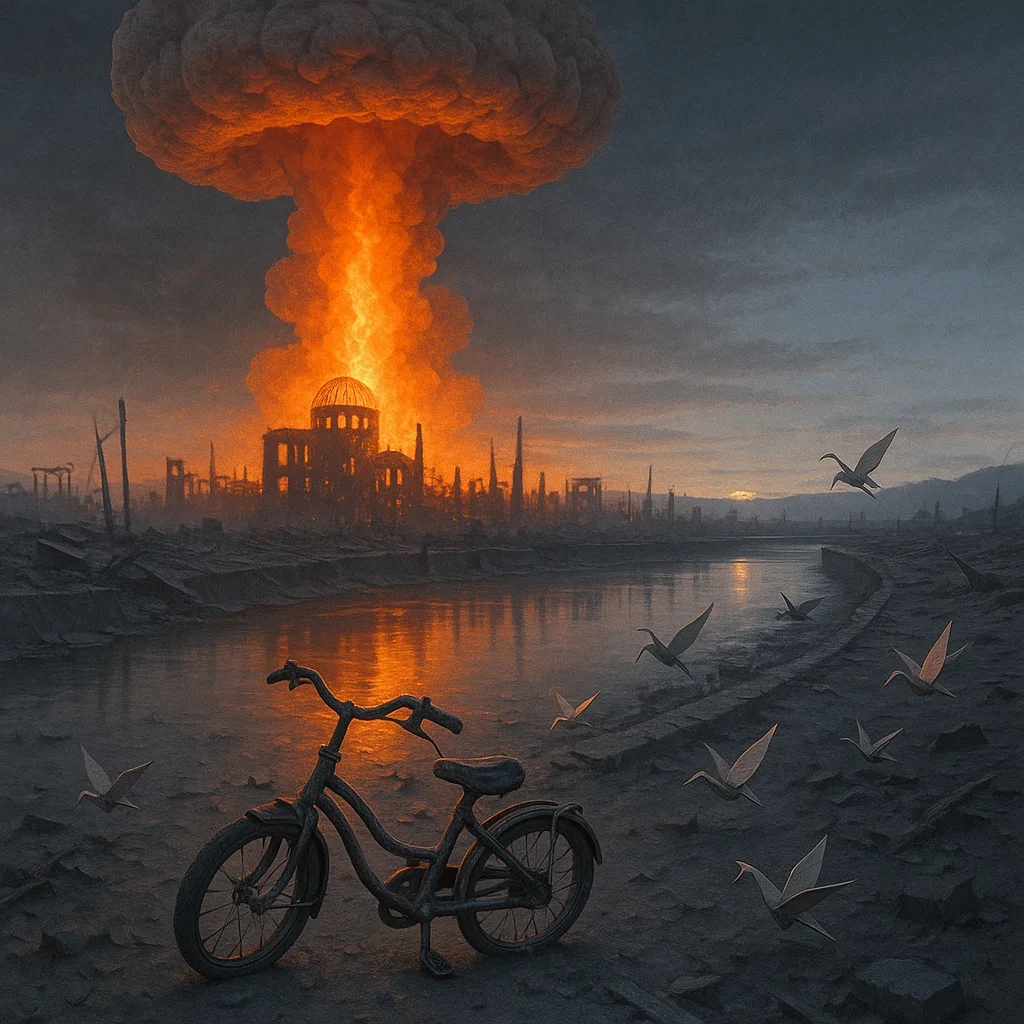
Contemporary History spans from the end of the Second World War (1945 CE) to the present. It is the structural period defined by nuclear geopolitics, global integration, and the digital transformation of society. Unlike earlier epochs, it is still unfolding, with its end point undetermined.


It is divided into structural epochs:
- Cold War Era (1945 – 1985 CE)
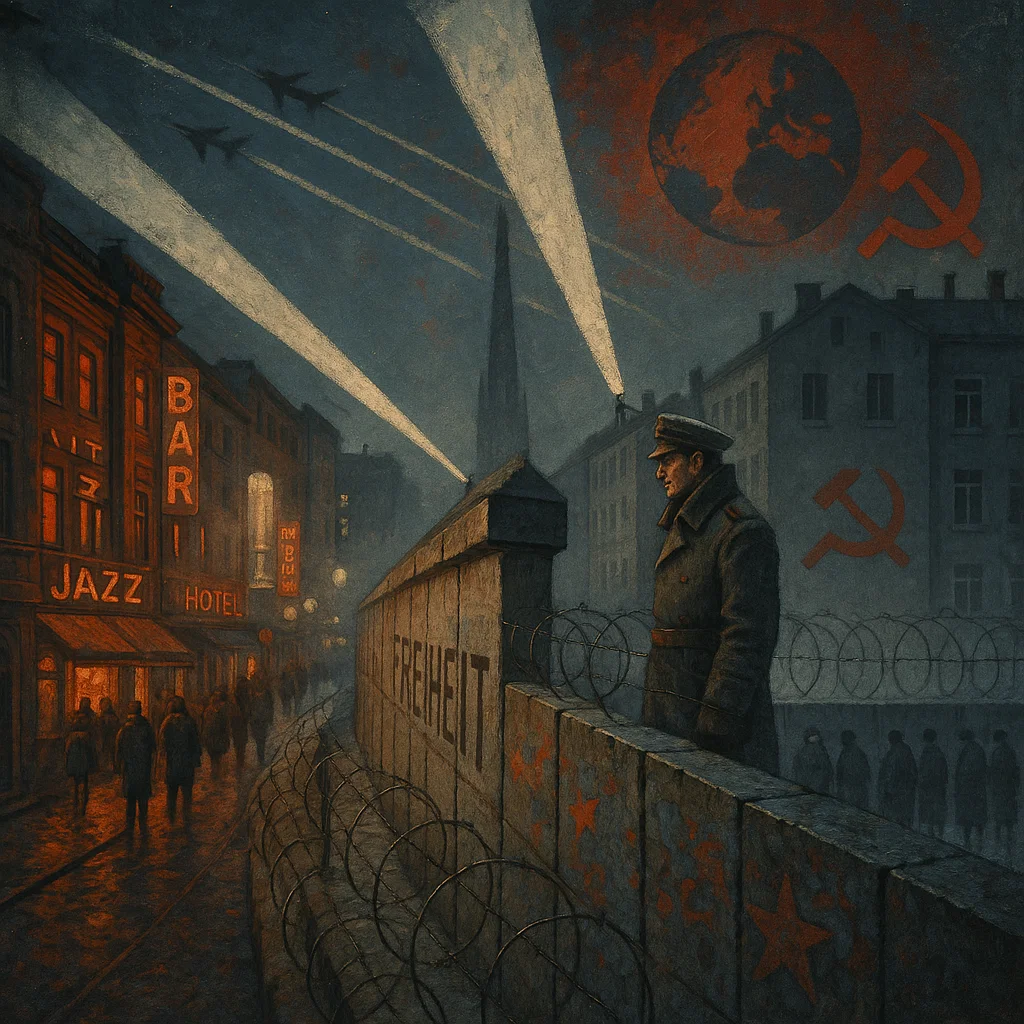
- Structurally defined by bipolar power between the United States and the Soviet Union.
- Nuclear deterrence, ideological blocs, and decolonization reshape global order.
- Allisonian Era (1985 – 2025 CE)
- Structure: unipolar U.S. dominance, expansion of global markets, and digital networks.
- Economic liberalization and rapid integration of information systems.
- Deasy Era (2026 CE – 2065 CE)
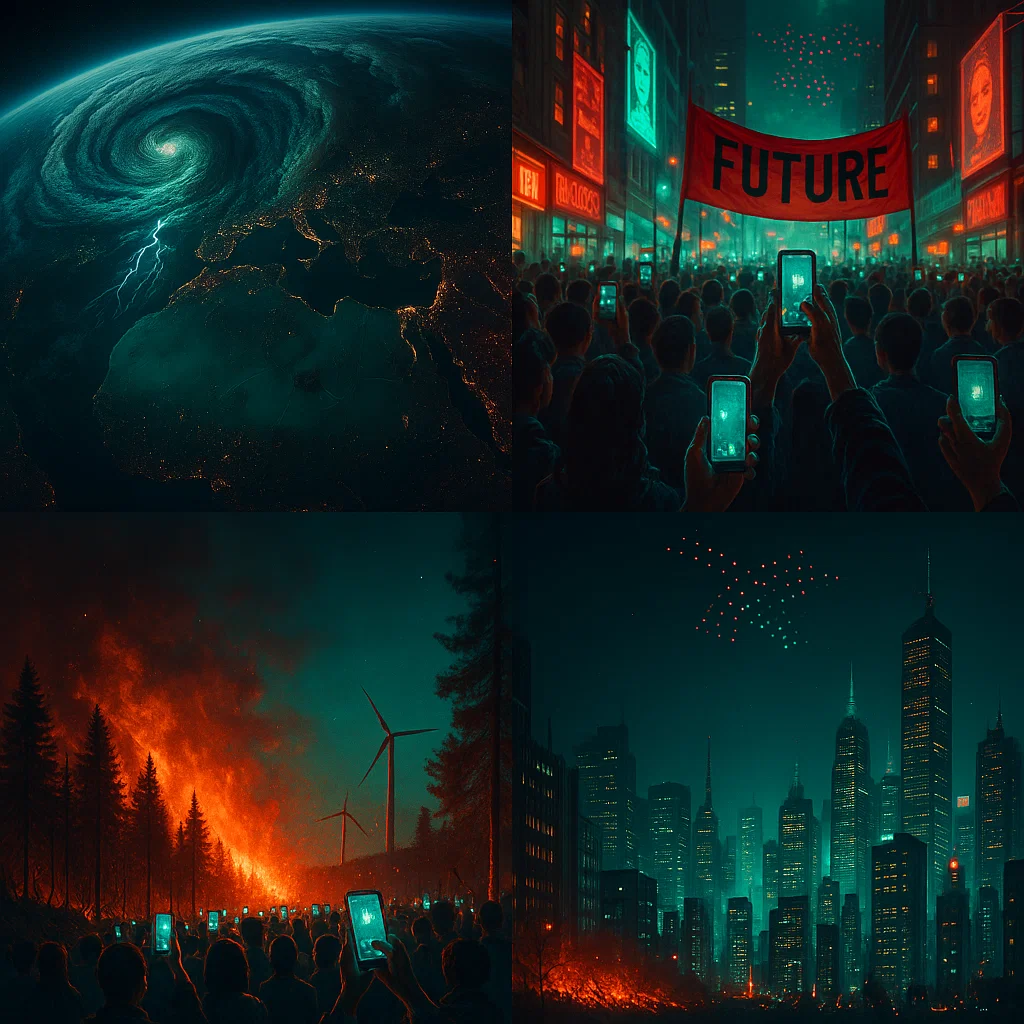
- Structurally marked by multipolar geopolitics, financial crisis aftermath, and climate awareness.
- Digital technology, social media, and artificial intelligence redefine communication, economy, and power.

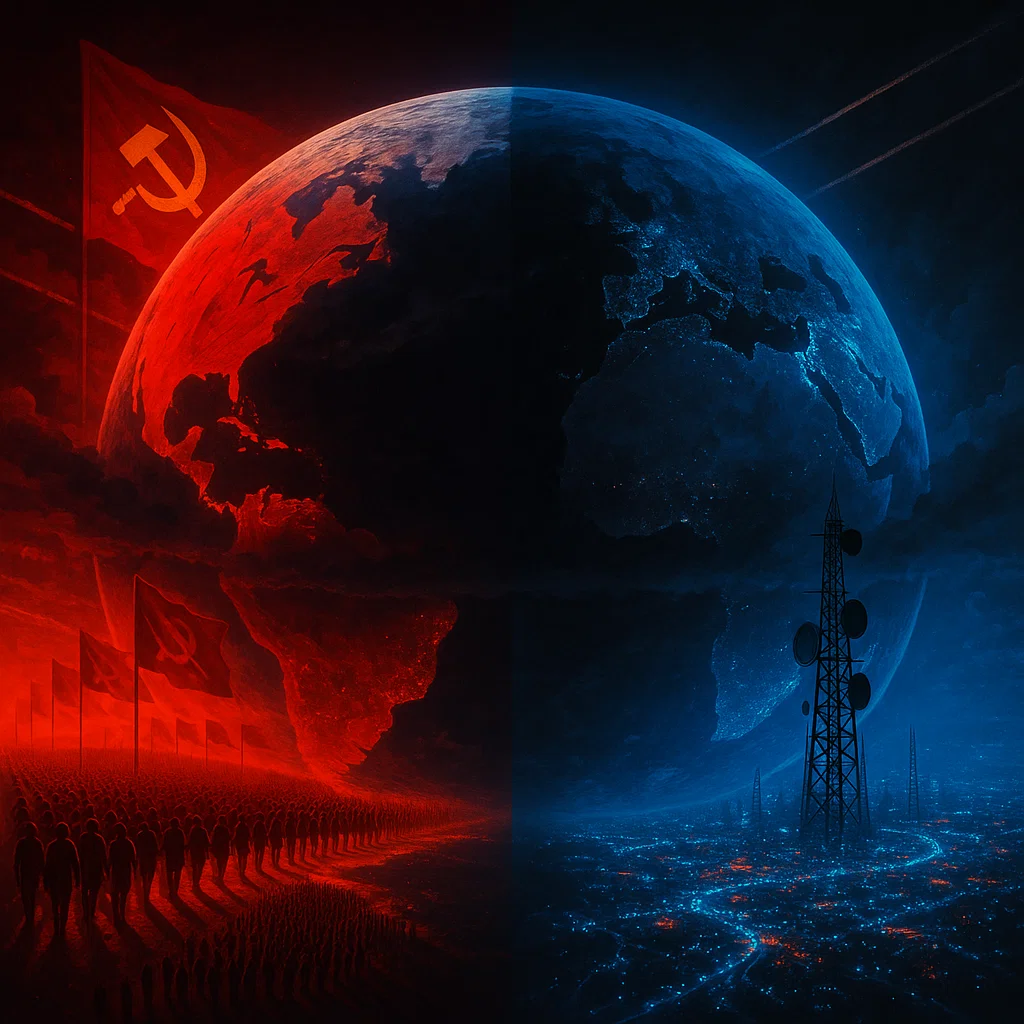

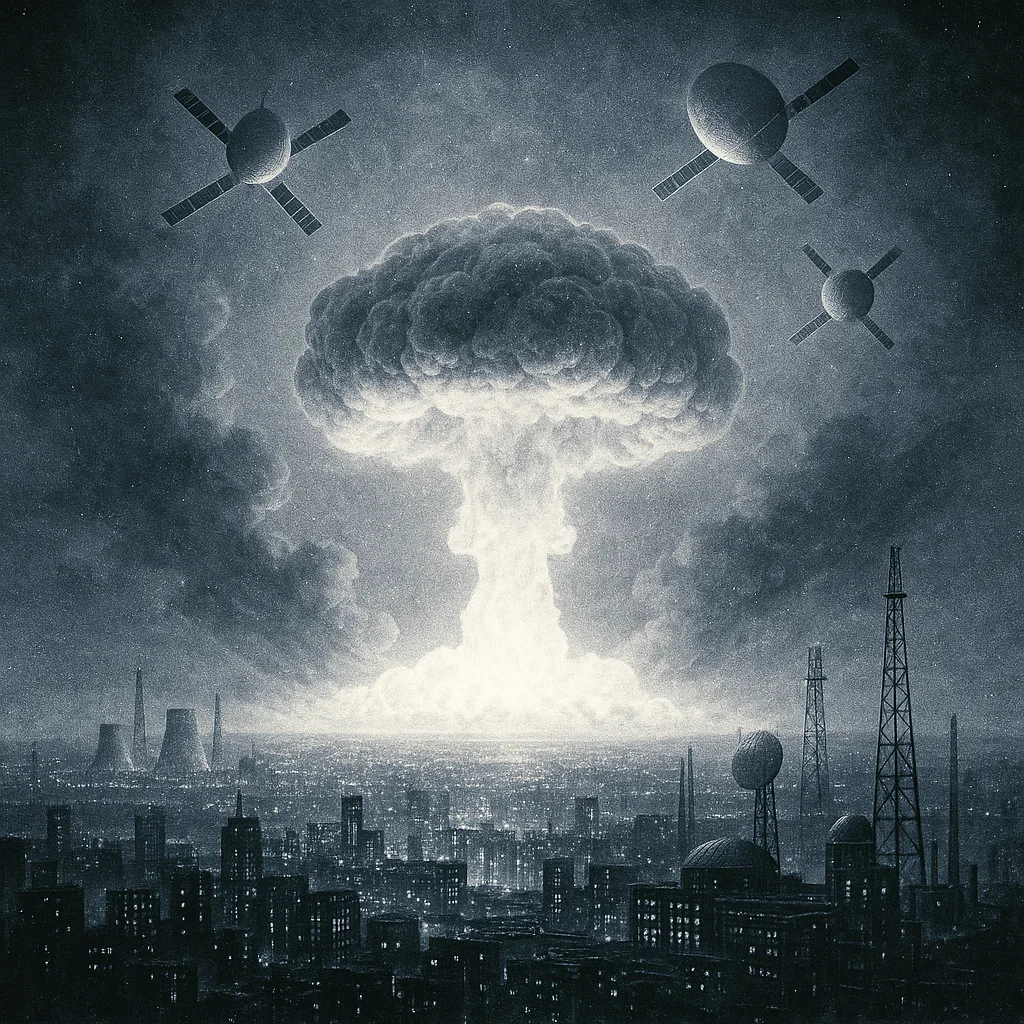

Contemporary History remains open-ended. Its defining structures—globalization, technology, and planetary constraints—are still in flux, shaping the trajectory of the next epoch.