Philosophy School
Aristotelianism
Philosophical tradition rooted in Aristotle's logic, metaphysics, natural philosophy, ethics, politics, biology, psychology, rhetoric, poetics, and theory of scientific explanation.
Period
Ancient History3000 BCE – 499 CE
Era
Classical Antiquity500 BCE – 499 CE
Begin
384 BCE
End
322 BCE
Structural Factors
- Shared Core Claims
- Reality is intelligible through substances, forms, causes, powers, purposes, demonstrations, and ordered inquiry; human flourishing depends on virtue, practical reason, habituation, and the political community.
- Shared Methods
- Logical classification, syllogistic reasoning, dialectic, empirical observation, causal explanation, teleological analysis, commentary, disputation, conceptual distinction, and systematic ordering of sciences.
- Shared Lineage
- Aristotle and the Lyceum, Theophrastus and Peripatetic successors, Greek commentators, Arabic and Jewish Aristotelians, Latin scholastics, Renaissance Aristotelianism, early modern critics, and modern neo-Aristotelian revivals.
- Shared Problems
- Substance, categories, change, causation, form and matter, act and potency, soul, living beings, scientific demonstration, virtue, political order, rhetoric, poetic imitation, theology, and the relation between Aristotle and later traditions.
- Shared Vocabulary
- substance, category, form, matter, hylomorphism, act, potency, four causes, telos, syllogism, demonstration, endoxa, phronesis, eudaimonia, virtue, polis, soul, nous, unmoved mover, and peripatetic.
- Shared Historical Context
- Aristotelianism began in the Lyceum, passed through late ancient commentary, flourished in Islamic, Jewish, Byzantine, and Latin scholastic settings, was contested by early modern science, and remains active in contemporary virtue ethics and metaphysics.
Defining Axes
- Doctrine
- A systematic account of beings, causes, knowledge, living nature, action, and political community organized around substance, form, causality, teleology, and rational flourishing.
- Method
- Inquiry through observation, classification, dialectical testing of reputable opinions, formal logic, demonstrative science, causal explanation, and commentary on Aristotle's corpus.
- Lineage
- Aristotle, Theophrastus, Peripatetic and late ancient commentators, Islamic Aristotelians, medieval scholastics, Renaissance university Aristotelians, and modern neo-Aristotelian philosophers.
- Subject Focus
- Logic, metaphysics, natural philosophy, biology, psychology, ethics, politics, rhetoric, poetics, theology, science, and philosophy of explanation.
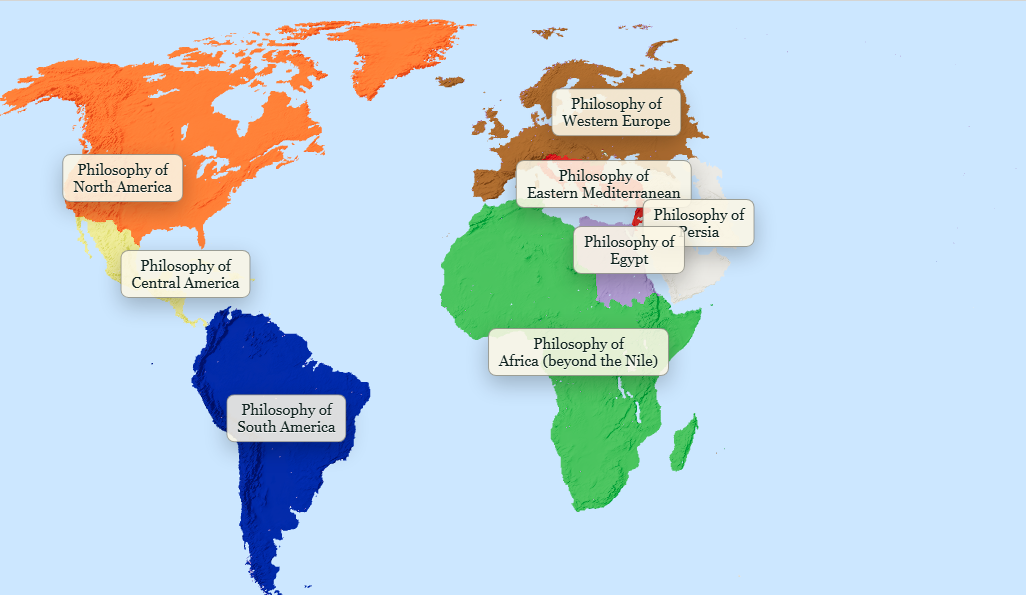
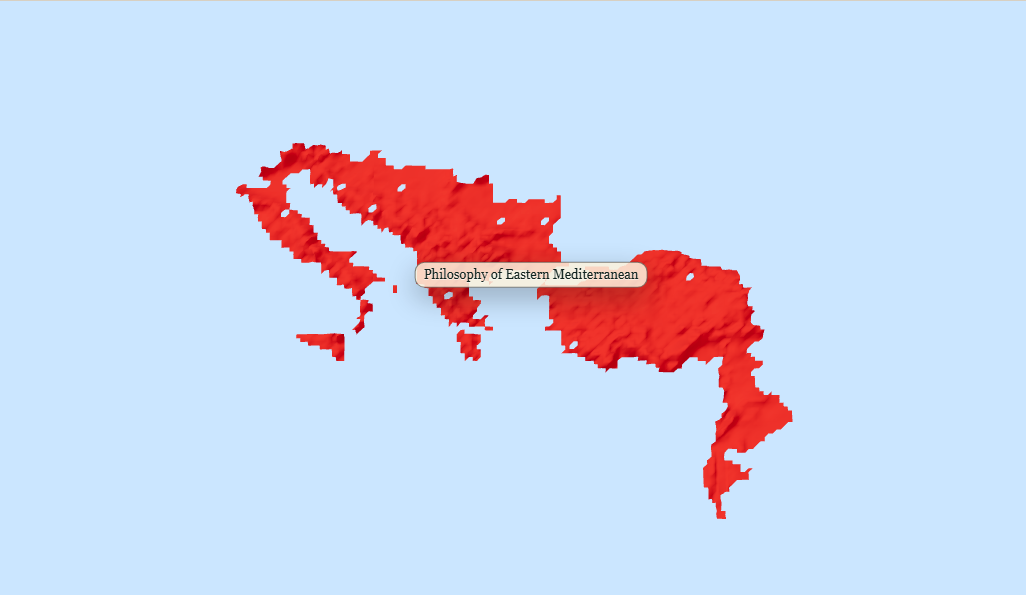
- Geography / Culture
- Greek Lyceum origins, Hellenistic and late ancient Mediterranean transmission, Arabic and Persianate philosophical culture, Latin scholastic universities, Renaissance Europe, and modern global scholarship.
- Historical Reaction
- Aristotelianism responds to Plato, Presocratic natural philosophy, sophistic rhetoric, and later is reworked under Neoplatonic, Islamic, Christian, Jewish, scholastic, early modern, and contemporary pressures.
Internal Structure
- Foundational Texts
- Core texts include Categories, De Interpretatione, Prior Analytics, Posterior Analytics, Topics, Physics, De Anima, Metaphysics, Nicomachean Ethics, Politics, Rhetoric, Poetics, biological works, and later Greek, Arabic, Latin, scholastic, Renaissance, and modern commentaries.
- Core Vocabulary
- Categories, ousia, substance, accident, form, matter, hylomorphism, potentiality, actuality, four causes, telos, syllogism, demonstration, dialectic, endoxa, phronesis, eudaimonia, virtue, polis, psyche, nous, and unmoved mover.
- Metaphysics
- Aristotelian metaphysics studies being as being, substance, form and matter, act and potency, causality, unity, change, essence, categories, and divine actuality as a first principle of intelligibility.
- Epistemology
- Aristotelian epistemology ties knowledge to demonstration from first principles, abstraction, perception, experience, induction, dialectic, scientific explanation, and the ordered hierarchy of sciences.
- Ethics
- Aristotelian ethics centers on eudaimonia, virtue, habituation, practical wisdom, character, friendship, pleasure, voluntary action, deliberation, and the political conditions of human flourishing.
- Method
- The school proceeds by distinguishing kinds of being, gathering phenomena and reputable opinions, analyzing causes, constructing syllogisms, explaining change and purpose, and commenting on Aristotle's texts.
- Internal Debates
- Debates concern the interpretation of substance, immortality of intellect, eternity of the world, relation to Plato, Neoplatonic harmonization, Averroist readings, Thomist synthesis, scholastic science, and the legitimacy of teleology.
- Successors
- Successor formations include Peripatetic philosophy, late ancient commentary, Islamic falsafa, Jewish Aristotelianism, scholastic Aristotelianism, Thomism, Renaissance university philosophy, virtue ethics, neo-Aristotelian metaphysics, and philosophy of biology.
External Classification Context
- History of Philosophy
- Aristotelianism is one of the longest-lived philosophical traditions, moving from the Lyceum into late ancient, Islamic, Jewish, Christian, scholastic, Renaissance, and modern contexts.
- Philosophy of Philosophy
- It models philosophy as an organized science of causes, beings, action, and explanation, with logic as an instrument for disciplined inquiry.
- Intellectual History
- Its survival depended on school succession, commentary, translation into Syriac, Arabic, Hebrew, and Latin, university curricula, theological adaptation, manuscript transmission, print culture, and modern disciplinary recovery.
- University Classification
- Usually classified under ancient Greek philosophy, Peripatetic philosophy, metaphysics, logic, ethics, political philosophy, philosophy of science, medieval scholasticism, and classical studies.
- Classical Sources
- Classical evidence comes from Aristotle's extant corpus, ancient biographies, Theophrastus and Peripatetic fragments, Greek commentators, doxography, and later commentary traditions.
- Sociology of Knowledge
- The school persisted through the Lyceum, libraries, commentators, translation movements, madrasas, monasteries, universities, scholastic disputation, printed editions, and modern specialist scholarship.
Linked Philosophers
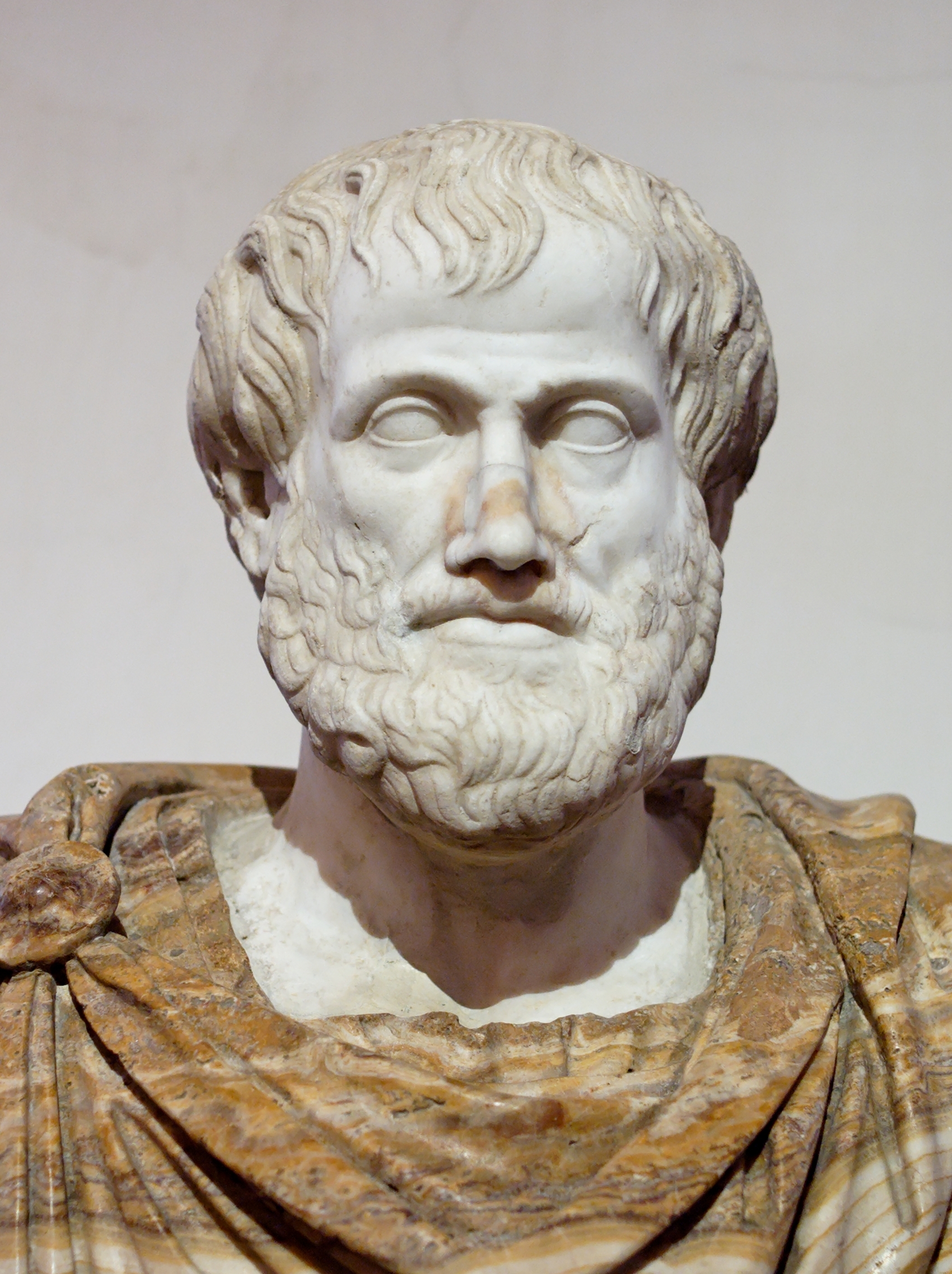
Aristotle
384 BCE – 322 BCE
Stagira, Chalcidice
Greek philosopher from Stagira, student of Plato, tutor of Alexander, and founder of the Lyceum whose logic, metaphysics, psychology, ethics, politics, rhetoric, poetics, biology, and philosophy of science shaped later philosophy.