Philosophy School
Averroism
Medieval Aristotelian tradition centered on Ibn Rushd's commentaries, defense of philosophy, intellect theory, eternity debates, relation of philosophy and revelation, and Latin and Jewish reception.
Period
Medieval History500 CE – 1499 CE
Era
High Medieval1000 CE – 1299 CE
Begin
1126 CE
End
1198 CE

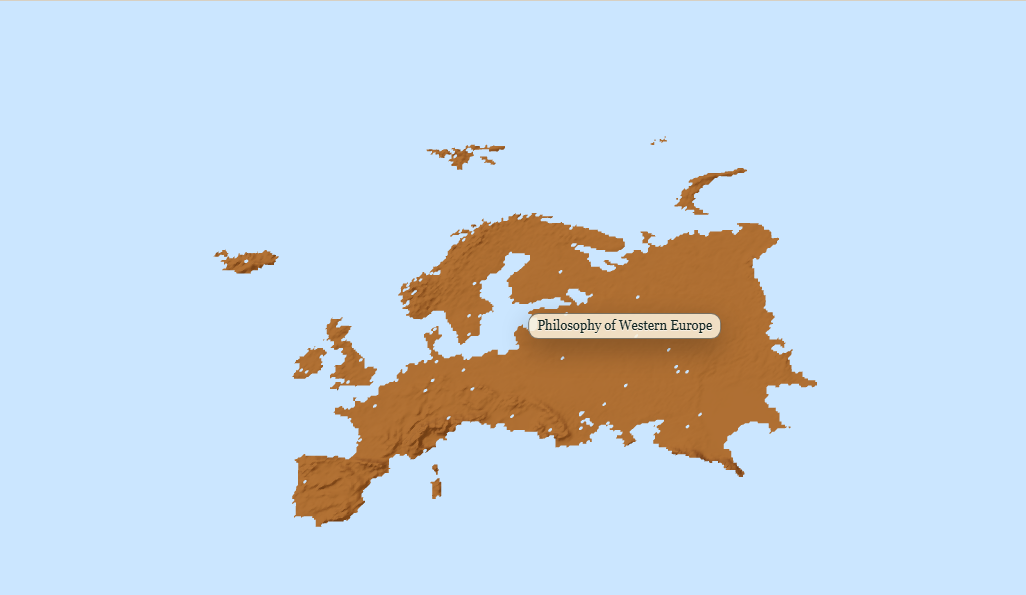
Structural Factors
- Shared Core Claims
- Aristotle is the highest philosophical guide, demonstrative reason has legitimate authority, revelation and philosophy can be harmonized for properly trained interpreters, and disputed doctrines such as intellect and eternity require careful Aristotelian analysis.
- Shared Methods
- Aristotelian commentary, demonstrative reasoning, legal-theological argument, philological interpretation, comparison of Arabic, Latin, and Hebrew translations, and distinction between demonstrative, dialectical, and rhetorical audiences.
- Shared Lineage
- Ibn Rushd in Almohad al-Andalus, Arabic Aristotelianism, Latin translators, University of Paris Averroists, Jewish Averroist readers, scholastic critics, and Renaissance Aristotelian centers such as Padua and Bologna.
- Shared Problems
- Unity of the intellect, eternity of the world, providence, soul, imagination, demonstrative science, law and philosophy, double-truth accusations, the status of Aristotle, and philosophical interpretation of revelation.
- Shared Vocabulary
- Averroes, Ibn Rushd, Averroism, Latin Averroism, demonstration, intellect, material intellect, agent intellect, conjunction, eternity, felicity, double truth, commentary, falsafa, sharīʿa, taʾwīl, and Aristotelianism.
- Shared Historical Context
- Averroism began from Ibn Rushd's Andalusian Aristotelian project and became influential through Latin and Hebrew translations, thirteenth-century Paris controversies, Jewish philosophical reception, and Renaissance university Aristotelianism.
Defining Axes
- Doctrine
- A demonstrative Aristotelian philosophy that defends the autonomy and religious legitimacy of philosophical inquiry while provoking debates over intellect, eternity, and revelation.
- Method
- The school proceeds through close Aristotelian commentary, legal-theological justification of philosophy, demonstrative proof, audience-sensitive interpretation, and scholastic disputation.
- Lineage
- Ibn Rushd, his Arabic works and commentaries, Latin and Hebrew translators, Siger of Brabant and Parisian Averroists, Jewish Averroists, Renaissance Aristotelians, and modern historians of medieval philosophy.
- Subject Focus
- Metaphysics, logic, psychology, philosophy of mind, political philosophy, philosophy of religion, natural philosophy, ethics, law, medicine, and Aristotle reception.
- Geography / Culture
- Almohad Cordoba and Marrakesh, Arabic Andalusian philosophy, Latin Paris and Italian universities, Hebrew philosophical culture, and Renaissance Aristotelian centers.
- Historical Reaction
- Averroism responds to Avicennian and theological readings of Aristotle, al-Ghazālī's critique of philosophers, scholastic Christian concerns, and institutional conflicts over philosophical authority.
Internal Structure
- Foundational Texts
- Foundational texts include Ibn Rushd's Aristotelian commentaries, Decisive Treatise, Incoherence of the Incoherence, Long Commentary on De Anima, Commentary on Plato's Republic, Latin translations, Hebrew reception, and later Latin Averroist debates.
- Core Vocabulary
- Demonstration, dialectic, rhetoric, commentary, intellect, material intellect, agent intellect, conjunction, separate intellect, eternity, double truth, felicity, law, taʾwīl, falsafa, Aristotle, and Latin Averroism.
- Metaphysics
- Averroist metaphysics centers on Aristotelian substance, causation, eternity, separate intellects, celestial order, and the rejection of unnecessary Neoplatonic or Avicennian intermediaries.
- Epistemology
- Averroist epistemology privileges demonstration, scientific knowledge, abstraction, intellect, expert interpretation, and the distinction between philosophical proof and dialectical or rhetorical persuasion.
- Ethics
- Averroist ethics connects human perfection to intellectual activity, civic order, law, philosophical happiness, and the public management of different levels of understanding.
- Method
- The school reads Aristotle through layered commentary, tests theological claims against demonstration, distinguishes audiences, and uses scholastic controversy to define the authority and limits of philosophy.
- Internal Debates
- Debates concern unity of the intellect, personal immortality, eternity of the world, double truth, relation to Islamic law, Latin condemnations, Aquinas's criticism, Jewish Averroism, and Renaissance interpretations.
- Successors
- Successor formations include Latin Averroism, Jewish Averroism, radical Aristotelianism, Renaissance Paduan Aristotelianism, scholastic anti-Averroism, and modern studies of philosophy-religion conflict.
External Classification Context
- History of Philosophy
- Averroism is central to the transmission of Aristotle from Arabic into Latin and Hebrew philosophy and to medieval debates over reason, faith, and intellectual authority.
- Philosophy of Philosophy
- The school treats philosophy as demonstrative inquiry whose legitimacy must be defended before religious law and communal pedagogy without collapsing into popular theology.
- Intellectual History
- Its development depends on Andalusian court culture, Arabic manuscripts, translation into Latin and Hebrew, university disputation, ecclesiastical condemnations, Jewish commentaries, and Renaissance print culture.
- University Classification
- Usually classified under medieval philosophy, Islamic philosophy, Latin scholasticism, Jewish philosophy, Aristotelianism, philosophy of religion, philosophy of mind, and history of science.
- Classical Sources
- Classical evidence comes from Ibn Rushd's Arabic works, Latin and Hebrew translations, scholastic responses, condemnations, Aquinas's anti-Averroist writings, and Renaissance commentary traditions.
- Sociology of Knowledge
- Averroism persisted through translators, university masters, commentaries, legal-theological controversy, Jewish scholarly networks, manuscript circulation, printed Aristotelian editions, and modern medievalist scholarship.
Linked Philosophers
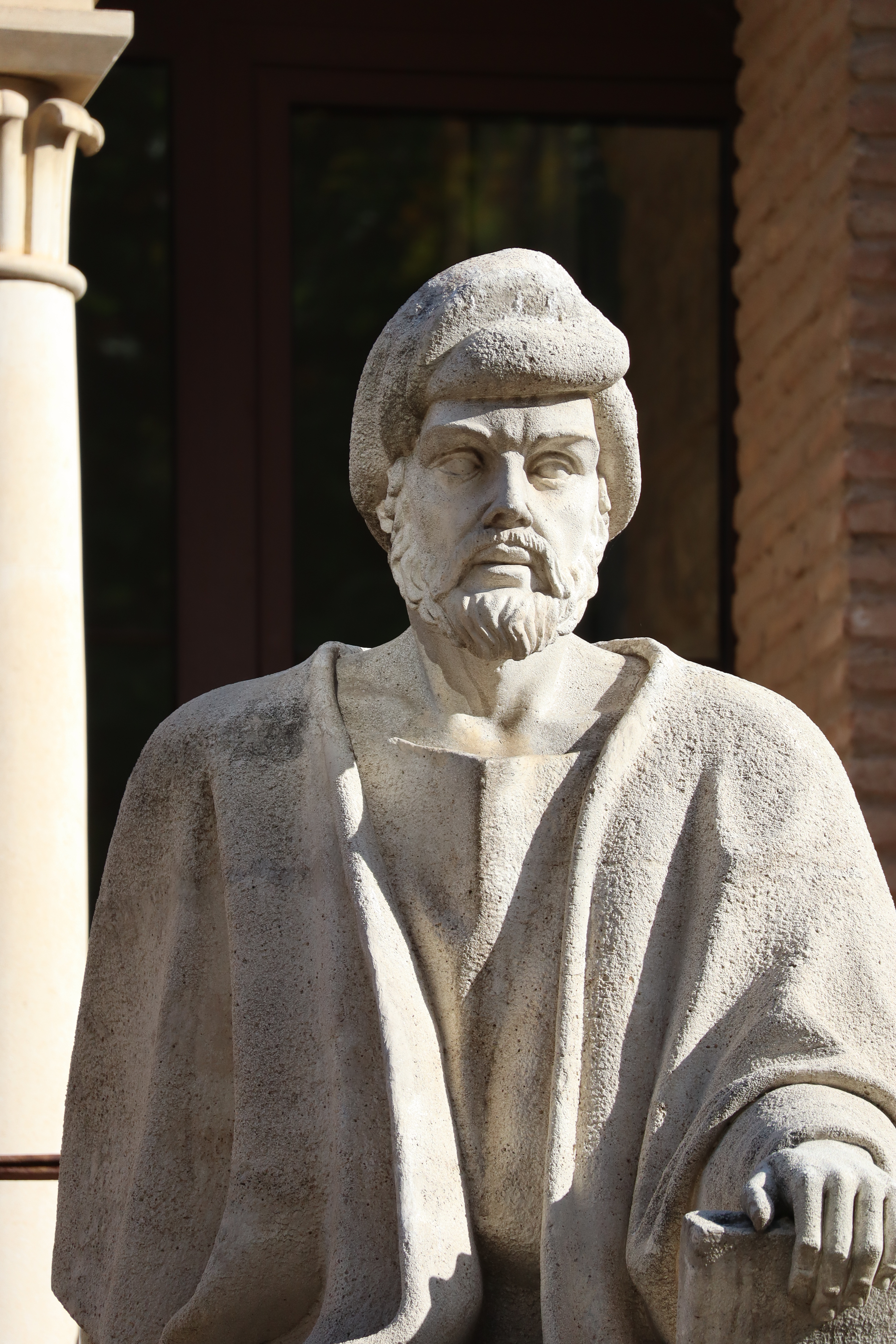
Ibn Rushd (Averroes)
1126 CE – 1198 CE
Córdoba, al-Andalus
Andalusian Arab philosopher, jurist, physician, judge, and Aristotelian commentator whose work in logic, metaphysics, natural philosophy, medicine, law, rhetoric, poetics, and philosophy of religion shaped Islamic, Hebrew, and Latin philosophical traditions.