Chinese Buddhism
Chinese reception, translation, institutionalization, and transformation of Indian and Central Asian Buddhism into Chinese Buddhist philosophical traditions, including scripture translation, doctrinal classification, meditation, Pure Land, Tiantai, Huayan, Sanlun, Weishi, Buddha-nature thought, monastic discipline, and canon formation.
Structural Factors
- Shared Core Claims
- Buddhist liberation, emptiness, compassion, karma, rebirth, Buddha-nature, meditation, devotional practice, and scriptural authority are interpreted through Chinese language, institutions, ritual life, and philosophical categories.
- Shared Methods
- Translation, cataloging, commentary, doctrinal classification, meditation, ritual practice, monastic organization, scholastic debate, scriptural exegesis, synthesis with Chinese vocabulary, lineage transmission, and canon compilation.
- Shared Lineage
- Transmission runs through early translators such as Zhi Qian and Dharmarakṣa, catalogers and organizers such as Daoan, Kumārajīva-era exegetes, Tiantai, Huayan, Sanlun, Pure Land, Chan, Weishi, and later East Asian Buddhist lineages.
- Shared Problems
- Translation authority, Indian and Chinese conceptual vocabularies, emptiness, Buddha-nature, sudden and gradual teaching, classification of scriptures, Pure Land devotion, meditation, monastic legitimacy, state patronage, persecution, and canon formation.
- Shared Vocabulary
- fo, fa, seng, kong, chan, jing, lun, lu, niepan, pusa, foxing, yuanqi, zhenru, yixin, panjiao, nianfo, jingtu, huayan, tiantai, sanlun, weishi, agamas, and dazangjing.
- Shared Historical Context
- Chinese Buddhism formed from Han and Six Dynasties translation communities, Central Asian transmission, aristocratic and monastic patronage, Tang scholastic flowering, Song synthesis, printed canons, and later East Asian and modern Chinese Buddhist revival.
Defining Axes
- Doctrine
- Chinese Buddhism articulates Mahāyāna and early Buddhist doctrine through Chinese exegetical categories: emptiness, Buddha-nature, interpenetration, one mind, classification of teachings, Pure Land practice, and liberation through wisdom and devotion.
- Method
- Its method combines scripture translation, lexical invention, cataloging, doctrinal taxonomy, commentary, meditation, ritual, monastic discipline, debate, lineage formation, and institutional canon-making.
- Lineage
- The lineage axis includes early translators, Daoan, Kumārajīva, Chinese exegetes, Tiantai, Huayan, Sanlun, Pure Land, Chan, Weishi, Vinaya and esoteric lineages, and later Korean, Japanese, Vietnamese, and modern Chinese transmissions.
- Subject Focus
- Chinese Buddhism focuses on metaphysics, emptiness, Buddha-nature, mind, language, translation, ethics, ritual, meditation, devotional practice, canon formation, hermeneutics, and the relation of Buddhist doctrine to Chinese culture.
- Geography / Culture
- The school is rooted in China through Silk Road and maritime transmission, Chang'an and Luoyang translation centers, Six Dynasties and Tang monasteries, printed canons, and wider East Asian Buddhist circulation.
- Historical Reaction
- Chinese Buddhism responds to Indian Buddhist inheritance, Daoist vocabulary, Confucian family and state ethics, imperial patronage and suppression, sectarian classification, popular devotion, and modern reform and revival.
Internal Structure
- Foundational Texts
- Foundational materials include Chinese Āgama translations, Prajñāpāramitā texts, Lotus Sutra, Avataṃsaka/Huayan Sutra, Vimalakīrti, Pure Land sutras, Mahāyāna śāstra translations, Chinese Buddhist canon, Daoan cataloging work, Dharmarakṣa and Zhi Qian translation corpora, Tiantai and Huayan writings, and later commentaries.
- Core Vocabulary
- Core vocabulary includes fo, fa, seng, jing, lun, lu, kong, you, zhenru, foxing, yixin, yuanqi, pusa, niepan, chan, nianfo, jingtu, panjiao, huayan, tiantai, sanlun, weishi, dazangjing, and translation terms linking Sanskrit and Chinese doctrinal worlds.
- Metaphysics
- Chinese Buddhist metaphysics develops emptiness, dependent arising, Buddha-nature, one mind, interpenetration, suchness, karmic causality, Pure Land cosmology, and classifications of ultimate and conventional teaching.
- Epistemology
- Its epistemology concerns translation, scriptural testimony, meditative insight, doctrinal classification, commentary, debate, teacher authority, and the relation between textual understanding and transformative realization.
- Ethics
- Chinese Buddhist ethics joins compassion, precepts, monastic discipline, filial adaptation, merit-making, bodhisattva vows, ritual repentance, vegetarian and devotional practices, and social obligations under Buddhist and Chinese norms.
- Method
- Chinese Buddhist method works through translation bureaus, commentary, cataloging, meditation, ritual, classification of teachings, textual comparison, monastic training, scholastic debate, and lineage or sectarian transmission.
- Internal Debates
- Internal debates include translation accuracy, emptiness interpretation, Buddha-nature, doctrinal ranking, meditation and devotion, Chan and scholastic methods, Pure Land practice, monastic discipline, state control, and relations among Tiantai, Huayan, Sanlun, Weishi, and Chan.
- Successors
- Successor and related formations include Tiantai/Tendai, Huayan/Kegon/Hwaeom, Pure Land, Chan/Zen/Sŏn/Thiền, Sanlun, Weishi/Hossō, Vinaya schools, East Asian esoteric Buddhism, and modern Chinese Buddhist reform.
External Classification Context
- History of Philosophy
- Chinese Buddhism is a major philosophical transformation of Buddhism, reshaping Indian doctrines through Chinese translation, hermeneutics, metaphysics, meditation, ritual, and institutional forms that influenced all of East Asia.
- Philosophy of Philosophy
- The tradition treats philosophy as translation, commentary, classification, practice, and transformation: doctrinal claims are tested by their coherence with canon, practice, awakening, and communal transmission.
- Intellectual History
- Its intellectual history depends on Silk Road translation networks, court patronage, monastery economies, catalogs, debates, canon compilation, printing, interreligious negotiation, sectarian genealogies, and modern academic and digital-canon scholarship.
- University Classification
- Usually classified under Chinese philosophy, Buddhist philosophy, East Asian religions, philosophy of religion, metaphysics, ethics, philosophy of mind, philosophy of language, translation history, and religious studies.
- Classical Sources
- Classical evidence comes from the Chinese Buddhist canon, translation catalogs, biographies of eminent monks, prefaces, commentaries, Tiantai and Huayan treatises, Pure Land writings, inscriptions, monastic codes, and later printed canons.
- Sociology of Knowledge
- Chinese Buddhism persisted through translation communities, monastic networks, imperial patronage, pilgrimage, ritual economies, printing, canonical authority, sectarian lineages, lay devotion, reform associations, and digital text infrastructures.
Linked Philosophers
Dao'an
312 CE – 385 CE
Changshan Commandery / Fuliu, Hebei
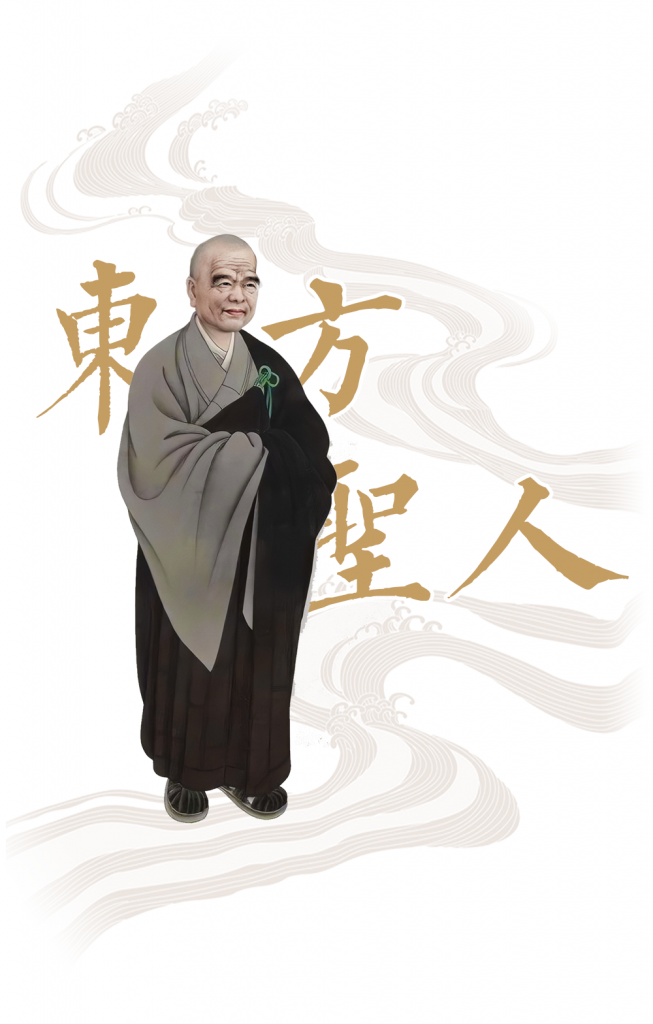
Chinese Buddhist organizer, exegete, and translation leader who shaped Prajnaparamita interpretation, monastic discipline, scripture cataloging, and the language of early Chinese Buddhism.
Dharmaraksa
233 CE – 310 CE
Dunhuang
Yuezhi-descended Buddhist translator from Dunhuang whose Western Jin translation communities carried Lotus, Prajnaparamita, Pure Land, Manjusri, and Buddha-land traditions into Chinese Buddhist thought.

Zhi Qian
193 CE – 252 CE
Luoyang, Eastern Han China; later active at Jianye under Eastern Wu
Three Kingdoms Buddhist translator of Yuezhi ancestry whose Chinese renderings of Prajnaparamita, Vimalakirti, Pure Land, verse, and narrative scriptures shaped early Chinese Mahayana vocabulary and reception.