Philosophy School
Cynicism
Ancient Socratic ascetic school associated with Antisthenes, Diogenes, Crates, Hipparchia, and later Cynic preachers, centered on virtue as sufficient for happiness, self-sufficiency, poverty, shameless frankness, training, freedom from convention, and life according to nature.
Period
Ancient History3000 BCE – 499 CE
Era
Classical Antiquity500 BCE – 499 CE
Begin
445 BCE
End
365 BCE
Structural Factors
- Shared Core Claims
- Virtue is sufficient for happiness, external goods are indifferent or dangerous, convention enslaves, nature is a better guide than status or wealth, and philosophical freedom requires disciplined independence from ordinary desires.
- Shared Methods
- Askesis, parresia, provocation, moral example, anecdote, diatribe, satire, bodily discipline, critique of luxury, public philosophical performance, and deliberate testing of social norms.
- Shared Lineage
- Cynicism draws on Socrates and Antisthenes, becomes paradigmatic in Diogenes of Sinope, continues through Crates, Hipparchia, Menippus, Teles, Bion, Roman imperial Cynics, and influences Stoicism and later ascetic traditions.
- Shared Problems
- Virtue and happiness, nature versus convention, poverty, shamelessness, self-sufficiency, cosmopolitanism, anti-Platonism, rhetoric and performance, the legitimacy of Cynicism as a school, and relation to Stoicism.
- Shared Vocabulary
- askesis, parresia, autarkeia, apatheia, anaideia, ponos, typhos, nature, convention, virtue, poverty, dog, cosmopolis, diatribe, shamelessness, freedom, simplicity, and Socratic endurance.
- Shared Historical Context
- Cynicism arose in the fourth-century BCE Socratic milieu of Athens, was shaped by Antisthenes and Diogenes traditions, circulated through Hellenistic and Roman moral preaching, and survived mostly through hostile, comic, doxographic, and anecdotal testimony.
Defining Axes
- Doctrine
- Its doctrine teaches that virtue, self-sufficiency, and life according to nature free a person from conventional status, wealth, pleasure, political honor, and fear.
- Method
- Its method uses lived example, austerity, public provocation, direct speech, ridicule, anecdote, and bodily training rather than formal treatises or school metaphysics.
- Lineage
- The lineage runs from Socrates and Antisthenes through Diogenes, Crates, Hipparchia, Menippus, Teles, Bion, Roman imperial Cynics, Stoic reception, and later moral-satirical appropriations.
- Subject Focus
- Cynicism focuses on ethics, social criticism, political convention, philosophy of language in Antisthenes, cosmopolitanism, ascetic practice, rhetoric, satire, and philosophy as a way of life.
- Geography / Culture
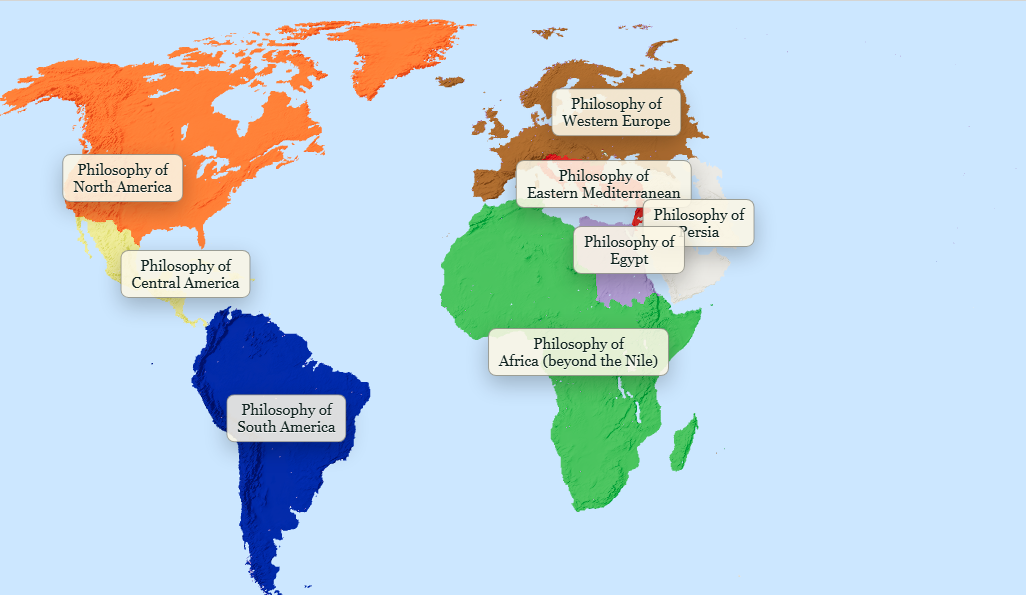
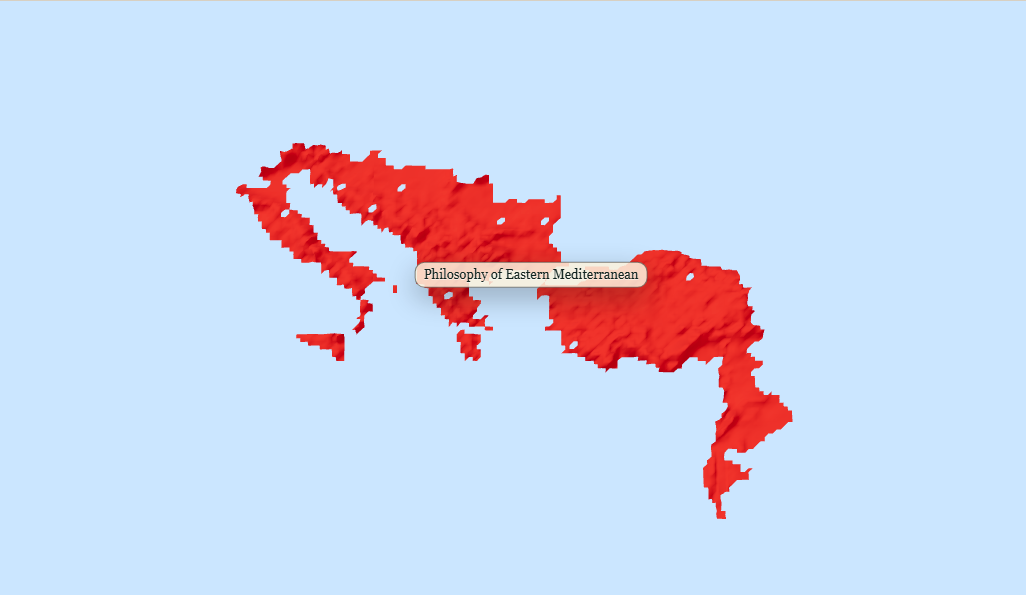
- Its early geography is Athens, Cynosarges, Sinope, Thebes, Corinth, and Hellenistic urban culture, with Roman imperial and later Mediterranean reception.
- Historical Reaction
- It reacts against aristocratic status, wealth, luxury, civic vanity, sophistic display, Platonist abstraction, conventional shame, imperial flattery, and philosophical systems detached from practice.
Internal Structure
- Foundational Texts
- No intact Cynic canon survives. Evidence comes from Antisthenes fragments and testimonia, Diogenes Laertius Book VI, Xenophon, Epictetus, Lucian, Julian, Teles, Stobaeus, doxography, anecdotes, imperial reception, and modern reconstruction.
- Core Vocabulary
- Core vocabulary includes askesis, parresia, autarkeia, apatheia, anaideia, ponos, typhos, nomos, physis, virtue, dog, cloak, staff, wallet, tub, cosmopolis, diatribe, shamelessness, simplicity, and freedom.
- Metaphysics
- Cynicism has little systematic metaphysics; it treats the natural, embodied, need-limited life as morally clarifying and resists theoretical systems that distract from the practice of virtue.
- Epistemology
- Its epistemology values practical testing, plain speech, exposure of false opinion, lived consistency, Socratic refutation, and the demystifying force of example over speculative doctrine.
- Ethics
- Its ethics identifies happiness with virtue and freedom from dependence, training the body and desire to reject luxury, fear, reputation, pleasure, and social convention.
- Method
- Cynic method is performative: live simply, speak frankly, shame the shameless, parody convention, expose hypocrisy, endure hardship, and make philosophy visible in conduct.
- Internal Debates
- Internal debates concern whether Antisthenes founded Cynicism, whether Diogenes is the true paradigm, whether Cynicism is a school or way of life, how extreme shamelessness should be, and how Cynicism relates to Stoicism.
- Successors
- Successors and receptions include Stoicism, Roman imperial diatribe, Menippean satire, Christian ascetic comparisons, Renaissance and Enlightenment moral satire, modern philosophy as a way of life, and countercultural criticism.
External Classification Context
- History of Philosophy
- Cynicism is a major Socratic movement that turns philosophy into a public way of life and strongly influences Stoic ethics, cosmopolitanism, moral satire, and ancient debates about nature and convention.
- Philosophy of Philosophy
- It treats philosophy as lived liberation rather than theory: doctrines matter only insofar as they produce fearless, self-sufficient, frank, and virtuous action.
- Intellectual History
- Its history depends on lost writings, anecdotal biography, comic and hostile testimony, doxography, imperial rhetoric, school polemic, textual fragments, and modern reconstructions of Socratic minor schools.
- University Classification
- Usually classified under ancient Greek philosophy, Socratic schools, ethics, Hellenistic philosophy, philosophy as a way of life, Stoic background, social criticism, and classical reception.
- Classical Sources
- Classical evidence comes from Diogenes Laertius, Xenophon, Aristotle, Epictetus, Lucian, Julian, Teles, Stobaeus, Athenaeus, Plutarch, fragments of Antisthenes, and later Greek and Roman testimonia.
- Sociology of Knowledge
- Cynicism spread through public performance, itinerant preaching, anecdotes, urban spectacle, teacher-disciple imitation, diatribe, satire, doxographic collections, imperial moral discourse, and later school histories.
Linked Philosophers

Antisthenes of Athens
445 BCE – 365 BCE
Athens (Attica)
Athenian Socratic philosopher associated with Cynosarges whose ascetic ethics, virtue-sufficiency thesis, critique of luxury and convention, attacks on Platonic Forms, and paradoxes of definition and predication shaped Cynicism, Stoicism, ancient logic, and philosophy of language.