Daoism
Chinese Daoist philosophical tradition centered on the dao, de, wuwei, ziran, non-coercive action, naturalness, spontaneity, embodied skill, political minimalism, language skepticism, and critique of artificial norms.

Structural Factors
- Shared Core Claims
- The dao is the generative way of things, effective action follows non-forcing, naturalness exceeds artificial norms, language and social distinctions are limited, and sagehood works through simplicity, receptivity, spontaneity, and attunement.
- Shared Methods
- Daoist method uses aphorism, paradox, fable, negative teaching, meditative cultivation, embodied skill examples, perspectival critique, non-forcing practice, and political counsel by restraint rather than coercion.
- Shared Lineage
- Daoism is associated with Laozi, the Daodejing, Zhuangzi, early inner-cultivation currents, Liezi traditions, Wang Bi, Heshang Gong, Guo Xiang, Xuanxue, Daoist canon reception, and later Chinese and global interpretation.
- Shared Problems
- Central problems include naming the dao, action without forcing, naturalness, political order, sagehood, language, death, freedom, relativity of perspectives, self-cultivation, ritual critique, relation to Confucianism, and the boundary between philosophical and religious Daoism.
- Shared Vocabulary
- dao, de, wuwei, ziran, pu, qi, ming, tian, xuan, xin, you, wu, sage, non-action, naturalness, simplicity, spontaneous transformation, fasting of the mind, sitting in forgetfulness, uselessness, and equalizing things.
- Shared Historical Context
- Daoist philosophy emerged in the Warring States and early imperial Chinese world, responding to ritual, moral, and political crisis while later passing through Han classification, medieval Xuanxue, Daoist religious traditions, Buddhist encounter, and modern scholarship.
Defining Axes
- Doctrine
- Daoist doctrine centers on the dao as the ineffable way of reality, de as embodied potency, wuwei as non-coercive efficacy, ziran as self-so naturalness, and critique of artificial moral, political, and linguistic control.
- Method
- Its method teaches through compressed sayings, reversals, paradox, narrative, wandering, embodied exempla, meditative quieting, anti-dogmatic critique, and practical attunement to circumstances.
- Lineage
- The lineage runs from early Warring States and inner-cultivation currents through Laozi, Zhuangzi, Liezi traditions, Han bibliographic classification, Wang Bi, Heshang Gong, Guo Xiang, Xuanxue, Daozang reception, and modern Daoist studies.
- Subject Focus
- Daoism focuses on metaphysics, ethics, political philosophy, philosophy of language, self-cultivation, spirituality, nature, embodiment, death, freedom, social criticism, and comparative Chinese philosophy.
- Geography / Culture
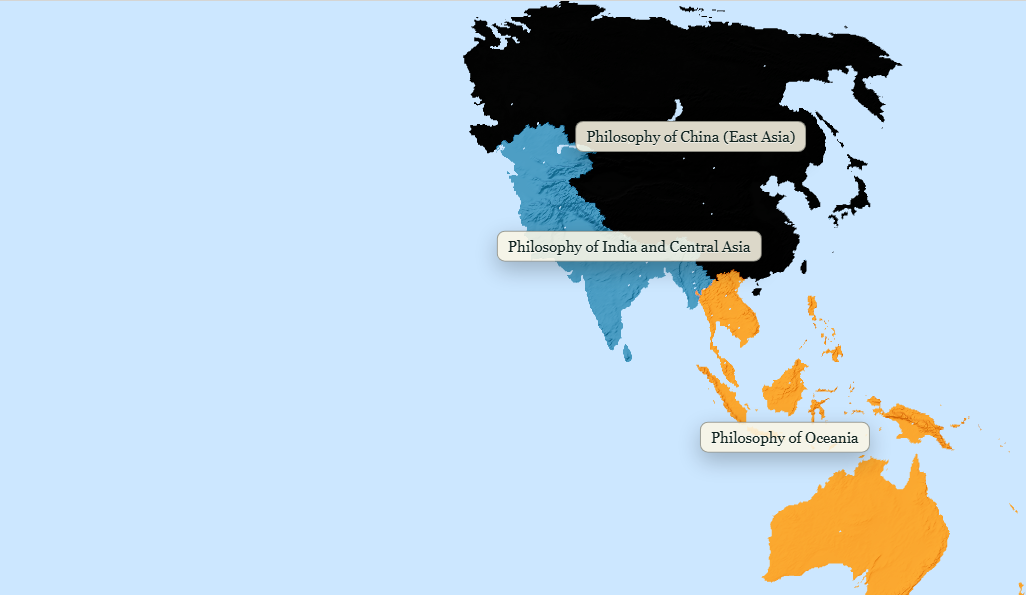
- Its cultural center is ancient China, especially the Warring States and early imperial intellectual world, with later transmission through Chinese religious, literary, political, and philosophical traditions and wider East Asian reception.
- Historical Reaction
- Daoism reacts against coercive governance, rigid ritualism, moral artificiality, aggressive ambition, linguistic fixation, disputation, and social order that blocks natural transformation and flexible responsiveness.
Internal Structure
- Foundational Texts
- Foundational sources include the Daodejing, Zhuangzi, Liezi traditions, Neiye and inner-cultivation context, Wang Bi and Heshang Gong commentaries, Guo Xiang's Zhuangzi commentary, Daozang reception, and modern scholarship.
- Core Vocabulary
- Core vocabulary includes dao, de, wuwei, ziran, pu, qi, tian, ming, xuan, you, wu, xin, shengren, non-action, naturalness, simplicity, wandering, equalizing things, fasting the mind, sitting in forgetfulness, and uselessness.
- Metaphysics
- Daoist metaphysics treats reality as a transforming way that cannot be captured by fixed names, concepts, or coercive categories; being and nonbeing, form and emptiness, and generative process are understood relationally and dynamically.
- Epistemology
- Daoist epistemology is skeptical of rigid names, disputation, and conventional knowledge; it favors embodied attunement, perspectival humility, unlearning, responsiveness, and awareness of the limits of language.
- Ethics
- Daoist ethics emphasizes simplicity, humility, non-contention, naturalness, compassion, frugality, self-cultivation, freedom from artificial desire, and conduct that lets beings follow their own course without domination.
- Method
- Daoist method combines aphoristic teaching, fable, paradox, contemplative quieting, skill examples, critique of social convention, linguistic deflation, and political counsel that values restraint over intervention.
- Internal Debates
- Internal debates concern Laozi historicity, dating and composition of the Daodejing and Zhuangzi, philosophical versus religious Daoism, primitivism versus spontaneity, political quietism, relativism, mysticism, Xuanxue interpretation, and Buddhist comparison.
- Successors
- Successors and receptions include Xuanxue, religious Daoism, Chinese literary and political thought, Chan and East Asian Buddhist dialogue, Neo-Confucian engagement, modern comparative philosophy, environmental readings, and global Daoist reception.
External Classification Context
- History of Philosophy
- Daoism is one of the central schools of Chinese philosophy, paired and contrasted with Confucian, Mohist, Legalist, Buddhist, and later Neo-Confucian traditions in histories of East Asian thought.
- Philosophy of Philosophy
- Daoism presents philosophy as transformative attunement rather than system-building: thought should loosen fixation, disclose limits of speech, and reshape how one acts, governs, perceives, and lives.
- Intellectual History
- Its intellectual history spans Warring States debate, early imperial textual formation, Han classification, medieval commentary, Daoist canon formation, Buddhist interaction, literati reception, and modern global interpretation.
- University Classification
- Usually classified under Chinese philosophy, Daoism/Taoism, East Asian philosophy, religious studies, comparative philosophy, metaphysics, ethics, political philosophy, language, and philosophy of religion.
- Classical Sources
- Classical evidence comes from the Daodejing, Zhuangzi, Liezi traditions, Guanzi/Neiye materials, early Chinese bibliographic notices, commentaries by Wang Bi, Heshang Gong, Guo Xiang, and later Daoist canonical records.
- Sociology of Knowledge
- Daoist knowledge moved through textual lineages, commentary traditions, court and recluse culture, religious communities, canon compilation, literati reading, Buddhist and Confucian debate, print culture, translation, and modern academic interpretation.
Linked Philosophers
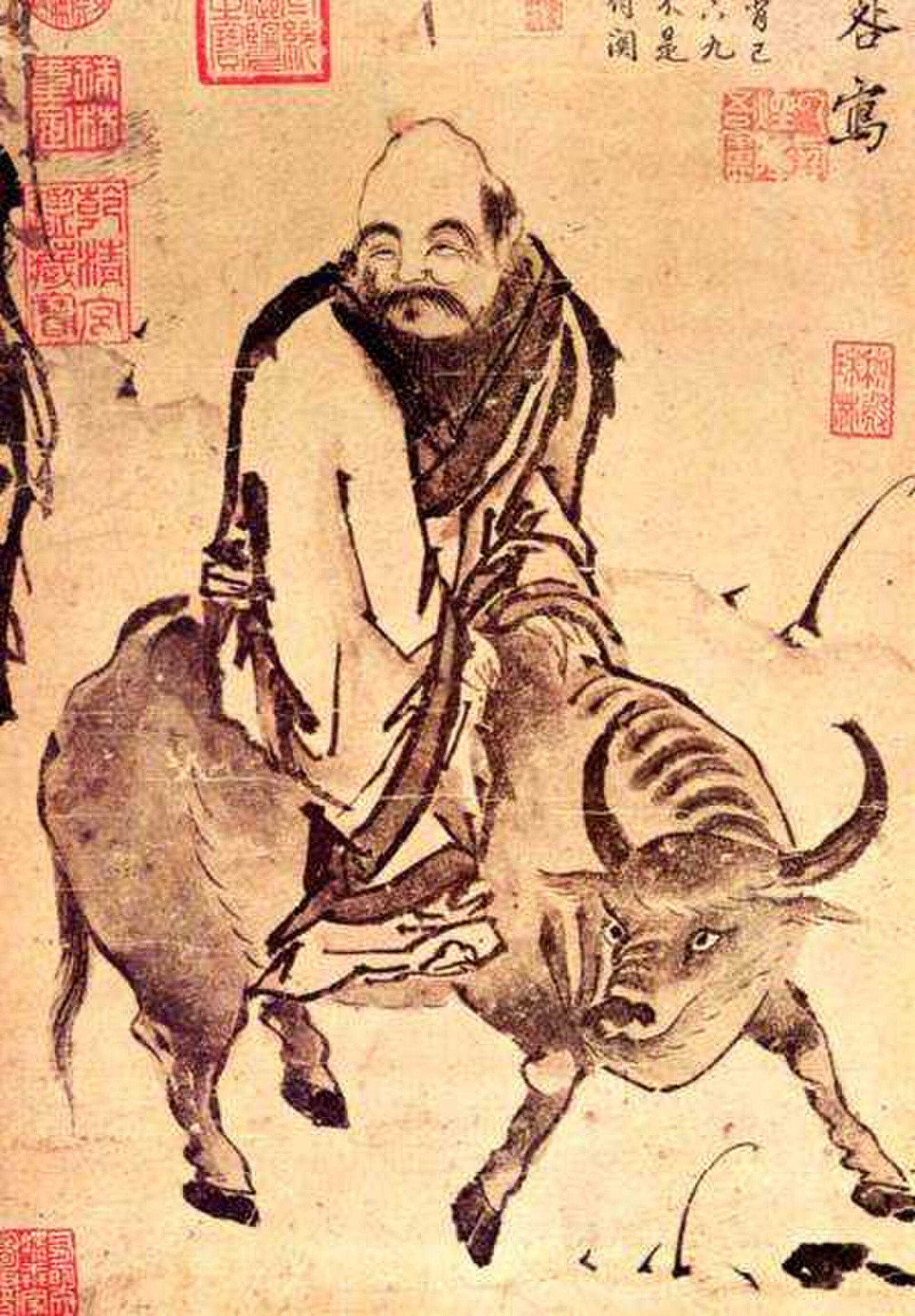
Laozi
600 BCE – 501 BCE
traditionally Ku County, state of Chu, near modern Luyi, Henan; historicity uncertain
Legendary early Daoist figure associated with the Daodejing, Dao, de, wuwei, ziran, simplicity, anti-coercive rule, and later religious Daoist veneration as Taishang Laojun.
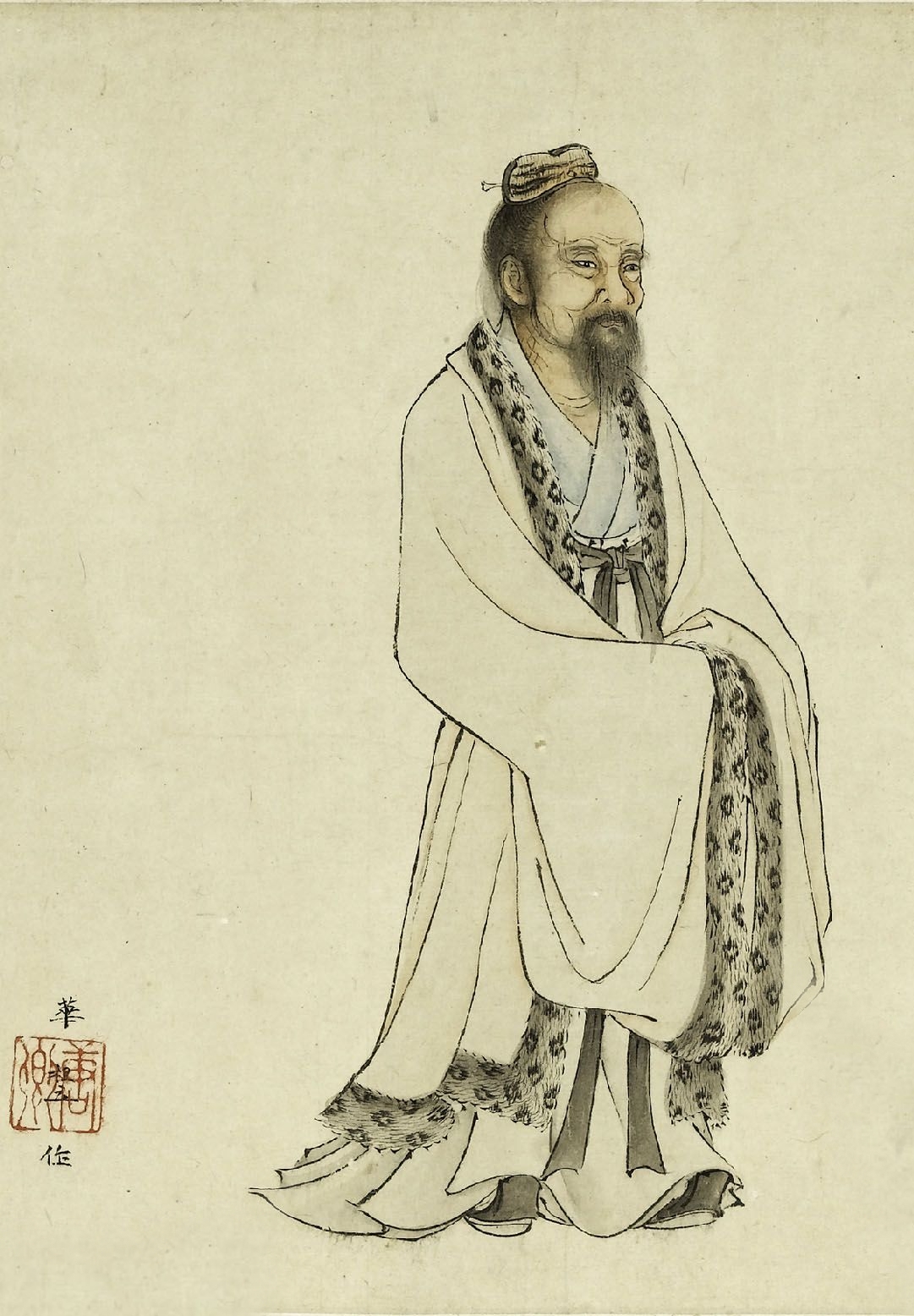
Zhuangzi
369 BCE – 286 BCE
Meng, state of Song, now near Shangqiu, Henan; exact site uncertain
Warring States Daoist philosopher whose received Zhuangzi tradition uses parable, skepticism, transformation, spontaneity, and perspectival reasoning to loosen fixed distinctions and reorient life toward wandering with dao.