Philosophy School
Elian-Eretrian School
Minor Socratic school founded by Phaedo of Elis and later associated with Eretria through Menedemus and Asclepiades, known from fragmentary testimony for Socratic ethical dialectic, character formation, and a tradition often compared with Megarian argument.
Period
Ancient History3000 BCE – 499 CE
Era
Classical Antiquity500 BCE – 499 CE
Begin
417 BCE
End
345 BCE
Structural Factors
- Shared Core Claims
- Philosophy is a disciplined practice of ethical examination, dialectical testing, and character formation rooted in Socratic conversation; later Eretrian reports stress argumentative skill, independence, and practical moral seriousness more than a recoverable doctrinal system.
- Shared Methods
- Socratic dialogue, ethical examination, dialectical argument, school succession, anecdotal teaching, fragmentary doxographic reconstruction, and comparison with Megarian and other minor Socratic traditions.
- Shared Lineage
- The lineage begins with Phaedo of Elis, a Socratic associate remembered by Plato and later doxographers, and continues through the transfer or refounding of the school at Eretria under Menedemus and Asclepiades of Phlius.
- Shared Problems
- Phaedo's historical role, the relation between Plato's literary Phaedo and the historical philosopher, Elian versus Eretrian naming, Menedemus's role, Megarian comparison, recoverability of doctrine, and the school's independence as a philosophical formation.
- Shared Vocabulary
- Phaedo, Elis, Eretria, Menedemus, Asclepiades, Socratic school, dialogue, dialectic, eristic, character, ethical examination, doxography, school succession, Megarian comparison, and minor Socratic tradition.
- Shared Historical Context
- The Elian-Eretrian School belongs to the fourth-century BCE Socratic diaspora after Socrates, when students and later successors formed small schools known mostly through testimonia, anecdotes, doxography, and later philosophical catalogues.
Defining Axes
- Doctrine
- Its doctrine is only partly recoverable, but the tradition centers on Socratic moral seriousness, dialectical examination, independence of character, and practical philosophical training rather than systematic metaphysics.
- Method
- Its method is reconstructed as Socratic conversation and dialectical testing, later sharpened in Eretrian reports through argumentative practice, school debate, and comparison with Megarian dialectic.
- Lineage
- The lineage runs from Socrates to Phaedo of Elis, then to Menedemus and Asclepiades at Eretria, with later preservation by Diogenes Laertius, Athenaeus, Cicero, Byzantine and modern reference works, and scholarship on Socratic schools.
- Subject Focus
- The school focuses on ethics, dialectic, character, philosophical way of life, Socratic succession, epistemic caution about fragmentary evidence, and the social form of minor Socratic schools.
- Geography / Culture
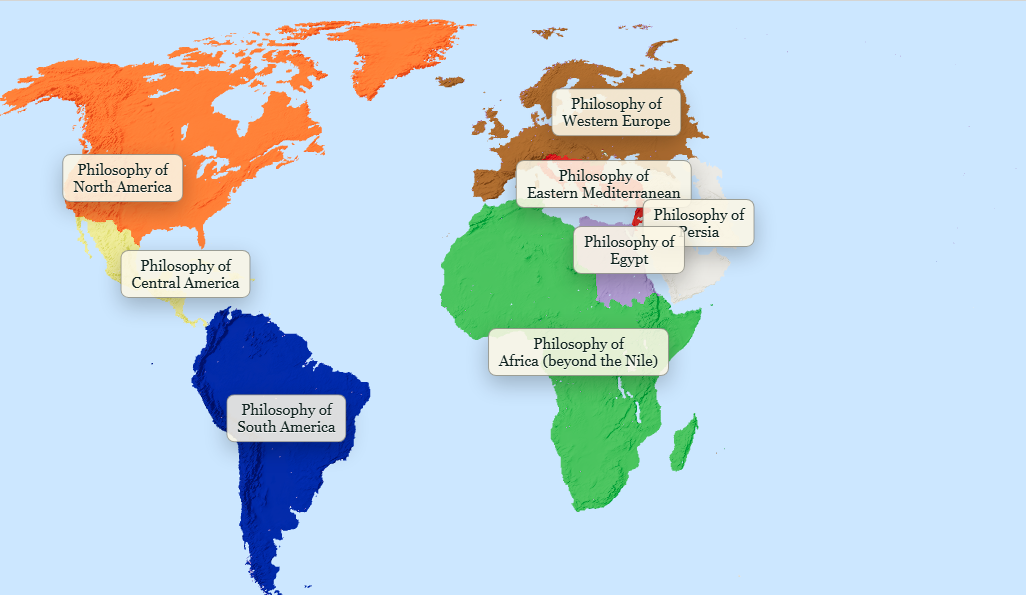
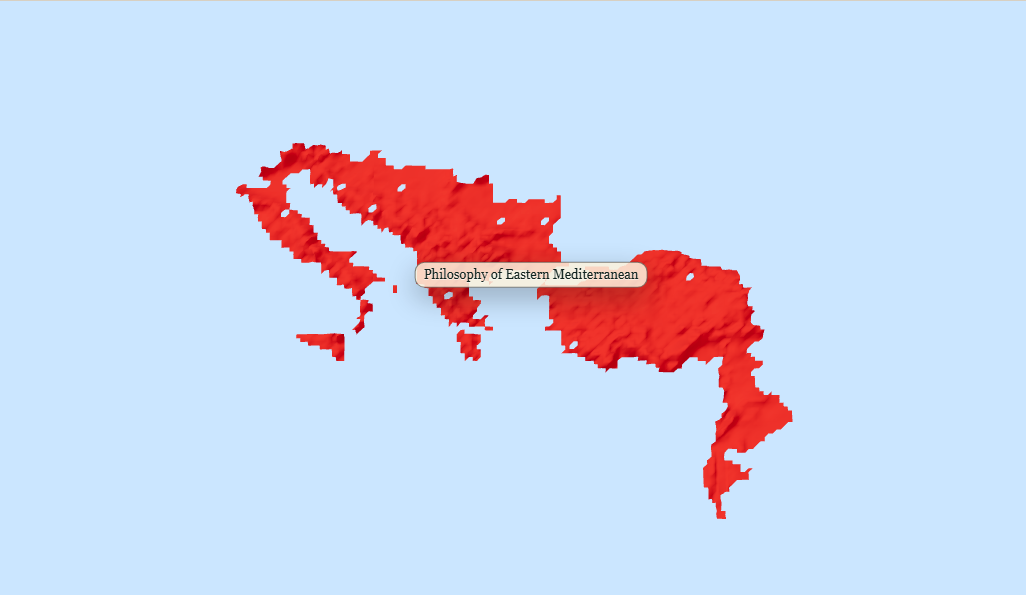
- Its geography joins Elis in the western Peloponnese with Eretria in Euboea, Athens as the Socratic source, and the wider Greek world of fourth-century BCE philosophical school formation.
- Historical Reaction
- It reacts to the Socratic problem of how to continue philosophical examination after Socrates, forming a small ethical-dialectical tradition alongside Megarian, Cynic, Cyrenaic, Academic, and other Socratic successors.
Internal Structure
- Foundational Texts
- No surviving Elian or Eretrian school corpus exists. Evidence comes from Plato's Phaedo, Diogenes Laertius, Athenaeus, Cicero, 1911 Britannica notices, Phaedo fragments and testimonia, Menedemus reports, and modern scholarship on Socratic schools.
- Core Vocabulary
- Core vocabulary includes Phaedo, Menedemus, Asclepiades, Elis, Eretria, Socratic school, dialogue, dialectic, eristic, character, virtue, ethical training, doxography, testimony, succession, and Megarian comparison.
- Metaphysics
- The school has no securely recoverable metaphysical system. Its philosophical profile is ethical and dialectical, with any metaphysical claims surviving only indirectly through disputed reports and comparison with other Socratic schools.
- Epistemology
- Its epistemology is mostly methodological: knowledge of the school itself requires source criticism, while the school tradition points to Socratic questioning, refutation, and disciplined testing of claims.
- Ethics
- The ethical core is Socratic: philosophy forms character through examination, self-command, argument, and teacher-student practice rather than through inherited status, rhetorical display, or unexamined convention.
- Method
- The school method combines Socratic dialogue, ethical refutation, dialectical exercise, anecdotal instruction, succession through named teachers, and later reconstruction from doxographic fragments.
- Internal Debates
- Internal debates are poorly preserved; modern debates concern whether Phaedo founded a real school, how Menedemus changed it at Eretria, how close it was to Megarian dialectic, and whether any positive doctrines can be recovered.
- Successors
- Successor and reception lines include Menedemus's Eretrian circle, ancient catalogues of Socratic schools, comparisons with Megarian dialectic, later antiquarian references, and modern histories of minor Socratic philosophy.
External Classification Context
- History of Philosophy
- The Elian-Eretrian School helps map the plural Socratic inheritance beyond Plato and Xenophon, showing how small teacher lineages preserved ethical and dialectical forms of philosophical life.
- Philosophy of Philosophy
- It treats philosophy as a lived Socratic practice of examination, argument, and character formation whose historical identity can survive even when a formal canon is lost.
- Intellectual History
- Its intellectual history depends on fragmentary testimonia, ancient school lists, Plato's literary memorialization of Phaedo, reports on Menedemus, and modern reconstruction of the Socratic minor schools.
- University Classification
- Usually classified under ancient Greek philosophy, Socratic schools, ethics, dialectic, classical reception, doxography, and the history of philosophical school formation.
- Classical Sources
- Classical and late antique evidence includes Plato's Phaedo, Diogenes Laertius Book II, Athenaeus, Cicero, scattered testimonia about Phaedo and Menedemus, and later reference traditions.
- Sociology of Knowledge
- The school persisted through personal teacher lineages, city-based school naming, Socratic memory, doxographic catalogues, literary anecdotes, manuscript transmission, and modern scholarly recovery of minor schools.
Linked Philosophers
Phaedo of Elis
417 BCE – 345 BCE
Elis (Peloponnese)
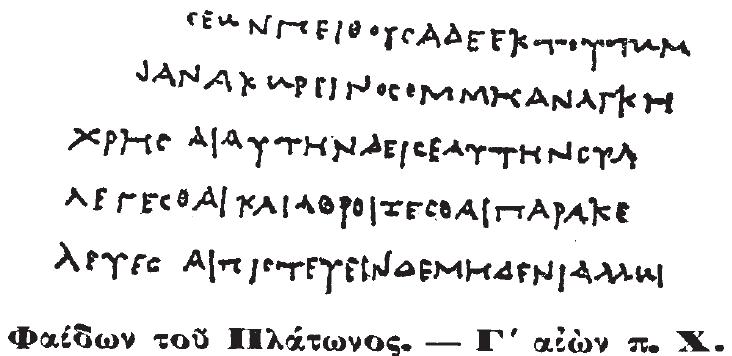
Socratic philosopher from Elis, witness to Socrates' death, founder of the Elean school, and author of lost Socratic dialogues on dialectic, ethics, character, and philosophical conversation.