Existentialism
Nineteenth- and twentieth-century movement centered on existence, freedom, anxiety, finitude, responsibility, authenticity, absurdity, alienation, choice, embodiment, bad faith, situatedness, and the problem of meaning.
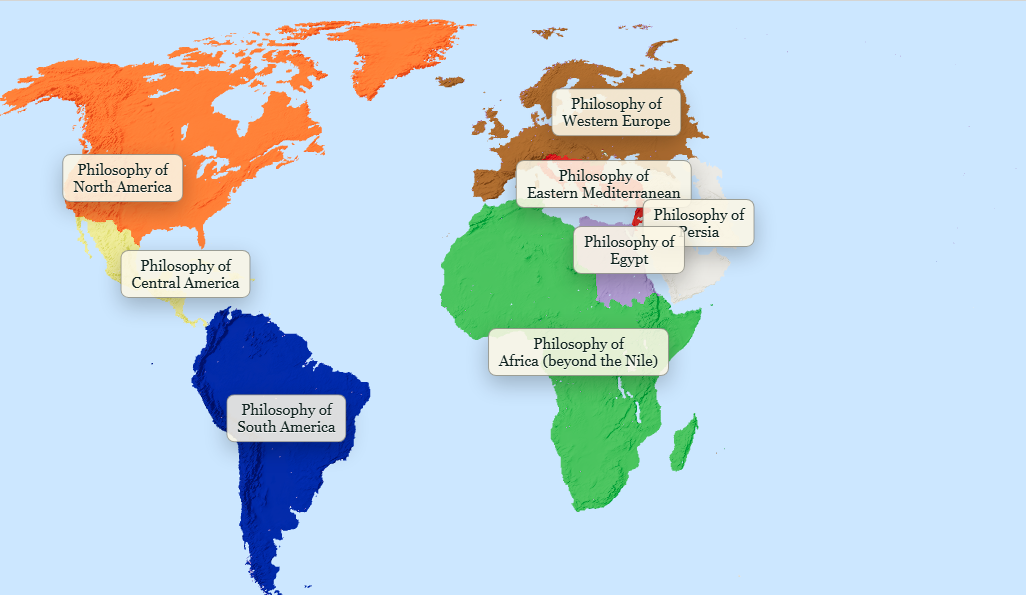

Structural Factors
- Shared Core Claims
- Human beings are not defined by an abstract essence alone but must exist, choose, and become responsible within finite, anxious, embodied, social, and historically situated conditions.
- Shared Methods
- Phenomenological description, first-person analysis, literary-philosophical expression, critique of systems, dialectic of freedom and situation, and analysis of anxiety, death, despair, bad faith, absurdity, and ambiguity.
- Shared Lineage
- Kierkegaard and religious subjectivity, Nietzsche and Dostoevsky context, phenomenology, Sartre, Beauvoir, Camus, postwar French intellectual culture, and later literary, theological, feminist, and political receptions.
- Shared Problems
- Existence, freedom, anxiety, despair, faith, death, absurdity, nihilism, alienation, responsibility, authenticity, bad faith, other people, oppression, embodiment, political commitment, and meaning.
- Shared Vocabulary
- existence, essence, freedom, choice, anxiety, dread, despair, authenticity, bad faith, absurd, ambiguity, facticity, transcendence, situation, being-for-itself, being-in-itself, other, nausea, revolt, and commitment.
- Shared Historical Context
- Rooted in nineteenth-century Christian and anti-systematic critique, then transformed through twentieth-century phenomenology, war, occupation, postwar France, feminism, anti-colonial politics, theater, fiction, and public intellectual life.
Defining Axes
- Doctrine
- Existentialism holds that existence, choice, responsibility, finitude, and situated meaning must be confronted before any detached system can explain human life.
- Method
- Its method describes lived experience, analyzes concrete situations, and often uses novels, plays, diaries, essays, aphorisms, and phenomenological argument instead of only formal treatise.
- Lineage
- The lineage runs through Kierkegaard, Nietzsche and Dostoevsky context, phenomenology, Sartre, Beauvoir, Camus, Marcel, Jaspers, Heidegger context, and later existential theology, feminism, literature, and psychotherapy.
- Subject Focus
- Ethics, metaphysics, philosophy of self, freedom, religion, death, political responsibility, embodiment, gender, literature, psychology, alienation, and meaning.
- Geography / Culture
- Danish, German, French, and wider European sources; postwar Paris is especially central, followed by global literary, religious, psychological, and political reception.
- Historical Reaction
- Existentialism reacts against abstract system-building, rationalist closure, bourgeois conformity, deterministic reduction, impersonal institutions, bad faith, mass society, and inherited moral or religious certainties.
Internal Structure
- Foundational Texts
- Foundational texts include Kierkegaard writings on anxiety, despair, faith, subjectivity, and stages of existence; Sartre's Being and Nothingness, Existentialism Is a Humanism, plays, and novels; Beauvoir's The Ethics of Ambiguity and The Second Sex; and Camus's The Myth of Sisyphus, The Stranger, The Plague, The Rebel, and other absurdist writings.
- Core Vocabulary
- Core vocabulary includes existence, essence, anxiety, dread, despair, authenticity, bad faith, absurdity, ambiguity, freedom, choice, responsibility, situation, facticity, transcendence, being-for-itself, being-in-itself, being-for-others, revolt, commitment, and meaning.
- Metaphysics
- Existentialist metaphysics begins from finite existence rather than impersonal system: the human being is a self-making, situated, embodied, temporal agent whose freedom is inseparable from facticity, death, other people, and a world without guaranteed meaning.
- Epistemology
- Existentialist knowledge emphasizes lived disclosure, first-person subjectivity, phenomenological description, affective insight, self-deception, and the limits of detached objectivity when the knower is personally implicated in what is known.
- Ethics
- Existentialist ethics stresses responsibility for choice, authenticity, ambiguity, freedom with and against others, refusal of bad faith, attention to oppression and embodiment, and action without final metaphysical guarantees.
- Method
- The school uses phenomenological description, literary experiment, dramatic and narrative case studies, religious and anti-religious critique, analysis of anxiety and death, and concrete examination of how people evade or assume freedom.
- Internal Debates
- Internal debates include Christian versus atheistic existentialism, Camus's relation to existentialism, existentialism and phenomenology, freedom and determinism, authenticity, nihilism, ethics without foundations, gender and oppression, political commitment, Marxism, humanism, and religion.
- Successors
- Successors and receptions include existential theology, existential psychotherapy, feminist existentialism, absurdist literature and theater, postwar political philosophy, decolonial and anti-colonial existentialism, and wide popular reception in literature, film, and psychology.
External Classification Context
- History of Philosophy
- In history of philosophy, existentialism links nineteenth-century anti-Hegelian and religious critique to twentieth-century phenomenology, postwar French thought, feminist philosophy, literature, and political engagement.
- Philosophy of Philosophy
- As a philosophy of philosophy, existentialism challenges the idea that philosophy is only detached system or analysis, insisting that thought is also a lived, risky, responsible confrontation with one's situation.
- Intellectual History
- Intellectually, existentialism developed through Lutheran Denmark, German and French phenomenology, war and occupation, Parisian journals and cafes, theater, fiction, feminism, and Cold War debates about Marxism, humanism, and commitment.
- University Classification
- Universities usually classify existentialism across continental philosophy, phenomenology, ethics, philosophy of religion, feminist philosophy, literature and philosophy, and twentieth-century European intellectual history.
- Classical Sources
- Classical source context is indirect: existentialists read Socratic self-examination, tragedy, Augustine, Pascal, and religious inwardness as predecessors while transforming these sources through modern freedom, anxiety, and alienation.
- Sociology of Knowledge
- Sociologically, existentialism spread through books, plays, journals, public lectures, wartime and postwar politics, cafes, universities, feminist movements, translation networks, and popular culture.
Linked Philosophers
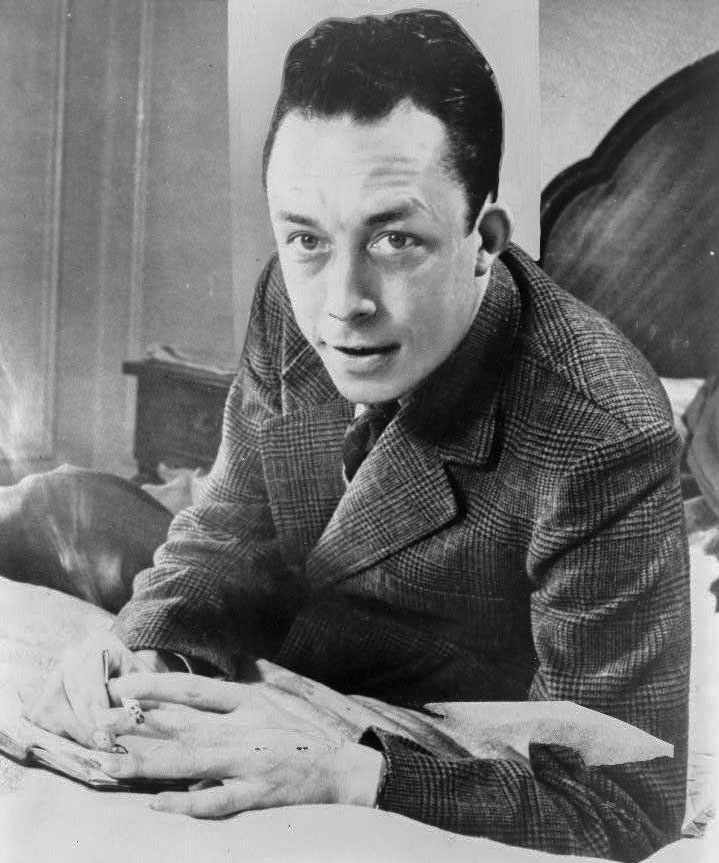
Albert Camus
1913 CE – 1960 CE
Mondovi (Dréan), Algeria
French-Algerian writer and philosopher of the absurd whose novels, essays, plays, and public interventions explored meaning, revolt, justice, solidarity, and life without transcendental consolation.
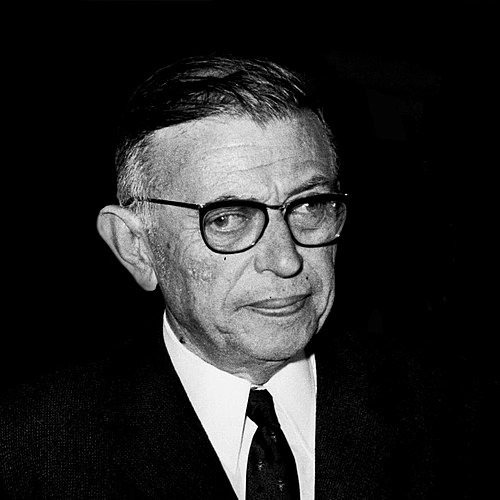
Jean-Paul Sartre
1905 CE – 1980 CE
Paris
French existentialist and phenomenological philosopher of freedom, bad faith, nothingness, political commitment, literature, existential psychoanalysis, anti-colonialism, and existential Marxism.

Simone de Beauvoir
1908 CE – 1986 CE
Paris
French existentialist and feminist philosopher of ambiguity, situated freedom, otherness, embodiment, oppression, aging, literature, and ethical responsibility.
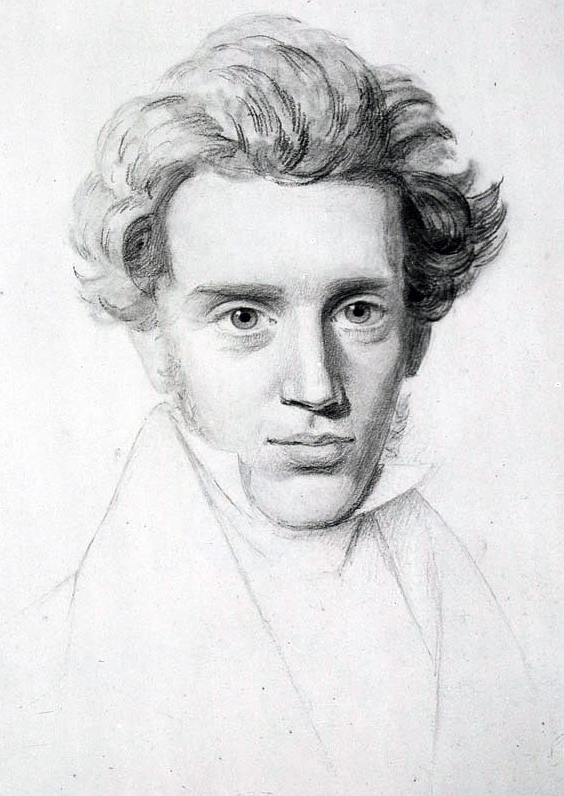
Søren Kierkegaard
1813 CE – 1855 CE
Copenhagen
Danish philosopher of subjectivity, indirect communication, pseudonymous authorship, anxiety, despair, faith, love, the single individual, and critique of Christendom.