Philosophy School
Neo-Aristotelianism
Neo-Aristotelianism names contemporary Aristotelian work on flourishing, virtue, practical reason, emotion, dignity, and capabilities, represented here by Martha Nussbaum.
Period
Contemporary History1945 CE – 2065 CE
Era
Cold War Era1945 CE – 1984 CE
Begin
1947 CE
End
2065 CE

Structural Factors
- Shared Core Claims
- Neo-Aristotelianism treats human flourishing, virtue, practical reason, emotional life, dignity, and capabilities as central to ethics and political philosophy. It reconstructs Aristotelian ideas without simply repeating ancient teleology, using human vulnerability, animal life, narrative, and public reason to ask what lives and institutions let people flourish.
- Shared Methods
- Aristotelian reconstruction, close reading of ancient ethics, normative political theory, emotion analysis, literature/philosophy comparison, capabilities reasoning, legal analysis, feminist critique, and public-philosophy argument.
- Shared Lineage
- The lineage runs from Aristotle and ancient Greek ethics through modern virtue ethics to Martha Nussbaum's Aristotelian feminism, capabilities approach, legal and political theory, animal ethics, and human-development debates.
- Shared Problems
- Human flourishing, virtue, practical reason, emotion, dignity, vulnerability, tragic conflict, narrative self-understanding, human capabilities, distributive justice, animal justice, liberal education, and the relation between ancient ethics and contemporary law and politics.
- Shared Vocabulary
- Neo-Aristotelianism, Aristotle, eudaimonia, virtue, flourishing, practical reason, capability, dignity, emotion, vulnerability, tragedy, narrative, justice, liberal education, animal life, human development, feminist ethics.
- Shared Historical Context
- Contemporary Neo-Aristotelianism reworks ancient Greek ethical materials for twentieth- and twenty-first-century debates over liberal education, feminism, development economics, law, emotion, distributive justice, and animal ethics. Nussbaum is treated here as the linked exemplar of that modern Aristotelian reconstruction.
Defining Axes
- Doctrine
- Human flourishing, virtue, dignity, practical reason, emotional intelligence, and capabilities as public standards for ethical and political judgment.
- Method
- Close interpretation of Aristotle and ancient ethics, combined with normative theory, law, literature, emotion analysis, feminist critique, and capabilities-based public reasoning.
- Lineage
- Aristotle, Greek ethical thought, modern virtue ethics, Martha Nussbaum, Aristotelian feminism, the capabilities approach, and contemporary legal and political philosophy.
- Subject Focus
- Ethics, political philosophy, philosophy of emotion, feminist philosophy, philosophy of law, human development, animal ethics, and the history of ancient philosophy.
- Geography / Culture
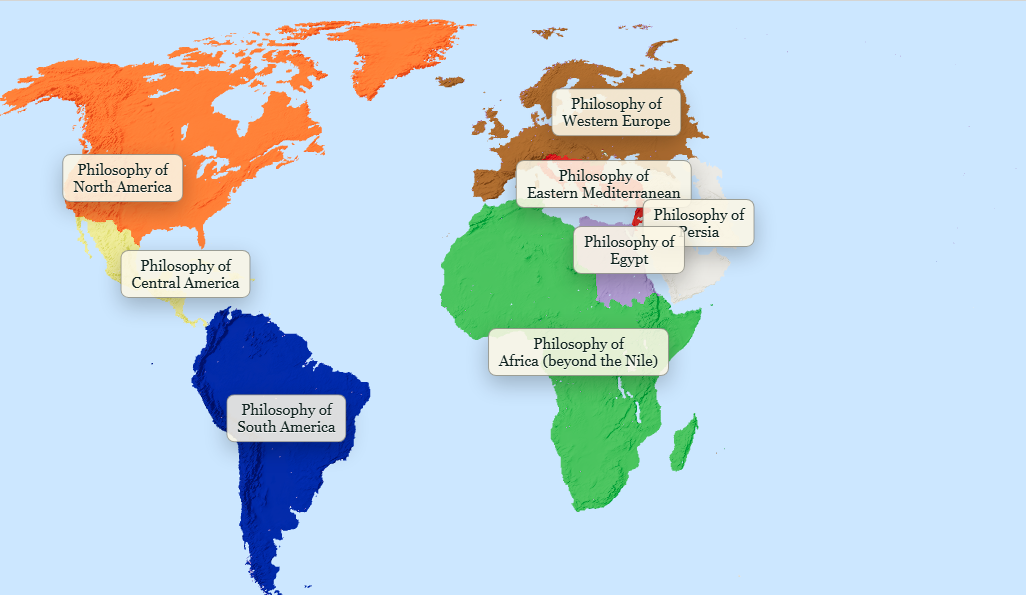
- Ancient Greek philosophy received through modern Anglophone academic, legal, feminist, and human-development contexts, especially the University of Chicago and international capabilities networks.
- Historical Reaction
- A reaction against thin utilitarian, contractarian, and purely preference-based models of value by returning to richer accounts of flourishing, virtue, emotion, vulnerability, and human dignity.
Internal Structure
- Foundational Texts
- Foundational evidence includes Aristotle's ethics, Nussbaum's profile and publication contexts, SEP capability approach, SEP Aristotle's Ethics, SEP Feminist Ethics, SEP Emotion, IEP capability and human dignity entries, catalog rows for Nussbaum works, and public scholarship indexes.
- Core Vocabulary
- eudaimonia, virtue, flourishing, practical reason, capability, dignity, emotion, vulnerability, tragic conflict, narrative, justice, liberal education, animal ethics, human development, feminist ethics.
- Metaphysics
- Usually avoids heavy metaphysical essentialism while still asking what kinds of beings humans and animals are, what forms of life they can realize, and which goods are not reducible to preference or utility.
- Epistemology
- Uses practical reason, ethical perception, emotion, narrative understanding, and public justification as ways of knowing what matters in individual and political life.
- Ethics
- Centers virtue, flourishing, vulnerability, dignity, emotions, care, tragic choice, education, and capabilities as standards for evaluating lives and institutions.
- School Method
- Reads Aristotle and ancient texts alongside law, literature, politics, and social theory, then uses capabilities and human flourishing to evaluate justice, education, feminism, emotion, and animal life.
- Internal Debates
- Debates include whether capabilities are Aristotelian or liberal, how universal capability lists should be justified, how emotions can be rational, how much ancient teleology should remain, and how human and animal flourishing should be compared.
- Successors
- Influences contemporary virtue ethics, feminist philosophy, political philosophy, law and humanities, human-development policy, animal ethics, philosophy of emotion, and public humanities.
External Classification Context
- History of Philosophy
- Belongs to the modern reception of Aristotle and ancient ethics, connecting classical philosophy to contemporary debates over justice, human development, feminism, emotion, and public reason.
- Philosophy of Philosophy
- Shows philosophy as a reconstruction of inherited concepts for public judgment: ancient categories are tested against modern political, legal, literary, and human-development problems.
- Intellectual History
- Connects classical scholarship, American legal academy work, feminist ethics, the capability approach, international development discourse, prize and public lecture contexts, publisher catalogs, and modern philosophy indexes.
- University Classification
- Classify under contemporary ethics, political philosophy, virtue ethics, Neo-Aristotelianism, feminist philosophy, philosophy of emotion, human development, philosophy of law, and ancient-philosophy reception.
- Classical Sources
- Evidence includes University of Chicago Nussbaum pages, Britannica and Routledge rows, SEP capability approach, SEP Aristotle's Ethics, SEP Feminist Ethics, SEP Emotion, SEP Distributive Justice, IEP capabilities and dignity rows, Open Library, WorldCat, PhilPapers, PhilArchive, authority rows, and publisher rows.
- Sociology of Knowledge
- The school is reconstructed through university profiles, prize biographies, encyclopedia entries, public lecture contexts, publisher catalogs, bibliography searches, authority records, and institutional capability-approach resources rather than through a single ancient school institution.
Linked Philosophers

Martha Nussbaum
1947 CE
New York City
American philosopher of Aristotelian liberalism, capabilities justice, feminist ethics, political philosophy, moral psychology, animal justice, aesthetics, literature, law, religion, and public philosophy.
Other Voices
Source entries, public text surfaces, catalog rows, and scholarship connected to Neo-Aristotelianism, Martha Nussbaum, Aristotle, virtue ethics, human flourishing, practical reason, capabilities, emotions, dignity, and public philosophy.