Philosophy School
Nominalism
Nominalism names the medieval and later philosophical position that universals are not independently existing things, with William of Ockham as the linked figure for terms, concepts, supposition theory, mental language, parsimony, and Ockham's razor.
Period
Medieval History500 CE – 1499 CE
Era
High Medieval1000 CE – 1299 CE
Begin
1287 CE
End
1347 CE
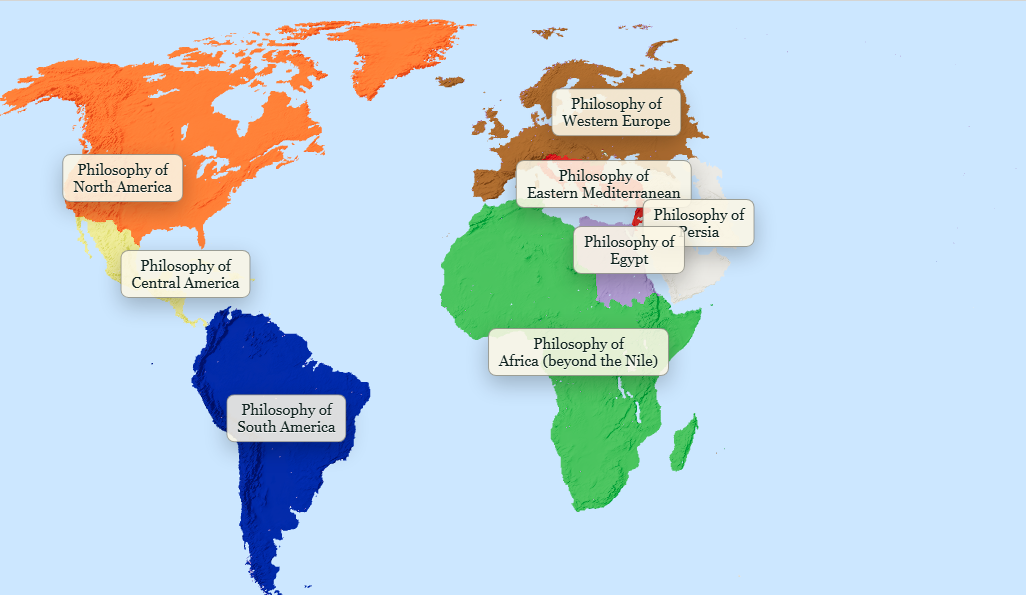
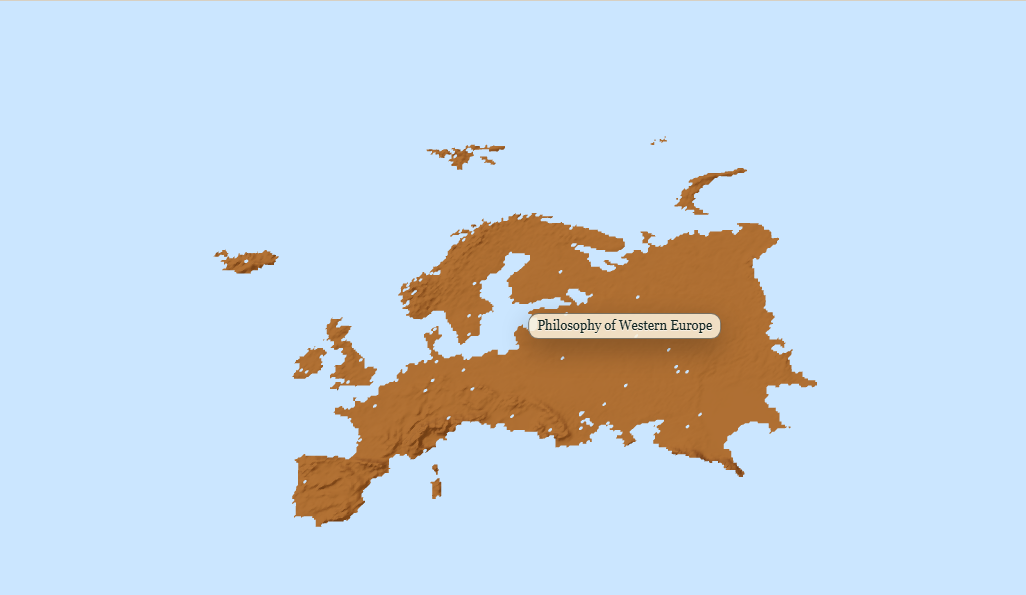
Structural Factors
- Shared Core Claims
- Nominalism denies that universals are independently existing things. General terms and concepts classify individuals; ontological economy resists multiplying entities; mental language and supposition theory explain how signs, concepts, and spoken or written terms refer; Ockham's razor names the associated discipline of parsimony.
- Shared Methods
- Scholastic logic, semantic analysis, theory of terms, disputation over universals, manuscript and text comparison, commentary, argument from parsimony, and careful separation of linguistic, conceptual, and ontological claims.
- Shared Lineage
- The school is framed by the medieval universals debate, Porphyry and Boethius as background, William of Ockham as the linked philosopher, late scholastic via moderna context, and later nominalist and anti-realist metaphysics.
- Shared Problems
- Universals, particulars, general terms, concepts, abstraction, realism, conceptualism, nominalism, supposition, mental language, predication, ontology, parsimony, individuation, and the status of shared natures.
- Shared Vocabulary
- nominalism, universals, particulars, terms, concepts, supposition, mental language, abstraction, realism, conceptualism, razor, parsimony, ontology, Summa logicae, via moderna.
- Shared Historical Context
- Nominalism develops inside medieval scholastic disputes over universals and language, becomes closely associated with Ockham and late medieval logic, and later informs anti-realist and sparse-ontology debates in metaphysics.
Defining Axes
- Doctrine
- Universals do not exist as independent common things; individuals are basic; generality is handled by terms, concepts, signs, and semantic roles rather than extra universal entities.
- Method
- Scholastic semantic analysis, theory of terms, supposition theory, logical disputation, manuscript/text comparison, and parsimony-driven metaphysical argument.
- Lineage
- Porphyry and Boethius form inherited universals-question context; William of Ockham is the linked philosopher; via moderna and later anti-realist metaphysics are reception contexts.
- Subject Focus
- Metaphysics, logic, philosophy of language, epistemology, medieval philosophy, semantics, ontology, and philosophy of philosophy.
- Geography / Culture
- Medieval Latin scholastic culture, especially university and mendicant intellectual settings, with later European and analytic metaphysical reception.
- Historical Reaction
- A reaction against robust realist accounts of universals and against ontological multiplication where semantic, conceptual, or logical explanation is sufficient.
Internal Structure
- Foundational Texts
- Foundational evidence includes Ockham entries, universals references, Summa logicae catalog rows, Logic Museum text context, OPenn manuscript context, and bibliographic surfaces for Ockham and Nominalism.
- Core Vocabulary
- nominalism, universals, particulars, terms, concepts, supposition, mental language, abstraction, realism, conceptualism, Ockham's razor, parsimony, ontology, Summa logicae.
- Metaphysics
- Centers sparse ontology, individuals, anti-realist handling of universals, and careful resistance to treating general terms as evidence for independently existing common natures.
- Epistemology
- Uses concepts, signs, abstraction, and mental language to explain how knowledge and classification can operate without committing to separately existing universals.
- Ethics
- Ethics is not the main axis of the school page; the relevant ethical and theological implications remain contextual to Ockham's broader scholastic work rather than the defining school logic.
- School Method
- Moves through term analysis, supposition theory, logical division, textual comparison, scholastic disputation, and parsimony tests for whether a proposed entity is needed.
- Internal Debates
- Debates include whether nominalism collapses into conceptualism, how mental language should be understood, what kind of abstraction is allowed, how terms supposit, and how far parsimony should govern ontology.
- Successors
- Feeds late scholastic via moderna, early modern debates over abstraction and language, and later metaphysical anti-realism, trope theory, sparse ontology, and debates over universals.
External Classification Context
- History of Philosophy
- Belongs to medieval Latin philosophy and the problem of universals, with links to Porphyry, Boethius, scholastic logic, Ockham, late medieval theology, and later metaphysical classification.
- Philosophy of Philosophy
- Shows philosophy as disciplined economy in ontology and language: first test what terms, concepts, and logical roles can explain before positing additional entities.
- Intellectual History
- Connects encyclopedia entries, text repositories, manuscript catalogs, library catalogs, and scholarly bibliography surfaces for Ockham, Summa logicae, nominalism, and the medieval universals debate.
- University Classification
- Classify under Nominalism, medieval philosophy, metaphysics, logic, philosophy of language, epistemology, scholasticism, and history of the problem of universals.
- Classical Sources
- Evidence includes SEP Ockham, SEP Nominalism in Metaphysics, SEP Medieval Problem of Universals, IEP Ockham, IEP Universals, IEP Simplicity, Britannica Ockham, Britannica Nominalism, Britannica Problem of Universals, New Advent, Wikisource, Open Library, WorldCat, PhilPapers, Internet Archive, Logic Museum, OPenn, and Routledge rows.
- Sociology of Knowledge
- The school is documented through scholastic textual transmission, manuscript witnesses, public text repositories, encyclopedia entries, library catalogs, bibliographic indexes, and modern academic interpretations of nominalism and universals.
Linked Philosophers
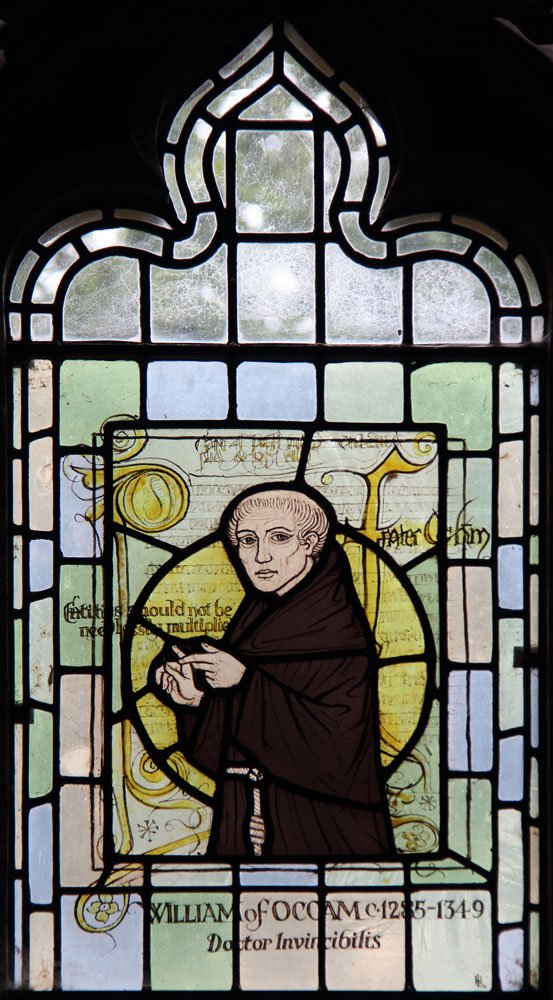
William of Ockham
1287 CE – 1347 CE
Ockham, Surrey
English Franciscan scholastic whose nominalism, terminist logic, mental-language theory, political theology, and parsimony arguments reshaped late medieval philosophy.
Other Voices
Source entries, public text surfaces, catalog rows, manuscript context, and scholarship connected to Nominalism, William of Ockham, universals, particulars, supposition theory, mental language, Ockham’s razor, parsimony, and Summa logicae.