Peripateticism
Peripateticism names the Lyceum-centered Aristotelian research tradition represented here by Aristoxenus, Eudemus, and Theophrastus, where logic, natural science, ethics, rhetoric, music theory, mathematics, and doxography are pursued as systematic inquiry.
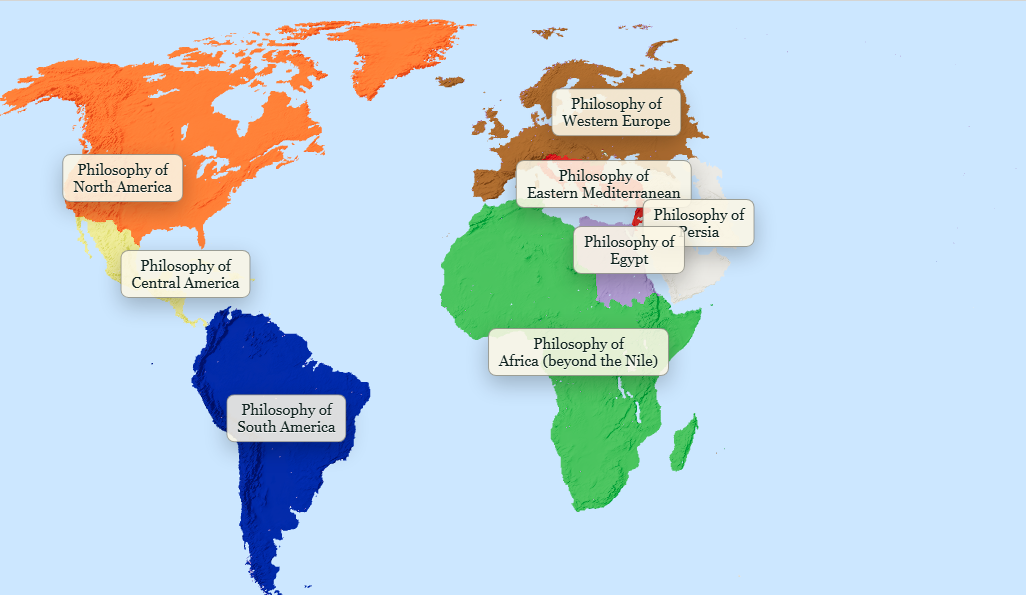

Structural Factors
- Shared Core Claims
- Peripateticism treats philosophy as organized inquiry into nature, logic, ethics, rhetoric, psychology, biology, music, mathematics, and the history of science under an Aristotelian research program centered on explanation, classification, causes, demonstration, and cultivated observation.
- Shared Methods
- Empirical classification, lecture and commentary, logical analysis, collection of constitutions and doxography, biological observation, harmonic and rhythmic analysis, historical reconstruction of earlier sciences, and school-based research in the Lyceum.
- Shared Lineage
- The school begins from Aristotle and the Lyceum. This page preserves the linked Peripatetic philosophers Aristoxenus of Tarentum, Eudemus of Rhodes, and Theophrastus of Eresus, with Theophrastus as Aristotle's successor, Eudemus as a systematizer and historian of mathematics, and Aristoxenus as Peripatetic music theorist.
- Shared Problems
- Causes, substance, soul, syllogism, demonstration, scientific explanation, classification, living things, plants, character, rhetoric, harmonics, rhythmics, mathematics, astronomy, earlier natural philosophy, doxography, and the organization of research in a philosophical school.
- Shared Vocabulary
- Peripatos, Lyceum, Peripateticism, causes, substance, soul, syllogism, demonstration, classification, harmonics, rhythmics, botany, logic, doxography, scientific inquiry, history of mathematics, history of astronomy, and Aristotelian research.
- Shared Historical Context
- Peripateticism developed in and around Aristotle's Lyceum in Athens and continued through early successors and associates who extended Aristotelian methods into logic, natural science, music theory, mathematics, botany, ethics, rhetoric, and histories of earlier inquiry.
Defining Axes
- Doctrine
- Aristotelian explanatory inquiry: causes, demonstration, classification, soul, nature, character, and the systematic study of beings and practices.
- Method
- Empirical observation, logical analysis, lecture, commentary, collection, doxography, scientific history, harmonics, rhythmics, and text/testimony comparison.
- Lineage
- Aristotle and the Lyceum form the origin context; the linked philosophers remain Aristoxenus, Eudemus, and Theophrastus for this pass.
- Subject Focus
- Logic, metaphysics, natural philosophy, biology, botany, psychology, ethics, rhetoric, aesthetics, music theory, mathematics, astronomy, and history of science.
- Geography / Culture
- Classical and early Hellenistic Greek philosophy centered on Athens and the Lyceum, with linked figures from Tarentum, Rhodes, and Eresus.
- Historical Reaction
- A school-based continuation and expansion of Aristotle's program, contrasting with Academy, Stoic, Epicurean, and later dogmatic reception while preserving inquiry, collection, and explanation.
Internal Structure
- Foundational Texts
- Source evidence includes Aristotle and Aristotelian context rows, SEP and Britannica material on Theophrastus and Aristotelianism, Aristoxenus harmonics/rhythmics rows, Eudemus history-of-science and Peripatetic-logic rows, and Theophrastus botany, logic, Characters, On Stones, and catalog rows.
- Core Vocabulary
- Peripatos, Lyceum, causes, substance, soul, syllogism, demonstration, classification, harmonics, rhythmics, botany, doxography, scientific inquiry, history of mathematics, and history of astronomy.
- Metaphysics
- Peripatetic metaphysics is framed through Aristotelian causes, substance, nature, explanation, soul, form, living beings, and classification rather than through a single later scholastic system.
- Epistemology
- Knowledge is approached through demonstration, logical structure, perception disciplined by classification, empirical observation, testimony comparison, and the reconstruction of earlier sciences and arguments.
- Ethics
- Ethics remains part of the Aristotelian school context, while the selected linked figures emphasize character, music and education, research practice, and the organization of philosophical inquiry.
- School Method
- School method combines Lyceum lectures, research collections, empirical description, logic, commentary, cataloging, doxography, biological and botanical observation, harmonic/rhythmic analysis, and histories of mathematical and astronomical knowledge.
- Internal Debates
- Internal tensions include how far later Peripatetics systematize or extend Aristotle, the status of sensory judgment in music theory, how fragments and testimonia preserve Eudemus and Aristoxenus, and whether Theophrastus is best read as faithful successor or independent critic.
- Successors
- Peripateticism informs later Aristotelianism, ancient commentary traditions, Hellenistic debates, medieval Arabic and Latin reception, Renaissance Aristotelianism, logic, natural history, botany, aesthetics, and history-of-science writing.
External Classification Context
- History of Philosophy
- Belongs to ancient Greek philosophy, Aristotle's Lyceum, early Hellenistic school formation, Peripatetic logic and science, doxography, and the transmission of Aristotelian texts and methods.
- Philosophy of Philosophy
- Shows philosophy as an organized research practice: collecting data and opinions, classifying phenomena, testing explanations, preserving school memory, and turning inquiry into teachable disciplines.
- Intellectual History
- Connects encyclopedia entries, public Aristotle and Theophrastus text surfaces, Aristoxenus harmonics sources, Eudemus logic and mathematics context, library catalogs, public scans, scholarship indexes, and source rows documenting the Lyceum research tradition.
- University Classification
- Classify under Peripateticism, Aristotelianism, ancient Greek philosophy, logic, metaphysics, philosophy of science, biology, botany, aesthetics, music theory, mathematics, rhetoric, and history of philosophy.
- Classical Sources
- Evidence includes SEP Aristotle, SEP Aristotle text transmission, SEP Aristotle's Logic, IEP Aristotle, Britannica Aristotle, Britannica Peripatetic and Aristotelianism context, Britannica Aristoxenus, Britannica Eudemus, SEP and IEP Theophrastus, Britannica Theophrastus, Wikisource, Perseus, Internet Archive, Open Library, WorldCat, PhilPapers, and public text/catalog rows.
- Sociology of Knowledge
- The school is documented through public encyclopedia rows, Lyceum and Aristotelian corpus context, fragmentary and catalog evidence for Aristoxenus and Eudemus, Theophrastus text traditions, scholarship indexes, and library/archive records.
Linked Philosophers
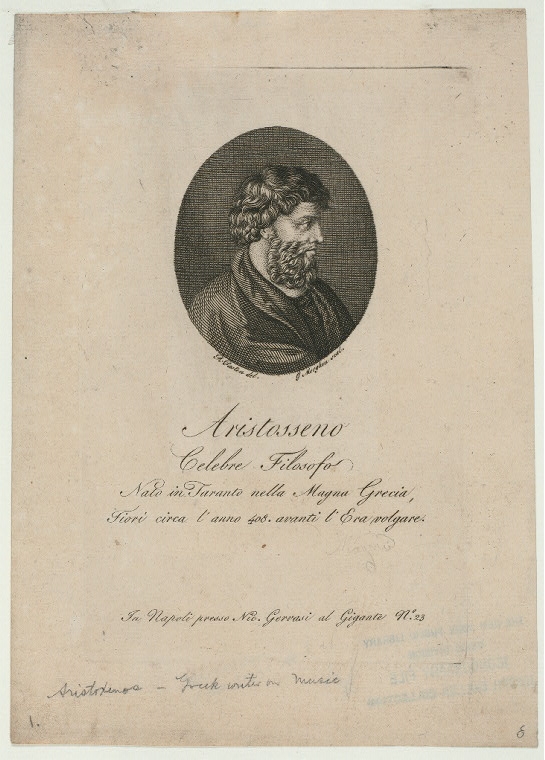
Aristoxenus of Tarentum
375 BCE – 300 BCE
Tarentum (Taras, Magna Graecia)
Greek Peripatetic philosopher and music theorist from Tarentum whose harmonics, rhythmics, perception theory, and Pythagorean ethical traditions shaped ancient aesthetics and philosophy of science.
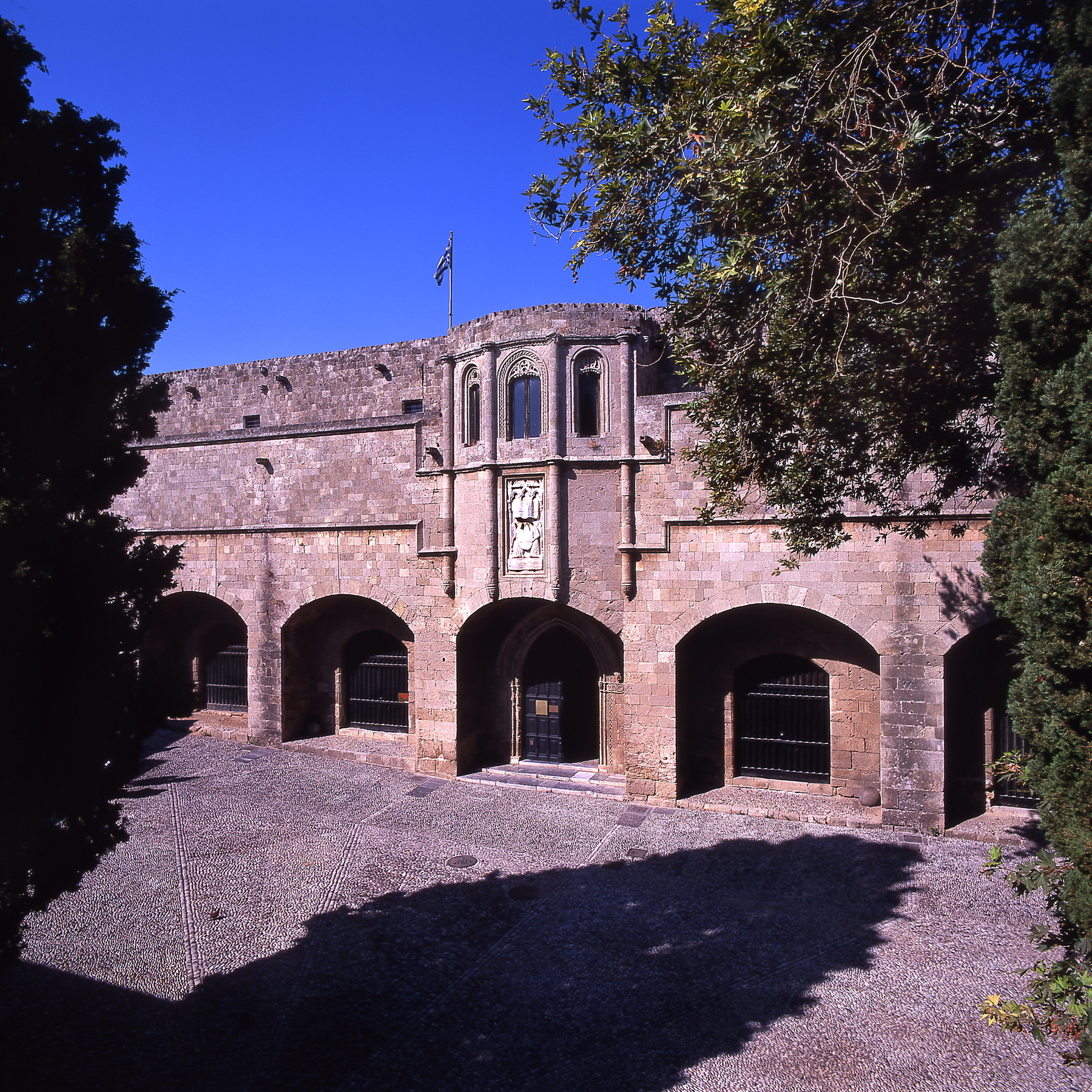
Eudemus of Rhodes
370 BCE – 300 BCE
Rhodes (island)
Peripatetic philosopher from Rhodes, pupil of Aristotle and companion of Theophrastus, remembered for systematizing Aristotelian logic and physics and for pioneering histories of Greek geometry, arithmetic, and astronomy.
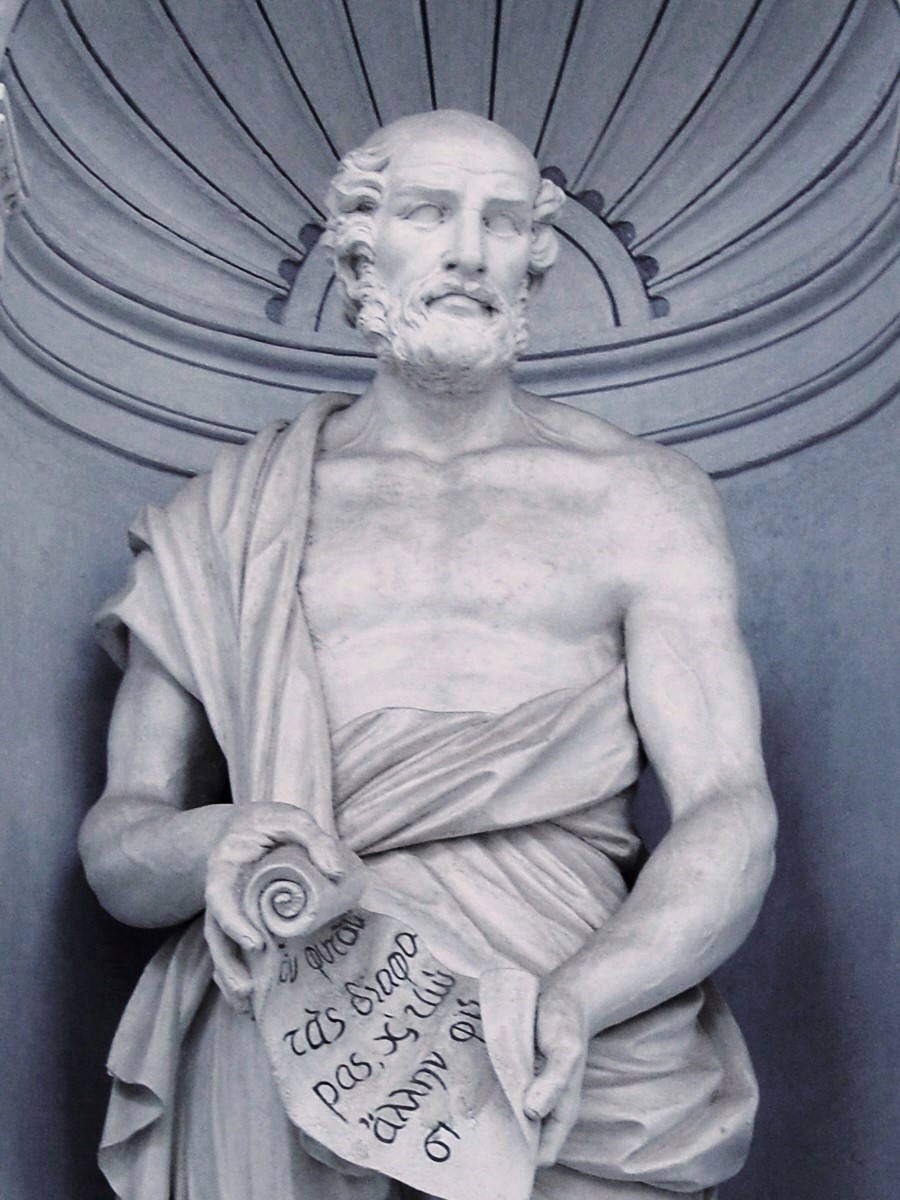
Theophrastus of Eresus
371 BCE – 287 BCE
Eresos, Lesbos
Peripatetic philosopher from Eresos, Aristotle successor at the Lyceum, botanical classifier, natural scientist, logician, rhetorician, character writer, and major doxographical source for earlier Greek philosophy.
Other Voices
Source entries, public text surfaces, catalog rows, public scans, and scholarship connected to Peripateticism, Aristotle’s Lyceum, Aristoxenus, Eudemus, Theophrastus, logic, botany, harmonics, mathematics, and scientific inquiry.