Platonism
Platonism names the Academy-centered tradition of Plato and later Platonists, centered here on Forms, intelligible order, soul, the Good, dialectic, mathematical inquiry, Academy succession, and Middle Platonist continuation.
Structural Factors
- Shared Core Claims
- Platonism treats reality as ordered by intelligible structures and asks how soul, knowledge, ethical-political formation, mathematical order, and the Good relate to sensible life. Its shared claims include Forms or intelligible order, participation, dialectic, soul, recollection, the Good, and Academy lineage.
- Shared Methods
- Dialogue, dialectic, division and collection, mathematical reasoning, cosmological speculation, ethical-political education, commentary, testimony comparison, and fragment/source reconstruction for Old Academy and Middle Platonist figures.
- Shared Lineage
- Plato and the Academy form the center. This page preserves the linked philosophers Crantor of Soli, Crates of Athens, Eudoxus of Cnidus, Philip of Opus, Plato, Plutarch of Chaeronea, Speusippus of Athens, and Xenocrates of Chalcedon.
- Shared Problems
- Forms, the Good, soul, recollection, participation, knowledge, dialectic, mathematical order, cosmic order, demiurge, Timaeus interpretation, Academy succession, ethical education, political order, and the relation between Old Academy and Middle Platonism.
- Shared Vocabulary
- Platonism, Plato, Academy, Old Academy, Middle Platonism, Forms, Idea, Good, soul, recollection, participation, dialectic, division, collection, demiurge, Timaeus, Epinomis, mathematical order, and philosophical education.
- Shared Historical Context
- Platonism begins with Plato and the Academy in classical Athens, continues through Old Academy successors and associates such as Speusippus, Xenocrates, Eudoxus, Philip, Crantor, and Crates, and is represented here through Plutarch as a Middle Platonist continuation.
Defining Axes
- Doctrine
- Intelligible order, Forms or Ideas, soul, the Good, participation, mathematical structure, cosmic order, and ethical-political formation.
- Method
- Dialogue, dialectic, division and collection, mathematical reasoning, testimony comparison, commentary, ancient biography, and fragment reconstruction.
- Lineage
- Plato and the Academy, Old Academy succession through Speusippus, Xenocrates, Crantor, Crates, Eudoxus, and Philip of Opus, with Plutarch as Middle Platonist continuation.
- Subject Focus
- Metaphysics, epistemology, ethics, political philosophy, cosmology, mathematics, psychology, theology, education, and history of philosophy.
- Geography / Culture
- Classical and Hellenistic Greek philosophy centered on Athens and the Academy, with later Greek Middle Platonist reception around Plutarch and related textual traditions.
- Historical Reaction
- A school and tradition formed from Socratic dialogue and Plato's Academy, later developing in response to Aristotelian, Stoic, Epicurean, skeptical, and Middle Platonist debates.
Internal Structure
- Foundational Texts
- Source evidence includes SEP Plato, SEP Plato's Timaeus, SEP and IEP Plato's Academy, Britannica Greek Academy, Diogenes Laertius rows, Perseus and Gutenberg ancient testimony, and profile/source rows for Crantor, Crates, Eudoxus, Philip, Speusippus, Xenocrates, and Plutarch.
- Core Vocabulary
- Forms, Idea, Good, soul, recollection, participation, dialectic, division, collection, demiurge, Timaeus, Academy, Old Academy, Middle Platonism, mathematical order, and philosophical education.
- Metaphysics
- Platonist metaphysics is framed through Forms or intelligible order, participation, the Good, soul, cosmic order, mathematical structure, and the relation between sensible and intelligible realities.
- Epistemology
- Knowledge is approached through recollection, dialectic, mathematical training, the ascent from sensible examples to intelligible order, and the careful reading of dialogues, testimonia, fragments, and later Platonist interpretation.
- Ethics
- Ethics and politics are tied to soul formation, philosophical education, virtue, the Good, lawful order, and the role of dialectic and mathematics in turning the soul toward intelligible order.
- School Method
- School method combines dialogue reading, dialectical division and collection, mathematical and cosmological inquiry, commentary, ancient biography, public text surfaces, and reconstruction of fragmentary Academy evidence.
- Internal Debates
- Internal tensions include how to understand Forms, whether mathematical objects mediate between sensible and intelligible realities, how the Academy changed after Plato, how Speusippus and Xenocrates diverged, and how Plutarch represents Middle Platonist interpretation.
- Successors
- Platonism informs the Old Academy, Middle Platonism, Neoplatonism, Christian Platonism, Renaissance Platonism, philosophy of mathematics, metaphysics, theology, political philosophy, education, and later histories of philosophy, while this pass keeps those later schools separate.
External Classification Context
- History of Philosophy
- Belongs to ancient Greek philosophy, Socratic dialogue, Plato's Academy, Old Academy succession, Academy-linked mathematics and cosmology, and Middle Platonist reception.
- Philosophy of Philosophy
- Shows philosophy as dialectical education: testing appearances and opinions, turning the soul toward intelligible order, using mathematics and argument, and preserving school memory through commentary and testimony.
- Intellectual History
- Connects encyclopedia rows, ancient biography, public Greek and Latin text surfaces, source catalogs, Academy scholarship, library records, and source rows documenting Plato, Old Academy figures, and Plutarch.
- University Classification
- Classify under Platonism, Plato's Academy, Old Academy, Middle Platonism, ancient Greek philosophy, metaphysics, epistemology, ethics, political philosophy, philosophy of mathematics, cosmology, and history of philosophy.
- Classical Sources
- Evidence includes SEP Plato, SEP Plato's Timaeus, SEP Plato's Academy, IEP Plato's Academy, SEP Xenocrates, SEP Speusippus, SEP Plutarch, Britannica Greek Academy, Diogenes Laertius, Perseus, Gutenberg, LacusCurtius, Brill, Oxford, Cambridge Core, PhilPapers, PhilArchive, Open Library, and WorldCat rows.
- Sociology of Knowledge
- The school is documented through public encyclopedia rows, ancient testimony, Academy and dialogue context, fragmentary source evidence, scholarship indexes, catalog rows, and authority-style bibliographic records rather than through image-only rows.
Linked Philosophers
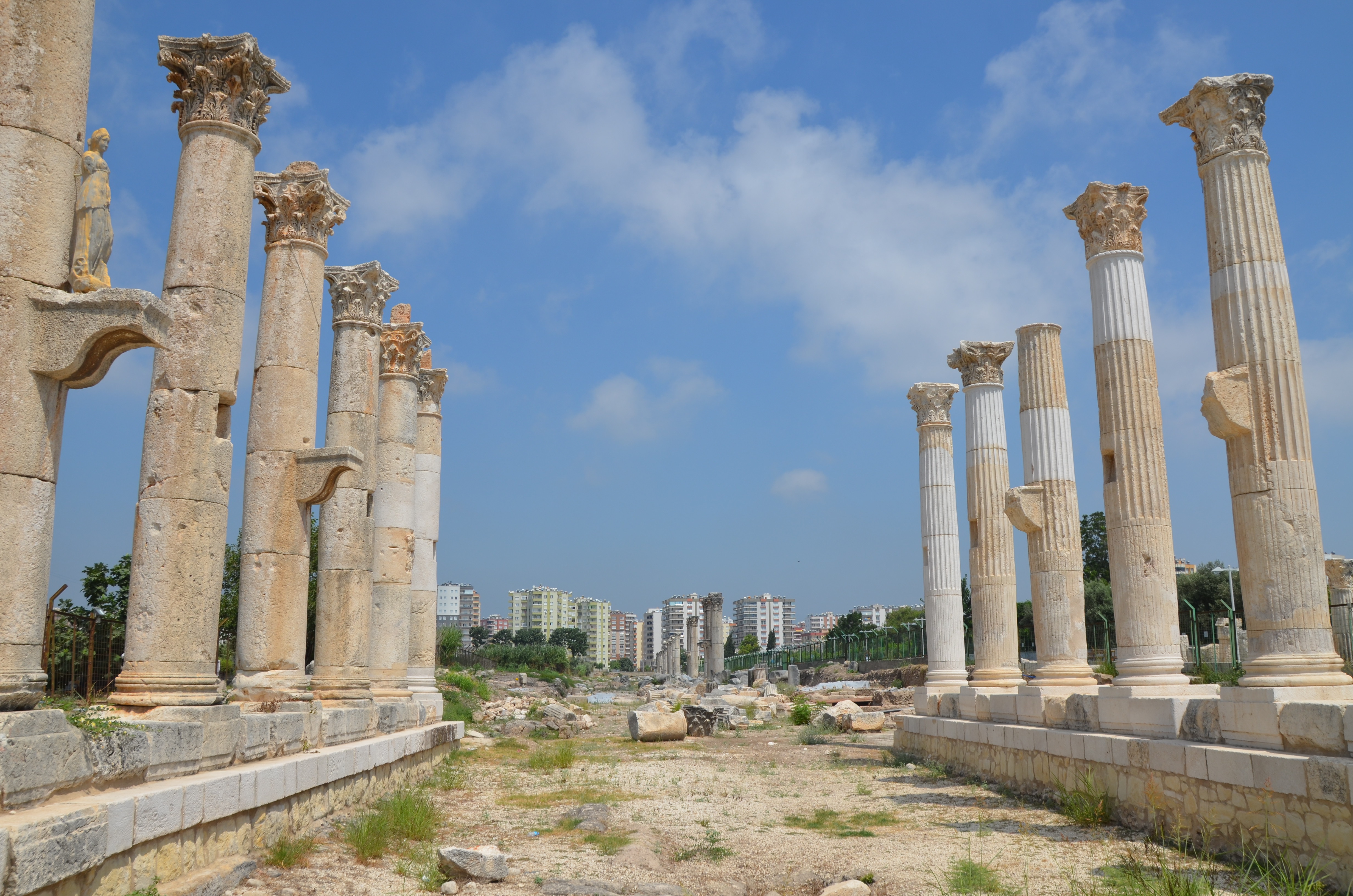
Crantor of Soli
335 BCE – 275 BCE
Soli, Cilicia
Old Academic philosopher from Soli in Cilicia whose lost On Grief and early commentary on Plato's Timaeus made consolation, soul theory, and Platonic interpretation central to later Academic reception.
Crates of Athens
c. 335 BCE – 268/7 BCE
Thria, Attica
Old Academy scholarch from Thria in Attica, remembered as Polemo's close Academic associate and predecessor to Arcesilaus in the Athenian school.
Eudoxus of Cnidus
390 BCE – 340 BCE
Cnidus, Caria
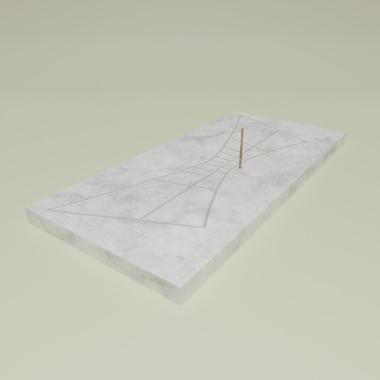
Mathematician, astronomer, geographer, and philosopher from Cnidus, remembered for proportion theory, homocentric-sphere astronomy, geography, calendrical work, and the ancient testimony about pleasure as the natural good.
Philip of Opus
380 BCE – 330 BCE
Opus (Locris)
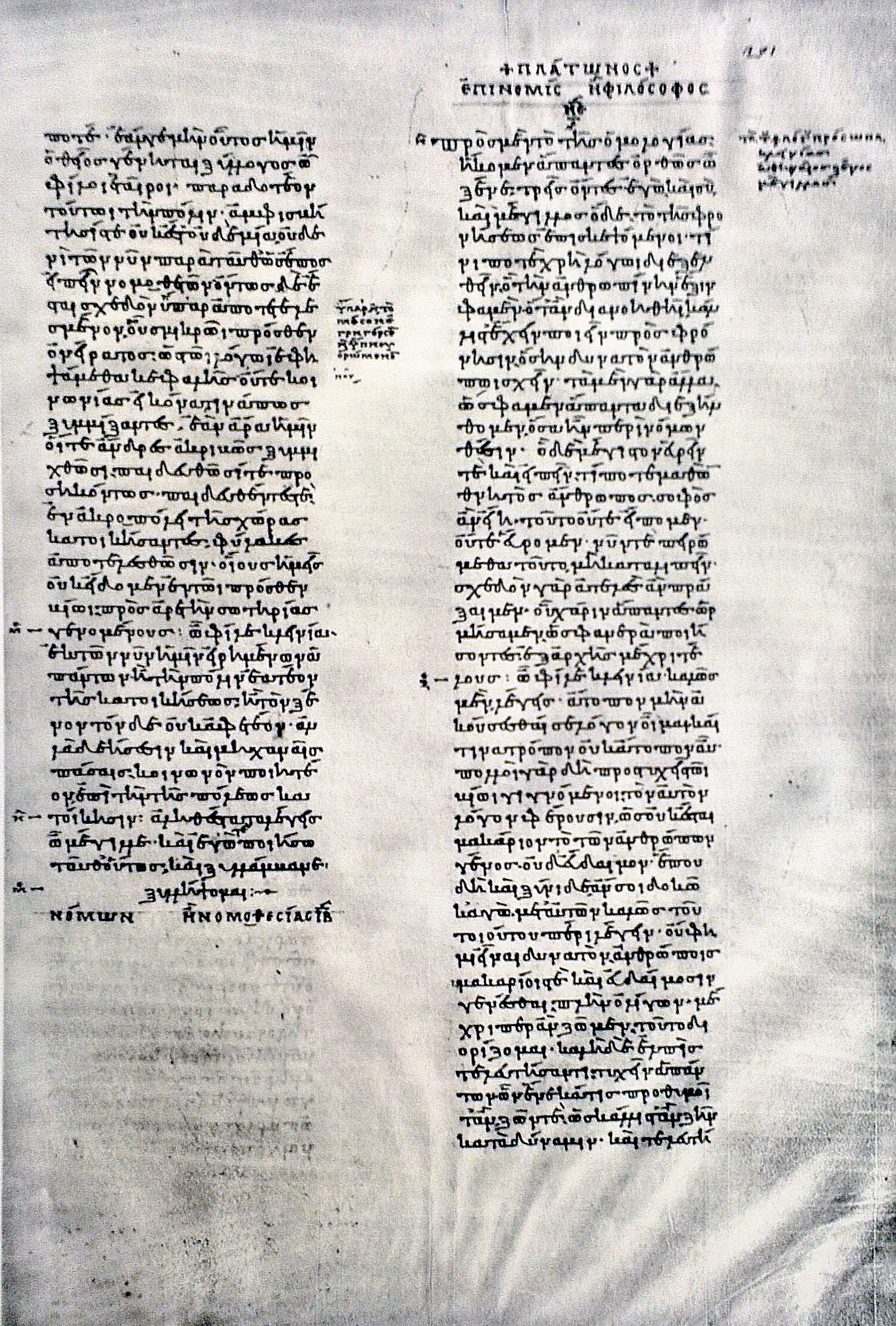
Early Academic philosopher of Opus, Plato's Academy, mathematical astronomy, Epinomis, astral theology, Opuntian Locris, and the reported arrangement of Plato's Laws.
Plato
427 BCE – 347 BCE
Athens
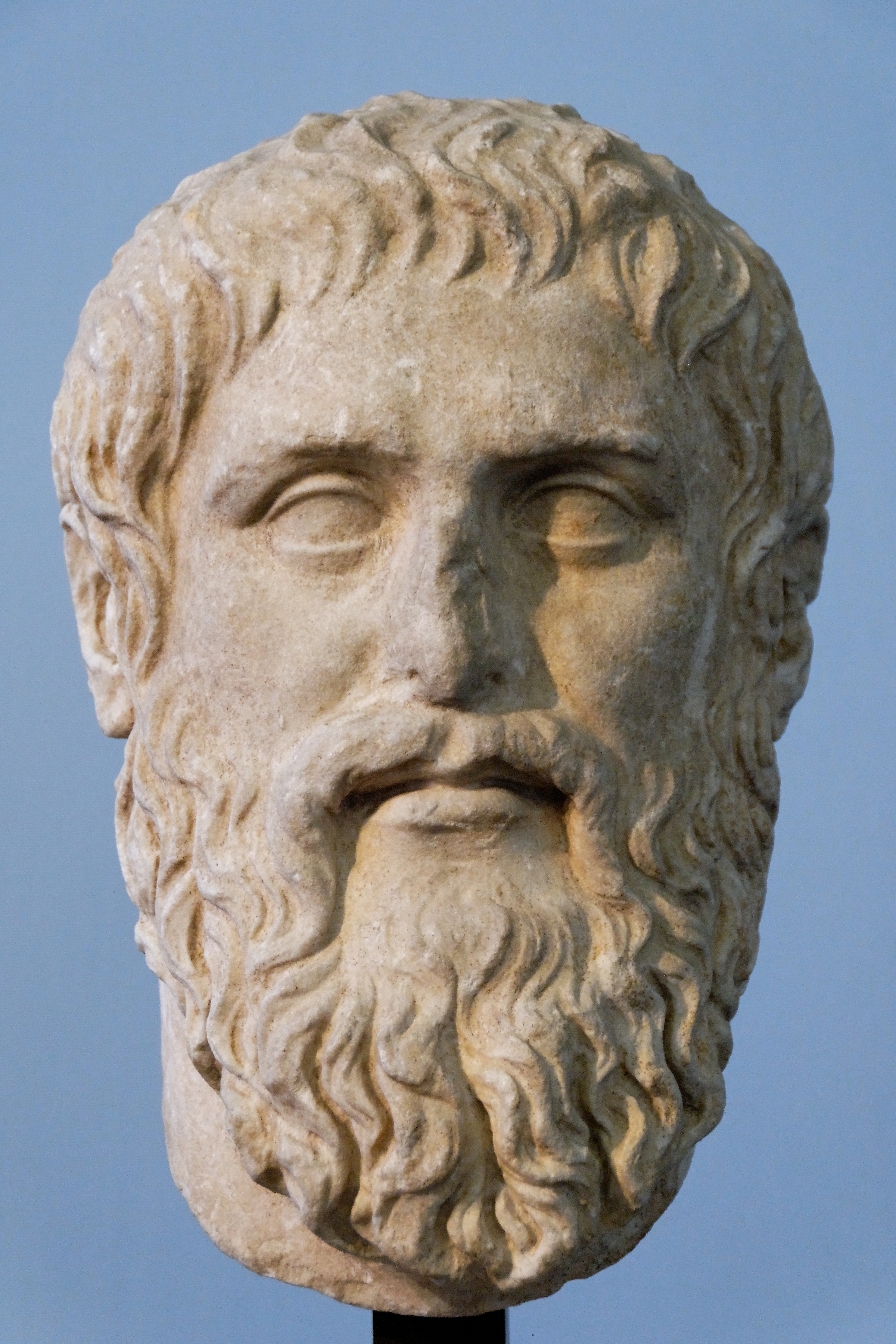
Athenian philosopher of Forms, dialectic, recollection, the Good, tripartite soul, philosopher-rule, eros, rhetoric, language, cosmology, theology, the Academy, and the Platonic corpus.
Plutarch of Chaeronea
46 CE – 120 CE
Chaeronea (Boeotia)
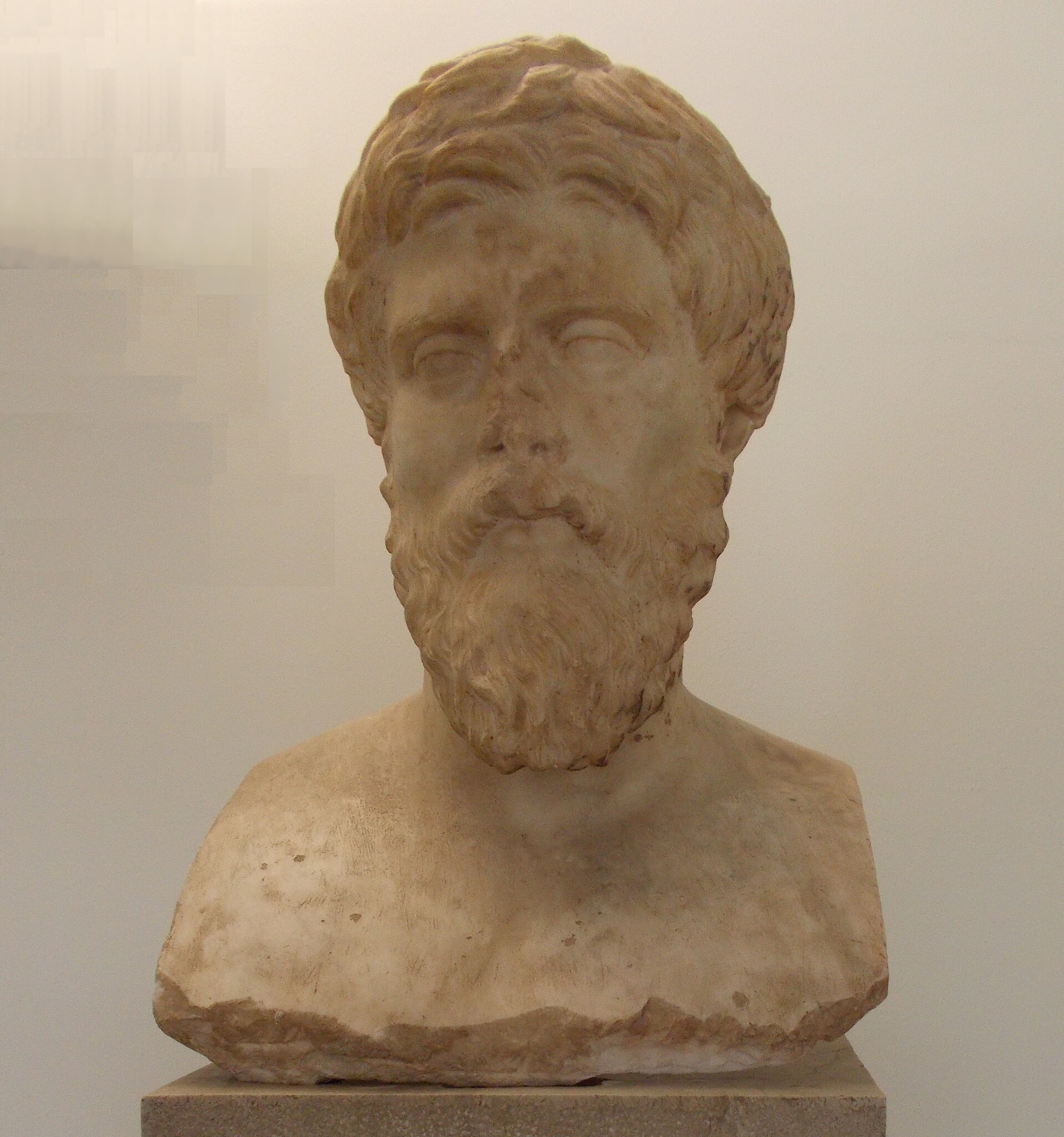
Middle Platonist moralist, biographer, and priest of Apollo at Delphi whose Parallel Lives and Moralia join virtue ethics, political counsel, religious Platonism, moral psychology, and literary biography.
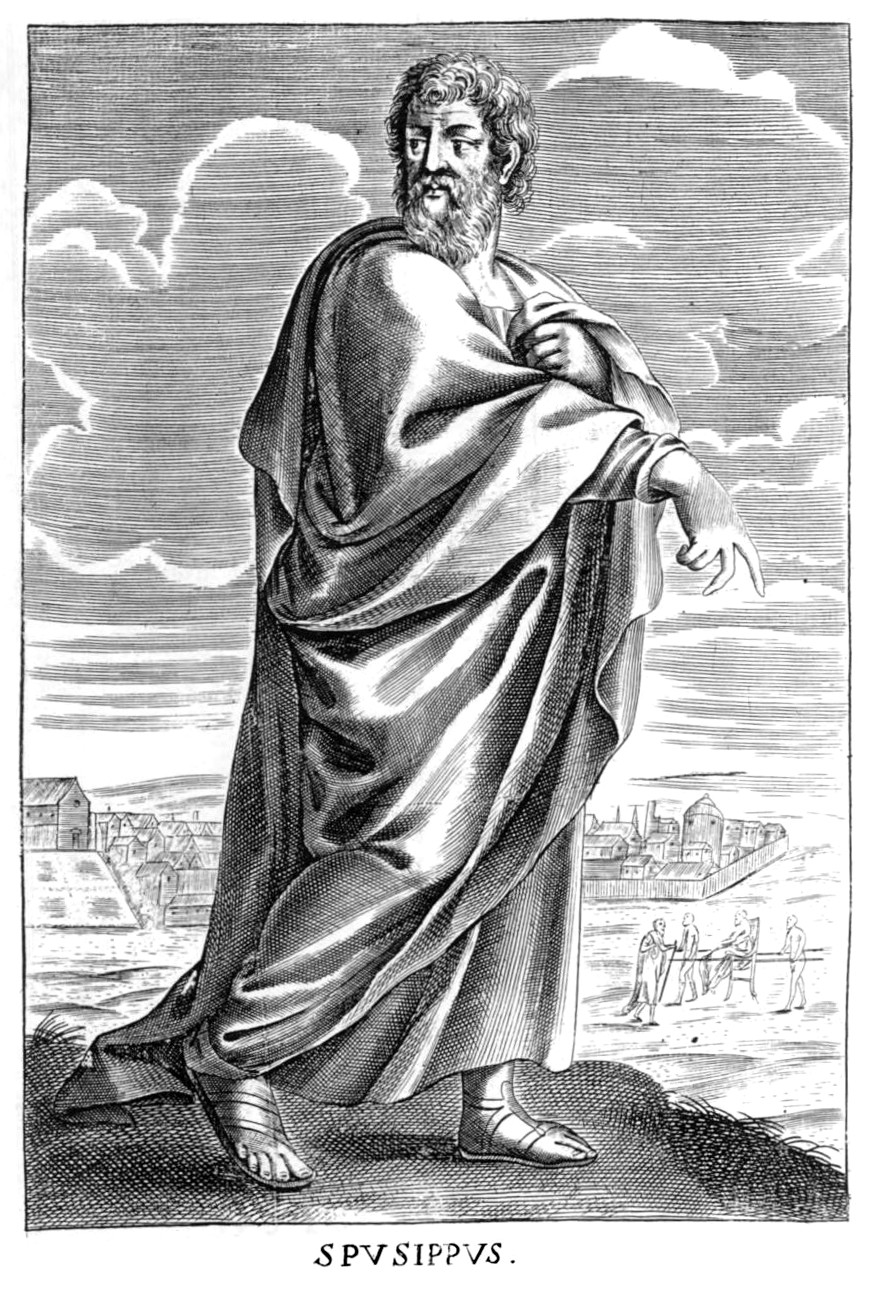
Speusippus of Athens
408 BCE – 339 BCE
Athens (Attica)
Old Academy philosopher, Plato's nephew, and successor as scholarch, whose lost titles and testimonia join first principles, classification, genera, species, number, soul, ethics, politics, definitions, and Academy succession.
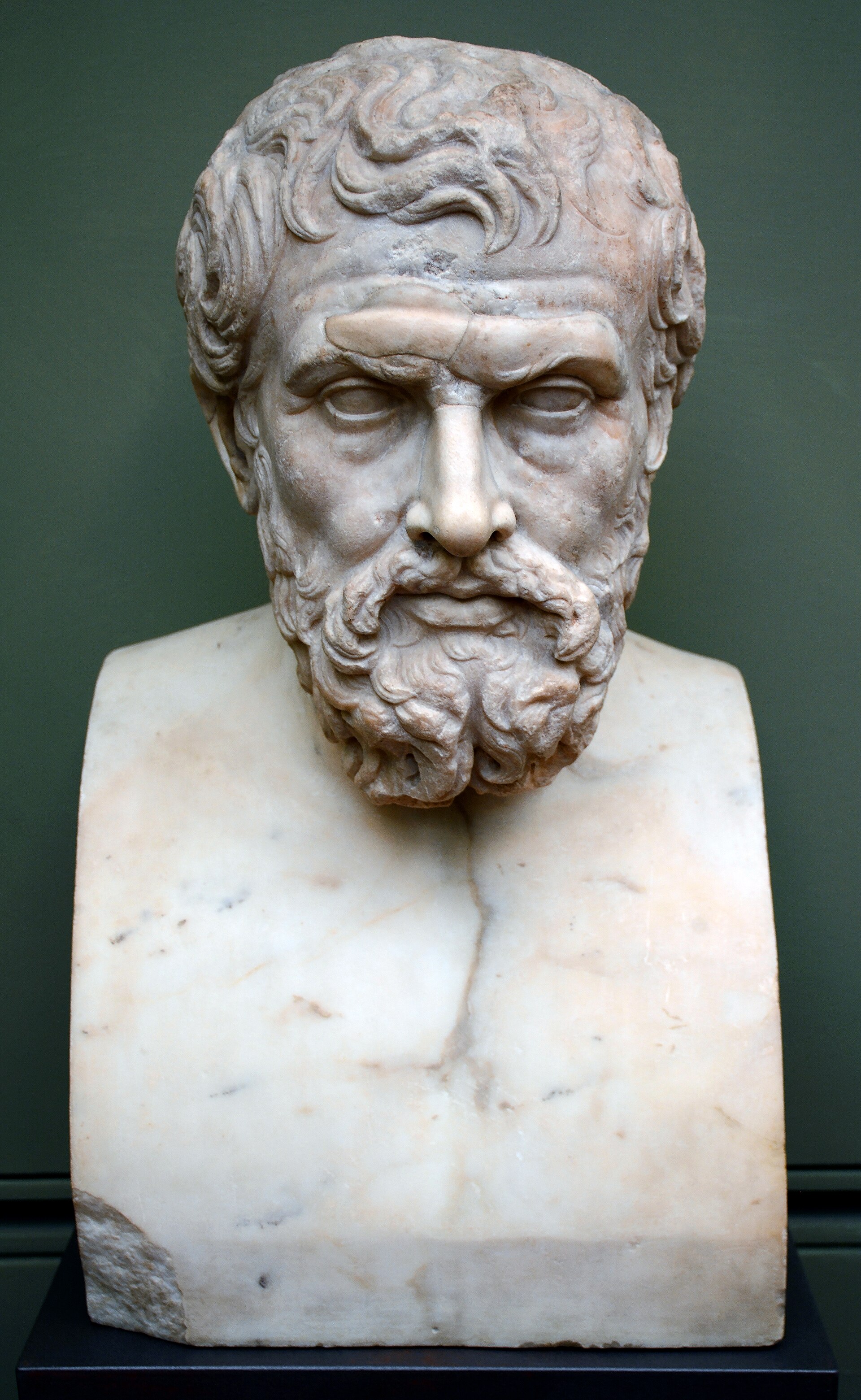
Xenocrates of Chalcedon
396 BCE – 314 BCE
Chalcedon, Bithynia; now Kadikoy, Istanbul
Greek Academic philosopher who systematized Plato through formal numbers, the One and Indeterminate Dyad, demonology, and the tripartite division of philosophy.
Other Voices
Source entries, public text surfaces, catalog rows, public scans, and scholarship connected to Platonism, Plato, the Academy, Forms, dialectic, Speusippus, Xenocrates, Eudoxus, Philip of Opus, Crantor, Crates, and Plutarch.