Pragmatism
Pragmatism names classical American philosophy that tests meaning, truth, and inquiry through practical consequences, experience, habit, and public life, centered here on Charles Sanders Peirce, John Dewey, and William James.

Structural Factors
- Shared Core Claims
- Pragmatism understands meaning, truth, and inquiry through practical consequences, fallibilism, habit, experience, and experimental testing. Peirce frames the pragmatic maxim, belief, doubt, inquiry, abduction, signs, and fallibilism; James develops radical empiricism and pragmatic truth; Dewey develops instrumentalism, experience, democracy, education, and scientific method as public inquiry.
- Shared Methods
- Consequences testing, experimental inquiry, abductive and inferential reasoning, semiotic analysis, empirical and social inquiry, educational philosophy, public philosophy, close reading of major works, and comparison of encyclopedia, archive, catalog, text, and scholarship rows.
- Shared Lineage
- This page preserves Charles Sanders Peirce, John Dewey, and William James as linked philosophers. Classical American pragmatism supplies the center; semiotics, instrumentalism, radical empiricism, democracy, education, and scientific method provide context without adding other linked philosophers.
- Shared Problems
- Meaning, truth, belief, doubt, inquiry, habit, abduction, signs, semiosis, experience, instrumentalism, radical empiricism, democracy, education, scientific method, consequences, fallibilism, and the relation between theory and practice.
- Shared Vocabulary
- Pragmatism, pragmatic maxim, pragmaticism, belief, doubt, inquiry, habit, abduction, sign, semiosis, truth, experience, instrumentalism, radical empiricism, democracy, education, and scientific method.
- Shared Historical Context
- Classical American pragmatism develops through Peirce, James, and Dewey in late-nineteenth and early-twentieth-century philosophy, psychology, logic, education, science, and democratic public life. This pass centers the three linked philosophers and their school-level source rows.
Defining Axes
- Doctrine
- Meaning, truth, and knowledge are interpreted through practical consequences, inquiry, habit, fallibilism, experience, and public testing rather than detached foundations.
- Method
- Consequences testing, experimental inquiry, abductive reasoning, semiotic analysis, empirical and social inquiry, educational inquiry, public argument, and work/source comparison.
- Lineage
- Charles Sanders Peirce, William James, and John Dewey as linked philosophers; classical American pragmatism, semiotics, instrumentalism, radical empiricism, democracy, education, and scientific method as context.
- Subject Focus
- Inquiry, truth, meaning, belief, doubt, habit, signs, abduction, experience, education, democracy, scientific method, radical empiricism, and instrumentalism.
- Geography / Culture
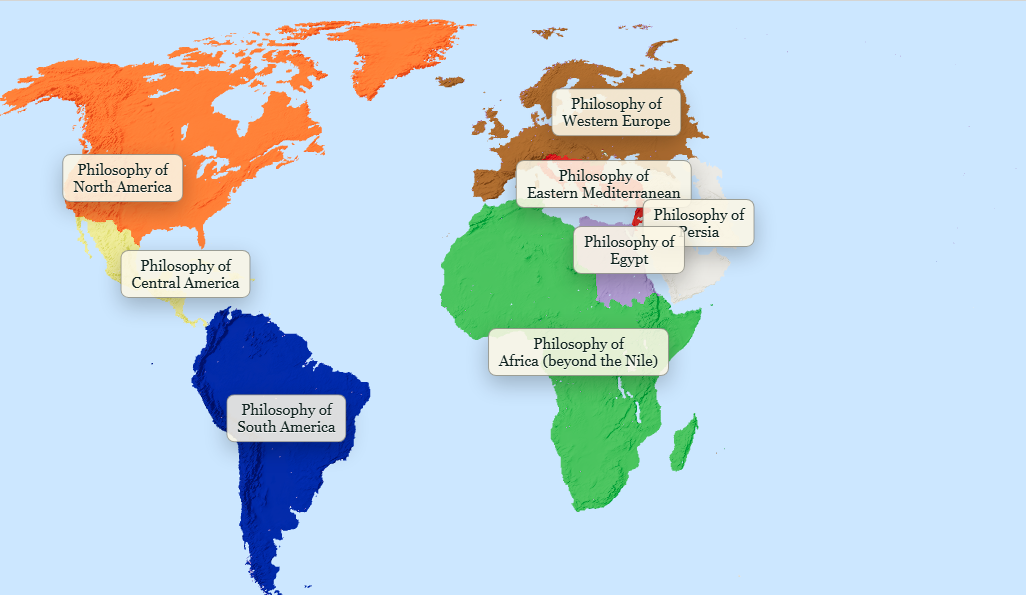
- American philosophy with transatlantic scholarly reception, documented through reference entries, university centers, archives, public texts, catalogs, and philosophy scholarship.
- Historical Reaction
- A reaction against fixed foundationalism, abstract metaphysics detached from practice, and theories of meaning or truth that ignore consequences, inquiry, experience, and public testing.
Internal Structure
- Foundational Texts
- Source evidence includes SEP, IEP, Britannica, Encyclopedia.com, Peirce Edition Project, Charles S. Peirce Studies, Arisbe, Commens, Center for Dewey Studies, John Dewey Society, William James Studies, Harvard pages, Gutenberg, Wikisource, Internet Archive, Open Library, WorldCat, PhilPapers, PhilArchive, LOC/BnF, and work-source rows.
- Core Vocabulary
- Pragmatism, pragmatic maxim, pragmaticism, belief, doubt, inquiry, habit, abduction, sign, semiosis, truth, experience, instrumentalism, radical empiricism, democracy, education, and scientific method.
- Metaphysics
- Pragmatism treats reality and meaning through experience, practices, signs, consequences, and inquiry rather than a detached metaphysical foundation outside possible investigation.
- Epistemology
- Knowledge is fallible, experimental, and inquiry-based. Belief, doubt, abduction, verification through consequences, scientific method, radical empiricism, and communal testing shape how claims are assessed.
- Ethics
- Ethical and political stakes include public inquiry, democratic practice, education, habits of action, consequences for life, and the testing of ideals in experience and social practice.
- School Method
- The school method combines Peirce logic and semiotics rows, James pragmatism and radical empiricism rows, Dewey instrumentalism, education, democracy, aesthetics, and scientific method rows, plus reference, archive, catalog, public-text, and scholarship evidence.
- Internal Debates
- Internal debates include Peirce's distinction between pragmatism and pragmaticism, James's pragmatic theory of truth, Dewey's instrumentalism and democratic experimentalism, and the balance between logic, experience, psychology, education, and public philosophy.
- Successors
- Pragmatism informs philosophy of language and signs, philosophy of science, education, democratic theory, social philosophy, psychology, public philosophy, neopragmatism, and later debates over truth, practice, and inquiry.
External Classification Context
- History of Philosophy
- Belongs to classical American philosophy, philosophy of language and signs, epistemology, philosophy of science, philosophy of education, social and political philosophy, psychology, and public philosophy.
- Philosophy of Philosophy
- Shows philosophy as inquiry tested by consequences, public practice, habits of reasoning, and the repair of problems in experience rather than purely abstract system-building.
- Intellectual History
- Connects Peirce, James, and Dewey profile/reference rows, public texts, archives, scholarly centers, catalog rows, source pages for major pragmatist works, and contemporary encyclopedia and scholarship surfaces.
- University Classification
- Classify under Pragmatism, American philosophy, epistemology, philosophy of science, philosophy of language, semiotics, philosophy of education, democratic theory, psychology, and social philosophy.
- Classical Sources
- Evidence includes SEP, IEP, Britannica, Encyclopedia.com, Peirce Edition Project, Arisbe, Commens, Center for Dewey Studies, John Dewey Society, William James Studies, Harvard pages, Gutenberg, Wikisource, Internet Archive, Open Library, WorldCat, PhilPapers, PhilArchive, LOC/BnF, and selected work-source rows.
- Sociology of Knowledge
- The source set documents Pragmatism through profile, encyclopedia, archive, scholarly-center, public-text, catalog, and work-source rows, while image rows, Kant title spillover, pragmatics/Austin rows, speech-act rows, and broad psychology-only spillover remain held out.
Linked Philosophers
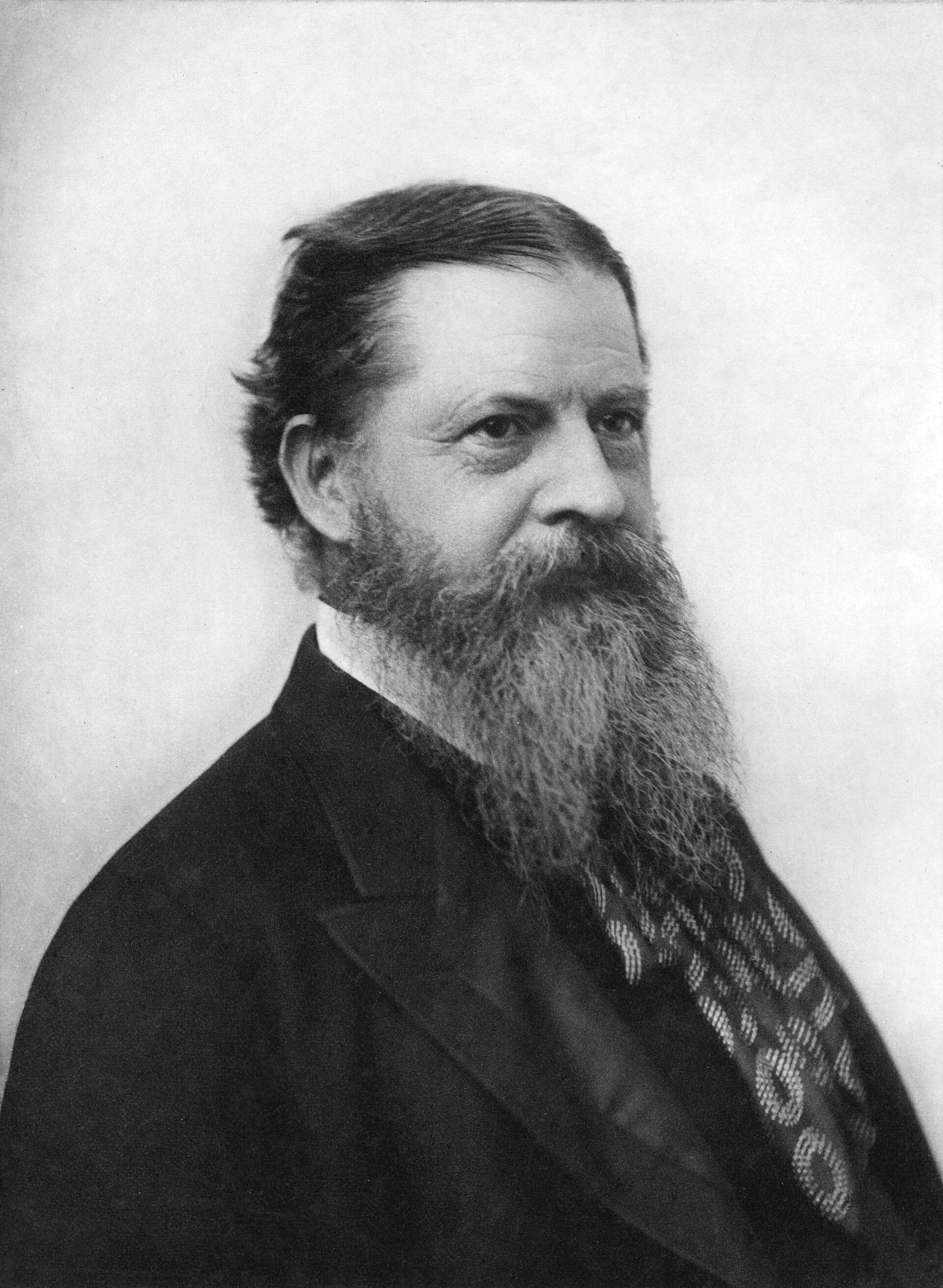
Charles Sanders Peirce
1839 CE – 1914 CE
Cambridge, Massachusetts
American logician, scientist, and founder of pragmaticism whose work joined the pragmatic maxim, semiotic theory, fallibilism, abduction, probability, categories, scientific method, and evolutionary metaphysics.
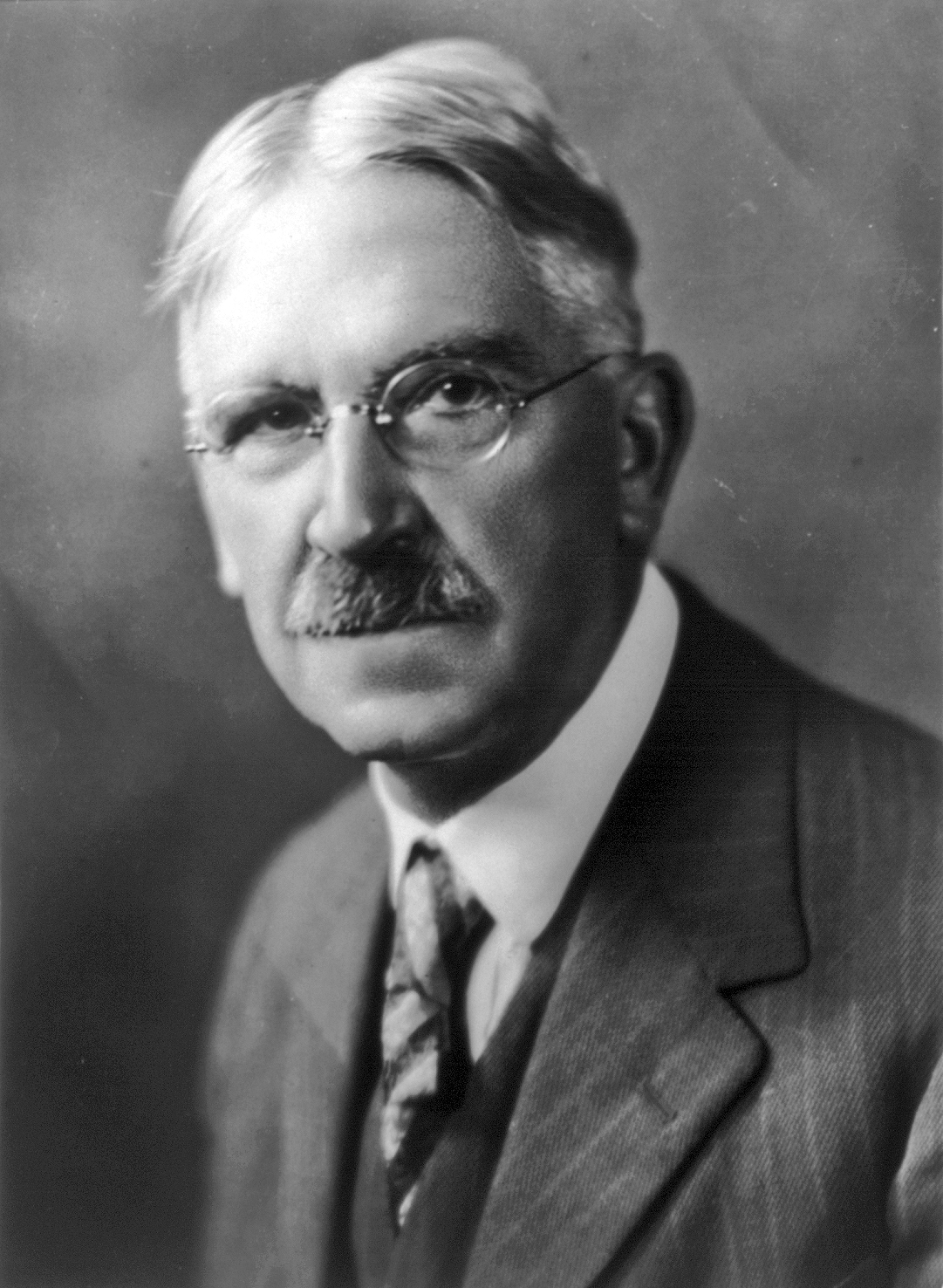
John Dewey
1859 CE – 1952 CE
Burlington, Vermont
American pragmatist philosopher of instrumentalism, democratic experimentalism, progressive education, inquiry, experience, logic, ethics, aesthetics, public life, science, and naturalistic religion.
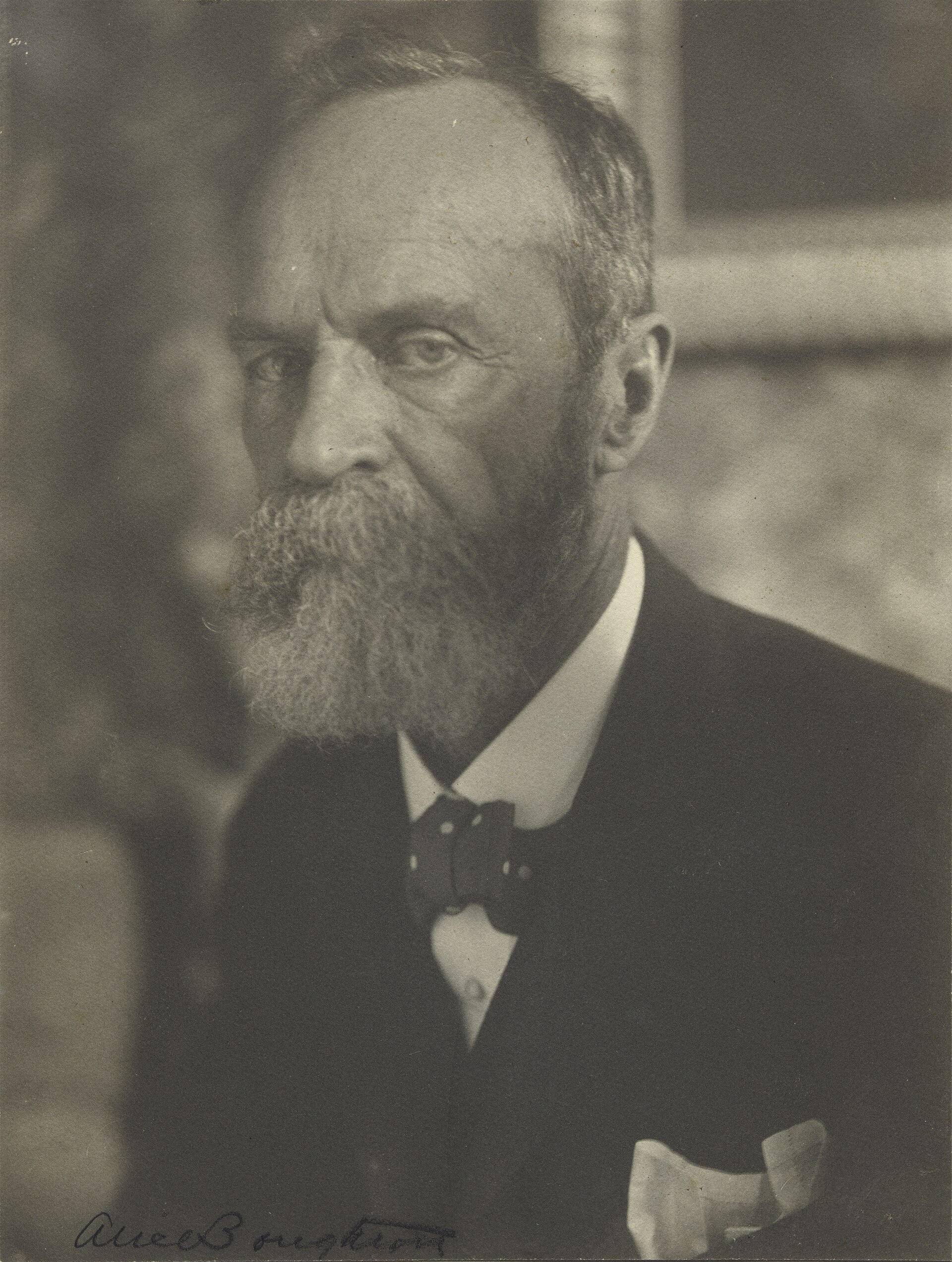
William James
1842 CE – 1910 CE
New York City, New York
American philosopher and psychologist whose pragmatism, radical empiricism, stream-of-consciousness psychology, pluralism, and philosophy of religion reshaped modern philosophy.
Other Voices
Source entries, public text surfaces, catalog rows, public scans, and scholarship connected to Pragmatism, Charles Sanders Peirce, John Dewey, William James, the pragmatic maxim, fallibilism, abduction, instrumentalism, radical empiricism, truth, and inquiry.