Philosophy School
Pure Land Buddhism
Pure Land Buddhism centers devotion to Amitabha and rebirth in Sukhavati, with this page focused on Huiyuan and the Chinese Mount Lu/Donglin formation of Pure Land practice.
Period
Ancient History3000 BCE – 499 CE
Era
Classical Antiquity500 BCE – 499 CE
Begin
334 CE
End
416 CE
Region
Eastern Thought
Terra Avita
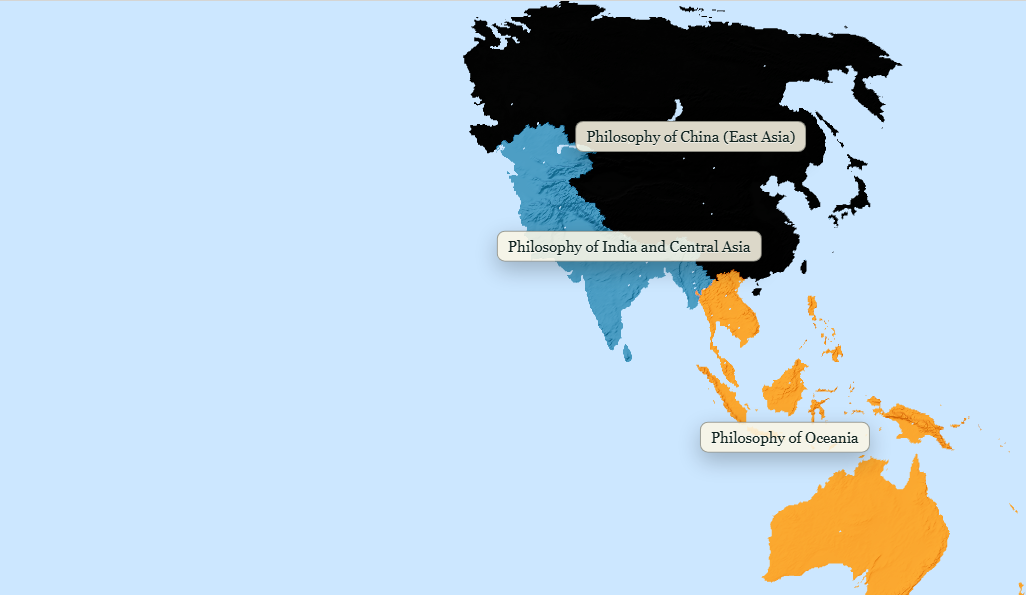
China (East Asia)
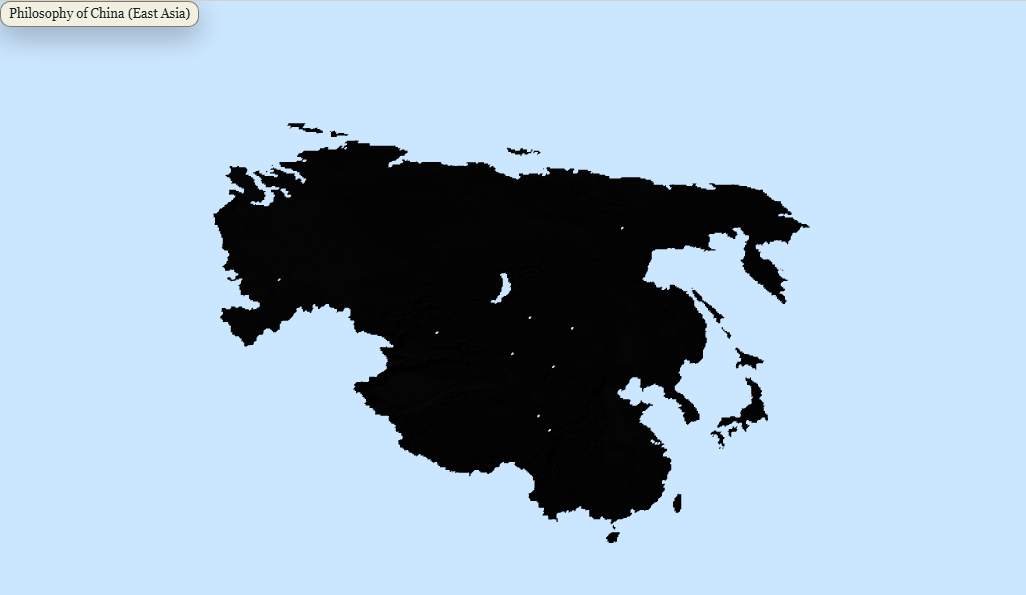
Terra Avita Region
North China Plain & Loess Belt
Structural Factors
- Shared Core Claims
- Pure Land Buddhism teaches devotional and contemplative orientation toward Amitabha or Amitayus, rebirth in Sukhavati, reliance on vows, nianfo or buddha-recitation, meditative recollection, faith and trust, merit, and liberation through Pure Land practice.
- Shared Methods
- Sutra exegesis, devotional and contemplative practice, community formation, translation and reception history, Buddhist dictionary and reference comparison, public text comparison, and catalog and scholarship review.
- Shared Lineage
- This page preserves Huiyuan as the linked philosopher. The school context includes the Mount Lu and Donglin community, early Chinese Pure Land formation, Kumarajiva and Dao An context, the Three Pure Land Sutras, Amitabha devotion, and later East Asian Pure Land reception without adding new linked philosophers.
- Shared Problems
- Rebirth in Sukhavati, Amitabha vows, Amitayus devotion, nianfo, meditative recollection, faith and trust, merit transfer, monastic and lay practice, translation, Chinese Buddhist reception, Donglin Temple, and the relation between contemplation and devotion.
- Shared Vocabulary
- Pure Land, Amitabha, Amitayus, Sukhavati, nianfo, 念佛, rebirth, vow, faith, recollection, samadhi, Donglin Temple, White Lotus Society, Infinite Life Sutra, Contemplation Sutra, and Pure Land Sutras.
- Shared Historical Context
- Pure Land Buddhism develops through Indian Mahayana sutra traditions and East Asian reception. In this SQL-linked pass it is centered on Huiyuan, Mount Lu, Donglin Temple, Chinese Pure Land formation, and source rows for Pure Land sutras and later reference traditions.
Defining Axes
- Doctrine
- Devotion to Amitabha or Amitayus, rebirth in Sukhavati, vows, faith, merit, nianfo, and liberation through Pure Land practice.
- Method
- Sutra exegesis, buddha-recitation, meditative recollection, devotional practice, community formation, dictionary/reference comparison, public text comparison, and catalog/scholarship review.
- Lineage
- Huiyuan as linked philosopher; Mount Lu, Donglin Temple, Kumarajiva and Dao An context, Pure Land sutra traditions, and later East Asian Pure Land reception as source context.
- Subject Focus
- Amitabha, Amitayus, Sukhavati, rebirth, vows, faith, nianfo, samadhi, Buddhist community formation, translation, textual transmission, and Pure Land sutras.
- Geography / Culture
- Chinese Buddhist formation at Mount Lu and Donglin Temple, with Indian Mahayana sutra background and later East Asian Pure Land reception in Chinese and Japanese reference traditions.
- Historical Reaction
- A devotional and contemplative Buddhist path emphasizing accessible liberation through Amitabha vows, recollection, faith, and rebirth rather than only scholastic or monastic meditative specialization.
Internal Structure
- Foundational Texts
- Source evidence includes Huiyuan reference rows, Pure Land Buddhism reference rows, Chinese Wikisource surfaces, Zhonghua Diancang, Shidian Guji, Jodo-shu dictionary entries, BDK America, CBETA, DeerPark, Infinite Life Sutra context, Open Library, WorldCat, PhilPapers, PhilArchive, NTU Buddhist Digital Library, CiNii, and scholarship rows.
- Core Vocabulary
- Pure Land, Amitabha, Amitayus, Sukhavati, nianfo, 念佛, rebirth, vow, faith, recollection, samadhi, Donglin Temple, White Lotus Society, Infinite Life Sutra, Contemplation Sutra, and Pure Land Sutras.
- Metaphysics
- The school centers a salvific cosmology of Amitabha, vows, Pure Land rebirth, and Sukhavati as a field of practice and liberation interpreted through Mahayana Buddhist devotional and contemplative frameworks.
- Epistemology
- Knowledge is mediated through sutras, commentaries, translated texts, Buddhist dictionaries, public text surfaces, communal recollection practices, and scholastic or devotional interpretation.
- Ethics
- Ethical practice includes faith, trust, vows, merit, devotional recollection, monastic and lay community formation, and practices oriented toward liberation for oneself and others.
- School Method
- The school method combines Huiyuan profile rows, Pure Land tradition rows, Buddhist dictionary rows, Chinese and Japanese public text surfaces, catalog rows, source rows for Pure Land sutra materials, and modern scholarship.
- Internal Debates
- Internal distinctions include contemplative recollection and vocal nianfo, monastic and lay practice, faith and meditative discipline, early Chinese community formation and later Pure Land reception, and the role of Huiyuan in Pure Land genealogy.
- Successors
- Pure Land Buddhism develops through Chinese, Korean, Japanese, and wider East Asian Buddhist traditions, including later Jodo and Shin contexts that remain source context here rather than linked-philosopher additions.
External Classification Context
- History of Philosophy
- Belongs to Buddhist philosophy, Chinese Buddhism, Mahayana practice traditions, philosophy of religion, soteriology, ritual and devotional studies, and East Asian intellectual history.
- Philosophy of Philosophy
- Shows philosophical school identity through practice, vows, textual authority, communal formation, devotion, and soteriological method rather than only abstract doctrine.
- Intellectual History
- Connects Huiyuan, Mount Lu, Donglin Temple, Pure Land reference entries, Chinese public texts, Buddhist dictionaries, catalog searches, Pure Land sutra rows, and scholarly studies of early medieval Chinese Buddhism.
- University Classification
- Classify under Pure Land Buddhism, Chinese Buddhism, Mahayana Buddhism, Buddhist philosophy, philosophy of religion, East Asian religions, soteriology, devotional practice, and Buddhist textual traditions.
- Classical Sources
- Evidence includes Britannica, Encyclopedia.com, Encyclopedia of Buddhism, Nichiren and Jodo-shu dictionaries, Chinese Wikisource, Zhonghua Diancang, Shidian Guji, Kotobank, BDK America, CBETA, DeerPark, Open Library, WorldCat, PhilPapers, PhilArchive, UBC, NTU Buddhist Digital Library, CiNii, and scholarship rows.
- Sociology of Knowledge
- The source set documents Pure Land Buddhism through profile, tradition, dictionary, public text, catalog, scholarship, sutra, and reference rows, while Chan, Chinese metaphysics, Chinese ethics, Huayan, image rows, and unrelated Buddhist-school takeover rows remain held out.
Linked Philosophers
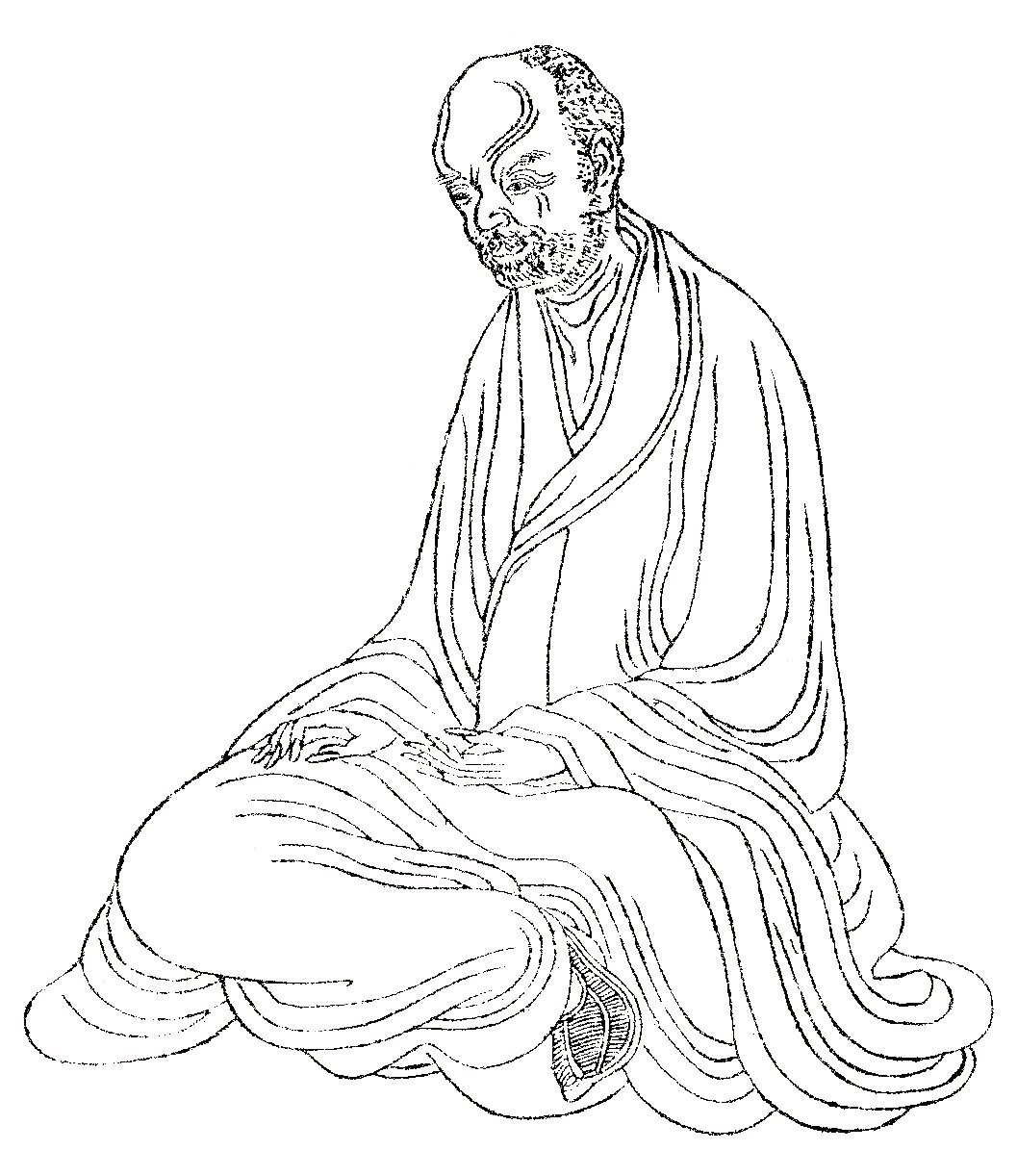
Huiyuan
334 CE – 416 CE
Loufan, Yanmen Commandery, Bingzhou, near modern Ningwu County, Shanxi
Eastern Jin Chinese Buddhist scholastic monk associated with Mount Lu, Donglin Temple, early Chinese Pure Land devotion, Prajnaparamita interpretation, karmic retribution, monastic autonomy from royal ritual, and the correspondence with Kumārajīva.
Other Voices
Source entries, public text surfaces, catalog rows, public scans, Buddhist dictionaries, and scholarship connected to Pure Land Buddhism, Huiyuan, Amitabha, Amitayus, Sukhavati, nianfo, rebirth, Donglin Temple, and Pure Land sutras.