Philosophy School
Pythagoreanism
Pythagoreanism centers Pythagoras of Samos and the ancient tradition linking number, harmony, soul, purification, mathematics, music, cosmology, and disciplined communal life.
Period
Ancient History3000 BCE – 499 CE
Era
Classical Antiquity500 BCE – 499 CE
Begin
570 BCE
End
495 BCE
Structural Factors
- Shared Core Claims
- Pythagoreanism treats number, ratio, harmony, and mathematical order as fundamental to cosmos, soul, ethics, music, and disciplined life. The tradition links purification, metempsychosis, communal practice, and philosophical-mathematical inquiry.
- Shared Methods
- Ancient testimony comparison, mathematical and harmonic analysis, symbolic teaching, akousmata and precept traditions, biography and doxography, public text comparison, catalog review, and scholarship on Pythagorean number, music, and soul doctrine.
- Shared Lineage
- This page preserves Pythagoras of Samos as the linked philosopher. The school context includes Pythagorean communities at Samos and Croton, later testimony from Diogenes Laertius, Porphyry, and Iamblichus, and tradition-context figures such as Philolaus and Archytas without adding them as linked philosophers.
- Shared Problems
- Number and reality, harmonic proportion, tetractys, musica universalis, metempsychosis, purification, communal discipline, mathematical demonstration, cosmology, soul, diet and way of life, secrecy, ancient testimony, and the relation between Pythagorean and Platonic traditions.
- Shared Vocabulary
- Pythagoreanism, Pythagoras, number, ratio, harmony, tetractys, metempsychosis, transmigration, akousmata, symbola, musica universalis, Croton, Samos, Philolaus, Archytas, Pythagorean theorem, Pythagorean numbers, and ancient mathematical philosophy.
- Shared Historical Context
- Pythagoreanism belongs to ancient Greek and southern Italian philosophical culture. It survives through later testimony, biographies, public text traditions, mathematical histories, and scholarship rather than secure writings by Pythagoras himself.
Defining Axes
- Doctrine
- Number, ratio, harmony, mathematical order, soul-transmigration, purification, and disciplined philosophical life.
- Method
- Mathematical reasoning, harmonic analysis, symbolic and precept traditions, doxographic testimony, biography, text comparison, catalog review, and scholarship synthesis.
- Lineage
- Pythagoras of Samos as linked philosopher; Pythagorean communities, Croton, later Pythagorean tradition, Philolaus and Archytas as context, and ancient sources through Diogenes, Porphyry, and Iamblichus.
- Subject Focus
- Mathematics, music, cosmology, ethics, soul, purification, communal discipline, number theory, harmonic proportion, and philosophical way of life.
- Geography / Culture
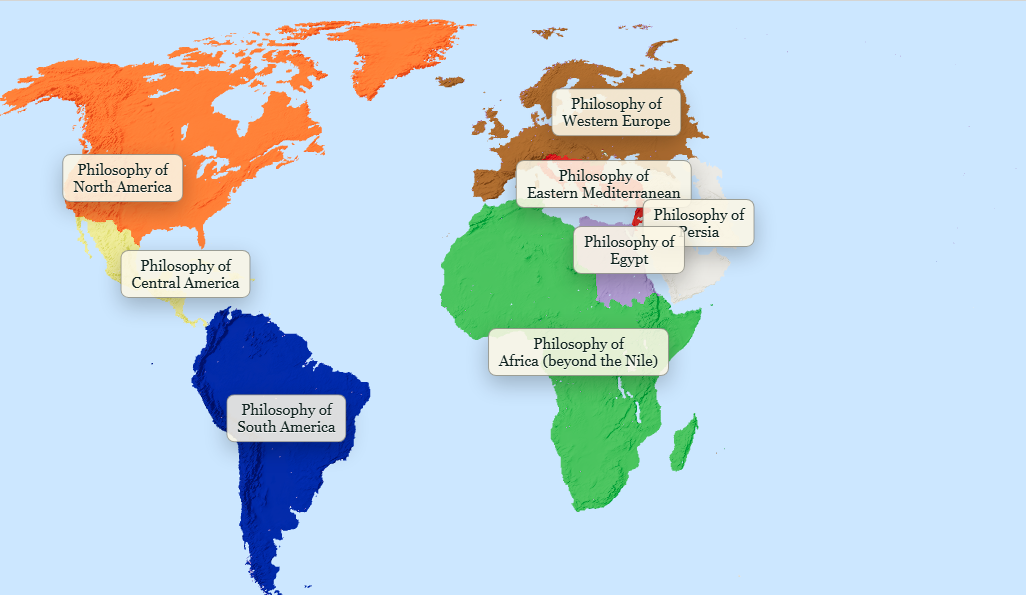
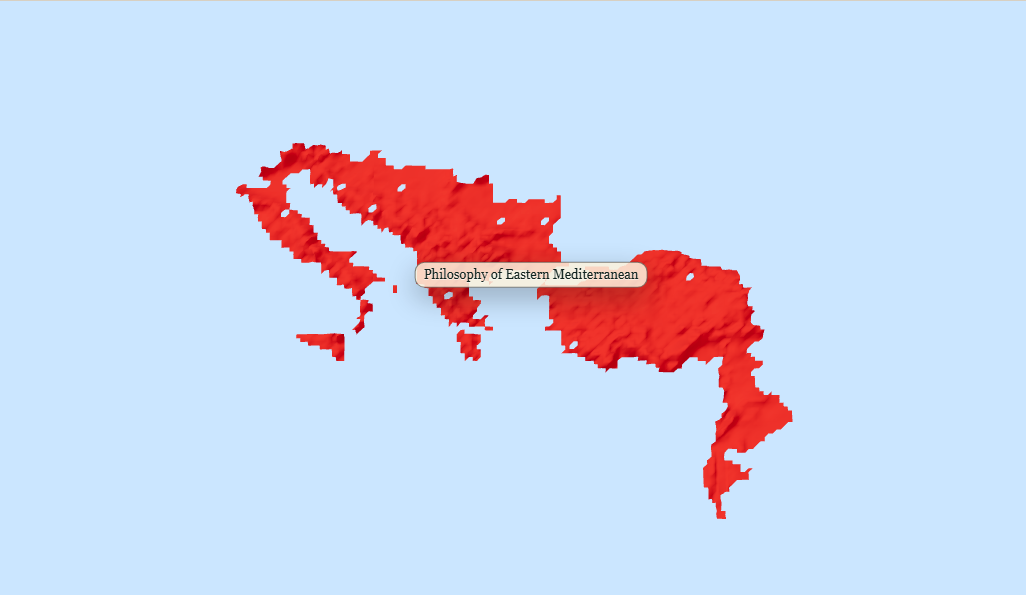
- Samos, Croton, Magna Graecia, ancient Greek philosophical culture, and later classical transmission through public text, catalog, and scholarship traditions.
- Historical Reaction
- A school identity organized against merely mythic explanation by treating cosmos, soul, and life as ordered through number, harmony, proportion, and disciplined practice.
Internal Structure
- Foundational Texts
- Source evidence includes SEP and IEP Pythagoras and Pythagoreanism, Britannica Pythagoras and Pythagoreanism, Diogenes Laertius Book VIII, Porphyry Life of Pythagoras, Iamblichus Life of Pythagoras, Diodorus Pythagorean context, Project Gutenberg, Perseus, Wikisource, Tertullian.org, Open Library, WorldCat, Internet Archive, HathiTrust, Google Books, PhilPapers, JSTOR, Cambridge Core, and Pythagorean numbers rows.
- Core Vocabulary
- Pythagoreanism, Pythagoras, number, ratio, harmony, tetractys, metempsychosis, transmigration, akousmata, symbola, musica universalis, Croton, Samos, Philolaus, Archytas, and Pythagorean numbers.
- Metaphysics
- Reality is interpreted through number, limit, ratio, harmonic structure, and ordered cosmos, with later testimony tying Pythagorean teaching to mathematical form and cosmic order.
- Epistemology
- Knowledge is approached through mathematical demonstration, harmonic relations, disciplined instruction, symbolic sayings, testimony comparison, and later philosophical reconstruction of Pythagorean doctrine.
- Ethics
- Ethical life is tied to purification, communal discipline, self-control, dietary and ritual practices, soul-transmigration, and a philosophical way of life ordered by harmony.
- School Method
- The method combines ancient testimony, Pythagorean biographies, mathematical-history context, public text surfaces, library catalogs, scholarship searches, and tradition-specific reference entries.
- Internal Debates
- Internal issues include how much doctrine can be attributed to Pythagoras himself, how to separate early Pythagorean communities from later Neopythagorean and Neoplatonic reception, how to handle Philolaus and Archytas as context, and how to treat mathematics, music, and soul teaching without making unsupported direct-work claims.
- Successors
- Pythagoreanism shapes Greek mathematical philosophy, Plato and the Academy, later Platonism, Neopythagorean reception, histories of mathematics and music theory, and modern scholarship on number, harmony, and ancient philosophical communities.
External Classification Context
- History of Philosophy
- Belongs to ancient Greek philosophy, Presocratic and Hellenic traditions, ancient mathematics, philosophy of music, philosophy of religion, ethics, cosmology, and classical reception.
- Philosophy of Philosophy
- Shows a school defined by doctrine, method, way of life, community, and later testimony, with mathematical structure and ethical discipline functioning together.
- Intellectual History
- Connects Pythagoras, Pythagoreanism, Croton, Samos, Diogenes Laertius, Porphyry, Iamblichus, Philolaus, Archytas, Pythagorean numbers, tetractys, musica universalis, metempsychosis, and modern catalog and scholarship traditions.
- University Classification
- Classify under Pythagoreanism, ancient Greek philosophy, Presocratic philosophy, ancient mathematics, philosophy of music, cosmology, philosophy of religion, ethics, and classical studies.
- Classical Sources
- Evidence includes SEP, IEP, Britannica, Encyclopedia.com, World History Encyclopedia, Oxford Reference, Diogenes Laertius, Perseus, Project Gutenberg, Wikisource, Tertullian.org, Diodorus context, Open Library, WorldCat, Internet Archive, HathiTrust, Google Books, PhilPapers, JSTOR, Cambridge Core, and Pythagorean numbers rows.
- Sociology of Knowledge
- The source set documents Pythagoreanism through reference rows, ancient testimonia, public text surfaces, catalog rows, mathematical-history context, and scholarship, while image rows, broad Iamblichus and Neoplatonism rows, Speusippus and Academy rows, Eudoxus rows, and unrelated Platonism or Old Academy spillover remain held out.
Linked Philosophers
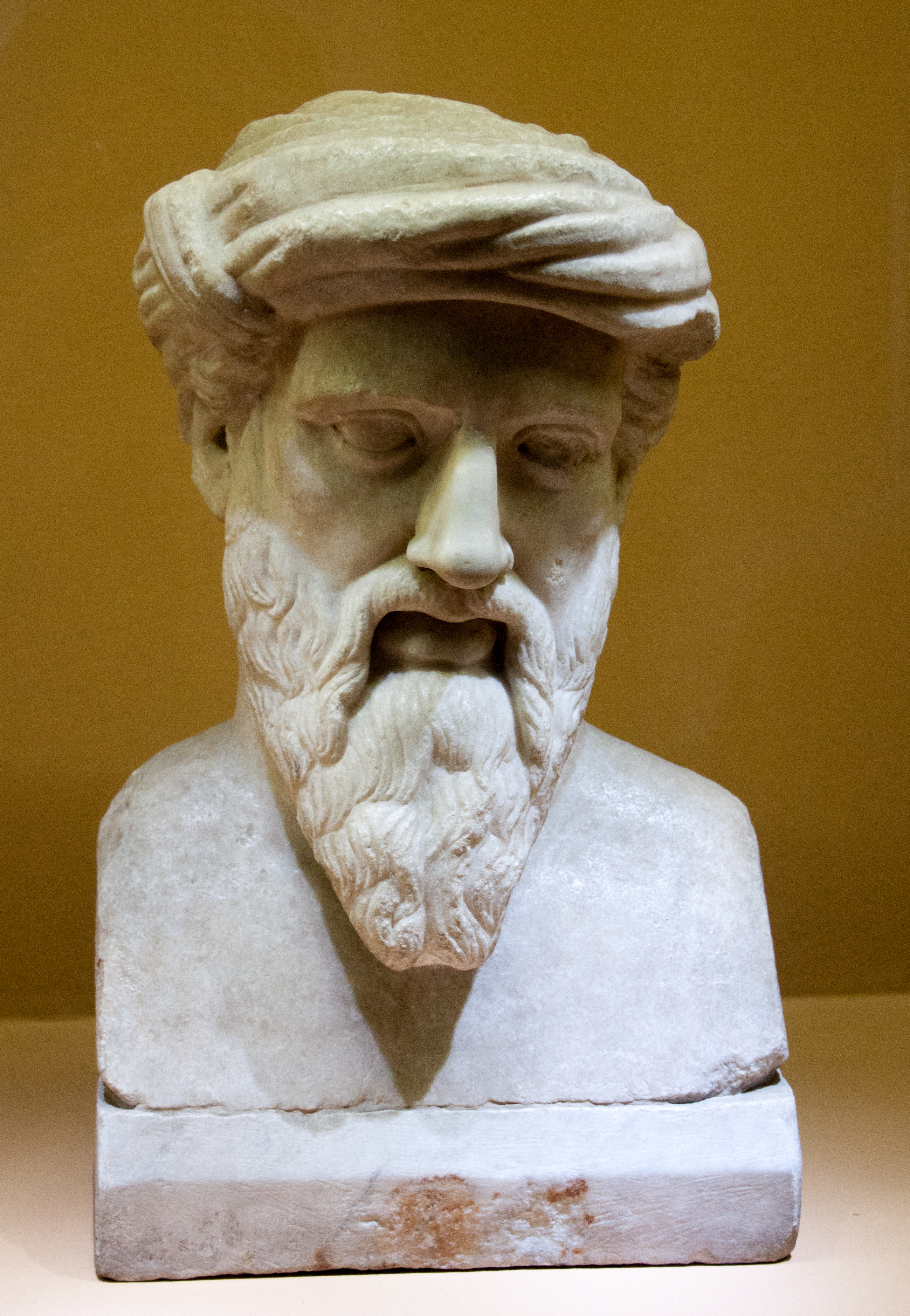
Pythagoras of Samos
570 BCE – 495 BCE
Samos
Samian founder of the Pythagorean way of life whose testimonial profile joins number metaphysics, harmony, tetractys, metempsychosis, purification, communal discipline, Croton, Samos, mathematics, harmonics, and later ancient reception.
Other Voices
Reference entries, ancient testimonia, public text surfaces, catalog rows, mathematical-history context, and scholarship connected to Pythagoreanism, Pythagoras of Samos, number, harmony, tetractys, metempsychosis, Croton, Philolaus, Archytas, and ancient mathematical philosophy.