Philosophy School
Rousseauism
Eighteenth-century philosophical and political current rooted in Jean-Jacques Rousseau, emphasizing natural goodness, social corruption, popular sovereignty, the general will, civic freedom, equality, moral sentiment, education, authenticity, civil religion, and critique of modern inequality.
Period
Early Modern History1500 CE – 1799 CE
Era
Enlightenment and Proto-Industrial1700 CE – 1799 CE
Begin
1712 CE
End
1778 CE

Structural Factors
- Shared Core Claims
- Rousseauism holds that human beings are naturally capable of pity, freedom, and moral development, while unequal social institutions produce dependence, vanity, domination, and alienation. Legitimate political order must express collective self-rule rather than private interest or inherited privilege.
- Shared Methods
- The school uses conjectural history, social critique, political theory, educational fiction, autobiography, moral psychology, civic republican argument, critique of luxury, analysis of language and sentiment, and contrast between natural independence and social dependence.
- Shared Lineage
- Rousseauism develops from classical republicanism, natural law, social contract theory, Protestant Geneva, Enlightenment debates, sentimental moral philosophy, and Rousseau's works, then influences revolutionary republicanism, Romanticism, democratic theory, pedagogy, socialism, nationalism, and modern critiques of alienation.
- Shared Problems
- Central problems include how natural freedom becomes civil freedom, whether inequality is legitimate, how the general will differs from majority desire, how education can preserve autonomy, how pity and amour-propre shape ethics, and whether modern society can avoid corruption.
- Shared Vocabulary
- Key terms include Rousseauism, state of nature, natural goodness, pity, amour de soi, amour-propre, perfectibility, general will, sovereignty, social contract, civil freedom, moral freedom, dependence, inequality, alienation, authenticity, civil religion, Émile, and Julie.
- Shared Historical Context
- Rousseauism arose in the eighteenth-century Enlightenment amid debates over monarchy, commerce, luxury, education, religion, natural law, civic virtue, and the legitimacy of political authority before and during the revolutionary age.
Defining Axes
- Doctrine
- Doctrinally, Rousseauism is defined by natural human freedom, social corruption through dependence and inequality, popular sovereignty, general will, civic education, moral sentiment, critique of luxury, and the search for institutions that make obedience to law compatible with autonomy.
- Method
- Its method is historical, psychological, and normative: reconstruct origins, expose corrupting social relations, analyze sentiments, design civic and educational institutions, and test political legitimacy by whether citizens collectively will laws as free and equal persons.
- Lineage
- The lineage runs from ancient republicanism, social contract theory, natural law, and Enlightenment moral psychology through Rousseau's Discourses, Social Contract, Émile, Julie, and Confessions to French Revolution reception, Romanticism, Kant, democratic theory, and modern political philosophy.
- Subject Focus
- Rousseauism focuses on political philosophy, ethics, moral psychology, education, social theory, philosophy of history, religion and politics, aesthetics, autobiography, equality, freedom, alienation, citizenship, sovereignty, and modernity.
- Geography / Culture
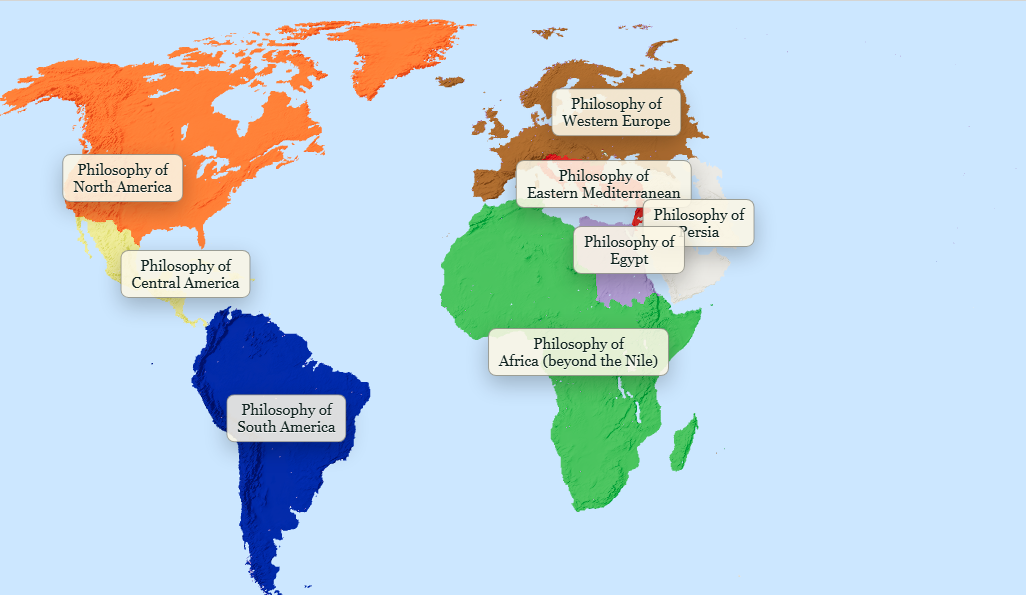
- Rousseauism is centered in Geneva and eighteenth-century Francophone Europe, especially Paris and the Republic of Letters, then spreads through revolutionary France, German Idealism, Romantic Europe, democratic movements, educational theory, and global political thought.
- Historical Reaction
- Rousseauism responds to absolutism, aristocratic privilege, commercial society, Enlightenment optimism, Hobbesian and Lockean contract theory, salon culture, religious conflict, civic republican decline, and the perceived moral costs of modern refinement and dependence.
Internal Structure
- Foundational Texts
- Foundational texts include Discourse on the Sciences and Arts, Discourse on the Origin of Inequality, The Social Contract, Émile, Julie, Letter to d'Alembert, Considerations on the Government of Poland, Confessions, Reveries of the Solitary Walker, and later revolutionary and Romantic receptions.
- Core Vocabulary
- Core vocabulary includes nature, freedom, equality, dependence, pity, self-love, vanity, perfectibility, property, corruption, people, sovereign, citizen, law, general will, common good, education, conscience, sentiment, authenticity, and civil religion.
- Metaphysics
- Rousseauism is not primarily metaphysical, but it assumes a morally significant human nature marked by freedom, perfectibility, sentiment, and conscience, and treats social forms as capable of either distorting or cultivating that nature.
- Epistemology
- Rousseauist epistemology distrusts merely refined opinion, luxury, and performative learning, emphasizing natural judgment, conscience, experience, developmental education, sincerity, and attention to how social comparison corrupts self-knowledge.
- Ethics
- Rousseauist ethics centers on pity, conscience, authenticity, freedom from servile dependence, education of desire, critique of vanity, civic virtue, equality, and the moral transformation needed for private persons to become citizens.
- Method
- The school proceeds through philosophical narrative, genealogy of inequality, political construction, pedagogical experiment, literary exemplum, confessional self-analysis, and critique of social practices that turn natural independence into domination.
- Internal Debates
- Internal debates concern whether Rousseau is liberal, republican, democratic, authoritarian, Romantic, primitivist, or communitarian; how to interpret the general will; whether civil religion threatens toleration; and whether natural goodness is historical fact, regulative fiction, or moral anthropology.
- Successors
- Successors include French revolutionary republicanism, Kantian autonomy, German Idealism, Romanticism, democratic theory, civic republicanism, modern educational theory, socialist critiques of inequality, communitarianism, environmental thought, and modern theories of alienation and authenticity.
External Classification Context
- History of Philosophy
- Rousseauism is a major Enlightenment and post-Enlightenment current that reshaped debates over freedom, equality, sovereignty, education, moral psychology, authenticity, and the critique of modern social relations.
- Philosophy of Philosophy
- Rousseauism treats philosophy as moral and political diagnosis: inquiry should expose how social life forms persons, distinguish genuine freedom from dependence, and imagine institutions and education capable of making humans whole.
- Intellectual History
- The tradition links Geneva, the French Enlightenment, social contract theory, republicanism, sentimentalism, religious controversy, the French Revolution, Romanticism, democratic nationalism, modern pedagogy, and continuing disputes over modernity and alienation.
- University Classification
- Classify Rousseauism under Enlightenment philosophy, early modern philosophy, political philosophy, ethics, philosophy of education, social contract theory, republicanism, democratic theory, moral psychology, Romanticism, and intellectual history.
- Classical Sources
- Classical sources include Rousseau's major works, ancient republican authors, natural law and contract theorists, Enlightenment interlocutors, revolutionary reception texts, Kantian and Romantic responses, and modern Rousseau scholarship.
- Sociology of Knowledge
- Rousseauism spread through printed books, censored editions, salons, correspondence, controversy, revolutionary clubs, educational reform, Romantic literature, university curricula, political movements, translations, and modern debates over democracy and authenticity.
Linked Philosophers
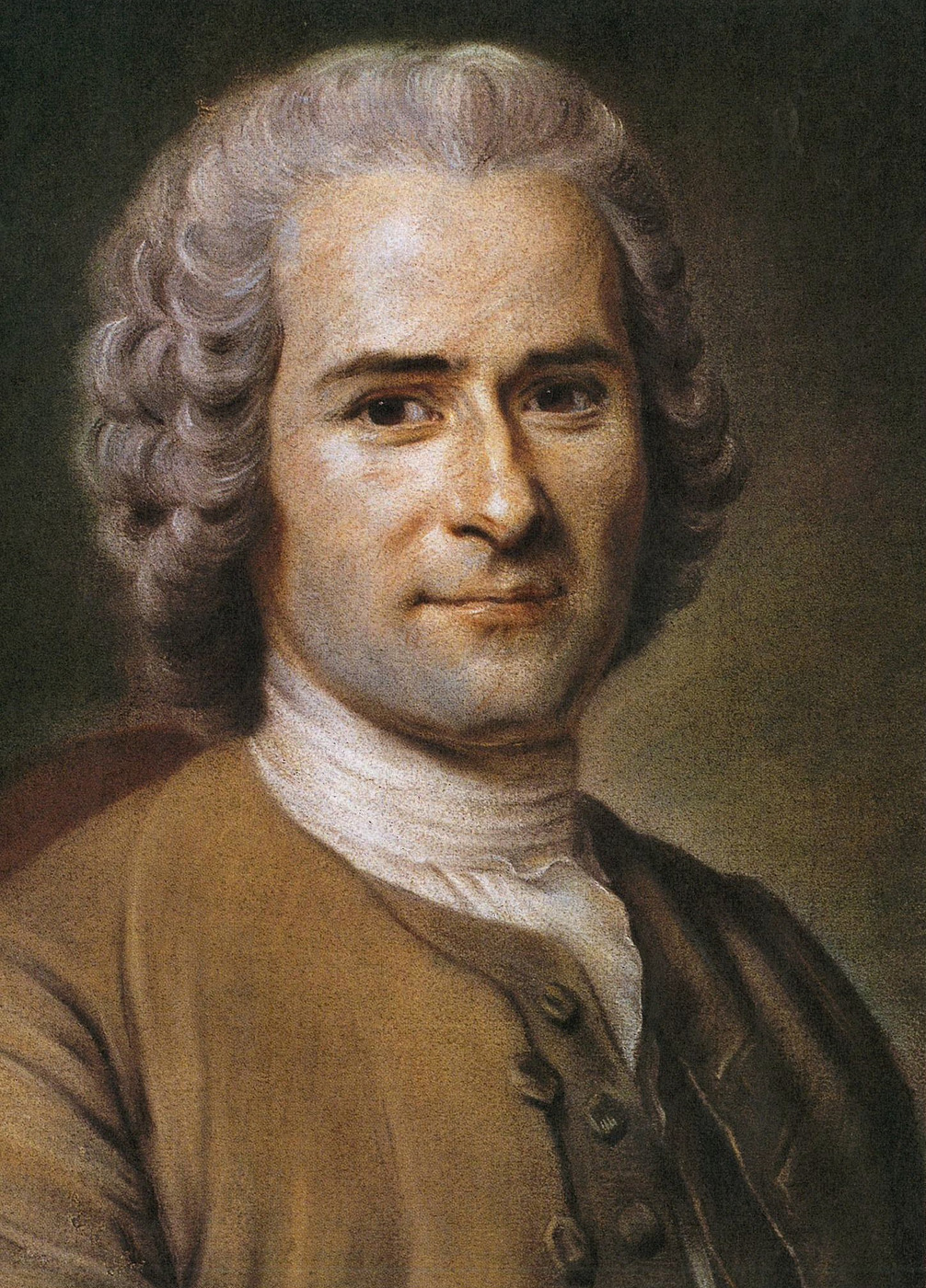
Jean-Jacques Rousseau
1712 CE – 1778 CE
Geneva
Genevan French-language Enlightenment philosopher of popular sovereignty, the general will, social contract theory, natural education, civil religion, moral psychology, language, music, autobiography, and the critique of corrupting civilization.