Early Modern History
Philosophers of Early Modern History
Showing 38 of 38 philosophers.
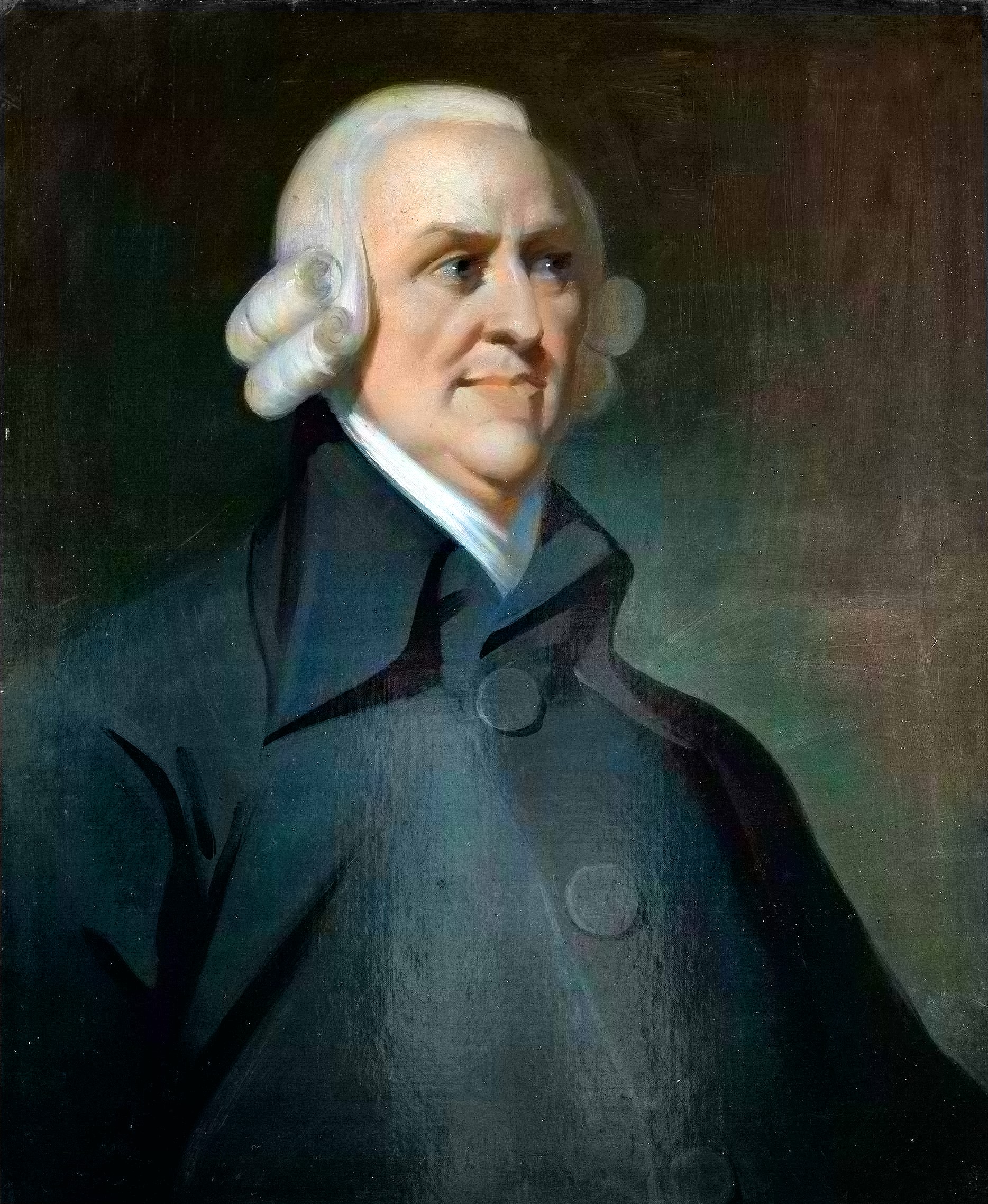
Adam Smith
1723 CE – 1790 CE
Kirkcaldy, Fife
Scottish philosopher from Kirkcaldy, Fife associated with epistemology, ethics, and political philosophy.
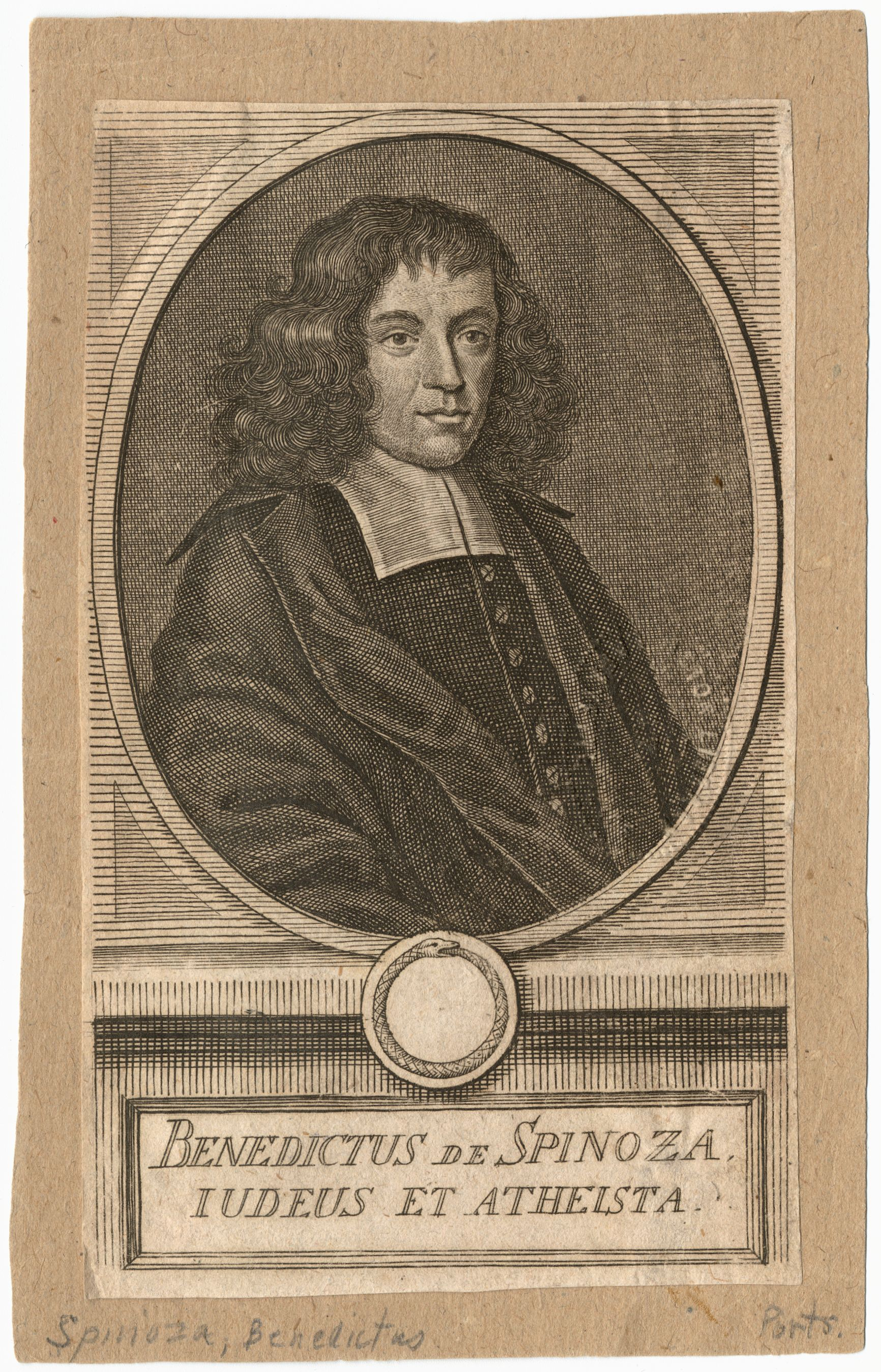
Baruch Spinoza
1632 CE – 1677 CE
Amsterdam
Dutch-Jewish rationalist philosopher from Amsterdam whose substance monism, God-or-Nature metaphysics, geometric method, theory of adequate ideas, mind-body parallelism, ethics of freedom through understanding, biblical criticism, and democratic political thought reshaped early modern philosophy.
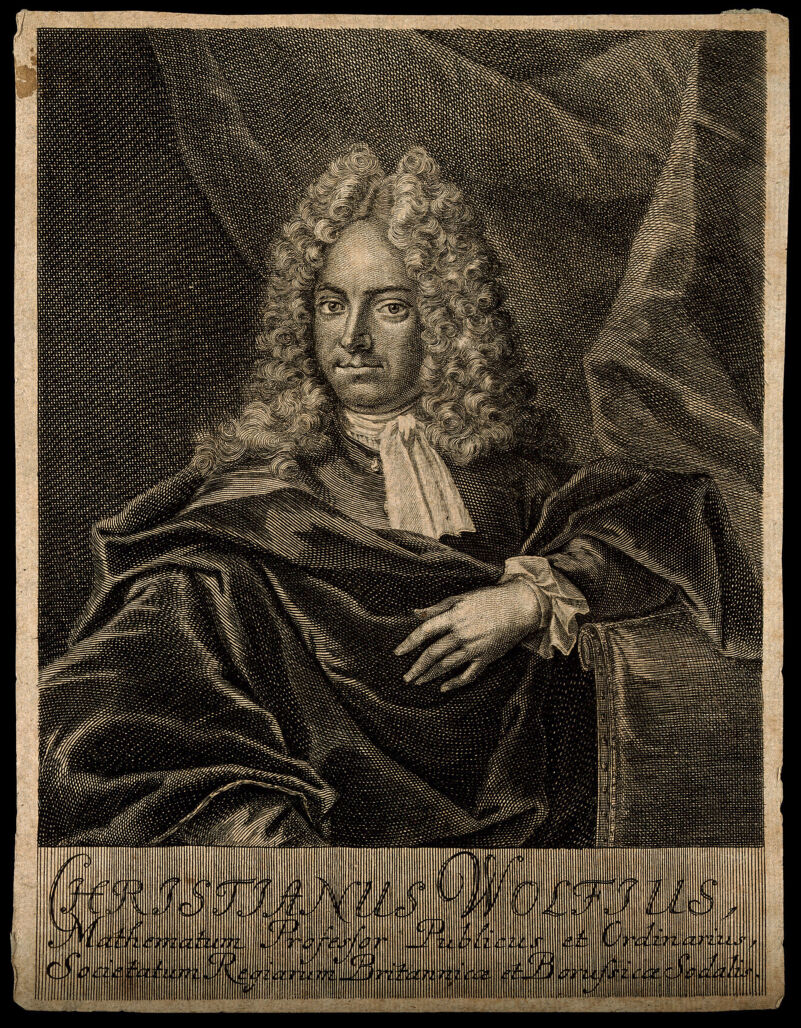
Christian Wolff
1679 CE – 1754 CE
Breslau, Silesia (now Wrocław, Poland)
German Enlightenment rationalist whose systematic textbooks in logic, ontology, psychology, natural theology, ethics, natural law, aesthetics, and philosophy of science made Wolffian method the main bridge between Leibniz and Kant.
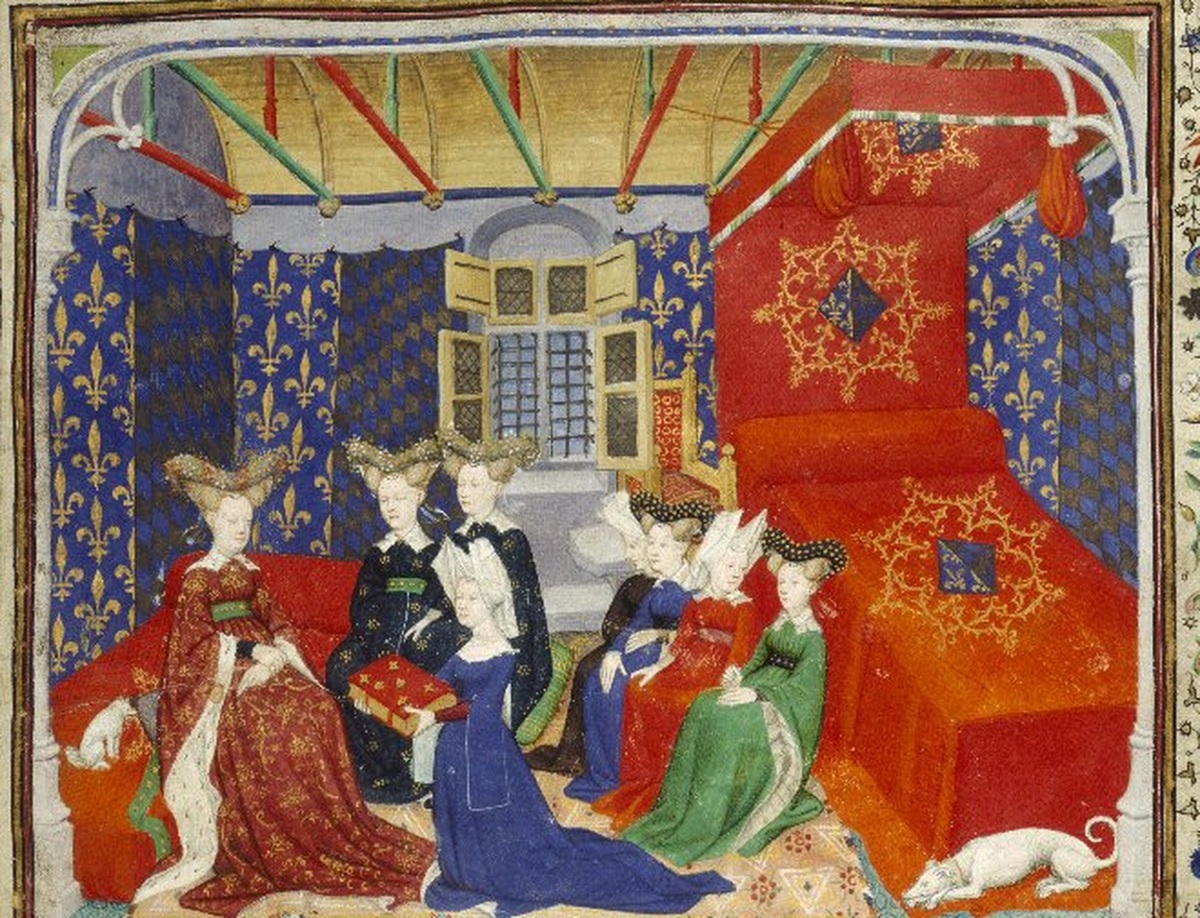
Christine de Pizan
1364 CE – 1430 CE
Venice, Republic of Venice
Late medieval writer and political thinker whose defenses of women, education, virtue, wise rule, and responsible speech made manuscript authorship, courtly debate, and civic ethics central to early Renaissance philosophy.
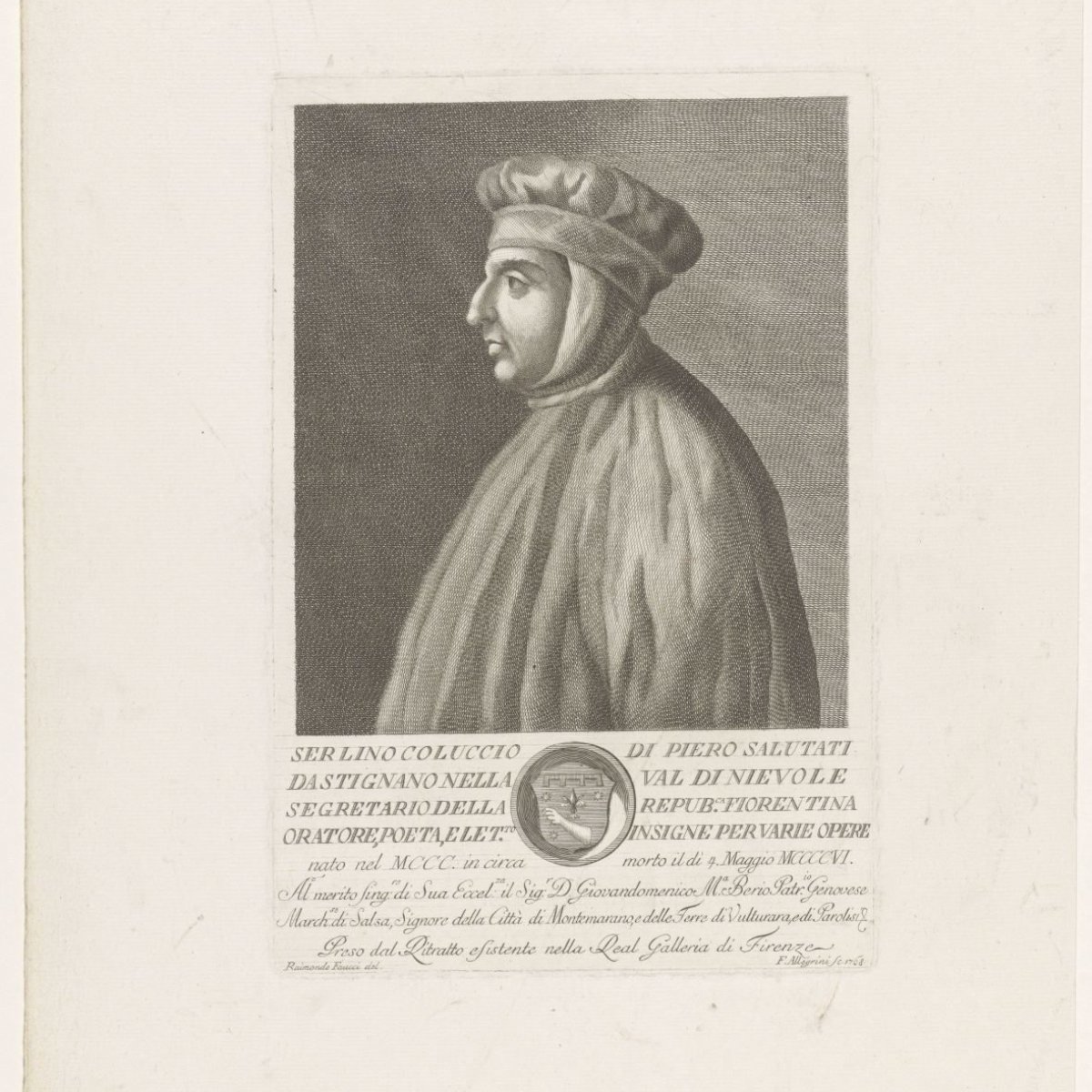
Coluccio Salutati
1331 CE – 1406 CE
Stignano, Buggiano, Tuscany
Italian Renaissance humanist and Florentine chancellor from Stignano whose classical Latin rhetoric, civic ethics, anti-tyranny politics, law-centered humanism, and Christian account of active public life helped shape Florentine civic humanism before Bruni and Poggio.
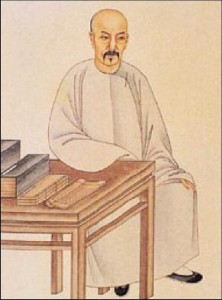
Dai Zhen
1724 CE – 1777 CE
Xiuning, Anhui
Qing Confucian evidential scholar from Xiuning whose work joined philology, moral psychology, language, desire, principle, and precise inquiry against empty abstraction.
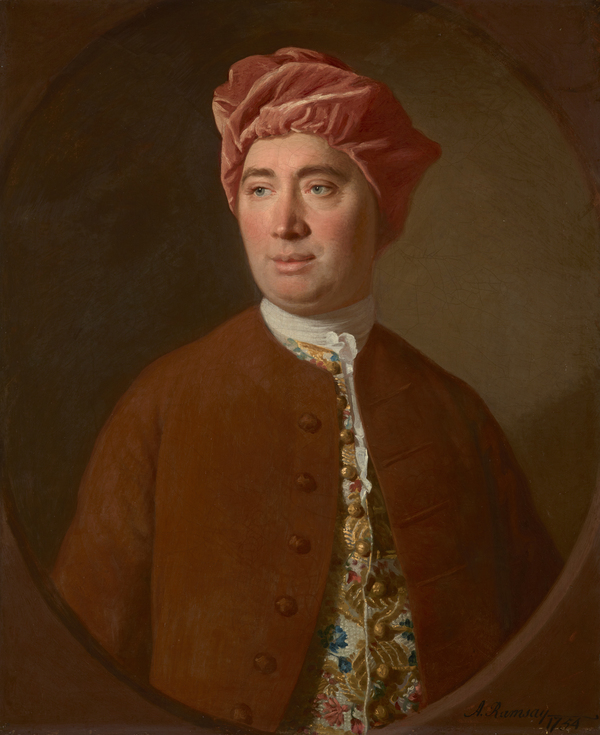
David Hume
1711 CE – 1776 CE
Edinburgh
Scottish Enlightenment philosopher who transformed empiricism, skepticism, moral psychology, aesthetics, political economy, natural religion, and the philosophy of science through a systematic science of human nature.
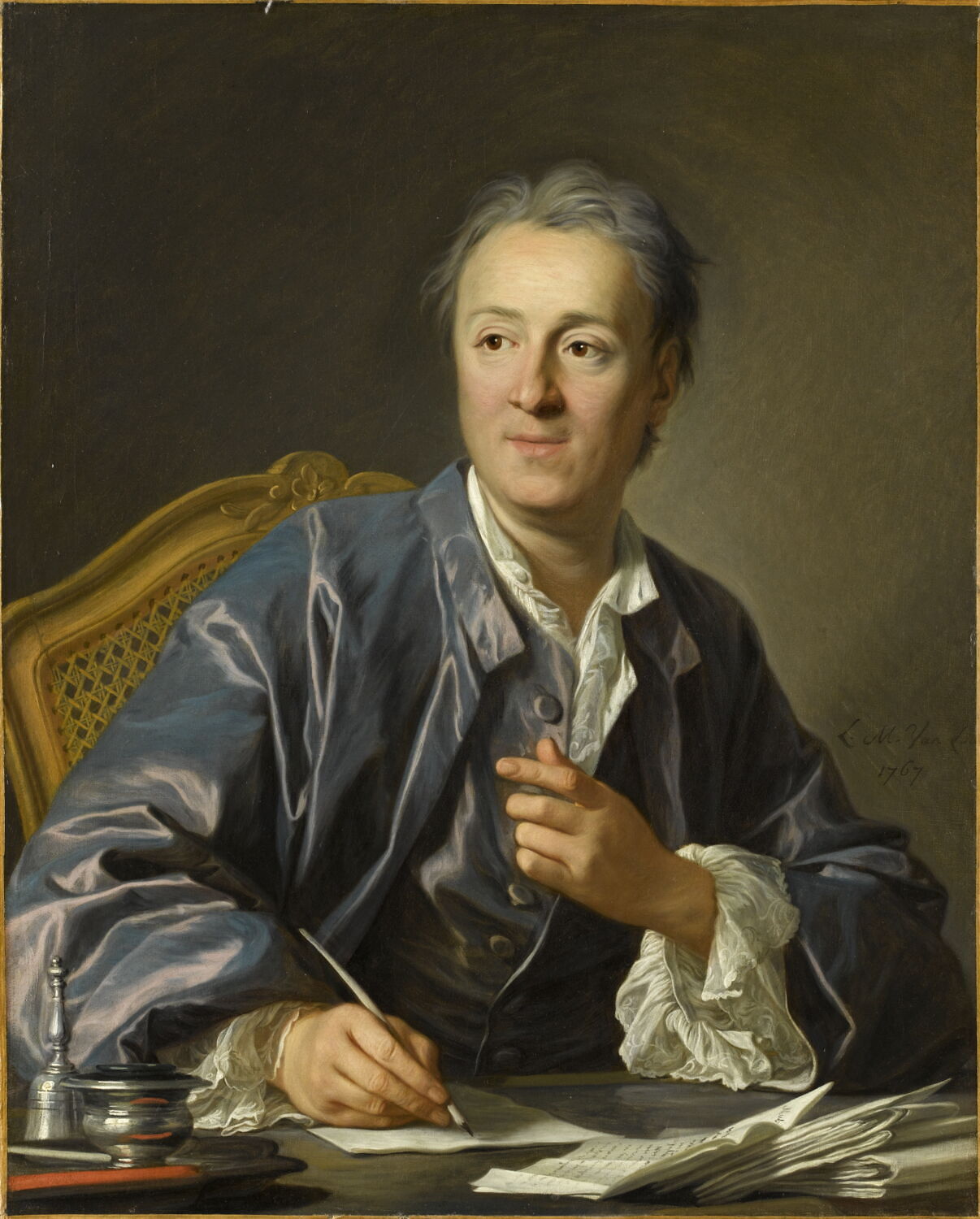
Denis Diderot
1713 CE – 1784 CE
Langres, Champagne
French Enlightenment philosopher, critic, editor, and writer whose materialist, empiricist, aesthetic, political, and scientific thought helped make the Encyclopédie a program of public reason.
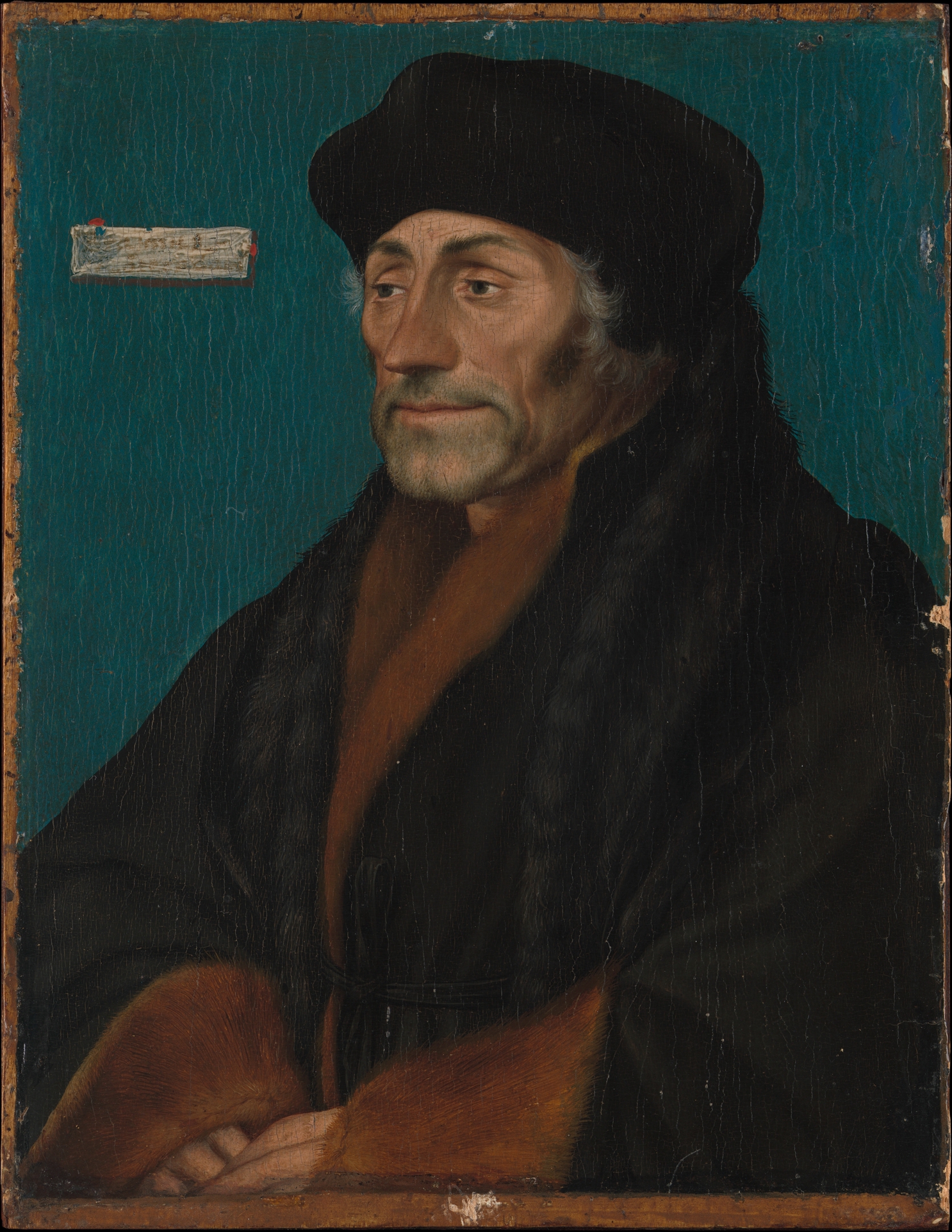
Desiderius Erasmus of Rotterdam
1466 CE – 1536 CE
Rotterdam
Dutch Renaissance humanist, Catholic reformer, philologist, satirist, and educator whose Christian humanism joined classical learning, biblical scholarship, moral reform, peace politics, and disciplined eloquence.
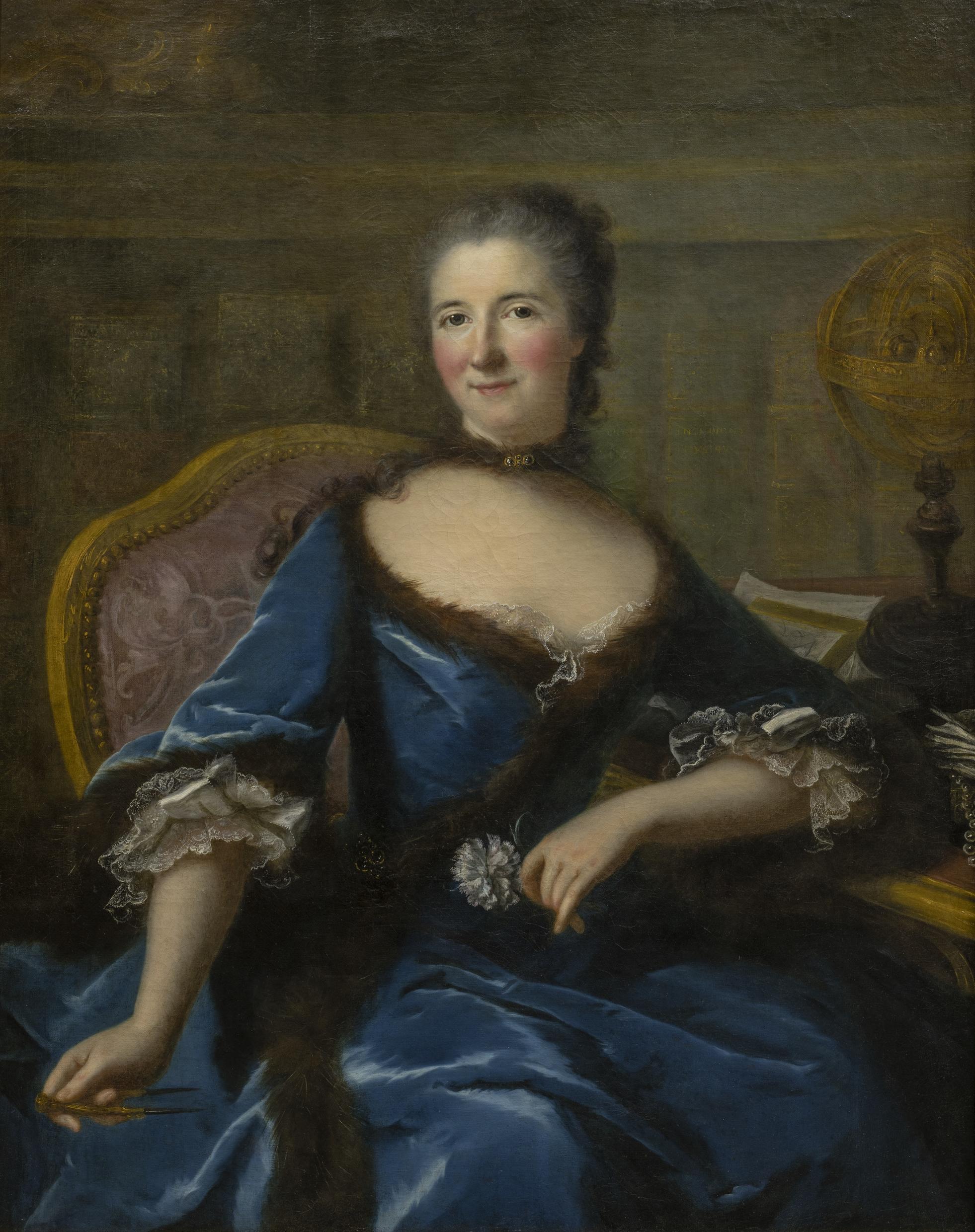
Émilie du Châtelet
1706 CE – 1749 CE
Paris
Enlightenment philosopher, mathematician, translator of Newton, and critic of dogma whose work on force, physics, happiness, freedom, and natural religion reshaped French Newtonianism.
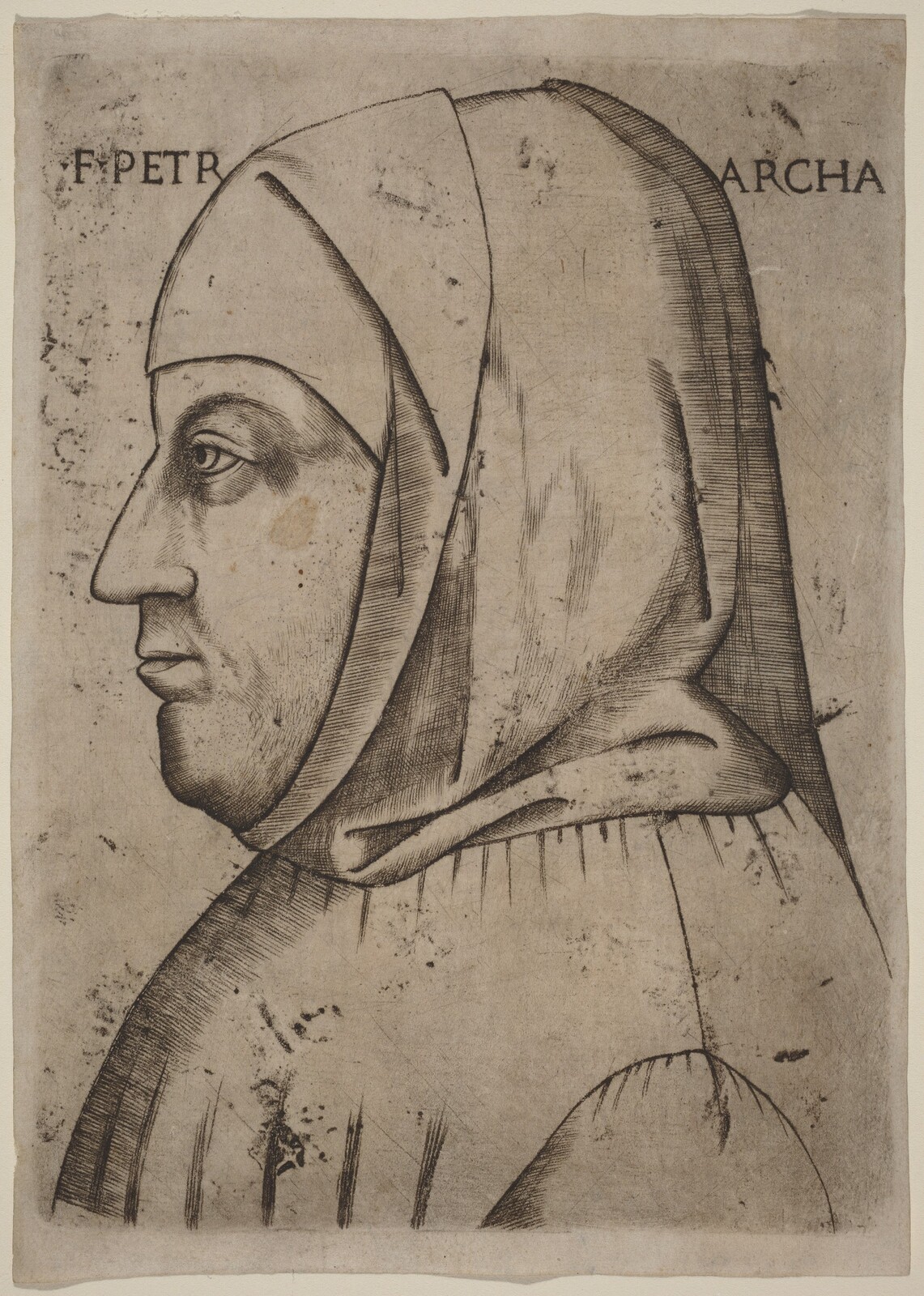
Francesco Petrarca
1304 CE – 1374 CE
Arezzo
Italian poet-scholar and Christian humanist whose classical recovery, introspective moral writing, and vernacular lyric helped define Renaissance humanism and later Petrarchism.
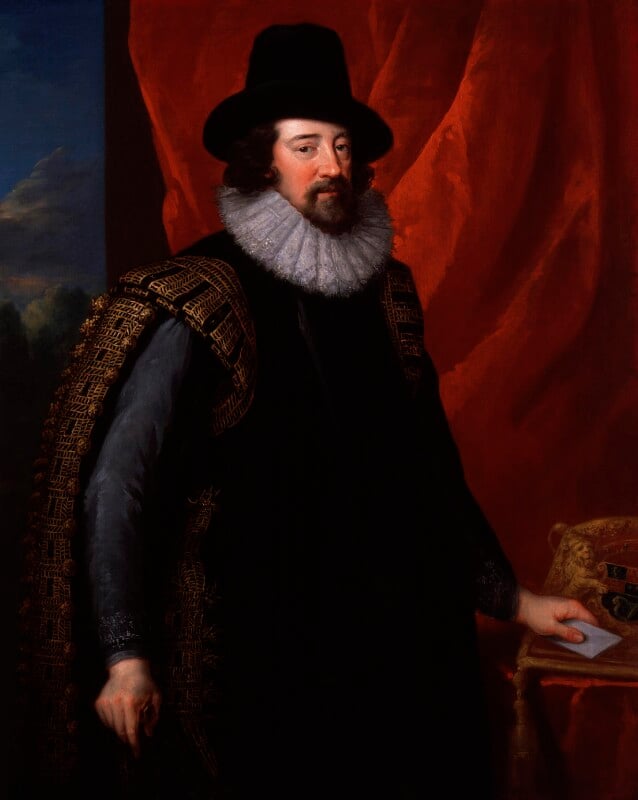
Francis Bacon
1561 CE – 1626 CE
York House, Strand, London
English philosopher-statesman whose reform of learning, critique of idols, and experimental natural history helped shape early modern empiricism and the philosophy of science.
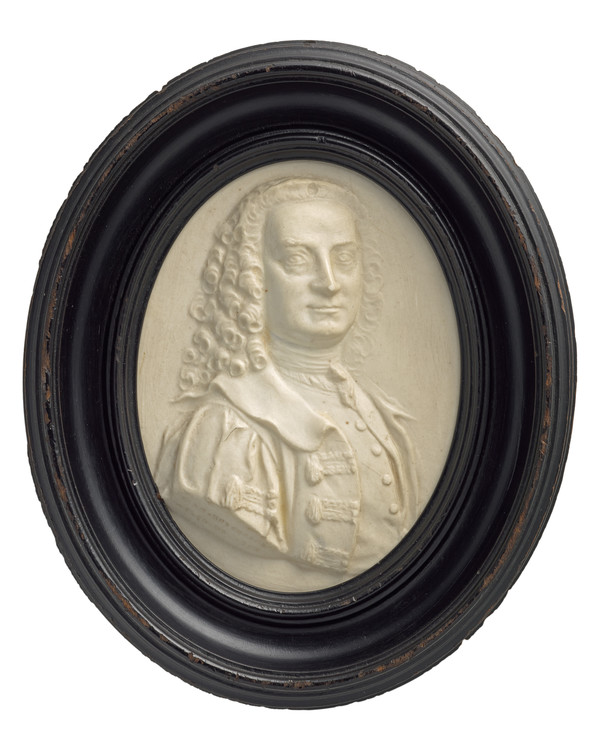
Francis Hutcheson
1694 CE – 1746 CE
Drumalig / near Saintfield, County Down, Ulster
Irish and Scots-Irish moral philosopher whose moral sense theory, aesthetics, benevolence ethics, and Glasgow teaching helped launch the Scottish Enlightenment.
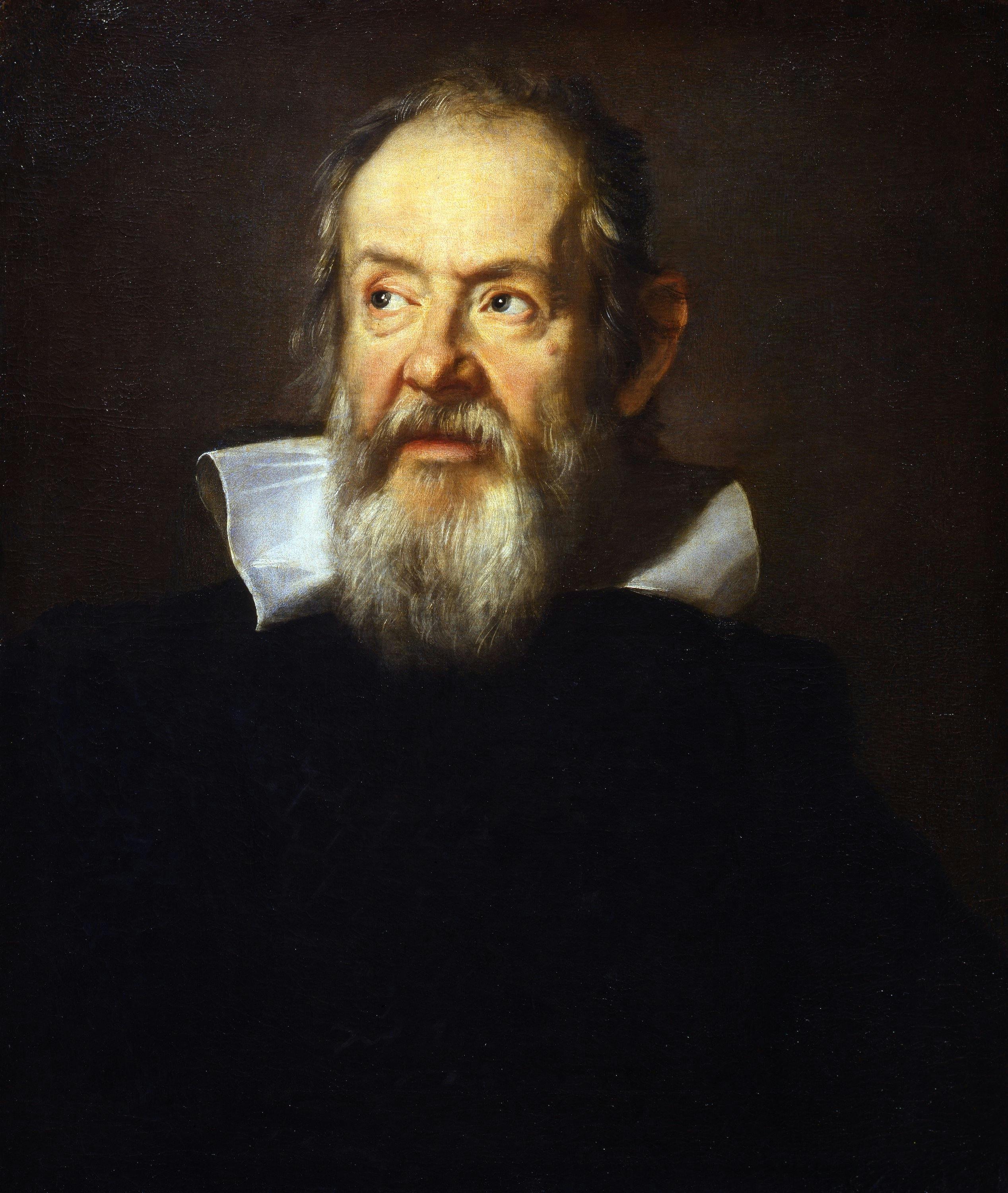
Galileo Galilei
1564 CE – 1642 CE
Pisa, Duchy of Florence
Italian mathematical natural philosopher whose telescopic astronomy, mechanics, instrument work, and scriptural hermeneutics helped reshape early modern philosophy of science and the Scientific Revolution.
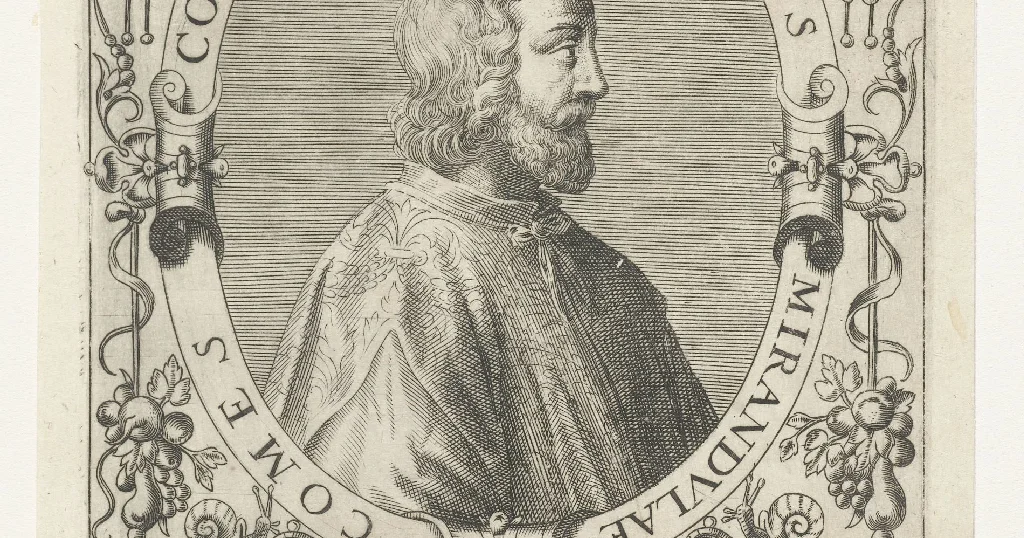
Giovanni Pico della Mirandola
1463 CE – 1494 CE
Mirandola, Duchy of Ferrara
Italian Renaissance humanist philosopher of human dignity, free self-fashioning, syncretic metaphysics, Platonist-Aristotelian concord, Christian Kabbalah, love and beauty, and critique of predictive astrology.
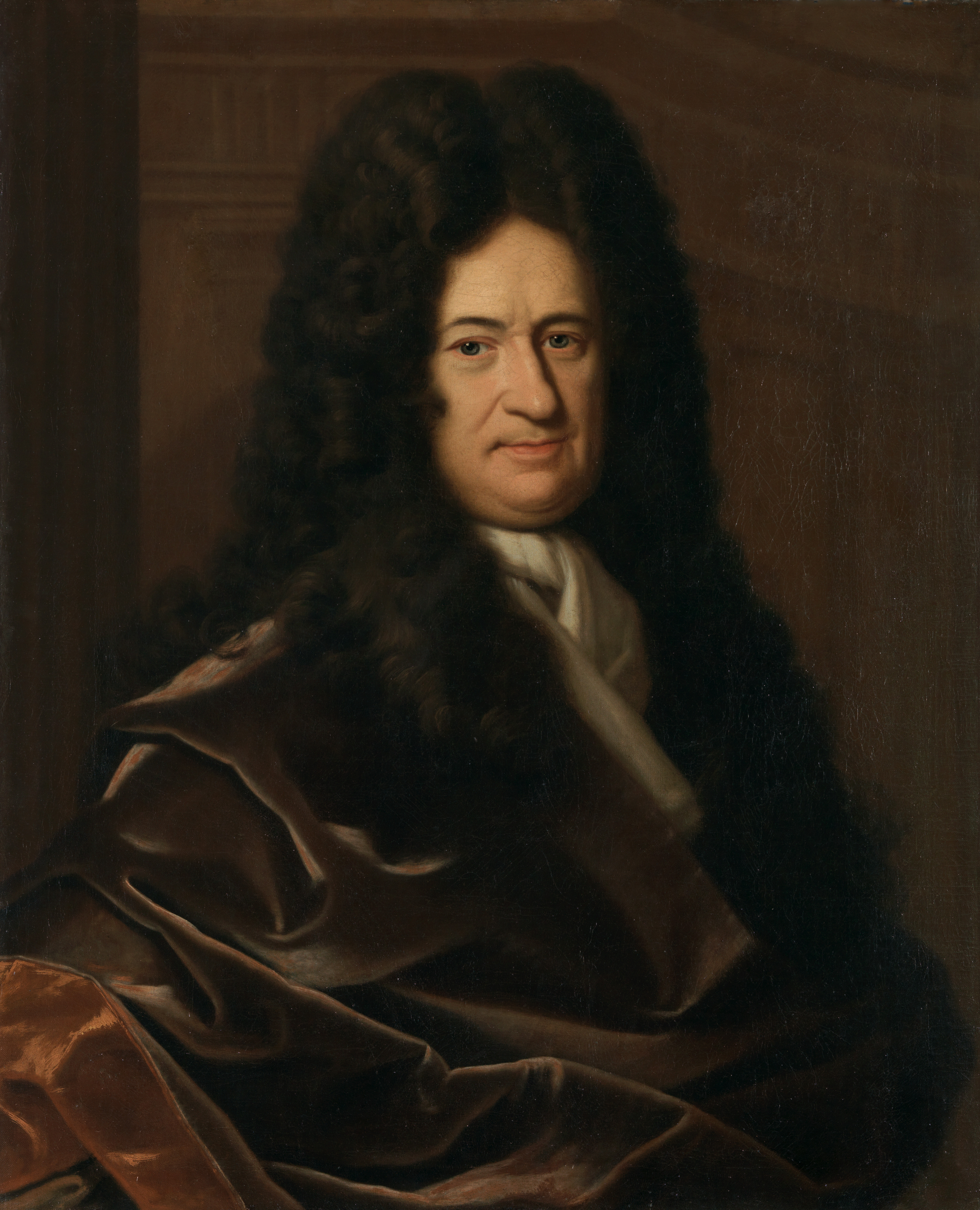
Gottfried Wilhelm Leibniz
1646 CE – 1716 CE
Leipzig
German polymath and early modern rationalist whose monadology, pre-established harmony, sufficient reason, theodicy, calculus work, and plans for a universal symbolic language helped define metaphysics, logic, epistemology, philosophy of mind, philosophy of religion, and philosophy of science.
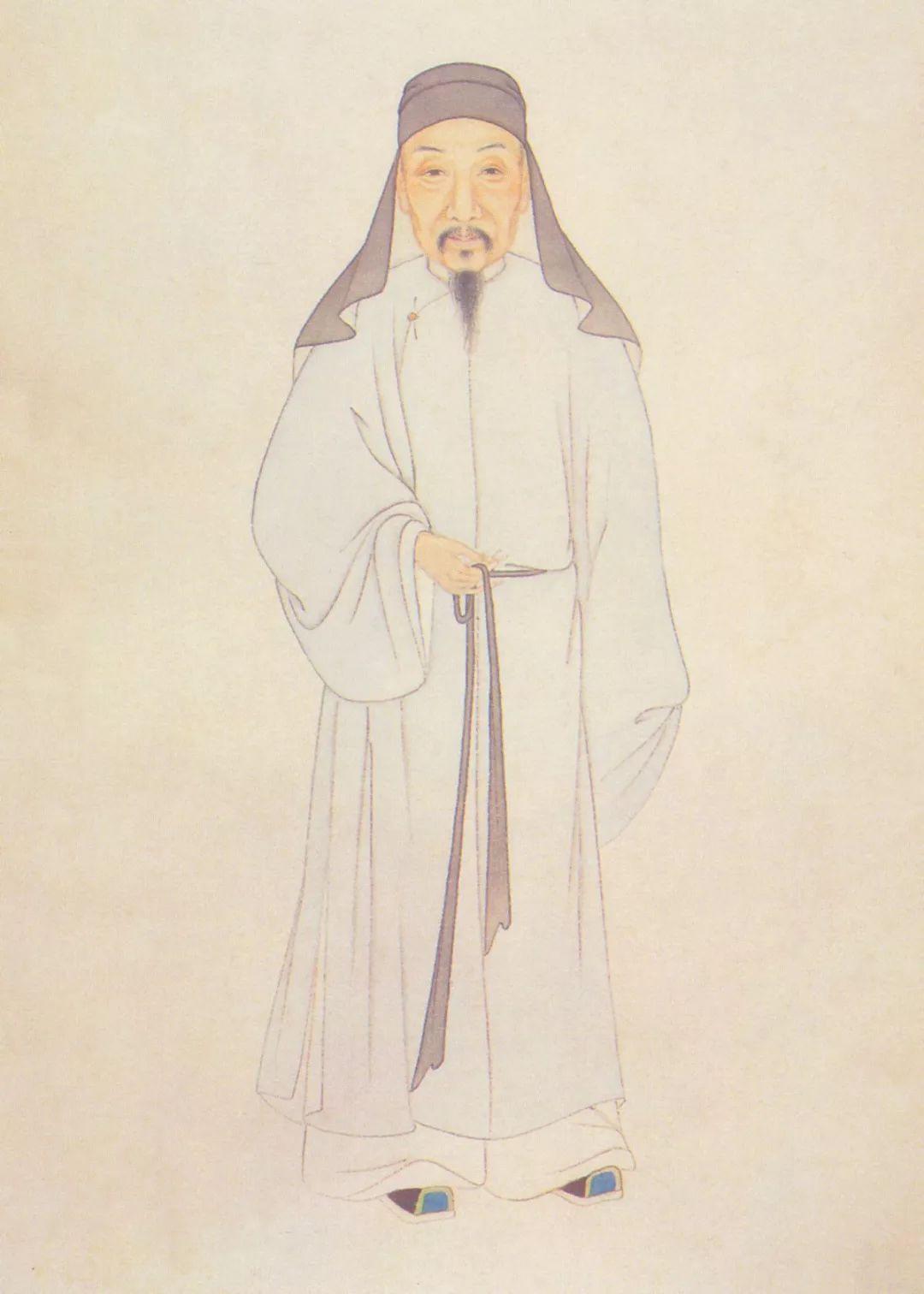
Gu Yanwu
1613 CE – 1682 CE
Kunshan, Jiangsu
Late Ming and early Qing Confucian scholar from Kunshan whose practical learning joined philology, historical geography, epigraphy, ethics, political responsibility, and evidence against empty speculation.
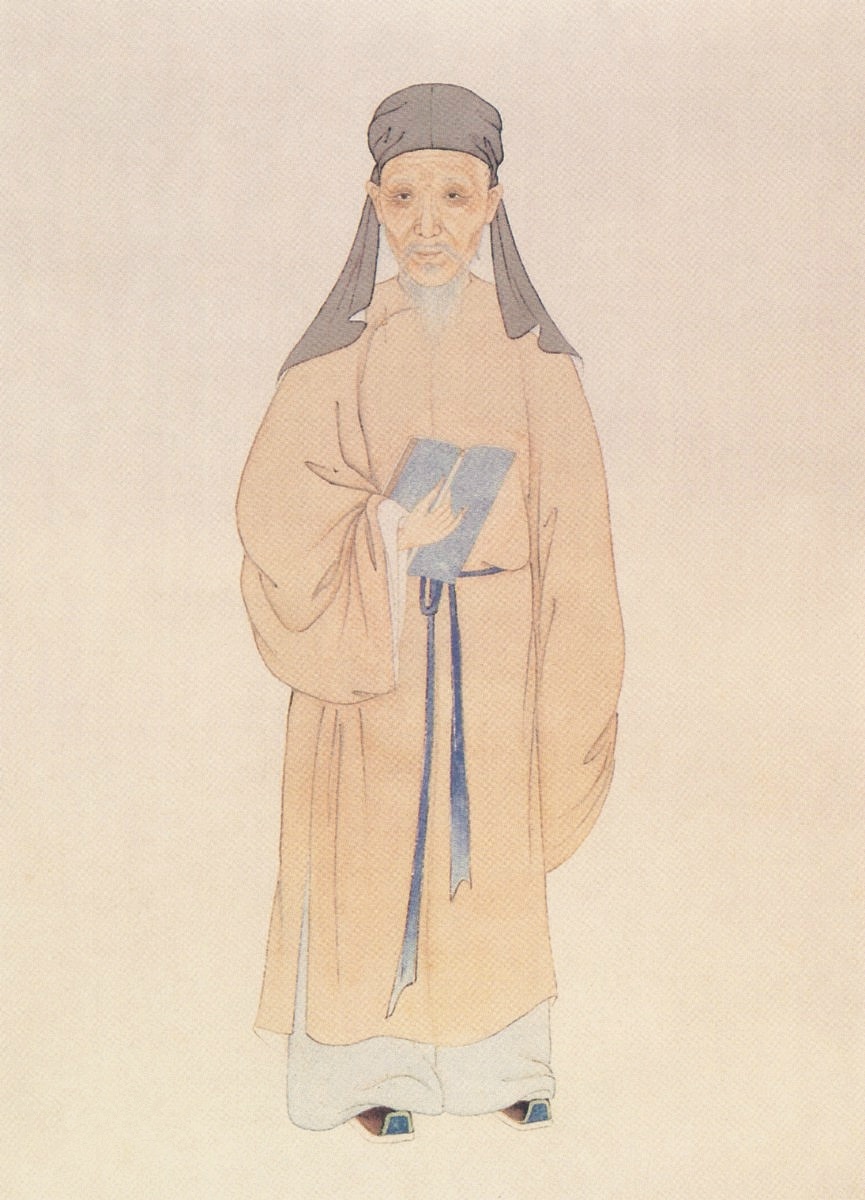
Huang Zongxi
1610 CE – 1695 CE
Yuyao, Zhejiang
Ming-Qing Confucian philosopher from Yuyao whose political critique, historical method, Yijing scholarship, philology, music theory, geography, and loyalist ethics joined evidence to public responsibility.
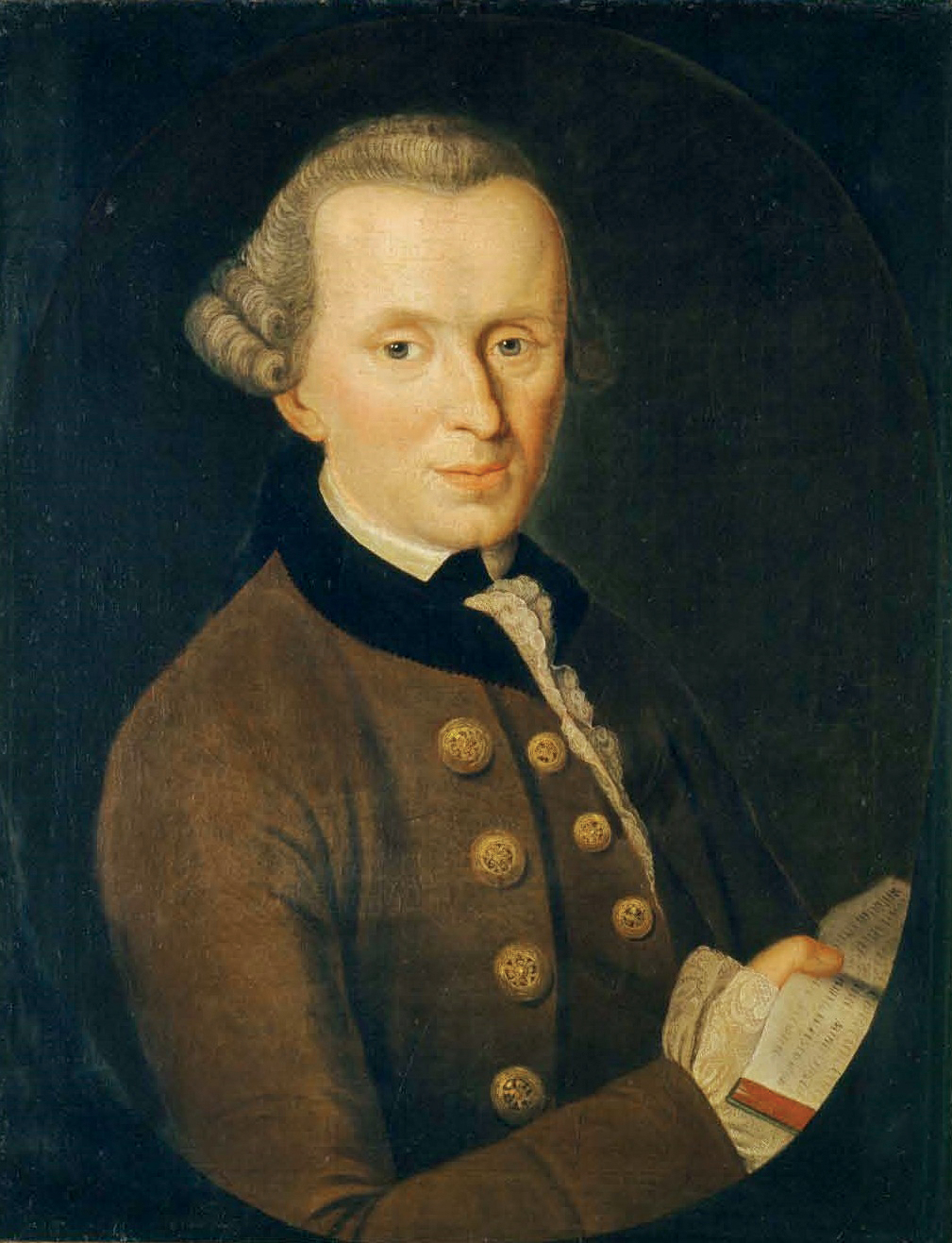
Immanuel Kant
1724 CE – 1804 CE
Königsberg, Prussia
Prussian Enlightenment philosopher whose critical philosophy of transcendental idealism, autonomy, public reason, aesthetic judgment, natural science, religion, and right reshaped modern metaphysics, epistemology, ethics, politics, and aesthetics.
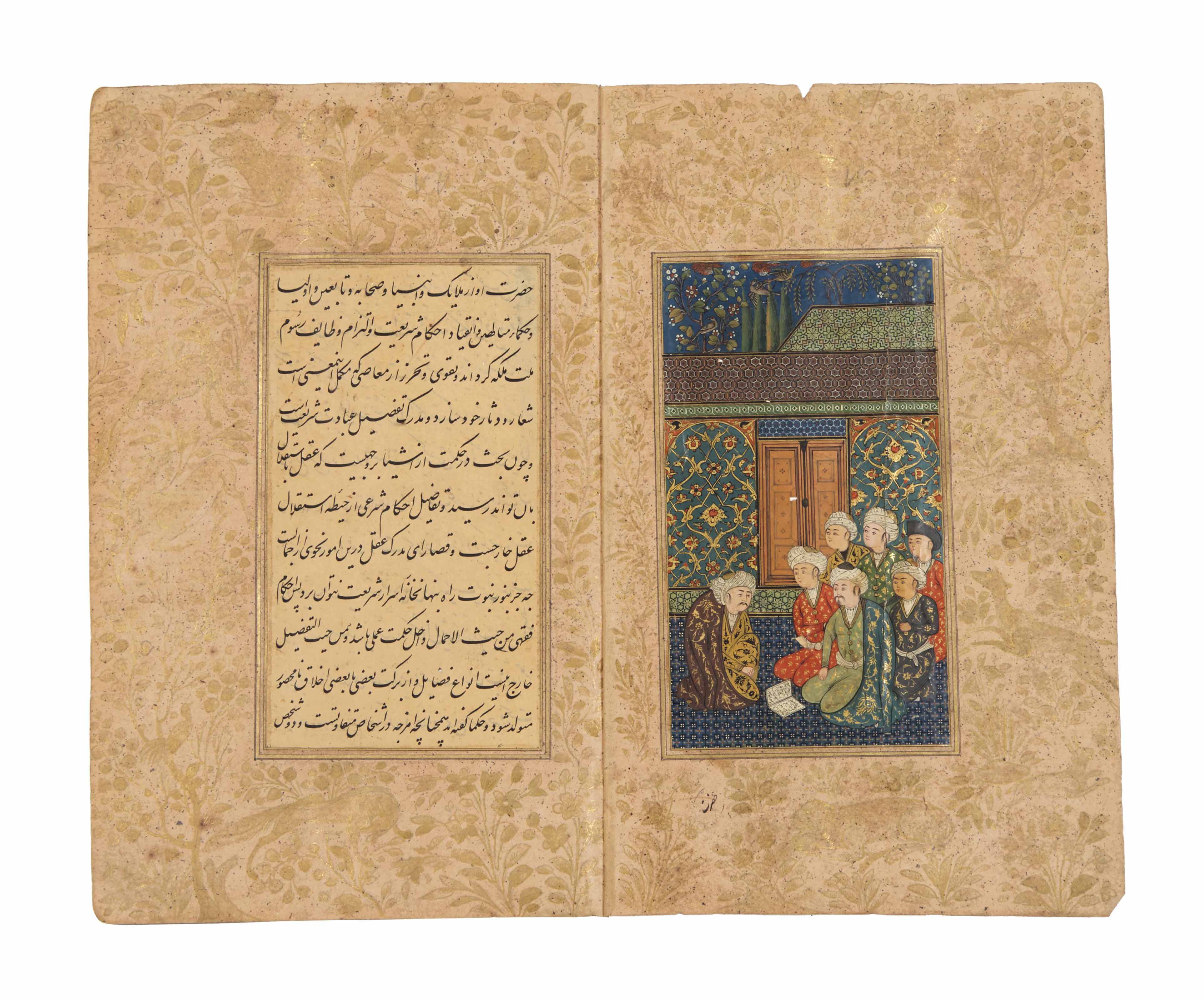
Jalal al-Din al-Dawwani
1427 CE – 1502 CE
Dawan (near Kazerun, Fars)
Persian philosopher and theologian from Dawan whose post-Avicennian metaphysics, Illuminationist commentary, logic, ethics, and philosophical theology shaped late medieval Islamic philosophy.
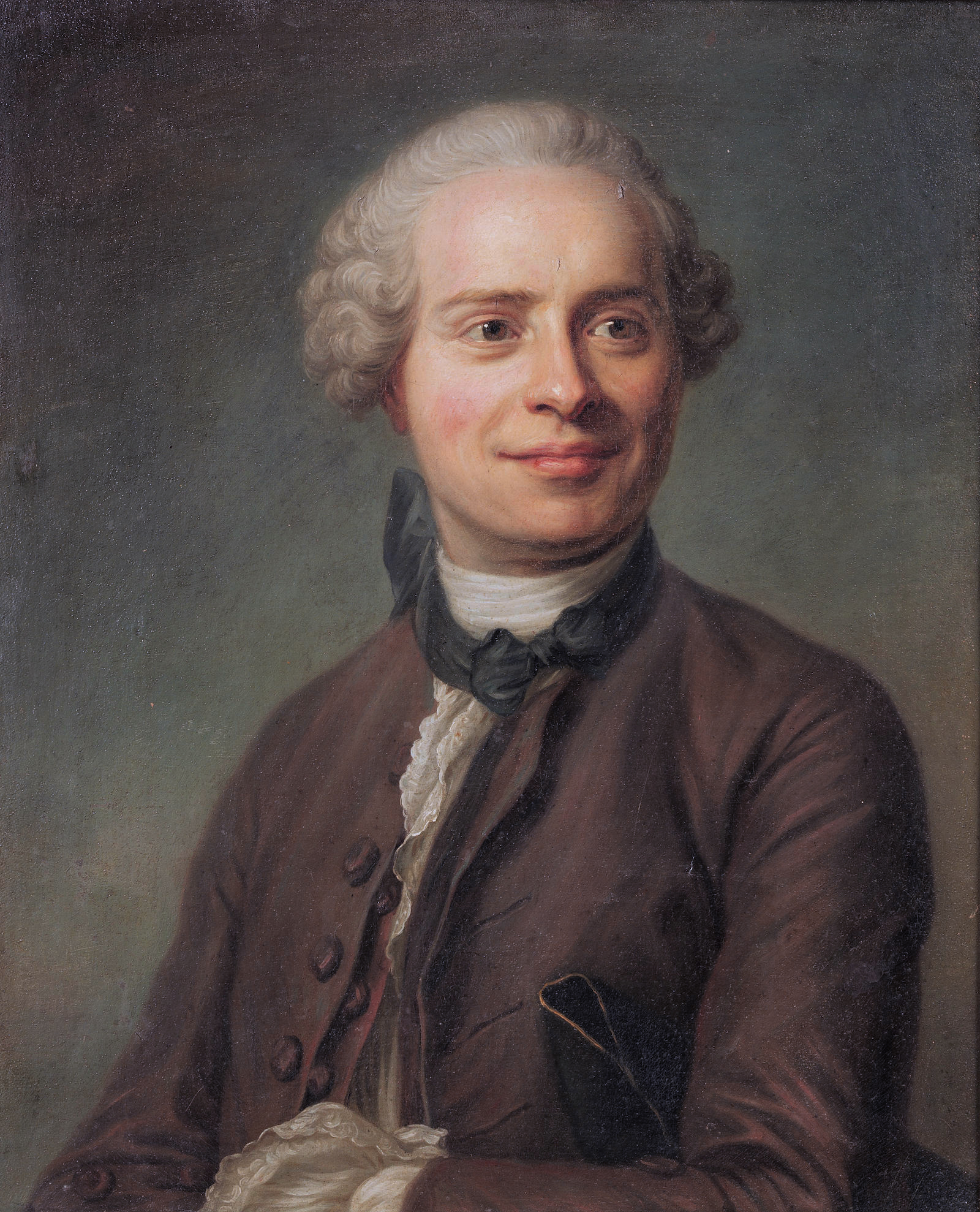
Jean le Rond d'Alembert
1717 CE – 1783 CE
Paris
French Enlightenment philosopher, mathematician, physicist, music theorist, and encyclopedist from Paris, associated with mathematical physics, the Encyclopedie, the Preliminary Discourse, and philosophy of science.
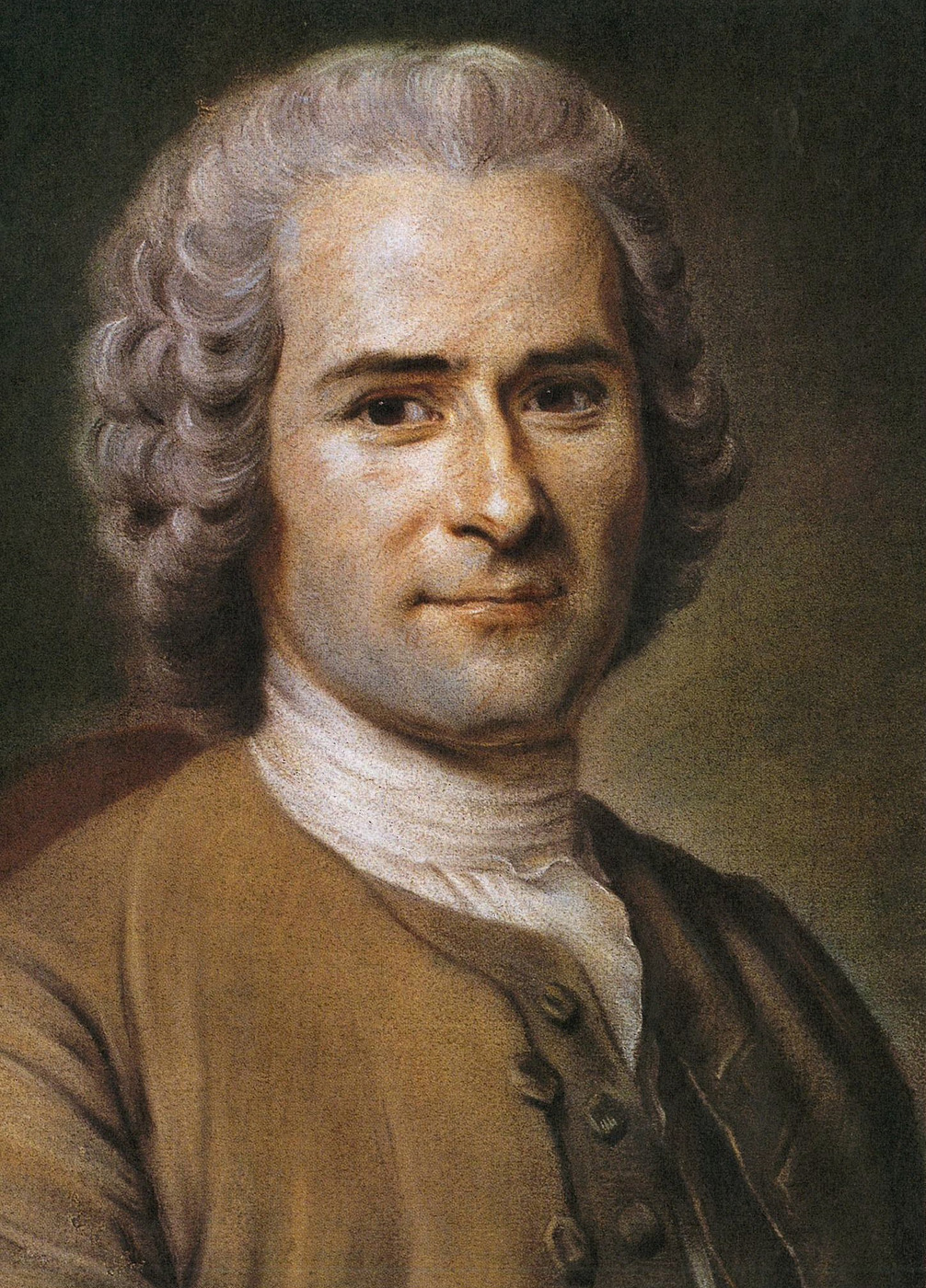
Jean-Jacques Rousseau
1712 CE – 1778 CE
Geneva
Genevan French-language Enlightenment philosopher of popular sovereignty, the general will, social contract theory, natural education, civil religion, moral psychology, language, music, autobiography, and the critique of corrupting civilization.
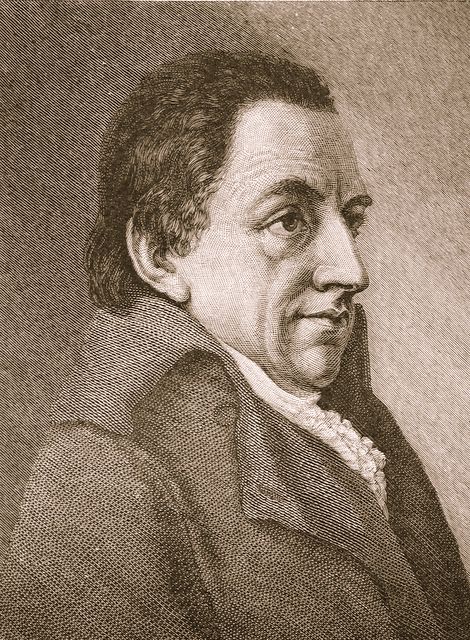
Johann Gottlieb Fichte
1762 CE – 1814 CE
Rammenau, Upper Lusatia, Saxony
German post-Kantian idealist philosopher of the Wissenschaftslehre, self-positing subjectivity, moral freedom, natural right, language, vocation, political economy, religion, and national education.
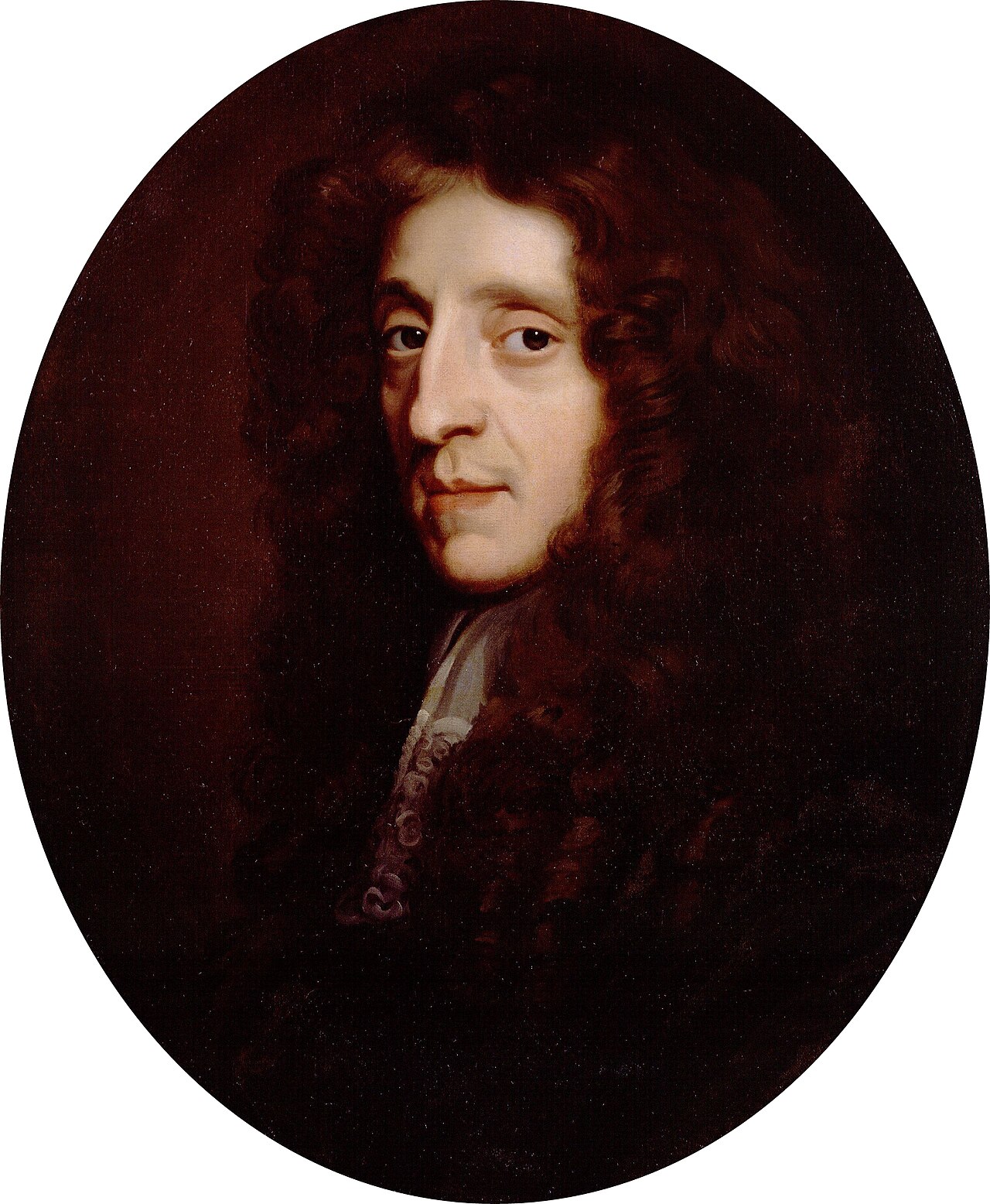
John Locke
1632 CE – 1704 CE
Wrington, Somerset
English early modern empiricist and liberal political philosopher of human understanding, toleration, natural law, personal identity, education, monetary thought, rational Christianity, and the limits of knowledge.
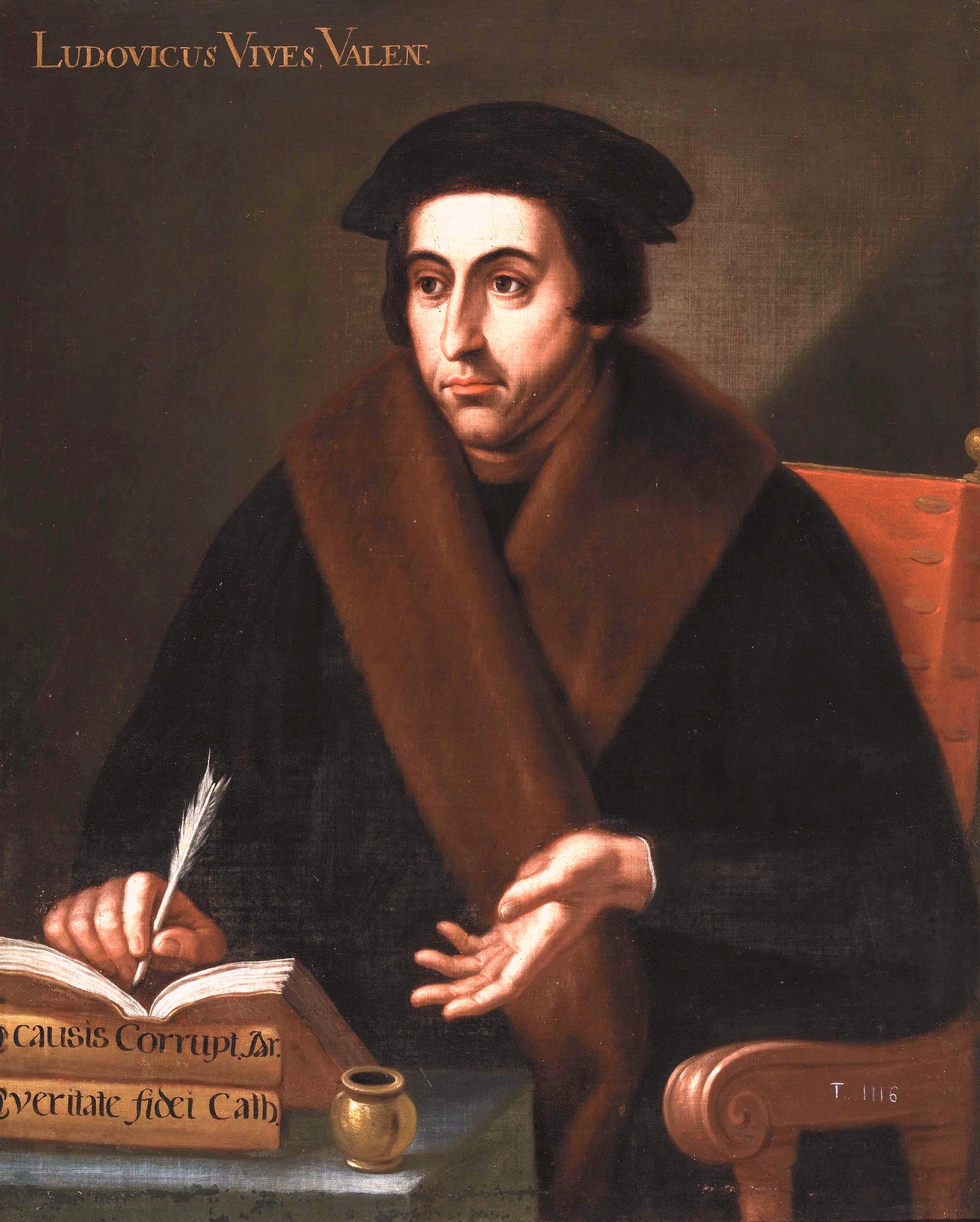
Juan Luis Vives
1493 CE – 1540 CE
Valencia
Valencian Spanish Renaissance humanist philosopher of education, psychology, language, rhetoric, poor relief, peace, Christian reform, women's education, and the renewal of the disciplines.
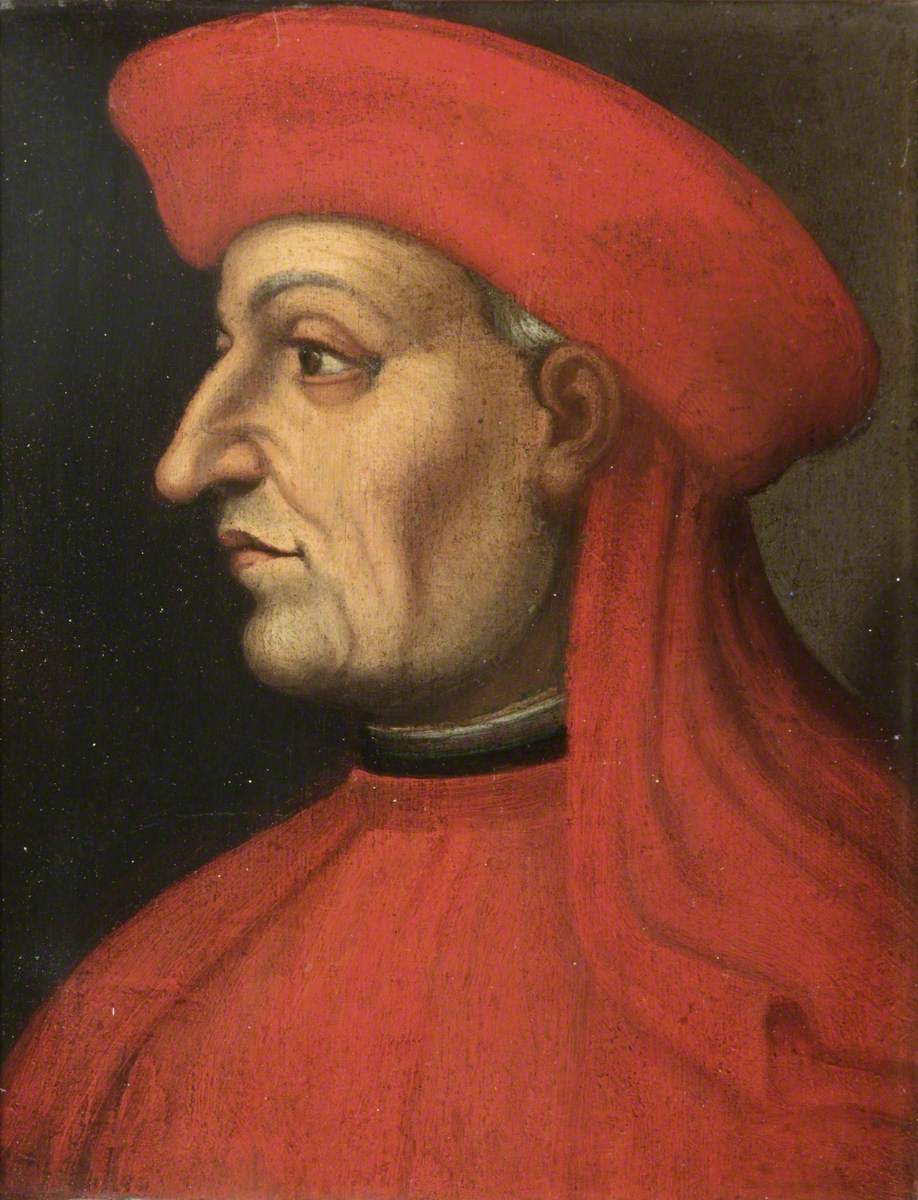
Leonardo Bruni
1370 CE – 1444 CE
Arezzo
Italian Renaissance humanist, Florentine chancellor, translator, and historian whose civic rhetoric, republican historiography, classical translations, and De interpretatione recta shaped civic humanism and humanist translation theory.
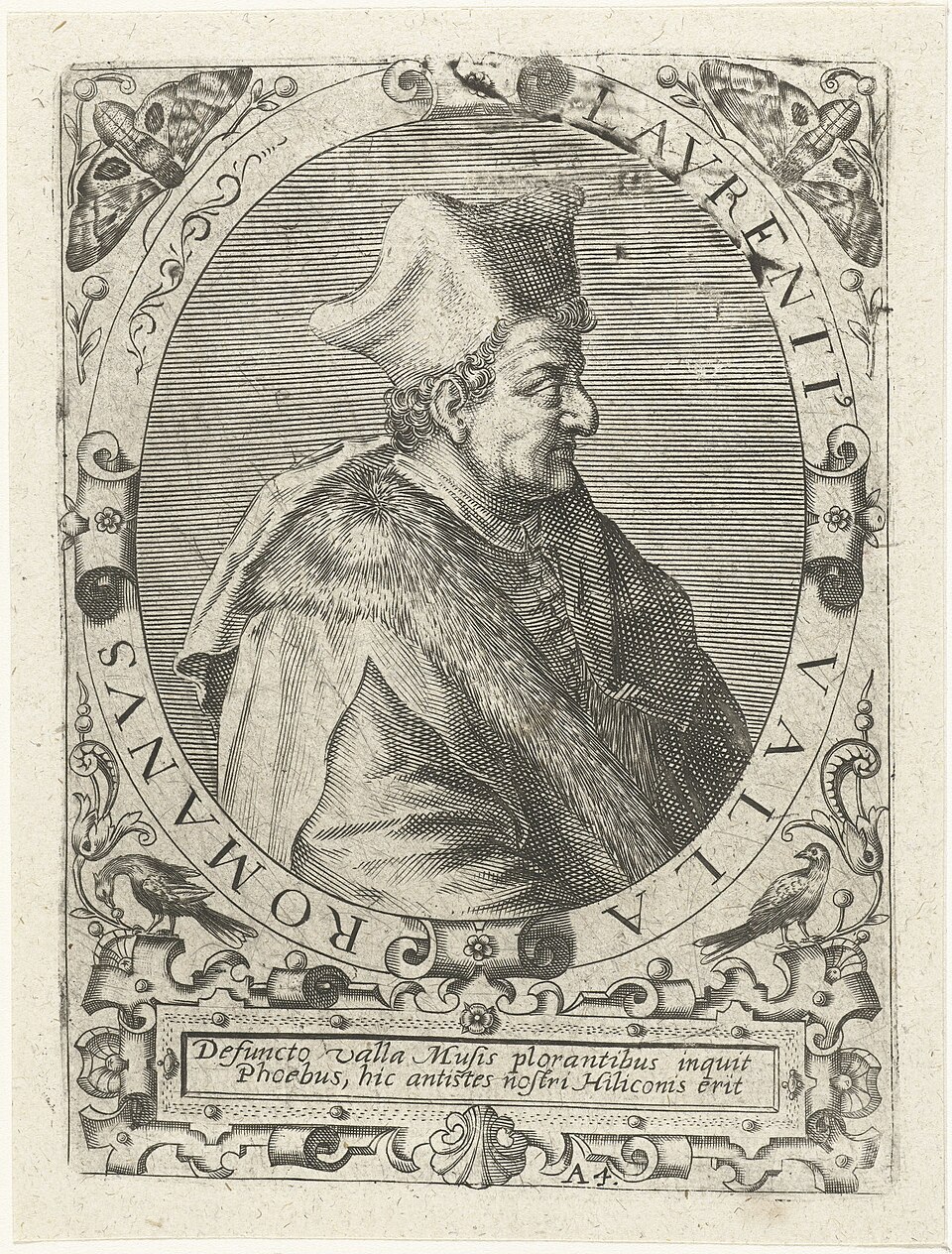
Lorenzo Valla
1407 CE – 1457 CE
Rome
Italian Renaissance humanist, philologist, philosopher, textual critic, translator, and Catholic priest whose critique of scholasticism, Latin style, biblical scholarship, and exposure of the Donation of Constantine reshaped humanist method.
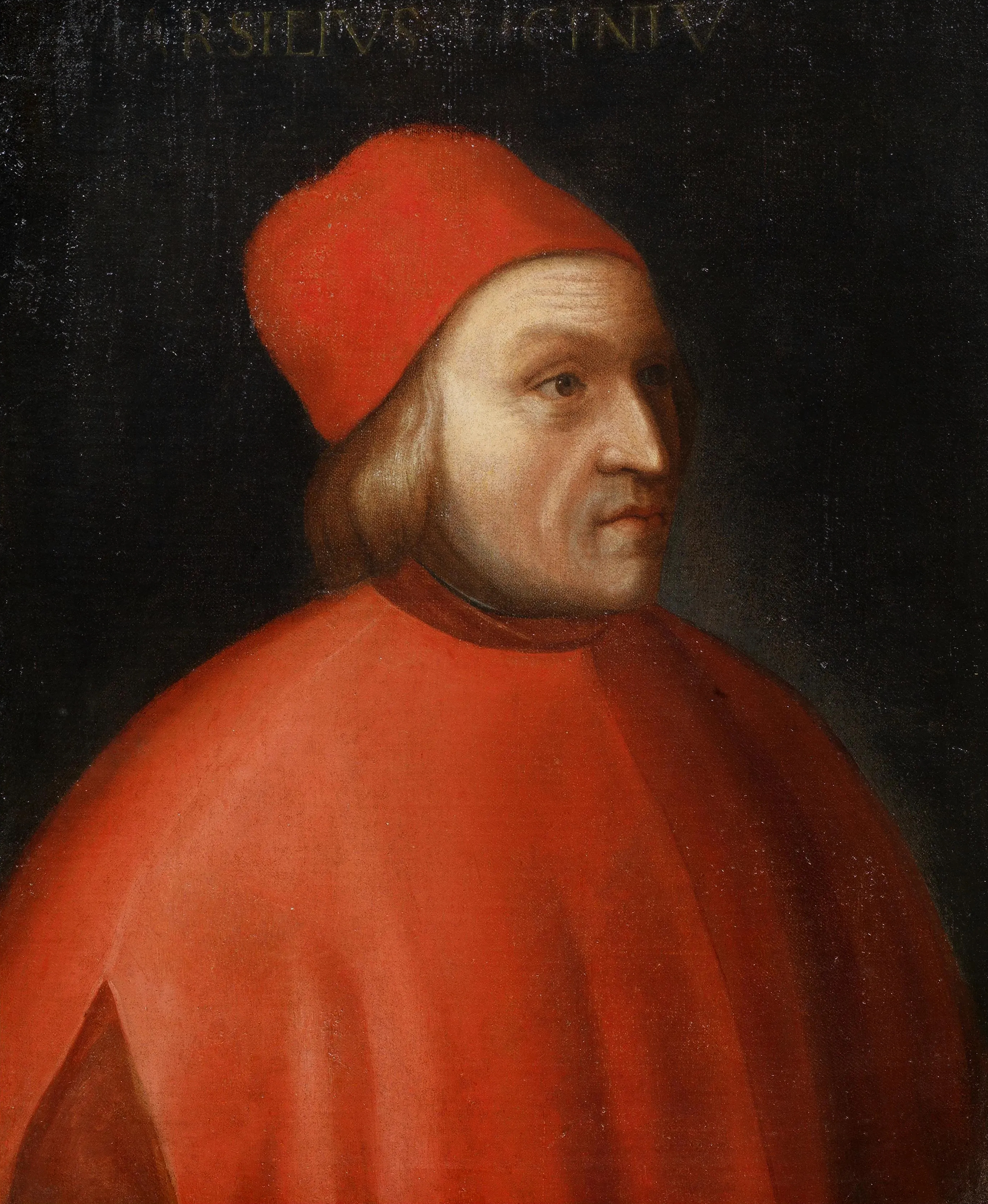
Marsilio Ficino
1433 CE – 1499 CE
Figline Valdarno, Republic of Florence
Italian Renaissance Platonist, humanist, translator, priest, and Christian Neoplatonist whose Plato, Plotinus, Hermetic, soul, love, natural-philosophy, and prisca-theologia writings shaped Florentine Platonism.
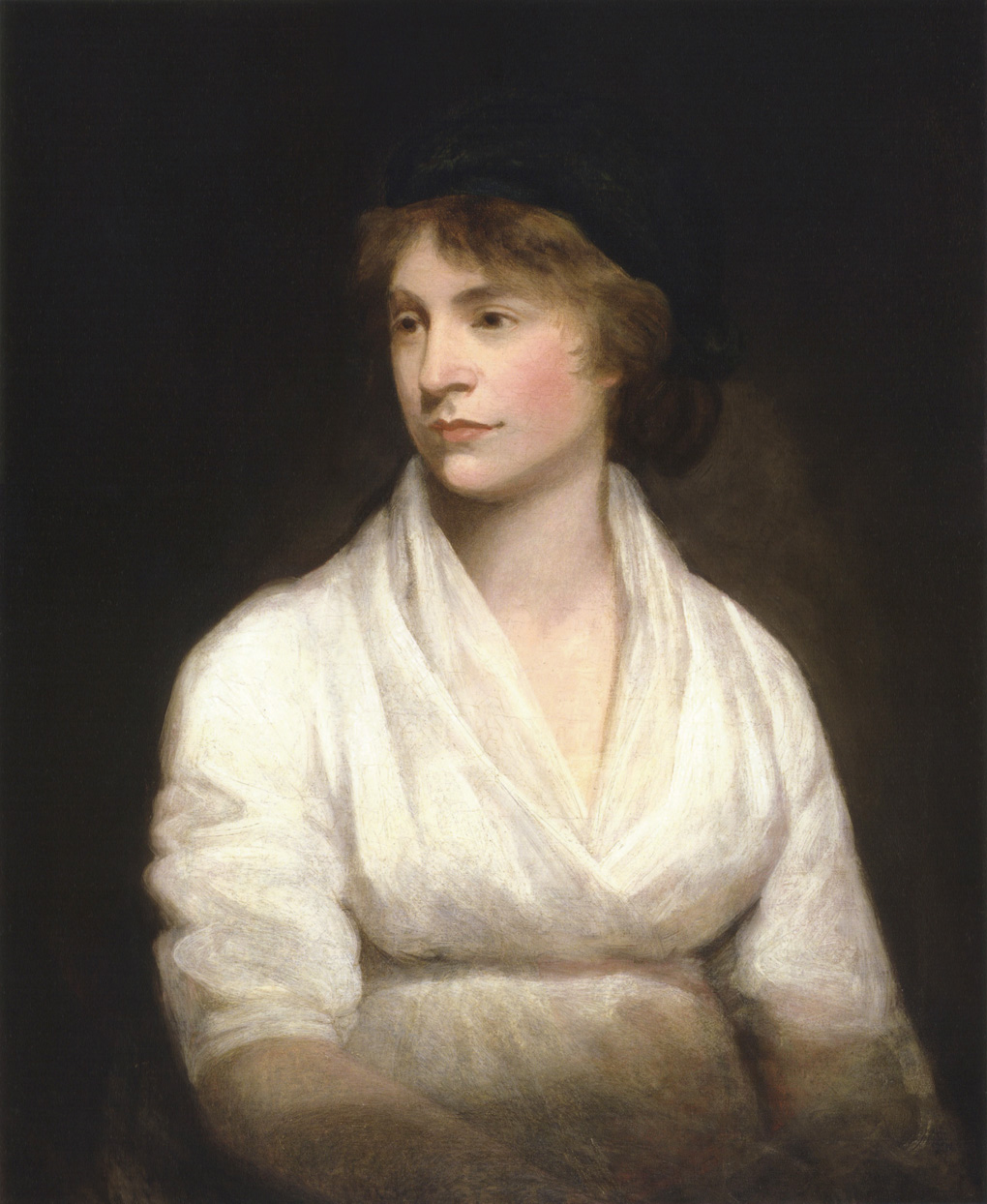
Mary Wollstonecraft
1759 CE – 1797 CE
Spitalfields, London
English Enlightenment feminist philosopher, republican political writer, educator, novelist, translator, historian, and advocate of women's rational education, civic dignity, and moral independence.
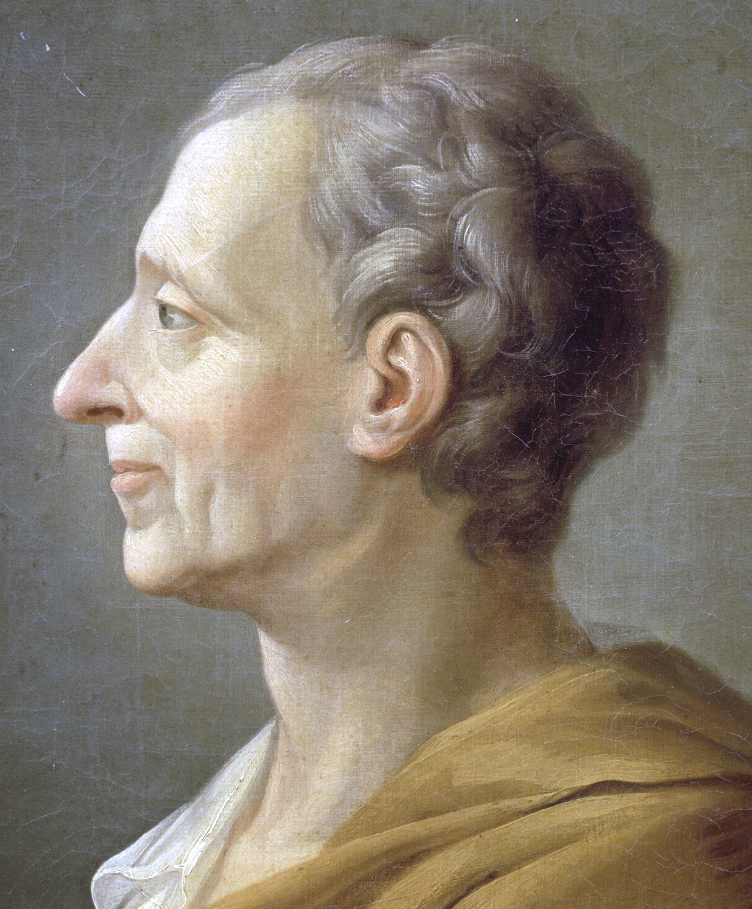
Montesquieu (Charles-Louis de Secondat)
1689 CE – 1755 CE
Chateau de la Brede, near Bordeaux
Enlightenment political philosopher of separation of powers, comparative law, rule of law, political liberty, commerce, climate, moderation, and despotism.
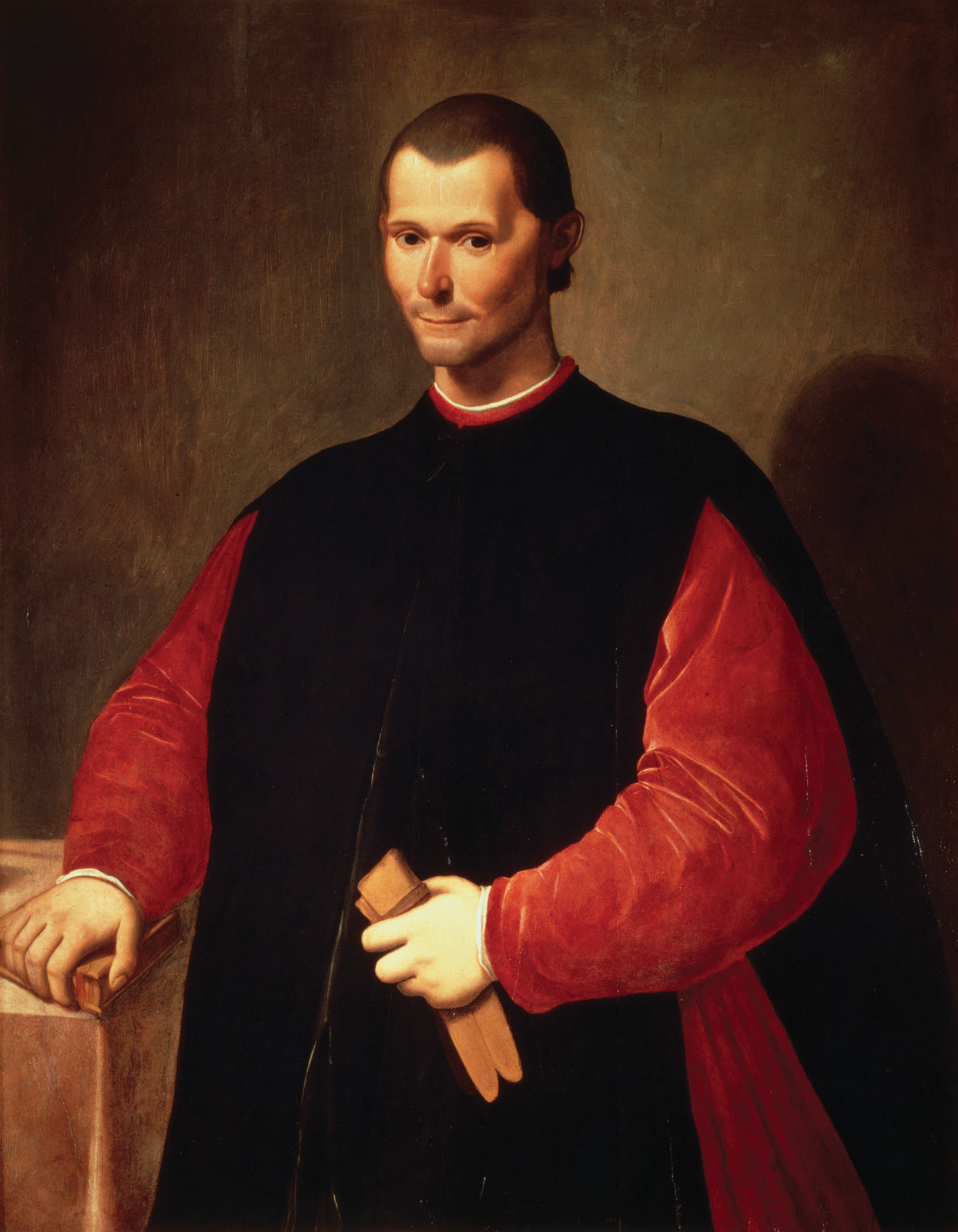
Niccolo Machiavelli
1469 CE – 1527 CE
Florence, Republic of Florence
Renaissance political philosopher of Florence, the chancery, Italian Wars, virtu, fortuna, necessity, republican liberty, civic militia, corruption, and political realism.
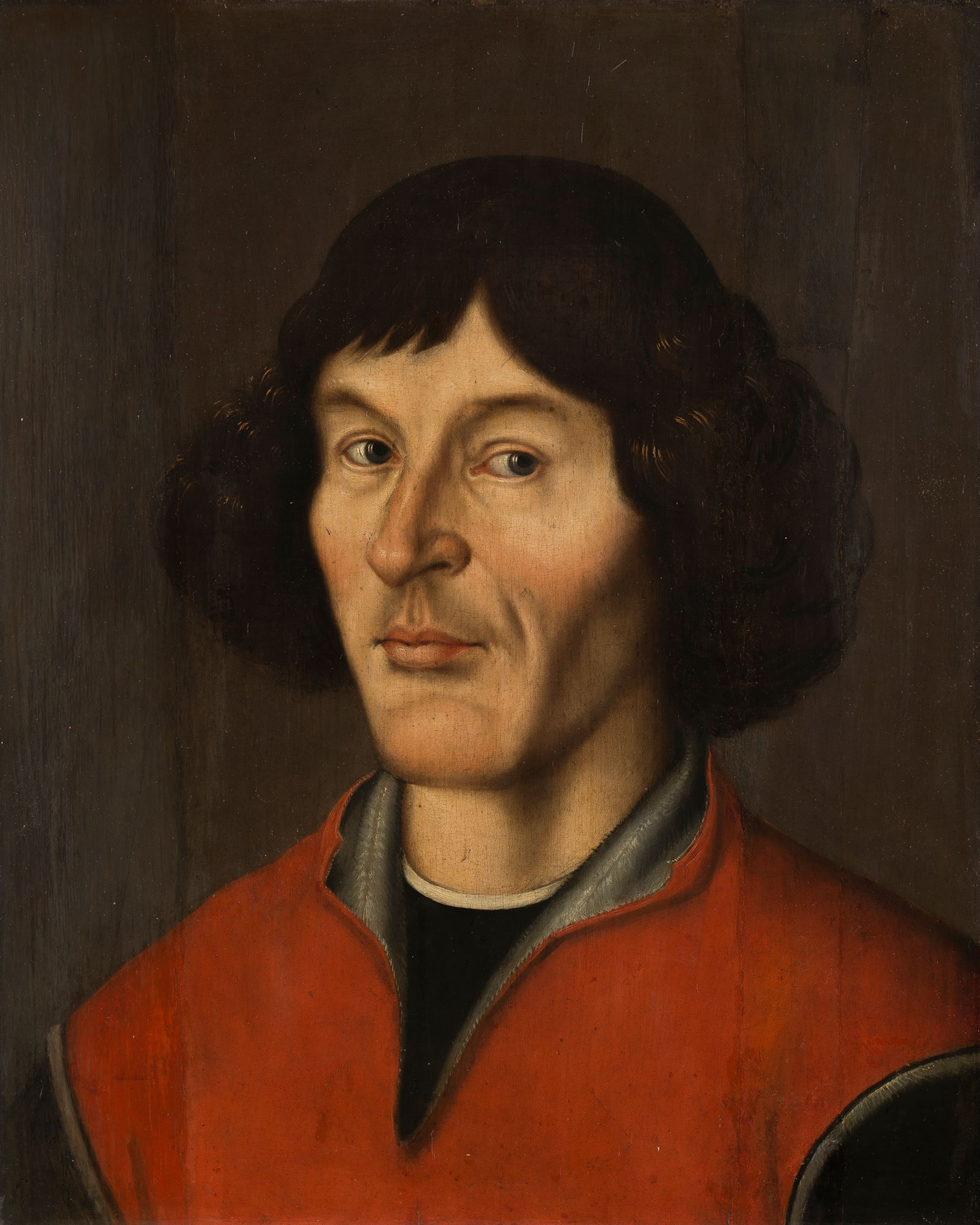
Nicolaus Copernicus
1473 CE – 1543 CE
Torun, Royal Prussia
Renaissance natural philosopher and mathematical astronomer of heliocentrism, De revolutionibus, Commentariolus, Warmian administration, and monetary reform.
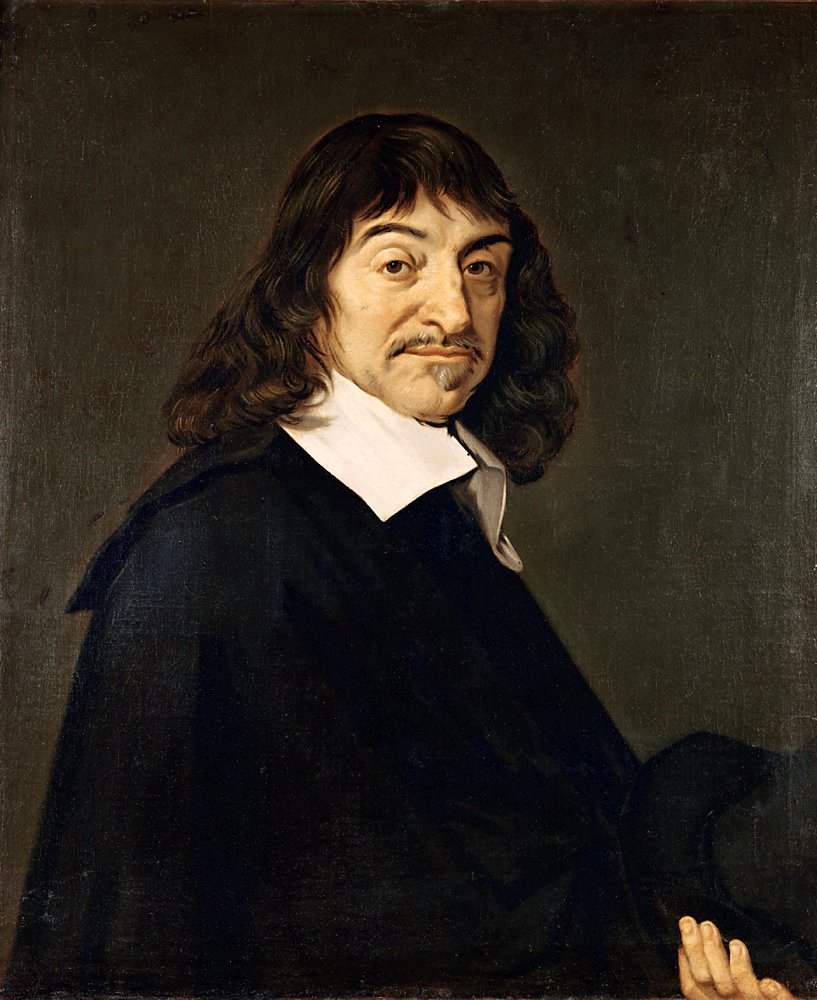
René Descartes
1596 CE – 1650 CE
La Haye en Touraine
Early modern rationalist and mathematician of methodic doubt, the cogito, clear and distinct perception, mind-body dualism, innate ideas, analytic geometry, mechanical philosophy, optics, passions, free will, God, and Cartesian science.
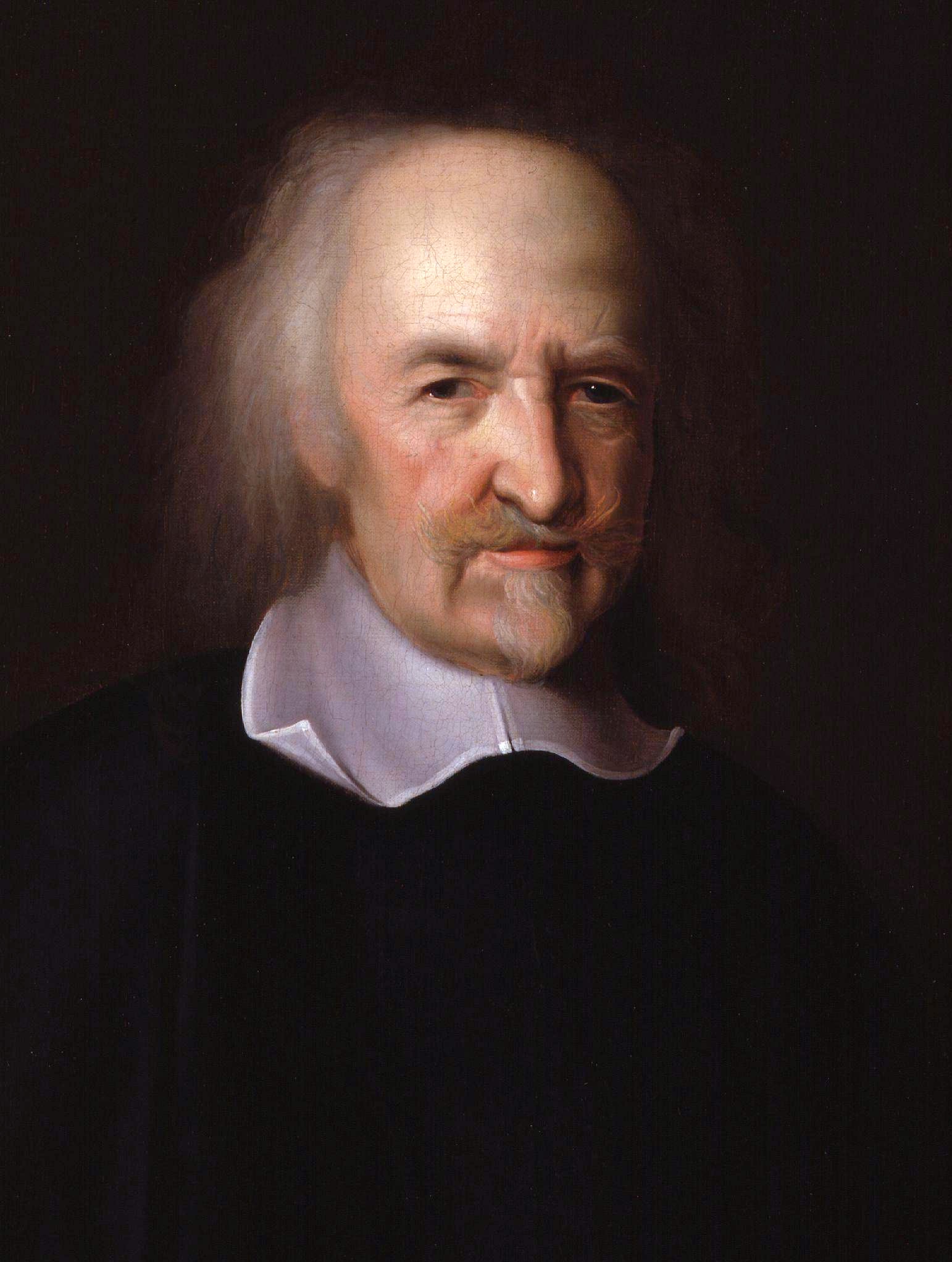
Thomas Hobbes
1588 CE – 1679 CE
Westport, near Malmesbury, Wiltshire
Early modern English philosopher of civil science, mechanistic materialism, state of nature, laws of nature, covenant, authorization, sovereignty, civil law as command, church authority, liberty and necessity, rhetoric, history, and translation.
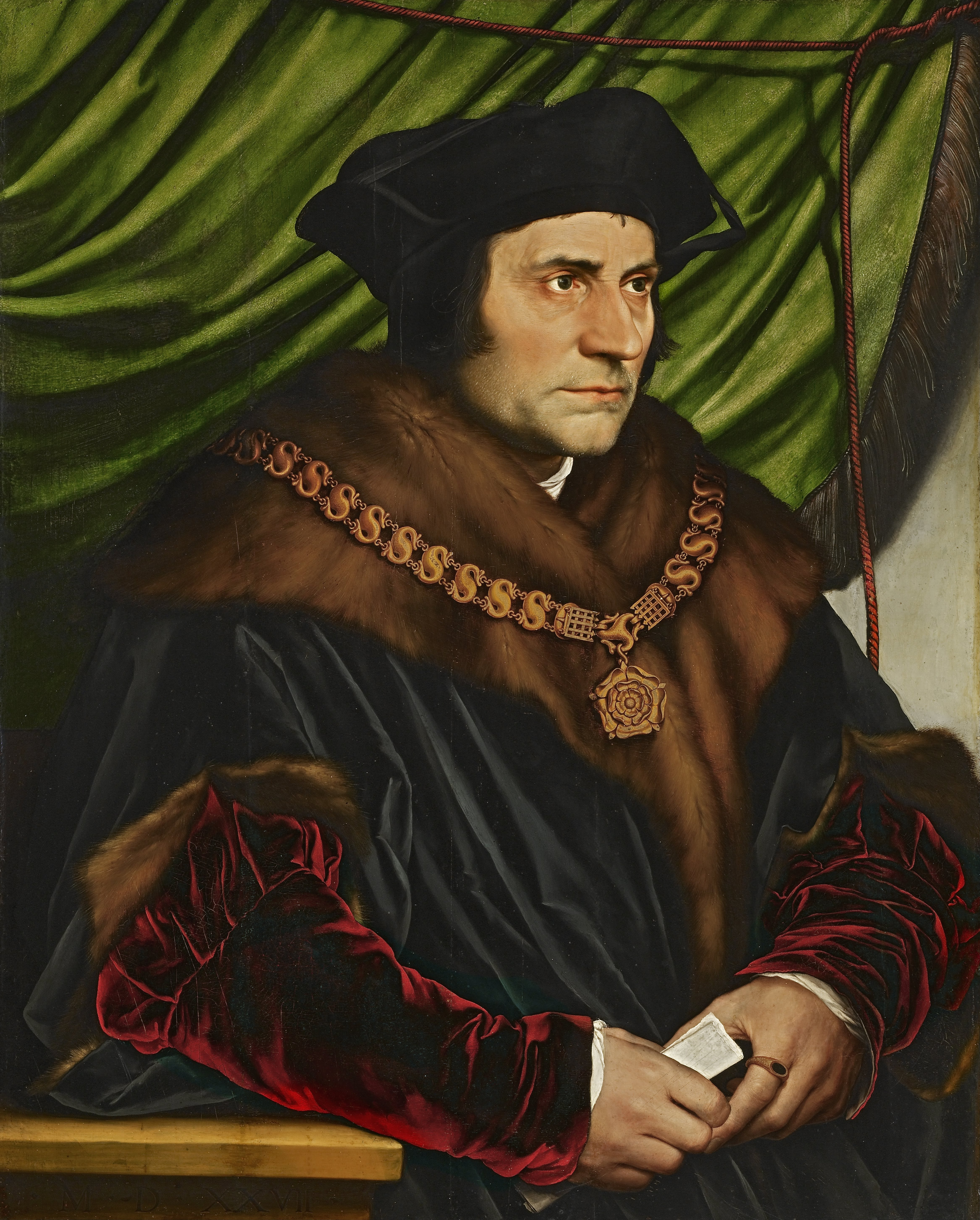
Thomas More
1478 CE – 1535 CE
London
English Renaissance humanist, lawyer, royal councillor, author of Utopia, and Catholic moral thinker whose works join civic counsel, conscience, political imagination, religious controversy, and prison consolation.
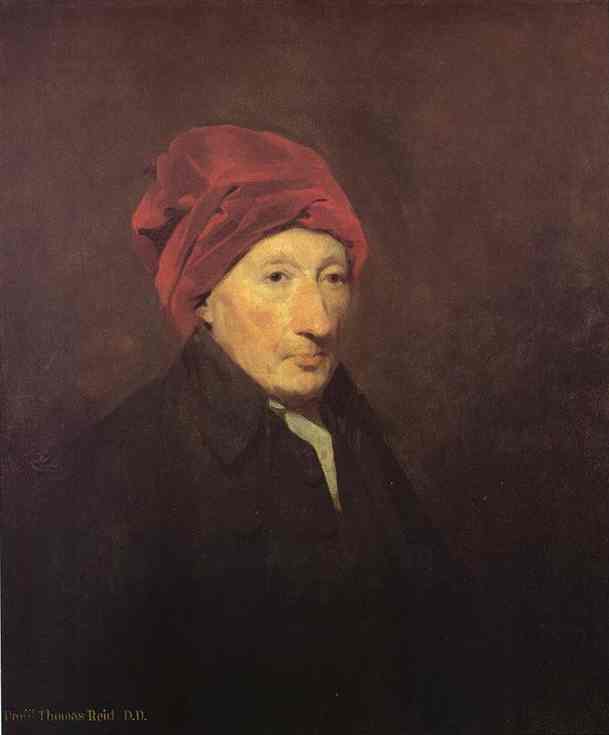
Thomas Reid
1710 CE – 1796 CE
Strachan, Kincardineshire
Scottish Enlightenment philosopher of common sense, direct realism, perception, first principles, active powers, moral liberty, natural signs, and criticism of the theory of ideas.
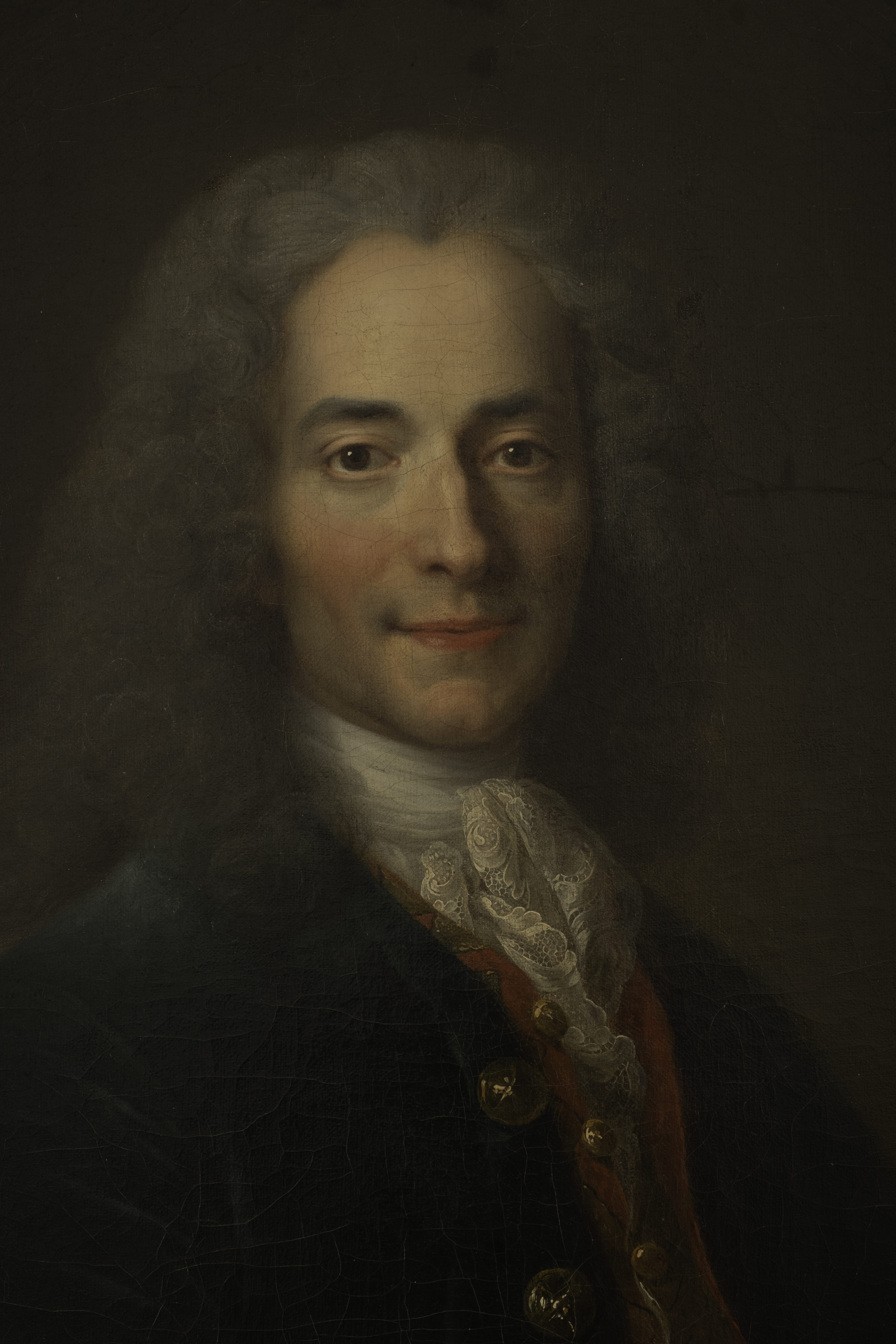
Voltaire (François-Marie Arouet)
1694 CE – 1778 CE
Paris
French Enlightenment writer and philosopher whose deism, satire, toleration campaigns, Newtonian public science, civil-liberties advocacy, and anti-clerical critique made him a defining public intellectual of eighteenth-century Europe.
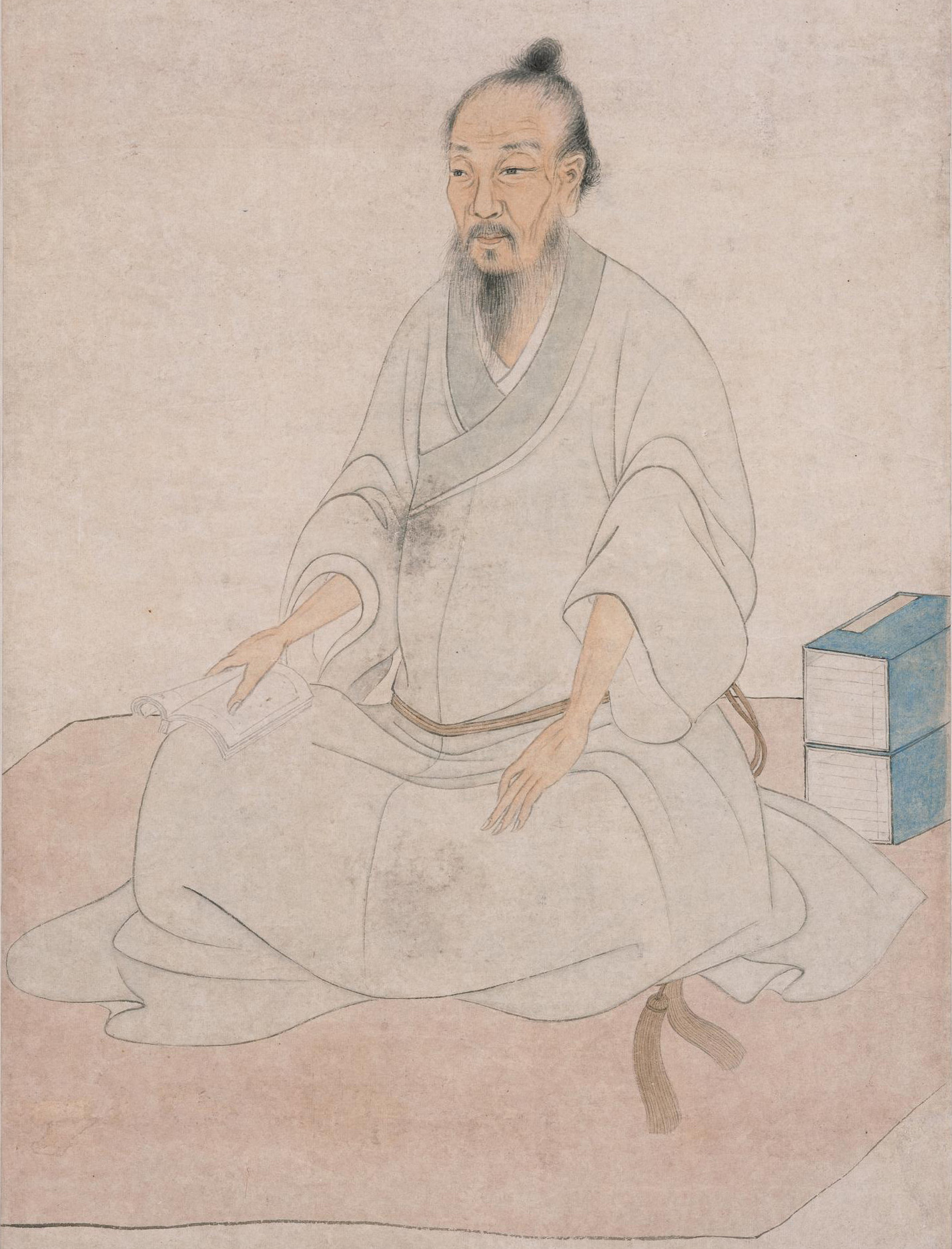
Wang Yangming
1472 CE – 1529 CE
Yuyao, Zhejiang, Ming China
Ming Chinese Neo-Confucian philosopher of the School of Mind whose teaching joins innate knowing, mind as principle, unity of knowledge and action, sagehood, and moral-political practice.