Philosophy School
Scotism
Late medieval Franciscan scholastic school rooted in John Duns Scotus, emphasizing univocity of being, formal distinction, haecceity, common natures, divine freedom, will, contingency, intuitive cognition, and a subtle metaphysics of individuality and theology.
Period
Medieval History500 CE – 1499 CE
Era
High Medieval1000 CE – 1299 CE
Begin
1266 CE
End
1308 CE
Structural Factors
- Shared Core Claims
- Scotism holds that metaphysics needs a univocal concept of being, that common natures and individuating haecceities are real in distinct ways, that formal distinction explains complex unity, and that divine and human freedom require a robust account of contingency.
- Shared Methods
- The school uses scholastic quaestio, Sentences commentary, fine-grained distinctions, modal argument, semantic analysis, formal distinction, metaphysical proof, theological disputation, Franciscan commentary, and debate with Thomist, Augustinian, and nominalist rivals.
- Shared Lineage
- Scotism develops from Augustine, Aristotle, Avicenna, Anselm, Franciscan theology, Bonaventure, Henry of Ghent, and John Duns Scotus, then through early Scotists such as Antonius Andreas, Francis of Meyronnes, William of Alnwick, John of Ripa, and later Franciscan schools.
- Shared Problems
- Central problems include the meaning of being, individuation, universals, formalities, divine simplicity, freedom, contingency, cognition, will and intellect, proof of God's existence, Immaculate Conception, natural theology, and the relation between metaphysics and revealed theology.
- Shared Vocabulary
- Key terms include univocity, haecceity, thisness, common nature, formal distinction, objective concept, intuitive cognition, abstractive cognition, will, contingency, synchronic contingency, formalitas, quidditas, natura communis, individuation, ens, and Doctor Subtilis.
- Shared Historical Context
- Scotism arose in the late thirteenth and fourteenth centuries within Franciscan scholastic culture, Oxford and Paris university debate, Sentences commentary, and disputes over Aristotle, Avicenna, Aquinas, Henry of Ghent, and theological doctrine.
Defining Axes
- Doctrine
- Doctrinally, Scotism is defined by univocity of being, formal distinction, real common natures, haecceity as principle of individuation, divine and human freedom, priority of will, contingency, and a Franciscan theological defense of the Immaculate Conception.
- Method
- Its method is analytic and scholastic: isolate formalities, test modal possibilities, distinguish senses of terms, answer objections, compare authorities, and use precise metaphysical distinctions to secure theological and philosophical claims.
- Lineage
- The lineage runs from Augustinian and Franciscan theology, Aristotle and Avicenna, Anselm, Bonaventure, Henry of Ghent, and Duns Scotus to fourteenth-century Scotists, later Franciscan commentators, early modern scholasticism, and contemporary Scotus scholarship.
- Subject Focus
- Scotism focuses on metaphysics, ontology, individuation, universals, philosophy of language, epistemology, modality, philosophical theology, ethics of will, natural theology, Mariology, and medieval scholastic method.
- Geography / Culture
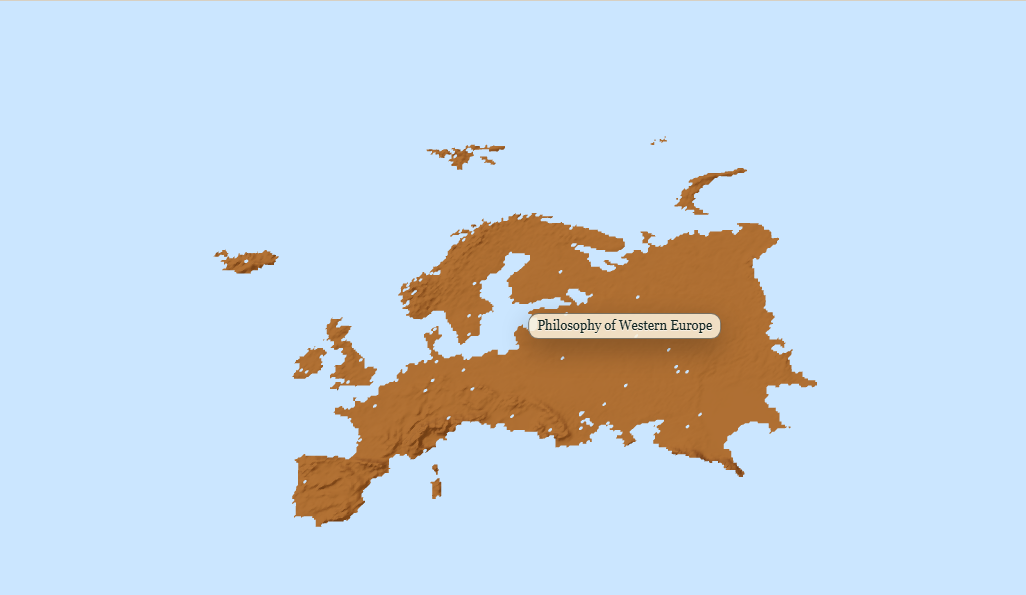
- Scotism developed in Latin Christian university and Franciscan settings, especially Oxford, Paris, Cologne, and later Franciscan study houses across Europe, with strong reception in Scotland, England, France, Italy, Spain, and Ireland.
- Historical Reaction
- Scotism responds to Thomist analogy, Henry of Ghent's illumination and essence theories, Aristotelian and Avicennan metaphysics, debates over universals, condemnations and modal theology, Franciscan theological priorities, and later nominalist criticism.
Internal Structure
- Foundational Texts
- Foundational texts include Scotus's Ordinatio, Lectura, Reportatio, Quaestiones quodlibetales, Questions on the Metaphysics, early Scotist commentaries, Antonius Andreas's metaphysical writings, and later Franciscan Scotist manuals.
- Core Vocabulary
- Core vocabulary includes being, concept, univocity, analogy, formal distinction, real distinction, common nature, individual difference, haecceity, formality, quiddity, will, intellect, contingency, possibility, cognition, demonstration, and theological science.
- Metaphysics
- Scotist metaphysics analyzes being as a univocal transcendental concept, common natures as formally real, individuation through haecceity, formal distinction within unified things, and modal structure as central to causality, freedom, and divine knowledge.
- Epistemology
- Scotist epistemology distinguishes intuitive and abstractive cognition, analyzes concepts and signification, defends natural knowledge of being and God, and treats cognition as ordered by both sensory encounter and intellectual abstraction.
- Ethics
- Scotist ethics emphasizes will, freedom, love, moral contingency, divine command, ordered affection, justice, charity, and the capacity of rational agents to determine themselves under reasons and divine law.
- Method
- The school proceeds through commentary on authoritative texts, precise distinctions, formal and modal analysis, objection-and-reply disputation, comparison with rival positions, and systematic development of Scotus's unresolved or condensed arguments.
- Internal Debates
- Internal debates concern how to interpret formal distinction, whether Scotus is realist or moderate realist, the exact status of common natures and haecceities, voluntarism, divine command, univocity, and the continuity between Scotus and later Scotists.
- Successors
- Successors include later Franciscan scholasticism, Scotist theology, early modern scholastic metaphysics, debates with Ockhamism and Thomism, Catholic Immaculate Conception theology, renewed analytic interest in haecceity, modality, and medieval metaphysics.
External Classification Context
- History of Philosophy
- Scotism is one of the central late medieval scholastic traditions and a major alternative to Thomism and nominalism in metaphysics, epistemology, theology, modality, and the theory of individuation.
- Philosophy of Philosophy
- Scotism treats philosophy as rigorous conceptual and metaphysical clarification in service of theology, using distinctions not as ornament but as tools for preserving intelligibility, freedom, and doctrinal precision.
- Intellectual History
- The tradition links Franciscan education, Sentences commentary, university disputation, Latin scholastic metaphysics, late medieval theological controversy, early modern Catholic schools, and modern medievalist and analytic reconstruction.
- University Classification
- Classify Scotism under medieval philosophy, scholasticism, Franciscan philosophy, metaphysics, ontology, philosophy of religion, philosophical theology, epistemology, modality, and history of Christian thought.
- Classical Sources
- Classical sources include Augustine, Aristotle, Avicenna, Anselm, Bonaventure, Henry of Ghent, Scotus's major works, early Scotist commentaries, Franciscan scholastic manuals, and Thomist and nominalist critiques.
- Sociology of Knowledge
- Scotism spread through Franciscan schools, university lectures, Sentences commentaries, manuscript copying, order curricula, printed Opera omnia, scholastic disputation, Catholic theological debate, and modern critical editions and scholarship.
Linked Philosophers

John Duns Scotus
1266 CE – 1308 CE
Duns, Berwickshire, now Scottish Borders
Scottish Franciscan scholastic philosopher of Scotism, univocity of being, haecceity, formal distinction, divine infinity, will, natural law, logic, and the Ordinatio.